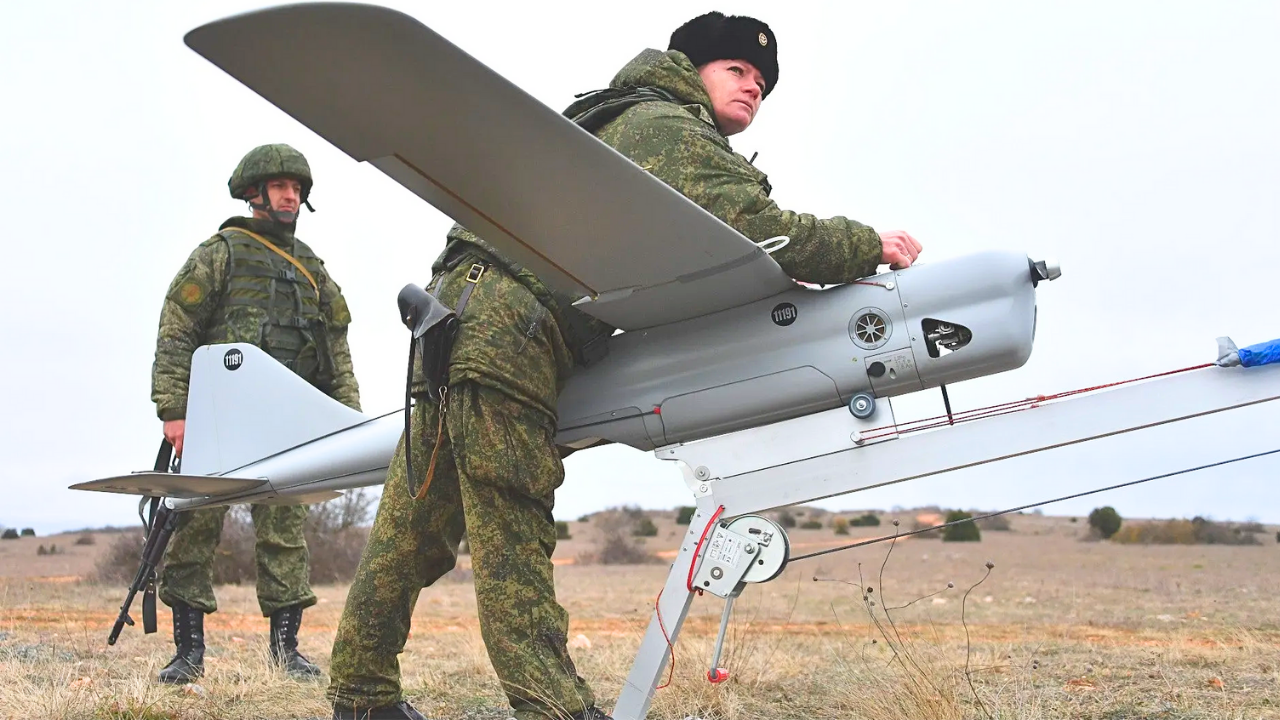
On November 29, 2025, Russian forces launched a massive coordinated offensive, combining ground assaults and aerial bombardment. Ukrainian officials reported an unprecedented scale of combat, with hundreds of clashes and thousands of drone and missile strikes. The war’s tempo accelerated dramatically, escalating casualties on both sides.
This wasn’t an isolated spike but part of a growing pattern throughout 2025, indicating the war may have entered a new phase of intensity. The combination of multiple attack vectors has pushed Ukrainian forces to the brink of exhaustion, intensifying the already grueling conflict.
Record-Breaking Assault
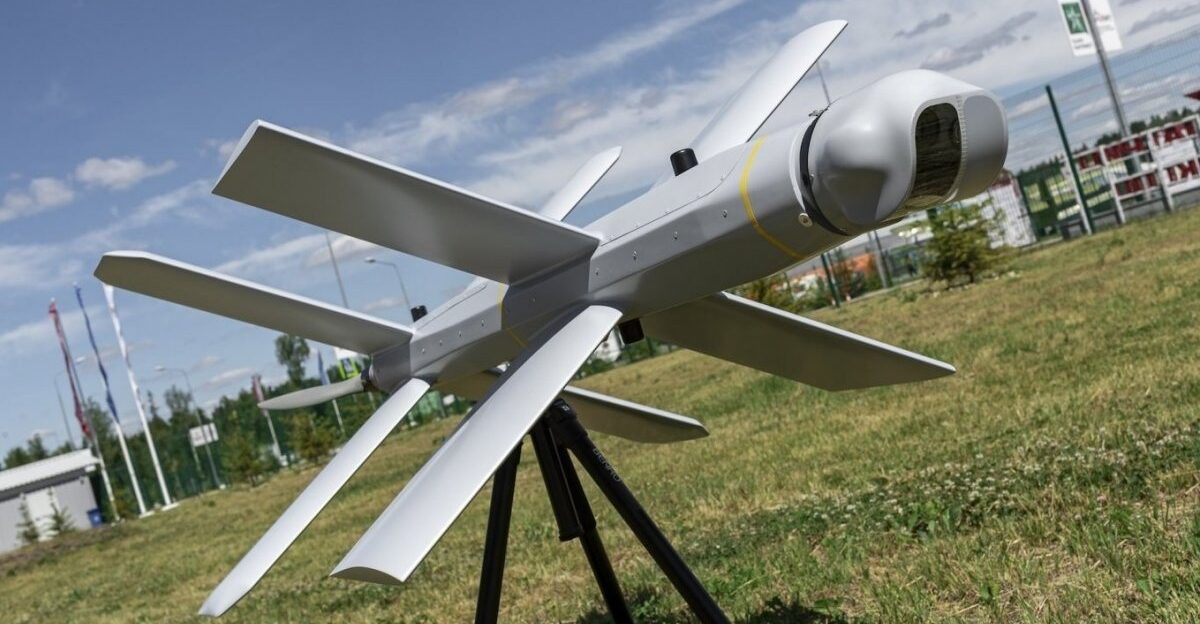
November 29 saw 271 combat engagements in just 24 hours, a significant increase from previous clashes. Russian forces deployed 4,033 kamikaze drones, 38 missiles, 40 airstrikes, and 59 rocket system attacks. This multi-pronged offensive overwhelmed Ukrainian defenses, pushing their capabilities to the limit.
The sheer scale of the attacks highlighted the changing nature of the conflict, with Russia’s use of drones and missiles becoming more coordinated and relentless. Ukrainian forces are now facing a constant barrage that strains their defensive infrastructure.
Drone Swarm Tactics
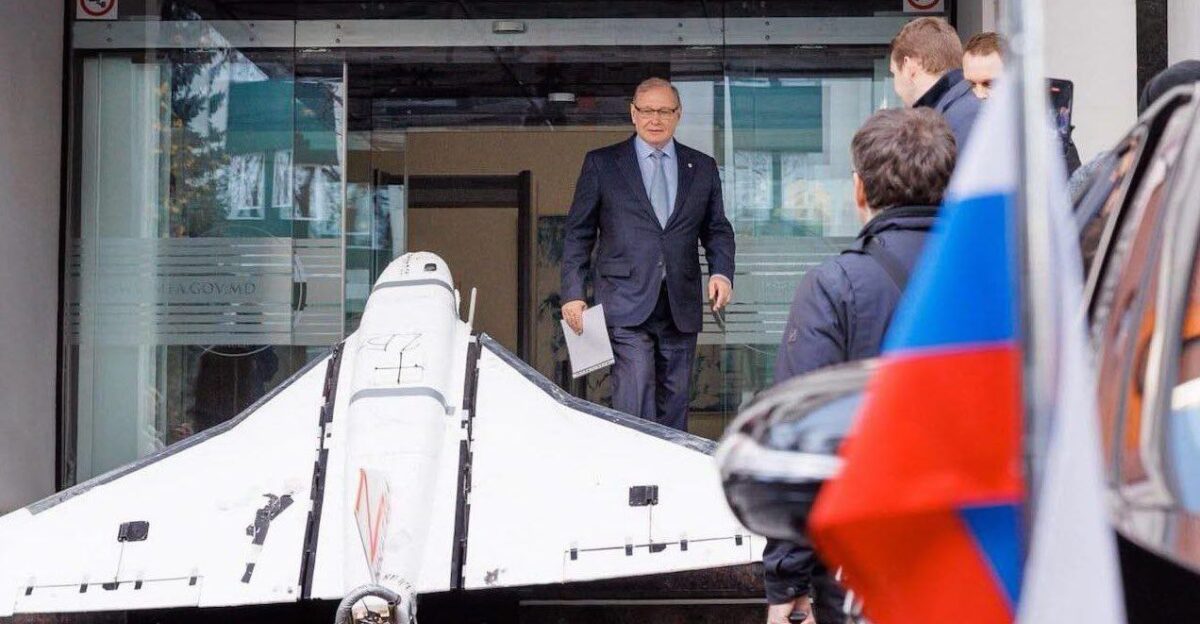
Russia’s drone tactics have become a critical part of their strategy. The Geran-1 and Geran-2 drones, developed to overwhelm Ukrainian air defenses, are now deployed in waves. These drones have been joined by the Geran-3, a jet-engine variant with increased speed and altitude, though its use remains limited.
The evolution of Russia’s drone arsenal represents a major shift in how warfare is being conducted. While the drones are a force multiplier, they also push Ukrainian air defenses to their breaking point, creating a new type of warfare on the frontlines.
Overstretched Defenses
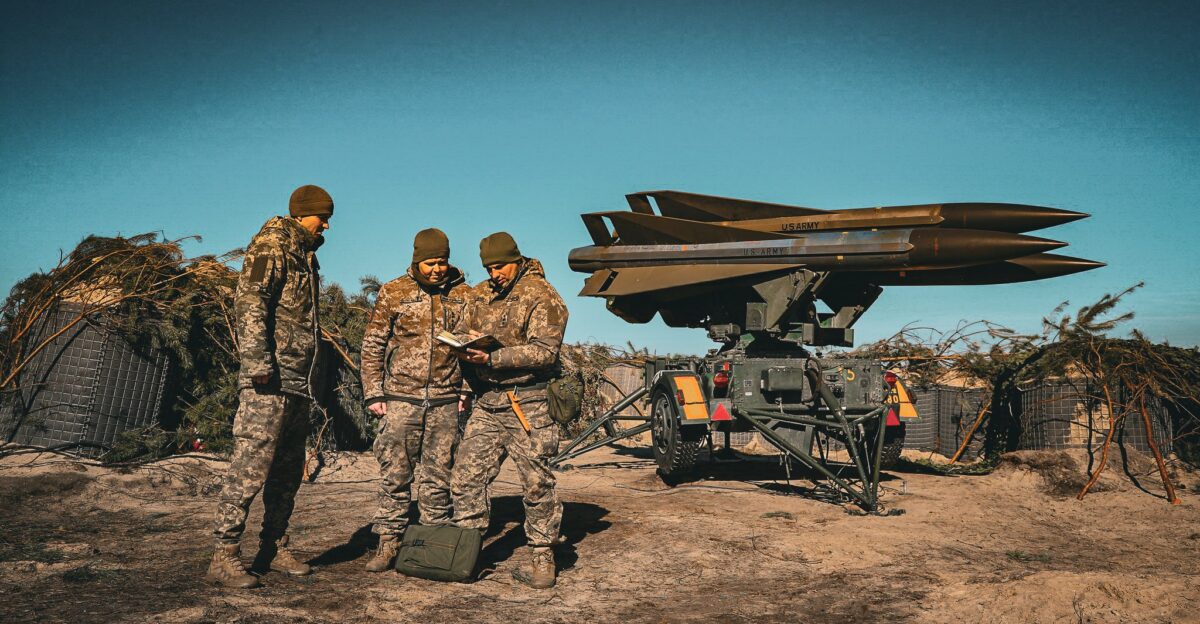
Despite intercepting 508 drones on November 29, Ukraine’s air defenses are overstretched. The sheer volume of attacks, with thousands of drones and missile strikes penetrating defenses, is putting immense pressure on Ukrainian forces. While the interceptions are impressive, the continued assaults are unsustainable.
Ukraine’s ability to continue countering these attacks is increasingly in doubt, as air defense resources are depleted faster than they can be replenished. The need for more advanced systems is becoming urgent as Russian drone swarms escalate.
The Attrition Calculus
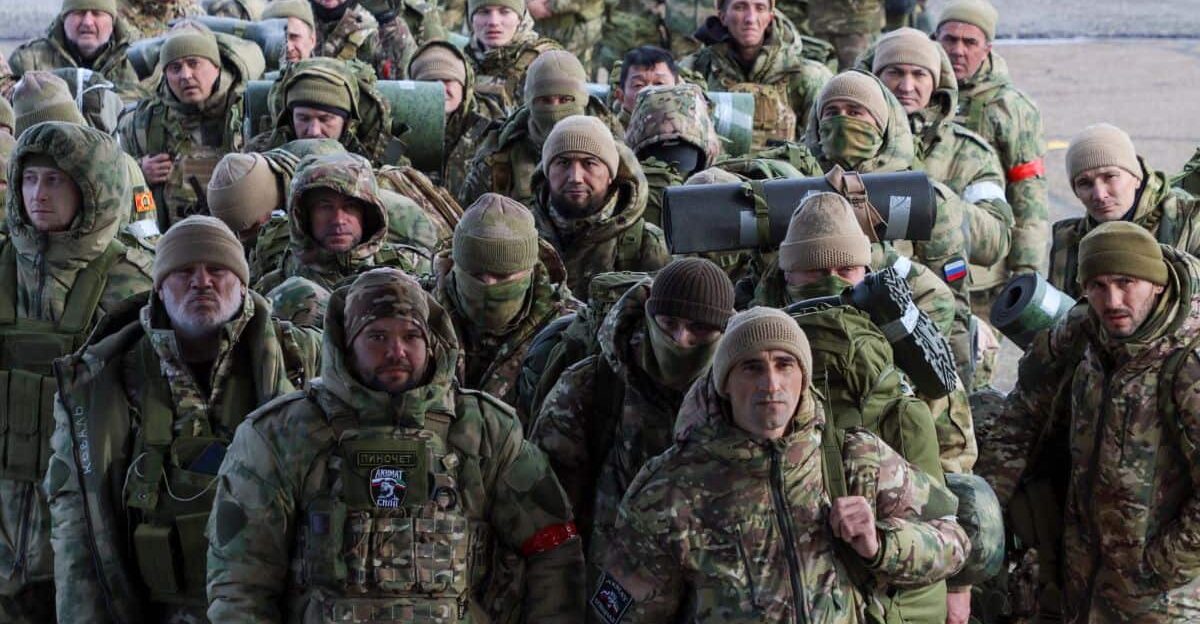
Russia’s strategy centers on attrition. During the November 29 attack, 1,160 Russian soldiers were killed, along with the destruction of tanks and armored vehicles. Despite these heavy losses, Russia’s strategy remains focused on maintaining pressure through overwhelming force rather than precision.
The cost in lives and equipment is steep, but Russia appears willing to accept these losses as part of a long-term strategy to exhaust Ukraine. This relentless pressure is designed to wear down Ukrainian resistance, regardless of the cost in casualties.
Regional Pressure Points
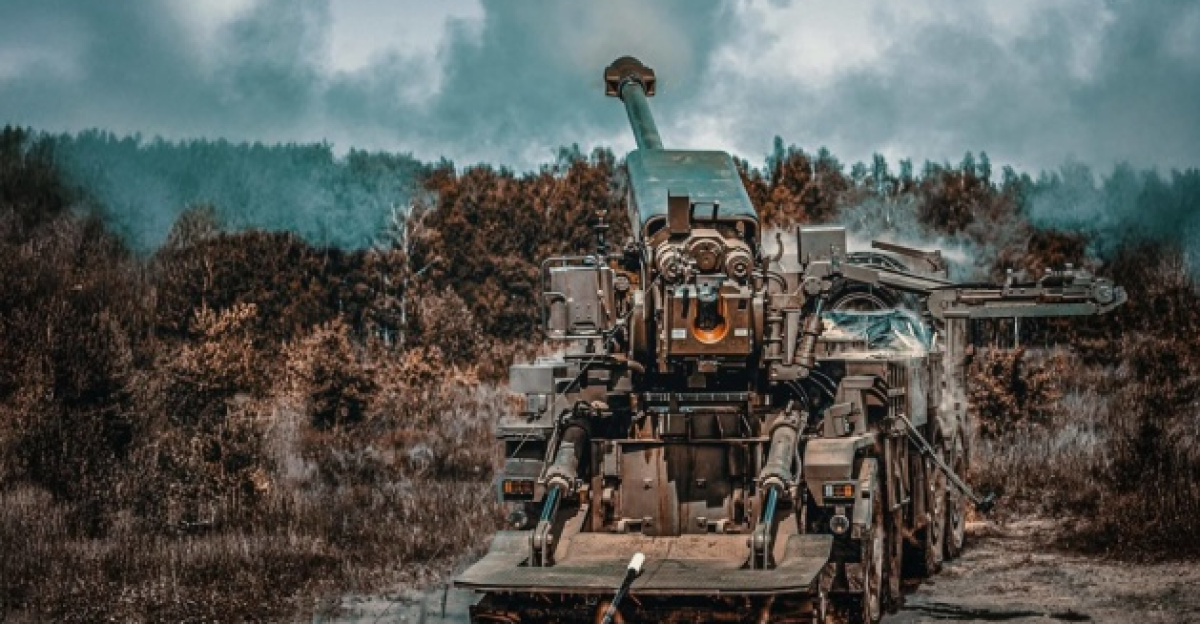
The heaviest fighting took place in the Donbas region, particularly in Pokrovsk, which saw 76 engagements. Other areas, including Oleksandrivka and Kostiantynivka, were also heavily contested, with ongoing assaults indicating a broad Russian strategy to prevent Ukraine from consolidating forces.
The spread of Russian offensives across multiple regions demonstrates an effort to keep Ukrainian forces spread thin. The constant pressure on these areas has left Ukrainian commanders struggling with ammunition shortages and growing fatigue among their troops.
Civilian Impact
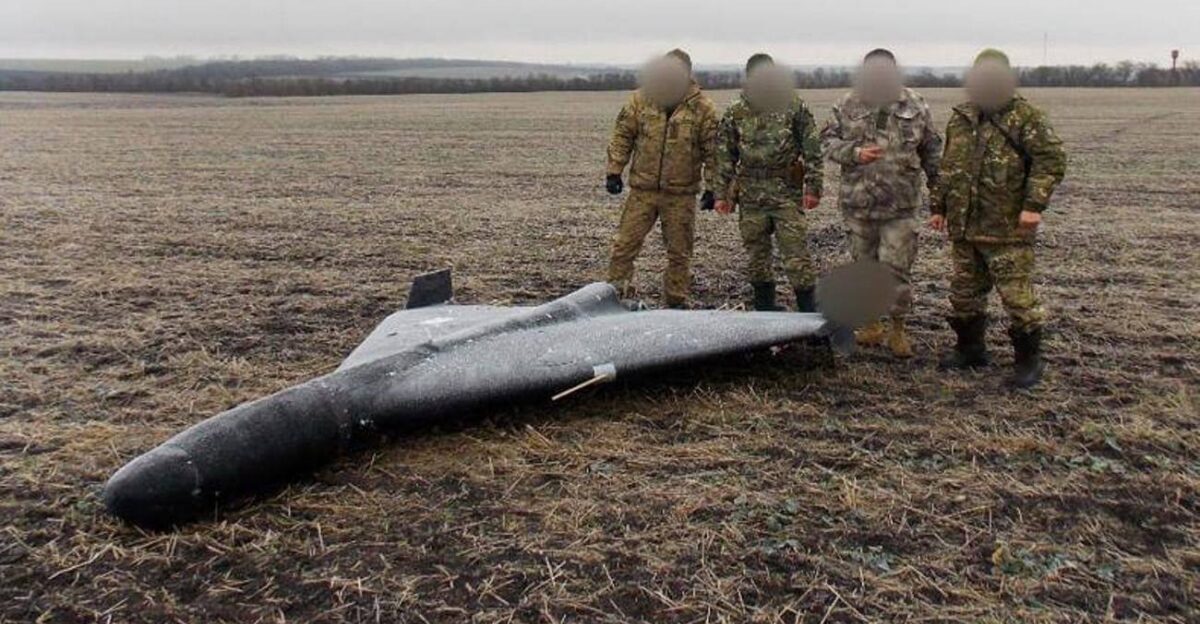
While military targets remain a primary focus, Russia’s drone attacks are increasingly aimed at civilian infrastructure. Power grids, water systems, and residential areas are regularly hit, exacerbating the humanitarian crisis. With winter approaching, the damage to heating systems has left millions vulnerable.
These attacks are not only military in nature but also psychological. The constant bombardment, coupled with widespread destruction, has created a pervasive sense of fear and uncertainty among Ukrainian civilians, further complicating efforts to maintain morale and order.
Strategic Countermeasures
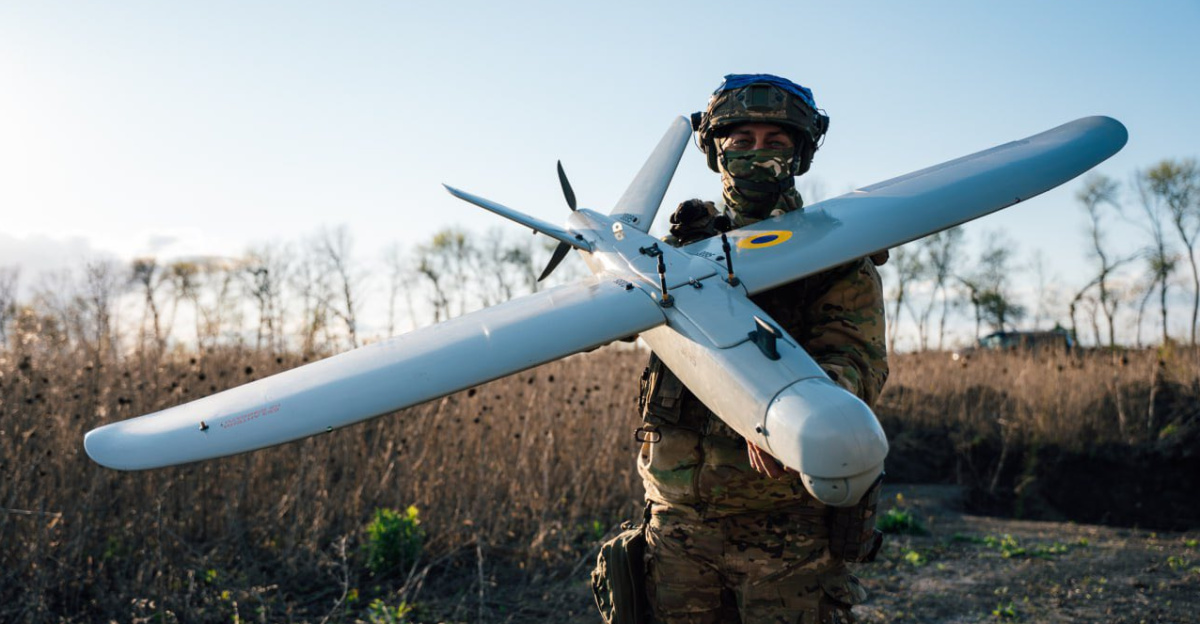
Ukraine is actively targeting Russia’s drone capabilities with counterattacks. On November 28, Ukrainian Special Operations Forces struck a Russian drone storage facility in Crimea, disrupting supply lines. These strikes represent a key component of Ukraine’s strategy to reduce the effectiveness of Russian drone operations.
By hitting storage and launch sites, Ukraine aims to slow Russia’s drone production and reduce the frequency of these assaults. The success of these operations is critical in limiting Russia’s ability to maintain its offensive tempo.
Drone Production Capacity
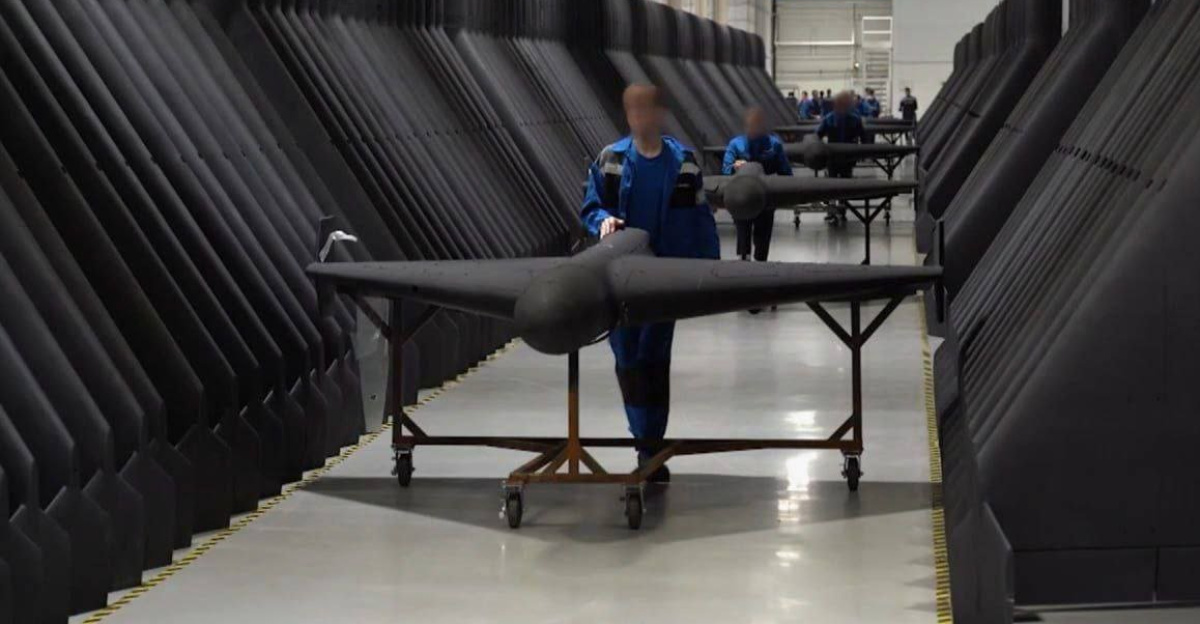
Russia’s ability to maintain its drone strikes hinges on its production capacity. The Geran-1 and Geran-2 are mass-produced, with Russia now developing the Geran-3 to counter Ukrainian air defense advancements. However, this mass production relies heavily on uninterrupted supply chains and manufacturing facilities.
Ukraine’s focus on targeting these facilities aims to disrupt Russia’s production pipeline. Strikes on drone storage and launch sites could have a significant impact, potentially slowing Russia’s ability to sustain its current pace of operations.
The Escalation Trap
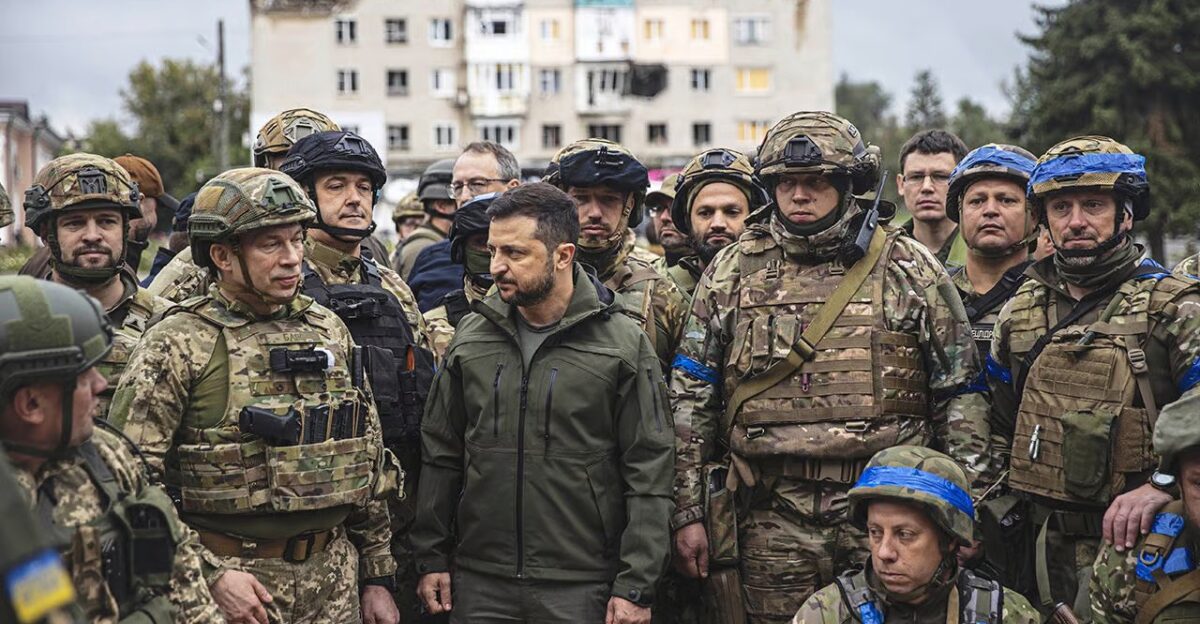
Russia’s heavy losses—1,160 soldiers killed in one day—suggest that their attrition strategy may be unsustainable. While drones and artillery are plentiful, personnel losses are becoming increasingly difficult to replace. The volume of casualties and equipment losses could eventually overwhelm Russia’s capacity to maintain the offensive.
If these losses continue, Russia may find itself caught in an escalation trap, where the costs of the war surpass the gains made. This could push both sides into a prolonged conflict with no clear resolution in sight.
Ukrainian Resilience Questions
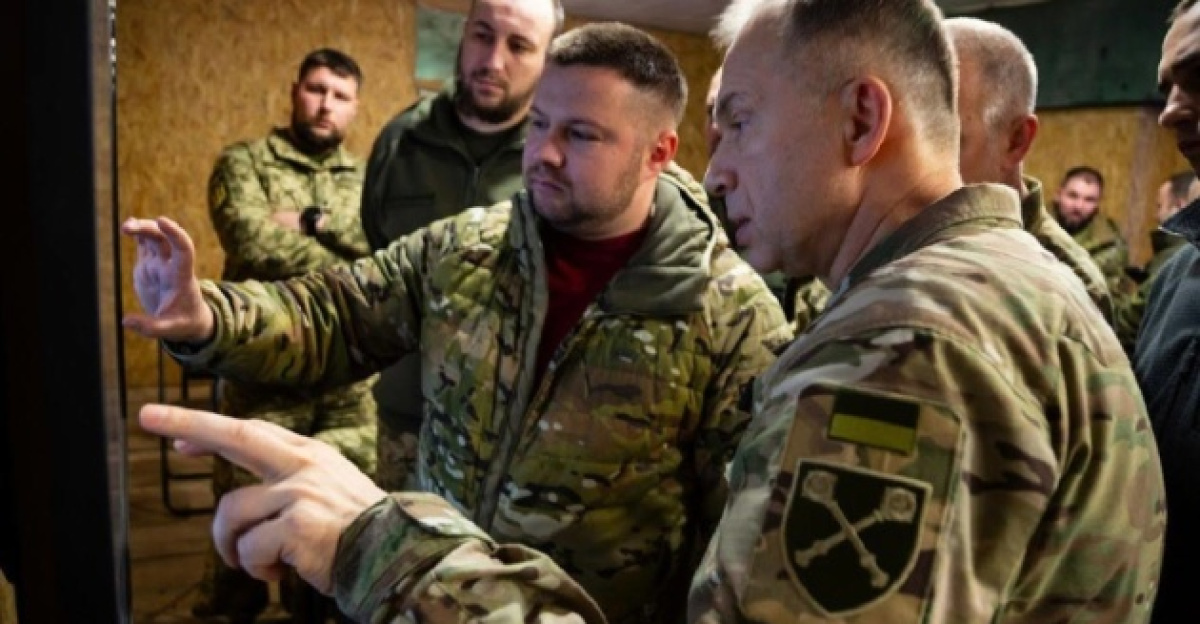
Ukrainian forces are stretched thin, with the interception of 508 drones being one of their key defensive successes. However, over 3,500 drones evaded defenses, raising concerns about the sustainability of Ukraine’s air defense capabilities. The mounting pressure on these resources could soon become untenable.
As Ukrainian forces face relentless attacks, their ability to continue mounting an effective defense without further Western aid is questionable. The key factor in their survival may lie in the continuation and expansion of international support.
Western Support Dynamics
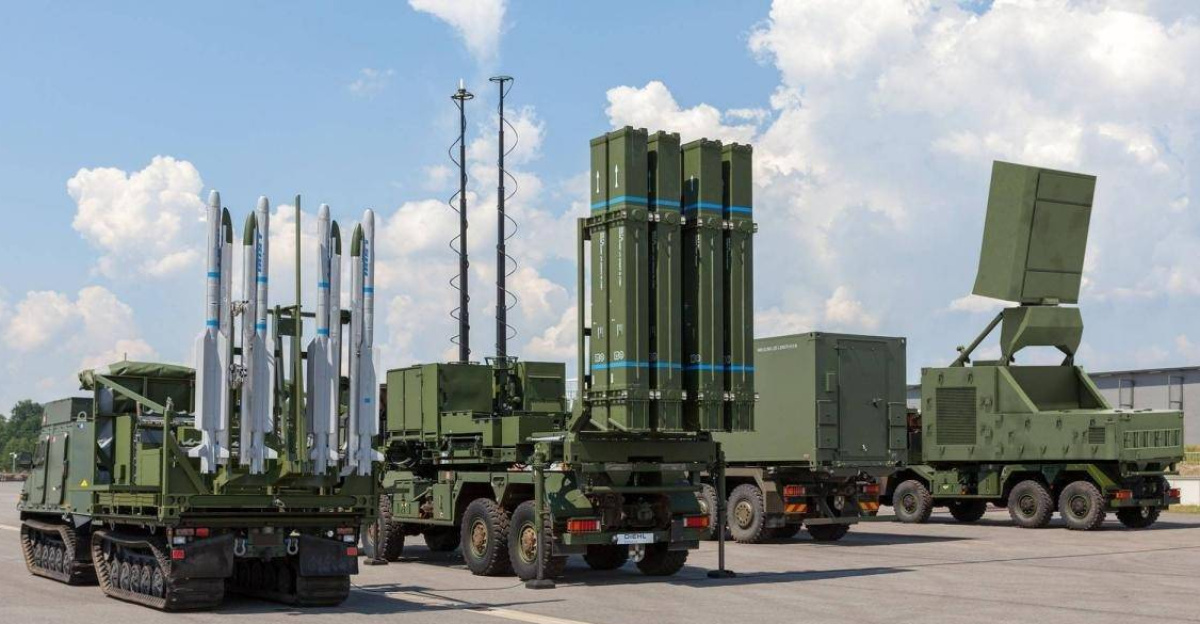
Ukraine’s dependence on Western military aid has never been clearer. Air defense systems like Patriot, IRIS-T, and Gepard are vital to their defense, but ammunition supplies are rapidly depleting. While NATO has increased support, Ukrainian officials warn that the current level of aid is insufficient to meet the escalating demands of the conflict.
The sustainability of Ukraine’s defense strategy hinges on continued Western aid. Any reduction in this support could rapidly degrade their defensive capabilities, leading to a shift in the war’s momentum.
Diplomatic Pressure
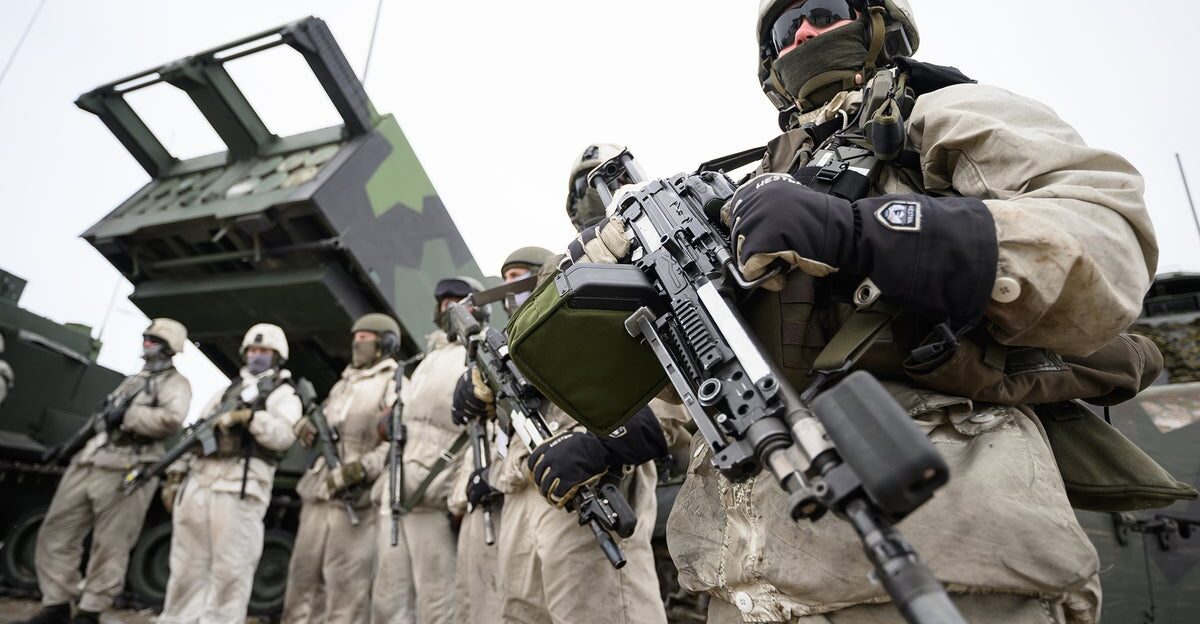
The military escalation occurs amidst ongoing diplomatic efforts to broker a ceasefire. Various international actors have proposed frameworks for negotiations, but both Russia and Ukraine remain firm on their positions. Russia demands territorial concessions, while Ukraine insists on restoring its territorial integrity.
The war’s escalation may be part of a larger diplomatic strategy by both sides to improve their negotiating positions. Military victories and territorial gains will likely dictate the terms of any future ceasefire or peace agreement.
Technological Evolution
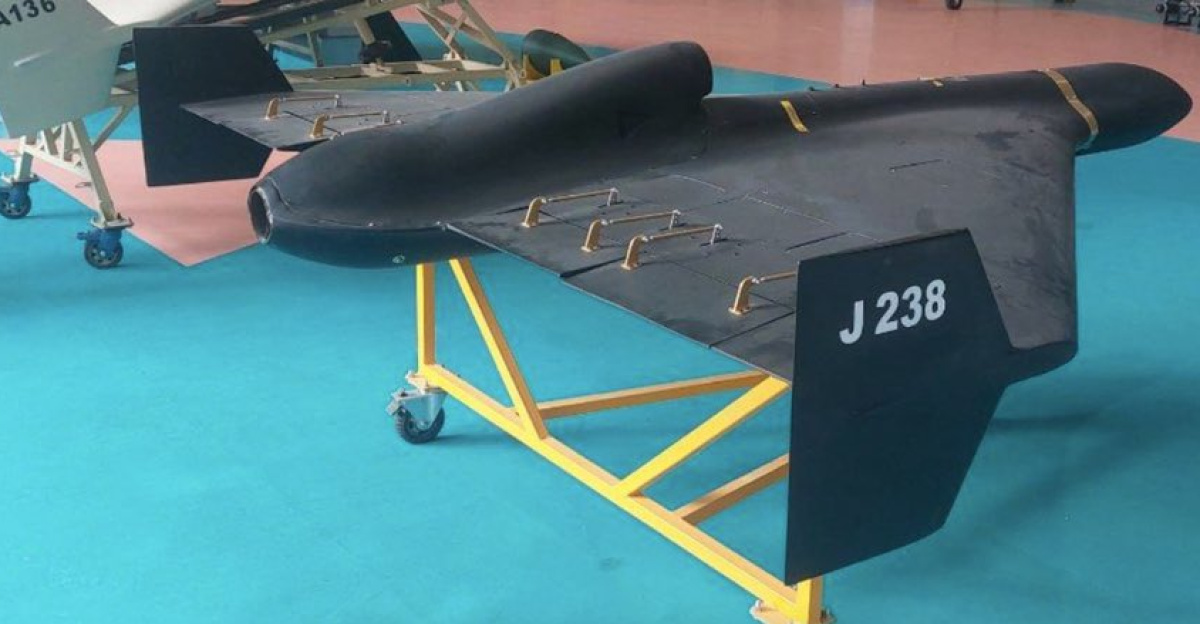
The technological arms race between Russia and Ukraine continues to evolve. Russia’s introduction of the Geran-3 drone, a faster and more maneuverable version, signals an ongoing adaptation to Ukrainian air defenses. Meanwhile, Ukraine’s engineers are developing countermeasures to intercept these advanced drones.
This technological evolution is central to the conflict, as both sides work to outpace each other’s technological advancements. The outcome of this arms race may determine the long-term viability of each side’s military strategy.
The Sustainability Question
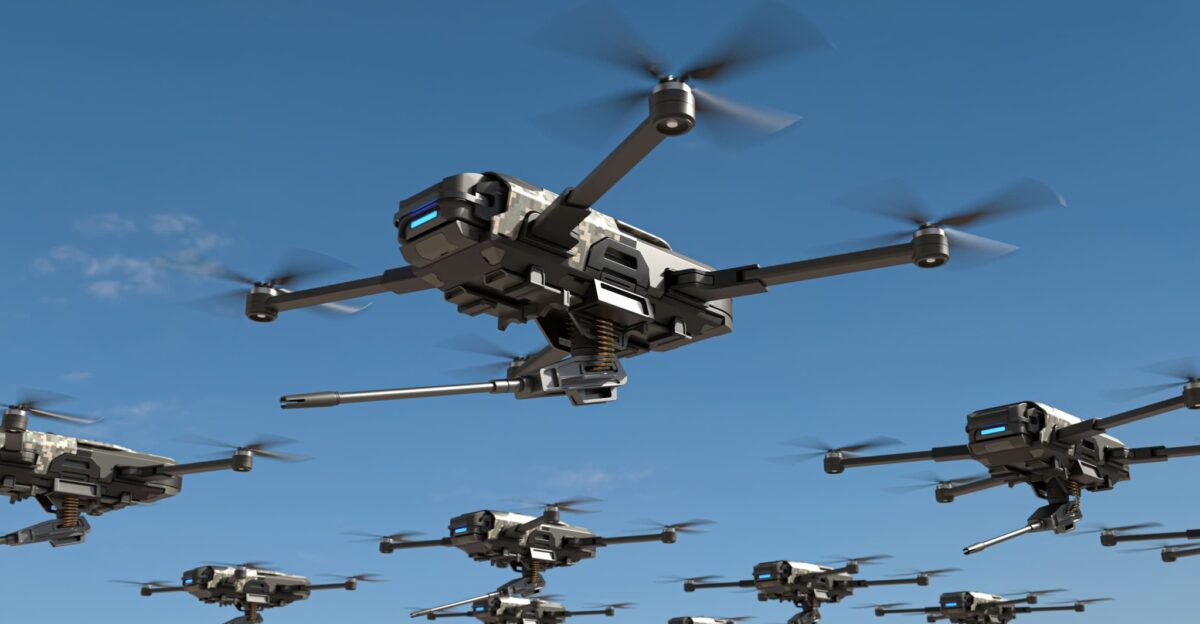
As both sides suffer massive losses, the key question is how long they can sustain this pace. Russia’s daily drone launches and Ukraine’s interception capacity cannot continue indefinitely without one side breaking first. The current trajectory suggests that the conflict may soon reach a critical point.
Whether this war will culminate in a breakthrough or collapse depends on the resilience of both forces, the support from their allies, and the ability to maintain operational tempo in the face of mounting casualties.
The Global Impact
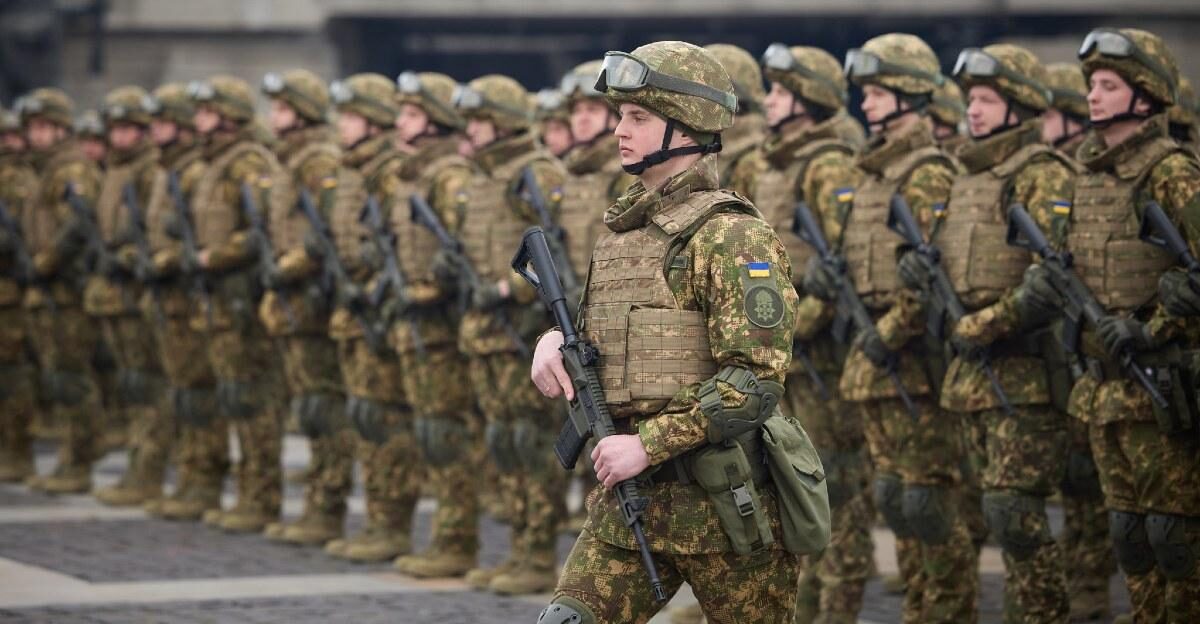
The war is having a profound impact not just on Ukraine and Russia, but on the global stage. The conflict has disrupted supply chains, particularly in energy markets, and has caused widespread instability across Europe. The economic and geopolitical consequences are reverberating worldwide as nations reassess their security and economic strategies.
The conflict’s global ramifications continue to grow, affecting trade, energy prices, and international alliances. The longer it drags on, the more likely it is to reshape the global geopolitical landscape.
A Grim Future
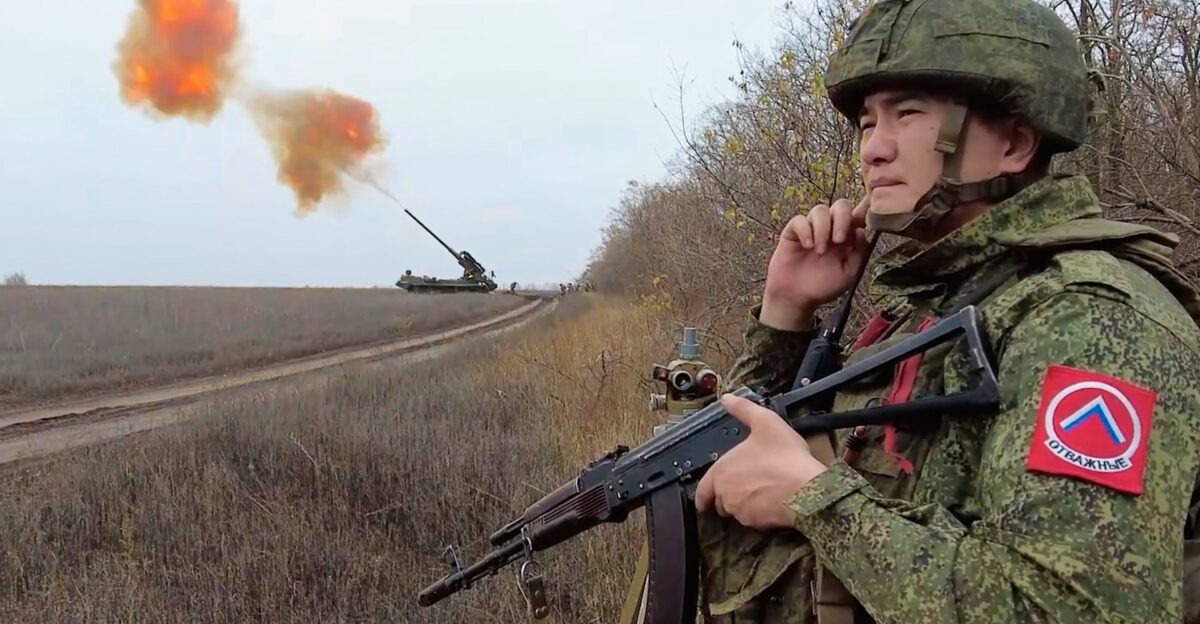
With no clear resolution in sight, the future of the Russia-Ukraine conflict remains uncertain. As both sides continue to dig in, the humanitarian toll continues to rise, and the economic impacts are being felt across the globe. The war has entered a new phase of unprecedented intensity, and both sides are bracing for a protracted struggle.
The conflict may soon reach a tipping point where neither side can continue as before, forcing a negotiation or a shift in the war’s dynamics. The coming months will be critical in determining the outcome of this brutal conflict.
Sources:
General Staff released morning report: 271 battles in 24 hours and massive Russian strikes along the front – Ukrainian General Staff via UNN/Ukrinform (November 29, 2025)
Russia launches largest aerial assault on Ukraine in a… – CNN International (November 29, 2025)
Russia launches close to 600 drones in overnight attack on Ukraine killing three – Euronews (November 29, 2025)
Ukrainian Special Operations Forces hit Russian Shahed drone launch site in occupied Crimea – Kyiv Independent (November 30, 2025)
Joint Statement on United States-Ukraine Meeting – White House Briefings & Statements (November 22, 2025)