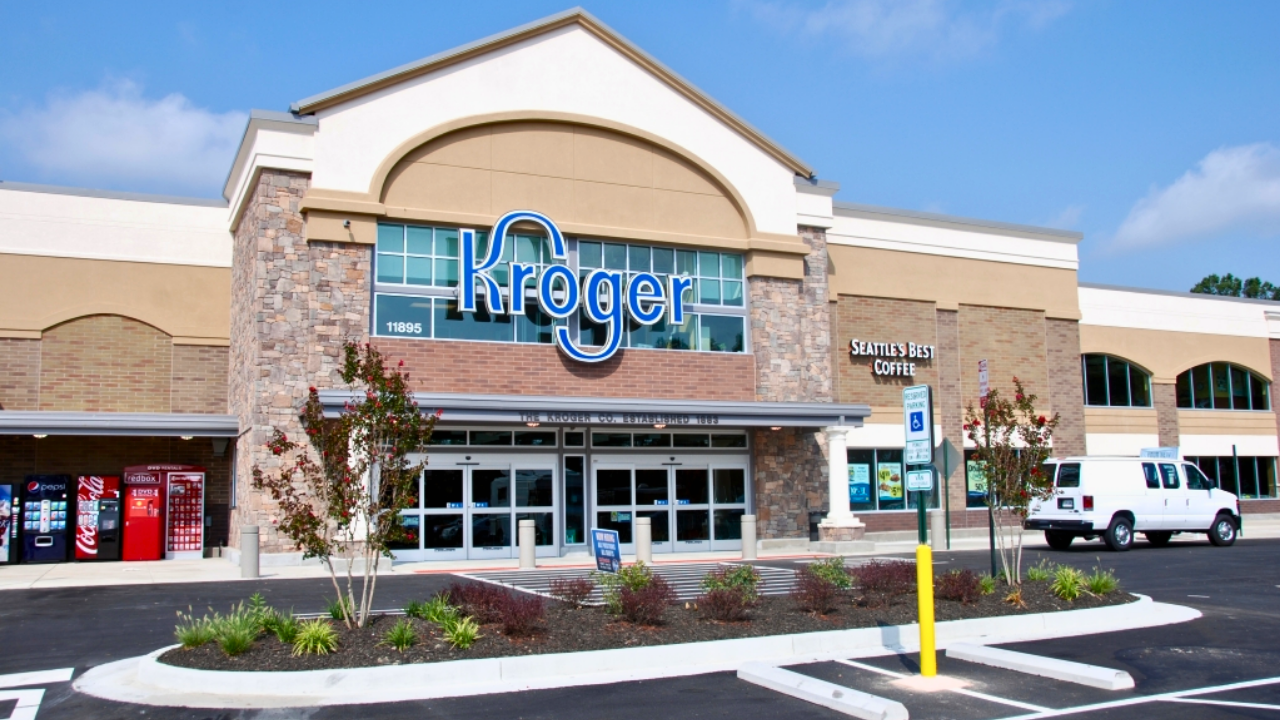
Kroger’s ambitious high-tech vision is collapsing. By January 2026, three automated fulfillment centers—the flagship of a $2.6 billion investment strategy—will shut down, displacing hundreds of workers and forcing a fundamental rethinking of how groceries reach American consumers. The partnership with U.K.-based Ocado, once celebrated as transformative, is now unraveling, exposing a critical mismatch between cutting-edge technology and market reality.
The Technology-Market Disconnect
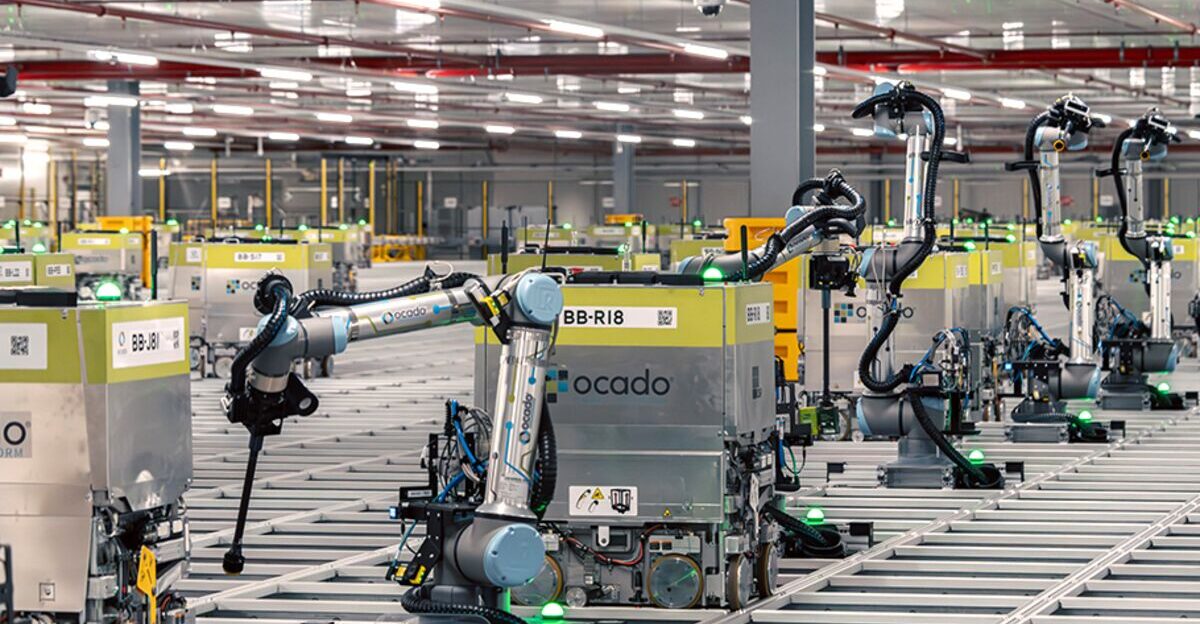
The automated centers were engineered for predictable, scheduled delivery windows. American consumers, however, demand same-day or two-hour service. This fundamental incompatibility meant the high-tech hubs never achieved the demand density required to justify their substantial operational costs. Despite years of operation, the system failed to adapt to the unpredictable nature of U.S. grocery shopping habits, leaving Kroger with infrastructure designed for a market that never materialized.
Human Cost of Strategic Failure
The closures affect hundreds of workers, including specialized technicians, robotic operators, and support staff trained on Ocado’s proprietary systems. While Kroger has offered severance and redeployment options, many face uncertain futures as their specialized skills become obsolete. This displacement underscores a broader reality: when large-scale automation investments falter, workers absorb the consequences most directly.
A Pivot Toward Flexibility
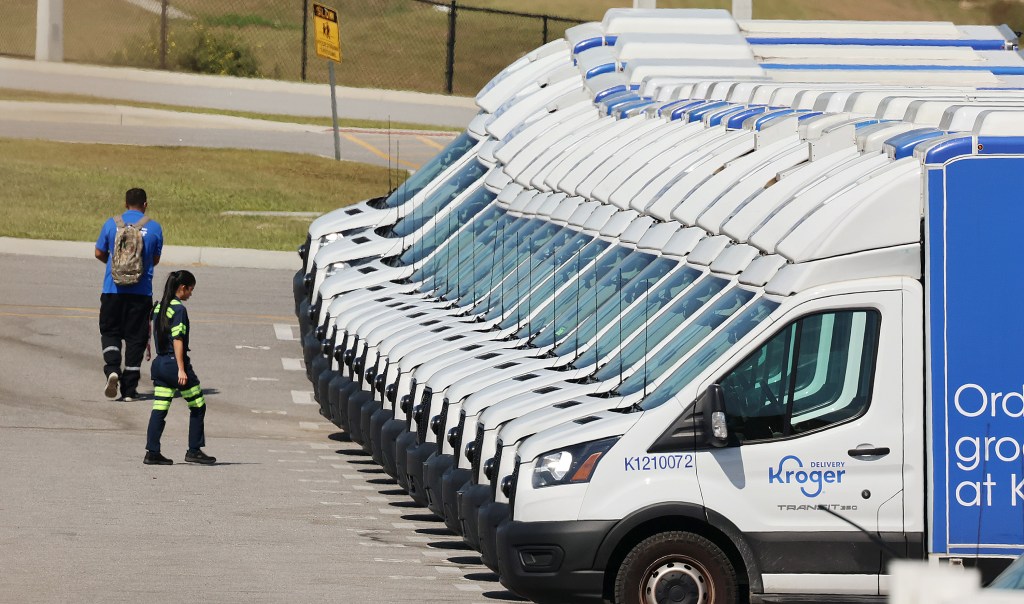
Rather than doubling down on centralized automation, Kroger is shifting toward partnerships with third-party delivery platforms including Instacart, DoorDash, and Uber Eats. This approach replaces fixed capital costs with flexible, variable expenses, allowing the company to adapt more quickly to changing consumer preferences. Simultaneously, Kroger is experimenting with smaller-scale, store-based picking systems using micro-fulfillment robots that draw inventory from existing store locations. This strategy aligns with industry-wide trends, as Amazon and other retailers explore similar localized approaches.
Ocado’s Significant Setback
Ocado received a $250 million termination payment from Kroger but faces substantial lost future revenue and a stock price that has plummeted, erasing nearly a decade of gains. The withdrawal represents a major blow to Ocado’s U.S. market ambitions, as its system—designed for different demand patterns—failed to scale in the unpredictable American grocery landscape.
Broader Industry Implications
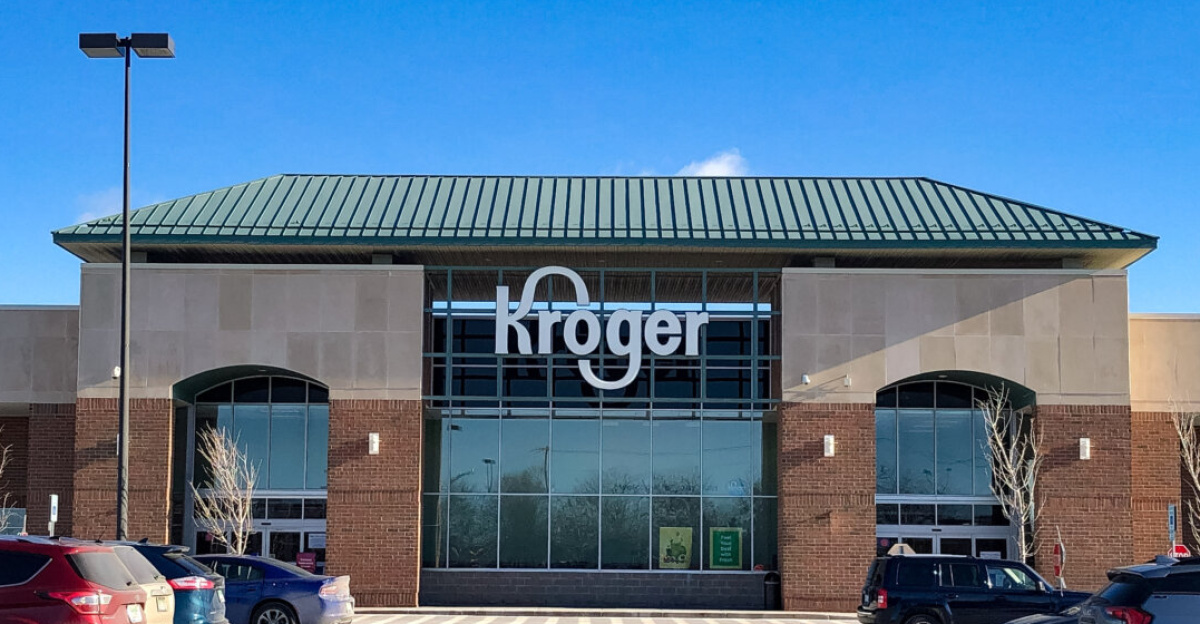
Kroger’s write-off raises fundamental questions about automation sustainability in grocery retail. The company targets $400 million in ecommerce profitability improvement for 2026, reflecting the persistent challenge of achieving margins in online grocery fulfillment. Despite annual digital sales growth averaging 16 percent, profitability remains elusive due to high labor costs, complex logistics, and thin margins inherent to the sector.
The shift away from centralized fulfillment creates ripple effects across industries. Logistics providers lose contracts, real estate developers face underutilized properties, and equipment suppliers see reduced demand. Conversely, micro-fulfillment vendors and third-party delivery platforms emerge as winners in this recalibration.
Store-based picking offers tangible consumer benefits. Products sourced from local inventories reach customers faster and fresher, potentially attracting health-conscious shoppers who previously avoided delivery due to quality concerns. However, this approach may increase vehicle miles as orders are picked from multiple locations, complicating the environmental calculus compared to centralized warehouses.
For consumers, the transition could mean faster deliveries in high-volume markets, though rural areas may see fewer options. The consolidation of last-mile delivery through third-party platforms shifts power dynamics, with retailers losing direct control over customer relationships and data while gaining operational flexibility.
Kroger’s failure signals not the end of grocery automation but rather the end of one approach. The industry is recalibrating toward smaller, flexible systems aligned with consumer demand for speed and convenience. Retailers who adapt technology to market realities will thrive; those imposing technology-first strategies risk similar failures. The $2.6 billion write-off serves as a cautionary tale for an entire sector learning that scale and sophistication alone cannot overcome fundamental misalignment with how people actually shop.
Sources:
Kroger Co. Investor Relations Q3 2025 Earnings Announcement; SEC Filings (Form 8-K)
Supply Chain Dive; Grocery Dive Industry Analysis (November 2025)
Ocado Group plc Financial Results & Regulatory Announcements (November 2025)