Native American cultures across North America have been telling rich stories for thousands of years, often featuring animals as sacred teachers, powerful spirits, and divine messengers.
With such a rich heritage, numerous stories often depict fantastical and mythological animals, including the mighty Thunderbird and the Spider-Woman. Even normal animal carries profound symbolic meaning through countless generations of oral tradition.
Thunderbird
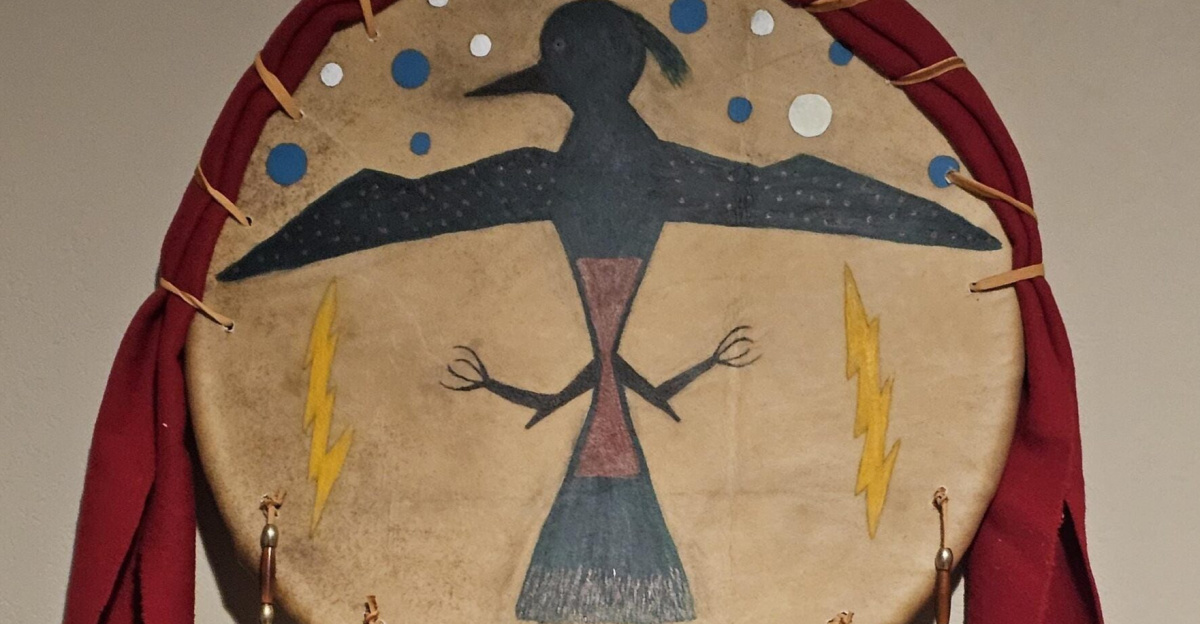
The Thunderbird is one of the most powerful supernatural icons in Native American mythology. It is revered by the Lakota, Ojibwe, and Pacific Northwest tribes. This colossal bird creates thunder by flapping its enormous wings and lightning by blinking its piercing eyes.
As documented by Britannica, “Thunderbird is a powerful supernatural bird of thunder and lightning” that “was believed to create the sound of thunder by flapping its wings”. Among the Lakota, the Thunderbird (Wakinyan) is a divine warrior protecting humanity from dangerous underwater monsters.
White Buffalo Calf Woman
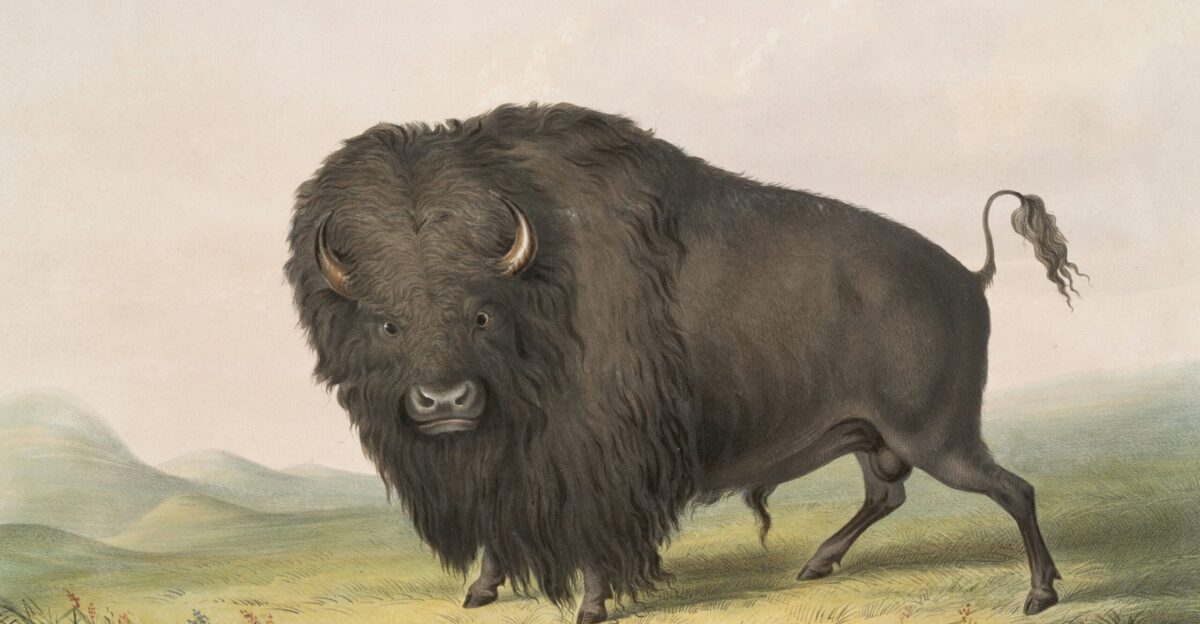
The White Buffalo Calf Woman in the Lakota tradition represents one of the most important spiritual figures, appearing as both buffalo and sacred woman.
She brought the chanupa (sacred pipe) and seven sacred ceremonies to the Lakota people, establishing their fundamental spiritual practices.
Spider Woman
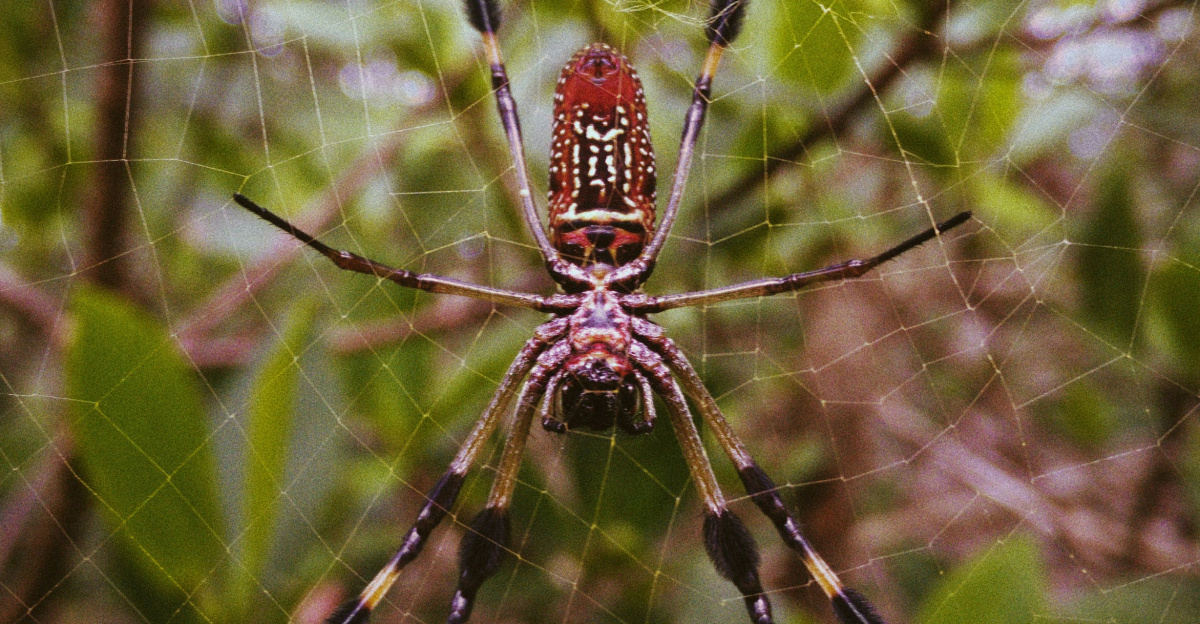
Na’ashjé’íí Asdzáá, or Spider Woman to the Navajo and Spider Grandmother to the Hopi, represents feminine creative power and wisdom. In Navajo creation stories, she taught humans the sacred art of weaving using materials from the sky, the Earth, the sunrays, and the crystal.
Traditional accounts describe how Spider Woman “taught the Navajo women how to weave on a loom which she constructed for them from sky and earth cords, sun rays, rock crystal, and sheet lightning”.
Raven
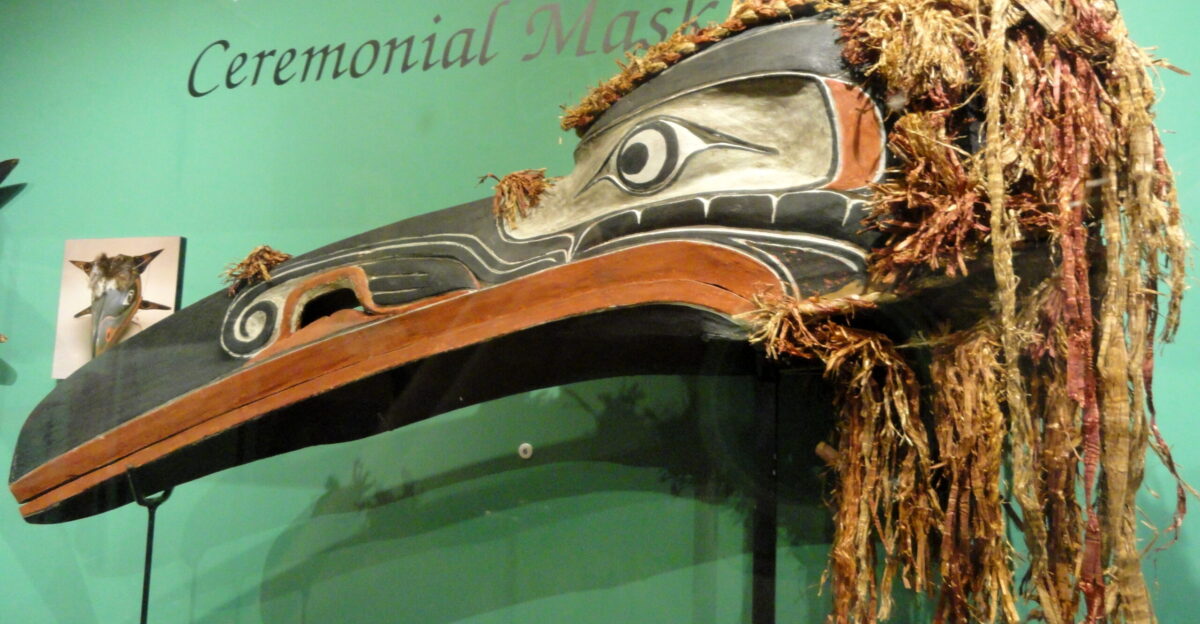
Ravens appear regularly in Pacific Northwest tribes’ folklore, such as the Tlingit, Haida, and Tsimshian, Raven being both a powerful creator and a complex trickster figure. In many Northwest Coast creation stories, Raven brought light to the world by stealing the sun, moon, and stars.
Traditional Tlingit narratives describe how “Raven was responsible for bringing light to the world by releasing the sun from a box that had been kept by a greedy chief”.
Coyote
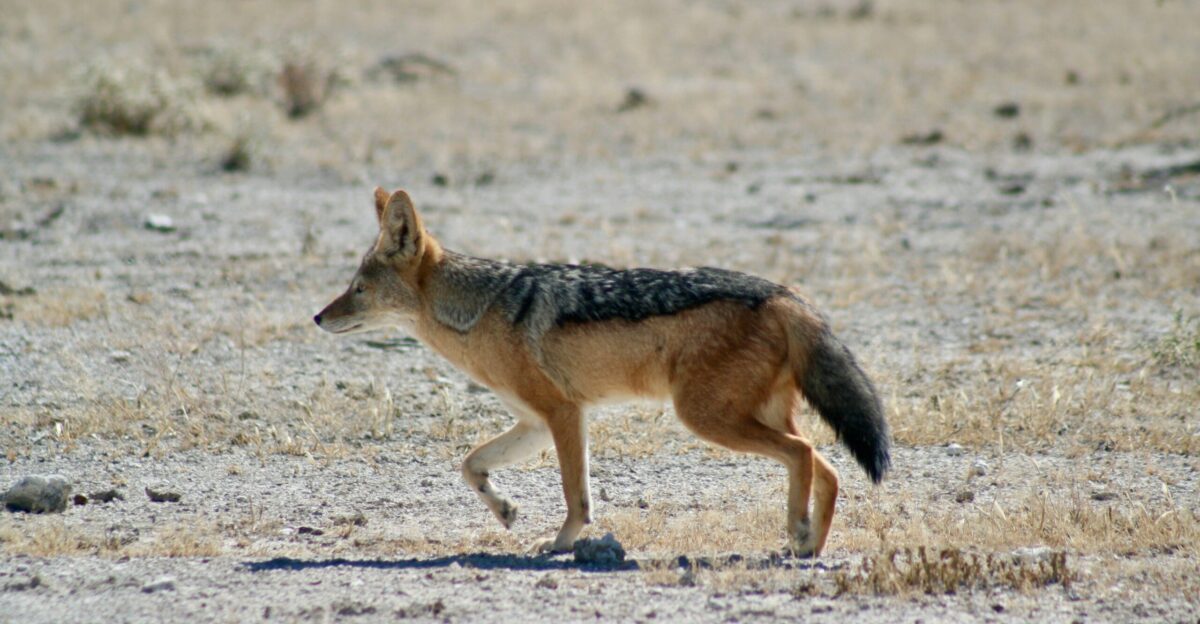
Coyote is perhaps the most universal figure in Native American mythology, appearing in stories from tribes across the continent. Often portrayed as Creator and trickster, Coyote embodies essential duality—clever yet foolish, helpful yet selfish—and teaches important lessons through his experiences.
Britannica notes that “Coyote appears in the tales of many North American tribes, usually as a trickster figure”.
Eagle
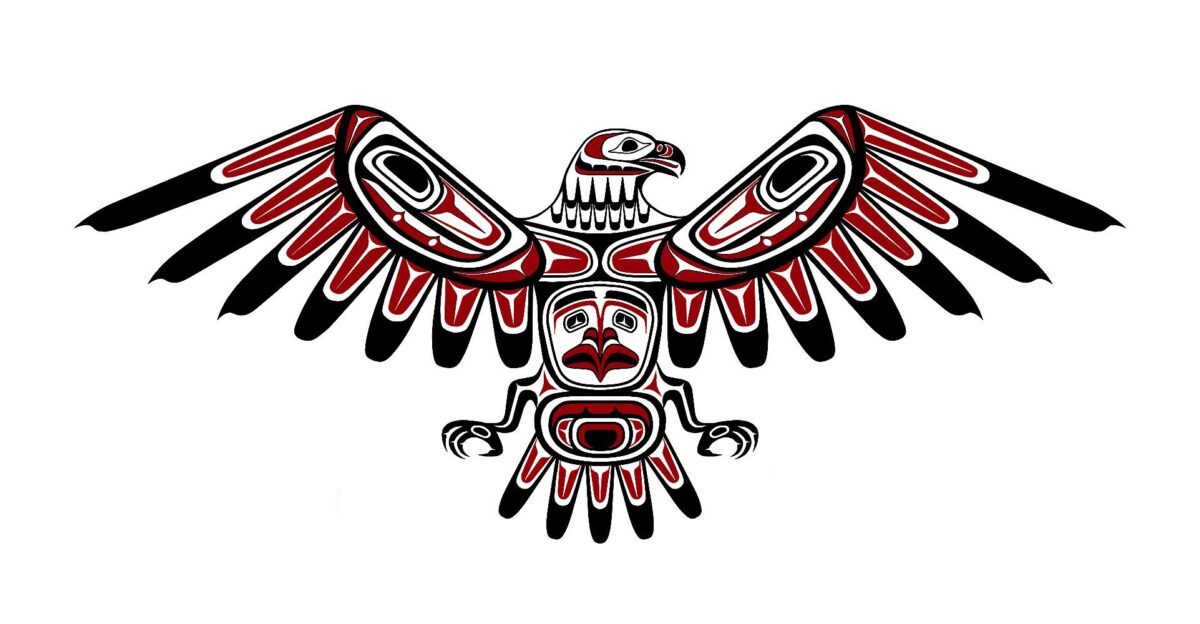
Nearly all Native American cultures recognize the eagle with strong symbolism. The eagle holds unparalleled spiritual significance as the bird that flies highest and therefore nearest to the Creator.
Both golden and bald eagles feature prominently in tribal ceremonies, prayers, and sacred regalia throughout indigenous traditions.
Buffalo
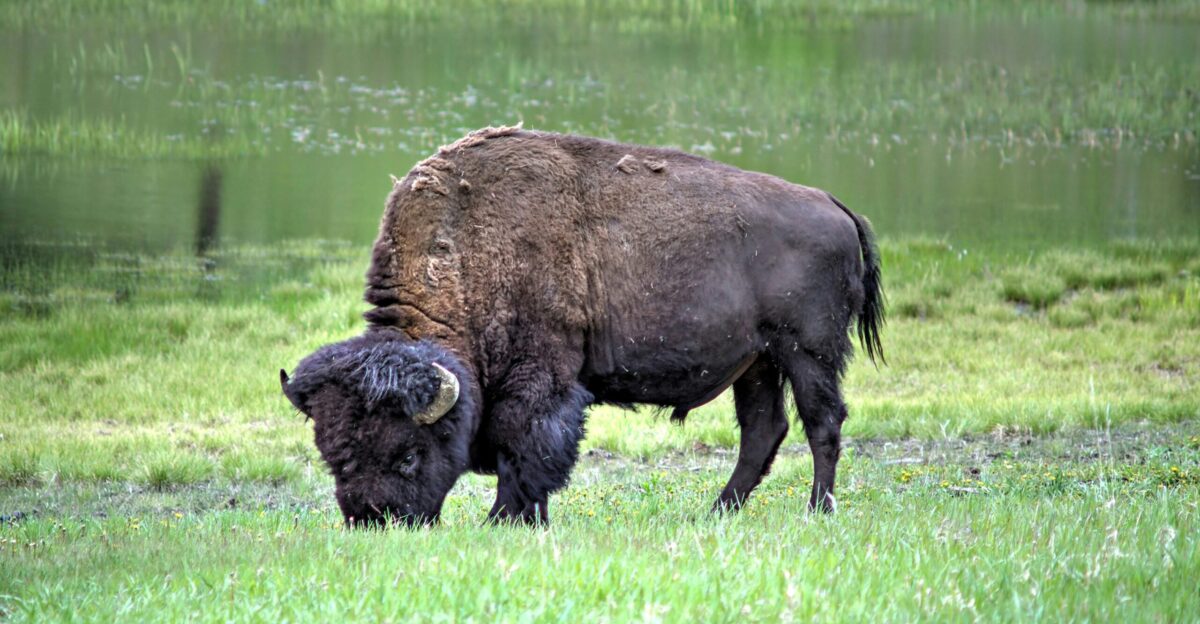
For Plains tribes like the Lakota, Blackfeet, Crow, and Cheyenne, the buffalo represents the central figure in material and spiritual life.
This massive animal provided everything needed for survival—food, clothing, shelter, and tools—while serving as a powerful spiritual symbol.
Bear
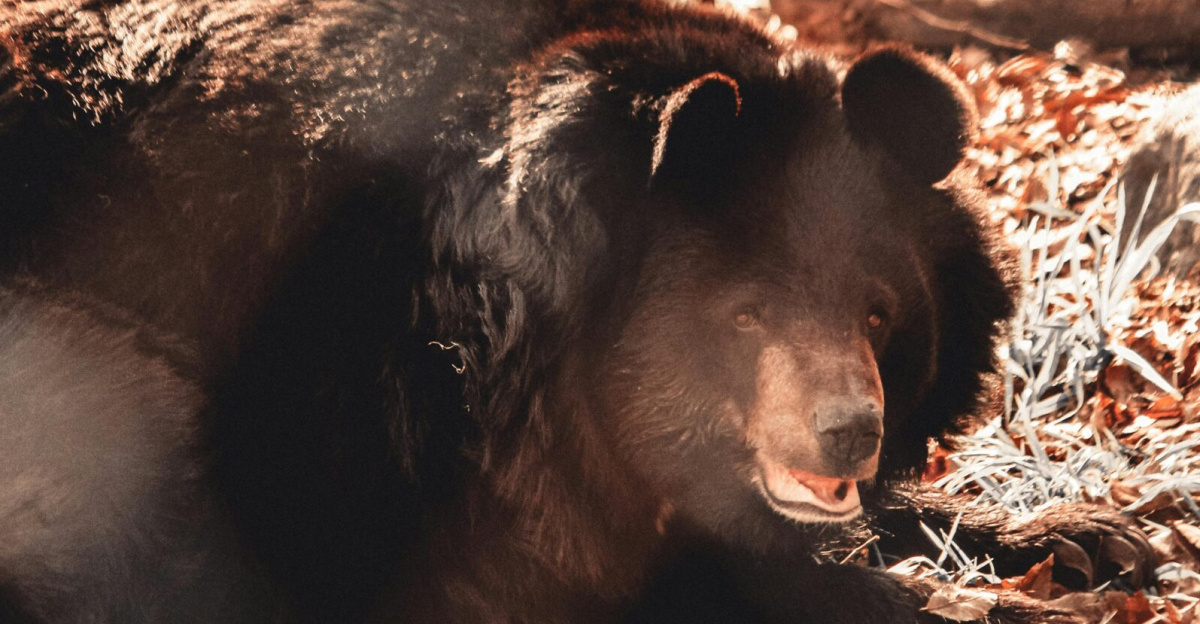
Bears are highly symbolic across numerous tribes and are often associated with healing, medicine, and protective strength.
The Cherokee tell of ancient times when bears and humans were kin, while many California tribal traditions describe Bear as a great healer who taught humans about medicinal plants.
Wolf
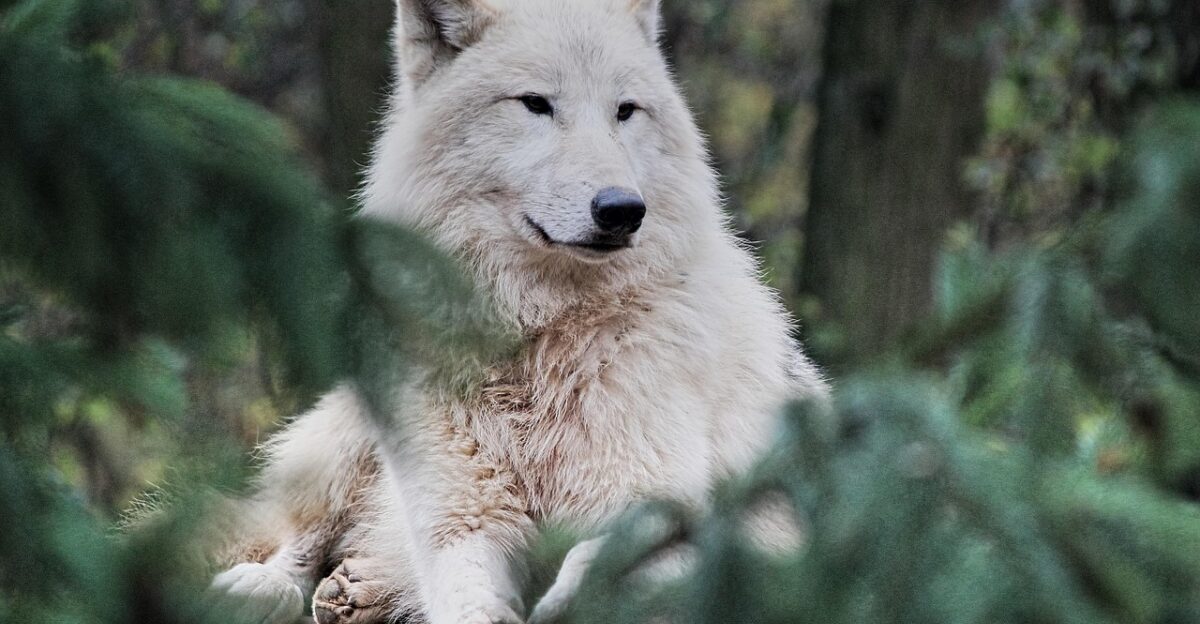
Wolves are mentioned in legends throughout many tribes. They are often portrayed as teachers, guides, and symbols of family loyalty and social cooperation.
The Pawnee consider themselves descended from wolves, while Shoshone and Nez Perce stories tell of wolves helping lost travelers find their way home.
Turtle

Many eastern and midwestern tribes, including the Iroquois, Lenape, Ojibwe, and Huron, share creation stories featuring Turtle as the foundation of the world.
In these traditions, Earth was formed on the back of a great turtle swimming in primordial waters after a great flood.
Salmon
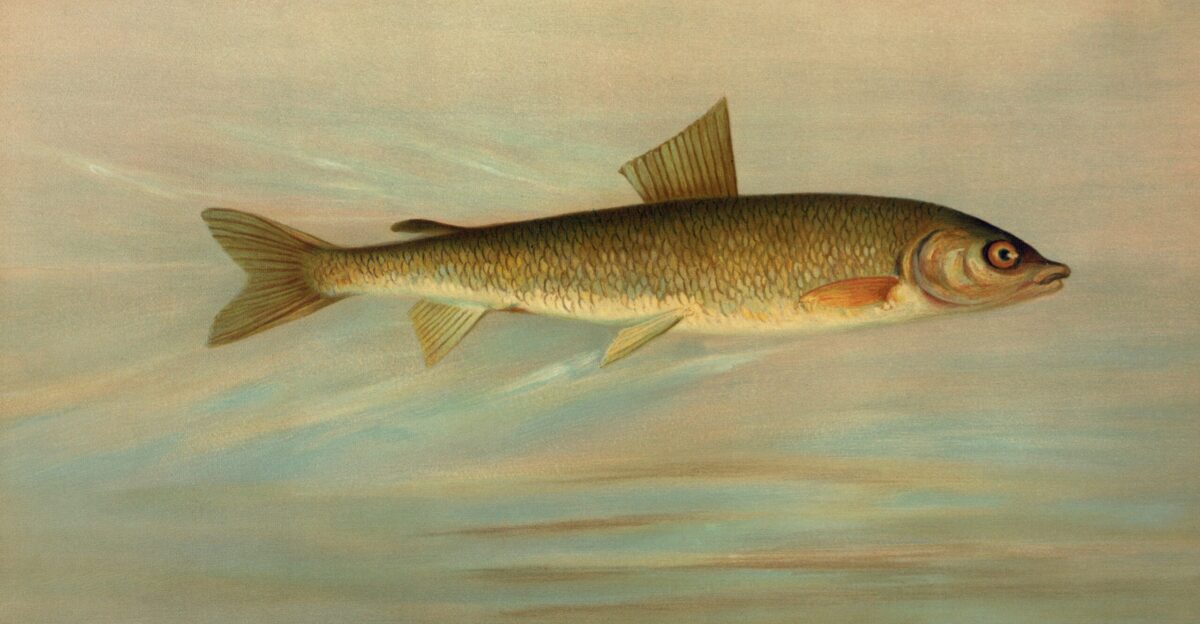
For Pacific Northwest tribes, including the Coast Salish, Chinook, and Haida, salmon represents both physical sustenance and profound spiritual significance.
Salmon legends often describe these fish as people who live in villages under the sea, voluntarily transforming into fish to feed humans.
Deer
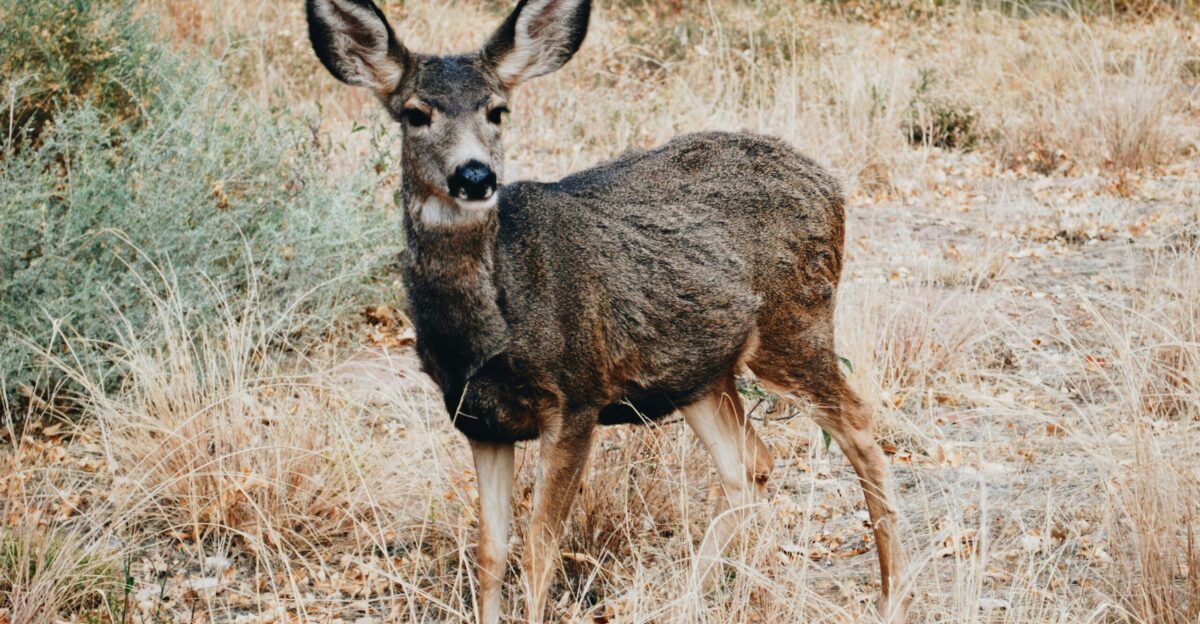
Deer hold special meaning across many Native American cultures as symbols of gentleness, grace, and heightened awareness.
Their ability to move silently through the forest and their keen alertness to danger make them powerful teachers about mindfulness and living in harmony.
Hawk
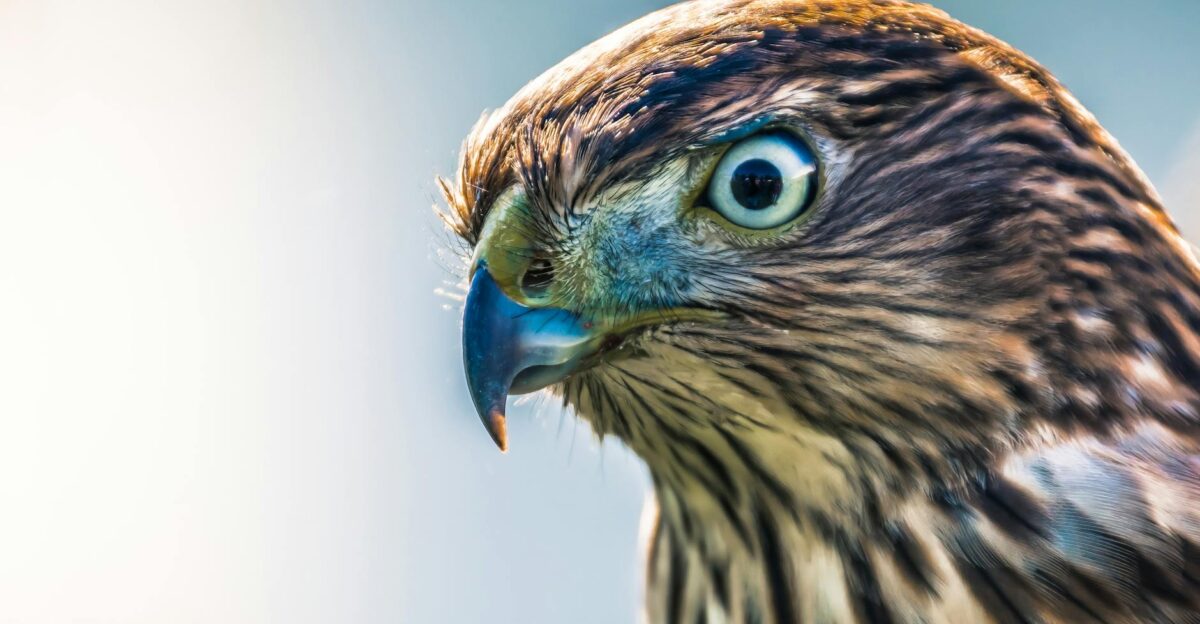
In many Native American traditions, hawks serve as important spiritual messengers and guardians, representing keen vision, focus, and protection.
Tribal teachings describe hawks as “gatekeepers of the East who embody honesty and clear vision, serving as reliable warriors of truth”.
Otter
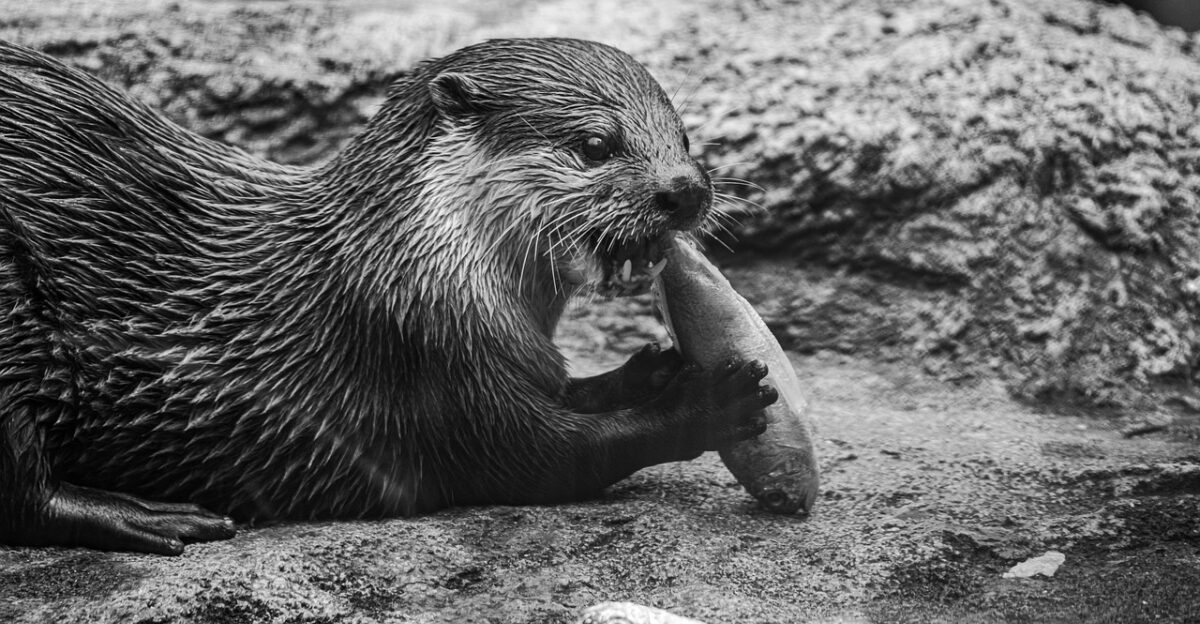
In Native American symbolism, otters represent playfulness, joy, and strong family connections. They are admired for their playful nature and dedication to their young.
Many tribes, particularly those of the Pacific Northwest, see otters as teachers of balance between work and play.
Owl
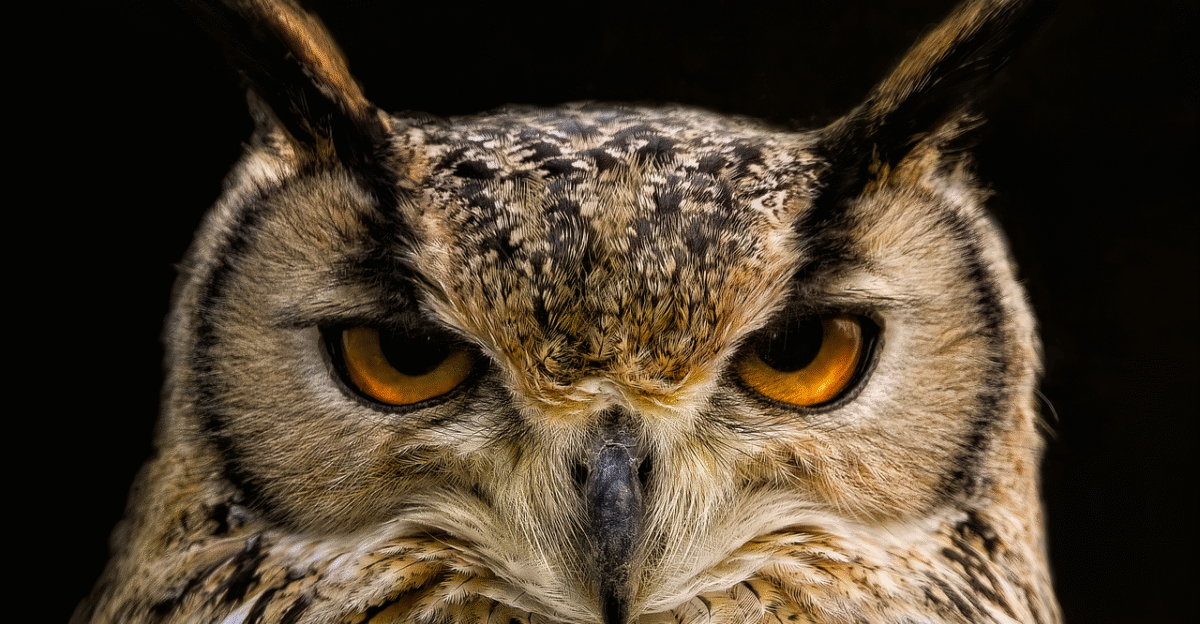
Owls have complex and varied meanings across different Native American tribes. They are often associated with wisdom, death, and the mysterious realm between the physical and spiritual worlds.
Some tribes view owls as harbingers, while others consider them bringers of sacred knowledge.
Snake
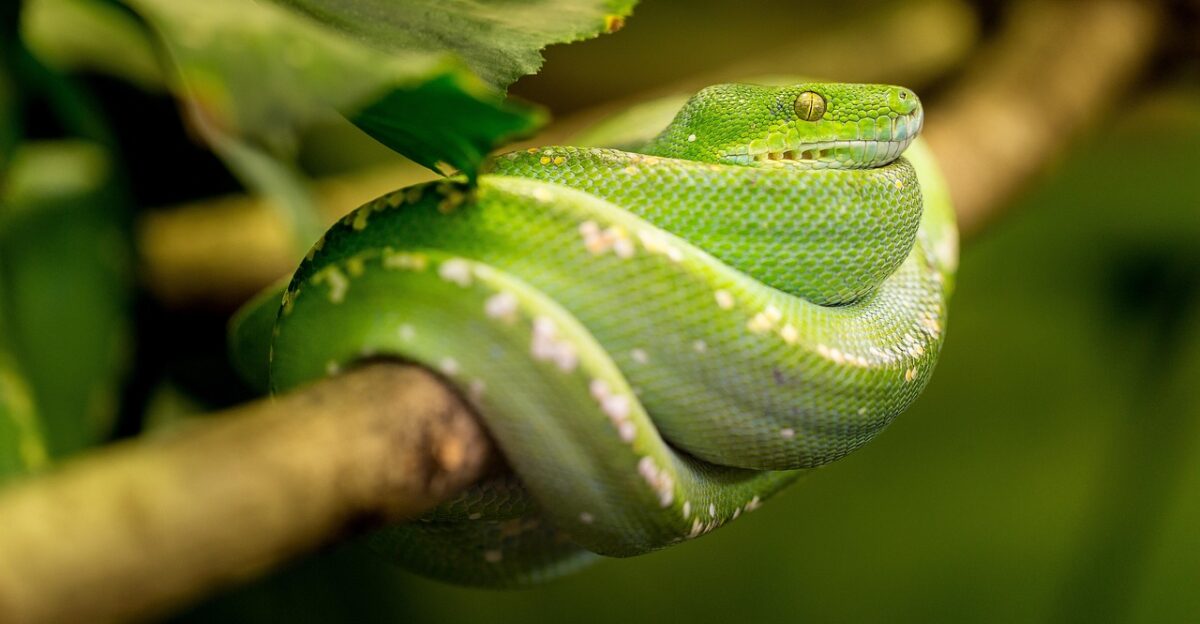
Snakes hold complex meanings across different tribal traditions, often associated with transformation, healing, and the mysteries of life and death.
The Hopi Snake Clan performs the famous Snake Dance, handling live rattlesnakes in their mouths, which are later released to carry prayers for rain.
Crow
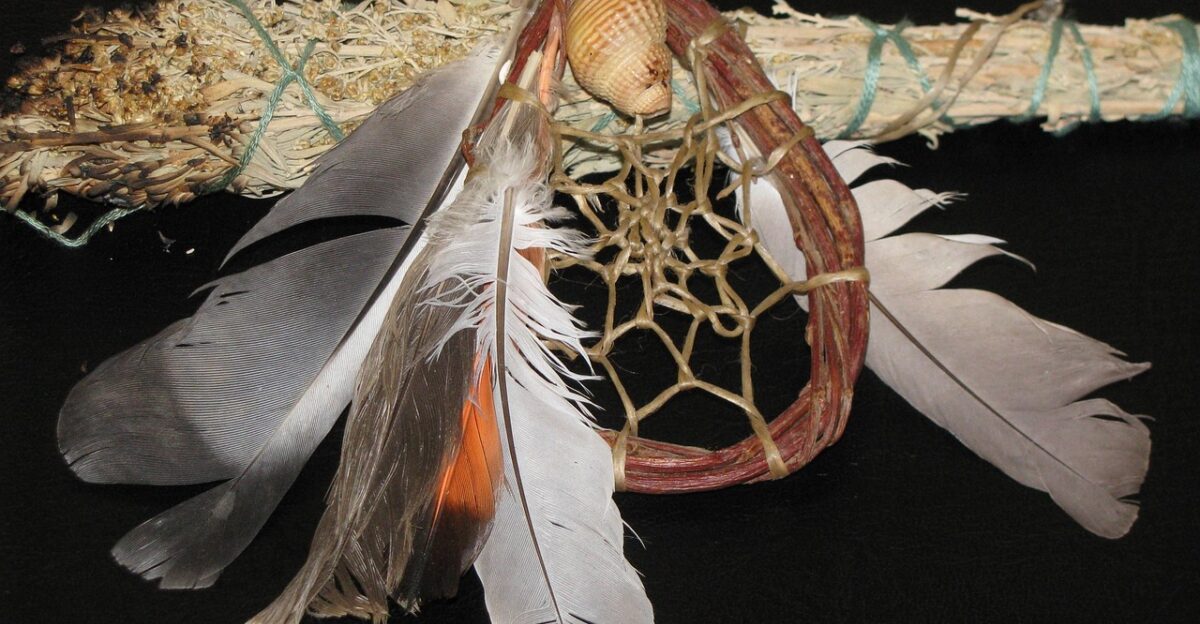
Though sometimes overshadowed by Raven in popular accounts, Crow appears distinct and important in numerous tribal traditions.
Among the Cheyenne, Crow is a messenger bringing news from distant places, while the Hidatsa consider themselves descended from crows.
Beaver
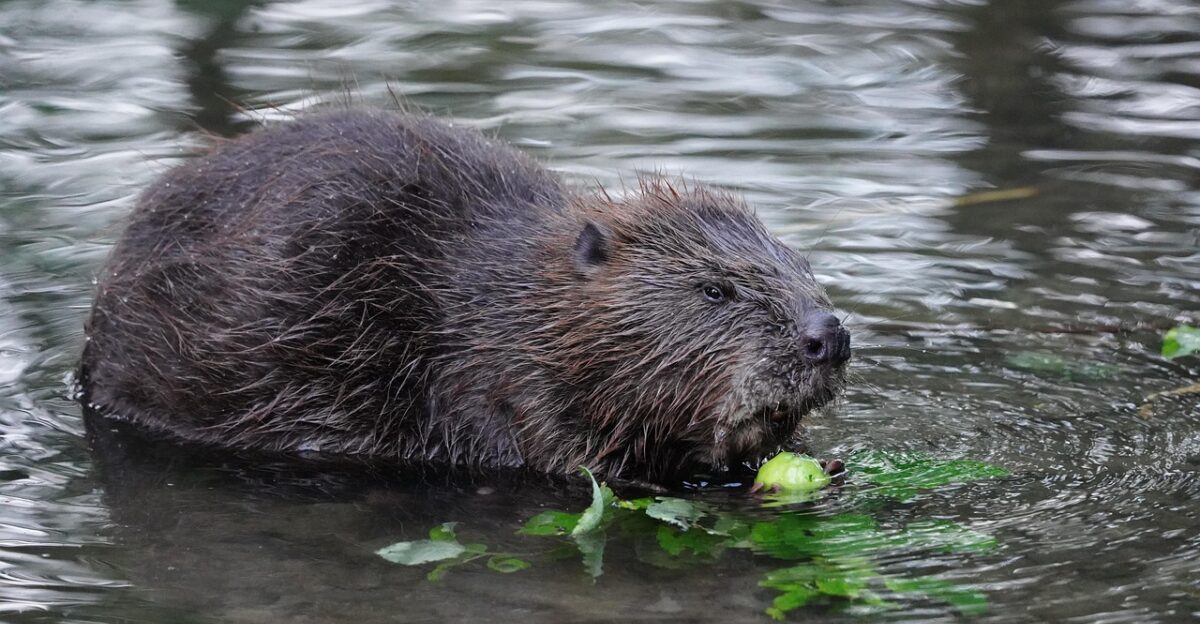
Beavers symbolize persistence, determination, and the power of cooperation in Native American traditions.
Known for their incredible work ethic and engineering abilities, beavers teach the importance of working together to achieve great goals and transforming environments to benefit entire communities.
Elk
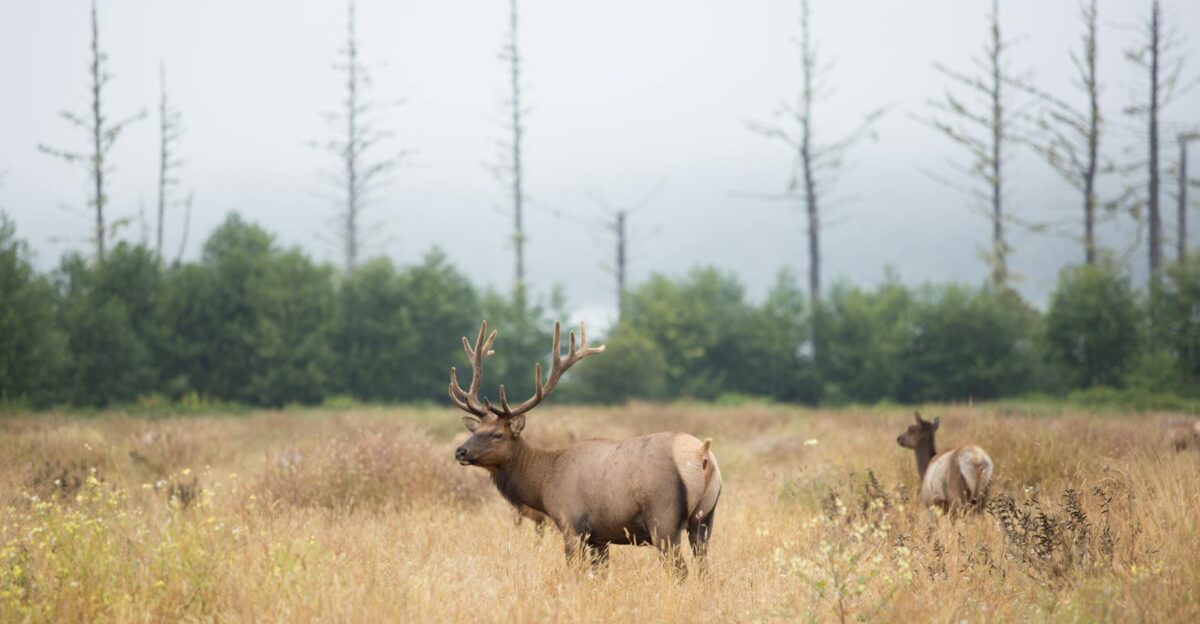
Native American tribes hold the elk (wapiti in Shawnee and Cree, Heȟáka in Lakota) in high esteem as a symbol of strength, nobility, and protective power.
This majestic animal represents endurance, patience, and the ability to protect family and community through vigilant leadership.
Porcupine
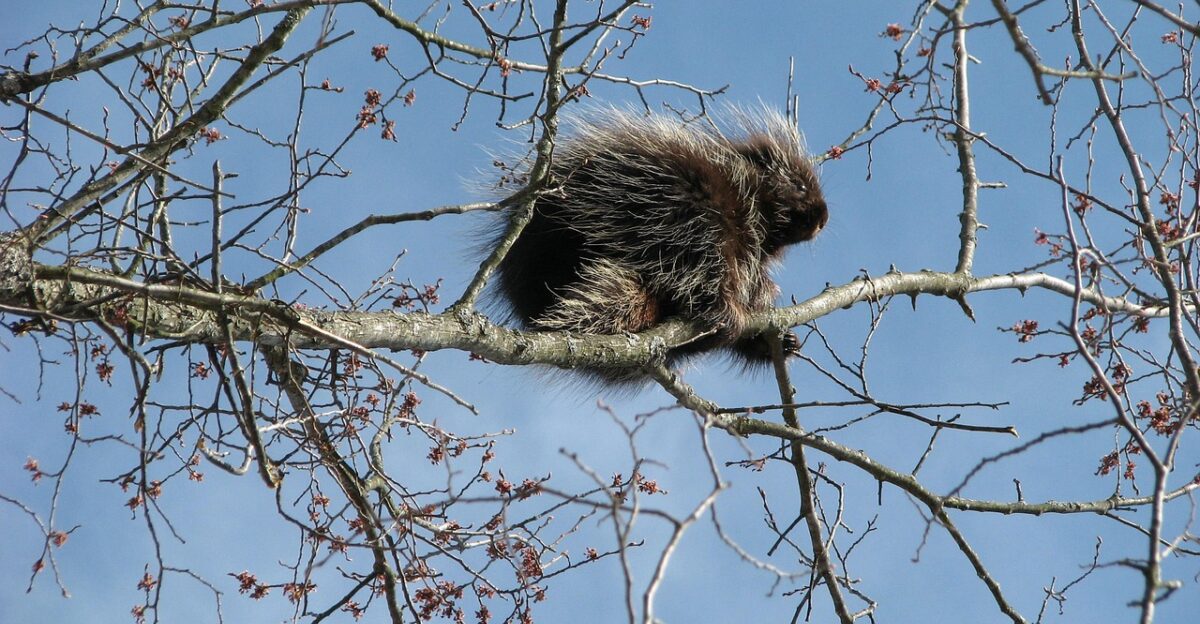
The porcupine holds significant practical and spiritual importance in Native American traditions, particularly known for providing quills used in sacred decorative arts.
Porcupine quillwork is one of the oldest Native American art forms. Quills are dyed in various colors and woven into intricate ceremonial patterns.