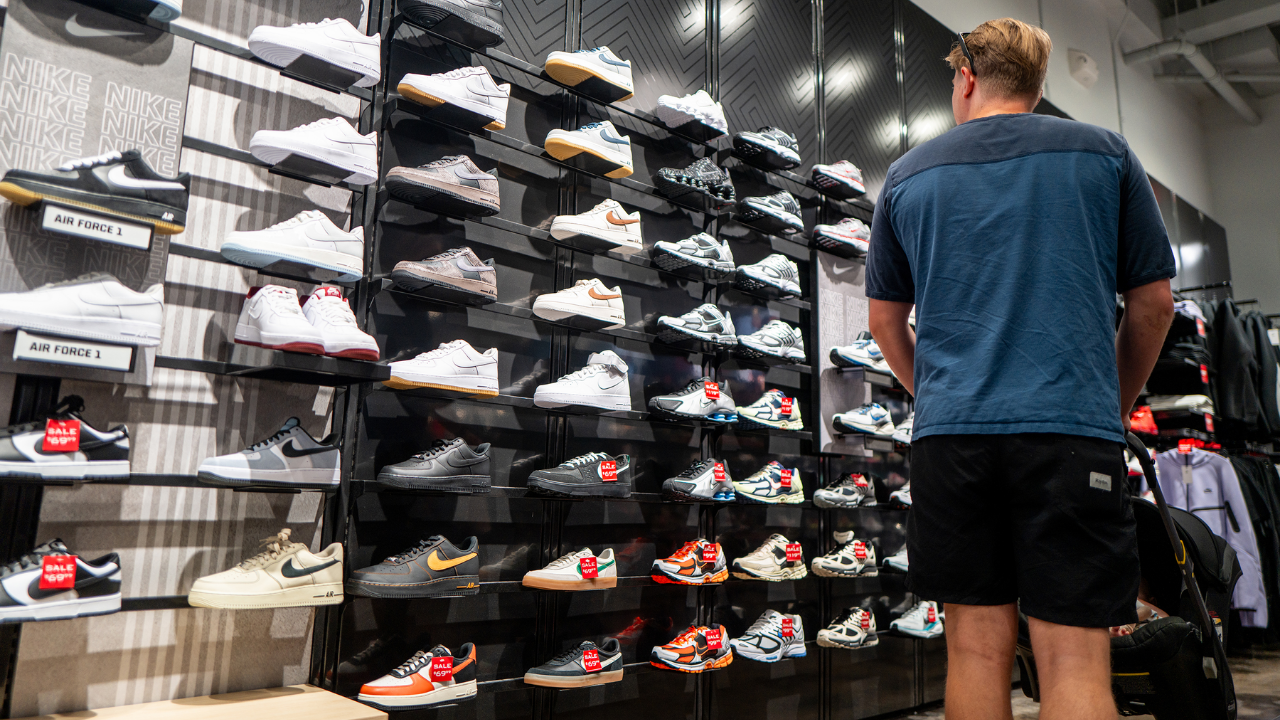
The athletic retail landscape shifted dramatically on September 8, 2025, when Dick’s Sporting Goods finalized its acquisition of Foot Locker for $2.4 billion. On November 25, 2025, Executive Chairman Ed Stack announced immediate plans to close underperforming locations beginning in 2026, marking a pivotal moment for a retailer that once dominated the sneaker market. The deal encompasses nearly 2,600 global stores as of the third quarter 2025, with approximately 1,600 locations in North America. Dick’s has already begun aggressive inventory markdowns as part of broader restructuring efforts described by Stack as efforts to “clean out the garage,” signaling substantial operational upheaval ahead.
The Decline of a Retail Giant
Foot Locker’s troubles trace back to 2017, when Nike fundamentally restructured its distribution strategy to prioritize direct-to-consumer sales. This shift stripped away the retailer’s core revenue stream. Despite CEO Mary Dillon’s turnaround initiatives launched in September 2022, Foot Locker failed to regain momentum. By the second quarter of 2025, the company reported a 2.4 percent decline in total sales alongside soft store traffic trends. These vulnerabilities made Foot Locker an attractive acquisition target for Dick’s, which seized the opportunity to acquire struggling locations and liquidate excess inventory at scale.
Cascading Effects on Communities and Employment
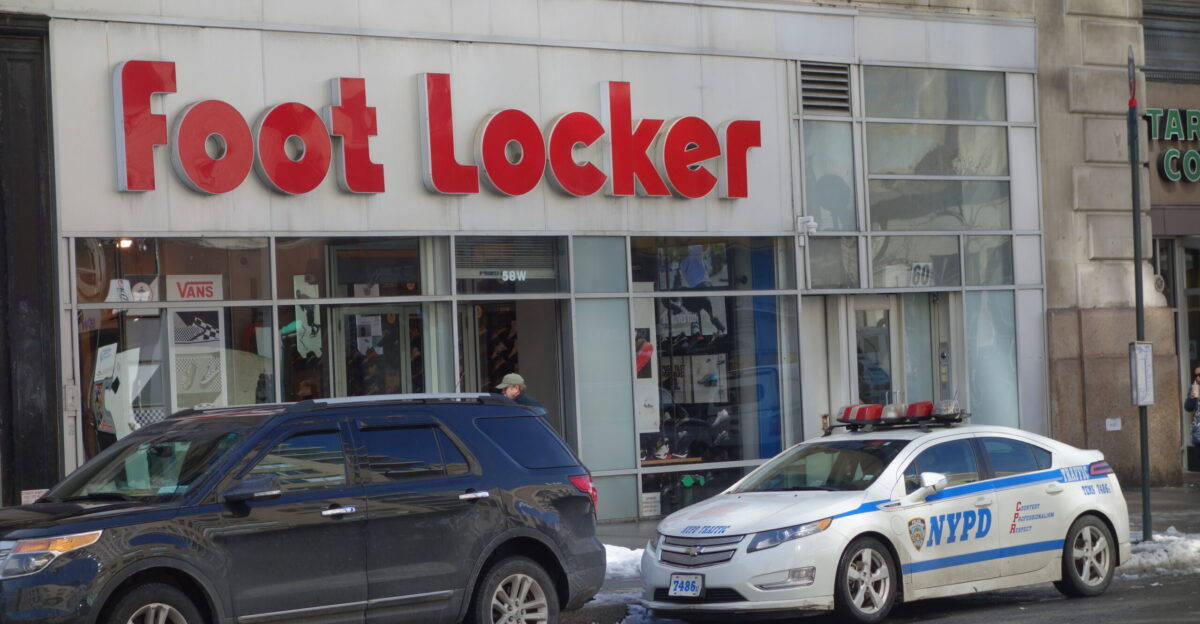
The closure of Foot Locker stores will reverberate through multiple sectors. As a traditional mall anchor tenant, Foot Locker drives foot traffic that sustains nearby retailers. When such anchors disappear, surrounding businesses suffer, and mall property values decline. U.S. malls already face rising vacancy rates, and these closures will accelerate that trend.
Employment impacts remain uncertain. Foot Locker positions typically represent lower-wage, part-time work concentrated in lower-income areas. The aggressive inventory liquidation signals potential layoffs, yet Dick’s has disclosed neither the number of affected stores nor workforce reduction plans. Employees face mounting job insecurity with minimal transparency about their futures.
A Broader Retail Crisis
Foot Locker’s restructuring occurs within a larger industry contraction. Over 15,000 store closures are expected across the United States in 2025 alone, driven by tariffs, inflation, and evolving consumer preferences. Party City announced the closure of all 850-plus locations by February 2025, while Walgreens committed to shuttering 1,200 stores over three years. Retailers nationwide confront mounting pressures from rising operational costs and inventory theft, creating a cascade of bankruptcies and mass layoffs.
Market Consolidation and Competitive Dynamics
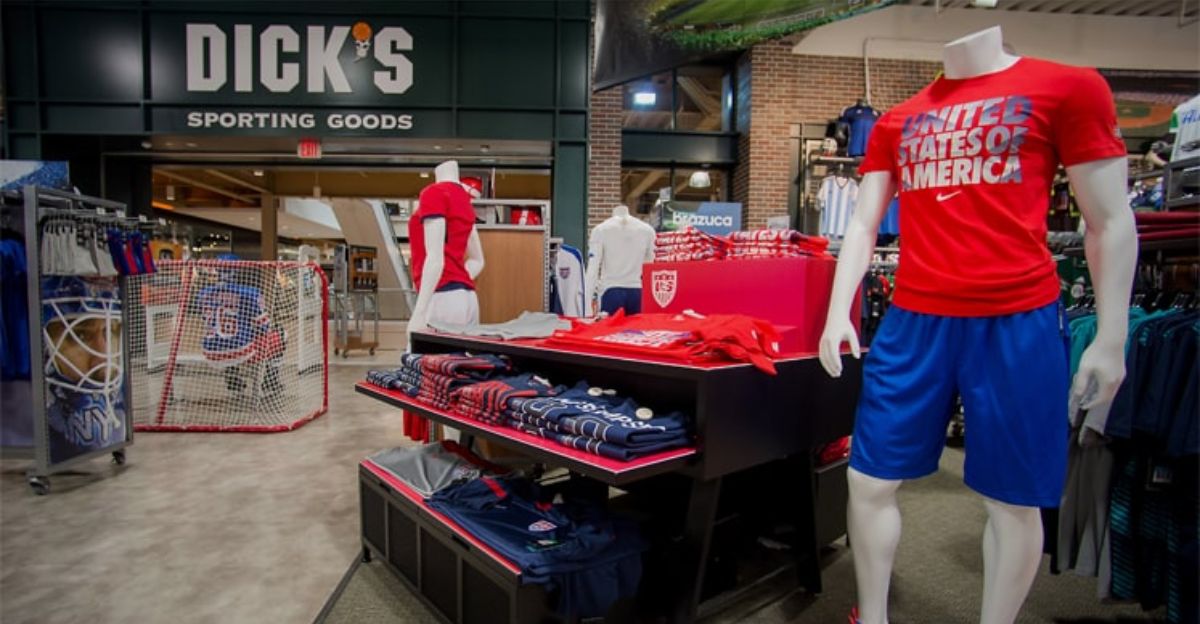
The acquisition strengthens Dick’s position in the U.S. sporting goods market, where it previously held approximately nine percent market share. This consolidation creates significant competitive advantages, with JD Sports positioned as a major competitor. Dick’s now wields substantial leverage over major brands like Nike and Adidas, though managing nearly 2,600 stores presents significant operational challenges.
The brand partnership dynamics remain complicated. Nike restructured its distribution strategy in 2017 to prioritize direct-to-consumer sales, which reduced wholesale access for retailers including Foot Locker. However, Nike has since shifted focus and is working to rebuild its relationships with retailers, including Dick’s and Foot Locker. Adidas similarly maintains strategic partnerships, but the damage to Foot Locker’s brand relevance during its years of retail marginalization proved difficult to reverse. Both athletic giants now depend on strong retail partners, yet Foot Locker’s ongoing restructuring limits its ability to serve that role effectively.
Ripple Effects Across Real Estate and Municipal Finance
Commercial real estate faces significant disruption. Mall property values will decline as anchor tenants like Foot Locker exit, leaving landlords struggling to fill vacancies and maintain rental income. Commercial landlords will face pressure to reduce rents, potentially triggering additional business failures and bankruptcies.
Local governments will experience substantial tax revenue losses. Sales taxes, property taxes, and business licensing fees all decline when retail operations contract. Smaller municipalities dependent on mall-generated revenue face particularly acute budget pressures, potentially forcing service reductions or tax increases on remaining residents. This financial strain deepens existing community challenges.
Supply Chain Disruptions and Workforce Uncertainty
Foot Locker’s closures will disrupt supply chains across multiple sectors. Suppliers, manufacturers, and logistics providers tied to Foot Locker’s bulk orders face potential contract adjustments and renegotiations. Logistics companies will experience reduced shipping volumes, while marketing agencies and mall service providers face business impacts. Dick’s consolidation strategy offers limited reassurance to vulnerable suppliers facing financial uncertainty.
Retail workers across the industry confront mounting uncertainty. With 15,000-plus store closures anticipated in 2025, employees question their long-term job security. The lack of transparency from Dick’s regarding store closure timelines and workforce decisions intensifies anxiety among Foot Locker staff.
The Path Forward
Foot Locker’s restructuring marks a critical inflection point for American retail. The closure of an undisclosed number of locations will reshape the athletic footwear market, eliminate employment opportunities in lower-income communities, and strain municipal finances. Dick’s investment in omnichannel retail—including Buy Online, Pick Up In-Store services and digital loyalty programs—reflects the modern retail model that Foot Locker failed to fully embrace. As the athletic retail landscape continues its rapid transformation, the full consequences for employees, communities, and the broader sector will unfold over the coming years.
Sources:
Dick’s Sporting Goods Q3 2025 Earnings Call Transcript
Foot Locker Inc. SEC Filings (Form 8-K/10-Q)
Reuters/CNBC Financial Archives (May 2025 Deal Announcement, September 2025 Completion)
Coresight Research U.S. Store Closures 2025 Report; Party City and Walgreens Corporate Restructuring Announcements
Circana (formerly NPD Group) U.S. Athletic Footwear Market Share Data; Cowen Equity Research Sneaker Resale Market Analysis