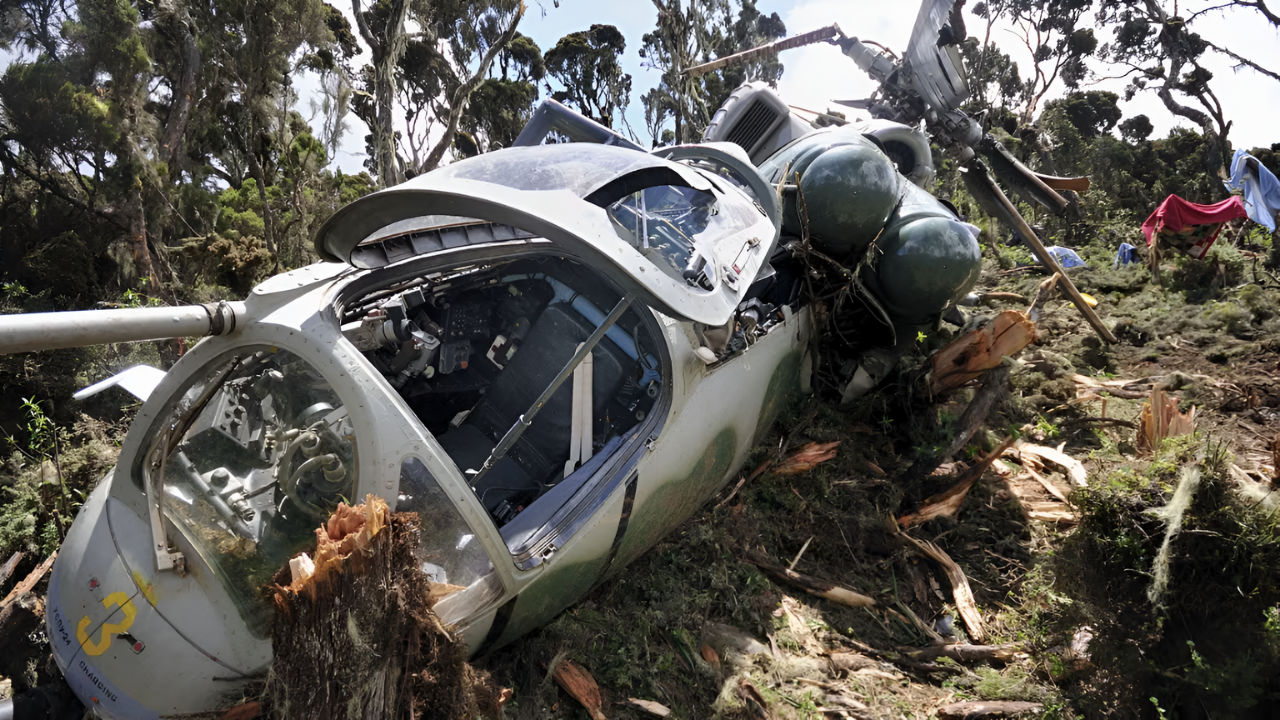
On New Year’s Eve 2024, Ukraine made history when its $300K Magura V5 drone destroyed two Russian Mi-8 helicopters over the Black Sea. Lt. General Kyrylo Budanov confirmed that this marked the first successful sea drone air-to-air kill.
The strike stunned military analysts, demonstrating how low-cost autonomous platforms can challenge expensive aircraft. Beyond the immediate destruction, the event signals a strategic shift in naval warfare. Let’s explore how this unprecedented operation unfolded.
The Magura V5 Drone Ecosystem
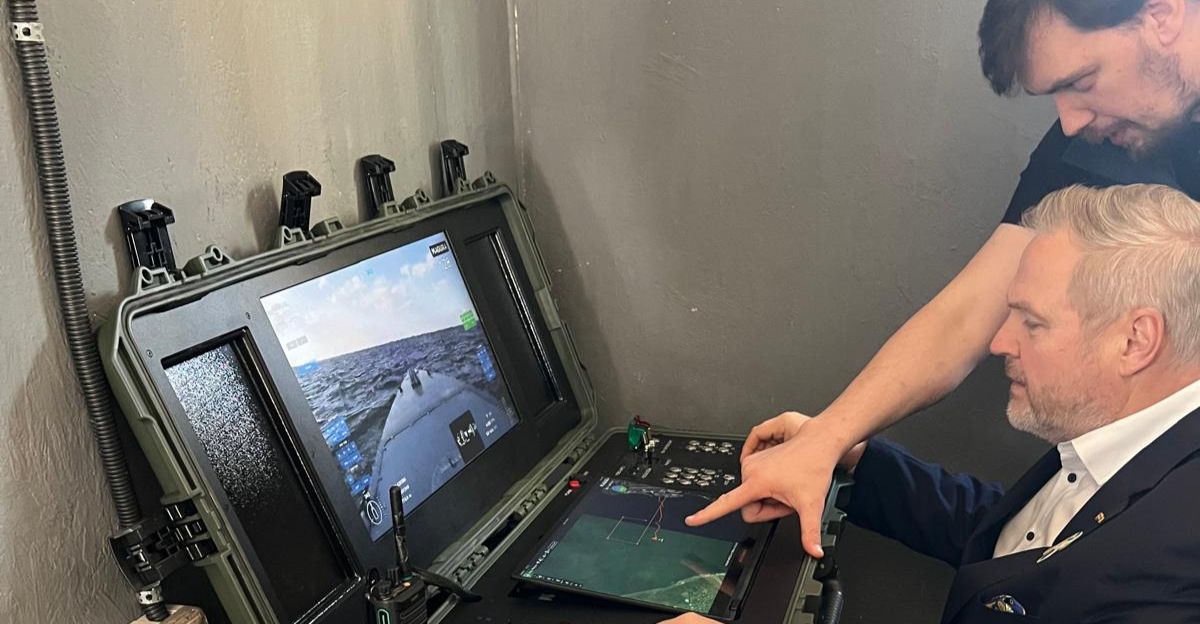
The Magura V5 wasn’t built alone. Wikipedia notes that HUR partnered with private Ukrainian companies experienced with the SBU, combining expertise in engineering and manufacturing. Brave1 (October 2024) reports these collaborations have expanded drone production capacity, sustaining hundreds of specialized jobs for engineers, technicians, welders, and quality assurance specialists.
This network illustrates Ukraine’s growing defense industrial base. Each successful drone reflects months of coordinated development. The ecosystem also integrates allied support, creating a robust platform capable of sustained production. But how did a $300K platform take on multimillion-dollar helicopters?
Russian Helicopters at Risk
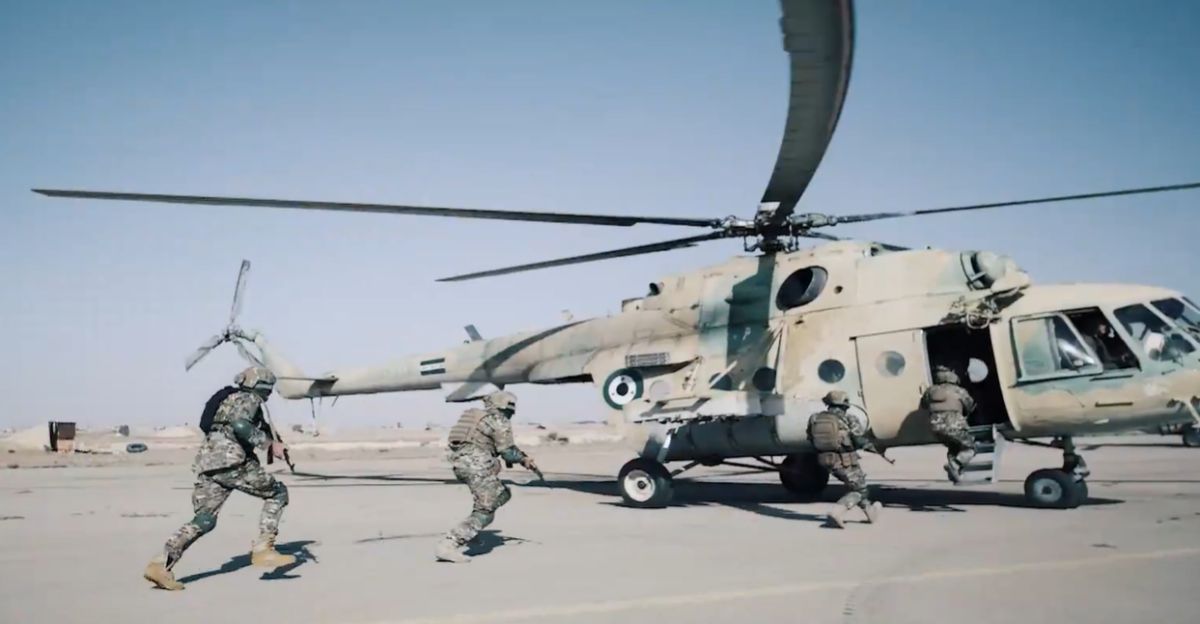
Three Russian Mi-8 helicopters were targeted. The War Zone reported on 2 January 2025 that two were destroyed, with no survivors aboard, while a third returned damaged. Each helicopter carried 3–24 personnel, including trained pilots with over 150 hours of flight time plus ground school.
The loss represents both strategic and human cost. Experienced pilots are irreplaceable in the short term, forcing Russia to reconsider Black Sea aerial operations. Could these losses reshape Russia’s tactics across the region?
Strategic Shock to the Black Sea Fleet
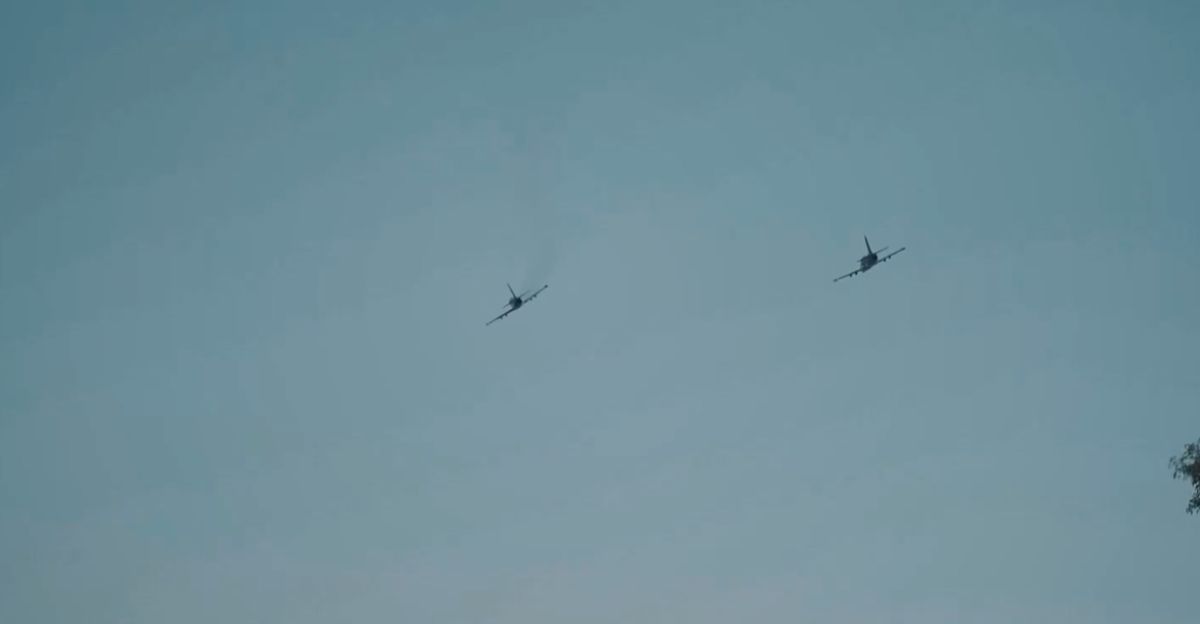
The two helicopter losses delivered a tactical blow. Kyiv Independent reported on 31 December 2024 that Russian command had to reassess helicopter operations, proving naval drones could hunt airborne targets. Each Mi-8 cost roughly $10–15 million, including training, underscoring the cost asymmetry.
This forces Russia to adapt aerial strategies across the Black Sea. The incident signals that low-cost drones can disrupt previously uncontested domains. Yet the broader implications for allied nations were just beginning to emerge.
Allied Contributions and Innovation
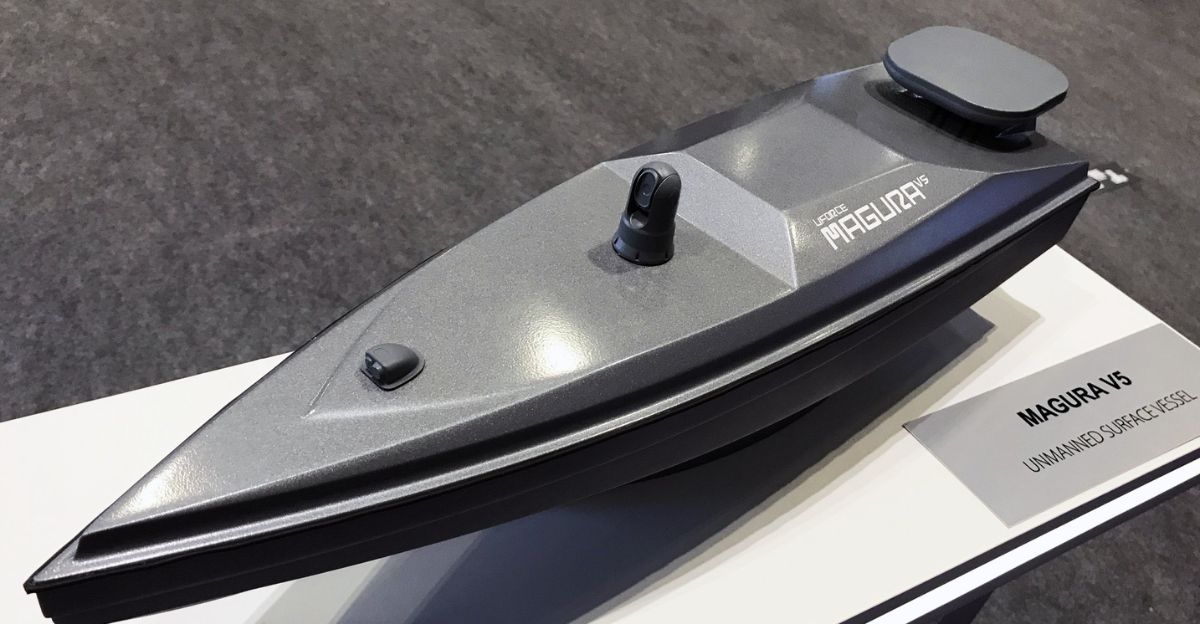
Ukraine’s success inspired allied innovation. The UK Ministry of Defence’s Taskforce Kindred developed the $7.5M Gravehawk system within 12 months. Global Defense Corp reported two units delivered, with 15 more scheduled, sustaining British manufacturing jobs and supporting allied defense capabilities.
This highlights how battlefield innovation can accelerate technology adoption across borders. Ukraine’s strike wasn’t isolated—it became a catalyst for allied strategic developments, hinting at the future of drone warfare collaboration.
What Makes “FrankenSAM” Special
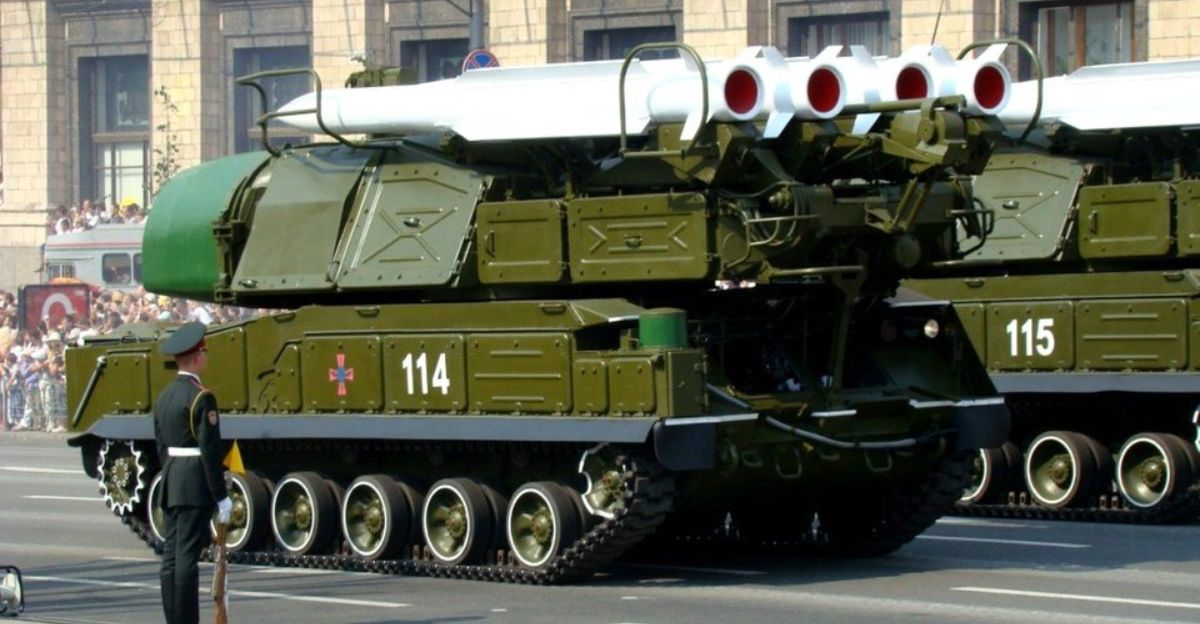
“FrankenSAM” refers to R-73 missiles adapted for surface launch as SeeDragon missiles. The War Zone on 30 December 2024 explained the R-73 infrared seeker locks onto helicopter heat signatures, even at sea level. With a 9kg warhead and 230-pound weight, it can destroy 5,700kg helicopters—a remarkable 60:1 payload ratio.
This cost-effectiveness transforms low-cost drones into serious threats. By adapting existing air-to-air missiles, Ukraine multiplied its defensive and offensive capabilities without building new munitions. But the Magura V5’s platform details are equally critical to this achievement.
Magura V5: Small but Lethal
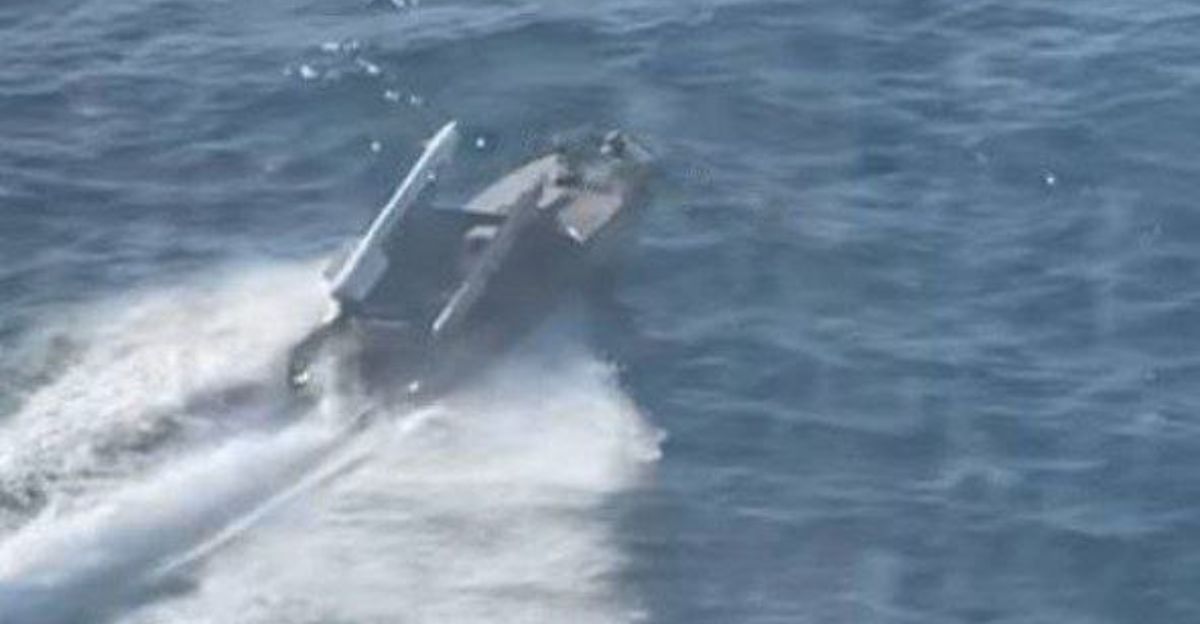
The Magura V5 measures 5.5 meters, travels at 80 km/h, and has an 800 km operational range. Fully loaded, it weighs 1.1 tons and costs $240–300K. Despite civilian-level pricing, it operates autonomously, requiring no continuous operator input or satellite links.
Autonomy ensures unpredictability, reducing Russian countermeasures’ effectiveness. The drone can engage targets without human control, representing a persistent and unseen threat. The result? A platform small enough to evade detection yet lethal enough to change battlefield dynamics.
The World’s First Sea Drone Air Kill
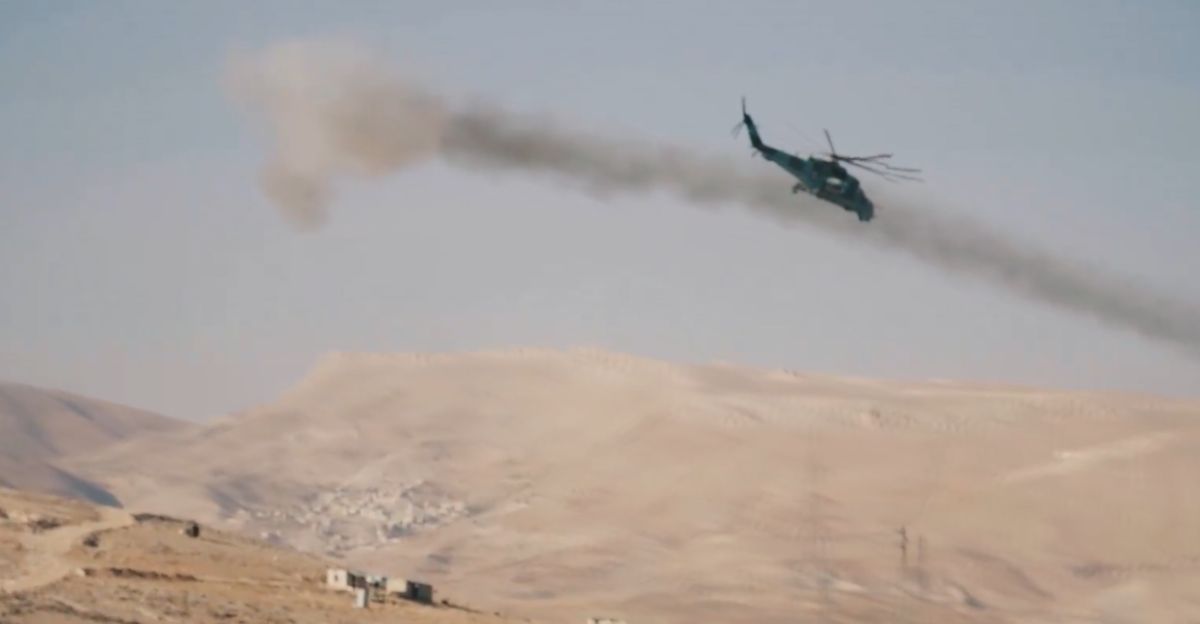
The War Zone confirmed that prior unmanned naval systems targeted only surface threats. Reuters on 31 December 2024 verified that the Magura V5 destroyed Russian helicopters, demonstrating the first transition from anti-ship to anti-air capabilities. Ukraine weaponized defensive adaptations into offensive innovation.
This milestone changes naval warfare assumptions. Drones are no longer defensive tools—they are offensive multipliers capable of directly threatening manned aircraft. The strategic ripple effects extend far beyond this single engagement.
Cost Asymmetry: $300K vs $15M
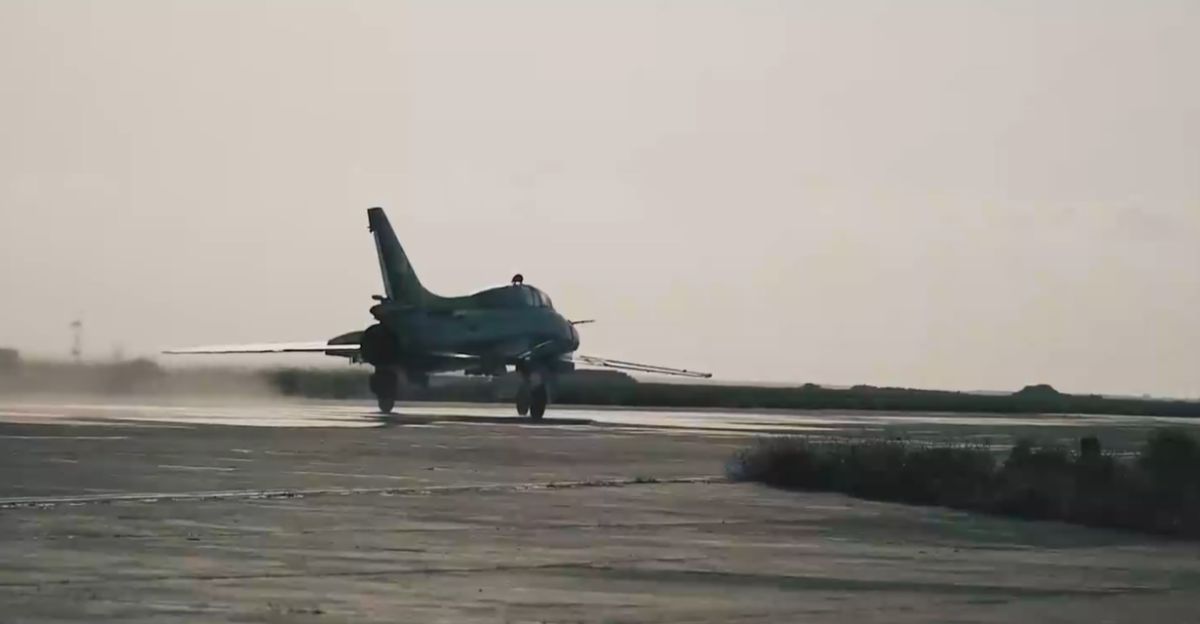
Each Magura V5 cost $300K, while modern Mi-8 helicopters are valued $10–15M. The War Zone and Kyiv Independent emphasize that two drones eliminated $30M in Russian hardware for a fraction of the price, creating a staggering 33:1 cost ratio.
The financial imbalance proves the efficiency of autonomous systems. Russia must now replace hardware and retrain pilots, facing months of operational delays. Could low-cost drones redefine the economics of aerial warfare?
Timing and Historical Significance
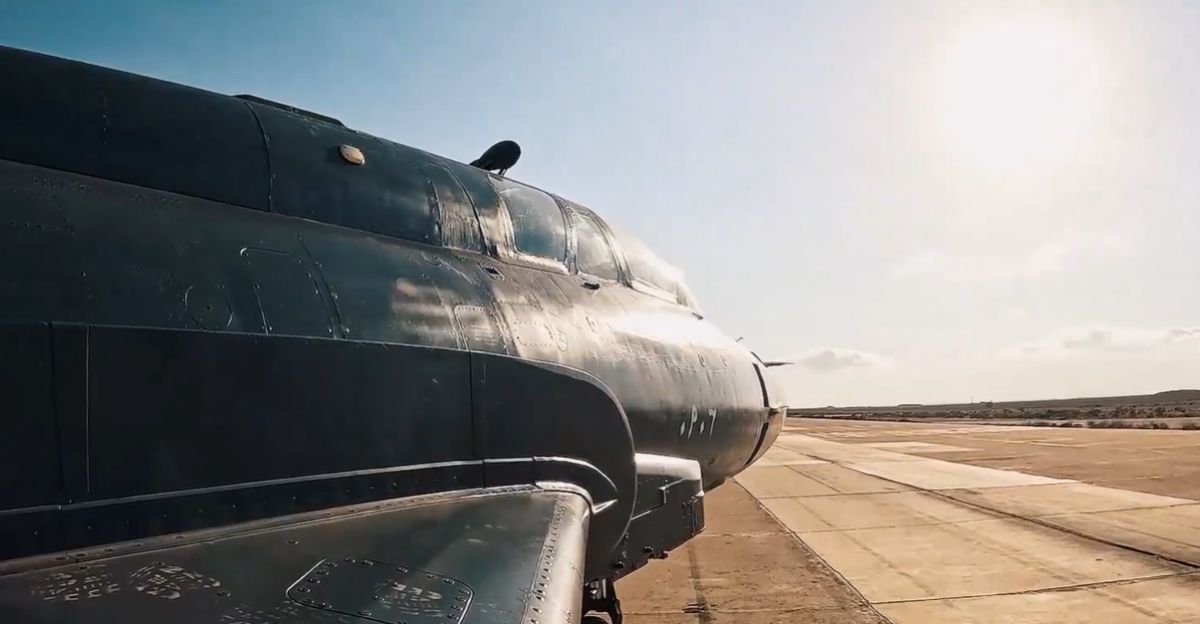
The strike occurred 31 December 2024, coinciding with Ukrainian strikes on Russian infrastructure. Kyiv Independent noted simultaneous attacks on Smolensk Oblast oil depots, highlighting Ukraine’s multi-vector asymmetric warfare capability.
This timing magnifies the strategic effect: the drones acted in concert with other operations, demonstrating Ukraine’s ability to synchronize attacks. But the timing also placed the helicopters in a high-risk theater, amplifying the impact of a single drone.
Geography: Black Sea Theater
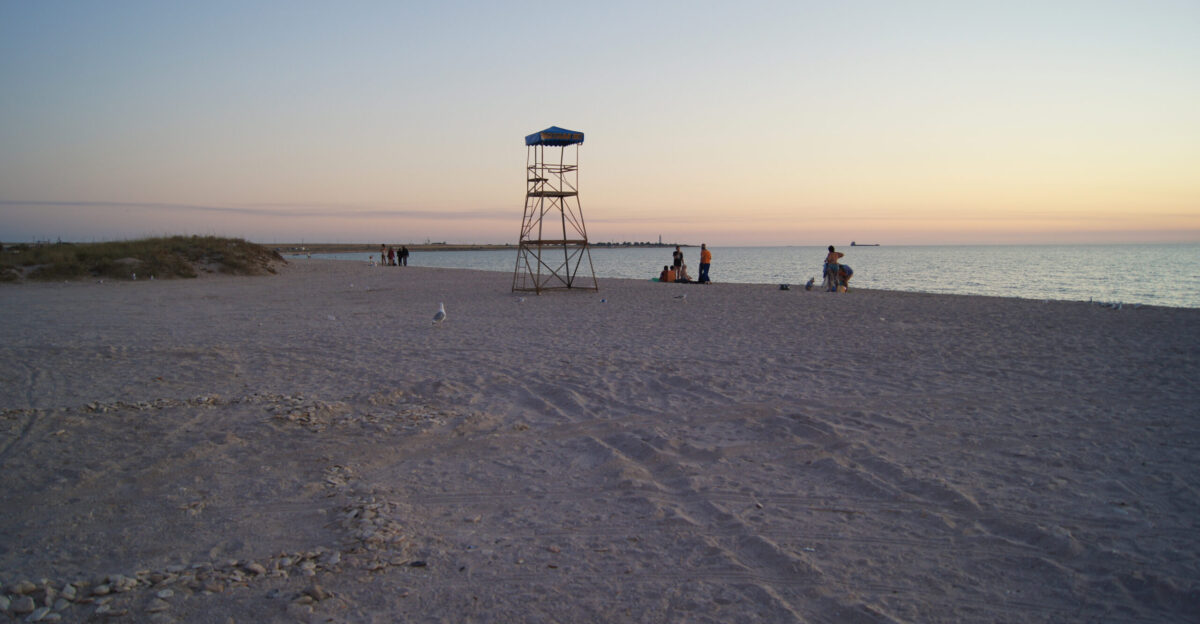
The engagement unfolded near Cape Tarkhankut, Crimea, in contested waters where Russian air superiority was assumed. The War Zone reported that up to 24 personnel were at risk on board the helicopters.
The geographic context shows the drone’s range and operational flexibility. Ukraine effectively turned Black Sea waters into a contested airspace for helicopters. This redefines threat perception for Russian crews across the region.
Tactical Execution Unveiled
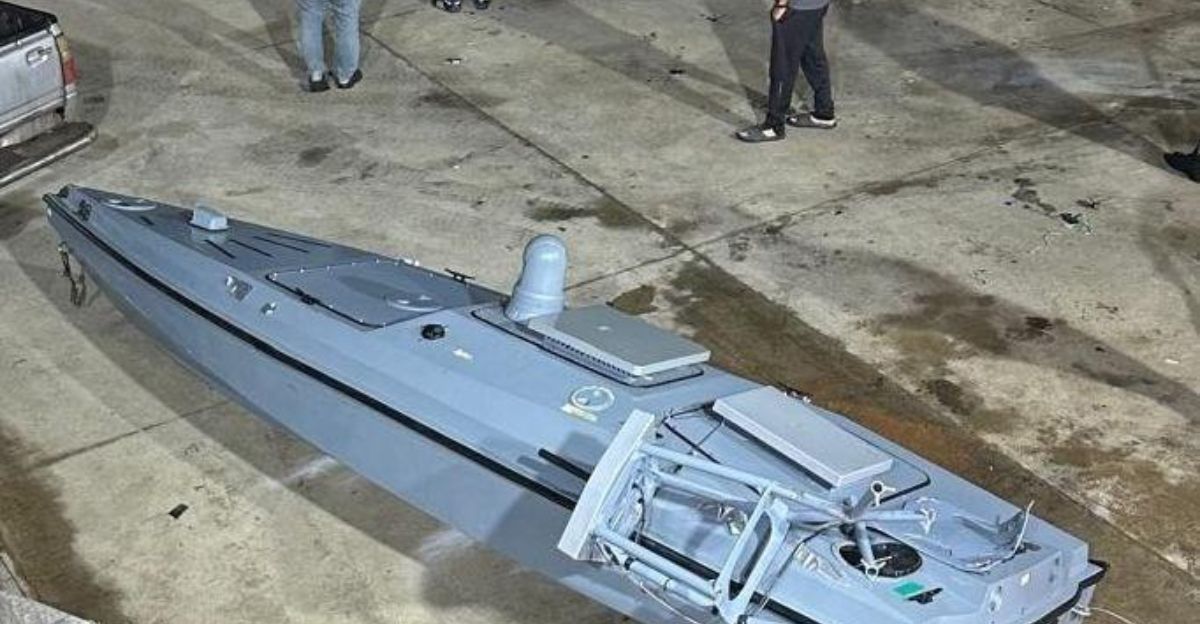
Group 13 launched SeeDragon missiles from Magura V5. Kyiv Independent reported video showing heat-seeking missiles locking onto helicopters and achieving autonomous target engagement. The engagement sequence illustrates a combination of seeker technology and preprogrammed maneuvering.
Despite machine gun fire and infrared countermeasures, drones completed missions independently. This autonomy and precision underscore why low-cost USVs are changing naval engagements and challenging established military assumptions.
Russian Supply Chain Impact
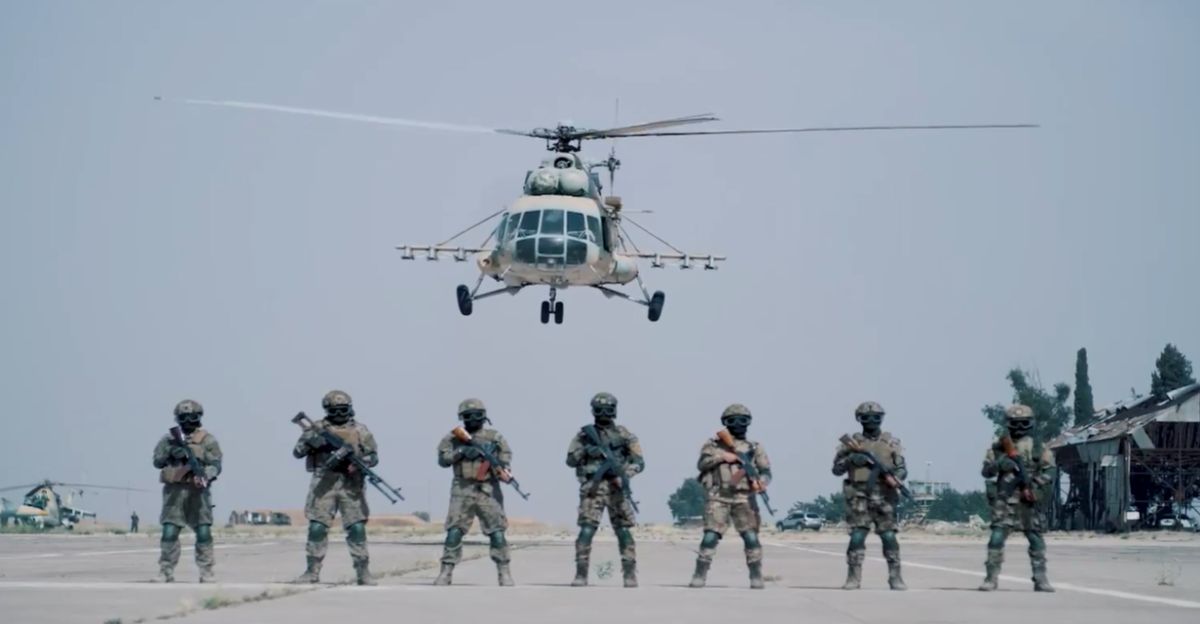
Each Mi-8 loss pressures Russian defense contractors, including Kazan Helicopter Plant. Wikipedia notes production is concentrated and heavily regulated. Lost aircraft require expedited replacement, raw material sourcing, and increased workforce strain.
Crew losses extend impact: pilots require 3–4 months training plus flight hours, costing up to $500K per pilot. This cascading effect reduces operational readiness while increasing financial and logistical burdens for Russian command.
Civilian and Economic Ripple Effects

Ukraine’s drone success affects civilian maritime logistics. Economic Times reported that Black Sea shipping insurance premiums rose following drone attacks, demonstrating market responses to perceived risk.
Higher premiums impact commercial shipping and small operators, reducing profits and raising consumer costs. The strategic strike thus reverberates economically, showing that precision drone operations influence both military and civilian spheres.
Why It Matters Globally
The strike exemplifies modern asymmetric warfare: low-cost drones, autonomous operation, and repurposed missiles can defeat expensive helicopters. Ukraine’s Magura V5 illustrates strategic innovation under constraints, setting a precedent for future conflicts.
This engagement signals a shift in global military thinking. Nations observing the December 31 attack must reconsider fleet composition, air defense strategy, and cost-effective countermeasures. The future of drone warfare is here, and it is autonomous.
Sources
Reuters, “Ukraine says naval drone destroys Russian helicopter for first time,” 31 December 2024
The War Zone, “Ukraine Claims Its Drone Boat Shot Down A Russian Mi-8 Helicopter With A Surface-To-Air Missile,” 30 December 2024 (updated 2 January 2025)
Kyiv Independent, “In world first, Ukrainian sea drone downs Russian helicopter,” 31 December 2024
Ukrainian Ministry of Defence Official Statements, 2 January 2025
UK Ministry of Defence, Gravehawk System Briefing, 15 February 2025
Wikipedia, “MAGURA V5” (23 August 2023)
Wikipedia, “Aircraft industry of Russia” (11 September 2010)