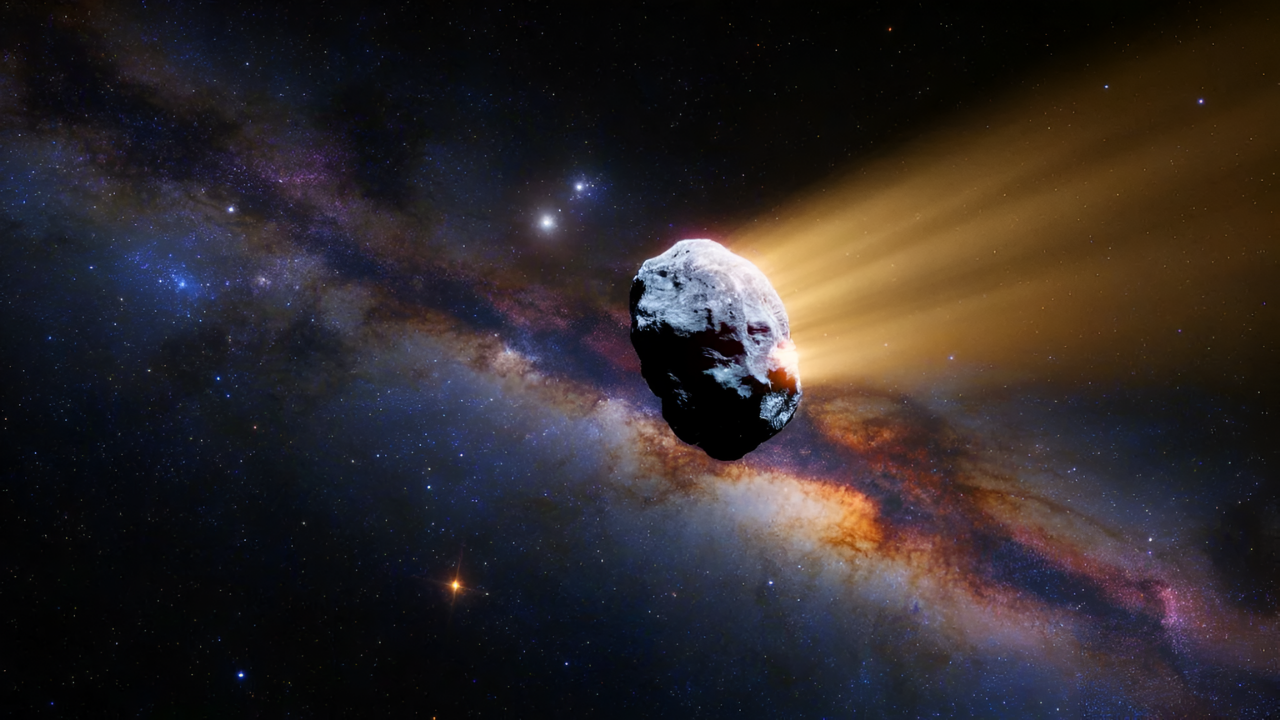
Interstellar comet 3I/ATLAS is a rare visitor from another star system that has given astronomers an unprecedented look at the chemistry of distant worlds. As only the third known object to enter our solar system from interstellar space, it races past the Sun on a one-way, hyperbolic path, carrying ices and gases that formed under conditions very different from those around our own star.
Powerful observations with the ALMA observatory in Chile revealed record levels of methanol and hydrogen cyanide, showing that this comet is far more chemically rich than almost any comet studied before.
What Is 3I/ATLAS?
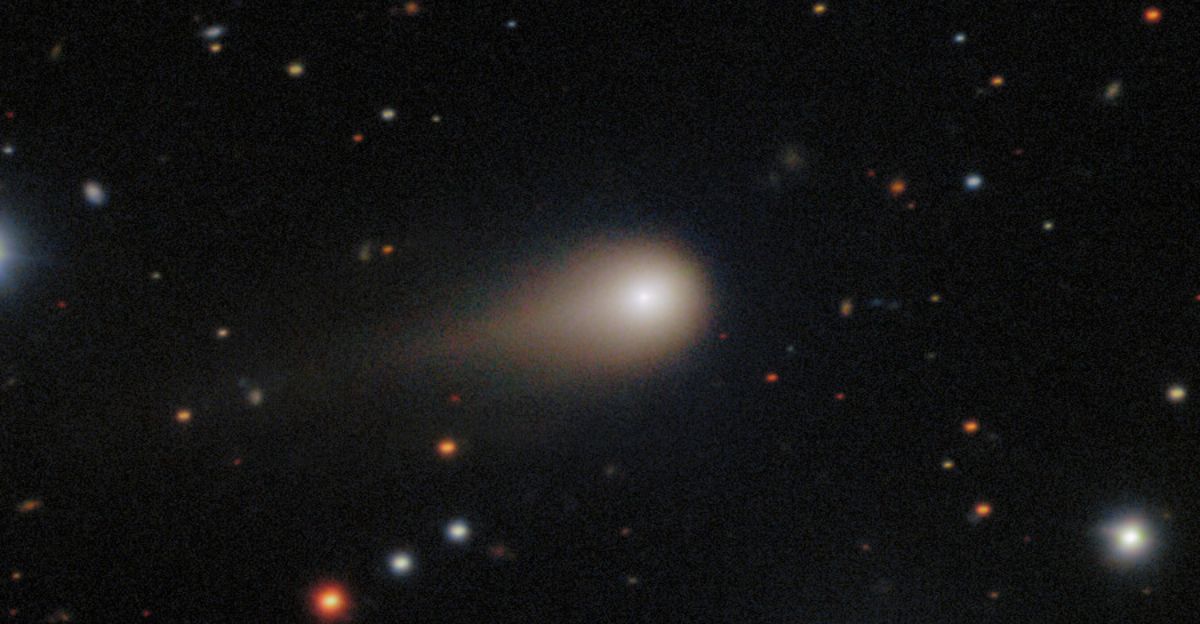
3I/ATLAS is an extraordinary comet that comes from far beyond our solar system, making it only the third interstellar visitor we’ve ever detected. Unlike comets born around our Sun, this cosmic traveler comes from another star system, drifting through space for millions of years before passing through our neighborhood.
The comet measures about 5.6 kilometers across and carries chemical clues about its distant origin. Scientists discovered it in July 2025 when it was about 670 million kilometers away. What makes it truly special is not just where it came from, but the incredible chemical richness scientists found inside it during their observations.
Our Three Cosmic Visitors
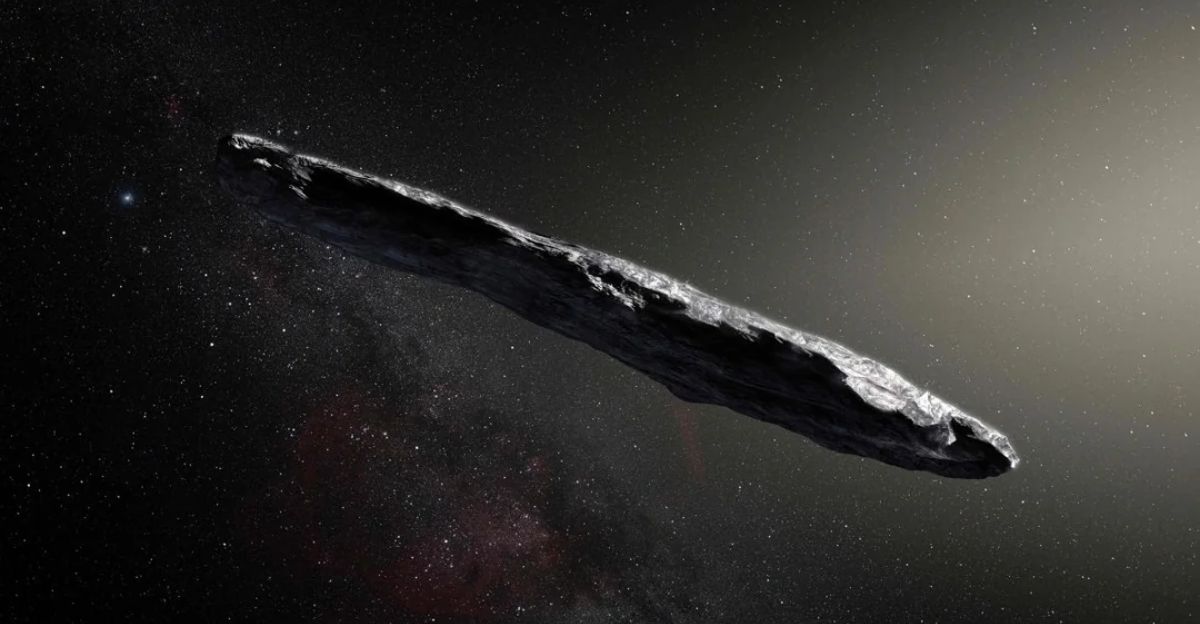
Since 2017, we’ve discovered only three interstellar objects passing through our solar system. The first was ‘Oumuamua, spotted in 2017, which stunned astronomers by being an unusual cigar-shaped object that challenged conventional understanding of comet morphology.
Next came 2I/Borisov in 2019, confirming that alien comets do indeed visit us and establishing a pattern of interstellar immigration. Now, 3I/ATLAS joins this exclusive club, representing rare opportunities for science to study materials from beyond our cosmic neighborhood.
Meet the ALMA Observatory
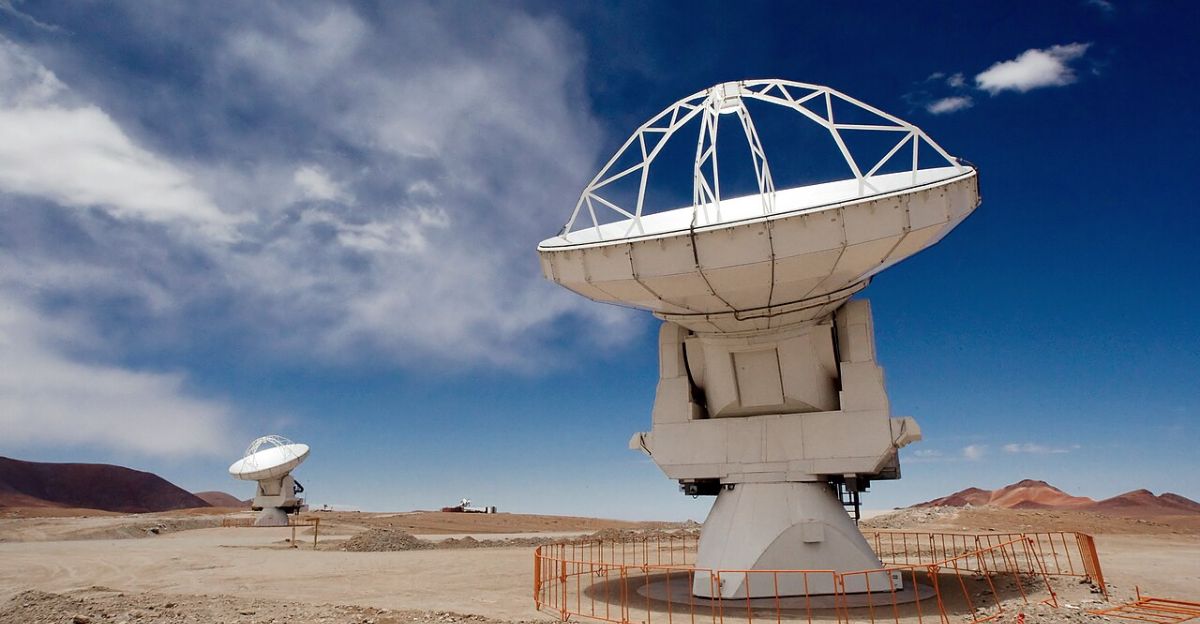
The Atacama Large Millimeter/submillimeter Array, or ALMA, sits high in the Chilean desert at an elevation of 5,050 meters and represents one of humanity’s most powerful telescope systems ever constructed. This remarkable facility brings together 66 specialized antennas that work as a single giant telescope, allowing scientists to detect incredibly faint radio signals from space with extraordinary sensitivity and precision.
ALMA can see wavelengths invisible to normal optical telescopes, making it perfect for studying the chemical composition of distant objects and revealing hidden molecular signatures. The facility is so sensitive that it can detect molecules from across the solar system with exceptional clarity, revealing secrets hidden in cosmic dust and gases that would otherwise remain forever inaccessible to human knowledge.
Who Made This Discovery?
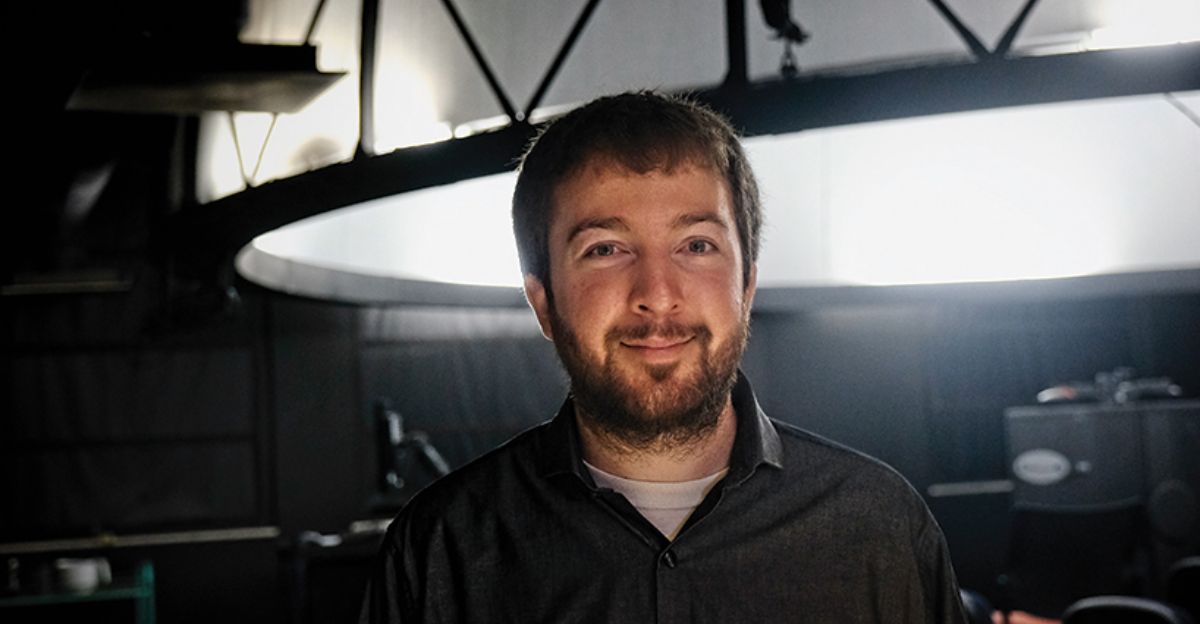
Nathan X. Roth leads the international research team that made this groundbreaking discovery about 3I/ATLAS and coordinated efforts across multiple institutions and continents. His expertise in interstellar chemistry has been crucial for understanding what these molecules tell us about the comet’s origins and formation history.
Scientists like Cordiner, Charnley, and Milam contributed their specialized knowledge to analyze the ALMA data and interpret its significance within the broader context of cometary science.
Racing Against Time
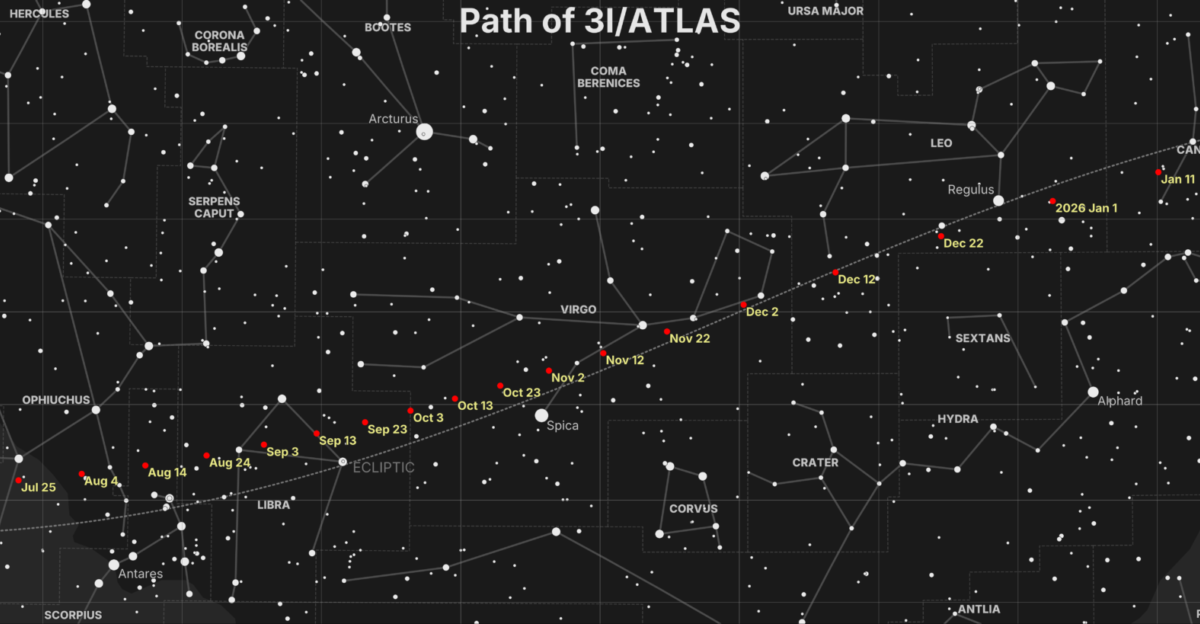
Between August and October 2025, astronomers faced a tight deadline to gather crucial data from 3I/ATLAS before it traveled beyond ALMA’s reach and disappeared into the cosmic distance. The team observed the comet on four different days to measure methanol and twice to detect hydrogen cyanide, creating a comprehensive dataset spanning multiple weeks of intensive observation.
This limited observation window demanded efficient scheduling and rapid analysis across six key observing sessions that required careful coordination and resource allocation. Scientists worked urgently because such interstellar visitors pass through only occasionally, offering rare chances to learn about chemistry throughout our galaxy that might not repeat for decades or centuries.
The Methanol Surprise
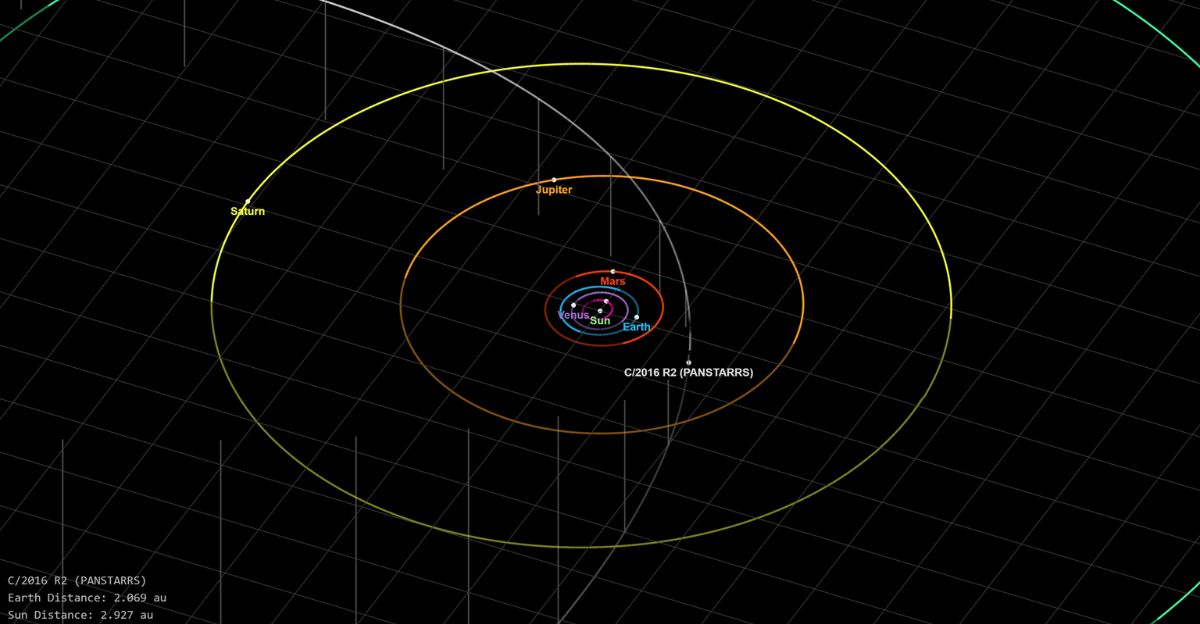
The strongest signals came from methanol, a chemical that appears in many comets but rarely reaches the levels detected in 3I/ATLAS with such dramatic intensity and clarity. Measurements on September 12 and 15, 2025, revealed record-breaking amounts that stunned scientists worldwide and exceeded all previous observations from interstellar sources.
Only one other comet, C/2016 R2, produced higher methanol readings, making 3I/ATLAS second only to this remarkable solar system native in chemical abundance. As the comet approached the Sun, methanol emissions increased dramatically, creating a spike near where solar heat begins turning water ice into gas through the process of sublimation.
Finding Hydrogen Cyanide
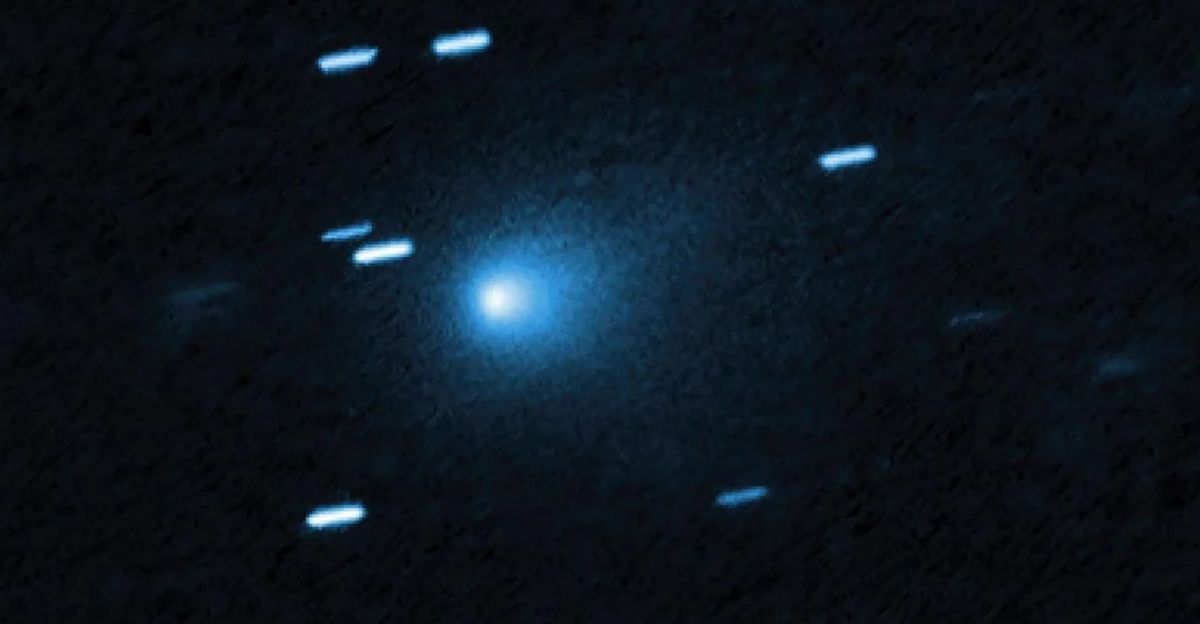
Hydrogen cyanide, though it sounds dangerous to human ears, is a simple molecule that tells us important stories about comet origins and the chemical conditions present during their formation. ALMA detected exceptionally strong hydrogen cyanide signals during two dedicated observation sessions, indicating that 3I/ATLAS contains enormous reserves of this prebiotic compound deep inside its frozen nucleus.
Prebiotic molecules are the chemical building blocks for life as we know it, though their presence doesn’t prove living things exist on the comet or anywhere else in space. Together with methanol, hydrogen cyanide creates a picture of a remarkably complex chemical environment, suggesting that this comet formed in conditions very different from comets in our solar system and experienced unique physical and chemical processes.
Breaking Chemical Records
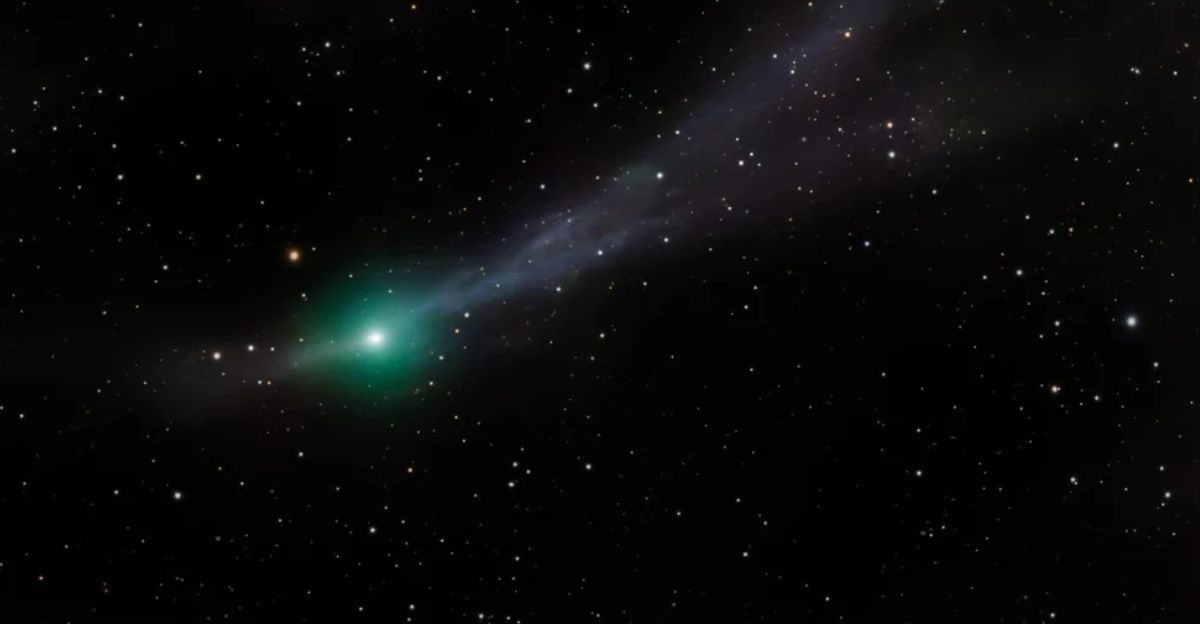
The methanol-to-hydrogen cyanide ratios measured on September 12 and 15 ranked among the highest ever documented in any comet observed throughout human astronomical history. These specific ratios, 124 and 79 respectively, show that 3I/ATLAS contains an unusual chemical balance compared to normal solar system comets, suggesting fundamentally different formation processes.
Such imbalances point to unique formation conditions, possibly in cooler, denser environments around distant stars where different chemical reactions dominate and produce distinct molecular signatures. These record-breaking ratios force astronomers to rethink everything they believed about how organic molecules accumulate in extraterrestrial space and develop models encompassing a wider range of stellar environments.
The One Exception
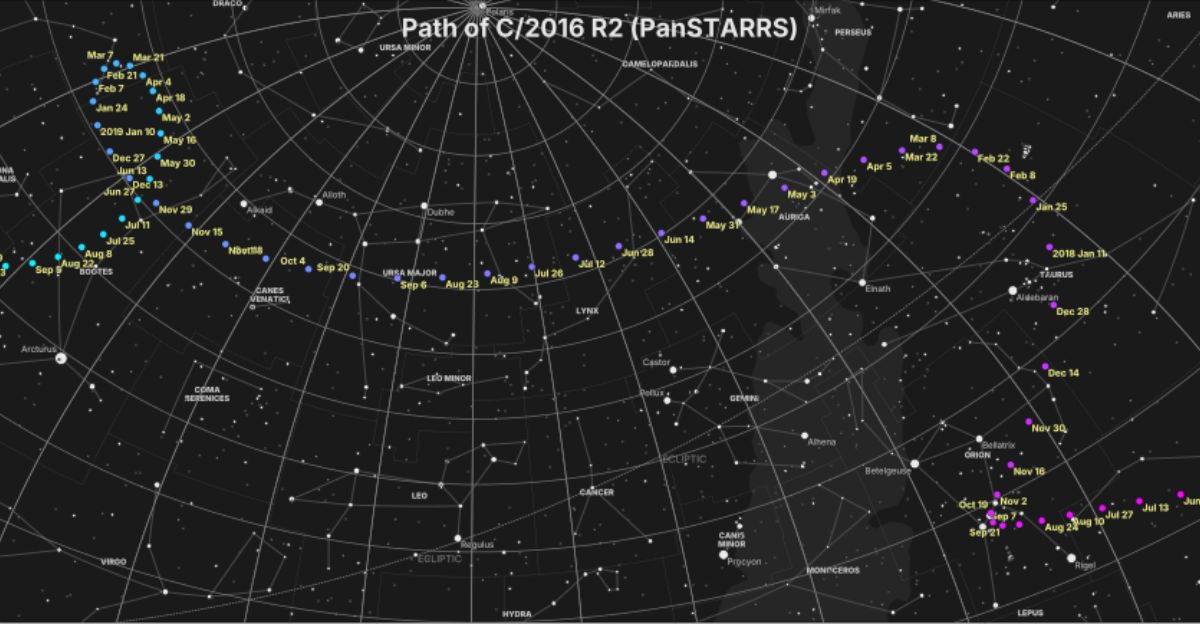
Only comet C/2016 R2 exhibited stronger chemical abundances than 3I/ATLAS, making it the sole benchmark for this extraordinary level of richness observed in any cometary object. Interestingly, C/2016 R2 is a native of our solar system, meaning it formed here rather than arriving from another star, yet displays extreme composition remarkably similar to 3I/ATLAS.
This comparison reveals that extreme chemical richness can occur through multiple pathways, whether a comet forms around a distant star or our own Sun, expanding our theoretical understanding of cometary chemistry.
What Scientists Say
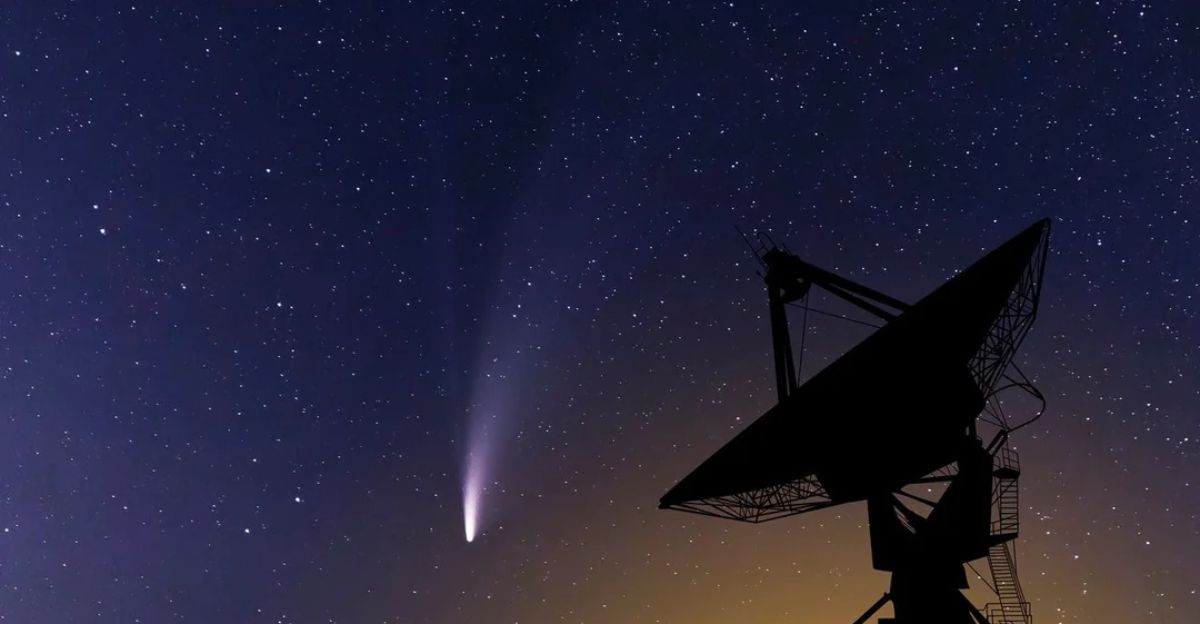
Research team leader Nathan X. Roth emphasized the unprecedented nature of their findings, stating that the methanol-to-hydrogen cyanide ratios measured on September 12 and 15 were some of the highest ever recorded. This straightforward observation captures the magnitude of what astronomers discovered during their intensive monitoring campaign.
These expert perspectives highlight both the scientific significance of the findings and the personal meaning of the discovery for researchers who dedicated years to predicting such events and refining detection methods.
How the Sun’s Heat Tells a Story
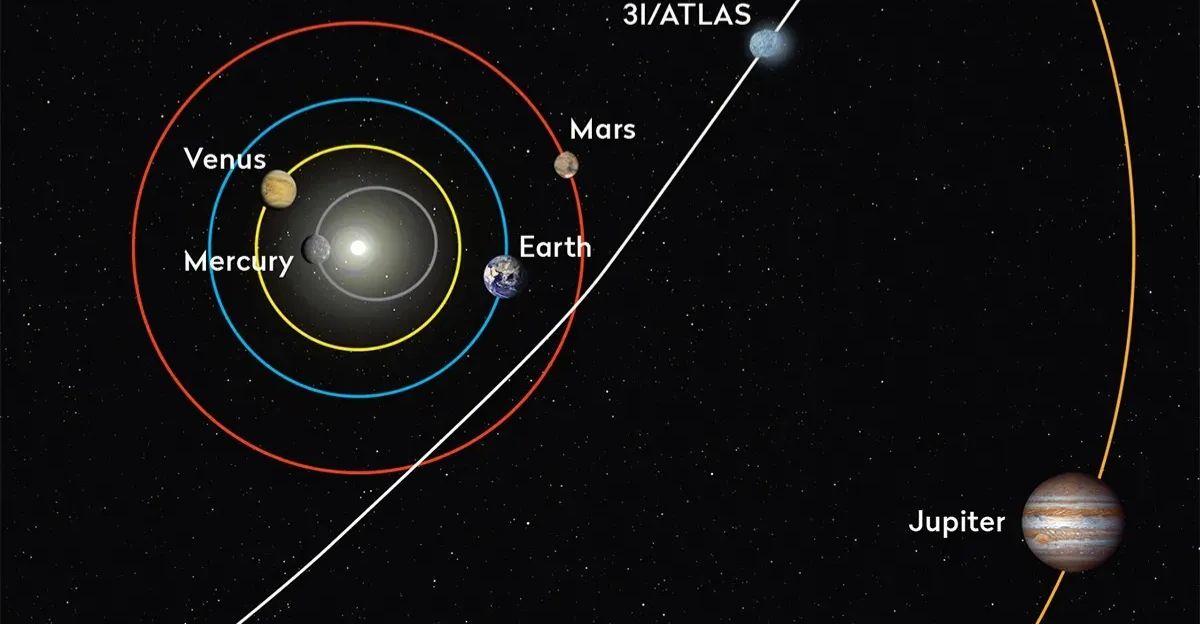
As 3I/ATLAS drew closer to the Sun, methanol production spiked dramatically near the sublimation zone, where solar heat transforms water ice directly into vapor without passing through a liquid phase. This behavior resembles solar system comets but at amplified levels, revealing the comet’s internal layer structure and demonstrating how thermal energy interacts with frozen materials.
The intense heat released chemicals that had remained frozen for millions of years, allowing ALMA to detect them with unprecedented clarity and sensitivity to molecular signatures. Real-time measurements showed chemical evolution happening before scientists’ eyes, a rare opportunity to observe dynamic processes occurring during a single encounter with the Sun spanning only weeks.
Clues About the Comet’s Birthplace
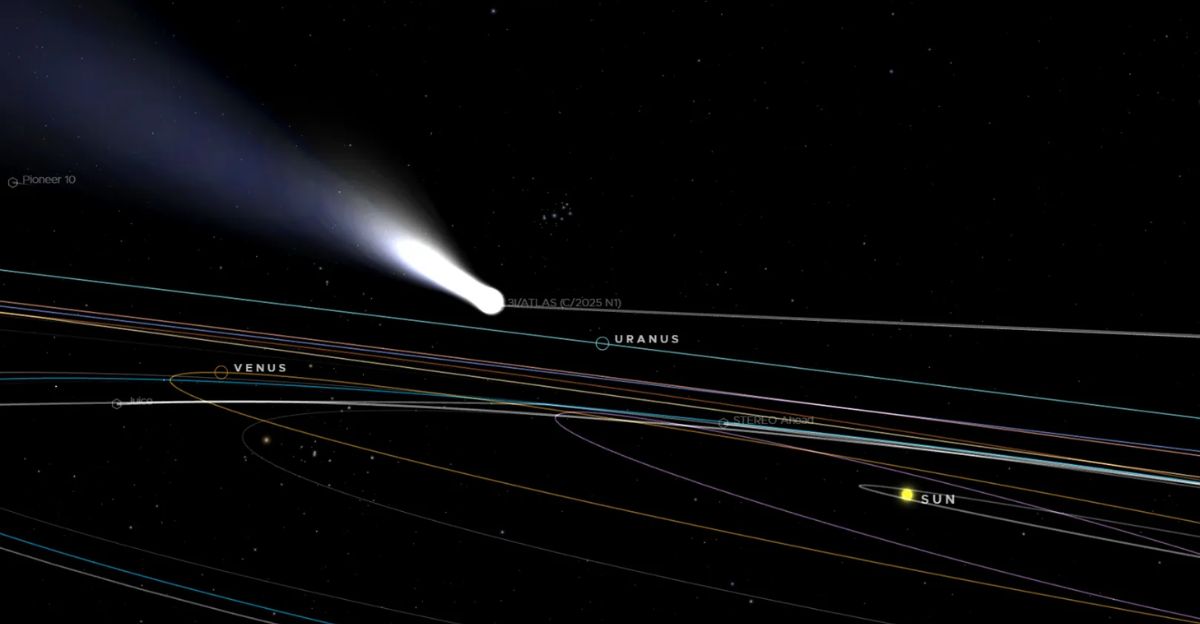
3I/ATLAS’s remarkable chemical profile offers tantalizing hints about its parent star system and the conditions where it formed billions of years ago in the depths of space. The abundance of complex volatiles suggests birth in cooler regions favoring organic molecule formation, possibly in a protoplanetary disk around another star where temperatures and chemical conditions differed from our solar system.
The specific chemical ratios differ markedly from our solar system’s comets, indicating that various stellar environments produce fundamentally different types of objects through unique physical and chemical processes.
ALMA’s 66 Antennas at Work
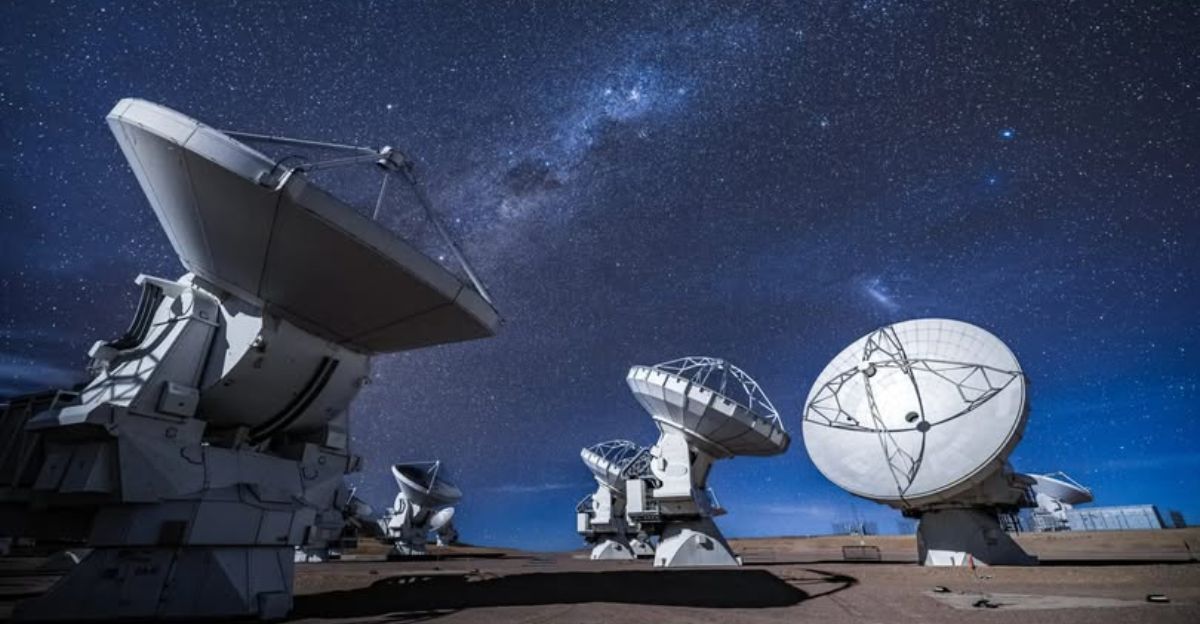
ALMA’s array of 66 antennas functions as a single giant telescope by combining radio signals from each dish, synthesizing observations to achieve unparalleled resolution for molecular studies impossible with individual instruments. During the 2025 campaign tracking 3I/ATLAS, this sophisticated system pinpointed emissions amid solar interference and atmospheric distortion that would confound less powerful telescopes.
The technology’s precision enabled detection of subtle chemical shifts across multiple observation sessions spanning weeks, revealing how the comet’s composition changed as it approached the Sun.
Does Chemistry Mean Life?
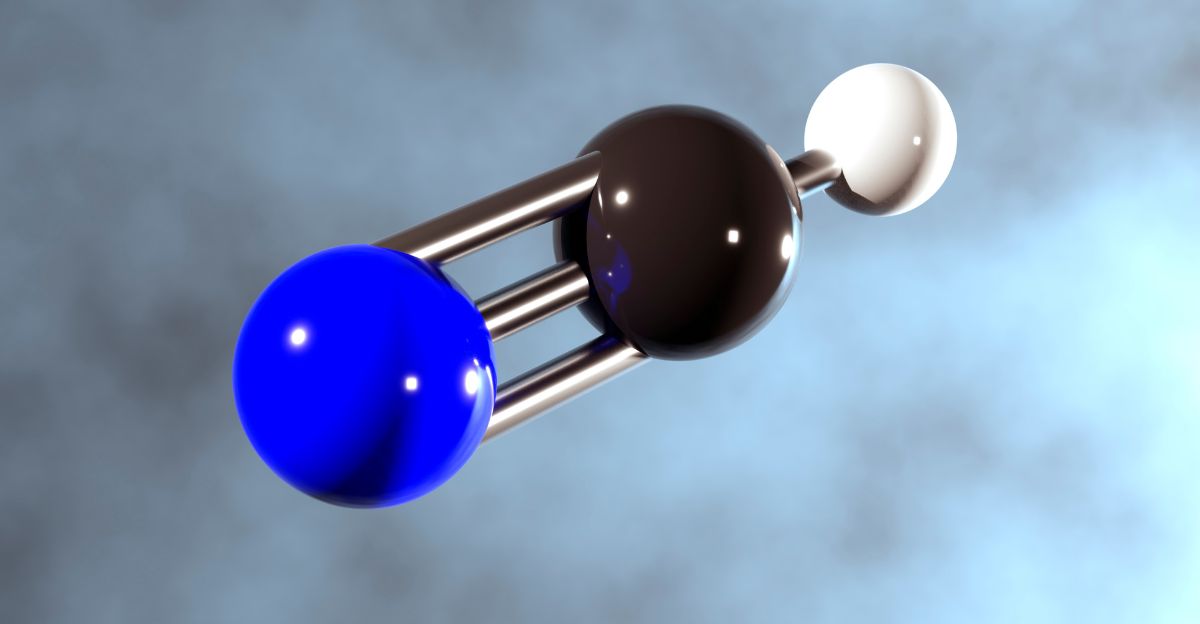
Methanol and hydrogen cyanide serve as building blocks for more complex organic molecules, though their presence doesn’t prove living organisms exist anywhere on the comet or in space generally. These chemicals form naturally through physics and chemistry alone, without requiring life to create them or any biological processes to generate their molecular structures.
However, their presence in 3I/ATLAS hints at similar chemistry occurring in other star systems, potentially seeding planets with life’s chemical ingredients through collisions and gravitational interactions over cosmic timescales.
Rethinking What We Knew
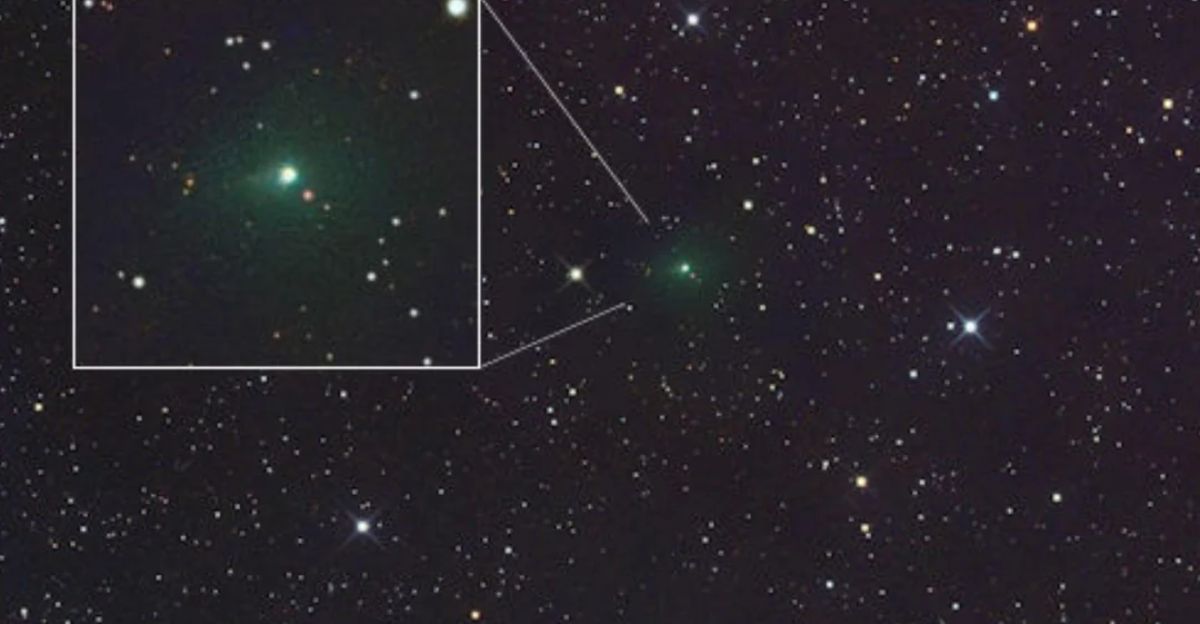
Traditional models of comet composition, based almost entirely on solar system examples, struggle to explain 3I/ATLAS’s extreme chemical richness and unprecedented molecular abundance levels. The unusually high volatile levels demand that scientists revise their understanding of how ices form and preserve themselves in interstellar space across the vast distances between stars.
These new challenges push astronomers toward developing more inclusive theories that encompass objects with alien origins and formation environments radically different from our cosmic neighborhood.
Real-Time Cosmic Chemistry
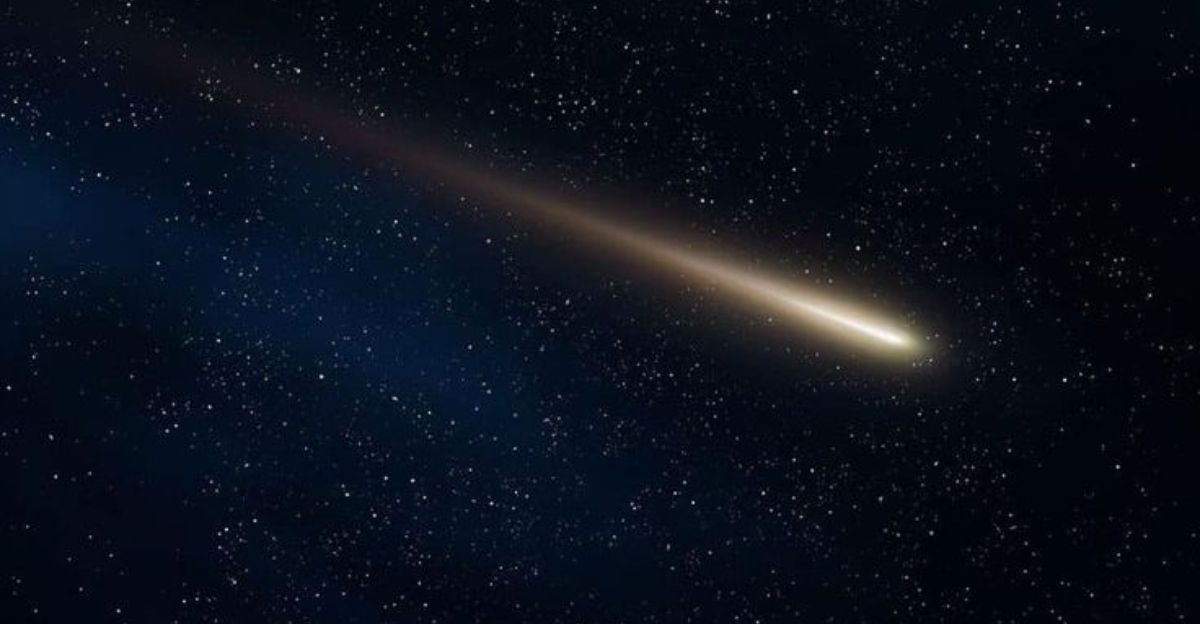
For the first time in astronomical history, an interstellar comet’s chemical evolution was documented in real-time, with observations tracking dramatic changes across just a few days as it responded to solar heating. This approach, unlike retrospective studies analyzing historical data or archived observations from the distant past, captured dynamic processes actually unfolding as they happened before observers’ eyes.
Watching methanol and hydrogen cyanide levels change as the comet approached the Sun provided a vivid, living dataset illuminating how objects interact with solar heat and thermal energy from our star.
Learning About Other Star Systems
Studying 3I/ATLAS reveals important patterns in interstellar chemistry, suggesting that volatile-rich comets appear common in certain stellar environments throughout the galaxy rather than being rare anomalies. This knowledge helps scientists predict what materials might surround distant exoplanets and whether planets might be habitable based on the chemical environment present during their formation.
Understanding how comets deliver water and organic molecules could explain how planets acquire the ingredients necessary for life to emerge and potentially flourish.
What Comes Next?
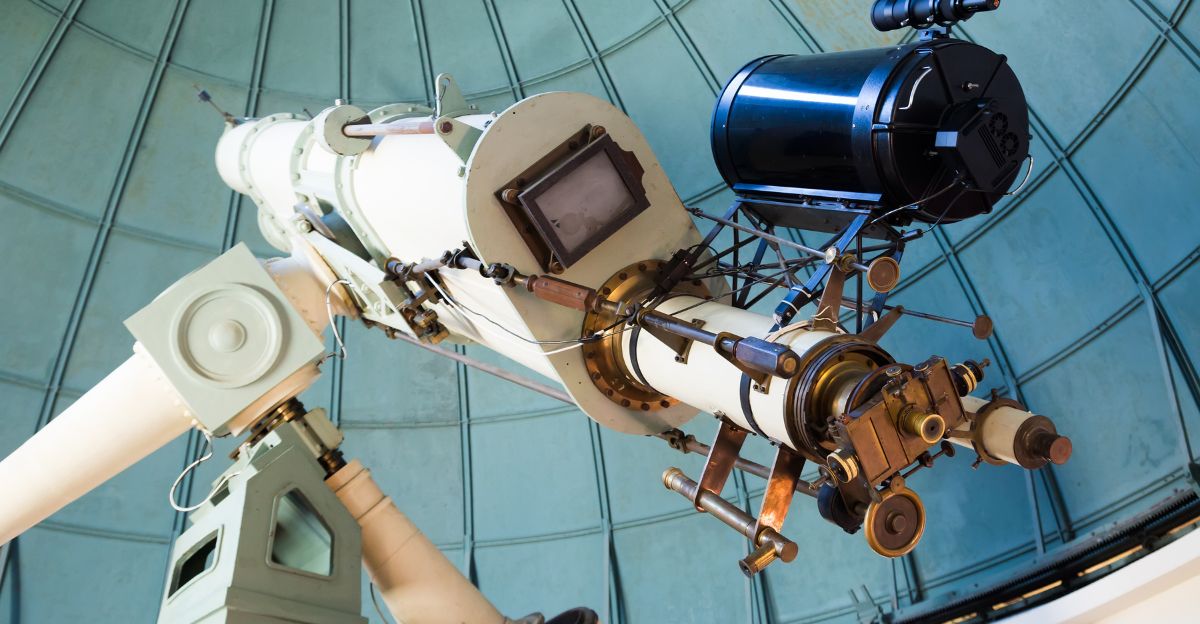
While 3I/ATLAS departs our solar system, the data it provided paves the way for monitoring potential future interstellar visitors with improved techniques and more powerful instruments. Enhanced telescopes like ALMA, alongside newer facilities under construction including the next-generation Event Horizon Telescope and advanced space observatories, will be ready to observe the next rare cosmic visitor with even greater precision and sensitivity.
These events, though infrequent, promise ongoing revelations about how the universe creates and distributes its materials across the vast distances separating star systems. Scientists continue developing better detection methods to identify approaching interstellar objects earlier, allowing more observation time and comprehensive data collection before they pass beyond reach.
A Lasting Legacy
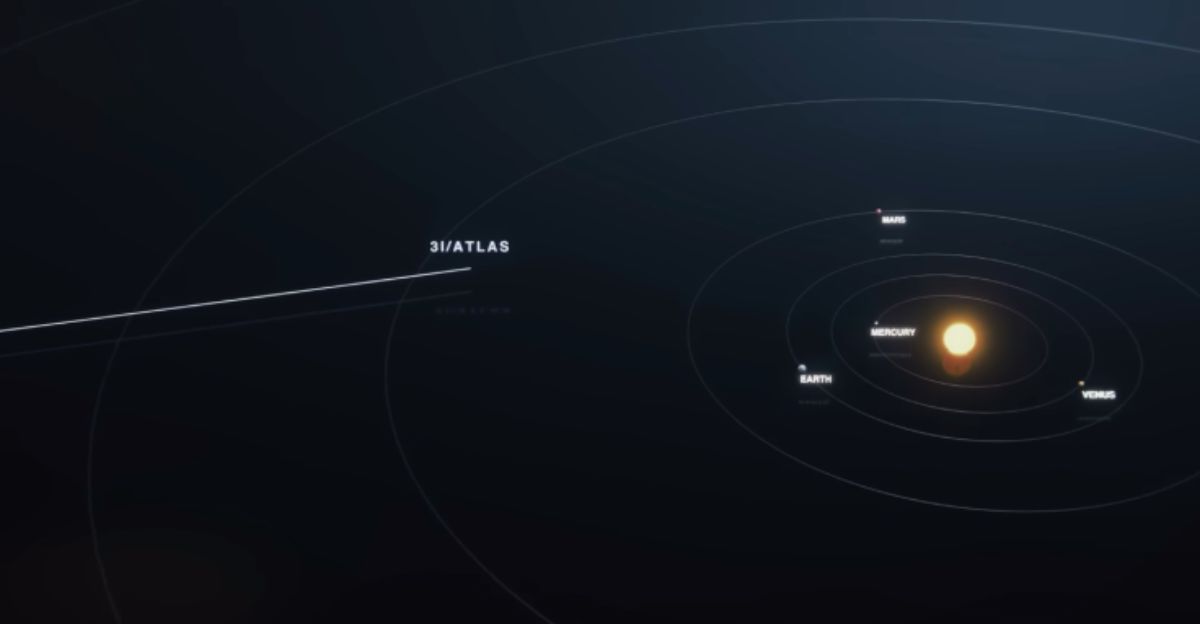
3I/ATLAS’s passage etches a new chapter in astronomy, with its chemical signature detected as the strongest from any interstellar source ever observed throughout human history and recorded in scientific archives. Only one prior comet, C/2016 R2, matches this level of chemical richness, affirming 3I/ATLAS’s place in records as one of the most remarkable objects ever studied by humanity’s telescopes.
The discovery inspires awe at the universe’s interconnected chemistry and reminds us that there is always more to learn about the cosmos, even after centuries of astronomical observation and study.
Sources:
3I/ATLAS overview and trajectory – Wikipedia
News coverage of the third known interstellar visitor – NBC News
NASA facts and FAQ on comet 3I/ATLAS – NASA