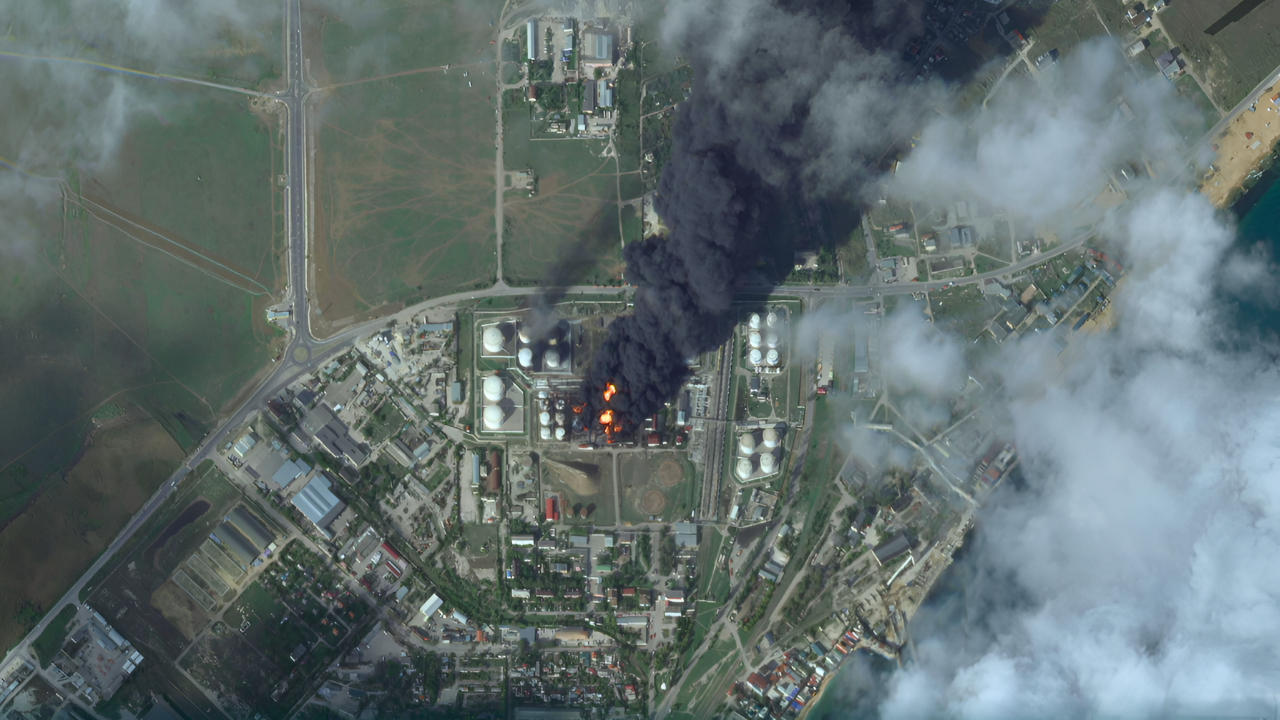
Ukraine’s coordinated drone campaign on November 27–28, 2025 marks a decisive shift in modern warfare. Without deploying a single manned aircraft, Ukraine’s Unmanned Systems Forces struck ten strategic targets deep inside Russian territory and occupied Crimea.
Oil refineries, power substations, and airfields were hit across a 1,300-kilometer arc. This was not tactical harassment—it was infrastructure warfare at scale. Precision, synchronization, and depth of penetration now outweigh drone quantity. Ukraine has moved from asymmetric defense to a distributed strategic air campaig
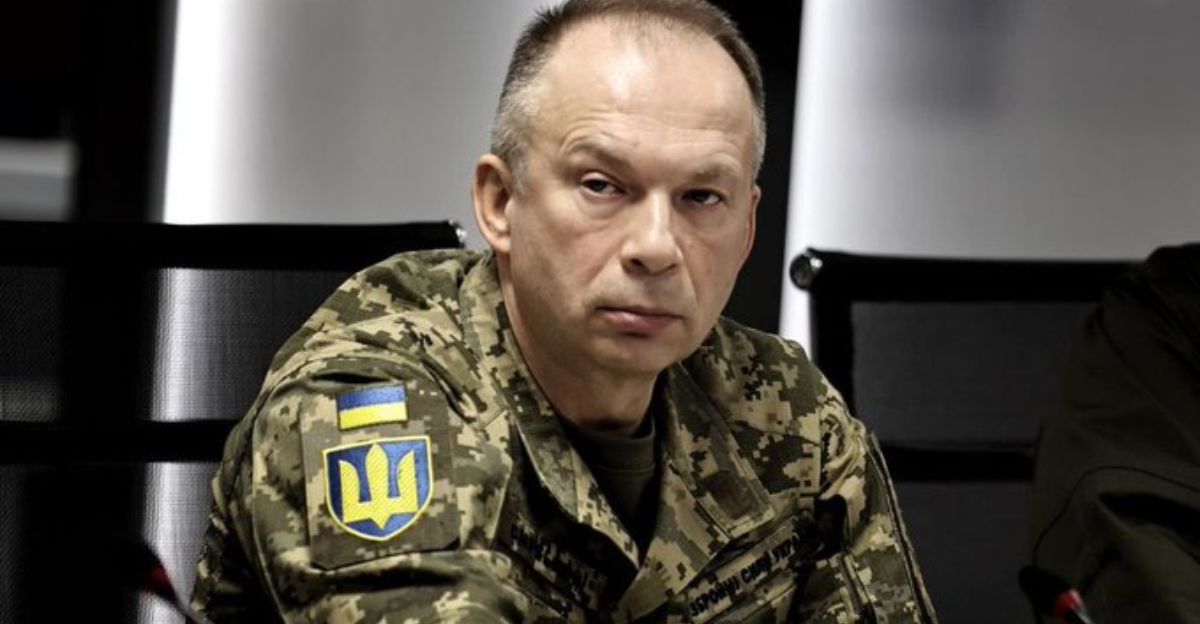
The Strategic Commander—Robert “Madyar” Brovdi
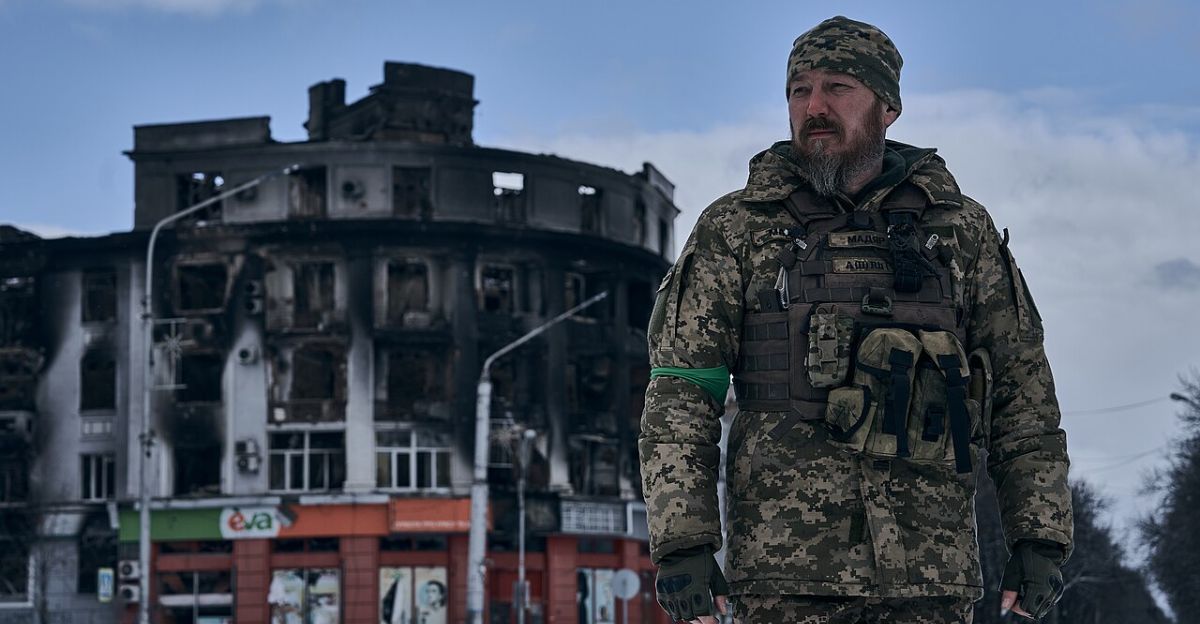
Appointed in June 2025, Robert “Madyar” Brovdi reshaped Ukraine’s drone operations into an industrialized strike force. He built “Madyar’s Birds” from volunteer roots into the 414th Strike Unmanned Systems Brigade.
Though drone units comprise about 2% of Ukrainian forces, they account for roughly one-third of Russian casualties. Russia formally labeled Brovdi a terrorist in October 2025—an implicit admission of his strategic impact. His combination of transparency, metrics-driven command, and psychological warfare defines Ukraine’s new unmanned doctrine.
The Saratov Oil Refinery—Critical Infrastructure Under Fire
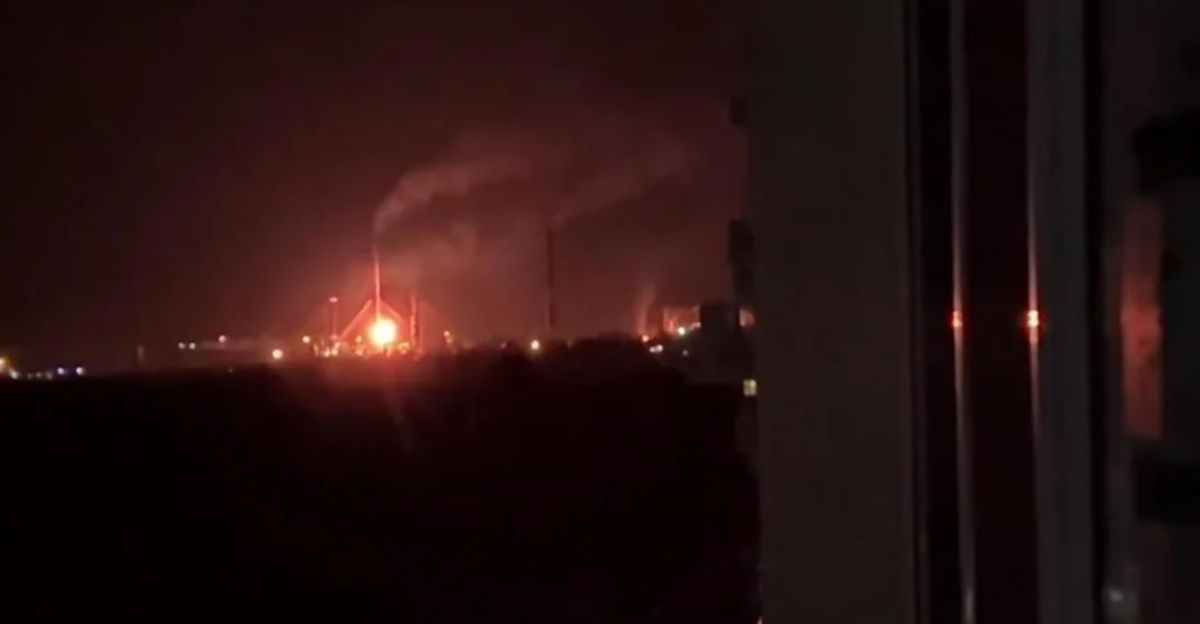
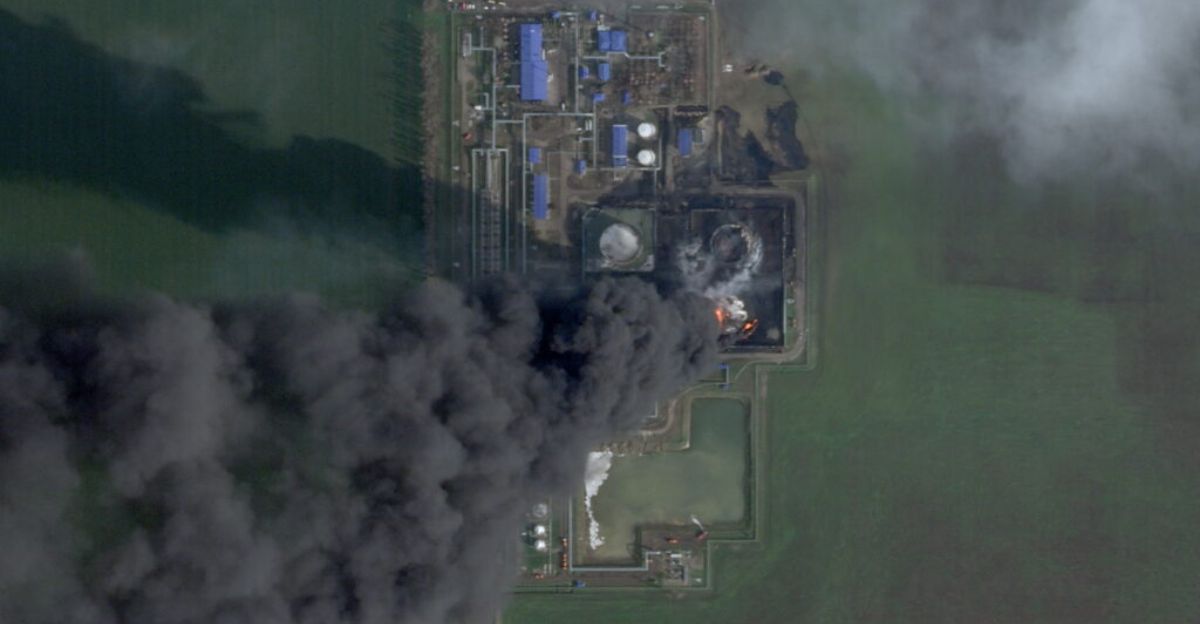
The Saratov oil refinery was the highest-value target of the November 28 strikes. Operated by Rosneft, the facility produces over 20 fuel products supporting military logistics. Explosions and fires forced a shutdown of primary processing units.
This was the fifth confirmed strike on Saratov in autumn 2025 alone, with the November 11 strike halting primary processing operations according to Reuters. Located roughly 1,300 kilometers from Ukraine, Saratov’s repeated targeting demonstrates sustained deep-strike capability and persistent intelligence penetration.
Crimean Airfield Operations—Eliminating Drone Infrastructure
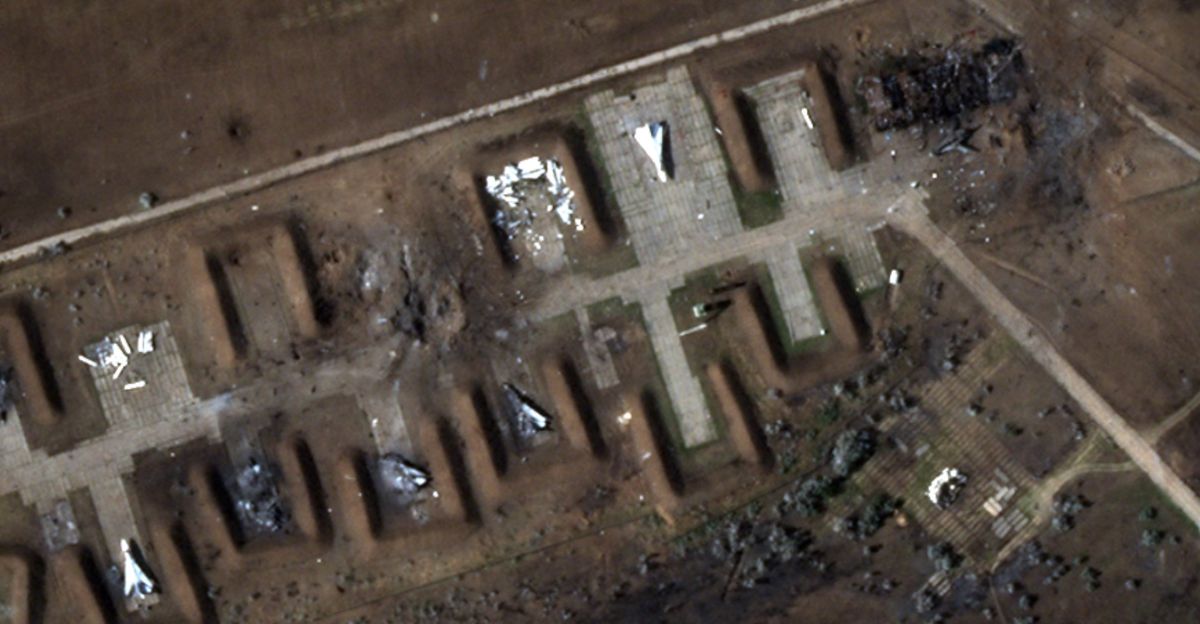
Ukraine struck the Saky airfield in occupied Crimea with a layered attack. Air defenses—including Pantsir-S1 and Tor-M2 systems—were destroyed before a hangar housing Forpost and Orion reconnaissance drones was hit.
This two-phase suppression-then-strike process mirrors classical air campaign doctrine. Simultaneously, Ukrainian special forces struck a Shahed drone storage and launch site near Cape Chauda. The result was a significant degradation of Russia’s reconnaissance and strike-drone capacity in Crimea, long considered a secure rear base.
Power Grid Warfare—500 kV Substations as Targets
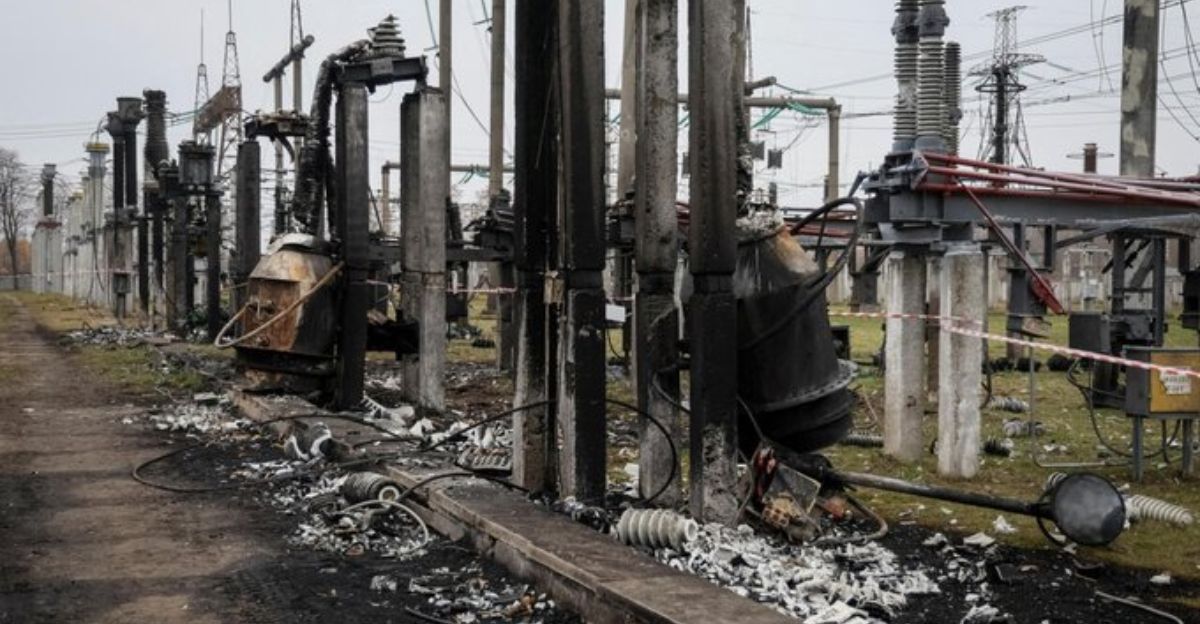
Multiple 500 kV electrical substations were struck across occupied Luhansk and Russia’s Rostov region. These high-voltage nodes serve vast civilian and military networks, often powering entire cities and industrial corridors. By striking transmission rather than generation, Ukraine created cascading blackout effects that are difficult and time-consuming to repair.
Winter demand turns each damaged node into a regional crisis. The synchronized targeting across hundreds of kilometers signals mature intelligence coordination and real-time operational control over critical energy infrastructure.
Geographic Penetration—Unlimited Operational Range
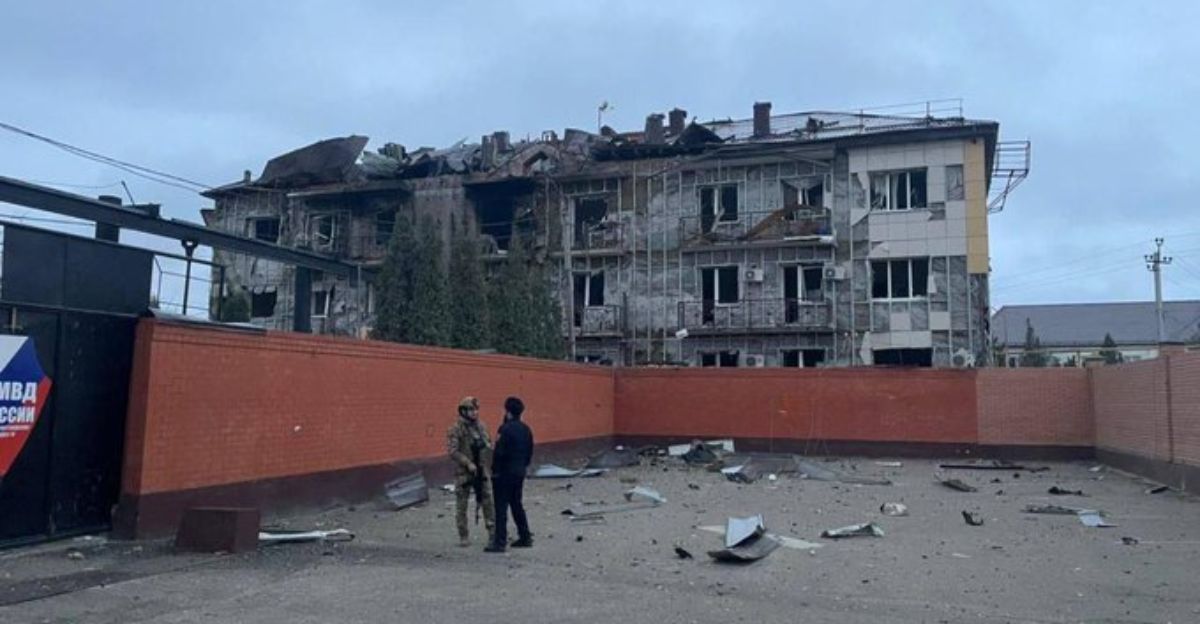
The campaign spanned from Saratov to Crimea, Rostov, and occupied Luhansk—an operational footprint larger than Texas. On November 27, Ukrainian drones struck Grozny in Chechnya, hitting the Rosgvardiya military town Akhmat-North, marking the first confirmed Ukrainian attack there.
This shattered the myth of Russia’s invulnerable rear areas. Brovdi’s reference to “unlimited geography” suggests diversified launch points, autonomous navigation, or both. The strategic message is unmistakable: no Russian region can now be treated as functionally unreachable or operationally secure.
Quantified Damage Assessment—What November 28 Cost Russia
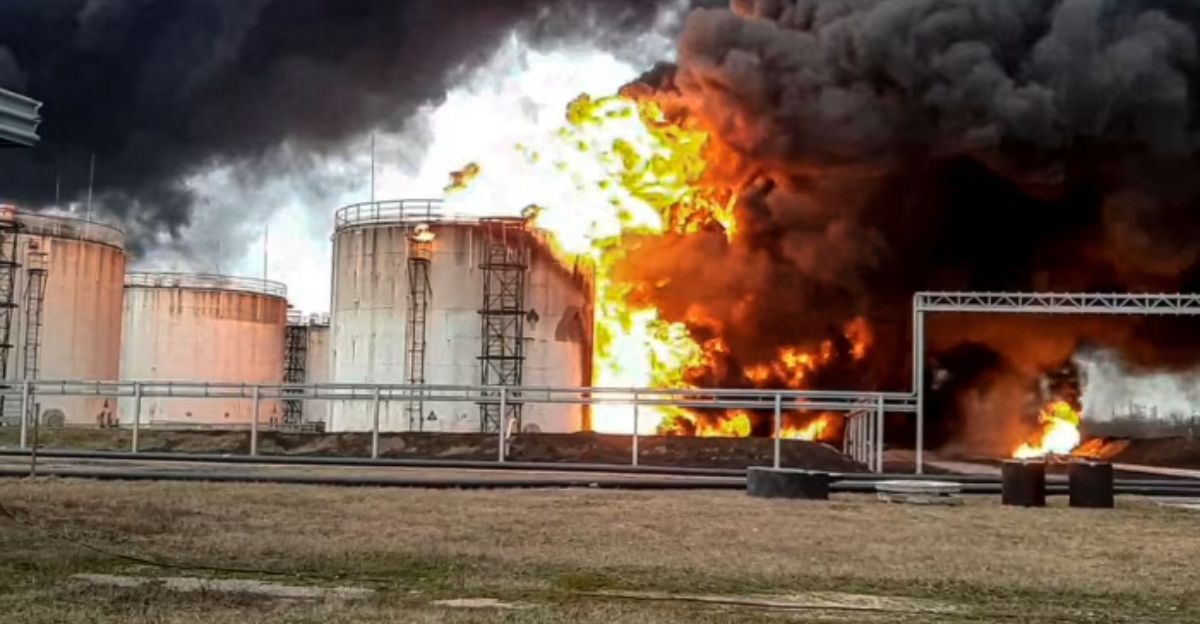
Confirmed damage on November 28 included the Saratov refinery, Saky airfield drone facilities, command centers, multiple 500 kV substations, and fuel depots in Donetsk and Luhansk. Russia claimed it shot down 136 drones, but ten priority targets were still struck.
With drone costs in the low thousands and infrastructure losses in the tens or hundreds of millions, the cost-exchange ratio overwhelmingly favors Ukraine. Bloomberg reports at least fourteen refinery strikes through November.
Winter Warfare Strategy—Energy Denial as Doctrine
Brovdi’s warning of “complete darkness, a cold and long winter” reflects a deliberate winter warfare doctrine. By degrading refining capacity and power transmission, Ukraine compounds civilian hardship while crippling military logistics. Fuel shortages affect vehicles, generators, and heating systems simultaneously.
Electrical instability undermines hospitals, factories, and communications. Rather than match Russia in manpower or armor, Ukraine weaponizes seasonal vulnerability. Energy denial transforms winter from an environmental challenge into a strategic force multiplier against Russian infrastructure.
Escalation Trajectory—November’s Record and December’s Promise

The campaign’s scale reflects accelerating tempo. September 2025 saw 39 fuel and energy strikes. October reached 57. November alone recorded at least 14 refinery attacks. Brovdi has publicly signaled further escalation.
This surge is enabled by increased drone production, expanding intelligence coverage, and refined coordination. The operational pattern suggests November was not an anomaly but a baseline. If sustained, cumulative destruction could exceed Russia’s infrastructure repair capacity within months.
Verified Damage Data—Confirmation and Accountability
Ukraine’s General Staff confirmed the Saratov refinery fire, Saky airfield destruction, eliminated air defenses, destroyed drone hangars, and fuel depot strikes. Reuters verified Saratov’s November 11 production shutdown.
Russia’s Defense Ministry acknowledged the scale by admitting the interception of 136 drones. Russian state media reported explosions before attempting to downplay impact. Satellite imagery, video evidence, and cross-reporting by international outlets establish a high verification standard rarely seen in wartime claims.
Technological Enablers—Drone Production and System Integration

Ukraine now operates an integrated drone ecosystem. Domestically produced FPV and kamikaze drones carry 1–3-kilogram warheads suited for precision infrastructure attacks. Reconnaissance drones provide targeting and battle damage assessment.
Different drone classes are now networked into coordinated strike packages. Allied support adds satellite imagery, electronic intelligence, and certain loitering munitions. What began as improvised systems in 2022 has evolved into an industrial-scale, systems-level strike architecture by late 2025.
Geopolitical Implications—Containment of Russian Power
Deep strikes inside Russia alter global security calculations. For NATO, Ukraine demonstrates high-return, low-cost force multiplication without direct alliance engagement.
For China, India, and other major powers, Ukraine’s campaign reveals that centralized power grids and refineries are no longer protected rear assets. Energy infrastructure is now a frontline target set. Russia’s exposed vulnerability undermines its deterrence narrative and weakens its geopolitical influence. The perception of invulnerability is being strategically dismantled.
Russian Countermeasures—Adaptation and Limitations
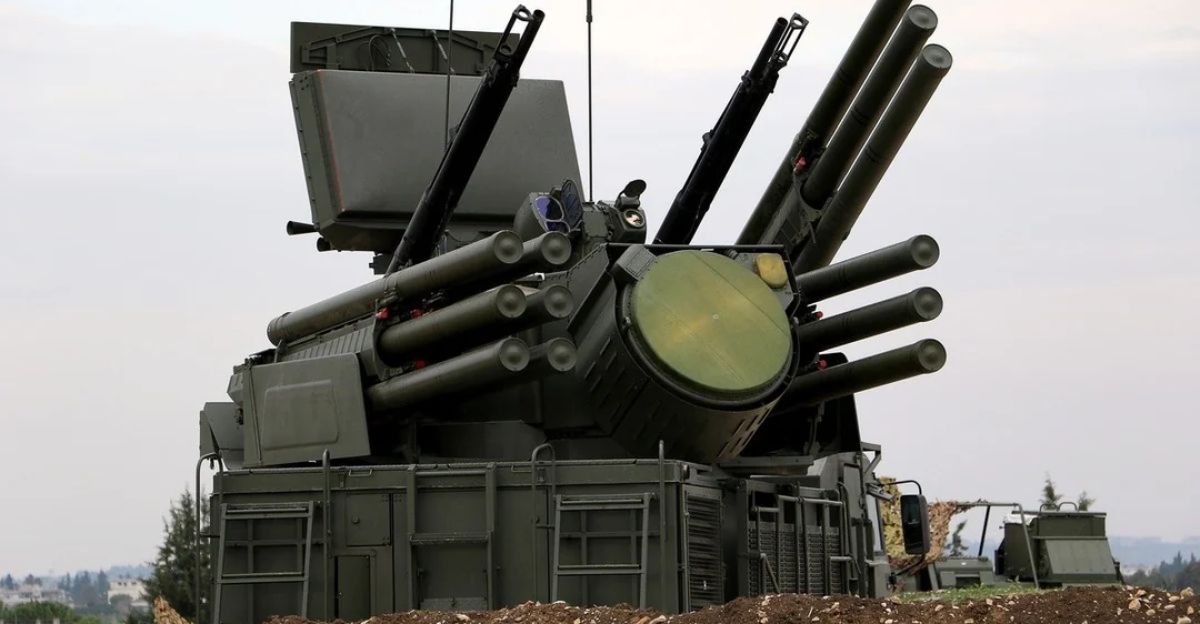
Russia has expanded air defense coverage and attempted to disperse some refinery operations. Yet structural limits remain. Substations and refineries cannot be infinitely hardened or rapidly rebuilt. Air defense systems require constant resupply and maintenance.
Sanctions restrict access to advanced components, forcing reliance on Iranian systems. Offensive retaliation against Ukrainian infrastructure continues but does not negate structural losses inside Russia. Over time, repair capacity falls behind destruction, creating persistent degradation.
Second and Third-Order Effects—Winter Cascade
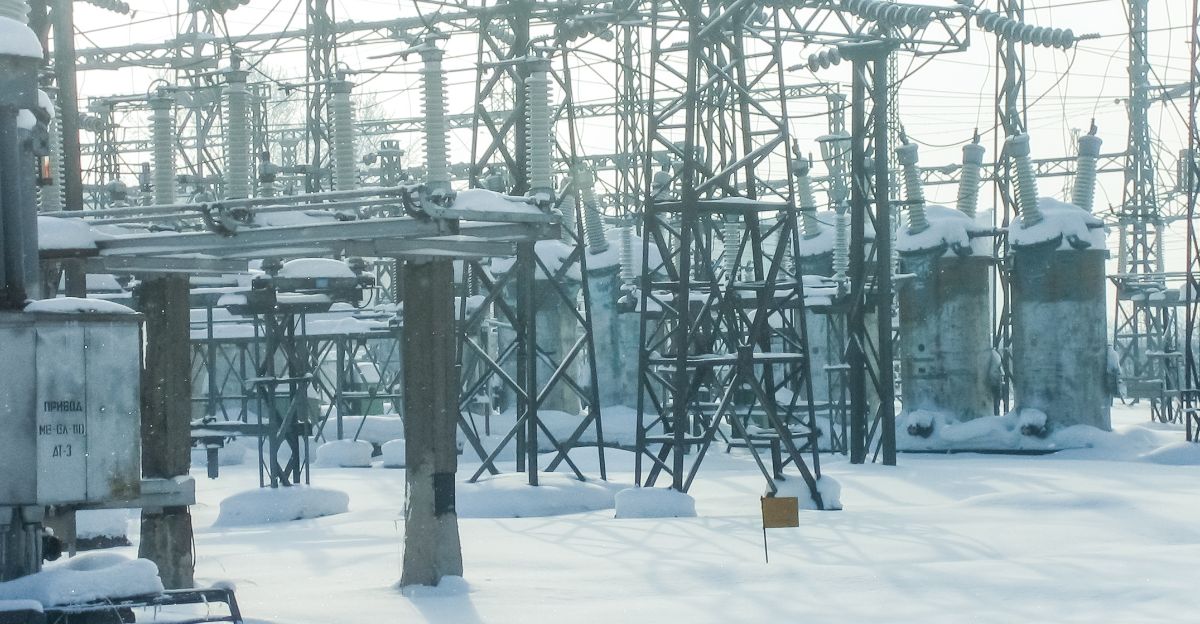
Immediate effects include regional blackouts, industrial shutdowns, and reduced heating fuel availability. Through winter, cumulative refinery losses could reduce domestic fuel output by 10–20%, forcing reserve drawdowns. Hospitals face grid instability.
Military operations suffer from fuel and generator shortages. By spring 2026, sustained attack tempo risks creating a structural energy deficit inside Russia. Psychologically, repeated internal strikes erode civilian confidence and increase political pressure on the Kremlin during prolonged winter stress.
The Weaponization of Asymmetry

The November 27–28 campaign proves that Ukraine has operationalized strategic asymmetry. Ten high-value targets were hit across 1,300+ kilometers using unmanned systems alone. Under Brovdi’s command, Ukraine transformed drones into a substitute strategic air force.
Energy infrastructure is now a primary battlefield. Precision and persistence now outweigh massed formations. By degrading Russia’s centralized fuel and power system during winter, Ukraine applies compounding pressure that manpower alone cannot counter. This is not the peak—it is the opening phase of a new strategic war model.
Sources:
- Bloomberg
- Kyiv Independent
- The General Staff of the Armed Forces of Ukraine (official Ukrainian military / government sources)
- Russian Defense Ministry (Russian official statements)
- Russian state-media reporting (on explosions and damage)
- Open-source intelligence assessments such as the Institute for the Study of War (ISW)