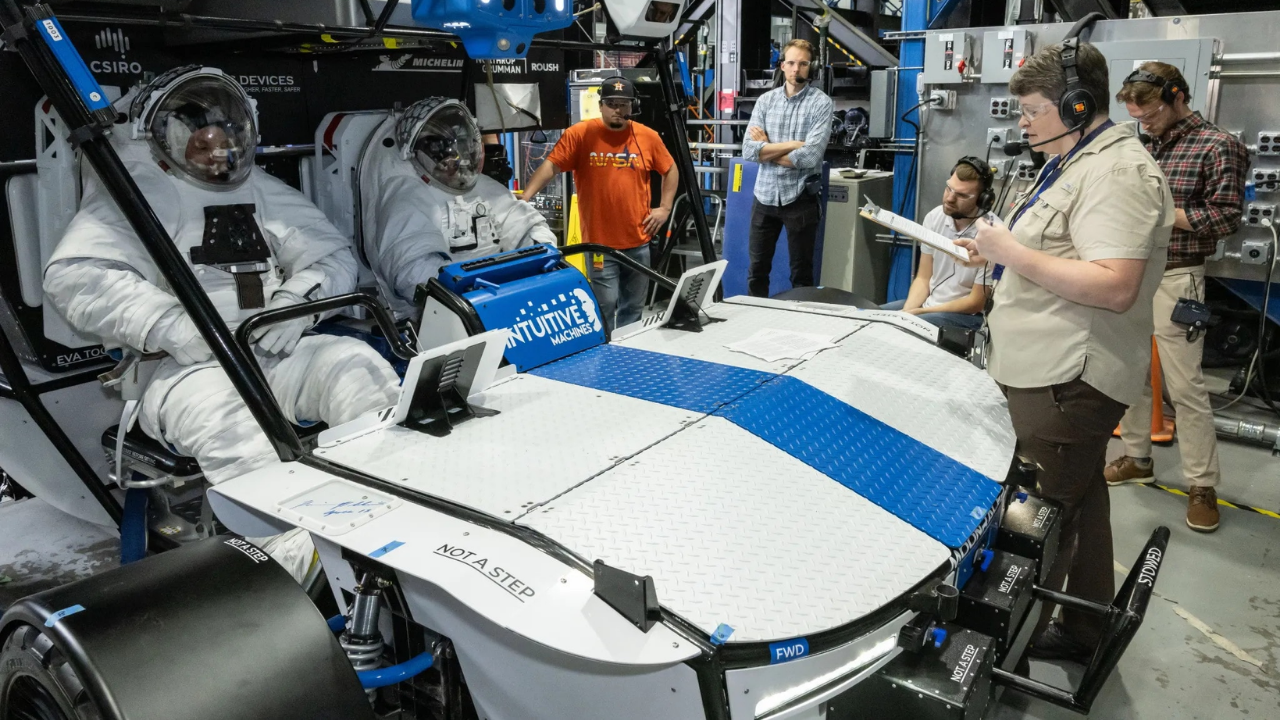
NASA is working with private companies to build new Moon rovers that will carry astronauts across the lunar surface during Artemis missions. These vehicles will help astronauts travel farther, do more science, and prepare for future journeys to Mars.
A New Kind of Moon Rover
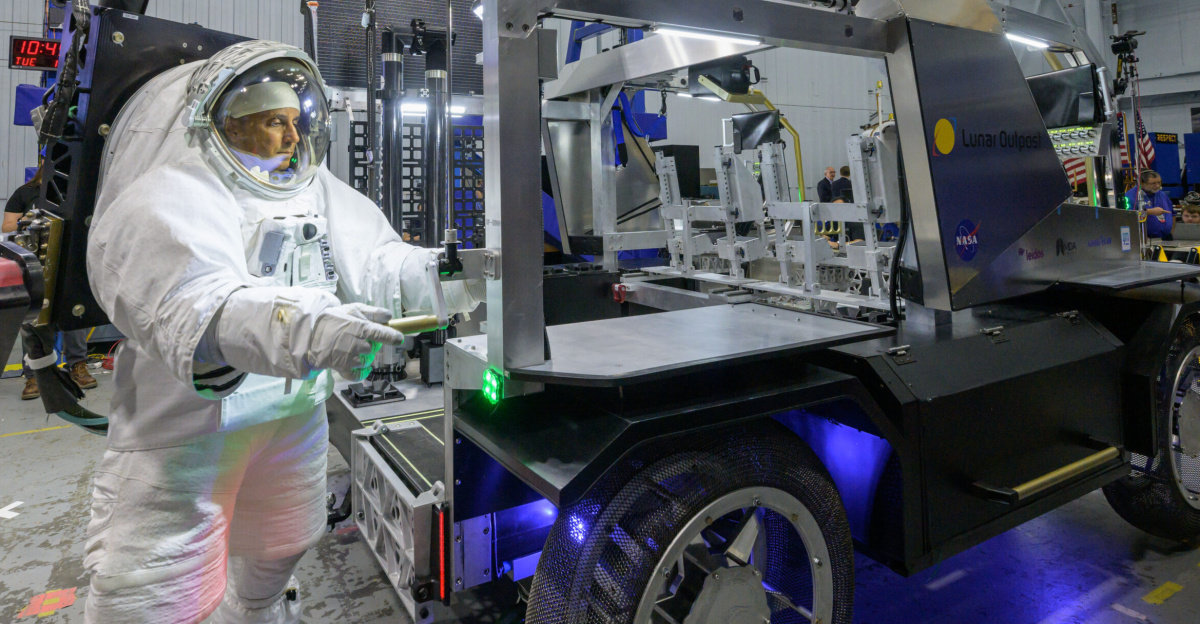
Artemis is NASA’s program to return humans to the Moon, including the first woman and the first person of color, and to explore the Moon’s south pole for many years instead of just short visits. To make this possible, astronauts need tough, reliable vehicles called Lunar Terrain Vehicles (LTVs) that can carry people and cargo across long distances on rough ground.
Unlike the small buggies used in the Apollo missions, these new rovers are meant to last for many years and support multiple crews. They will help astronauts reach places that are too far or too dangerous to walk to, so more areas of the Moon can be studied and used for future bases.
How NASA Is Paying for Rovers

Instead of buying a single rover that NASA designs and owns, the agency is paying companies to provide mobility services, similar to hiring a long-term transport company. This effort, called the Lunar Terrain Vehicle Services contract, is worth up to about $4.6 billion and spreads costs across many missions over many years.
Under this plan, NASA will order services for specific missions, paying for how long and how well the rovers can work rather than paying to build new hardware every time. This approach is similar to how NASA pays companies like SpaceX and Boeing to carry cargo and crews to the International Space Station, and it is part of a broader strategy to grow a commercial space market.
The Teams and Their Designs
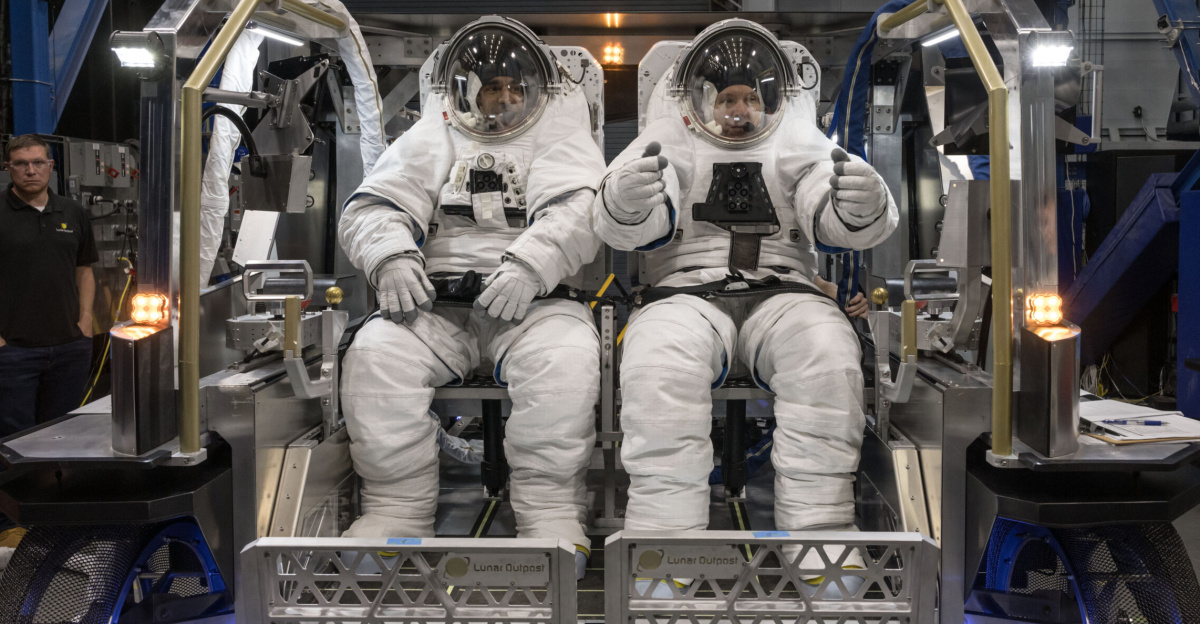
Three U.S. teams are competing to provide these new rovers, and all must handle the full mission life cycle: designing the vehicle, arranging a launch, landing it on the Moon, and operating it safely. NASA has publicly identified Intuitive Machines, Lunar Outpost, and Venturi Astrolab as companies developing Lunar Terrain Vehicles for Artemis testing and operations.
Lunar Outpost’s rover, called Eagle, is designed as a flexible workhorse that can carry astronauts, move equipment, and support scientific instruments, drawing on partners like General Motors and Goodyear for vehicle and tire expertise. Intuitive Machines’ Moon RACER (Reusable Autonomous Crewed Exploration Rover) is about the size of a pickup truck and is planned to carry two astronauts plus hundreds of kilograms of cargo, with the ability to tow even more on a trailer so that large loads can be hauled across the surface.
Surviving Harsh Conditions and Shaping the Future
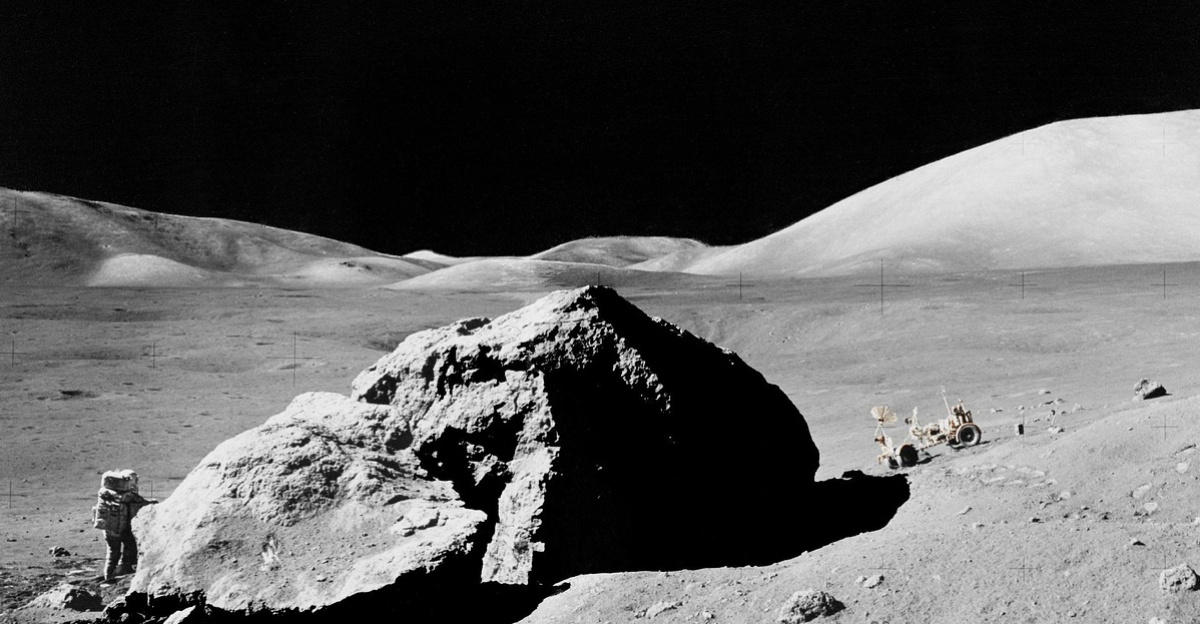
The Moon’s south pole is a very harsh place, with bright, sunlit areas near extremely cold, permanently shadowed regions, leading to temperature swings of roughly hundreds of degrees Fahrenheit over short distances. Rovers must keep working through these cycles without mechanics, surviving long cold periods, handling steep and rocky terrain, and dealing with sharp, clingy lunar dust that can damage moving parts and reduce traction.
To prepare, full-scale rover mockups from the three teams have been tested at NASA’s Johnson Space Center in Houston, where astronauts and engineers drive them over simulated lunar terrain to judge comfort, visibility, controls, and how easy it is to load tools and samples. The vehicles must also include advanced autonomous features, using sensors, cameras, and navigation software, so they can avoid hazards, travel safely in low gravity, and even perform some tasks when astronauts are not nearby, helping build experience and technology that will later be used for human missions to Mars.
Sources
NASA – “NASA Selects Companies to Advance Moon Mobility for Artemis Missions”
NASA – “NASA Prepares for Lunar Terrain Vehicle Testing”
Space.com – “NASA picks 3 companies to design lunar rover for Artemis”
Spaceflight Now – “NASA unveils three teams to compete for crewed lunar rover demonstration mission”
SpacePolicyOnline – “NASA Picks Three Companies for Lunar Terrain Vehicle Feasibility Studies”