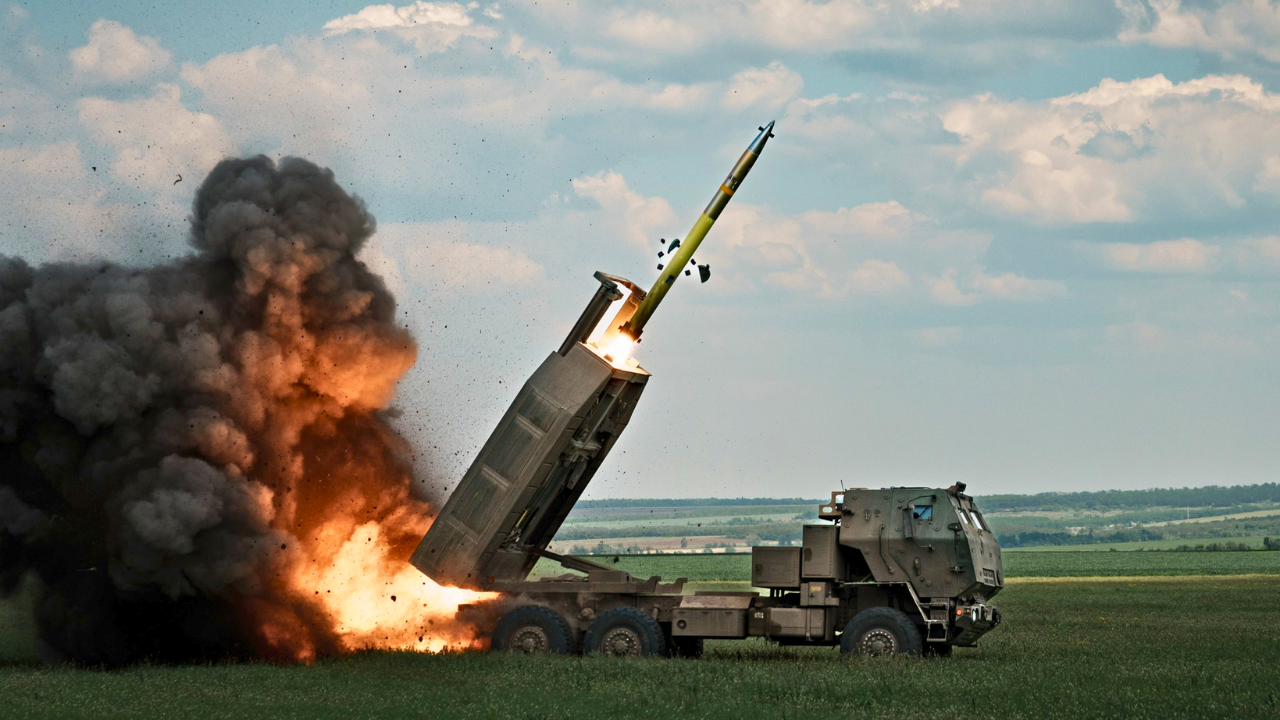
On November 22, 2025, Estonia announced that it would double its inventory of U.S.-made HIMARS (High-Mobility Artillery Rocket Systems) from six to twelve units. This decisive act reflects heightened military readiness amid tensions with Russia, which has issued warnings of escalation.
Estonia shares 207 miles of frontier with Russia, making it one of the most exposed NATO members. After recent tensions in the Baltics and escalating military drills next door, Tallinn’s defense calculus has shifted sharply. The question: what exactly triggered this double down?
Arsenal Expansion
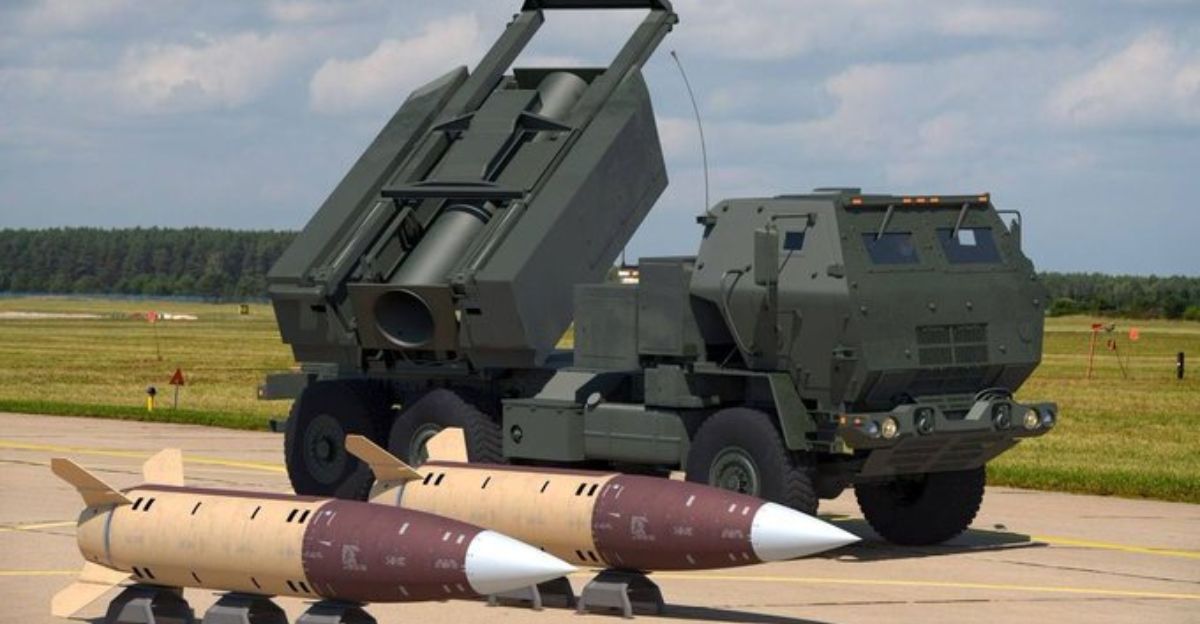
The HIMARS Advantage: HIMARS systems have garnered acclaim for their precision and rapid deployment capabilities. These launchers can strike targets up to 300 kilometers away, providing NATO forces with a tactical edge. As noted by Breaking Defense, HIMARS has proven effective in Ukraine, leading to discussions among NATO members about expanding similar capabilities.
Estonia’s investment is not merely a response to immediate threats; it’s also a strategic move to align with NATO’s deterrent posture, emphasizing the need for advanced weaponry in a changing security landscape.
Baltic Math
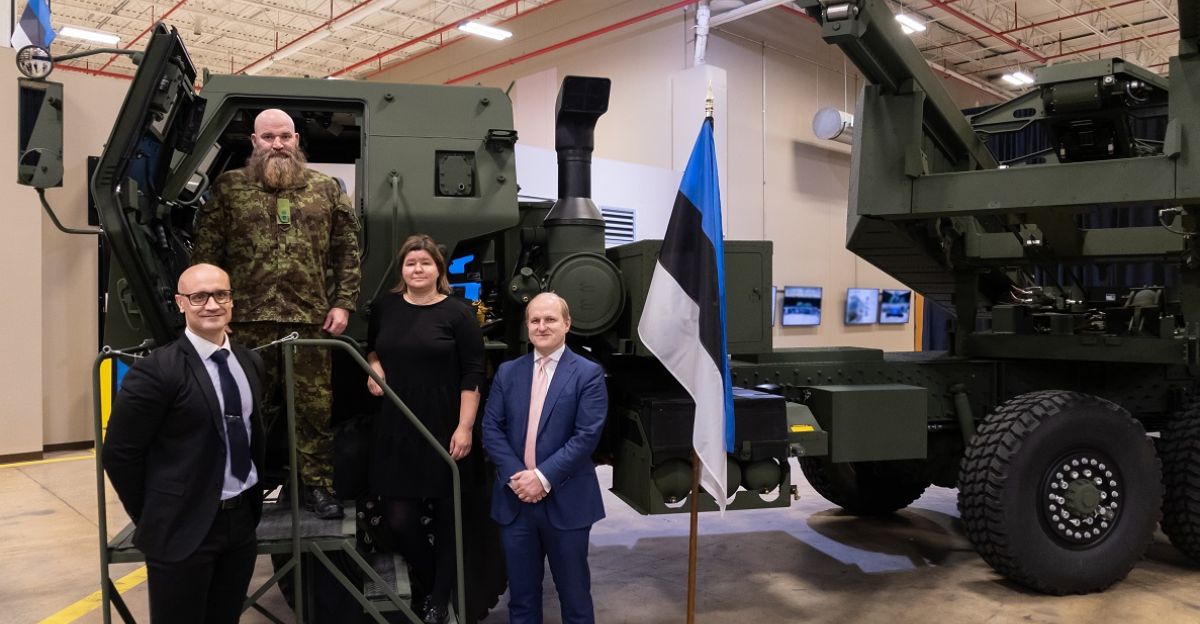
The significance of Estonia’s arsenal expansion is best seen in regional context. Collectively, the three Baltic NATO nations Estonia, Latvia, and Lithuania have now ordered 26 HIMARS launchers. Latvia expects its six units by 2027; Lithuania will take delivery of eight starting in 2025.
In an unprecedented move for the Baltic region, the Estonian government signed a deal to expand its rocket artillery arsenal. The additional systems are planned for delivery between 2028 and 2029. Never before have these states coordinated on such a sophisticated platform.
Escalation Backdrop
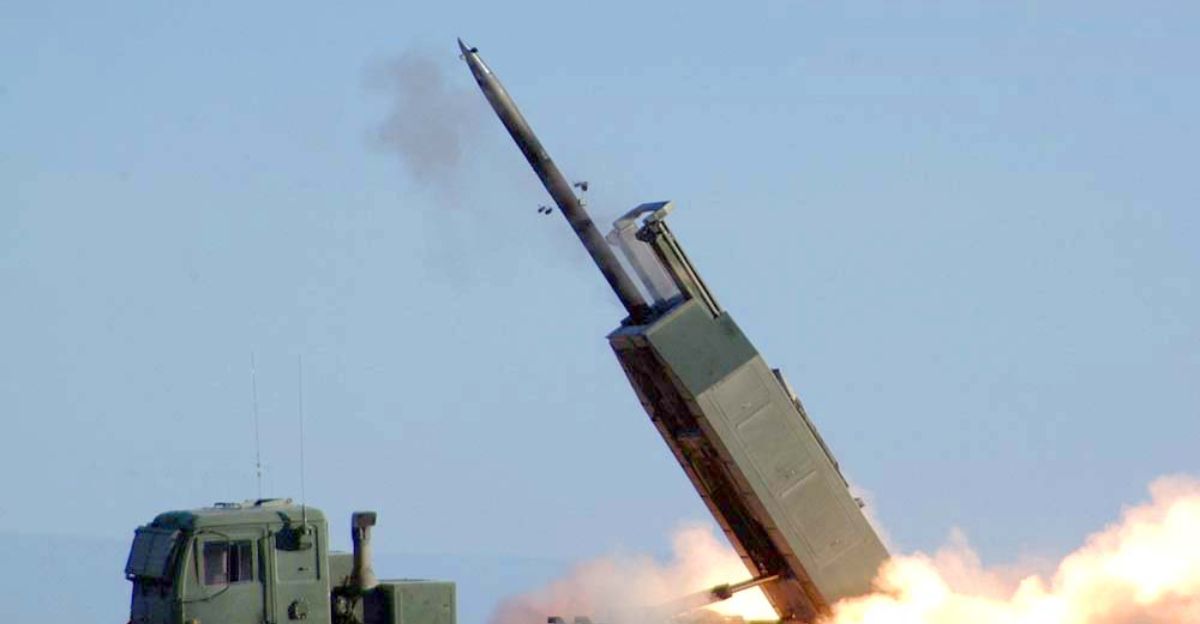
Russian Responses and Concerns: In light of Estonia’s escalating military preparedness, Russian officials have expressed strong objections. They argue that the doubling of HIMARS units represents a provocative maneuver, heightening the risk of conflict. Russian media labeled the move “provocative,” while Moscow officials issued warnings of countermeasures.
Security analysts point to Russia’s increased air and naval activity near Baltic airspace and the aftermath of its invasion of Ukraine. The use of HIMARS in Ukraine drastically changed battlefield dynamics, providing Ukraine with accurate, far-reaching strikes. Observing this, Baltic officials accelerated procurement.
Deal on the Table
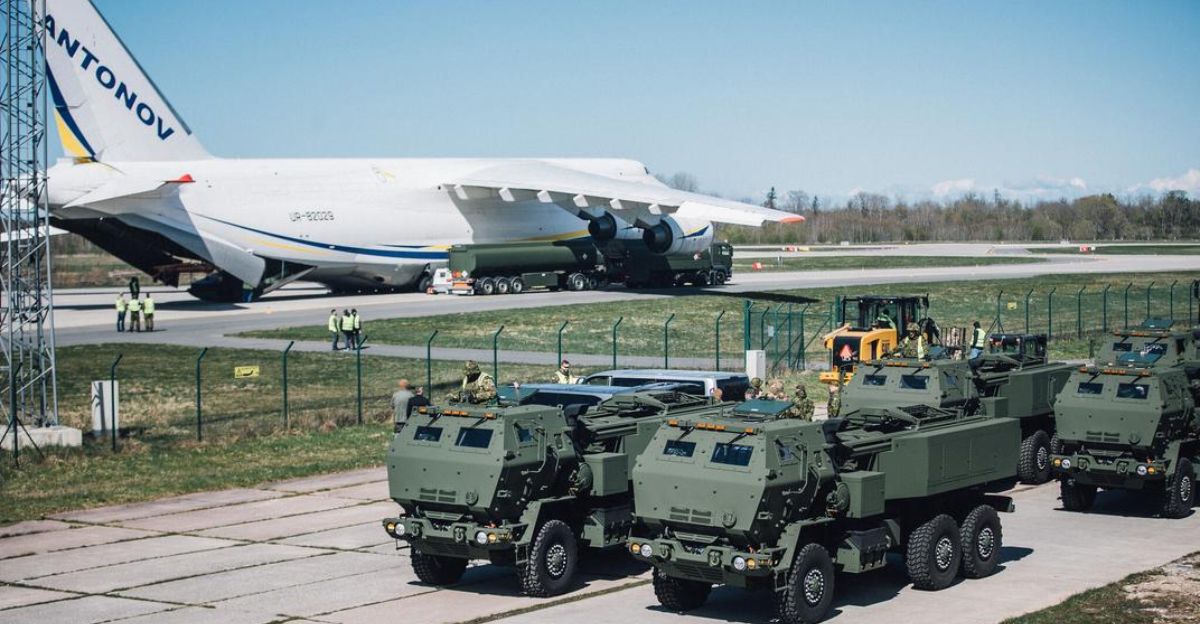
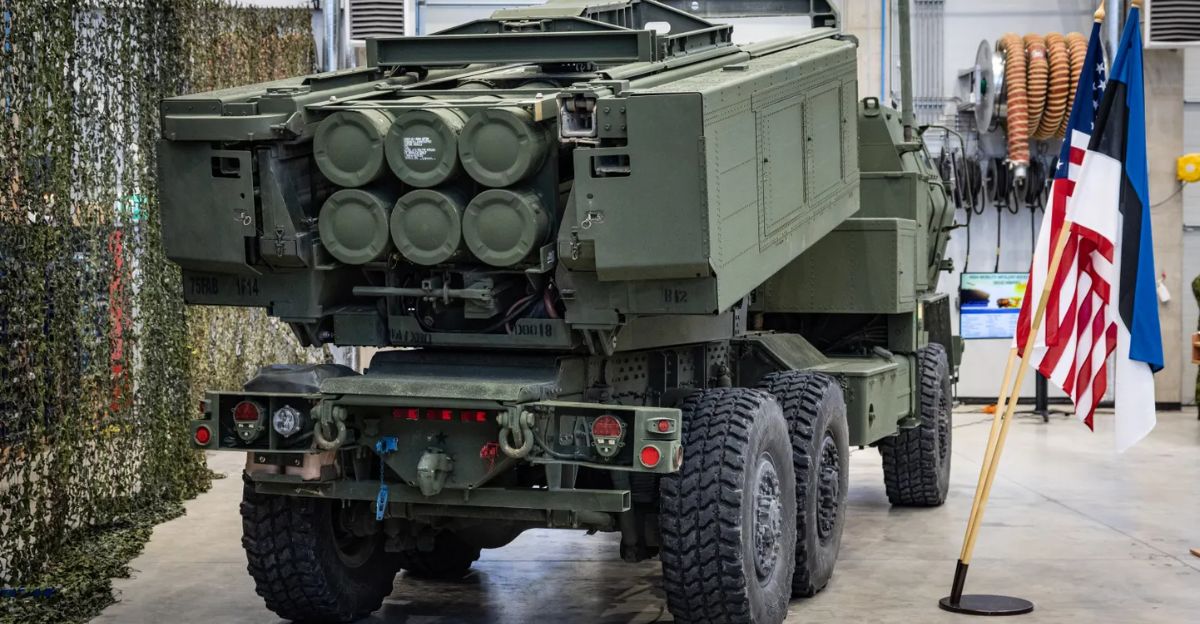
In April 2025, Estonia accepted delivery of its first six HIMARS units, purchased for $200 million under a 2022 contract. A further six units are now on order, confirmed by the Estonian Ministry of Defense and US officials.
According to officials at the Estonian Defence Ministry, the additional HIMARS will bolster national defense and enhance NATO’s collective security framework. With the new deal, Estonia aims to field 12 launchers by decade’s end, cementing its status as NATO’s most HIMARS-equipped frontline state. The timing reflects changing American threat perceptions after Russia’s actions in Ukraine.
Regional Impact
NATO’s Stance on Defence: NATO has firmly supported Estonia’s decision, reiterating the alliance’s commitment to collective defense under Article 5. The introduction of additional HIMARS aligns with NATO’s strategy to deter aggression and reassure member states in Eastern Europe. According to NATO’s official stance, this is a proactive step to ensure readiness for any threats.
With this acquisition, Estonia can now target key military sites up to 300 kilometers inside Russian territory if needed, altering the military geometry of the entire Baltic region. Latvia and Lithuania’s parallel purchases increase both deterrence and Russian military anxiety.
Local Voices
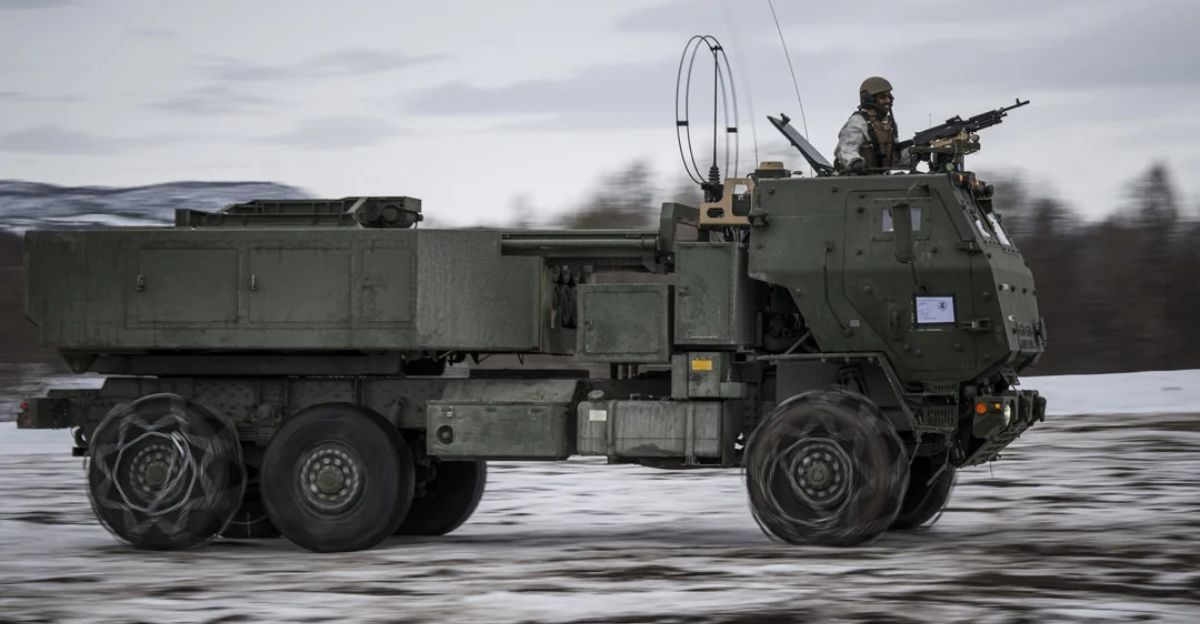
A Show of Commitment: Estonia’s doubling of its HIMARS arsenal symbolizes a significant commitment to national defense and NATO’s collective security. By investing in advanced military systems, Estonia is taking an active role in shaping the Baltic defense landscape. The military buildup has sparked mixed feelings among local Estonians.
While many recognize the need for enhanced security, some residents express concerns about being a target in regional conflicts. This sentiment reveals the delicate balance between national security and community safety. As tensions rise, local communities grapple with the implications of military readiness on their everyday lives.
U.S. Green Light

All foreign HIMARS sales require US government approval. The Pentagon remains the final authority, ensuring compliance with alliance strategies and export controls. Lockheed Martin, the system’s manufacturer, faces heavy global demand, but US officials describe Baltic orders as top priority.
NATO is building new logistics networks to move munitions, spare parts, and HIMARS-crews across the Baltic region. Joint training is underway, with Estonian, Latvian, and Lithuanian units drilling live launches and simulated “deep strike” missions to coordinate tactics and maximize impact.
NATO Logistics
Political Implications in Eastern Europe: The decision to increase HIMARS systems in Estonia may also have political repercussions across the region. As nations assess their security postures, similar moves may inspire others to strengthen their defenses. Ukraine, facing ongoing aggression from Russia, may leverage Estonia’s actions as a benchmark for enhancing its military capabilities.
Analysts suggest this could create a ripple effect in the region, altering defense strategies and prompting a broader dialogue on regional security. Military Preparedness Across NATO: Estonia’s move aligns with a broader trend among NATO countries, reinforcing their military capabilities. Reports indicate that countries like Poland and the Baltic states are also enhancing their military readiness.
Russian Response

In light of Estonia’s military expansion, the Kremlin condemned the move. Russian military officials argue that HIMARS expansion represents escalation risk. On July 14, 2025, Kremlin spokesperson Dmitry Peskov stated that “Russia intends to firmly defend its legitimate interests in this region.” Russian media labeled the move “provocative.” Military analysts warn that the ongoing buildup of HIMARS systems in Estonia could escalate tensions with Russia.
Increased military assets might provoke aggressive responses, leading to heightened military readiness on both sides. The introduction of advanced artillery systems could change calculus in the region, raising concerns that minor incidents might escalate into broader conflicts.
Civilian Anxiety

The Human Element of War Preparations: Amid military escalations, it’s crucial to consider the human aspect of such changes. Residents and families voice their fears and hopes. Some border region residents express anxiety over potential retaliation. Small towns like Narva, just 300 yards from Russia, run civil defense drills and stockpile emergency supplies.
Local officials report “rising requests for preparedness training” amid regular coverage of Russia’s belligerent rhetoric in news and social media. As military strategies are discussed at high levels, the emotional weight borne by everyday citizens influences public sentiment and shapes the discourse on defense.
Decision Drivers

Behind the scenes, Estonian policymakers cite multiple drivers: the Ukraine war’s lessons, shifting US priorities, and a sense of Baltic “frontline” identity. Defense Minister Hanno Pevkur said, “The eastern flank is the front door of NATO, so we need to keep it closed,” highlighting both national pride and strategic anxiety over allied readiness.
Estonia’s defense strategy hinges on both deterrence and preparedness. This move is not just about equipment; it represents resilience against potential aggression, embodying a collective resolve among NATO allies to safeguard their sovereignty in a turbulent geopolitical climate.
Comeback Calculus
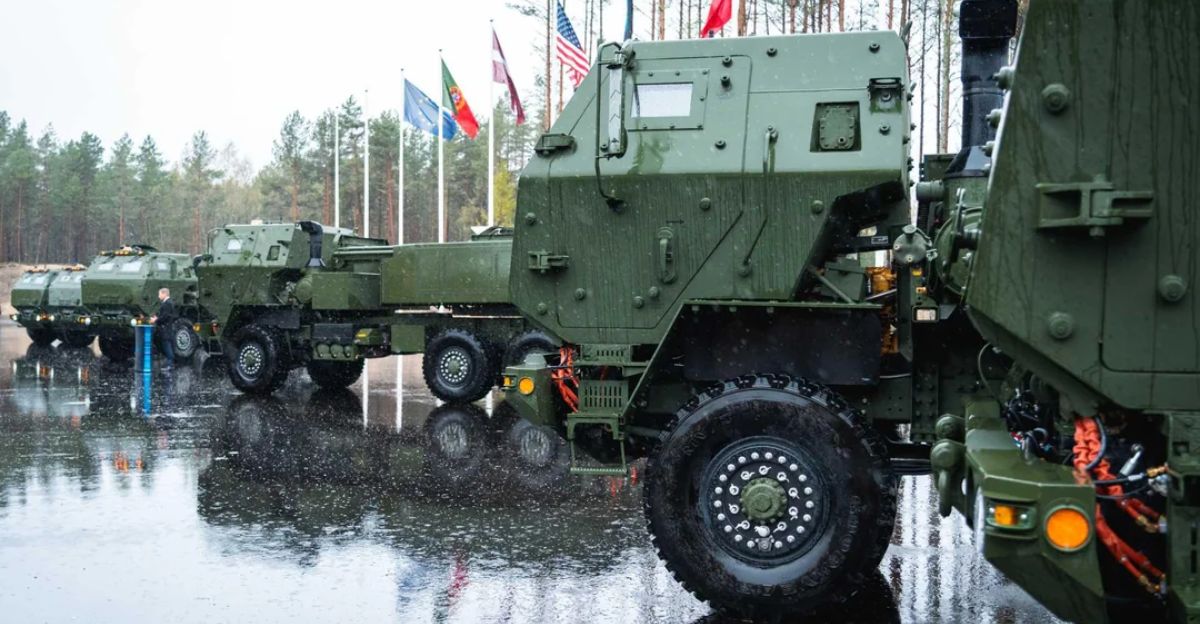
Future Developments in Military Technology: As Estonia integrates additional HIMARS into its arsenal, defense experts predict advancements in military technology to play a crucial role in deterrence strategies. Upcoming developments may introduce improved targeting systems and capabilities capable of adapting to evolving threats.
As U.S. defense systems are refined and modernized, NATO allies like Estonia remain at the forefront, driving initiatives to maintain readiness in an increasingly complex security environment. Military planners emphasize flexibility; the new HIMARS will be distributed along strategic corridors and integrated into NATO’s sensor and command networks.
Economic Implications

Increased military spending also has noteworthy implications for Estonia’s economy. Defense expenditures stimulate growth in sectors related to defense contracting and technology innovation. Estimates suggest that defense-related jobs could increase significantly as military investments expand. However, balancing military needs with social spending remains a challenge for policymakers.
Diplomatic solutions remain critical in mitigating tensions. NATO’s commitment to dialogue, coupled with increased military presence, aims to foster an atmosphere of caution. While Russia sees NATO’s preparedness as a threat, open communication channels may alleviate misunderstandings.
Shifting Landscape and Call to Action
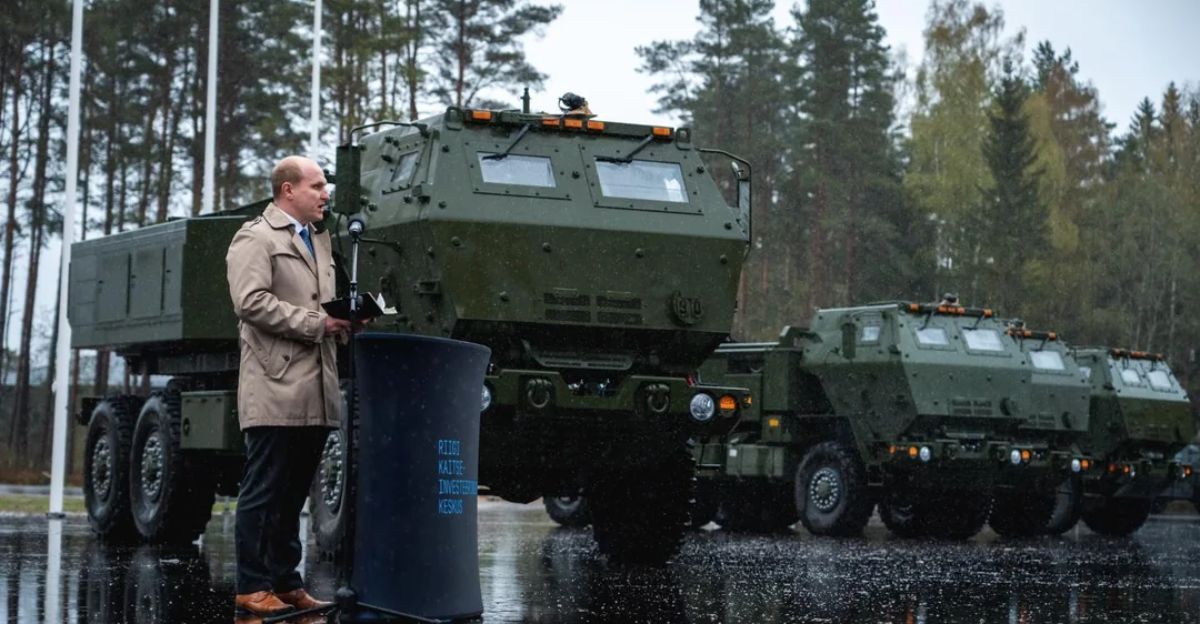
Estonia’s decision to double its HIMARS arsenal resonates beyond its borders, reflecting a shifting security landscape in Eastern Europe. As NATO enhances military readiness, the interplay between armed force and diplomacy will define future relations with Russia. The ongoing conflict in Ukraine continues to shape perceptions of security, driving NATO to re-evaluate its strategies.
As events unfold, staying informed about military and geopolitical developments is vital. Understanding the implications of actions taken by nations like Estonia can shape public discourse on security. Engage in discussions within your community and advocate for informed approaches to regional challenges.
Sources
Breaking Defense – Estonia HIMARS Procurement Analysis (November 2025)
Kyiv Independent – Russia Response to Baltic Military Buildup (July 2025)
Estonian Defence Ministry – Official HIMARS Delivery Announcement (April 2025)
NATO – Baltic Defense Strategy and Collective Security Statement (November 2025)
Army Recognition – US Military Support to Estonia Analysis (November 2025)
Propastop – Russian and Western Media Coverage of Baltic Tensions (August 2025)