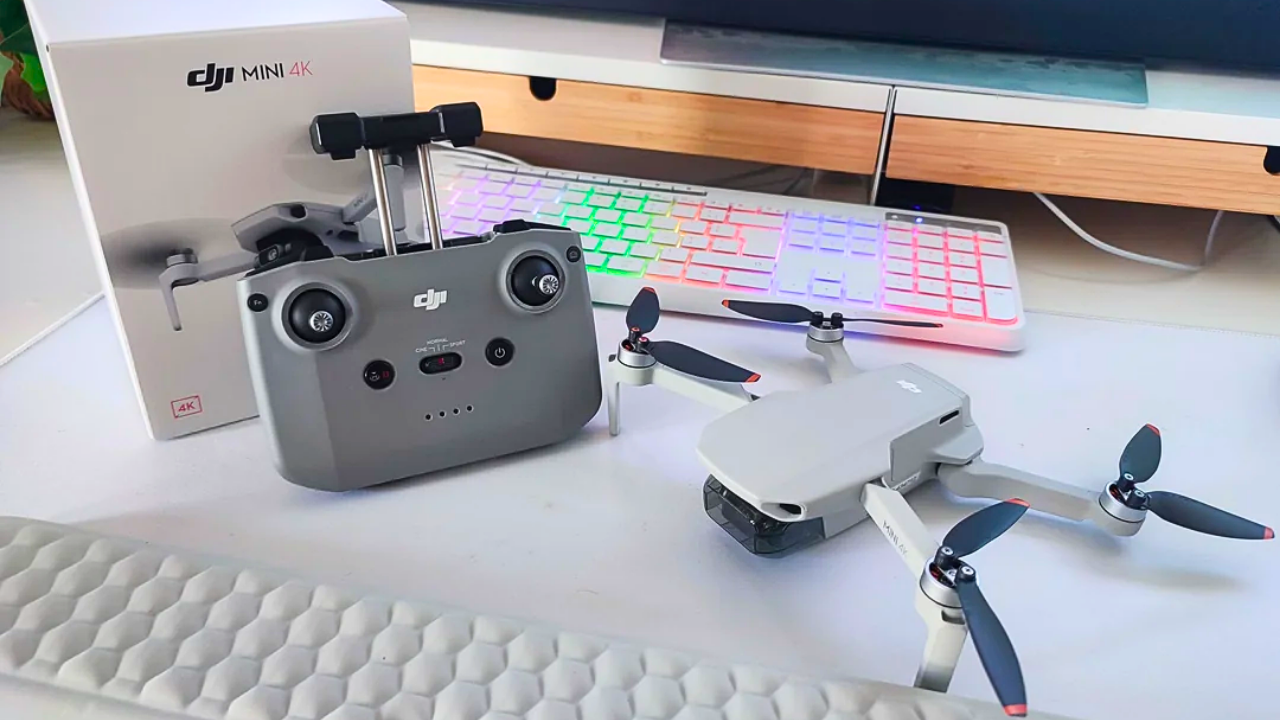
Here’s a sentence that would have sounded absurd two years ago: a drone that shoots 4K video, stabilizes footage with a three-axis mechanical gimbal, and flies itself home when it senses trouble now costs less than a GoPro.
Amazon slashed the DJI Mini 4K to $239 during its Black Friday-to-Cyber Monday blitz, and Gizmodo didn’t mince words—the retail giant went into “full liquidation” mode, “dumping stock” at prices that undercut basic handheld action cameras.
The Price Tag That Broke the Internet

The numbers tell a story of aggressive discounting. Amazon knocked $60 off the standard package, reducing it from $299 to $239—roughly a 20% discount. Prime members got an even sweeter deal on the Combo package: $309, down from $389, saving $80 on a bundle that doubles flight time.
Whatever’s driving this fire sale—inventory clearing, a successor model on the horizon, tariff anxieties—shoppers clearly noticed.
Why Sub-250 Grams Is the Magic Number
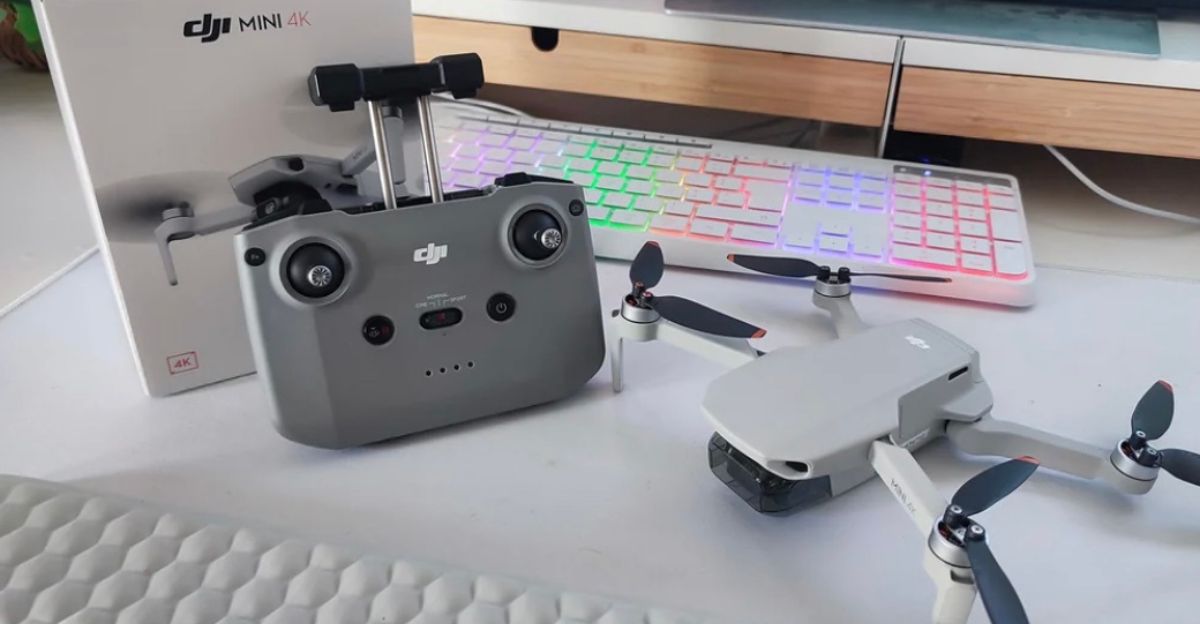
Every gram matters when you’re building a drone, and DJI’s engineers obsessed over one particular threshold: 249 grams. Stay under 250, and recreational pilots in the United States can skip FAA registration entirely.
The agency confirms that “drones that weigh 0.55 pounds or less, and are flown under the Exception for Limited Recreational Operations, do not need to be registered”.
The Gimbal Secret That Makes Footage Actually Usable
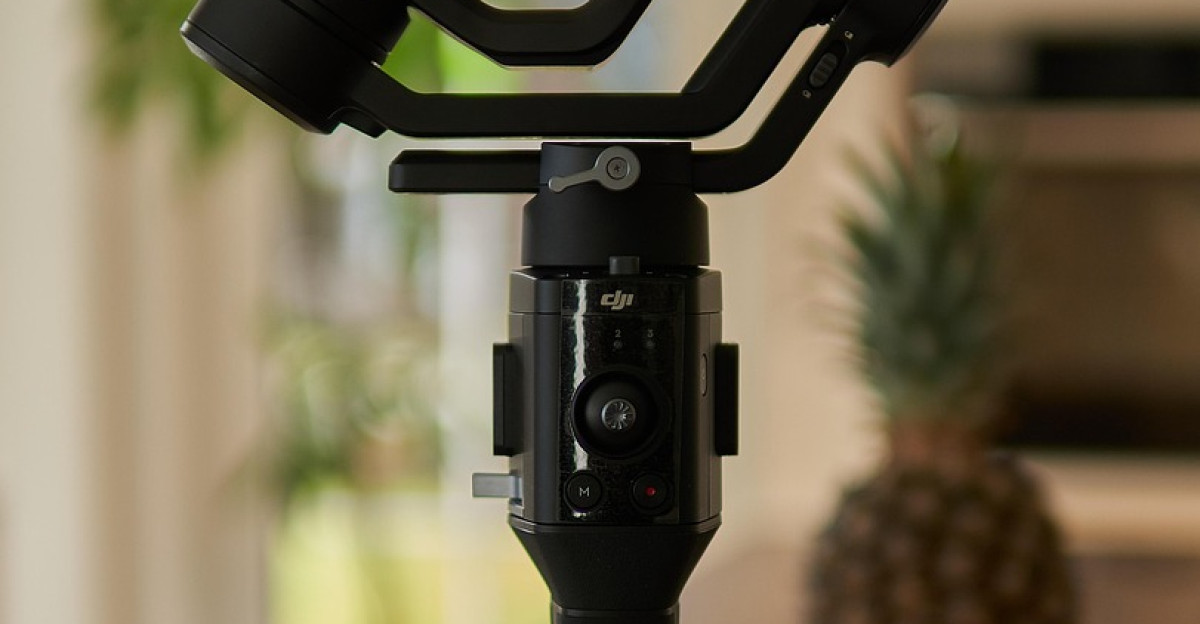
Many affordable drones promise smooth video. Most of them lie. They rely on electronic image stabilization—software that crops and shifts the frame to compensate for shake, often producing that telltale wobbly jello effect.
The Mini 4K takes a different approach: a genuine three-axis mechanical gimbal that physically steadies the camera before the image is ever captured.
4K Video That Punches Above Its Weight Class
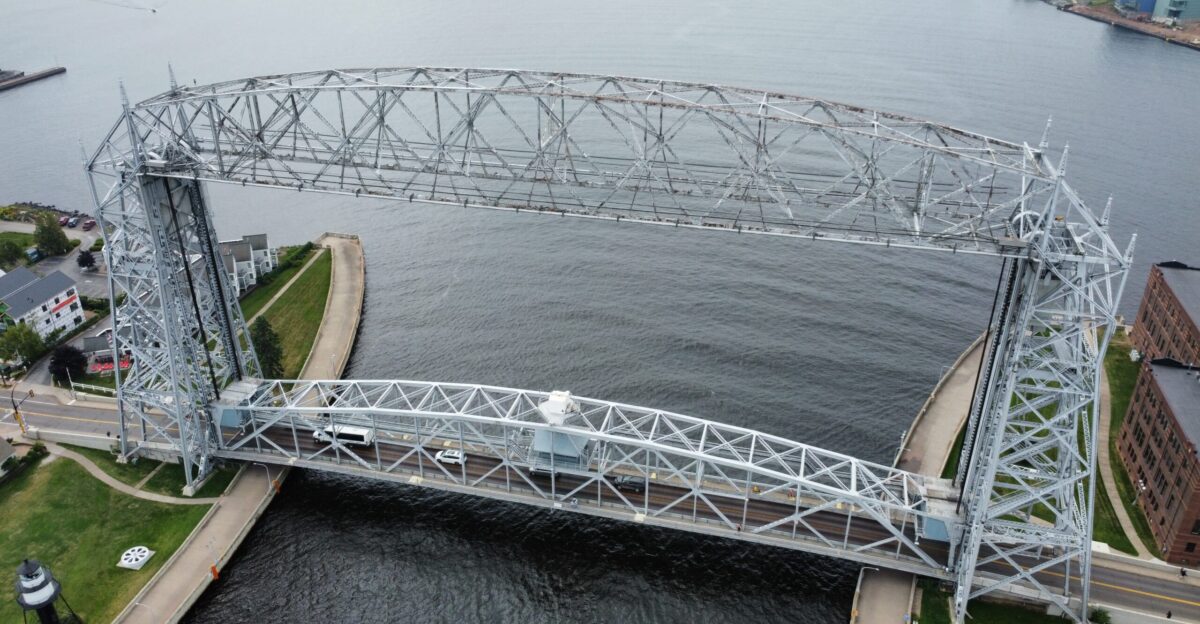
The sensor inside this featherweight aircraft captures genuine 4K UHD footage at 30 frames per second. TechRadar’s review placed its “4K video image quality somewhere in the middle in terms of color depth, dynamic range, and low-light clarity” compared to pricier DJI models.
However, what matters most for most creators is that DJI has increased the maximum video bitrate to 100Mbps—up from 40Mbps on the Mini 2 SE—resulting in richer detail and less compression that can muddy your shots.
Still Photos That Belong in a Portfolio
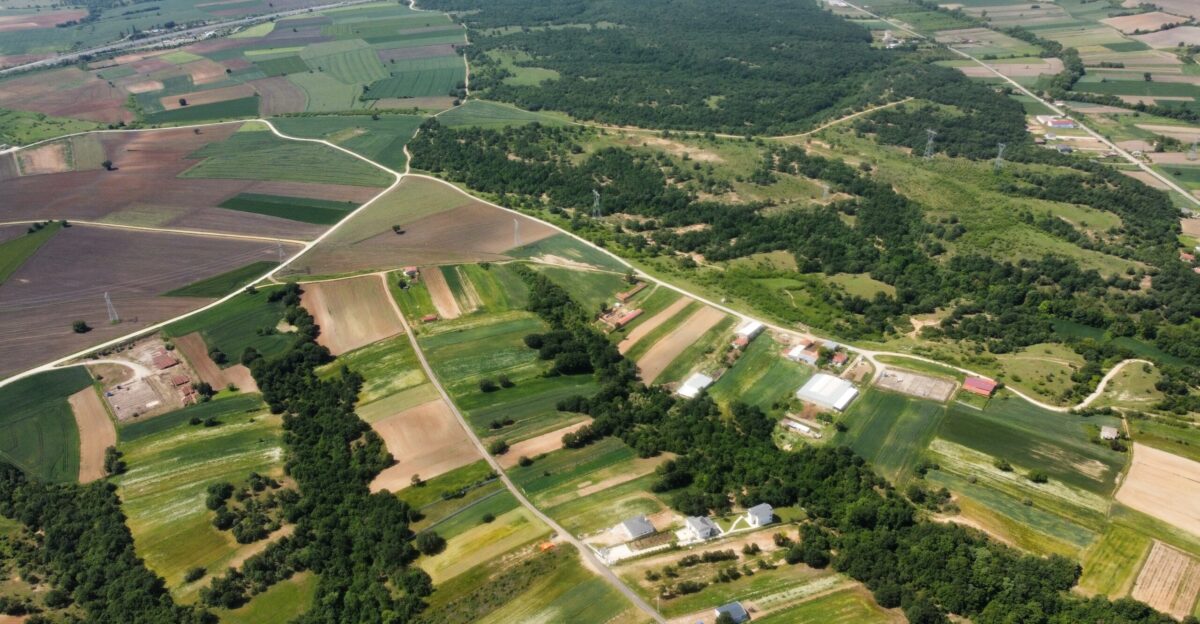
Beyond video, the Mini 4K captures 12-megapixel photographs in either JPEG or RAW format. That RAW capability matters more than casual users might realize—it gives photographers full control over exposure and color grading in post-production, a kind of flexibility that automated processing strips away.
For anyone who’s ever rescued a slightly underexposed sunset shot in Lightroom, shooting RAW from a $239 drone feels almost like cheating.
A 10-Kilometer Leash

DJI’s O2 video transmission technology theoretically maintains a connection up to 10 kilometers under perfect conditions—unobstructed line of sight, minimal radio interference, FCC-compliant settings. Reality tends to be messier.
The system streams a 1080p live feed to your smartphone with barely perceptible delay, so framing that perfect canyon shot doesn’t require guesswork.
31 Minutes of Airtime—Give or Take
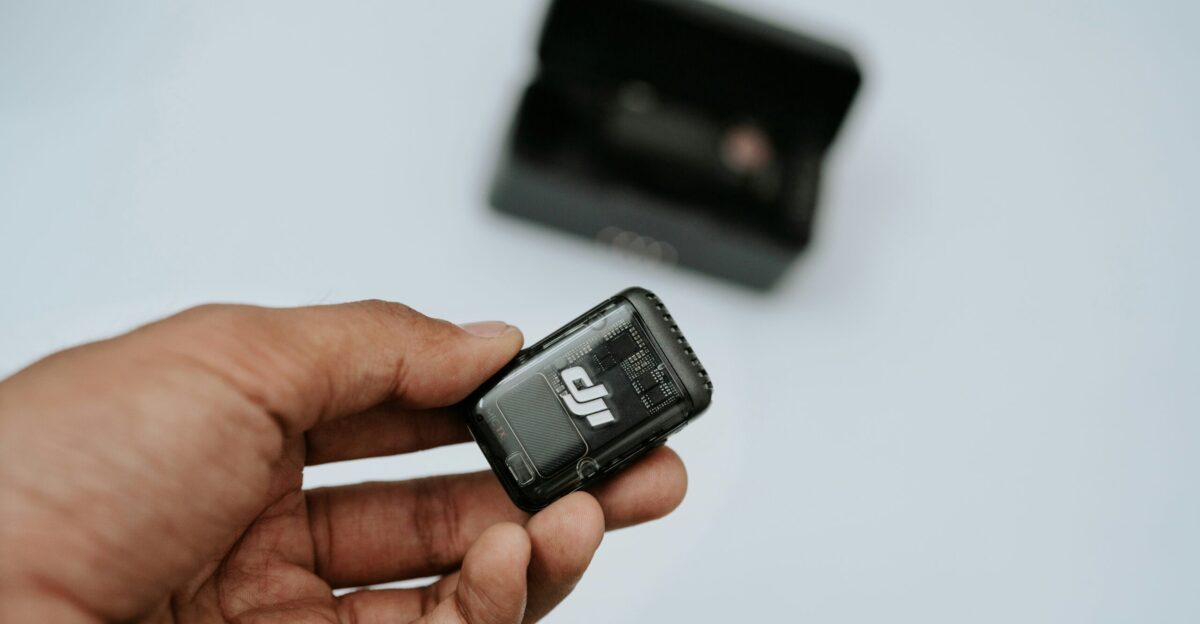
Each battery delivers up to 31 minutes of flight time under ideal laboratory conditions, which rarely exist outdoors. Factor in takeoff, landing, repositioning, and the reality that wind and cold temperatures drain batteries faster, and most pilots land around the 25-minute mark.
Still, for a drone this small and affordable, half an hour of continuous flight time represents a serious engineering achievement.
The Combo Package Math That Actually Makes Sense

For $70 more than the standard kit, Prime members got the Combo version at $309—and the extras justify every penny for anyone planning to fly more than occasionally. Gizmodo noted that the bundle “comes with a second battery that doubles the flight time to 62 minutes as well as extra propellers and a carrying case.”
Run the numbers: that’s roughly $4.98 per minute of flight time versus $7.71 for the standalone drone.
The Safety Net That’s Saved Countless Drones

When battery levels drop to critical or the signal connection breaks, something almost magical happens: the Mini 4K stops whatever it’s doing and flies itself home. GPS coordinates guide it back to the launch point, where it lands safely without pilot input.
According to Gizmodo, “this feature has saved a lot of drones from crashing into trees or getting lost in forests when pilots lose their way or run into problems they weren’t expecting”.
It Handles Wind Better Than You’d Expect
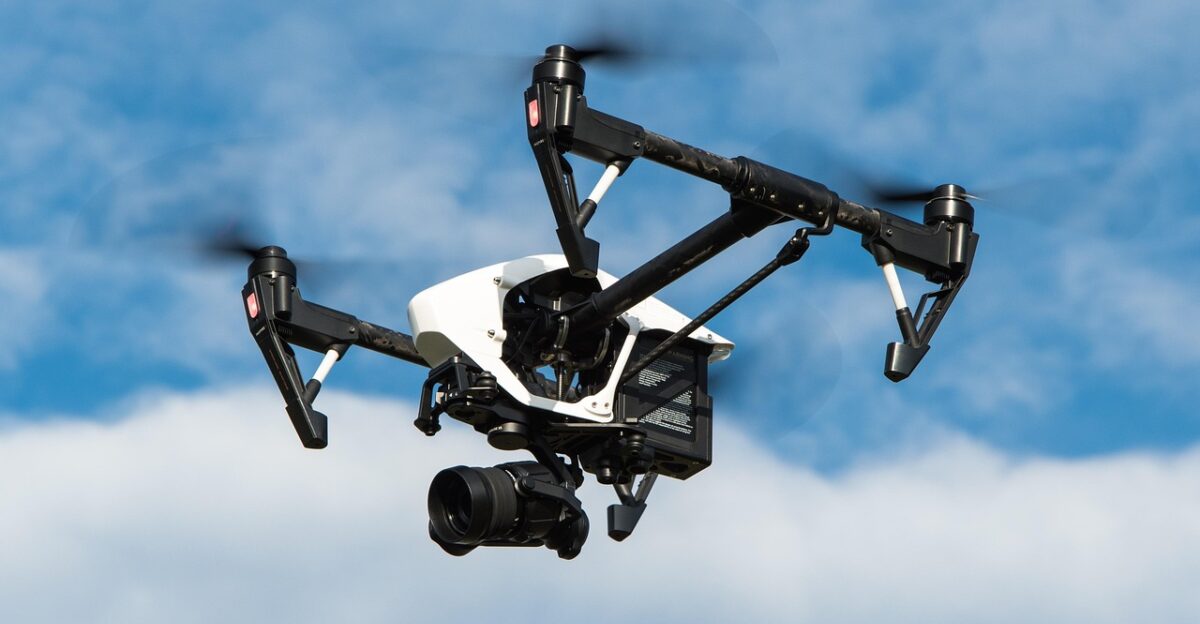
A drone weighing less than a smartphone sounds fragile. The Mini 4K defies that assumption, handling wind gusts up to 10.7 meters per second—roughly 24 miles per hour. DJI classifies this as Level 5 wind resistance.
Combined with GPS positioning, a downward vision sensor, and infrared sensing, the aircraft maintains surprisingly stable hovers even when breezes pick up.
One-Tap Cinematic Shots for Non-Pilots
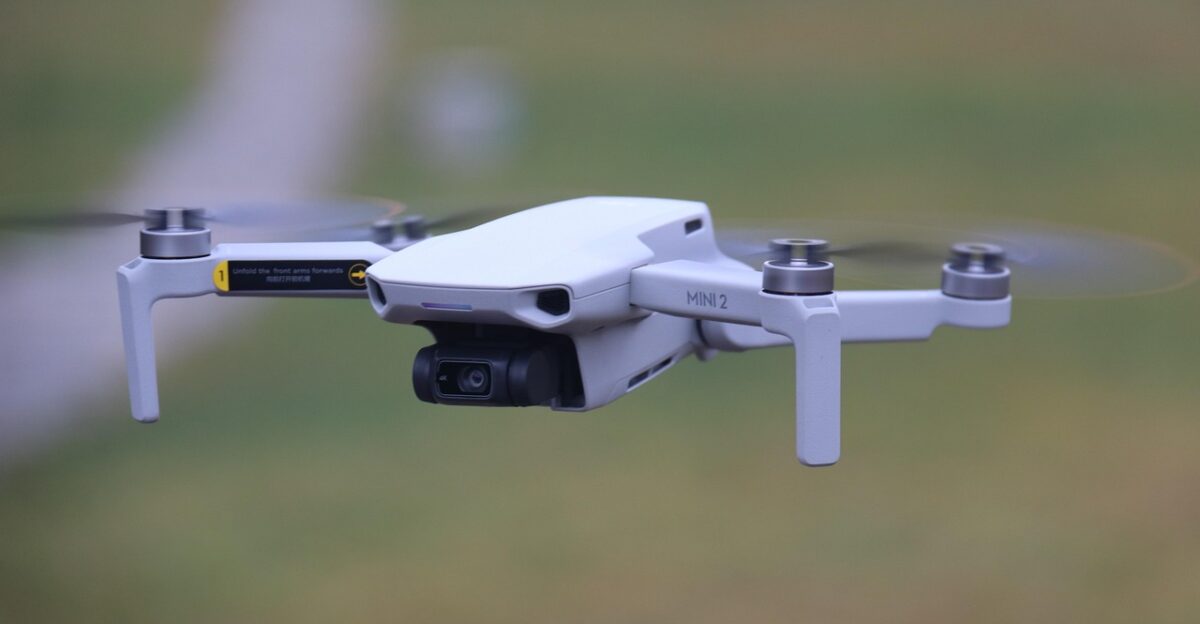
Not everyone wants to master complex flying techniques. DJI built QuickShots for exactly those people. Select Dronie, Rocket, Circle, Helix, or Boomerang mode, tap once, and the drone executes professional-looking maneuvers automatically while recording, according to DJI support documentation.
The aircraft handles positioning, speed, and framing, and then generates a polished clip without the pilot needing to touch the control sticks.
Panoramas That Stitch Themselves Together

The drone offers three panorama modes—Wide-Angle, 180-degree, and Sphere—that work like magic for landscape photographers. Select your preference, and the Mini 4K automatically captures multiple images from precisely calculated angles, then stitches everything into a seamless panoramic masterpiece.
What would require significant skill, patience, and editing time manually happens almost instantly. The aircraft does the hard work; you take the credit.
Meanwhile, GoPro Quietly Raised Its Prices
Context sharpens the value proposition here. Earlier in 2025, GoPro increased prices across its action camera lineup. According to Digital Camera World, the Hero 13 Black climbed from $399 to $429, while the budget-friendly Hero moved from $199 to $219.
GoPro’s CFO Brian McGee blamed tariffs, stating the company expected “the impact of tariffs on our cameras and accessories in 2025 to be approximately $18 million”.
The GoPro Comparison That Stops You Cold
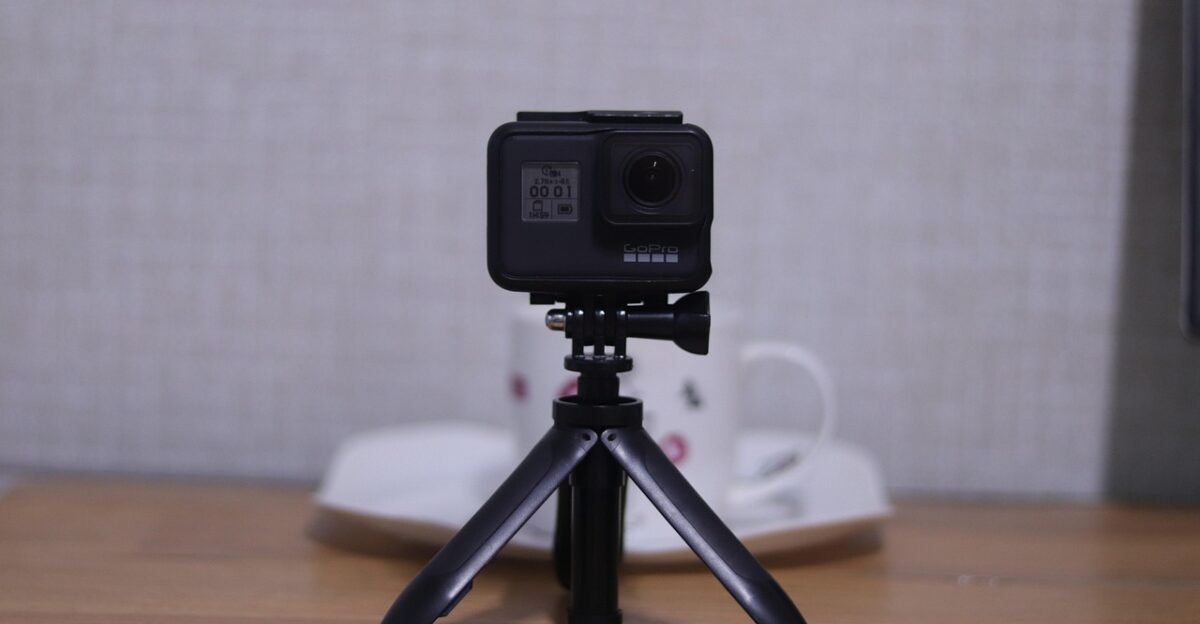
GoPro’s entry-level Hero shoots 4K at 30fps and weighs just 86 grams—the company calls it “the smallest, lightest, simplest to use and lowest cost 4K camera” in its lineup. It was initially launched at $199 before the price increase.
For $40 more than that handheld action camera at its new $219 price, the DJI Mini 4K does everything it does—plus flies, hovers, tracks subjects autonomously, and captures perspectives no ground-based camera can match.
Pocket-Sized Power That Travels Anywhere
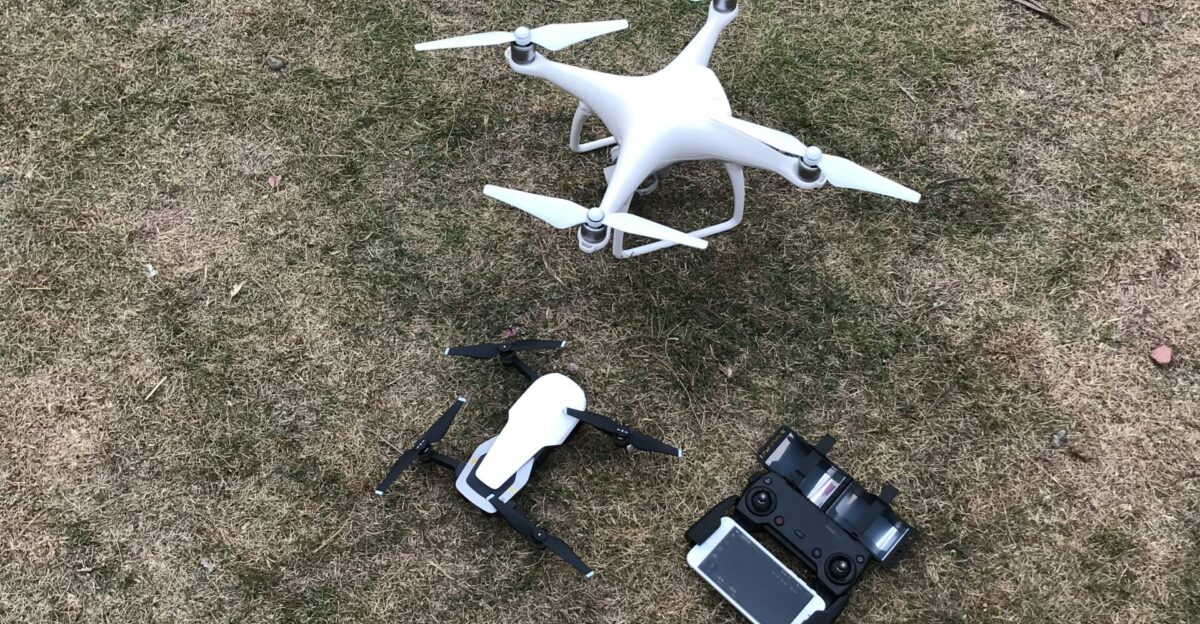
Folded down, the Mini 4K measures just 138 x 81 x 58 millimeters—compact enough to fit into a jacket pocket or camera bag. YMCinema’s coverage noted that it has “become a default recommendation for entry-level drone users who still care about image quality.”
What once required thousands of dollars in equipment, professional training, and bulky carrying cases now fits into your coat alongside your phone and wallet.
The Liquidation Language Worth Noticing
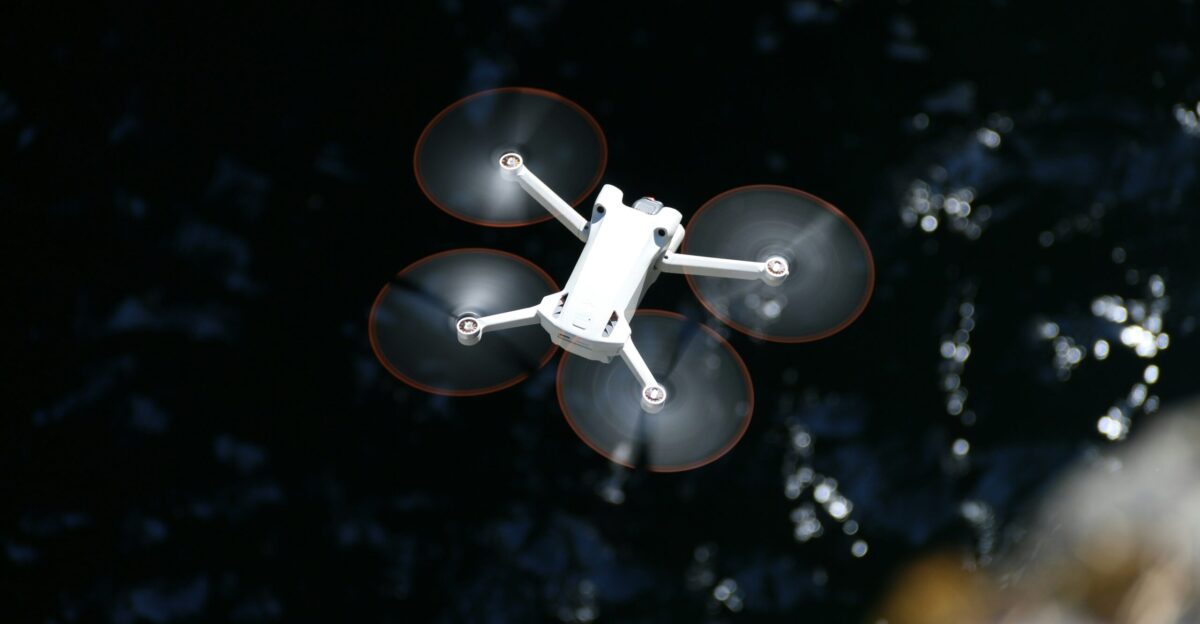
Amazon’s pricing strategy carried unusually urgent framing. Gizmodo described it as a “full liquidation,” with the retailer “dumping stock” and “emptying inventory.” Whether this signals a successor model, end-of-line positioning, or simply aggressive holiday tactics remains unclear.
What’s certain: DroneXL reported that “stock has moved fast during previous sales.”
Who Actually Needs a Drone This Capable?
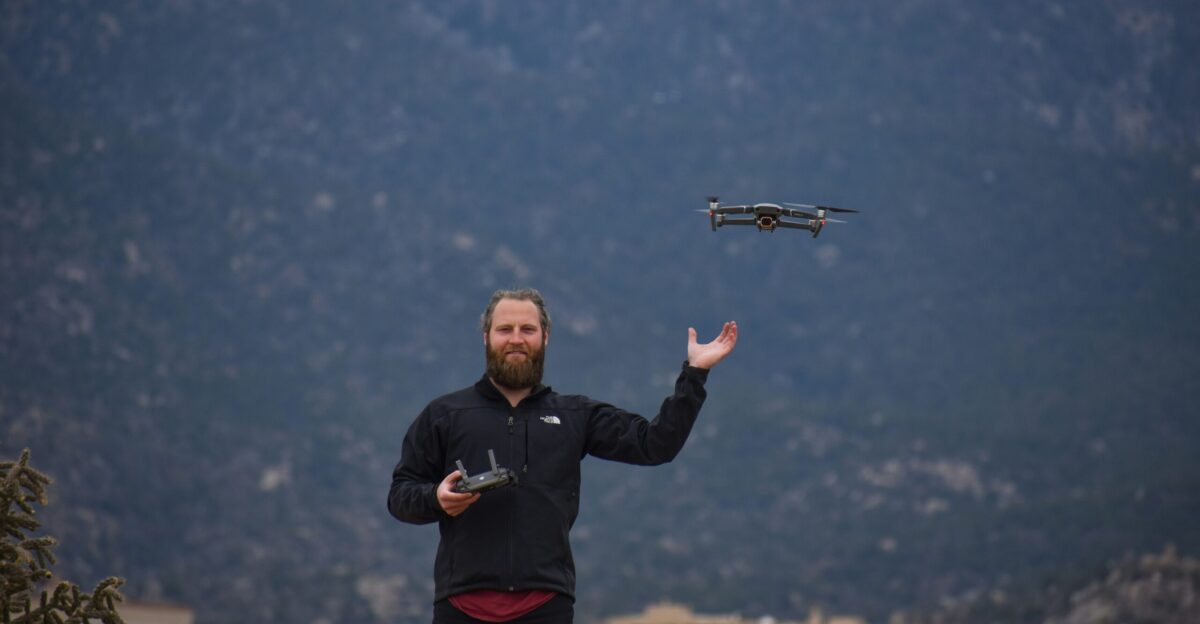
Content creators chasing that perfect establishing shot. Real estate agents differentiating listings with aerial footage. Hikers documenting trails from perspectives impossible on foot. Parents capturing backyard memories from angles smartphones can’t reach.
At $239, the Mini 4K costs less than many premium headphones and delivers capabilities that would have required professional equipment and expertise just years ago.
The Engineering Feat Hidden in Plain Sight
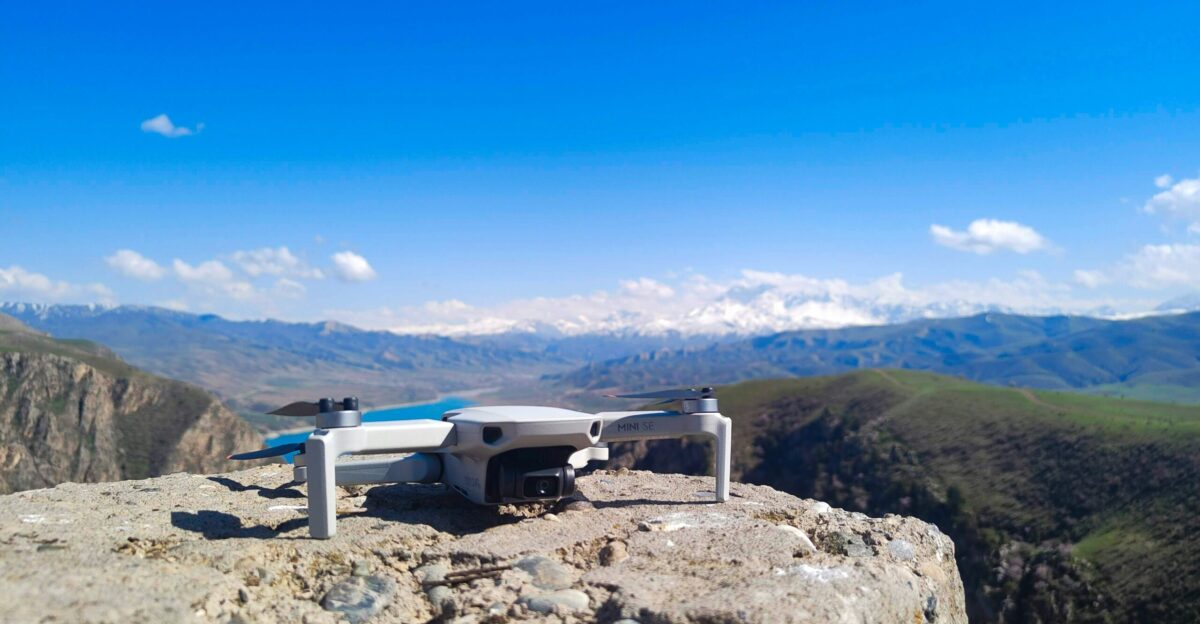
Consider what DJI packed into 249 grams: a three-axis mechanical gimbal, a 4K sensor, a 10-kilometer transmission system, GPS with auto-return capability, 31-minute battery life, Level 5 wind resistance, and intelligent flight modes.
Every component represents a trade-off, a compromise, a decision about what matters most.
What $239 Buys You in 2025
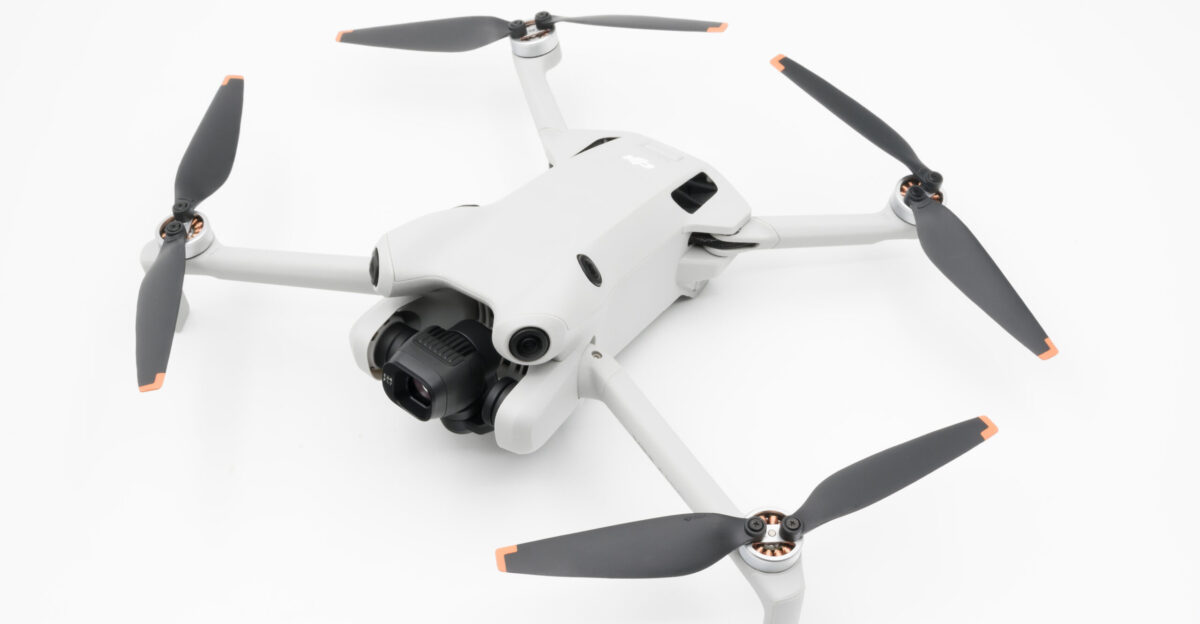
A flying cinema rig. A mechanical gimbal that outperforms software stabilization. 4K video at 100Mbps bitrate. RAW photo capability. 10-kilometer range. GPS safety features. No government paperwork. All lighter than a deck of cards.
The DJI Mini 4K at its liquidation price represents something that feels genuinely new: professional aerial capability at impulse-buy pricing. For anyone who’s ever watched smooth drone footage and wondered what it would take to create their own—the answer just got dramatically simpler.
Sources:
Digital Camera World — “GoPro Has Quietly Increased the Price of Its Action Cameras in the US” (August 2025)
Gizmodo Deals — “Amazon Goes Full Liquidation on DJI Mini 4K, 4K Drone Cheaper Than Basic Action Cameras Now” (November 29, 2025)
Federal Aviation Administration (FAA) — Drone Registration Requirements & Recreation Flyer Guidelines (2024–2025)
DJI Official Specifications — DJI Mini 4K Product Specs, QuickShots Documentation, Return-to-Home Technical Guide
GoPro Official Announcement — “GoPro Announces Two New Cameras: The $399 HERO13 Black and the $199 HERO” (September 2024)
TechRadar — “DJI Mini 4K Review: Your Best First Drone” (October 2024)