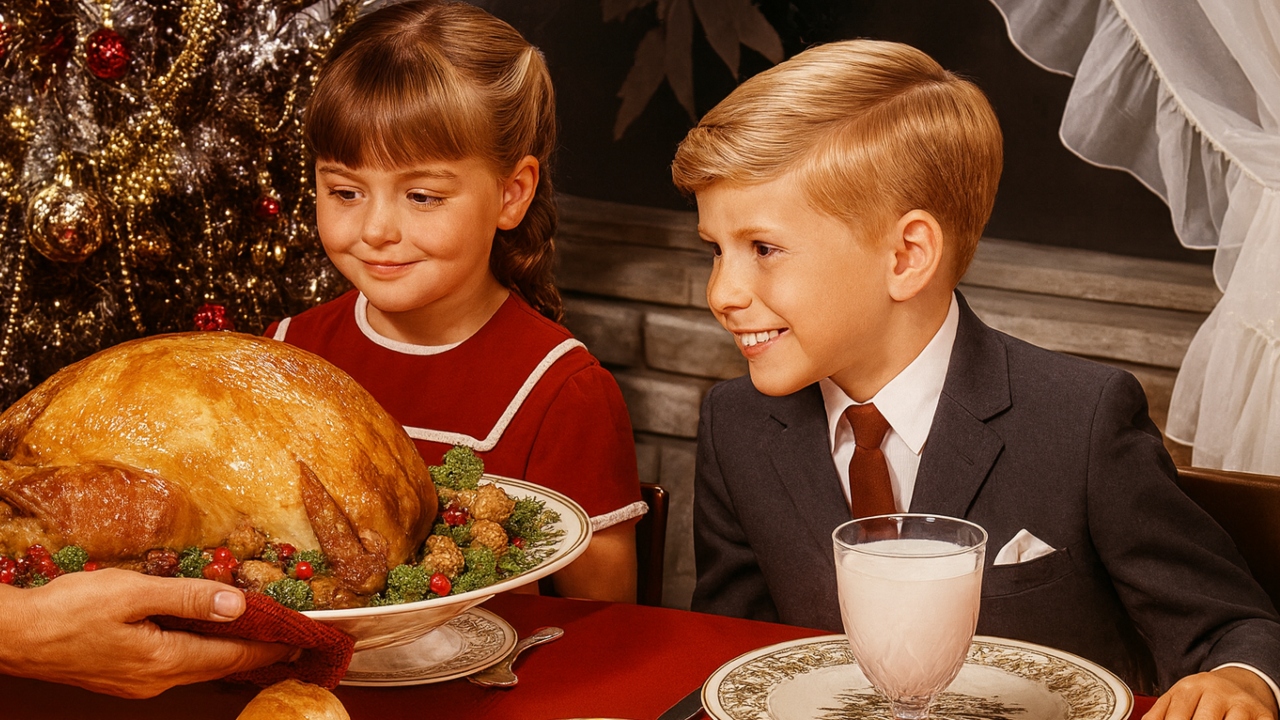
The dining table gleams under candlelight. The aroma of sage and butter drifts from the kitchen. Somewhere in the house, a child laughs. But in the silence between those joyful moments, a familiar anxiety creeps in. Are the napkins folded correctly? Did I remember to send holiday cards?
For generations, American families have believed that perfect holidays require perfect etiquette—rigid rules passed down like heirlooms. But what if the most important rule was actually meant to set you free?
Rebellion Against Holiday Stress

Millennials and Gen Xers are breaking the mold. Instead of waiting until December to decorate, they’re hanging garland in November. Instead of hosting alone, they’re asking guests to bring a dish. Instead of assigning seats like a corporate merger, they’re letting family members choose where to sit.
Etiquette experts have noticed this seismic shift—and they’re saying something surprising: it’s not just acceptable. It’s beautiful.
Old Rules No Longer Make Sense

According to etiquette coach Reverend Dr. August Abbott, traditions fall away for one of three reasons: they’ve simply been forgotten, they no longer align with how society actually works, or people have decided they matter less than their peace of mind. This holiday season, that third reason is winning.
Maralee McKee, an etiquette professional, captures the spirit of this moment perfectly: “The heart of the holidays is love in action.” Any genuine expression of love—whether through a store-bought pie or a shared meal—will never be outdated.
Letting go of These Rules

From assigned seating to fancy china, from rigid dress codes to the annual card-sending marathon, the old playbook is being torn up. But here’s the beautiful part: letting go of these rules doesn’t mean abandoning manners.
It means reclaiming the real purpose of the holidays—connection, comfort, and genuine love. This is your permission slip to celebrate differently, authentically, and without apology.
1. The End of Assigned Seating
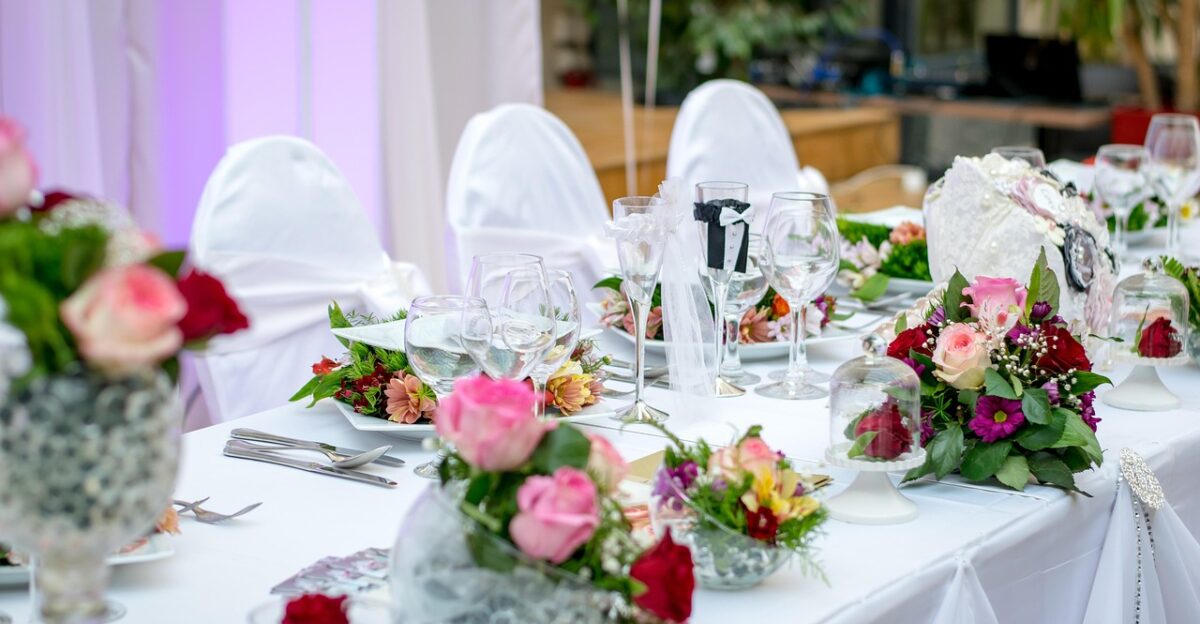
For decades, formal holiday dinners have required meticulously planned seating arrangements—a strategy designed to ensure smooth conversation flow and maintain an appropriate social hierarchy. But etiquette and soft skills expert Christine Carmichael says that era is over.
Modern families are discovering that open seating fosters genuine connection. Guests choose to sit with people they actually want to talk to, creating organic, joyful conversations.
2. The Kids’ Table Finally Gets Retired
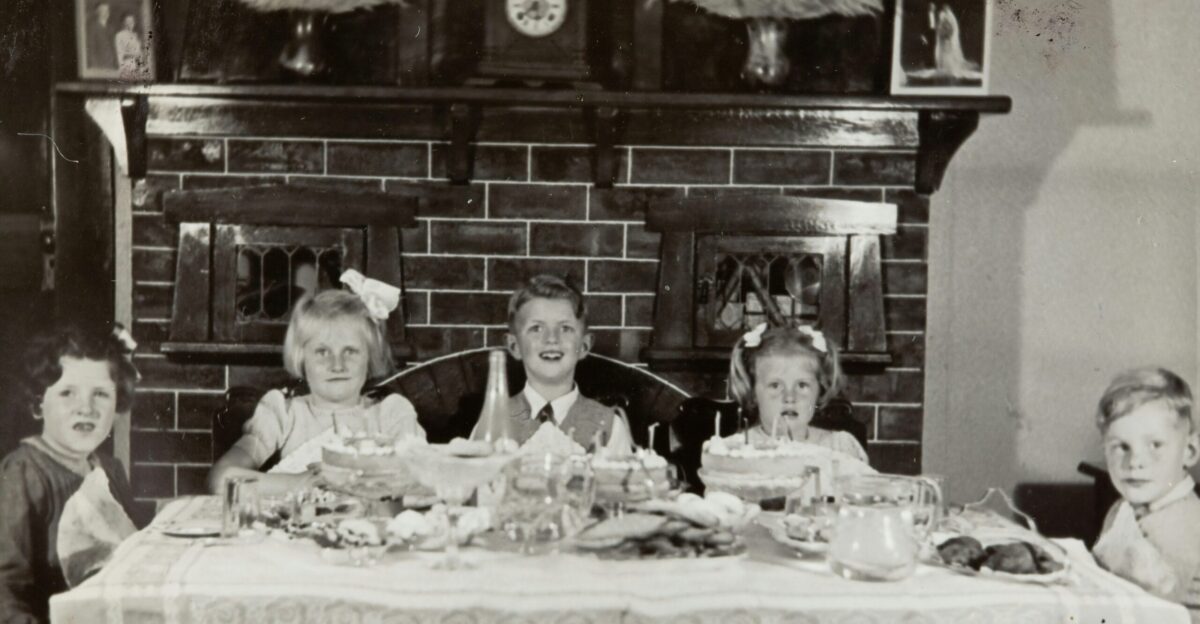
Nothing stings quite like sitting at the kids’ table in your thirties. While the tradition served a purpose when the “kids” were actually young, it has become an awkward relic. Maralee McKee suggests it’s time to let this rule go, especially when adult children are being seated separately from the main table.
Integrating all ages creates opportunities for meaningful conversation across generations. Grandparents share stories with cousins in their twenties. Teenagers help younger siblings navigate the buffet. The result? A more cohesive and joyful family experience where everyone feels valued and included during the celebration.
3. Fine China Is Optional Now
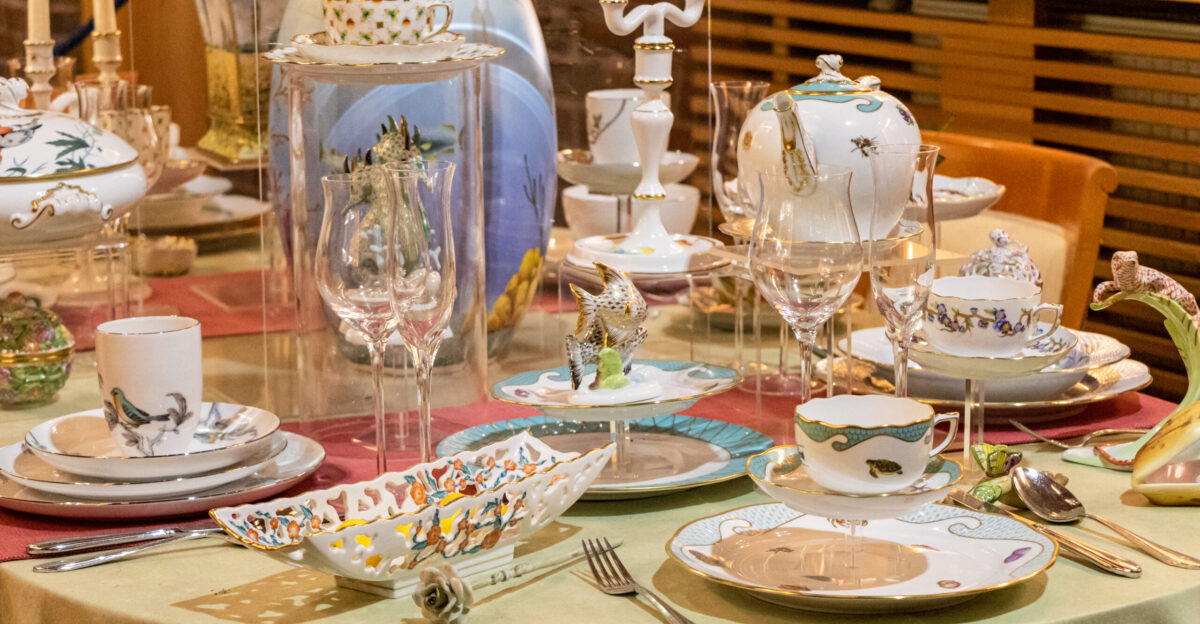
The pressure to haul out grandmother’s fine china has officially lifted. McKee makes a clear distinction: the host determines the formality of the event, not some unwritten social code. Whether you use delicate porcelain or sturdy, festive paper plates, what matters is the meal shared and the memories created.
Many hosts now choose disposable dishware not just for convenience, but to eliminate stress and stay present with their guests instead of worrying about washing up.
4. Dress Codes Are Now Suggestions
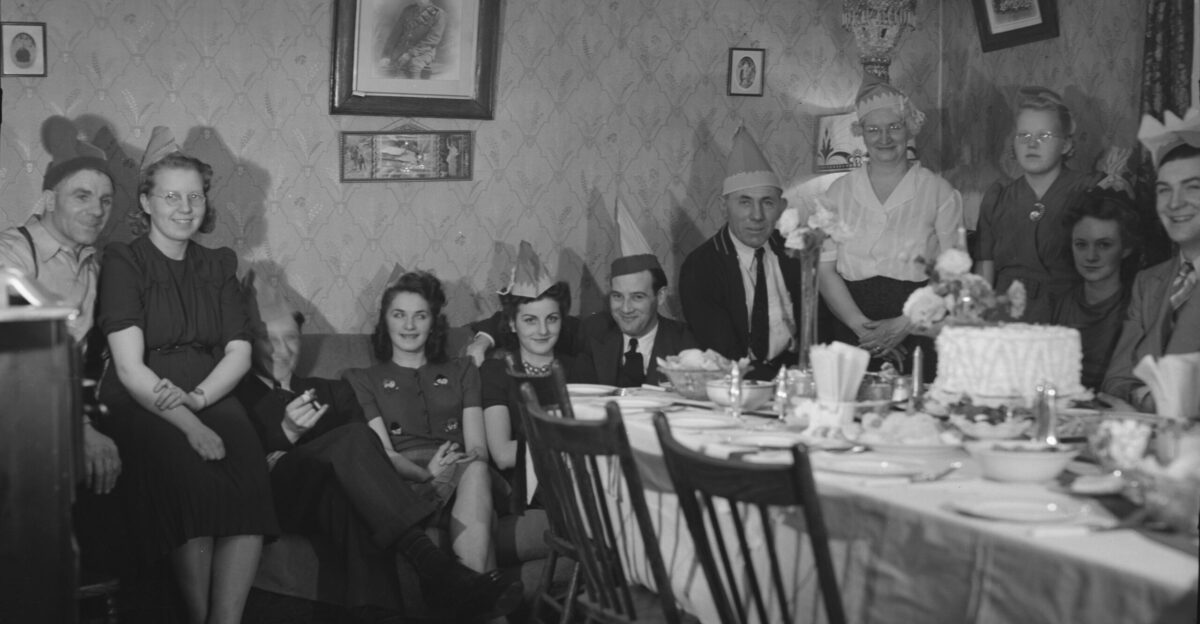
Remember when “holiday party” meant one thing: formal attire? Carmichael reports that “casual atmospheres” are now the norm. While guests should still heed any specific dress code mentioned on an invitation, the unspoken expectation of tuxedos and formal gowns has been replaced by a simple desire: be comfortable.
People who feel relaxed in their own skin celebrate with more joy and authenticity. They’re not worrying about a tie cutting off circulation or heels causing foot pain. They’re present, laughing, and fully engaged.
5. Holiday Card Obligation Is History
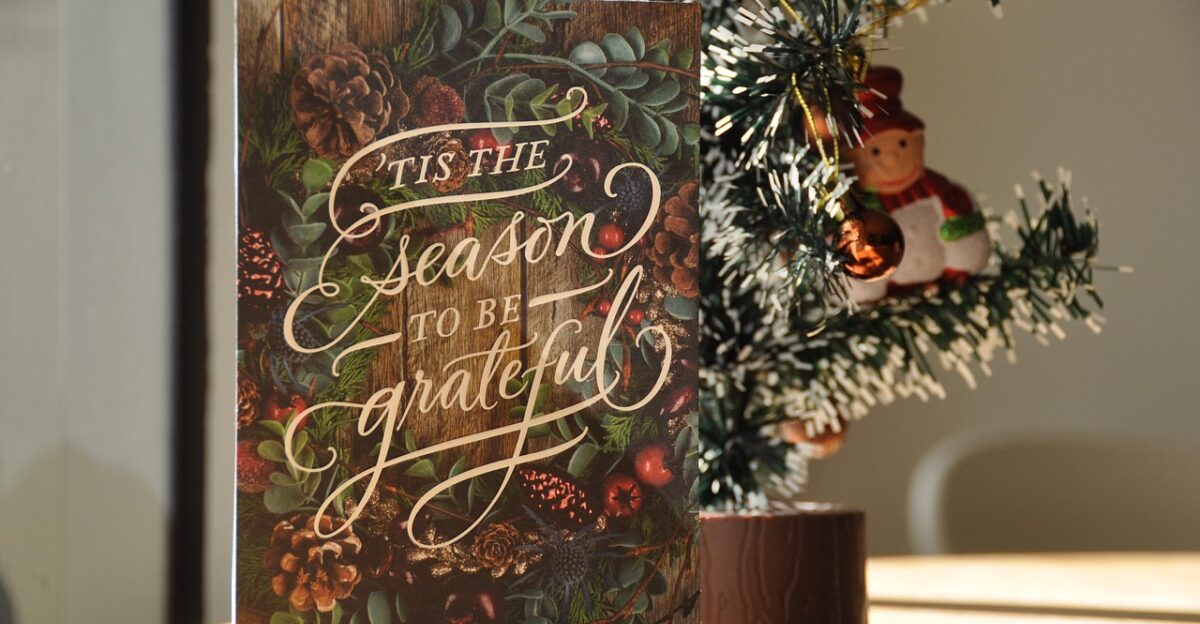
The December ritual of addressing dozens of cards, writing personalized messages, and standing in post office lines is no longer a social requirement. With the rise of email, text messages, and social media updates, you can now wish people well in ways that feel natural to you.
According to experts, skipping the card altogether carries zero social penalty—especially if you’ve already connected with someone in person or online.
6. Decorating Before Thanksgiving Is Fine
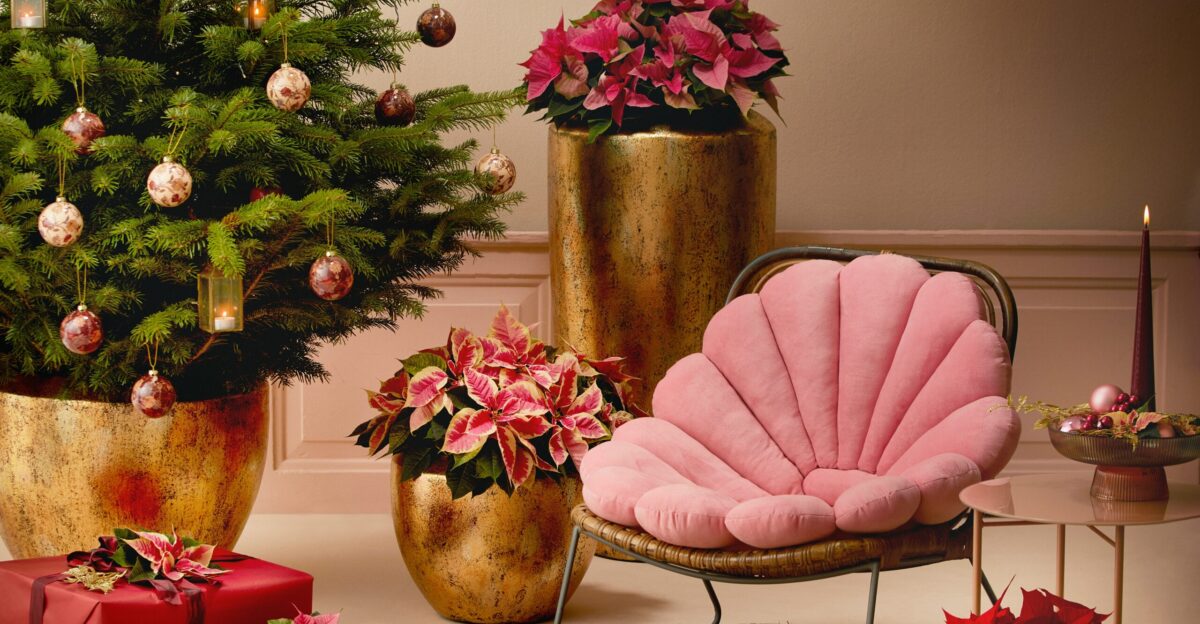
The rule was ironclad: you must wait until after Thanksgiving to decorate. But millions of Americans now break this tradition without a second thought. Millennials and Gen Xers follow retail-inspired timelines, hanging garland and lights as early as November 1st.
Experts note this shift stems from a desire to extend the festive season in a world that feels increasingly hectic and unpredictable. By decorating earlier, families create a longer window of joy and warmth.
7. The Host No Longer Cooks Alone

The image of a lone host, stressed and exhausted, preparing an entire holiday feast from scratch is finally becoming a relic. McKee emphasizes that holidays are communal events where it’s perfectly acceptable for hosts to ask guests to contribute a dish. This isn’t lowering standards—it’s raising joy.
When guests share recipes and cooking duties, the meal becomes more diverse, the celebration feels shared, and the host stays present instead of disappearing into the kitchen.
8. Gift Exchanges No Longer Require Reciprocity

The pressure to match every gift with an equal or greater present has officially expired. Gift-giving is intended to be a genuine expression of appreciation, not a transaction that requires an equal return. If you receive an unexpected gift, a sincere thank you is all that’s needed.
Experts note this shift removes financial anxiety from the holidays and refocuses the act of giving on thoughtfulness rather than obligation.
9. Regifting Is No Longer a Scandal

Once whispered about like a cardinal sin, regifting has now entered mainstream respectability. A YouGov poll found that a significant majority of Americans believe it’s perfectly fine to pass along a gift you received to someone else who might appreciate it more.
The key criterion is that the item must be new, in its original packaging, and given with genuine thought about whether the recipient will love it.
10. RSVP Rules Have Relaxed

Modern etiquette prioritizes honest and timely communication between guests and hosts over adherence to outdated customs. If your plans change, if you need to bring a plus-one, or if you have dietary restrictions, a prompt and genuine conversation matters far more than following formal rules.
Hosts appreciate clarity and honesty. The ritual of the formal RSVP card hasn’t disappeared—it’s just evolved into something more flexible and human-centered.
11. Thank-You Notes Can Go Digital

The formal, handwritten thank-you note was once the only acceptable way to show gratitude. Today, etiquette experts confirm that a prompt and genuine thank-you, whether via text, email, or even a social media message, is perfectly appropriate.
Someone who sends a heartfelt text within days shows more appreciation than someone who waits six months to hand-write a generic note.
12. Family Traditions Can—and Should—Evolve
Perhaps the most revolutionary rule: family traditions are not sacred immovables. Carmichael advises that it’s entirely normal for traditions to evolve as families grow, circumstances shift, and priorities change.
She warns, however, that abruptly abandoning a tradition can create friction with family members who hold it dear. The key is thoughtful, respectful communication. Explain why you’d like to try something new. Listen to concerns. Find compromises.
Why These Changes Matter Most
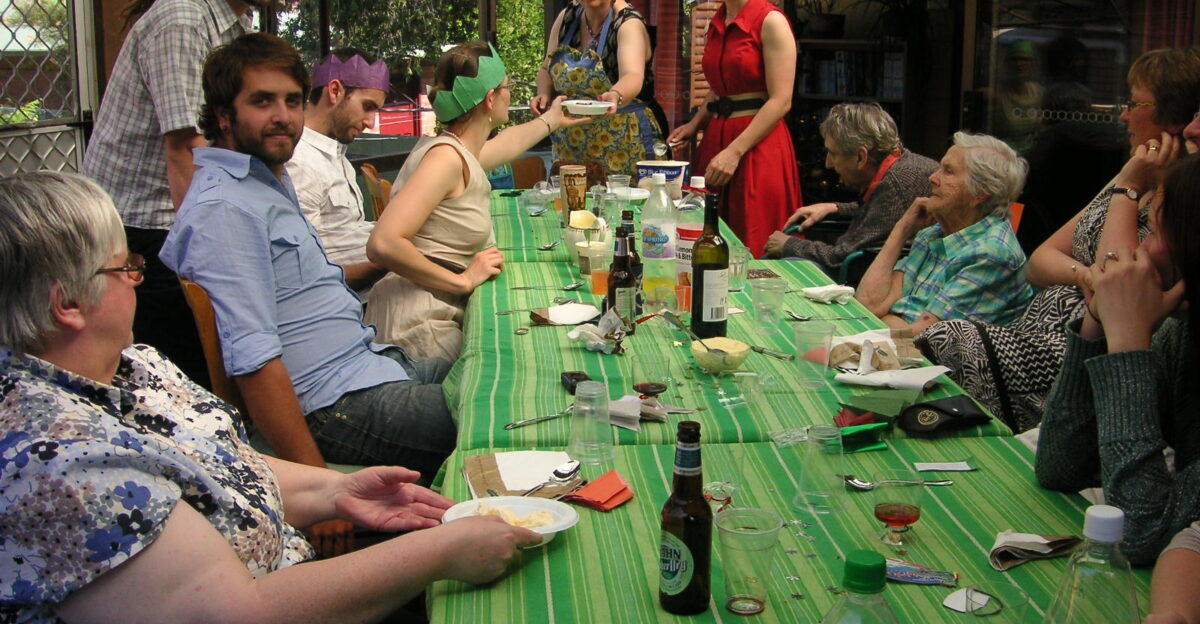
What’s happening across American households this holiday season isn’t about lowering standards or abandoning manners. It’s about a profound cultural shift from performing perfection to living authentically.
For the first time in generations, millions of families are choosing comfort over ceremony, meaning over manners. They’re asking themselves, ‘What truly matters?’ What brings us joy? What makes us feel connected?
The Only Rule That Remains Unbreakable

While countless traditions are evolving, one remains steadfast: showing appreciation to your host. Bringing a gift for the person throwing the celebration is a “timeless” gesture that will likely never go out of style, according to Christine Carmichael.
Whether it’s a bottle of wine, a box of artisan chocolates, or a thoughtful item for their home, this small act of gratitude is fundamental. It acknowledges effort, expresses appreciation, and honors the gift of being welcomed.
The Simple Truth at the Heart of the Holidays

Etiquette professional Maralee McKee offers wisdom that transcends all the rules, all the traditions, all the evolving customs: “The heart of the holidays is love in action. Any expression of love in word or deed, whether through sharing a meal, giving or receiving a gift or card, or helping someone in need, will never be outdated.”
This is the core truth beneath every shift in holiday etiquette. Love—authentic, genuine, freely given—is the only rule that matters. Everything else is just details.
Permission to Celebrate Your Way

As you navigate this holiday season, know that millions of American families are rewriting the rulebook alongside you. The pressure to host ideally, dress formally, give generously beyond your means, and maintain traditions “just because” has been officially released.
You have permission to create celebrations that align with your values, budget, energy, and joy. Let go of what no longer serves you. The holidays aren’t a performance to be perfected—they’re an invitation to connect, to nourish, and to love. This season, that’s the only etiquette that matters.
Sources:
Southern Living Magazine — Holiday etiquette expert interviews and trend analysis (2025)
The Etiquette School of America — Maralee McKee, founder and etiquette authority
The Flemming Academy of Etiquette & Protocol — Christine Carmichael, CEO and etiquette expert
YouGov Consumer Survey — December 2024 poll on holiday etiquette and regifting acceptance rates
Reverend Dr. August Abbott — Etiquette consultant and cultural analysis