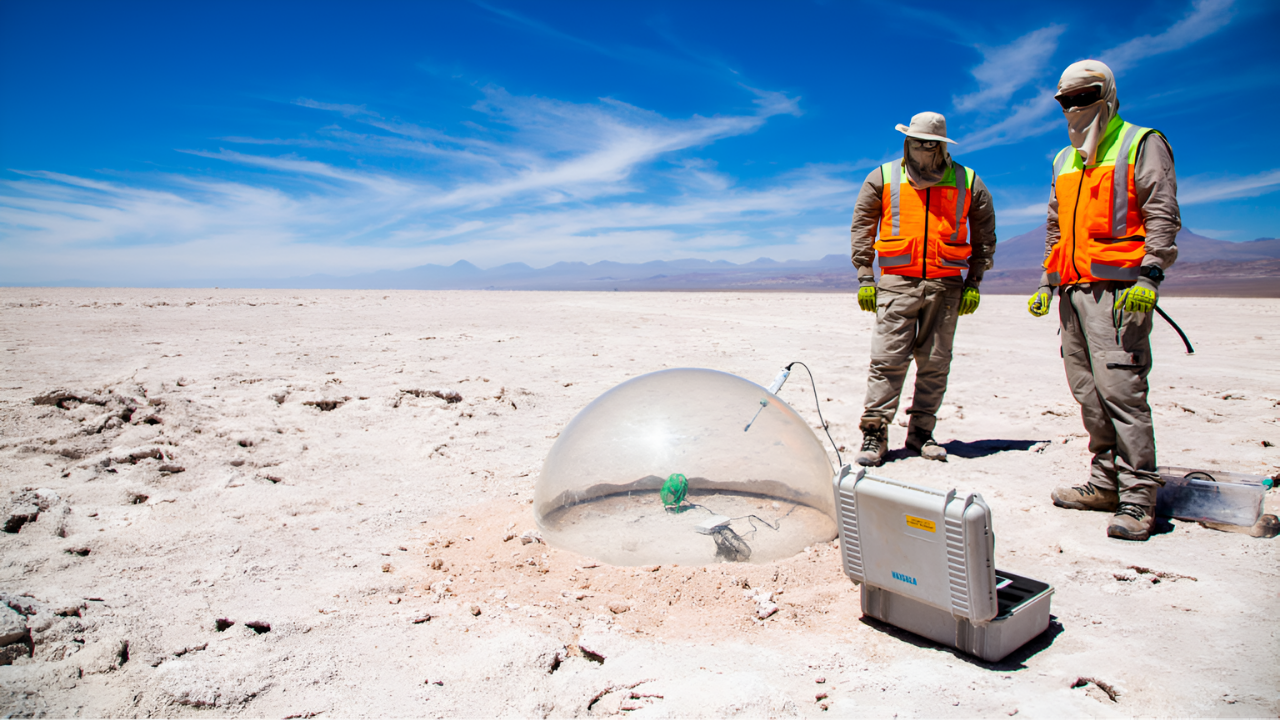
Beneath Nevada’s high desert lies a mineral treasure of unprecedented scale.
The McDermitt Caldera supervolcano is estimated to harbor 20 to 40 million metric tons of lithium—potentially four times larger than Bolivia’s Salar de Uyuni, previously considered the largest reserve on Earth.
Scientists published the confirmation in Science Advances in August 2023, revealing a concentrated lithium-rich clay layer roughly 100 feet thick. This single deposit could supply enough lithium to manufacture batteries for 200–400 million electric vehicles.
The discovery positions the United States to break dependence on foreign lithium imports and reshape global battery supply chains for decades.
Why Lithium Matters Now
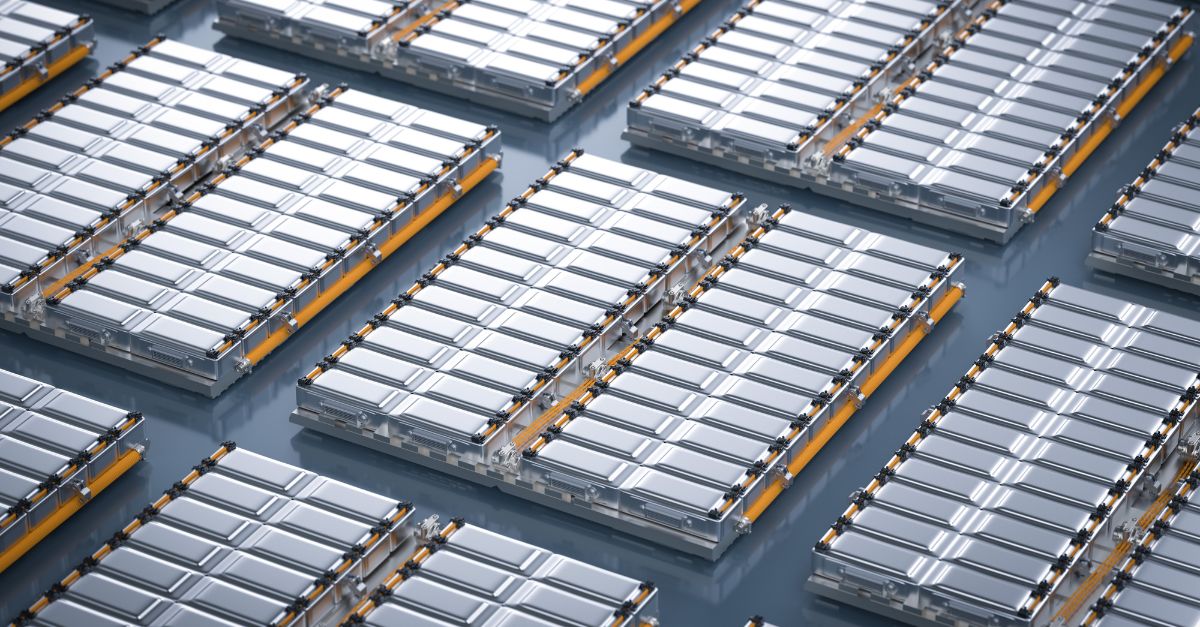
Electric vehicle adoption is accelerating globally. Tesla, General Motors, and legacy automakers are competing fiercely for battery-grade lithium supplies.
Current global lithium production totals roughly 100,000 metric tons annually—a fraction of future demand. Battery technology accounts for 60% of an EV’s manufacturing cost, making secure access to lithium critical to production timelines.
Prices surged 400% from 2020 to 2022 before moderating. The geopolitical reality is that China controls 60% of global lithium processing, while Australia and Chile dominate the extraction of this resource.
A U.S.-based deposit of this magnitude reshapes energy independence calculations for the Biden-Harris and future administrations.
Hydrothermal Origins
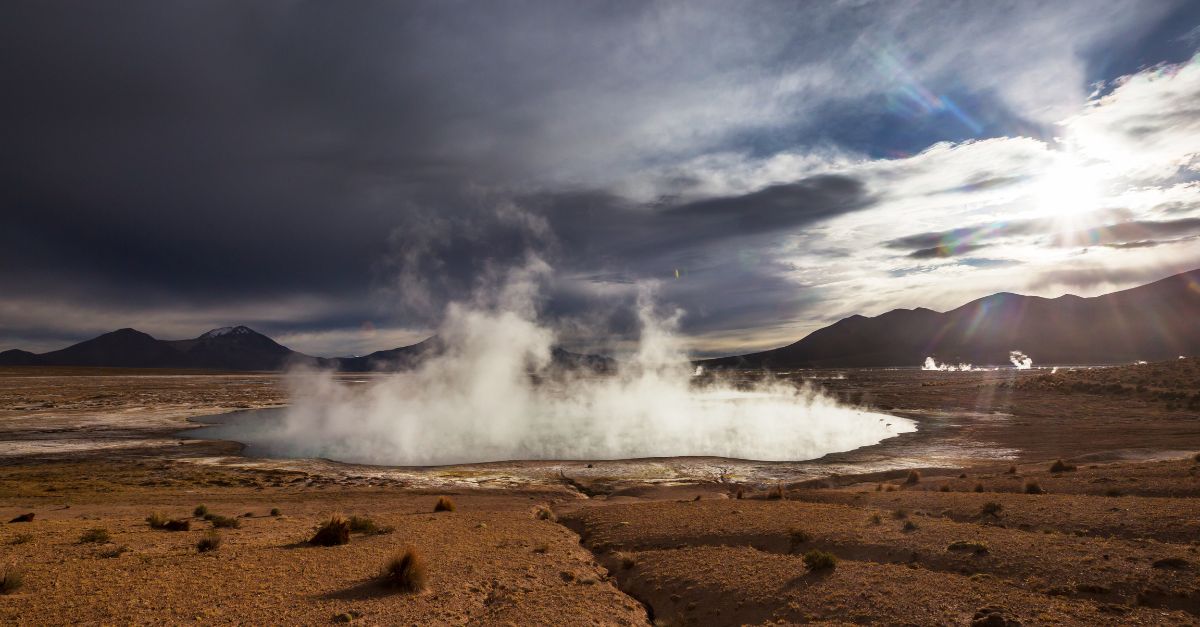
The McDermitt Caldera erupted 16–17 million years ago with the force of roughly 1,000 cubic kilometers of molten rock.
After the eruption, geothermal processes circulated fluids through subsurface rock layers, selectively concentrating lithium in illite clay minerals.
Illite is a potassium-aluminum silicate that traps lithium ions extraordinarily efficiently. Geochemical analysis shows lithium concentrations reaching 4,000–8,000 parts per million in illite-rich intervals—exceptional by global standards.
The formation process took millions of years to complete. Modern hydrothermal systems rarely achieve comparable lithium enrichment, making McDermitt’s geology a rare planetary accident.
From Speculation to Confirmation

Lithium Americas Corporation first identified anomalously high lithium readings at McDermitt in 2017 during early exploration drilling. Initial resource estimates suggested 10–15 million metric tons.
Between 2017 and 2023, the company completed over 70 drill holes, totaling more than 30,000 meters of core sampling.
Each successive drilling campaign expanded the known tonnage and refined the geometry of the deposit. Researchers from Lithium Americas, GNS Science (New Zealand), and Oregon State University jointly compiled geochemical data, radiometric dating, and drill logs.
The peer-review process in Science Advances took eighteen months. By August 2023, the scientific consensus solidified: 20–40 million metric tons of in-situ lithium in recoverable formations.
The Main Reveal: $1.5 Trillion Prize

The deposit’s economic value at current prices reaches approximately $1.5 trillion. This calculation is based on 20–40 million metric tons × $37,000 per metric ton of battery-grade lithium carbonate (2022–2023 benchmark price).
To put this into context: $1.5 trillion exceeds the annual GDP of most nations on Earth. It rivals the total market capitalization of ExxonMobil, Apple, or Saudi Aramco.
The reserve is situated on federal public lands managed by the Bureau of Land Management, with extraction rights contingent upon federal permits and compliance with environmental regulations.
The deposit’s sheer scale transforms lithium from a commodity with supply constraints into a potential abundance problem—if extraction can proceed without insurmountable legal or environmental barriers.
Nevada’s Clean Energy Bet

Nevada sits at the epicenter of America’s lithium ambitions. The state hosts not only Thacker Pass but competing lithium projects in Clayton Valley and other locations.
State officials frame lithium extraction as essential to achieving climate goals: electric vehicles require lithium batteries; securing the lithium supply requires domestic production; and domestic production is best achieved in Nevada.
Governor Joe Lombardo’s administration fast-tracked permitting and expressed strong support for the Thacker Pass mine. Nevada’s unemployment and budget pressures create a political incentive for a major mining project that offers hundreds of construction jobs and sustained employment.
However, the state’s fragile high-desert ecosystem and groundwater constraints introduce competing pressures. The regional stakes are extraordinarily high.
Tribal Opposition and Sacred Sites

The Fort McDermitt Paiute and Shoshone Tribe considers the mine site sacred. On September 12, 1865, the U.S. Army’s 1st Nevada Cavalry raided a Paiute encampment near present-day Thacker Pass, killing at least 31 tribal members in what tribal historians call a massacre.
Descendants maintain oral traditions honoring the site as a place of ancestral memory and spiritual significance. The tribe signed a limited Community Benefits Agreement in October 2022, but maintains opposition to mining itself.
Other tribes filed federal lawsuits in February 2023, challenging the Bureau of Land Management’s approval, arguing that it was based on inadequate tribal consultation and a violation of the National Historic Preservation Act. Courts have repeatedly denied injunctions, but litigation continues.
General Motors’ Strategic Lock-In
General Motors committed to a landmark 20-year supply agreement with Lithium Americas in October 2024. GM secures 100% of lithium carbonate from Thacker Pass Phase 1 production—roughly 40,000–50,000 metric tons annually.
For Phase 2 onward, GM holds offtake rights for up to 38% of output. The deal guarantees GM access to U.S.-sourced lithium at stable, long-term pricing, reducing exposure to price volatility and geopolitical supply disruptions.
In exchange, GM provided financing and operational support. This offtake agreement de facto locks Thacker Pass into production: a major automaker has bet billions on its success. Other automakers (Ford, BMW, others) have expressed interest in similar arrangements.
The corporate commitment underscores confidence in the deposit’s viability.
Federal Financing and Political Momentum

The U.S. Department of Energy committed $2.26 billion in loan financing to Lithium Americas in October 2024 via the Advanced Technology Vehicles Manufacturing (ATVM) Loan Program.
The loan comprises $1.97 billion in principal and $289.7 million in capitalized interest. In October 2025, the DOE took an additional equity stake in the company, signaling deep federal backing. This represents the largest clean-energy loan in DOE history for lithium extraction.
The move reflects the Biden-Harris administration’s priorities: securing critical minerals domestically, reducing Chinese dominance in battery supply chains, and accelerating the development of EV infrastructure.
The loan approval occurred despite ongoing tribal litigation, indicating federal determination to proceed. Investment of this magnitude has historically signaled government confidence in the project’s completion.
The 85-Year Extraction Horizon
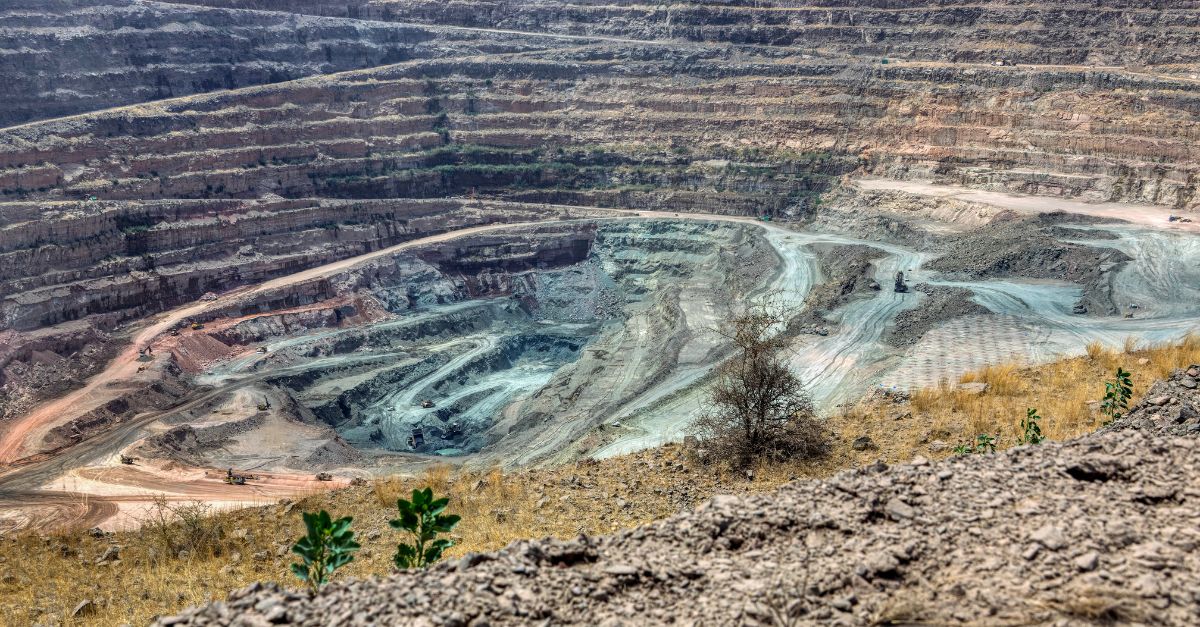
Lithium Americas projects an 85-year mine life at full production capacity. Phase 1 is scheduled to begin production in late 2027, ramping up to 160,000 metric tons of lithium carbonate annually by Phase 5 (in the 2040s).
This five-phase timeline spans nearly a century of continuous extraction and processing. An 85-year operational horizon raises a secondary question: what are the cumulative environmental impacts of eight-plus decades of open-pit mining in a fragile high-desert watershed?
Groundwater depletion, dust generation, and tailings management extend far beyond the scope of typical mining projects. The long timeline also exposes the project to changing regulations, climate shifts, and fluctuations in lithium demand.
It transforms Thacker Pass from a discrete capital project into a multi-generational infrastructure commitment with incalculable long-term consequences.
Environmental Advocacy Resistance

Environmental organizations, including the Great Basin Resource Watch and the Nevada Wildlife Federation, as well as national groups like the Sierra Club, oppose Thacker Pass. Core arguments: Open-pit mining in the Great Basin poses a threat to fragile sagebrush ecosystems, which are already stressed by climate change and urbanization.
The region is home to sensitive species, including the greater sage grouse, pronghorn antelope, and endemic plants. Groundwater concerns dominate: the mine requires significant dewatering.
McDermitt lies in an internally drained basin with limited water recharge; extraction could lower regional aquifer levels, threatening ranching, rural communities, and wildlife habitat.
Dust and air quality impacts from 85 years of mining operations present chronic health risks. Environmental groups argue that even a $1.5 trillion deposit cannot justify permanent damage to irreplaceable ecosystems. Several lawsuits remain active in federal court.
Bureau of Land Management’s Contested Approval

The Bureau of Land Management issued its Record of Decision approving the Thacker Pass mine on January 15, 2021, under the Trump administration.
The approval came after an accelerated environmental review and minimal public comment period, per Trump-era streamlining. The BLM determined that the environmental mitigation measures satisfied the requirements of the National Environmental Policy Act.
Plaintiffs argue that the NEPA review was inadequate and failed to assess the cumulative regional impacts or the effects of climate change. A federal judge upheld the BLM approval in May 2024, denying a preliminary injunction and allowing construction to proceed.
However, tribes appealed on grounds of insufficient consultation under the National Historic Preservation Act. The legal status remains contested, with discovery and briefing ongoing through 2025.
Construction Timeline and Market Realities
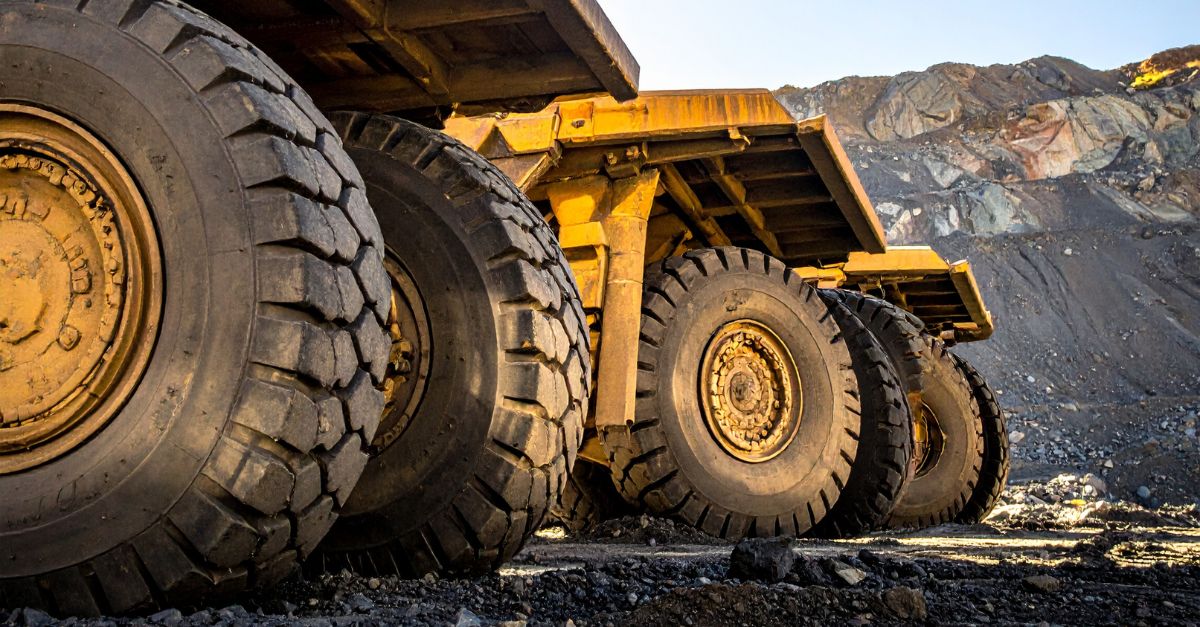
Lithium Americas began site preparation and early construction in 2024. Full capital investment for Phase 1 infrastructure (mining equipment, processing plant, water treatment, tailings management) totals approximately $2.8 billion.
DOE’s $2.26 billion loan covers roughly 80% of Phase 1 capital costs. Production is projected to commence in late 2027, with a ramp-up to full annual output of over 40,000 metric tons by 2030.
However, delays are endemic in mining: permitting disputes, environmental compliance issues, supply-chain problems, or labor shortages commonly push timelines. Lithium Americas has acknowledged that ongoing litigation could delay the execution of its project.
Simultaneously, global lithium supply dynamics are shifting: new deposits in Argentina and Australia, as well as direct-lithium-extraction technologies in oil and gas fields, are expanding supply.
If alternative sources mature more quickly than Thacker Pass, demand forecasts underlying the project’s economics could become less robust.
Geopolitical and Market Uncertainty

China’s dominance in lithium processing remains unshaken despite U.S. efforts to diversify supply. China processes approximately 60% of the global lithium carbonate and controls critical downstream battery component manufacturing.
Even if Thacker Pass delivers 160,000 metric tons annually, China will likely retain processing leverage. Global lithium demand projections vary wildly: some forecasters predict severe deficits by 2030; others see oversupply if new projects (Argentina, Australia, direct-lithium-extraction) accelerate.
Lithium carbonate prices ranged from $37,000/ton (2022) to $15,000/ton (2024), reflecting demand uncertainty and new supply entries. If prices decline further, the $1.5 trillion valuation could compress substantially, altering project economics.
Additionally, breakthroughs in battery technology may reduce the lithium intensity per kWh, thereby dampening the long-term demand growth assumptions underlying Thacker Pass projections.
The Unresolved Collision

Thacker Pass represents a collision between America’s clean energy ambitions and the rights of communities already bearing the burdens of extraction.
The deposit is real: 20–40 million metric tons, worth approximately $1.5 trillion, scientifically confirmed, and geographically unique.
But its extraction is contested on multiple fronts—tribal sovereignty, environmental preservation, water security, and cumulative regional impacts. Federal courts have upheld the BLM permit, yet litigation continues.
Construction has begun, yet legal and political risks remain material. The fundamental tension cannot be engineered away: a lithium mine requires mining. Open-pit extraction at Thacker Pass will alter landscapes, consume water, and generate dust and tailings for 85 years.
The question facing policymakers and the public is not whether Thacker Pass can be mined, but whether its extraction represents acceptable trade-offs for energy independence and climate goals—or whether alternative lithium sources, processing innovations, or battery technologies offer pathways that distribute costs and benefits more equitably.
Sources:
Bureau of Land Management, 2021
U.S. District Court of Nevada, 2024
tribal and environmental advocacy statements, 2023–2025
Lithium Americas investor presentations, 2024–2025
Great Basin Resource Watch website, 2023–2025
Investing News, October 2025