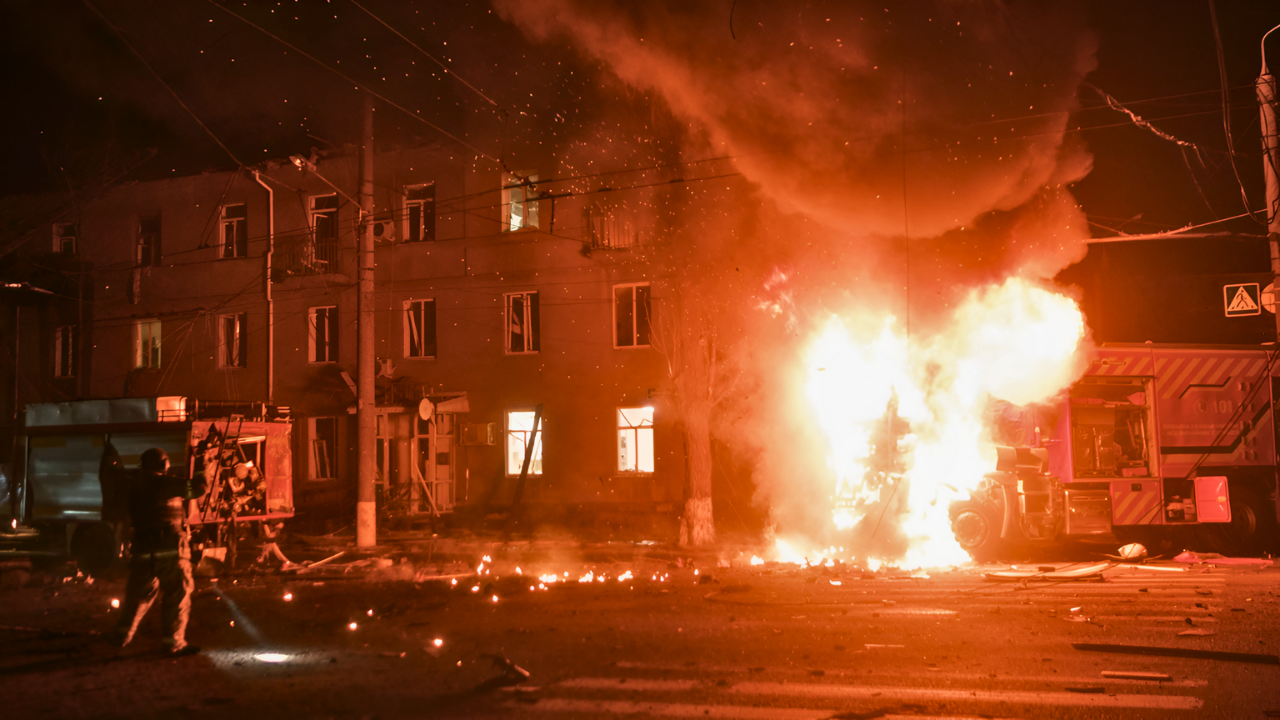
On November 27, 2025, Ukrainian strike drones reached Chechnya with confirmed strikes on Russian military installations. The attack marked a dramatic escalation in the geographic scope of the war, extending roughly 1,300 kilometers from Ukrainian-controlled territory to Grozny.
This distance represents one of the deepest Ukrainian drone penetrations ever recorded. The strike confirmed that no Russian region—including politically sensitive Chechnya—now lies beyond Ukraine’s long-range reach.
The Target Inside Grozny
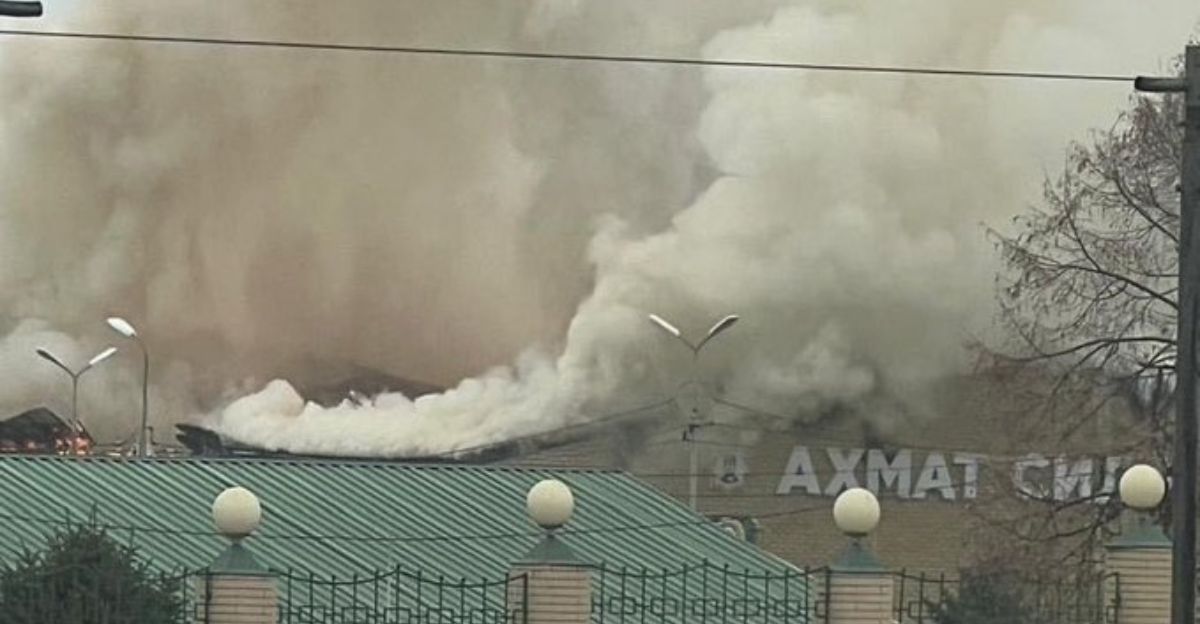
The confirmed strike hit a building on the 78th Special Purpose Motorized Regiment “Sever-Akhmat” base in Grozny’s Baysangurovskiy district. The impact damaged the structure and triggered a fire, with roof collapse reported at the site.
The Sever-Akhmat unit is part of Ramzan Kadyrov’s elite security forces and plays both a combat and internal policing role. Neither the Grozny mayor nor Ukrainian military command issued official public confirmation following the incident.
Pre-Attack Warnings and Communications Disruptions

Chechen authorities issued public warnings of drone threats hours before the strike and announced the possibility of mobile internet disruptions. These alerts suggest Russian security services anticipated incoming aerial activity but failed to prevent penetration.
Communications interruptions followed as part of emergency countermeasures. The warnings, combined with subsequent impact, revealed growing strain on internal air-defense preparedness even within regions long considered secure rear zones.
The 118-Drone Overnight Swarm
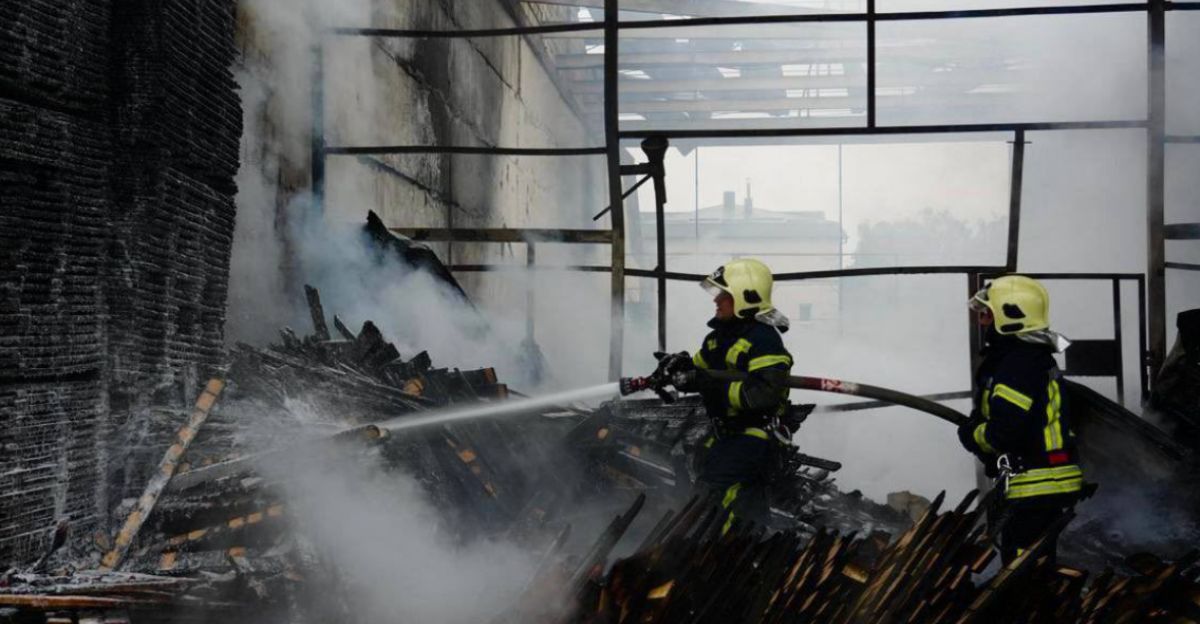
Russia’s Ministry of Defense reported that 118 Ukrainian unmanned aerial vehicles were launched in an overnight attack on November 27. This represents one of the largest single-night drone swarms claimed during the war.
While Russian officials stated most drones were intercepted, multiple confirmed strikes occurred during the same operational window. The scale of the swarm reflects Ukraine’s rapidly expanding industrial-level drone production and long-range deployment capacity.
Two Separate Drone Waves in One Day
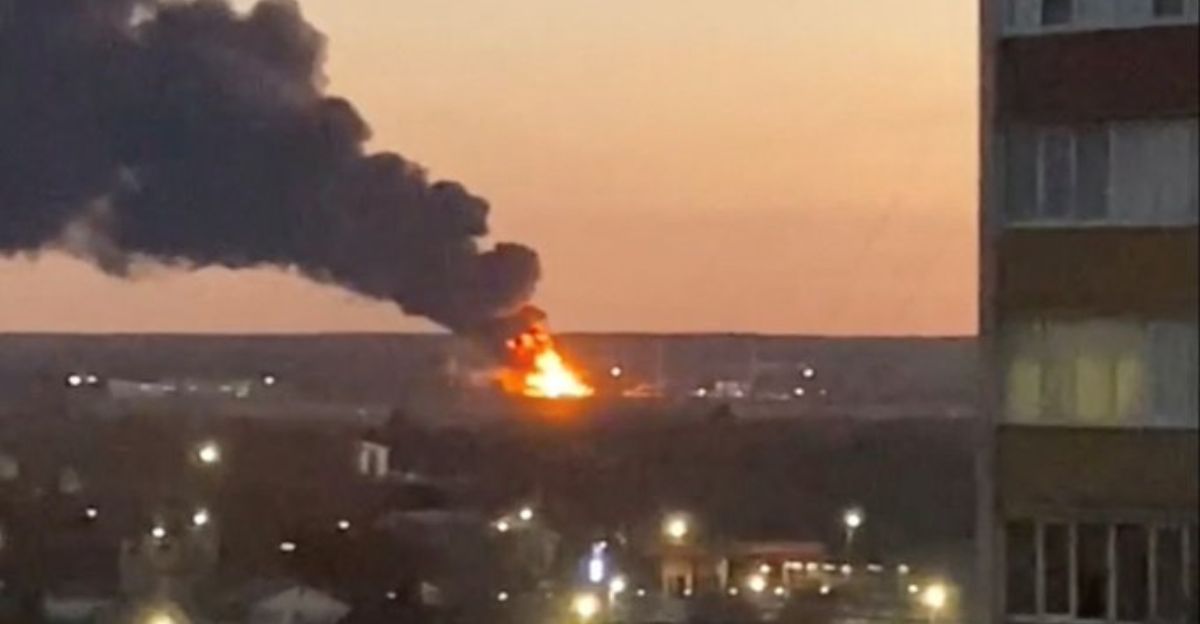
Russian authorities acknowledged two distinct Ukrainian drone attacks within the same 24-hour period—one at night involving the 118-drone swarm and another later during the day. This sequencing indicates sustained operational pressure rather than a single isolated incident.
By staggering attack windows, Ukrainian planners likely sought to exhaust defensive systems, force continuous radar and interceptor deployment, and create broader exposure gaps across multiple Russian regions.
Simultaneous Strike on Oil Infrastructure
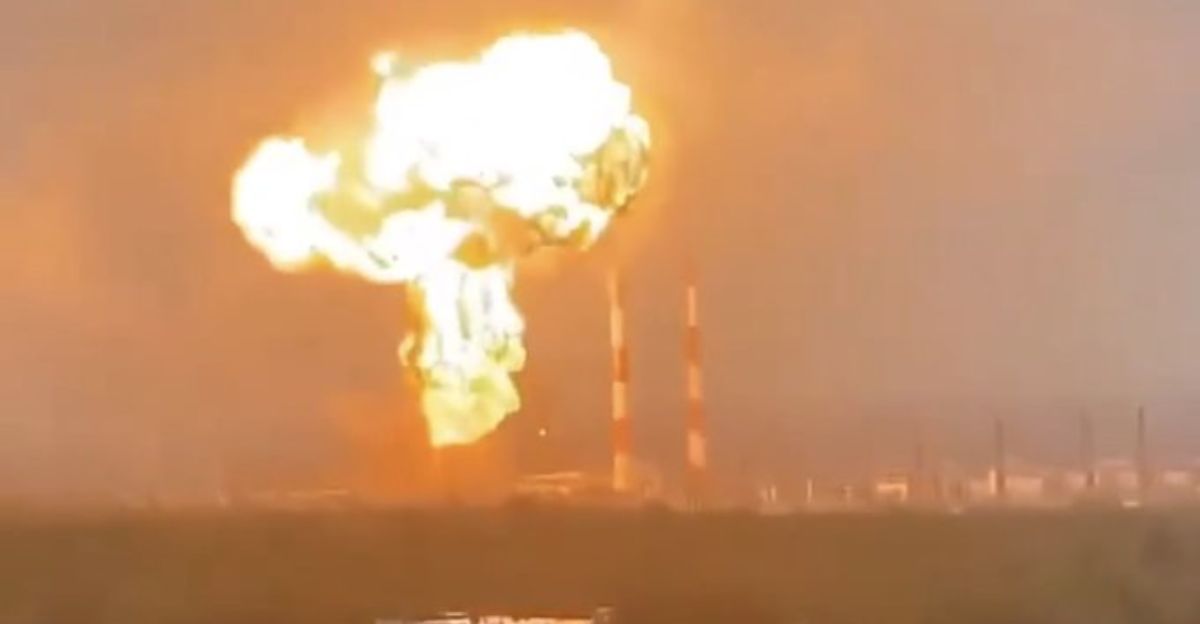
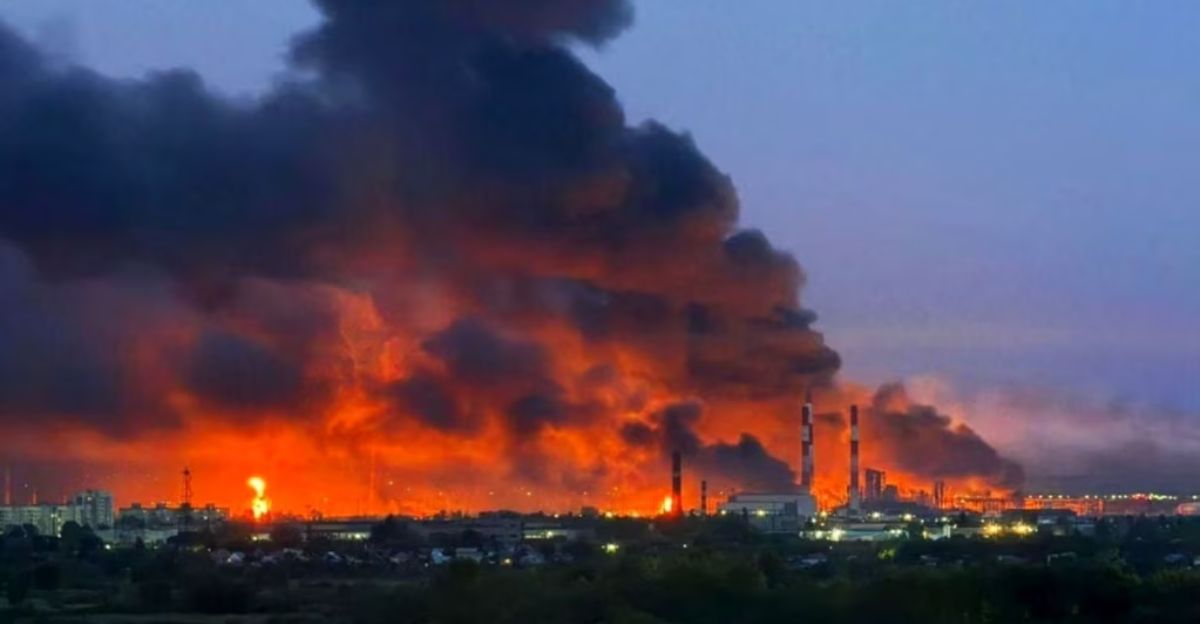
On the same night as the Chechnya strike, explosions struck the Novokuybyshevsk oil refinery in Russia’s Samara region. At least three flashes were observed directly over the facility.
The refinery has a primary distillation capacity of approximately 8.0–8.8 million tons per year (equivalent to roughly 58,500–64,350 barrels per day), representing significant annual throughput. The attack demonstrated Ukraine’s dual-track strategy of hitting both military personnel and high-value energy infrastructure in parallel operations.
Why Chechnya Is Strategically Sensitive
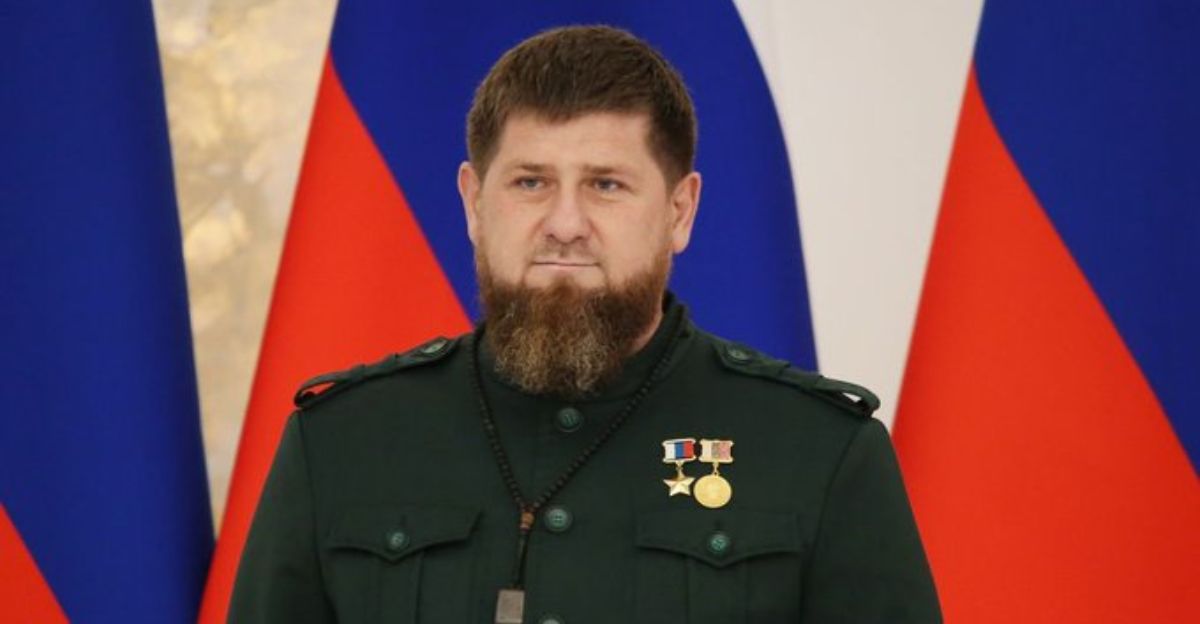
Chechnya holds exceptional political and military significance for the Kremlin. Under Ramzan Kadyrov, the republic has supplied thousands of fighters—particularly through Akhmat units—to Russia’s war in Ukraine.
These forces serve both combat and propaganda functions. A successful drone strike inside Grozny directly challenges the long-standing perception that Chechnya is an unassailable internal fortress loyal to Moscow and immune from external attack.
Previous Ukrainian Strikes on Chechen Soil
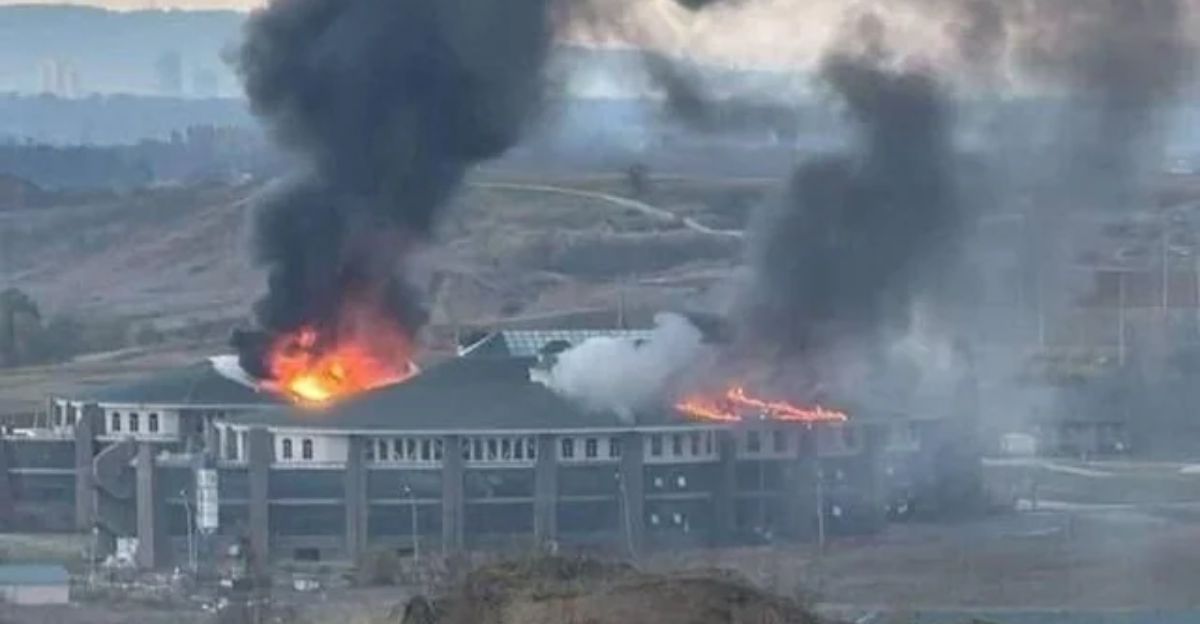
Ukraine has conducted multiple confirmed drone strikes on Chechnya. The first occurred in October 2024, targeting the Special Forces University in Gudermes. A second strike hit the 2nd police regiment building in Grozny in December 2024.
A third attack that month struck the barracks of the Akhmat Kadyrov special police regiment. The November 27, 2025 attack on the Sever-Akhmat base represents a continued and intensifying campaign against Chechen military infrastructure.
Opposition Photos and Information Blackout
The Chechen opposition movement NIYSO reported possessing photographs of the burning military compound but stated it withheld publication for security reasons. This created an unusual information vacuum around the strike.
At the same time, neither Ukrainian command nor Chechen municipal authorities issued official damage assessments. The silence reflects the political sensitivity of the incident and complicates independent evaluation of the full extent of destruction.
Civilian Exposure in Grozny

The Grozny metropolitan area is home to approximately 1.5 million residents. The issuance of drone warnings and communications disruptions placed a large civilian population on alert for the first time during the war.
Even limited strikes in such a densely populated political center carry disproportionate psychological impact. For Chechnya’s residents, the war abruptly shifted from distant participation to direct physical vulnerability.
The Sever-Akhmat Regiment’s Role

The 78th Special Purpose Motorized Regiment “Sever-Akhmat” typically fields an estimated 500–1,500 personnel, consistent with Russian motorized rifle unit strength. The unit has been deployed extensively in Ukraine for both front-line operations and internal security functions in occupied territories.
Striking its home base undermines the perception that elite Chechen units operate from secure rear sanctuaries and introduces new risk to forces traditionally shielded from homeland attack.
Russia’s Air-Defense Strain Exposed
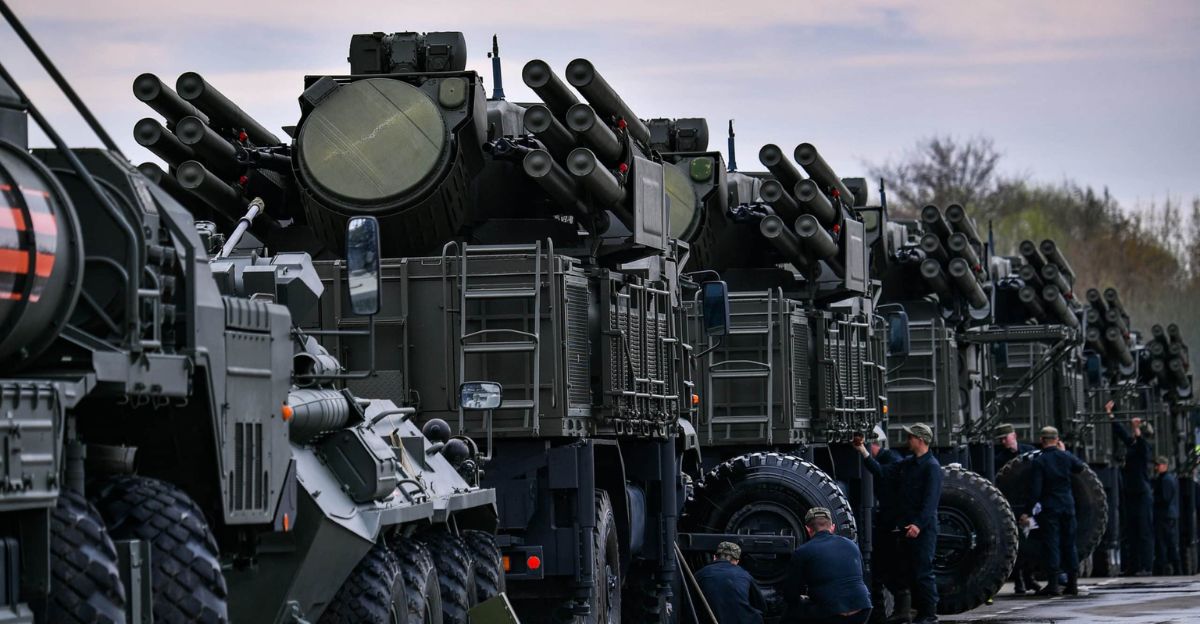
Although Russian officials claim most of the 118 drones were intercepted, confirmed impacts in both Chechnya and Samara reveal persistent defensive gaps. Defending vast territory against mass UAV swarms requires massive radar coverage, interceptor stockpiles, and constant readiness. Simultaneous multi-regional attacks significantly compound these challenges.
The November 27 operation highlighted how difficult it is for Russia to fully secure its interior against coordinated drone warfare.
Ukraine’s Expanding Deep-Strike Doctrine
The Chechnya and Samara strikes align with Ukraine’s evolving doctrine of deep, infrastructure-focused attacks. Rather than limiting operations to battlefield targets, Kyiv increasingly targets logistics hubs, energy facilities, and high-value rear-area bases.
This approach imposes cumulative economic and military strain while forcing Russia to divert resources from frontline combat to internal defense and repair operations across its extensive territory.
Political Shock Inside a Loyalist Stronghold
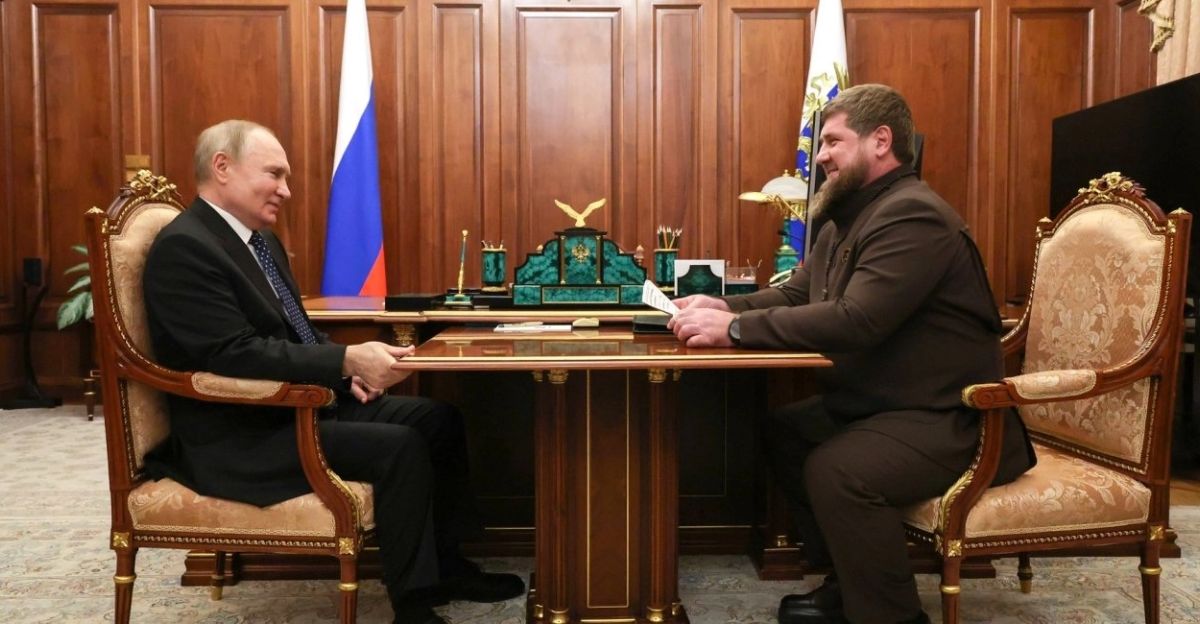
Chechnya has long been presented as one of Vladimir Putin’s most reliable internal power bases. A successful Ukrainian strike on Kadyrov’s security forces on their home ground carries symbolic weight far beyond the physical damage.
It punctures the narrative of total internal control and exposes even Russia’s most tightly governed regions to modern long-range warfare. The strike reverberates politically as much as it does militarily.
A Redefined Battlefield
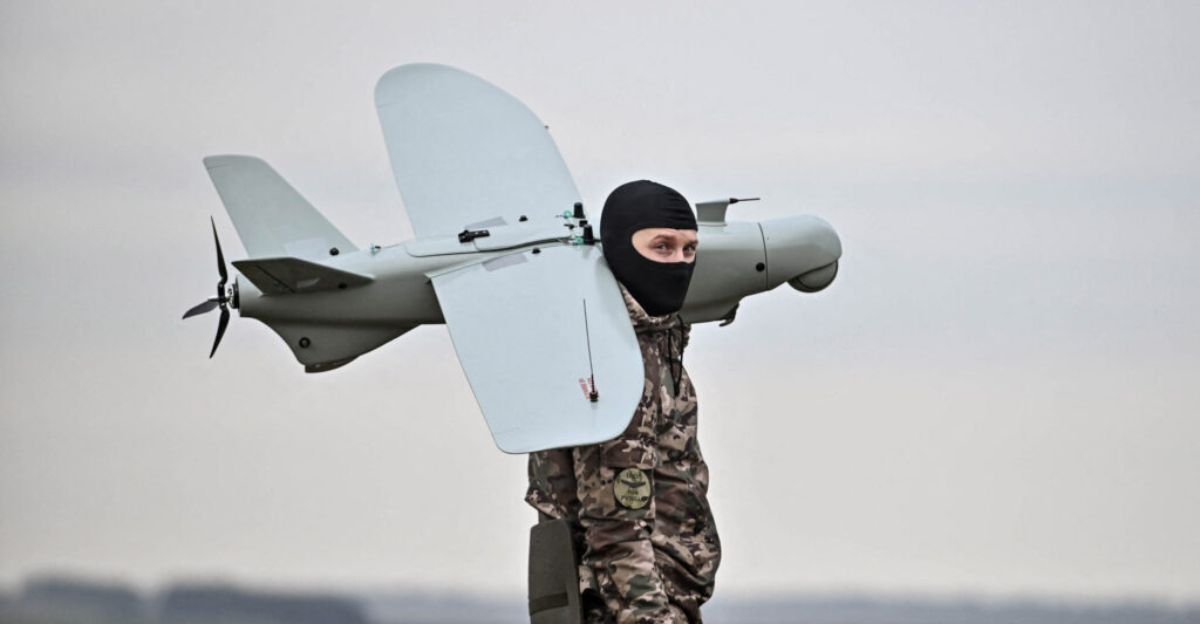
The November 27 operation permanently altered perceptions of the war’s geography. From frontline trenches to oil refineries and National Guard bases 1,300 kilometers inside Russia, the battlefield is no longer confined to border zones.
The Chechnya strike confirmed that internal depth no longer guarantees security. As drone technology continues to advance, Russia’s rear areas are now an active and permanent part of the conflict’s operational map.