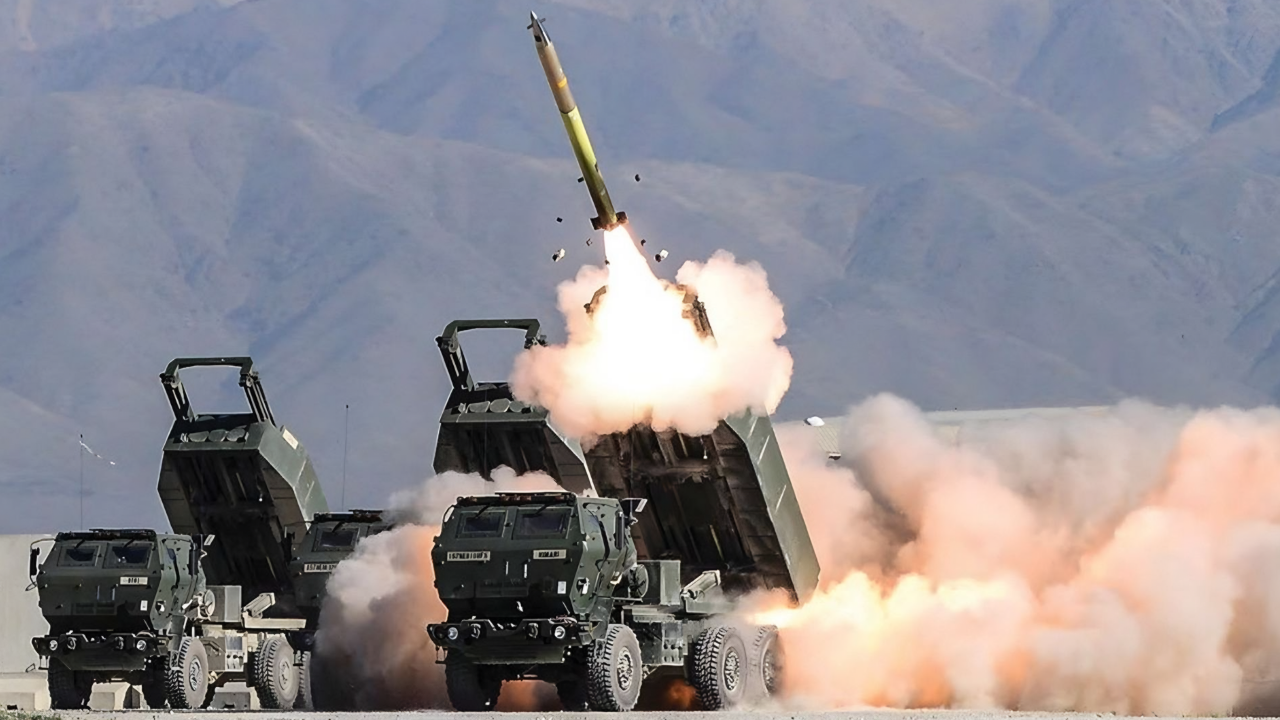
On November 18, 2025, Ukraine confirmed firing U.S.-supplied ATACMS ballistic missiles at targets inside Russia—a development Kyiv characterized as a watershed moment in the conflict. The strike represents a fundamental change in operational scope: Ukrainian forces are no longer confining long-range strikes to their own territory but are now employing deep-strike capabilities against Russian rear-area infrastructure. This escalation reflects both enhanced Ukrainian military capability and a significant policy reversal by Washington.
From Constraint to Authorization
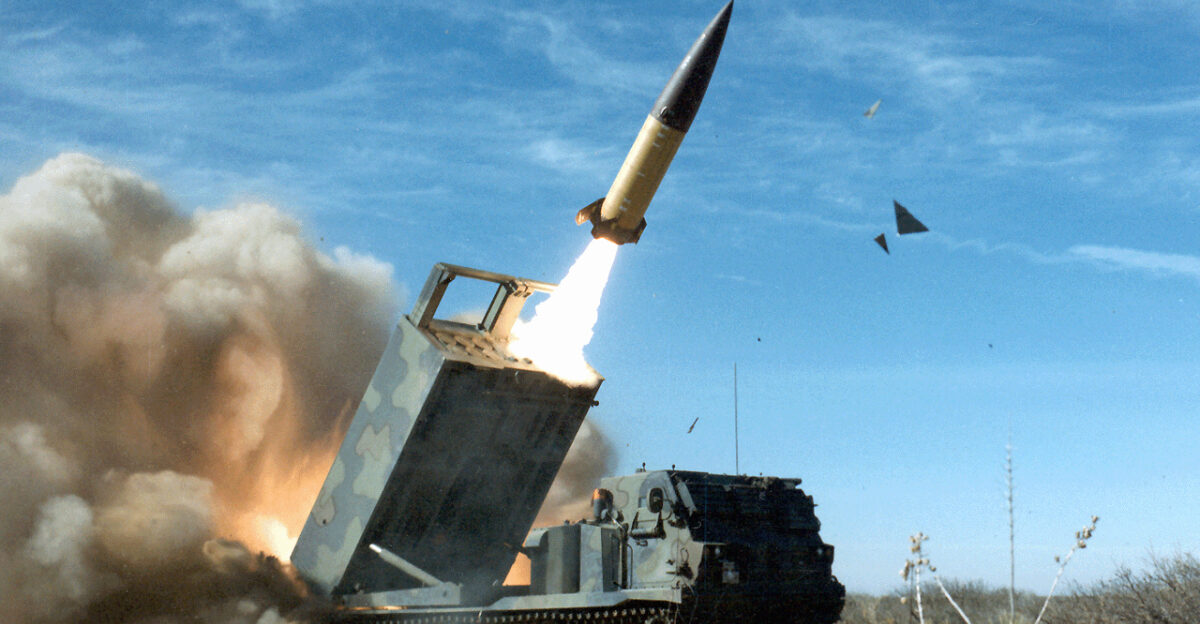
For months, the deployment of ATACMS had been restricted by internal Pentagon procedures. Despite earlier Western approvals to supply long-range weapons systems, procedural controls effectively prevented Ukrainian strikes into Russian territory. The Pentagon maintained a review mechanism that blocked Ukrainian operational plans involving deep-strike missiles. This constraint persisted even as the conflict intensified and Ukrainian military planners sought to target Russian logistics hubs, training grounds, and airfields beyond the immediate frontline. In late 2024, U.S. policy shifted, enabling Ukraine to contemplate strikes beyond its borders. The November 2025 operation confirms this policy change has translated into concrete military action.
The Strike: Four Missiles, One Target Zone
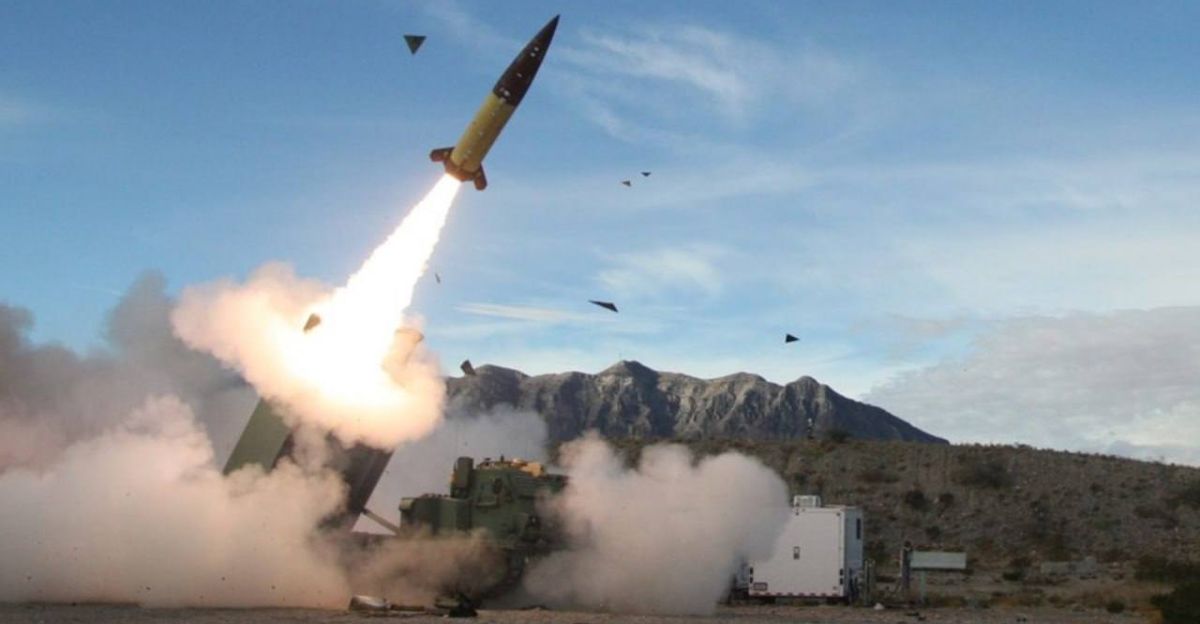
Ukrainian forces launched four ATACMS missiles at 14:31 Moscow time on November 18, targeting Russia’s Voronezh region. According to Ukrainian reporting, the intended targets included the Pogonovo training ground and a military facility near Voronezh—rear-area infrastructure rather than civilian zones. Kyiv described the operation as a “precision response” to recent Russian drone and missile attacks on Ukrainian territory.
Russian authorities immediately claimed the missiles were intercepted by S-400 Triumf and Pantsir air defense systems. However, Ukrainian and open-source observers countered with photographic evidence of missile debris in the Voronezh region, suggesting that Russian interception claims may overstate their air defense success. Independent confirmation of damage at intended targets remains limited, leaving the strike’s actual impact unclear amid competing narratives.
Weapon Specifications and Strategic Reach
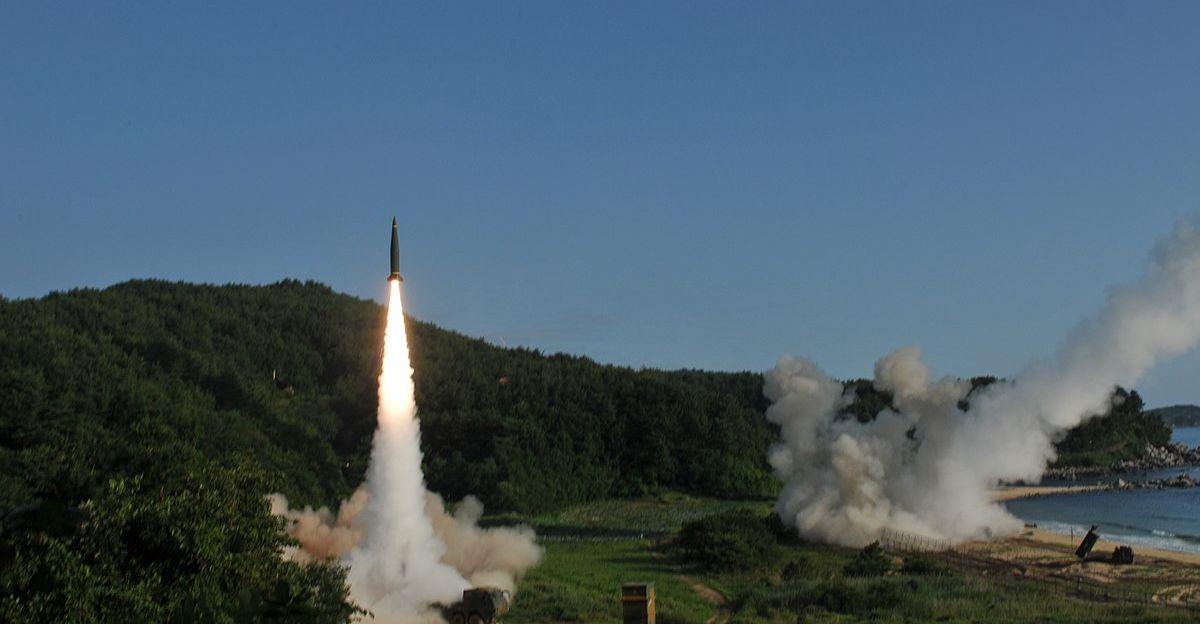
ATACMS is a U.S.-manufactured surface-to-surface ballistic missile with a maximum range of approximately 300 kilometers. This range grants Ukraine the ability to strike rear-area Russian military sites from frontline or border positions, transforming the operational geography of the conflict. Previously, locations considered safe—training grounds, airfields, logistics hubs—now lie within reach. This capability forces Russia to reconsider force deployment and air defense distribution across its rear areas.
Even sophisticated air defense systems like Russia’s S-400 struggle to guarantee protection against ballistic missiles, particularly when attackers employ saturation tactics or achieve surprise. The November strike demonstrates this vulnerability, though Russia’s actual interception success remains disputed.
Scarcity and Strategic Selectivity
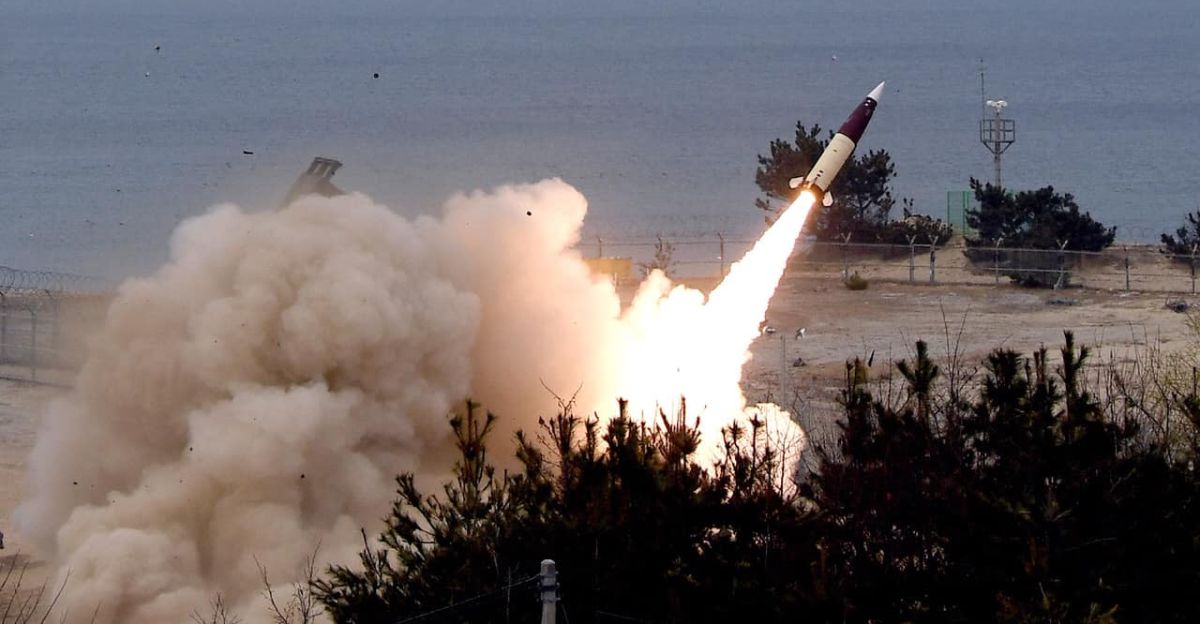
ATACMS remains a scarce resource in Ukraine’s arsenal. Kyiv received U.S. missiles in 2023, but their use was tightly constrained for many months. This scarcity means strikes will likely be selective—focused on high-value targets rather than mass saturation campaigns. Each launch represents a strategic decision rather than a tactical response, making the November operation particularly significant as a demonstration of intent and capability.
Implications and Escalation Risk
The strike signals multiple messages: to Russia, that rear-area security can no longer be assumed; to Ukraine’s allies, that Western-supplied weapons can shift from defensive to offensive use; and to adversaries, that the conflict’s geographic scope has expanded. However, strikes on Russian soil carry escalation risks. Russian response could include intensified missile or drone attacks, deeper counter-strikes, or attempts to disrupt Western supply chains. The precedent set by ATACMS use may redefine what counts as escalation in the broader conflict.
The November 2025 operation marks a turning point: the frontline is no longer confined to eastern Ukraine. Rear areas are now part of the operational theater. Ukraine’s demonstrated ability to impose costs deep inside Russia recalibrates the military balance beyond the immediate battlefield. The conflict has entered a new phase where distance offers no shelter, though the long-term trajectory—whether ATACMS becomes routine or remains a rare strategic tool—remains uncertain.
Sources:
The War Zone, “Ukraine’s Claimed ATACMS Strike In Russia Signals Major Shift In U.S. Policy,” November 17, 2025
Wall Street Journal, “Ukraine Strikes Russia With ATACMS After Trump Lifted Long-Range Missile Ban,” November 19, 2025
Modern Diplomacy, “Russia Says Ukraine Fired U.S.-Made ATACMS at Voronezh,” November 18, 2025
Chosun Ilbo English, “Ukraine Strikes Russia with ATACMS Under Trump,” November 19, 2025
Wall Street Journal, “Pentagon Has Quietly Blocked Ukraine’s Long-Range Missile Strikes on Russia,” August 23, 2025
United24Media, “Ukrainian ATACMS Strike Reportedly Targeted Russia’s Baltimor Airbase in Voronezh,” November 18, 2025
Anadolu Agency, “Pentagon has Blocked Ukraine from Using US-made Long-Range Missiles Against Russia,” August 23, 2025