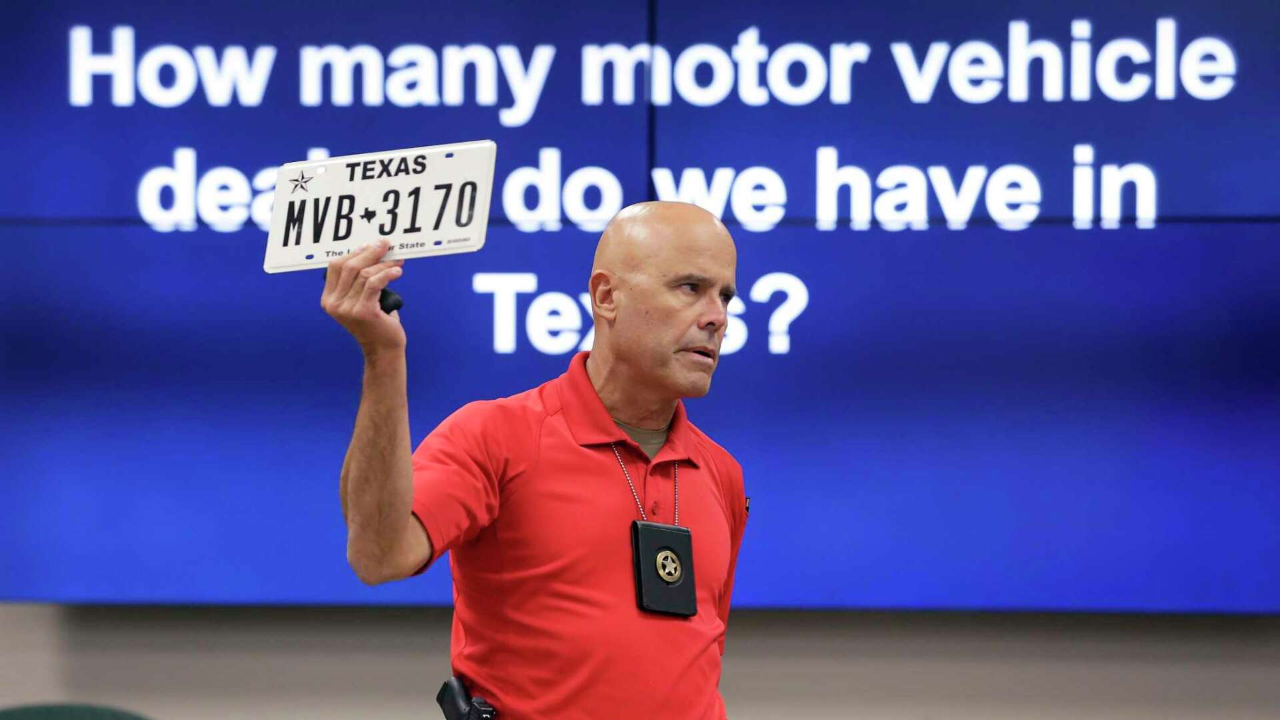
On November 18, 2025, Texas changed the rules for registering vehicles with zero warning. The Texas Department of Motor Vehicles now requires proof of lawful presence in the United States to register or renew a vehicle, including cars, trucks, or motorcycles.
The policy took effect immediately, with no transition period and no advance notice to dealerships, county tax offices, or the public. For hundreds of thousands of Texans, Monday morning presented an unexpected barrier to legal vehicle ownership.
What The New Rule Actually Requires

Under the updated policy, anyone registering or renewing a vehicle must provide proof of U.S. citizenship or documented immigration status. Acceptable documents include a U.S. passport, birth certificate, permanent resident card, or a valid visa accompanied by an I-94 form.
Foreign passports previously accepted at some county tax offices no longer qualify. The Texas DMV framed the change as closing a “loophole” that allowed people without legal status to register vehicles.
How Many Texans Are Affected?
Texas is home to approximately 1.6 to 1.9 million undocumented immigrants, according to the Texas Tribune and Pew Research Center estimates. That’s roughly one in 20 Texans. Not all undocumented households own vehicles, but transportation experts estimate that 60 to 70 percent rely on a personal car for work, school runs, and daily errands.
If even half own vehicles, that puts 300,000 to 950,000 cars at risk of becoming unregistered and uninsured on Texas roads. The state had more than 19 million registered drivers before the rule change.
Dealerships Were Caught Off Guard

Car dealerships across Texas report receiving no advance notice. “We found out the same day customers did,” one San Antonio dealership manager told Fox 4 News. Some dealers had already completed sales to buyers using foreign passports, only to have county tax offices reject the registration paperwork days later.
In border communities, where many legal residents hold dual citizenship and use foreign IDs for convenience, the confusion has been particularly acute.
County Tax Offices Struggle With Implementation

County tax assessor-collector offices, which handle vehicle registrations, were given little guidance on how to implement the policy, according to the Texas Tribune. Some counties initially interpreted the rule differently, accepting certain foreign documents while others rejected them outright.
By late November, the Texas DMV issued clarifications, but inconsistencies remain. In heavily immigrant counties like Harris, Dallas, and Bexar, tax offices report long lines and frustrated residents turned away after waiting hours.
The Safety Paradox: More Uninsured Drivers?

Texas already requires auto insurance for all drivers, but the law is only enforceable if vehicles are registered. When an unregistered, uninsured driver causes a collision, insured drivers often bear the financial burden through higher premiums or out-of-pocket costs.
Safety advocates warn that restricting registration without addressing underlying transportation needs could paradoxically increase the number of uninsured motorists on Texas roads.
Families Face Impossible Choices
For many undocumented families, driving isn’t optional—it’s survival. Texas is the second-largest state by area, with limited public transportation outside major cities. A construction worker in Houston told the Texas Tribune he drives 40 miles each way to job sites; without a car, he can’t work.
A mother in Dallas said she drives her children to school and her elderly parents to medical appointments. These families now face a choice: continue driving illegally and risk fines, impoundment, or deportation, or give up vehicles and lose access to employment, healthcare, and education.
What Happens To Cars Already Registered?
The rule applies to new registrations and renewals, not vehicles already registered with valid tags. But Texas registrations expire annually, meaning anyone with a car registered before November 18 will face the new requirements when their tags come up for renewal.
Over the next 12 months, hundreds of thousands of vehicles could transition from legal to illegal status simply because owners cannot renew their registrations.
Enforcement Challenges For Police
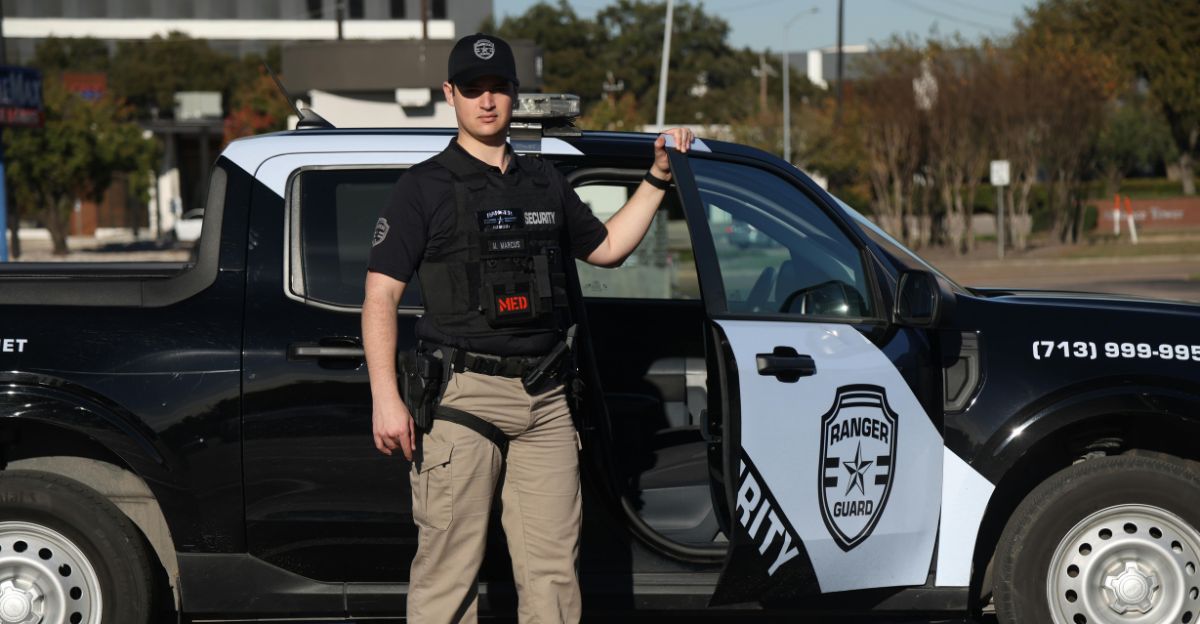
Law enforcement agencies say the policy complicates traffic stops. Officers can check whether a vehicle is registered through license plate databases, but they cannot verify a driver’s immigration status during routine stops unless they have reasonable suspicion of another crime.
Some police departments have instructed officers to treat unregistered vehicles as a civil traffic violation, issuing citations but not impounding cars on the spot.
Economic Ripple Effects Across Industries

The policy affects more than drivers. Auto dealerships, insurance companies, repair shops, and towing services all depend on a registered vehicle fleet. Dealerships report a sharp drop in sales to customers using foreign identification. Insurance agents say they’re fielding calls from panicked clients whose policies may lapse if registrations expire.
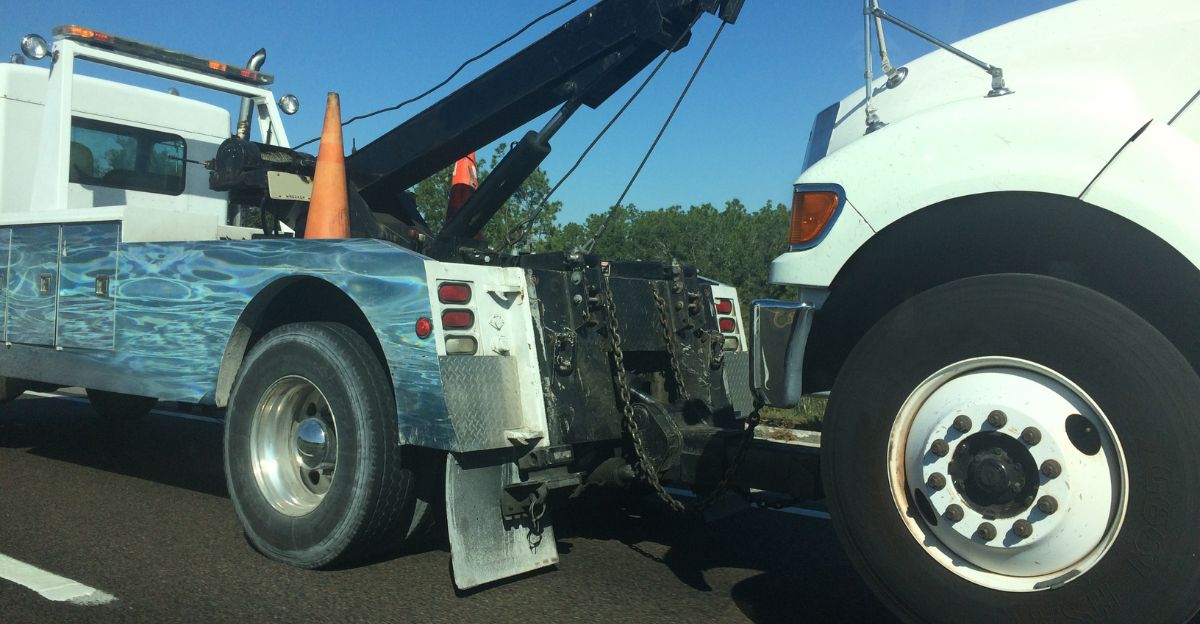
Towing companies anticipate a surge in impounded vehicles, which will strain already limited impound lot capacity. Small businesses that rely on delivery drivers or mobile workers face workforce disruptions.
Border Communities Hit Hardest

In cities like El Paso, McAllen, and Laredo, the policy creates unique challenges. Many legal U.S. residents hold Mexican or Central American passports and previously used them for vehicle transactions. Cross-border workers—legal residents who commute daily for work—now must carry U.S.-issued IDs to register vehicles, even though foreign passports are accepted for other state services.
Advocacy groups in border regions say the rule disproportionately burdens Latino communities, regardless of legal status.
No Federal Precedent For This Policy
Texas is the first state to explicitly tie vehicle registration to immigration status. Other states require identification for registration, but most accept a broad range of documents, including foreign passports and consular IDs. Some states, such as California and New York, explicitly permit undocumented immigrants to obtain driver’s licenses and register vehicles.
Texas already restricts driver’s licenses to those with lawful presence, but until November, vehicle registration requirements were less stringent.
Advocacy Groups Prepare Legal Challenges

Immigration advocacy organizations, including the American Civil Liberties Union of Texas and the Texas Civil Rights Project, are exploring legal options. Potential challenges include claims that the policy exceeds state authority over immigration enforcement, violates equal protection under the 14th Amendment, or conflicts with federal vehicle safety standards.
“This isn’t about public safety—it’s about making life impossible for immigrant families,” Erika Andiola, an immigrant rights advocate, told the Texas Tribune.
Public Reaction: Support And Opposition
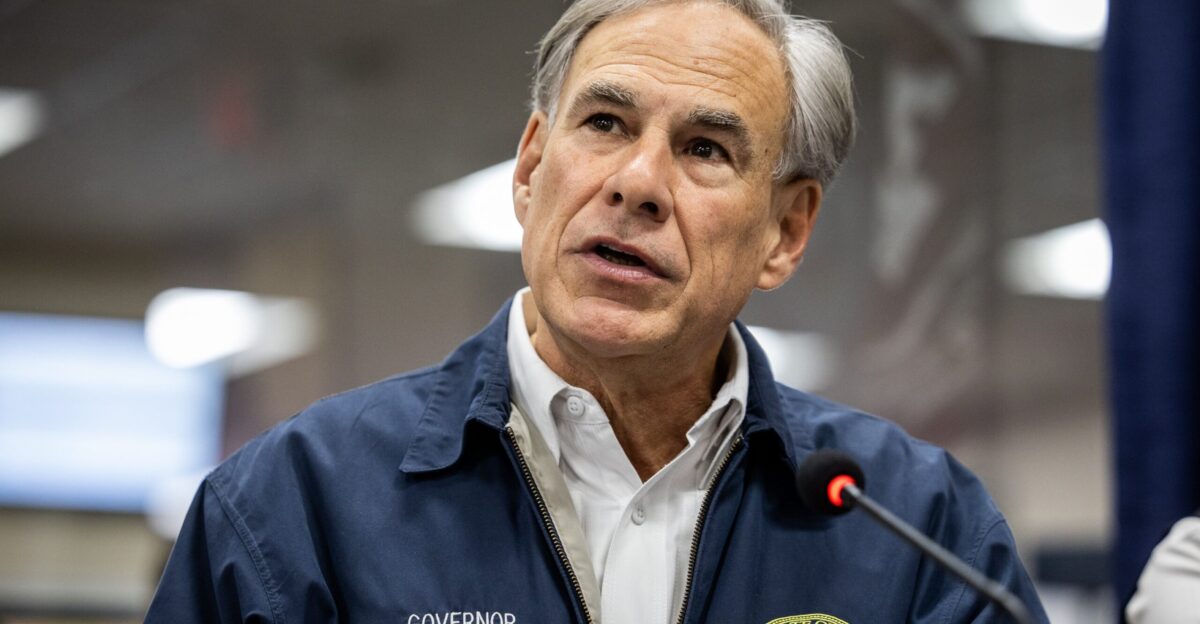
Supporters of the policy argue it promotes the rule of law and prevents undocumented immigrants from accessing services reserved for legal residents. Texas Governor Greg Abbott’s office defended the change, stating that vehicle registration is a privilege tied to lawful presence. “If you’re here illegally, you shouldn’t be able to register a car,” one Abbott spokesperson said.
Critics counter that the policy creates public safety risks, economic harm, and humanitarian suffering without addressing the issue of immigration reform.
What Other States Are Watching
Policy analysts say other Republican-led states may adopt similar rules if Texas’s approach withstands legal scrutiny. Florida, Georgia, and Arizona have all considered legislation linking vehicle registration to immigration status in recent years.
Conversely, Democratic-led states may move in the opposite direction, explicitly protecting access to vehicle services regardless of status. The Texas experiment could set a national precedent, either as a model for restrictive policies or as a cautionary tale of unintended consequences.
The Insurance Industry’s Dilemma

Auto insurers face a paradox: the policy may increase their exposure to uninsured motorist claims while reducing the pool of legally insurable drivers. Insurance companies cannot legally sell policies for unregistered vehicles in Texas, meaning hundreds of thousands of current policyholders may lose coverage when registrations lapse.
Industry groups have not taken a public stance on the policy, but internal analyses reportedly show increased costs for insured drivers.
No Path Forward For Affected Drivers
Unlike driver’s license restrictions—which at least offer alternatives like public transit or rideshare—vehicle registration restrictions leave no legal workaround. A car sitting in a driveway with expired tags is essentially worthless: it can’t be driven legally, can’t be sold without registration, and can’t be donated or transferred.
Impound fees, citations, and towing costs can quickly exceed a vehicle’s value, trapping families in debt. Advocacy groups argue that the policy penalizes economic participation without providing a clear pathway to compliance, even for those willing to adhere to the law.
What Happens Next

As renewals come due over the next year, Texas will see whether the policy achieves its stated goals or creates the crisis critics predict. Will hundreds of thousands of drivers stop driving, accept the legal risk and continue, or leave Texas altogether?
The answers will shape Texas roads, insurance markets, and immigrant communities for years. For now, hundreds of thousands of Texans face an uncertain future—one where yesterday’s legal commute is today’s criminal act.
The Human Cost Of Bureaucratic Shifts
Behind the statistics and policy debates are real people. A nurse’s aide who can no longer drive to her overnight hospital shift. A landscaper whose work truck sits idle because he can’t renew his registration. A teenager who watches her mother choose between breaking the law and losing the family’s only source of income.
The Texas DMV’s November 18 rule change took 30 seconds to implement and will likely take years to understand fully. What’s already clear is that the cost will be measured not just in unregistered vehicles, but in disrupted lives, fractured communities, and the unintended consequences of policies made without warning.
The Bigger Question Texas Isn’t Asking
Texas built a car-dependent society—sprawling cities, limited transit, jobs scattered across vast distances, and then restricted vehicle access for hundreds of thousands of residents. The policy assumes that blocking registration will deter undocumented immigration or encourage self-deportation.
The rule may achieve its narrow goal of reducing registrations, but it won’t address the broader forces that shape migration. It will, however, make Texas roads more dangerous and daily life harder for everyone who shares them