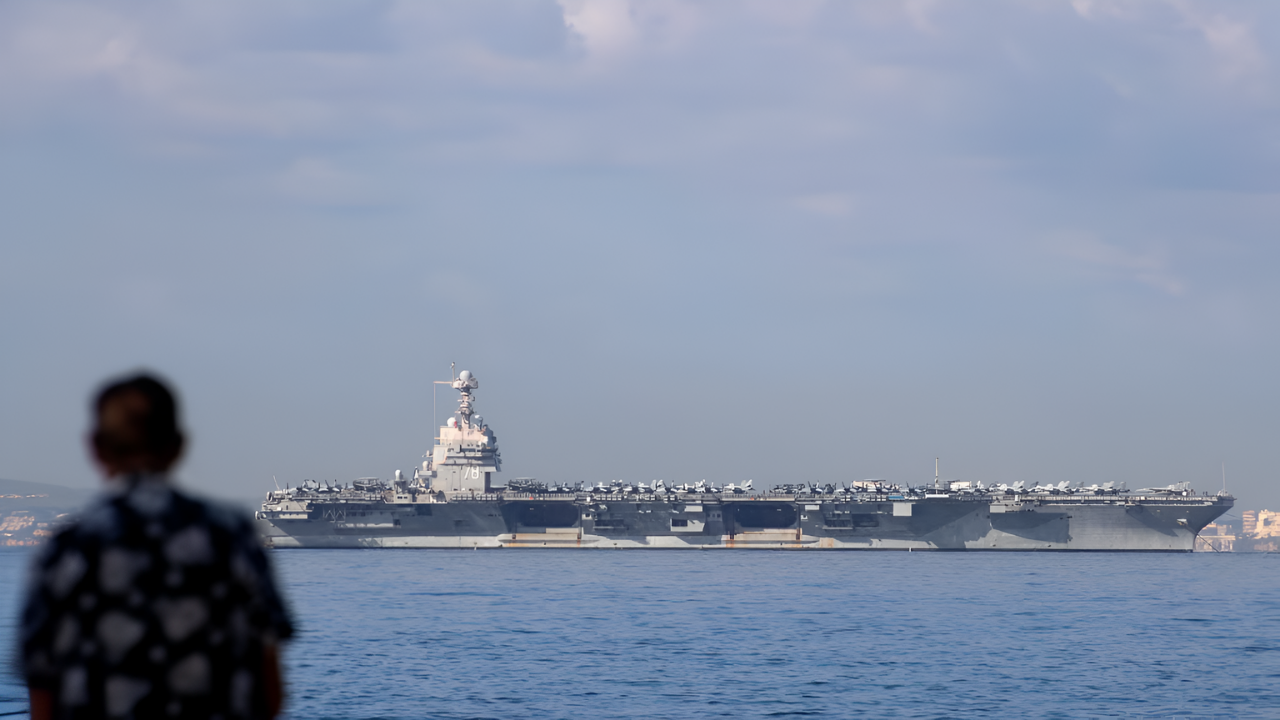
As of November 2025, the Caribbean Sea, historically known for routine drug interdiction efforts, has transformed into a significant theater of military concentration. The United States has positioned approximately 25% of its deployed naval warships in this region, on an unprecedented scale that far exceeds any peacetime naval presence in recent history.
This military buildup raises critical questions about its intent and implications for local and international stability. Observers speculate about the motivations behind the deployment, urging the administration to clarify its strategic objectives. This remarkable concentration signals a palpable shift in American military posture.
The Carrier Arrives
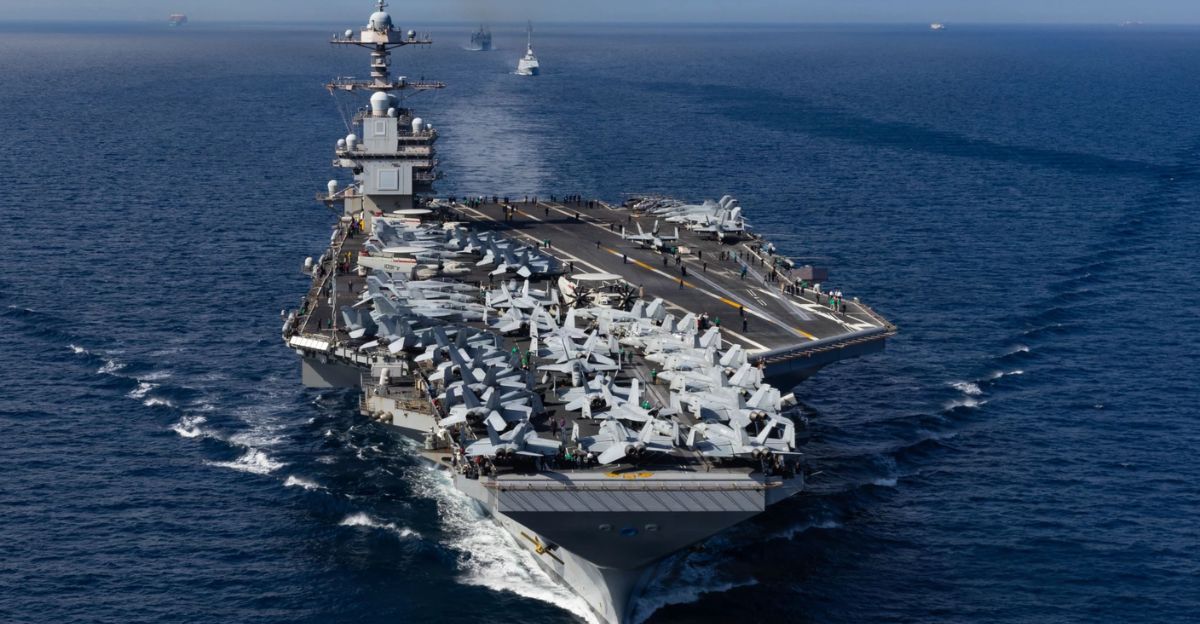
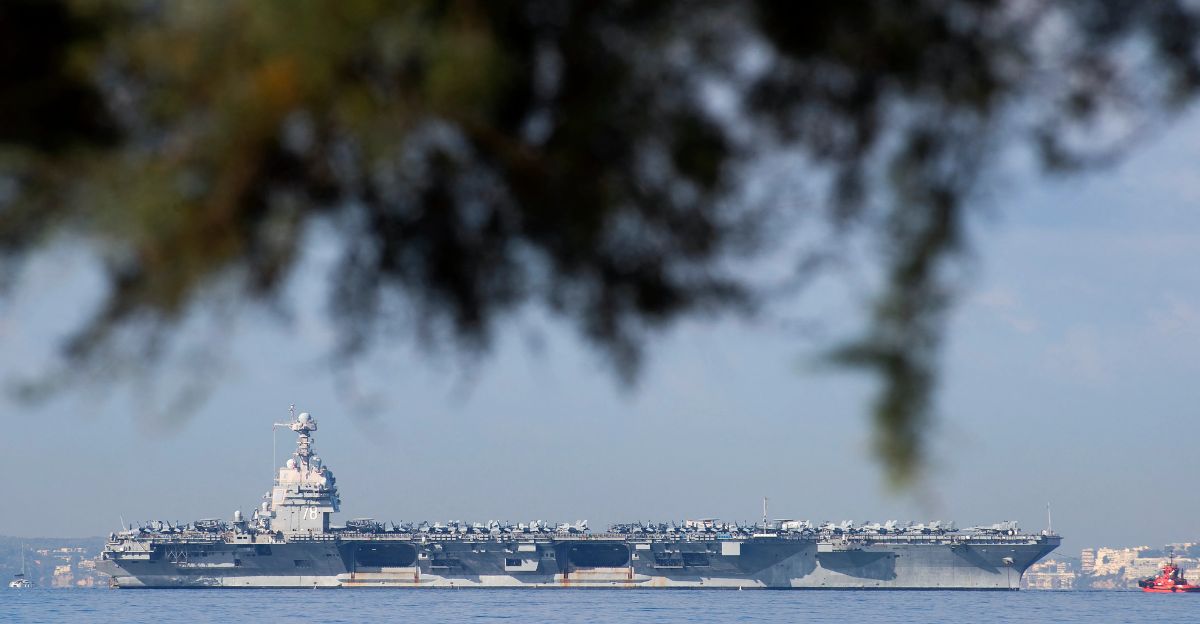
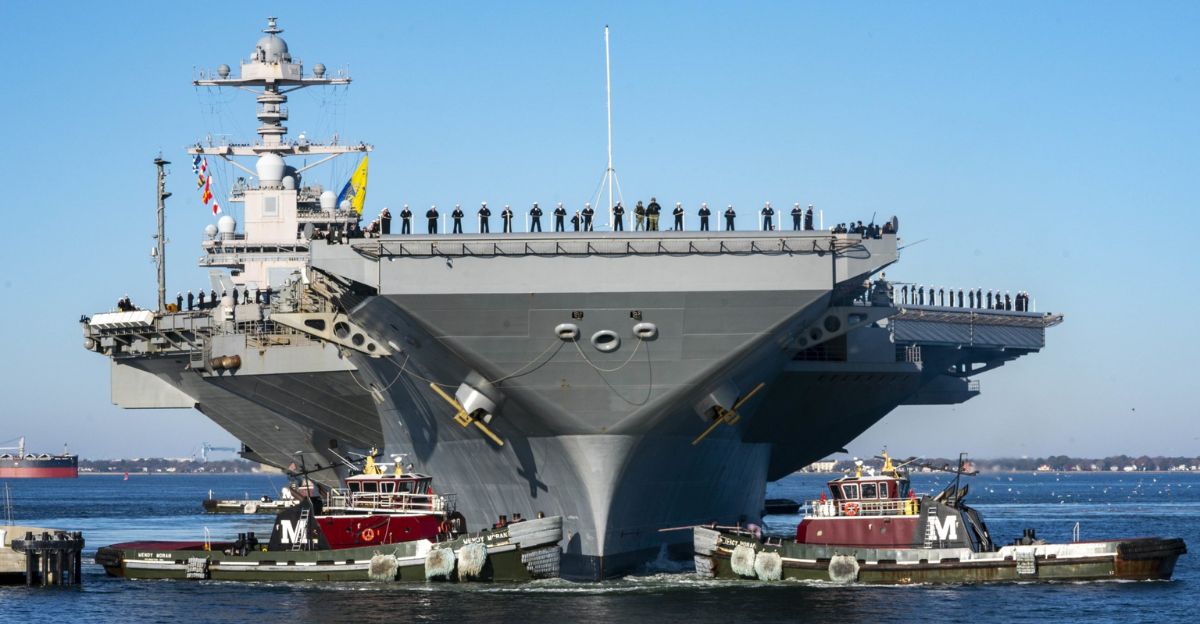
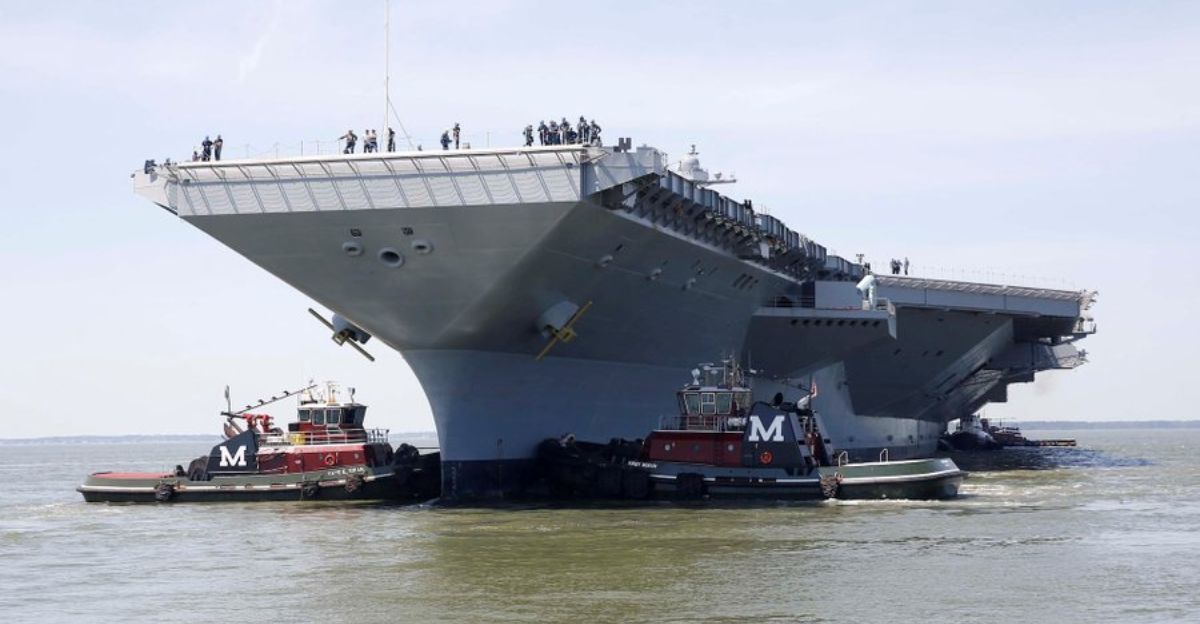
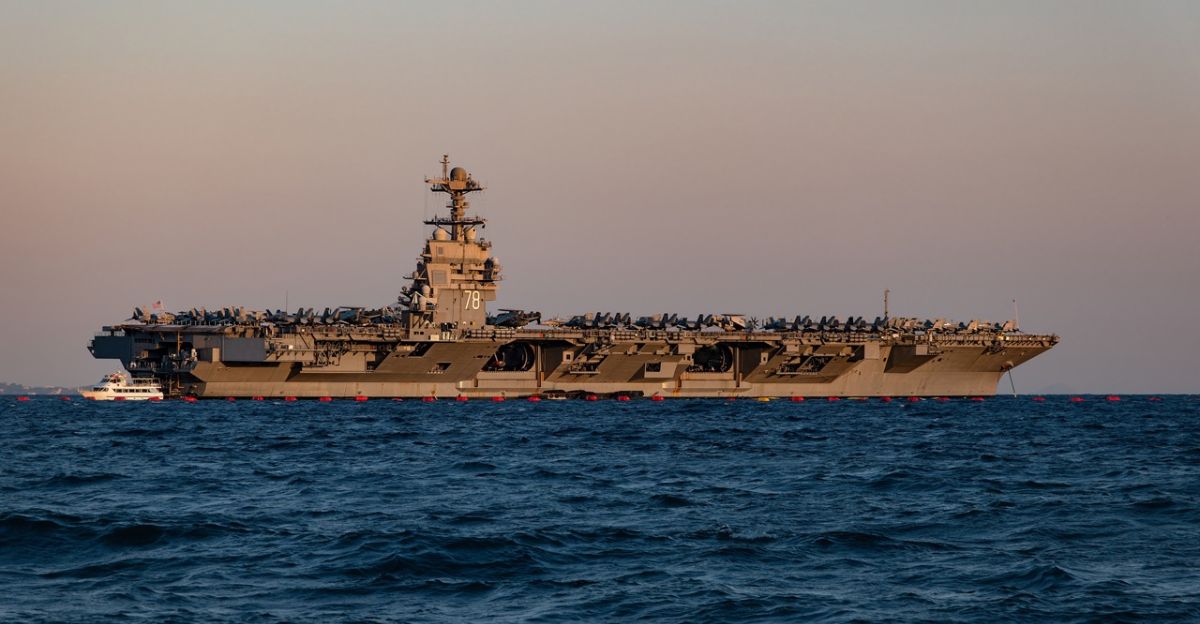
On November 16, 2025, the USS Gerald R. Ford, the U.S. Navy’s largest and most advanced aircraft carrier, entered Caribbean waters after a six-month deployment that included the Atlantic, Mediterranean, and Arctic regions. Transporting over 4,000 sailors and more than 75 warplanes, the 100,000-ton carrier’s presence marked a historic escalation in U.S. military capability in the area.
Equipped with F/A-18 Super Hornets capable of striking targets hundreds of miles away, the arrival of the Ford highlights the administration’s commitment to exerting influence amidst rising tensions with Venezuela.
A Six-Month Odyssey
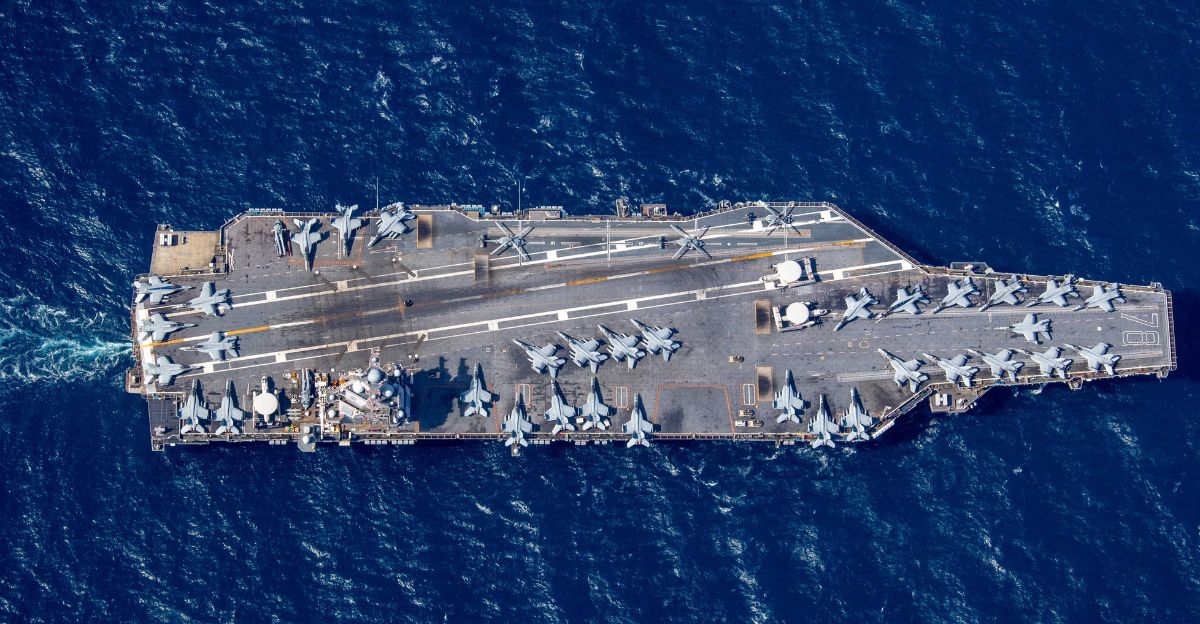
The USS Gerald R. Ford embarked from Norfolk on June 24, 2025, engaging in extensive military operations throughout the Atlantic and Mediterranean. During this time, it participated in NATO Neptune Strike exercises alongside allied forces, demonstrating the U.S. commitment to cooperative defense initiatives.
However, the routine power projection took a pivotal turn as Washington directed the carrier southward amid a constitutional crisis in Caracas, Venezuela. This strategic redirection underscores the U.S.’s adjustment to regional challenges while raising concerns about the potential for evolving conflict.
Pressure Mounts
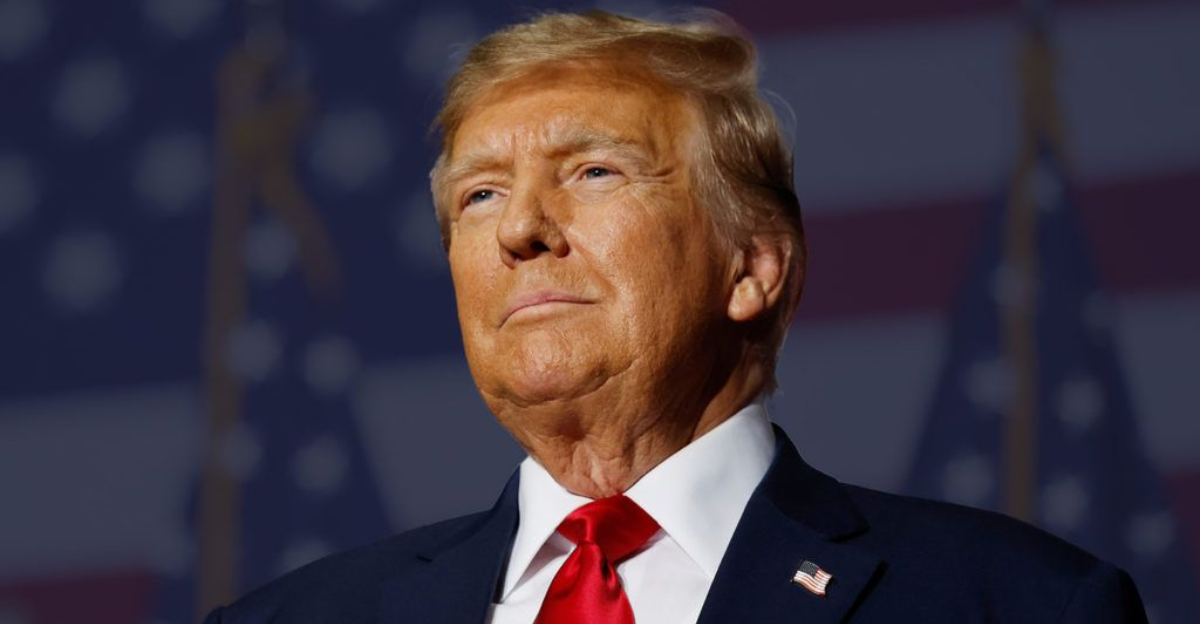
By August 2025, the landscape had intensified as President Trump authorized military strikes against suspected drug-trafficking vessels in Caribbean and Eastern Pacific waters. Over two months, more than 21 strikes resulted in at least 83 fatalities aboard targeted vessels alleged to be involved in narcotics smuggling.
Concurrently, the CIA was preparing plans for covert operations inside Venezuela, while the State Department considered designating the Cartel de los Soles as a foreign terrorist organization. These developments deepened concerns about the militarization of U.S. drug enforcement strategies.
Operation Southern Spear Formally Launched
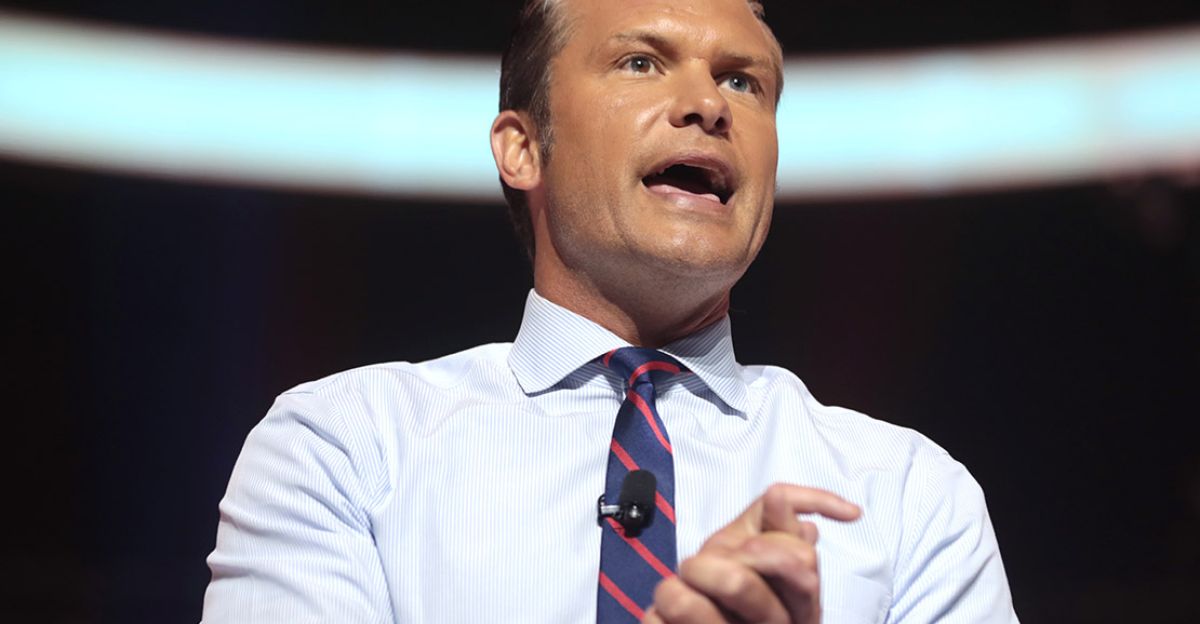
On November 13, 2025, U.S. Defense Secretary Pete Hegseth officially announced Operation Southern Spear, a mission aimed at “dismantling Transnational Criminal Organizations” and disrupting the flow of narcotics.
Bringing together the USS Gerald R. Ford, USS Iwo Jima Amphibious Ready Group, multiple naval destroyers, and cruisers, this unified military force comprised approximately 15,000 sailors and Marines. This marked a clear transition from routine drug enforcement to a comprehensive military campaign, raising alarm bells not only in Venezuela but throughout the wider Caribbean region.
Caribbean Residents Face Uncertainty
The military buildup inevitably led to anxiety among residents of Trinidad and Tobago, located only seven miles from Venezuela’s northern coast. Scheduled joint training exercises with U.S. Marines in mid-November drew concern from local citizens and officials, many of whom already hosted over 2.5 million Venezuelan refugees and migrants.
The potential ramifications of increased military activity cast a long shadow over the area, prompting fears of deteriorating regional stability and heightened prospects of armed conflict. Local voices express trepidation as the community grapples with the complexities of geopolitical maneuvering.
Elizabeth Dickinson’s Warning

Elizabeth Dickinson, a senior analyst for the Andes region at the International Crisis Group, articulates the broader implications of increased U.S. military presence in Latin America. “This is the anchor of what it means to have U.S. military power once again in Latin America,” she states.
“It has raised a lot of anxieties in Venezuela but also throughout the region.” With heightened military capabilities, regional observers remain on edge, assessing the extent of U.S. willingness to employ force. Dickinson’s insights reflect critical apprehensions shared among analysts and officials alike.
Colombia’s Delicate Position
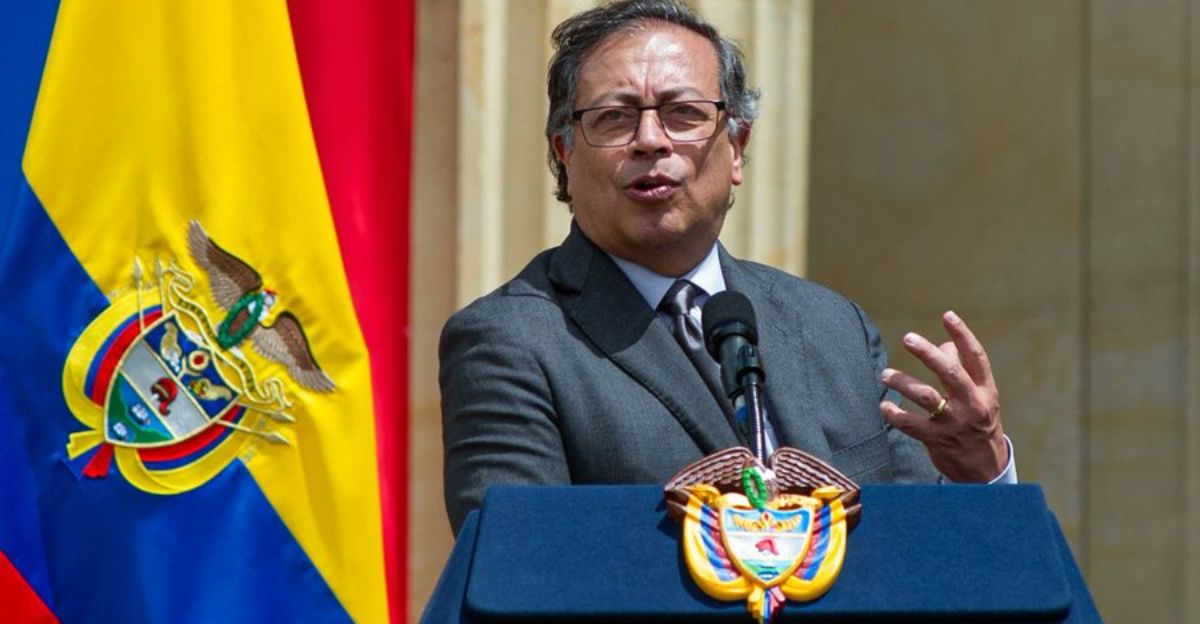
Colombia’s geographical proximity to Venezuela, combined with its hosting of millions of Venezuelan refugees, complicates its diplomatic stance amid American military efforts. Under pressure from Washington to support potential military action, Colombian President Gustavo Petro seeks a cautious path focused on diplomacy.
Paradoxically, the Trump administration has imposed sanctions on Petro while offering tariff relief to Colombian exporters, a strategic carrot-and-stick tactic designed to isolate the president from institutional support. This juxtaposition highlights Colombia’s intricate balancing act.
Humanitarian Dimensions Emerge
As the U.S. intensifies military actions in the Caribbean, the humanitarian impact on Venezuelan civilians becomes increasingly dire. The country grapples with profound economic struggles, amplified by civil unrest and external military pressure.
Reports indicate that U.S. military activities could exacerbate existing challenges faced by the Venezuelan population, particularly those caught in the crossfire of international geopolitics. Various organizations emphasize the urgent need for humanitarian assistance, echoing concerns about the potential crises that could arise if military escalation continues unchecked.
A Global Perspective: Historical Echoes
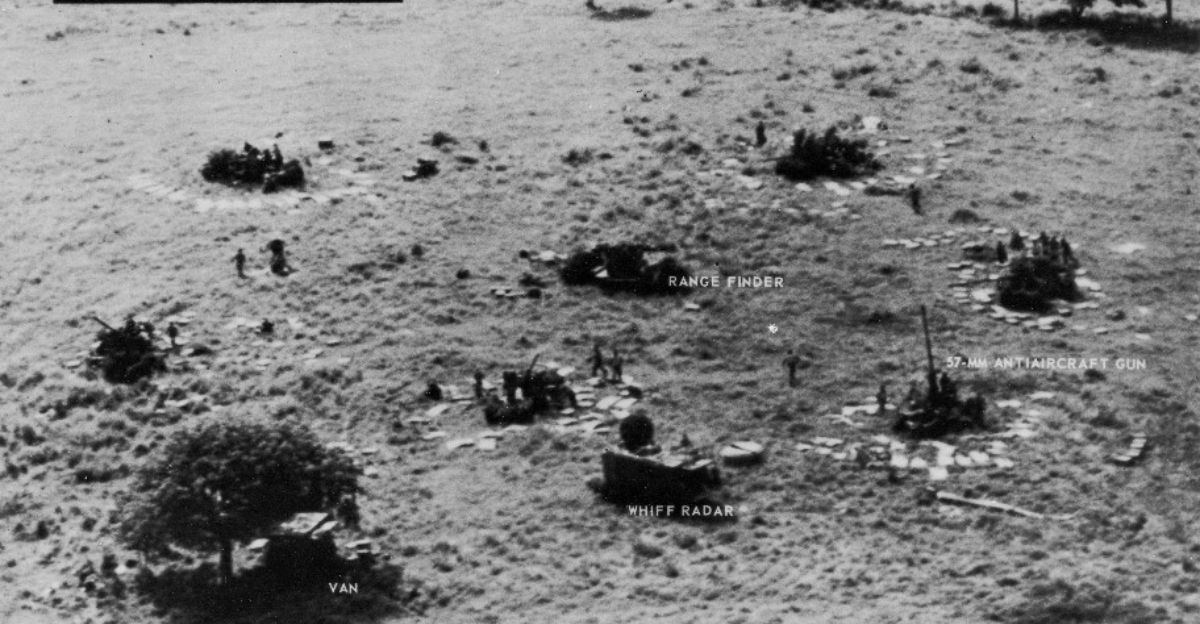
The unfolding scenario in the Caribbean carries historical echoes reminiscent of the Cuban Missile Crisis of 1962, when U.S. and Soviet tensions brought the world to the brink of nuclear conflict. The current military buildup raises significant questions regarding the potential for a similar crisis to emerge.
During that 63-year interval, comparable naval concentrations have rarely materialized in peacetime. Analysts urge caution, drawing parallels to past confrontations where military posturing escalated rapidly. Understanding these historical precedents becomes crucial for predicting outcomes in a region fraught with complexity.
Strategic Implications for U.S. Policy
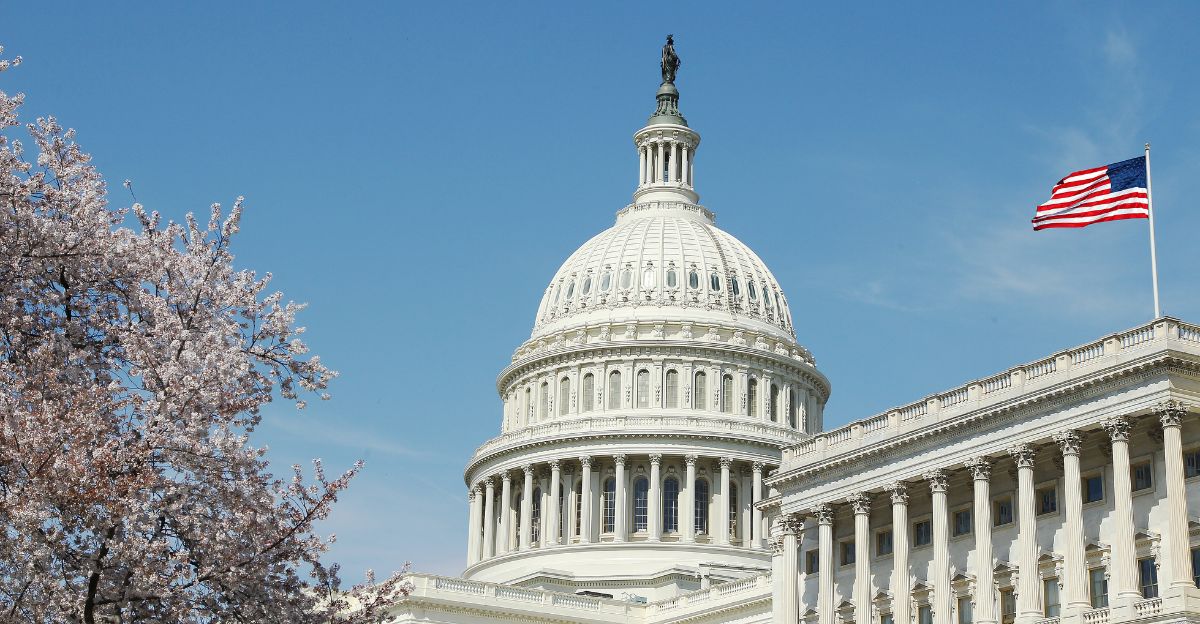
The military buildup signals a significant shift in U.S. foreign policy towards a more confrontational stance in Latin America. As the Trump administration asserts military readiness, it simultaneously grapples with implications for diplomatic relationships throughout the region.
Analysts warn that a heavy-handed approach may alienate potential allies and provoke greater hostility. The United States may find itself entangled in conflicts that could challenge both strategic objectives and its historical role in Latin American politics. Evaluating long-term consequences becomes fundamental.
Regional Responses Crystallize
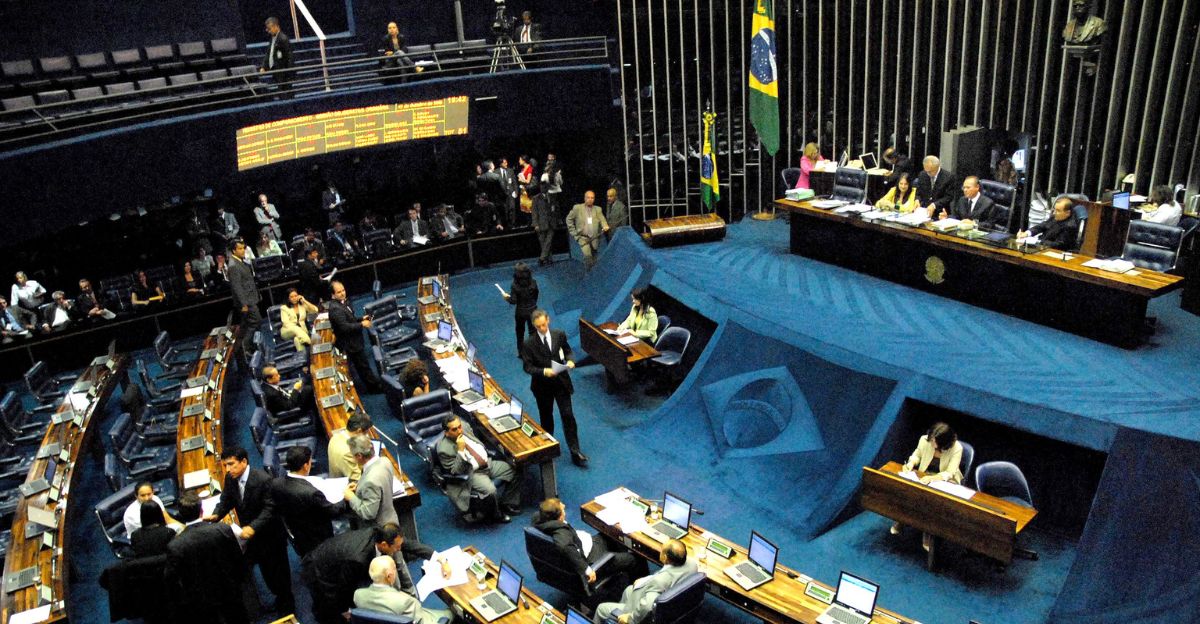
In response to the U.S. military presence, regional governments are reassessing their security strategies. Countries like Brazil and Argentina, which have historically maintained neutrality, are now compelled to reassess their geopolitical posture in light of escalating tensions.
High-level meetings among Latin American leaders signal a proactive approach to fostering collective security amid perceived threats. This evolving diplomatic landscape highlights the increasing importance of regional coalitions as countries seek to present a united front. The implications may reshape traditional alliances and cooperation frameworks within Latin America.
Potential Consequences of Escalation
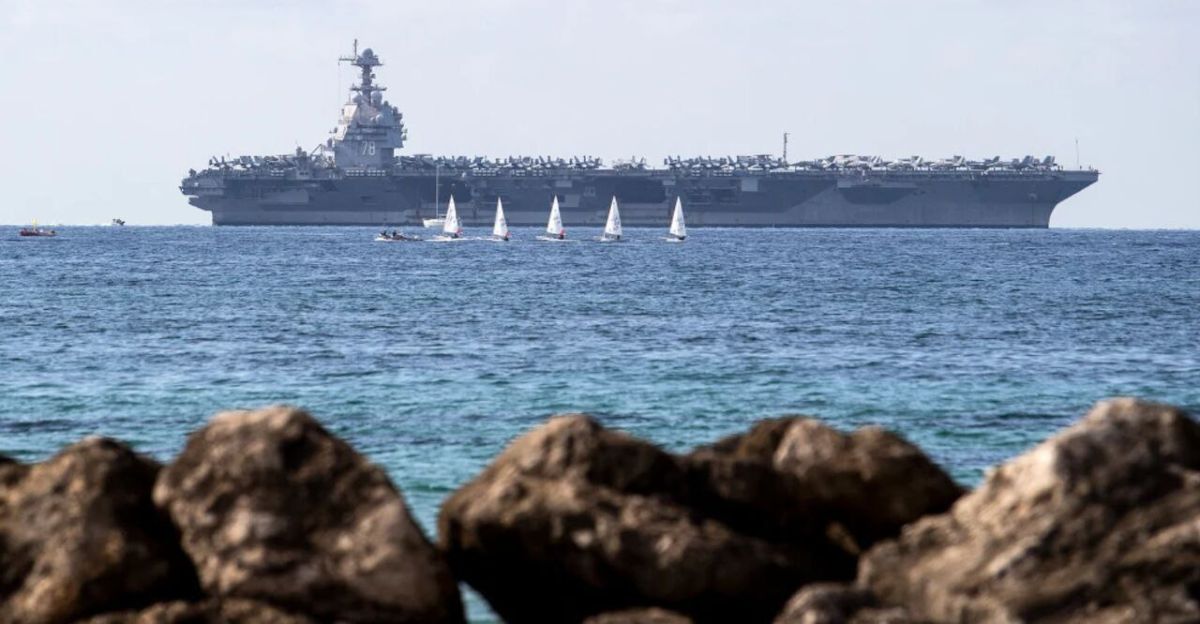
The potential for military escalation poses a multitude of consequences, from increased violence within Venezuela to wider regional instability. Analysts emphasize the risk of armed conflict that could lead to humanitarian crises spilling over national boundaries, further complicating issues in neighboring countries.
Additionally, impacts on U.S. foreign policy remain critical, as any miscalculation could lead to protracted conflict with global ramifications. Understanding these risks is crucial for shaping policies that prioritize diplomacy and regional stability over military intervention. The stakes remain exceptionally high.
Impact on Drug Trafficking Networks
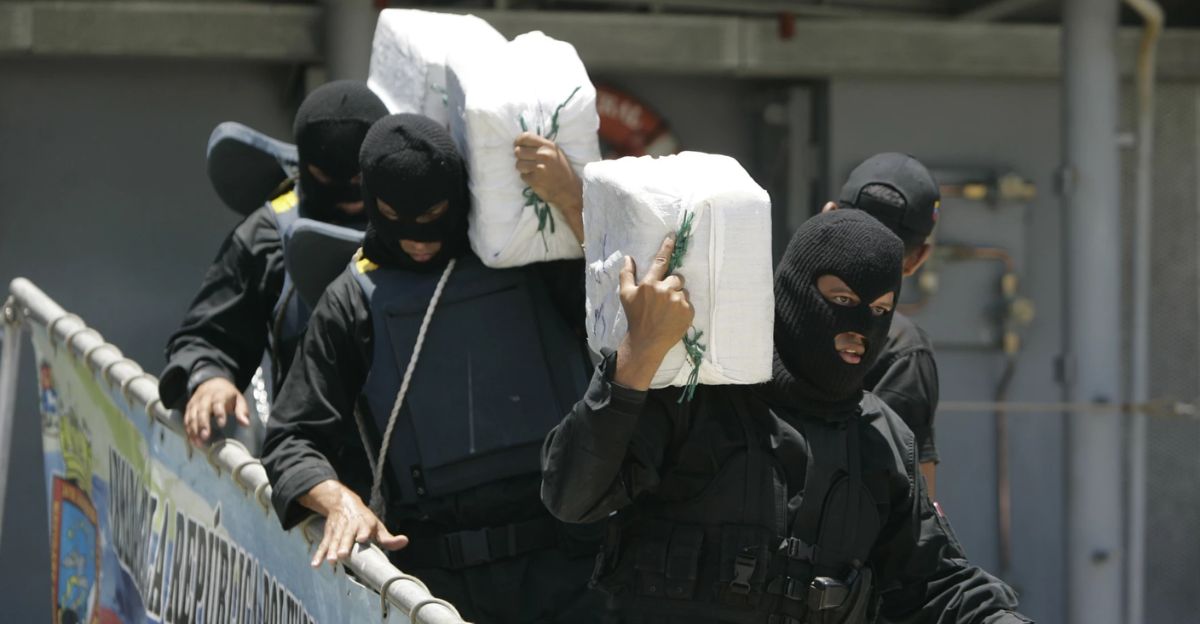
The military presence aims to disrupt established drug trafficking networks operating within and beyond Venezuelan borders. This operation is framed as bolstering U.S. security while targeting the financial backbone of transnational criminal organizations.
However, experts caution that military action may yield mixed results. Past experiences suggest that while short-term operations can dismantle networks, they often result in temporary disruption rather than complete elimination. The potential for these groups to adapt remains a concern, necessitating comprehensive approaches.
The Role of International Collaboration
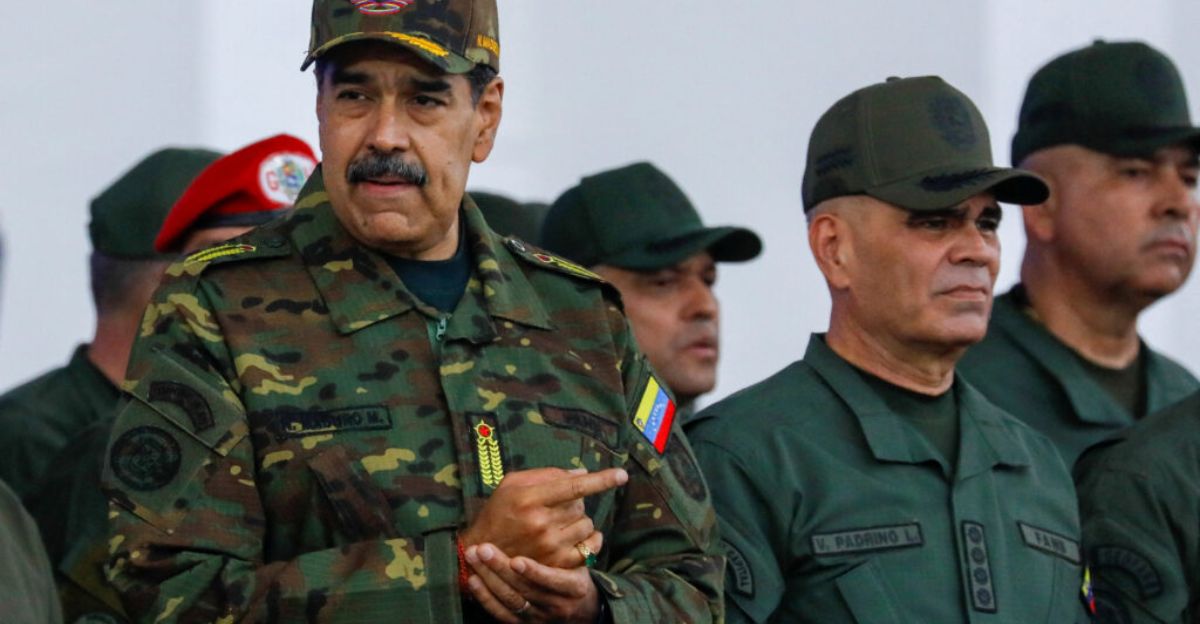
Achieving lasting change in the Caribbean region necessitates international collaboration beyond military intervention. Analysts advocate for multifaceted strategies including partnerships with regional governments, civil society, and international organizations.
By addressing the underlying socioeconomic factors that fuel instability and violence, collaboration can foster sustainable progress without exacerbating tensions. As the U.S. navigates military focus, the importance of promoting cooperative frameworks becomes increasingly critical. Engaging diverse stakeholders will be crucial for developing comprehensive solutions.
Civil Society Perspectives
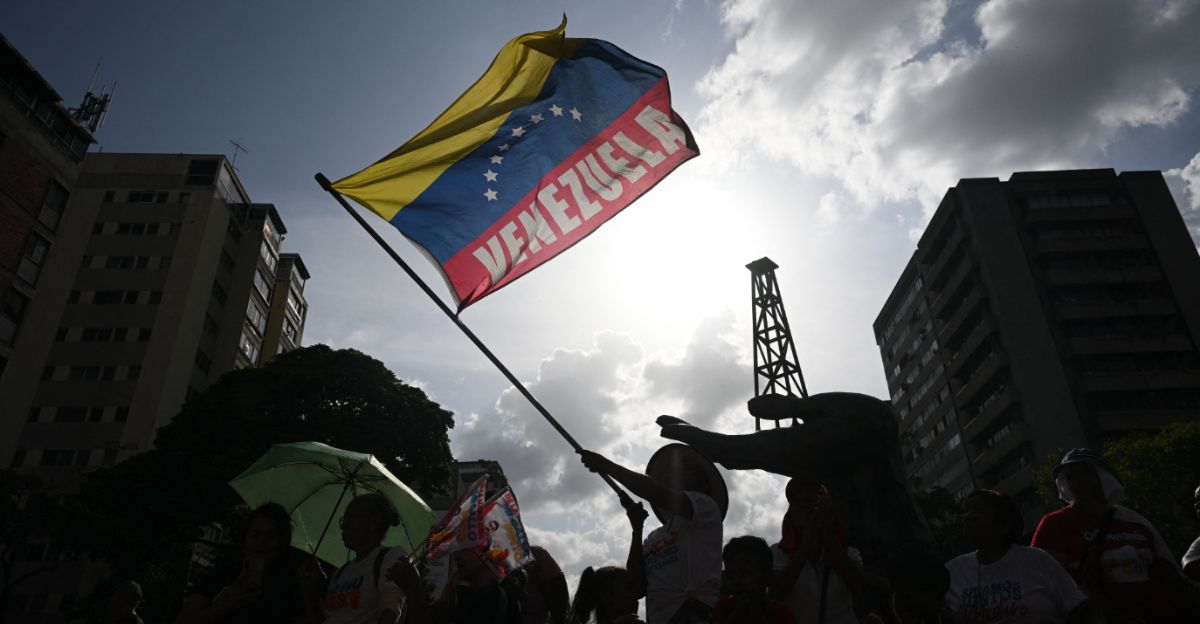
Voices from civil society within Venezuela provide essential insights into the escalating situation. Activists and community leaders express deep concerns about the militarization of U.S. policies and consequent effects on marginalized populations. Local perspectives emphasize the need for humanitarian support in conjunction with security measures.
The emphasis on humanitarian considerations underscores the importance of understanding the human impact of policies addressing complex security challenges. Ensuring that civilian voices are heard remains paramount for future regional policy direction.
Looking Ahead: Future Scenarios
As the situation continues to unfold, a range of potential scenarios emerges from further military actions to diplomatic dialogues. The decisions made in the coming weeks and months will have lasting implications for the Caribbean and beyond.
How the U.S. addresses the interplay between military force and diplomatic efforts will shape its regional role and global standing. Analysts urge careful assessment of outcomes as action unfolds, highlighting the need for flexibility in strategy. The year 2026 could witness significant shifts.
Historical Context and Lessons Learned
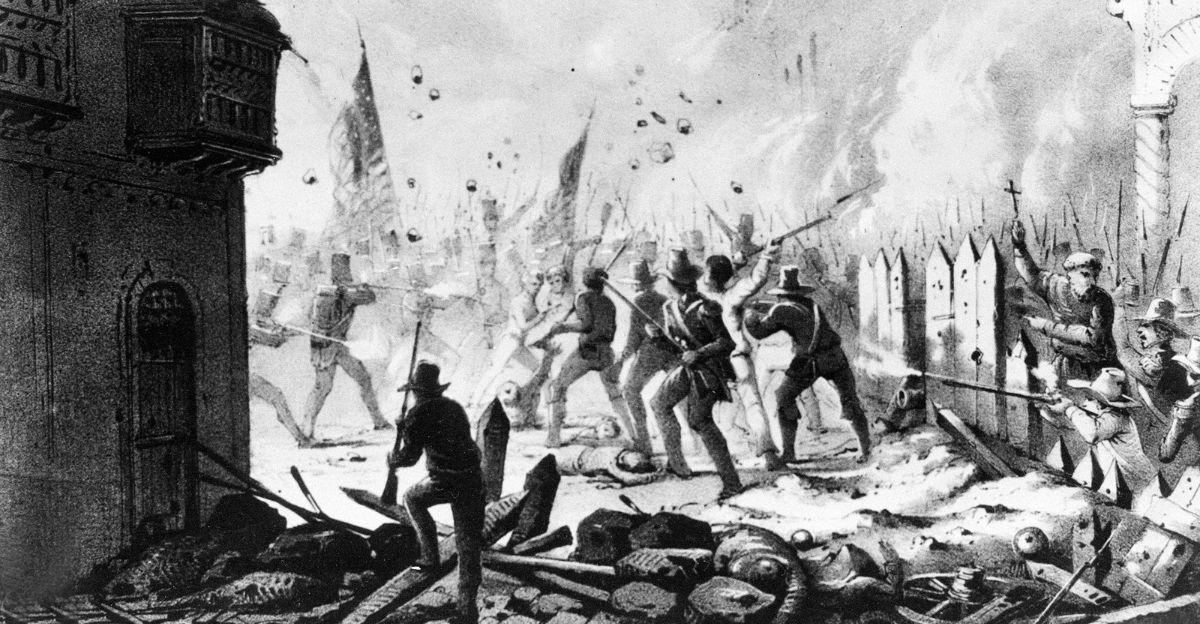
Reflecting on past U.S. interventions in Latin America offers a crucial context for understanding today’s developments. The legacy of interventions often characterized by short-term military solutions with limited long-term success serves as a cautionary tale.
Successful change necessitates understanding complex socio-political dynamics, rather than relying solely on military might. Insights gained from previous operations can inform future actions, highlighting policies that strike a balance between engagement and enforcement. Learning from history proves key to navigating present challenges responsibly.
A Call for Thoughtful Engagement
In an era where military buildup dominates headlines, a call for balance between enforcement and diplomacy emerges. The Caribbean crisis serves as an opportunity to rethink traditional approaches to drug trafficking, violence, and regional instability.
Advocating for thoughtful engagement means prioritizing dialogue and cooperation among nations to address root causes, rather than immediately resorting to military force. This necessitates a commitment to understanding the cultural, historical, and social dimensions that define regional relationships. Rethinking engagement strategies can foster long-term peace and stability.
A Fork in the Road
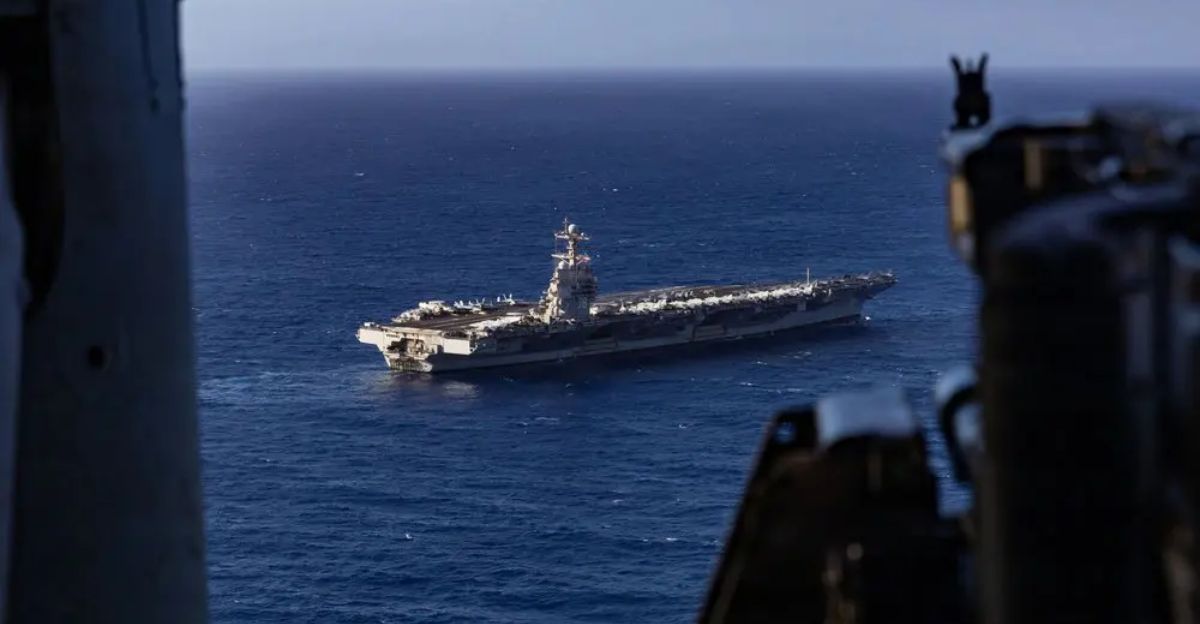
The convergence of U.S. military might in the Caribbean signifies a pivotal moment in regional and global geopolitics. As the narrative of intervention unfolds, leaders face a critical juncture: pursuing military options that may provoke conflict or embracing comprehensive strategies that foster peace and cooperation.
The choices made in the coming months will have a lasting impact throughout Latin America and beyond. As countries navigate these waters, the balance between security and diplomacy remains the guiding principle. The outcome could reshape not only regional dynamics but the essence of U.S. foreign policy.
Sources
U.S. Navy Press Release – Gerald R. Ford Carrier Strike Group Enters Caribbean Sea
Army Recognition – 25% of U.S. Navy’s Deployed Warships Now in Caribbean as Ford Carrier Group Leads Force
Wikipedia – 2025 United States naval deployment in the Caribbean
Al Jazeera – US announces ‘Southern Spear’ mission as forces deploy to South America
New York Times – Trump Said to Authorize C.I.A. Plans for Covert Action in Venezuela
Quincy Institute for Responsible Statecraft – U.S. Military Buildup in the Caribbean Demands Congressional Action