A wiring bundle that connects the backup camera to your vehicle’s system was assembled incorrectly. This bundle, made by a supplier in Alabama, was twisted and stressed during production. The excess pressure damaged the wire’s protective shielding, cutting off the camera’s power supply.
When you shift into reverse, the camera should show you what’s behind your vehicle. Instead, the screen goes blank. This isn’t just annoying, it’s a federal safety violation that could put drivers and pedestrians at serious risk.
The Recall By The Numbers
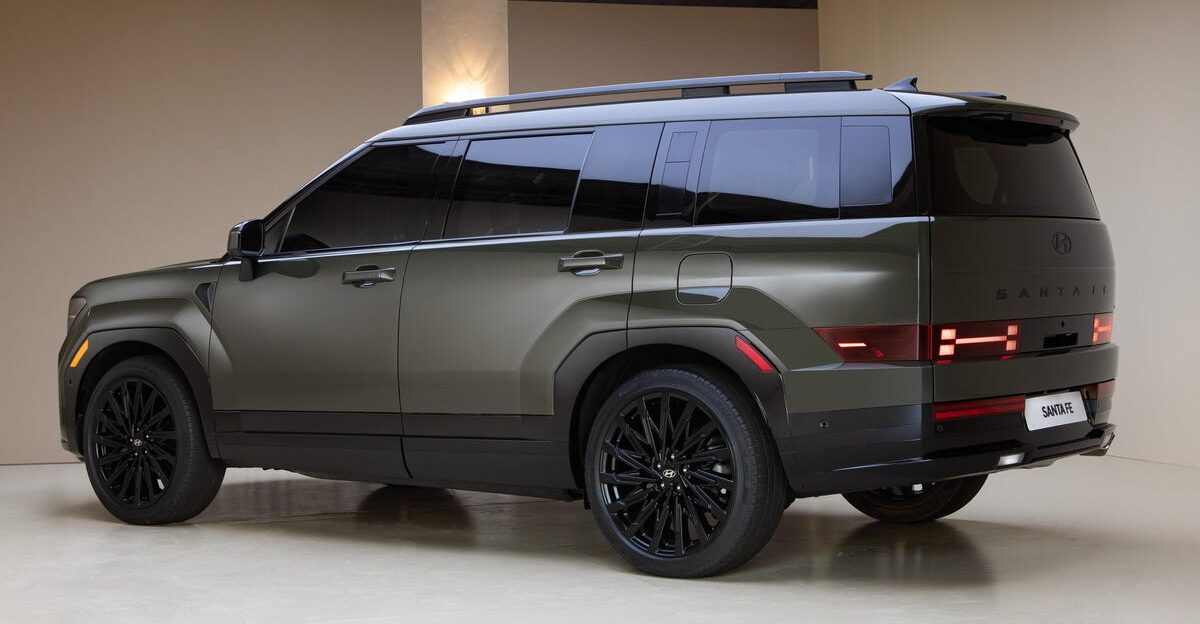
Hyundai is recalling 143,472 Santa Fe and Santa Fe Hybrid vehicles from model years 2024 and 2025 sold across the entire United States. A second, smaller recall covers 258 additional vehicles from other Hyundai and Genesis models with a side-curtain airbag problem.
That brings the total number of affected vehicles to about 143,730. With multiple drivers per vehicle, the number of people impacted likely reaches into the hundreds of thousands.
Which SUVs Are Affected?
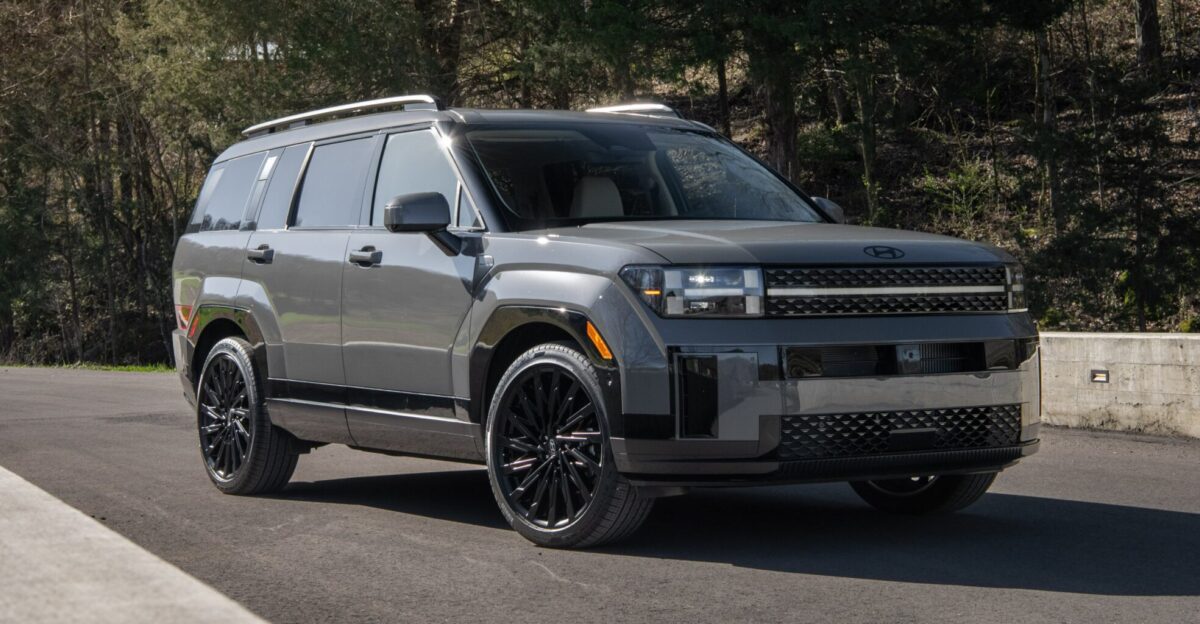
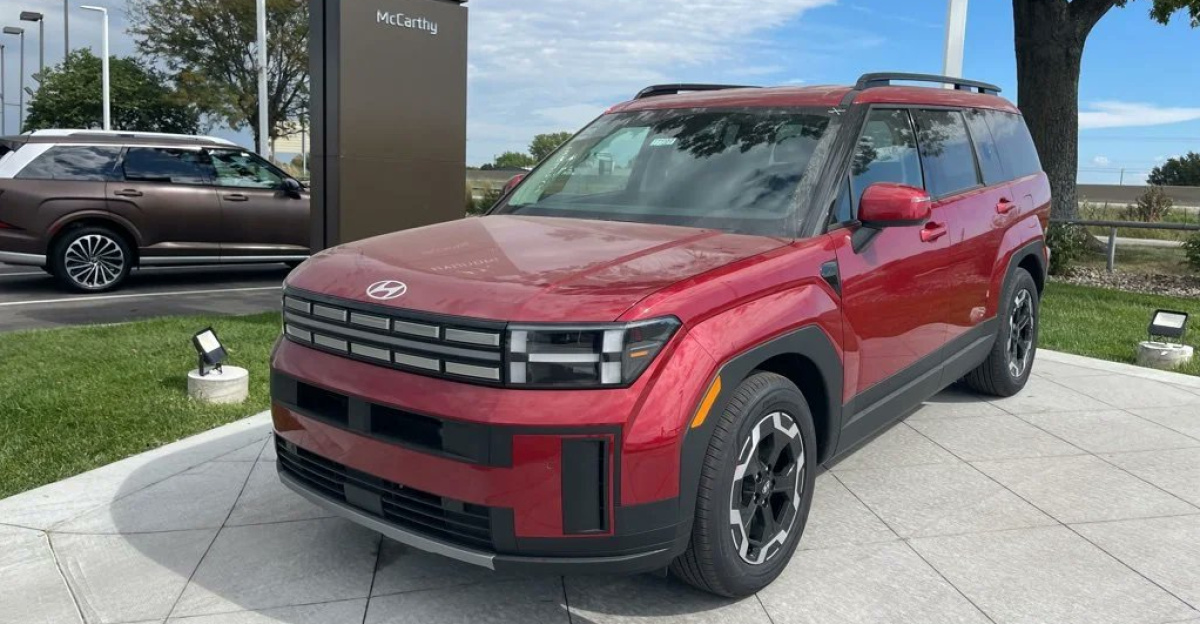
The main recall targets specific 2024 and 2025 Hyundai Santa Fe and Santa Fe Hybrid models equipped with the faulty wiring harness. Not every Santa Fe from these model years is affected, only those with certain VINs have the problem. If you own a Santa Fe, you need to verify your vehicle identification number, or VIN, on NHTSA’s official recall lookup website or Hyundai’s dedicated recall portal.
These tools let you instantly confirm whether your specific vehicle is included. Acting quickly matters because the sooner you schedule a repair appointment, the sooner your backup camera will work properly again.
When You Shift Into Reverse
When drivers of affected Santa Fe vehicles shift into reverse, one of two things happens. Either the backup camera’s image fails to display at all, or it cuts out intermittently, freezing mid-view. This happens because the damaged wiring harness loses its signal connection or develops poor contact points inside the camera system.
The result is loss of the rearward visibility that drivers depend on to avoid hitting people, pets, or obstacles behind the vehicle. In parking lots, driveways, and residential streets, even a few seconds without that visibility can be dangerous.
The Alabama Supplier’s Role
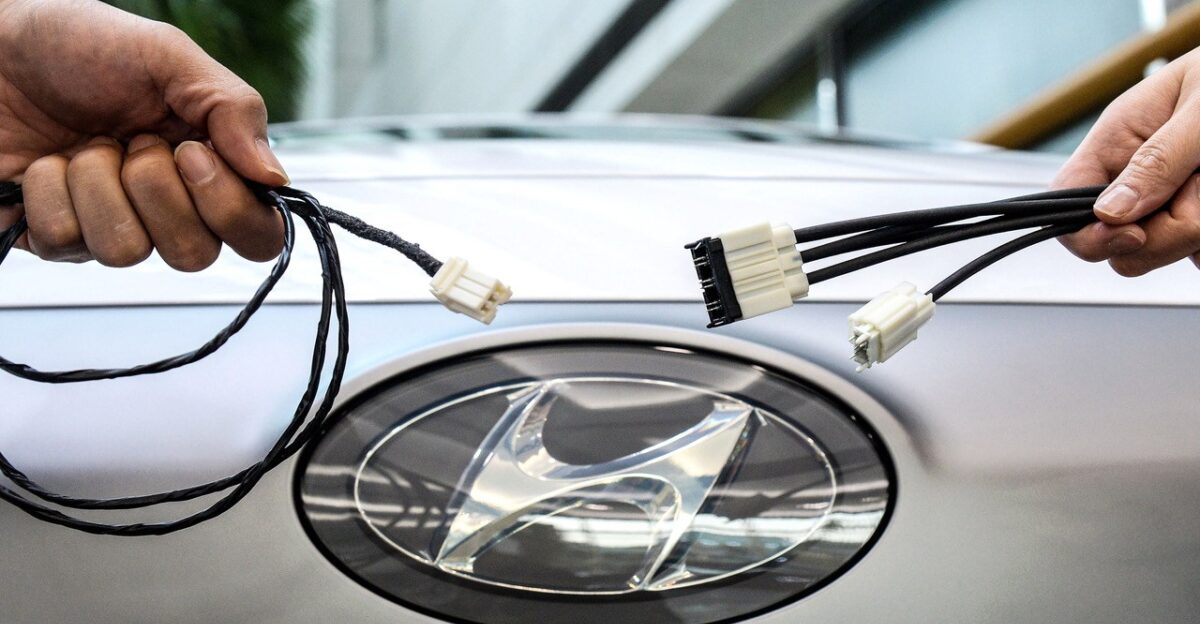
Investigations traced the root cause to an Alabama-based wiring harness manufacturer. During production, the assembly process did not properly account for how the harness needed to be routed through the vehicle’s frame. Workers twisted or stressed the harness as they attached it to the camera and electronics system, putting excessive strain on the internal copper wire conductors.
Over time, this stress damaged the protective shielding around the wire, eventually breaking the connection. The supplier has since updated its assembly process, but thousands of vehicles built before the correction left the factory with the defective harness.
Why This Breaks Federal Law

The U.S. Federal Motor Vehicle Safety Standard No. 111 requires all vehicles to display a clear backup camera image when shifted into reverse. This isn’t optional, it’s mandatory. The regulation exists because research shows that backup cameras prevent serious injuries and deaths, especially for small children and pedestrians.
When a backup camera fails or never shows an image, the vehicle violates this federal requirement. What seems like a minor electronic glitch becomes a legal safety defect that must be recalled immediately. Hyundai had no choice but to alert owners and schedule repairs.
Why Regulators Got Involved
The National Highway Traffic Safety Administration, or NHTSA, treats rear visibility as a critical safety priority. They consider the risk of backing incidents involving children and pedestrians extremely serious. When warranty claims and field reports began showing a pattern of backup camera failures linked directly to the wiring harness problem, NHTSA had legal authority to require a formal safety recall.
Once evidence showed that many vehicles had the defect, Hyundai and NHTSA moved quickly to notify owners. Federal law gives regulators the power to step in when a safety feature stops working, and this recall is an example of that system working as intended.
The Free Repair Plan
Hyundai dealers will replace the faulty rearview camera and install a corrected, more flexible wiring harness that is routed safely through the vehicle. This repair costs owners nothing, Hyundai covers the entire expense.
The automaker has already switched to the updated harness design in its production line, so vehicles built after the manufacturing process was corrected are not affected by this recall. Once your vehicle is repaired, your backup camera will work reliably again.
Action Steps For Owners
Hyundai will mail notification letters to all affected vehicle owners explaining the defect and repair options. Until your repair is completed, you should treat your backup camera as unreliable. When reversing, rely on traditional methods: check your mirrors carefully, turn your head to look directly behind you, and move slowly in tight spaces.
You can immediately check your vehicle’s status using your VIN on NHTSA’s recall lookup tool or Hyundai’s official website. Once you confirm your vehicle is affected, contact your local authorized Hyundai dealer to schedule a service appointment at your convenience. This repair takes minimal time and is completely free.
The Financial Impact
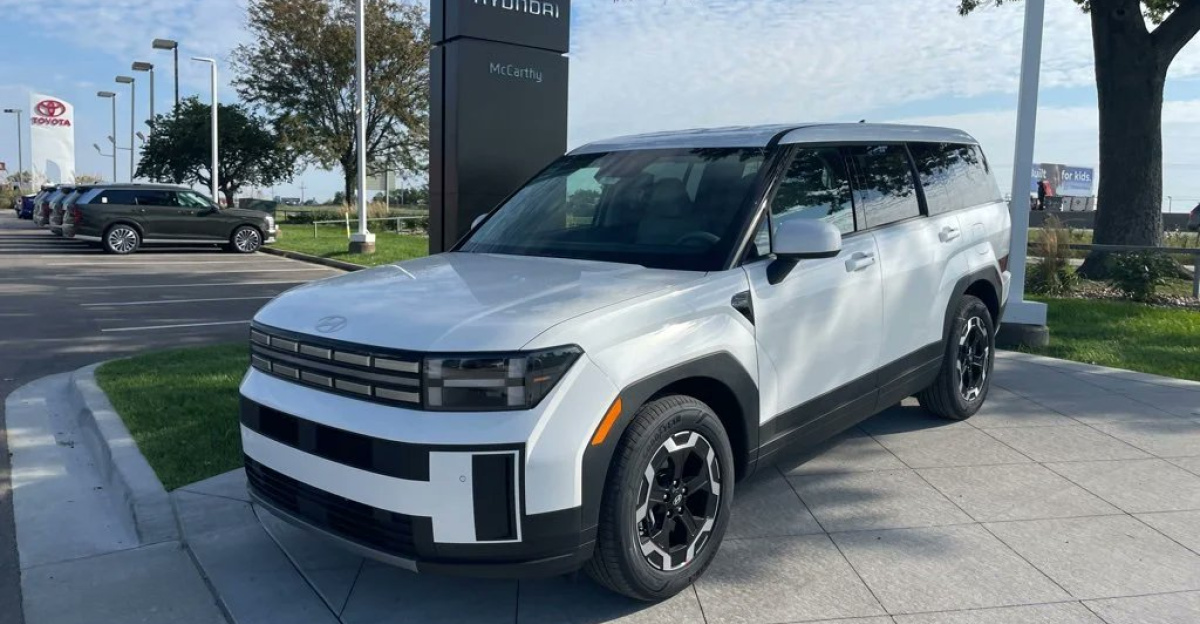
While Hyundai and its supplier absorb the direct recall expenses, each camera and harness replacement involves substantial parts and labor costs. For a single vehicle, this repair can easily reach several hundred dollars. Multiply that by 143,472 vehicles, and you’re looking at many millions of dollars in direct repair and logistics expenses.
Then add the cost of managing the recall campaign itself, notifying owners, coordinating with dealers nationwide, and addressing reputational damage. This “tiny” wiring mistake has become a massive financial headache for Hyundai.
Camera Safety Timeline
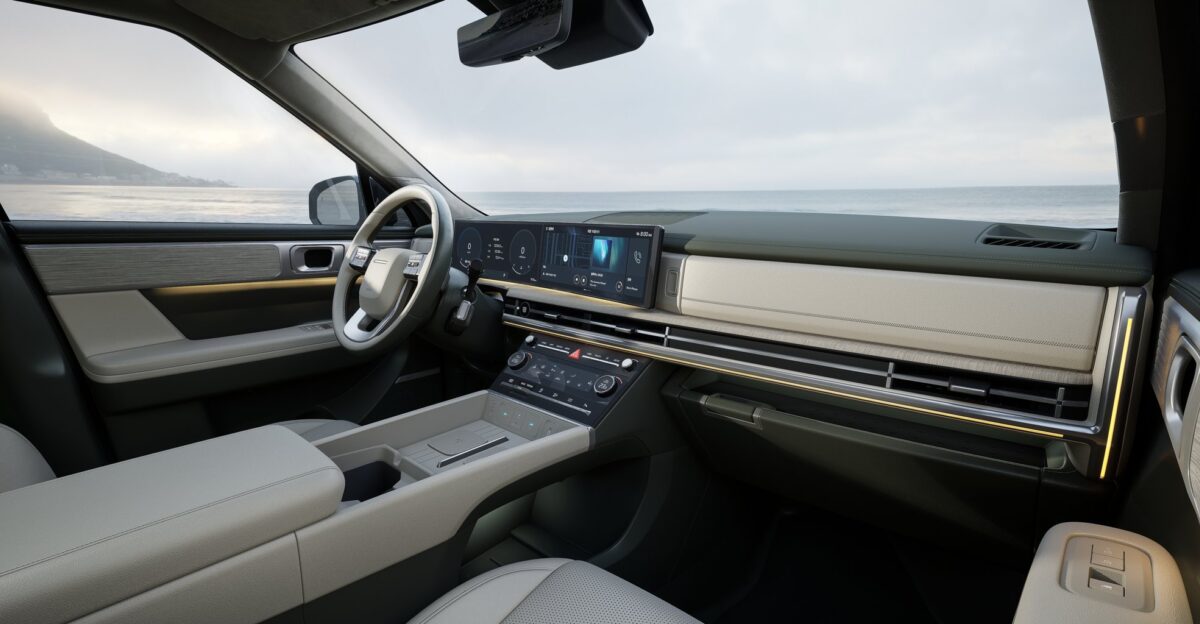
Backup cameras started as luxury features available only on high-end vehicles. Safety regulators studied their effectiveness and found they significantly reduce back-over crashes and serious injuries. That research led to the 2018 federal mandate requiring all new vehicles to include backup cameras. A 2025 study found the mandate reduced child backover deaths by 78% and severe injuries by 50%.
Now that cameras are everywhere, even small failure rates trigger massive recalls because every non-working camera potentially violates federal requirements. Ironically, the widespread adoption of this lifesaving technology means that quality issues affecting even a tiny percentage of vehicles result in recalls of hundreds of thousands.
This Problem Isn’t Just Hyundai
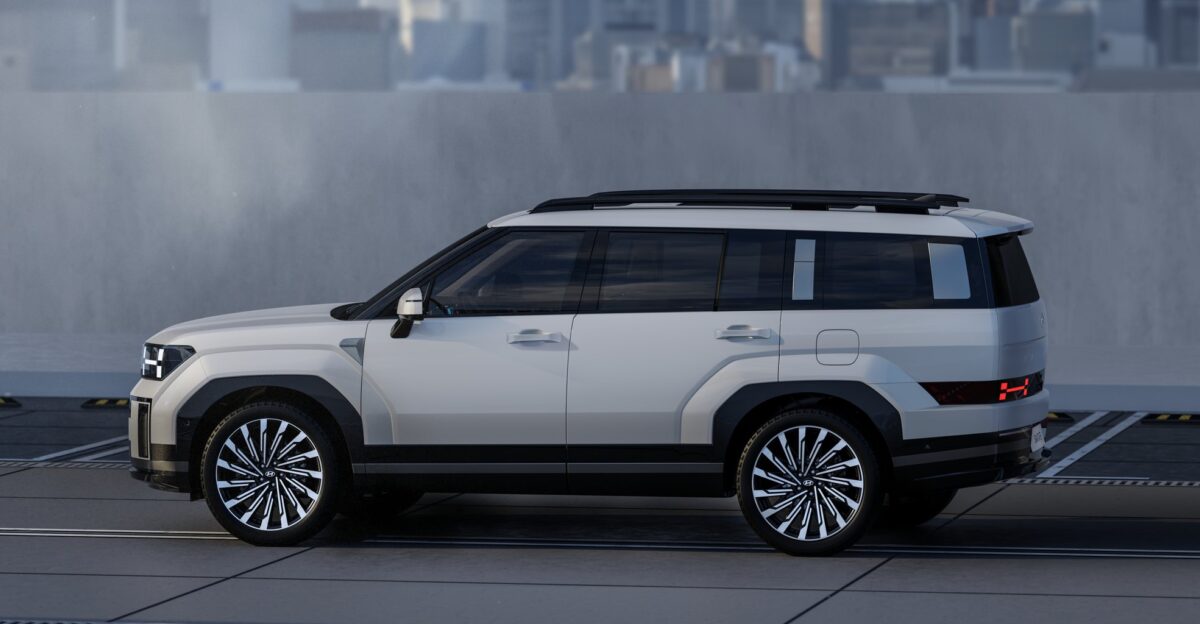
Hyundai’s Santa Fe recall is just the latest example of a wave of backup camera problems hitting multiple vehicle manufacturers in recent years. Toyota, Ford, Nissan, and other brands have all recalled hundreds of thousands of vehicles for camera image loss, software glitches, or hardware defects that undermine rear visibility. Experts describe this as an industry-wide trend related to the complexity of modern camera systems and the challenges of maintaining quality across global supply chains.
Each time a major automaker experiences camera failures, it reinforces how sensitive modern safety electronics are to even small manufacturing errors. The industry is learning that backup camera reliability requires the same rigorous quality standards applied to brakes and airbags.
History of Camera Problems
This isn’t Hyundai’s first backup camera recall. The company previously recalled 2021 and 2022 Elantra and Santa Fe vehicles for rearview cameras that could fail due to defective solder joints where the wires connect to circuit boards. That earlier campaign covered more than 226,000 vehicles.
Each recall costs Hyundai money, customer goodwill, and reputation damage. These recurring camera issues demonstrate how important it is for automakers to implement stricter inspection procedures and hold suppliers accountable for even microscopic defects.
A Second Safety Problem
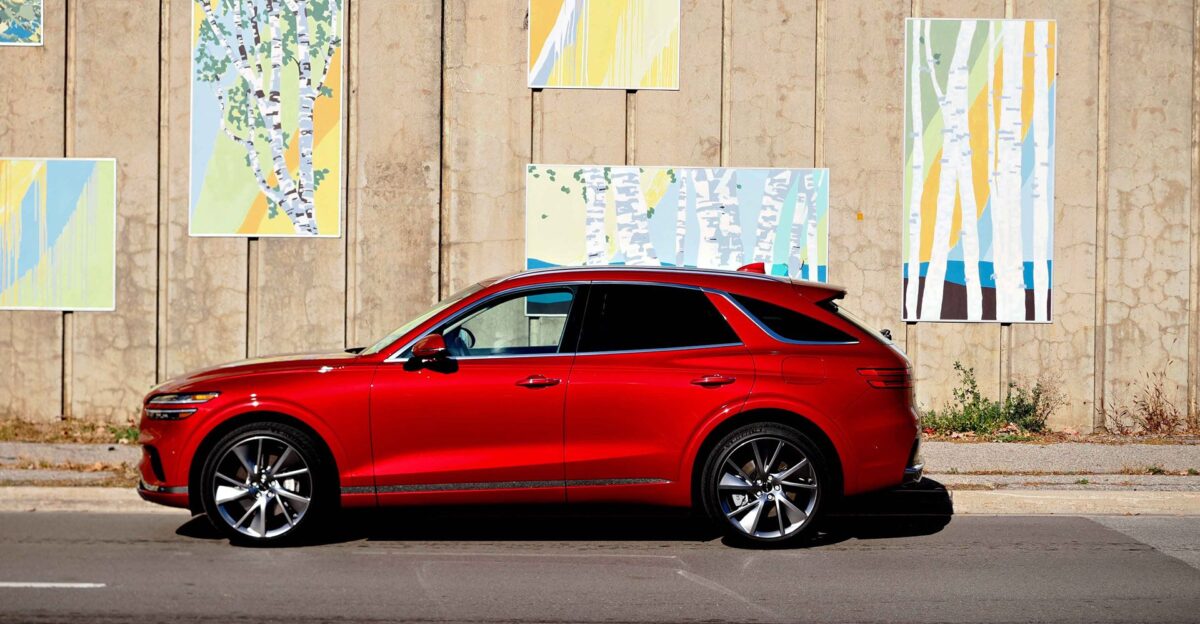
Beyond the camera recall, Hyundai simultaneously recalled 258 additional vehicles for a separate defect involving side curtain airbags. These vehicles include certain 2025 Tucson models, 2025 and 2026 Santa Cruz and Santa Fe SUVs, and 2026 Genesis GV70 luxury vehicles. In these vehicles, the side curtain airbags, which protect occupants’ heads during side-impact crashes, may have been improperly installed during manufacturing.
If not reinstalled correctly, these airbags might fail to deploy as intended in a crash, increasing injury risk to passengers. Hyundai will also correct this defect at no cost to owners. Having two separate recalls announced simultaneously raises additional questions about quality oversight in Hyundai’s production and supplier network.
Why This Matters to Families
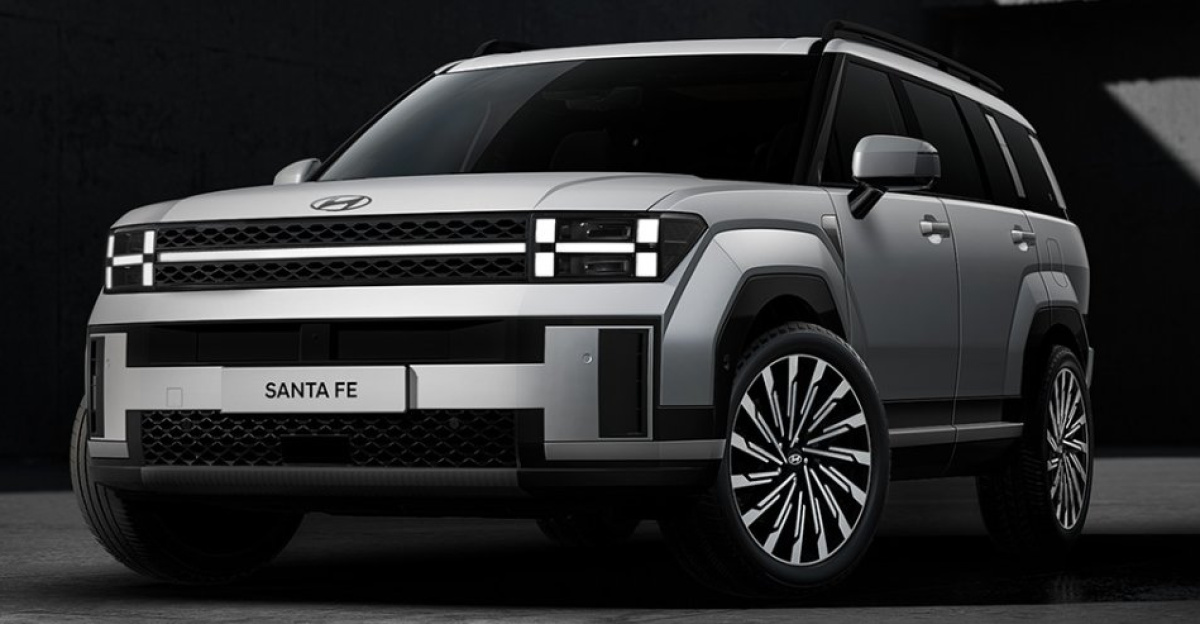
The Hyundai Santa Fe is marketed specifically to families as a safe, reliable vehicle for parents and children. The loss of rear visibility when a backup camera fails is especially concerning in family environments: driveways where kids play, school parking lots during pickup, and suburban streets with pedestrian traffic. When a driver expects the backup camera to display a clear image and suddenly gets a blank or frozen screen, their reaction time to spot a child, pet, or passer-by behind the vehicle essentially drops to zero.
According to research, 50 children are backed over every week in the United States. For Santa Fe owners, this recall is a critical reminder that backup cameras are tools to support, not replace, traditional awareness and mirror checks.
How Many People Are Affected?
With 143,472 Santa Fe and Santa Fe Hybrid vehicles recalled for the camera issue and another 258 vehicles for airbag problems, the total comes to 143,730 vehicles. However, the actual human impact is much larger. Many households share vehicles, meaning children, spouses, extended family, and regular drivers of these vehicles are all potentially at risk if the backup camera fails.
Parking lot attendants, delivery drivers, and service technicians who regularly operate customer Santa Fes are also affected. When you factor in all these users, the number of individual drivers impacted likely reaches into the hundreds of thousands. This recall touches far more people than the raw vehicle count suggests.
What To Do Until Your Vehicle Is Fixed
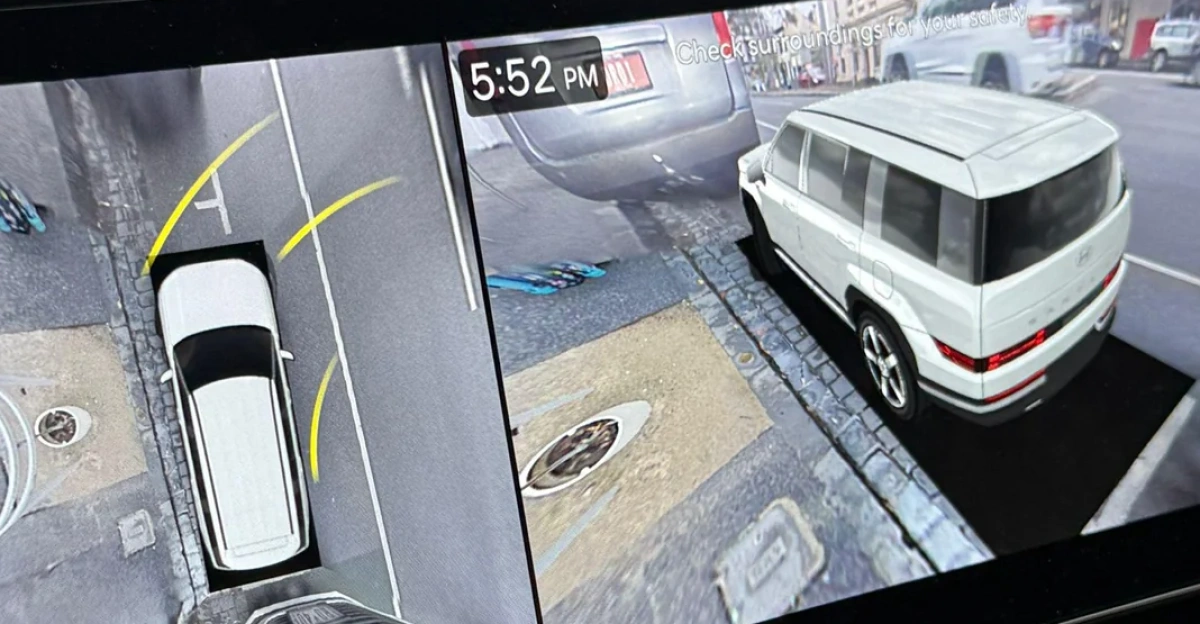
Until you complete your repair, treat your backup camera system as completely unreliable. Check your side mirrors carefully before shifting into reverse. Turn your head and look directly behind your vehicle, especially around the blind spots that cameras help reduce. Move slowly in parking lots and driveways, giving yourself time to react if something appears behind you.
Don’t rely on the camera display if it does appear, because it could cut out at any moment. You can immediately verify your vehicle’s recall status by entering your VIN on NHTSA’s free recall lookup website or through Hyundai’s dedicated recall portal.
What This Tells Us About Car Tech
This recall highlights a critical truth about modern vehicles: they are packed with cameras, sensors, radars, and software that work together to create sophisticated safety systems. However, these systems have weak links. A misrouted wire, a defective solder joint, or a supplier’s manufacturing error can disable an entire safety feature that drivers depend on.
The wiring harness is invisible to vehicle owners, you never think about it until it fails. Yet this single component can knock out a critical federal safety requirement. Modern cars rely on complex supply chains involving multiple manufacturers across different regions.
Why Driver Skills Still Matter
Even with advanced driver-assistance systems, high-resolution cameras, and sophisticated sensors, fundamental driving habits remain essential. Checking mirrors, looking over your shoulder, and maintaining situational awareness are not outdated skills, they’re backup systems that work when technology fails. The Hyundai Santa Fe recall is a pointed reminder that drivers cannot outsource all vehicle awareness to screens and sensors.
At least 50 children backed over each week in America proves that even experienced drivers need multiple layers of visibility. Technology should enhance driver awareness, not replace it.
The Industry Wake-Up Call
As regulators and automakers continue pushing for more mandatory safety technology, the Hyundai recall underscores the absolute need for stricter quality control in both software and hardware across global supply chains. Safety features only protect people if they work reliably.
Unless the industry tightens standards for supplier oversight, quality audits, and manufacturing procedures, more “tiny” defects in cameras, harnesses, and electronic controllers will continue cascading into large, expensive, and potentially dangerous recalls.
Sources:
Reuters – Hyundai Motor to recall 143,472 US vehicles over rearview image issue (NHTSA)
Carscoops – A “Tiny” Mistake Just Forced 143,000 Hyundai SUVs Back to Dealers
Cars.com – Hyundai Recalls 143,000-Plus Santa Fes, Santa Fe Hybrids for Backup Camera
Autoblog – Over 143,000 Hyundai Santa Fe SUVs Recalled For a Backup Camera Issue