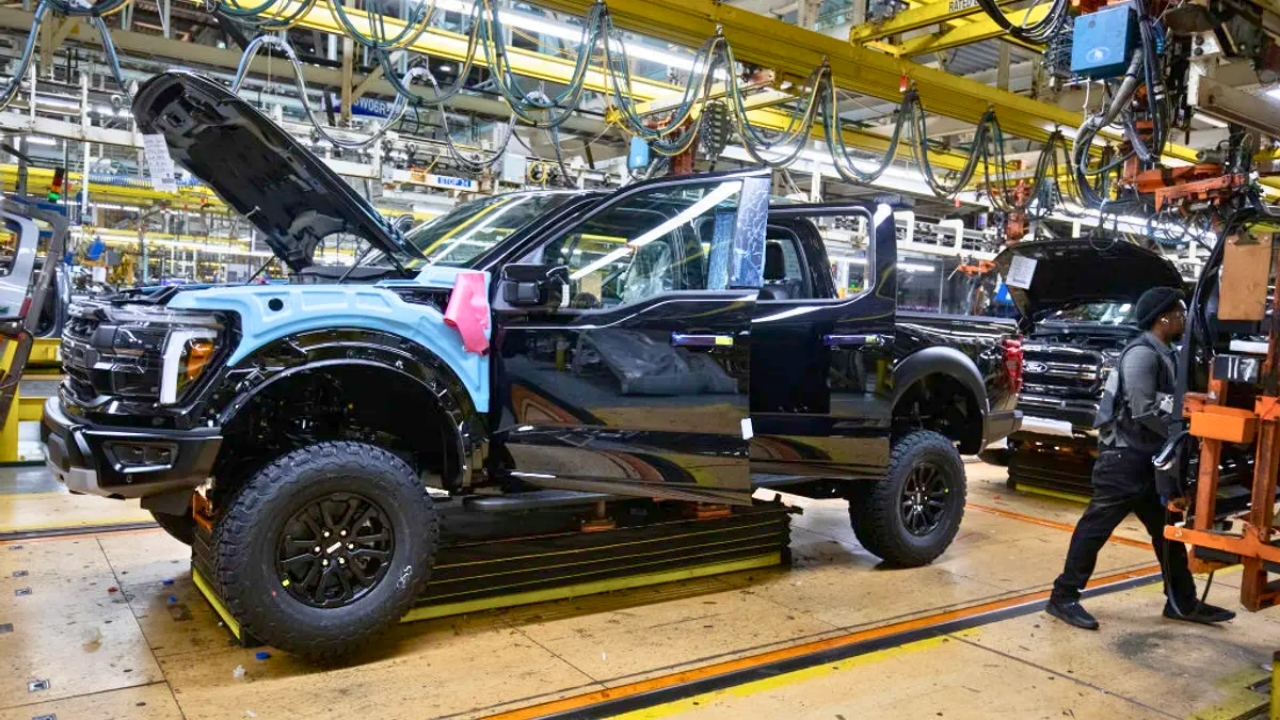
Three fires in eight weeks at the Novelis Oswego aluminum facility in New York have exposed a critical vulnerability in modern manufacturing. Between September 16 and November 20, 2025, emergency evacuations forced the shutdown of a plant that supplies 40 percent of U.S. automotive aluminum—and the consequences have rippled across Ford’s entire F-150 production network, affecting hundreds of thousands of customers, workers, and competitors nationwide.
The F-150 has held the title of America’s best-selling vehicle for 47 consecutive years. Yet this dominance masks a dangerous dependency: the truck’s aluminum body design, adopted to improve fuel efficiency and reduce emissions, created a single-supplier bottleneck with no viable alternatives. When Oswego faltered, the entire production system collapsed.
The Pattern That Defies Coincidence
The first major fire struck on September 16, halting much of the facility’s production. The second fire on October 10 compounded concerns that a pattern was emerging. The third and most recent fire on November 20 forced emergency evacuation and reignited fears about systemic safety failures at the plant.
Three incidents in eight weeks at a critical automotive supplier is unprecedented in modern manufacturing history. Aluminum production involves molten metal at temperatures exceeding 1,200 degrees Fahrenheit—an inherently hazardous operation requiring rigorous safety protocols. The frequency of incidents raises fundamental questions about whether the facility maintains adequate infrastructure, maintenance standards, and operational protocols to safely operate as a critical national supplier.
Workers have experienced repeated emergency evacuations and now confront psychological stress from recurring industrial disasters. Oswego County’s economy depends heavily on Novelis as a major employer, and the county now braces for significant economic fallout as the facility struggles with repeated closures and uncertain restart timelines.
The Financial Toll Across Ford’s Business
Ford cut its profit forecast by $2 billion after the September fire—representing the largest single supply-chain loss the company has sustained in recent years. Production losses are valued at $25 to $50 million daily during periods of full line disruptions. Up to 100,000 vehicles were lost in Q4 2025 alone.
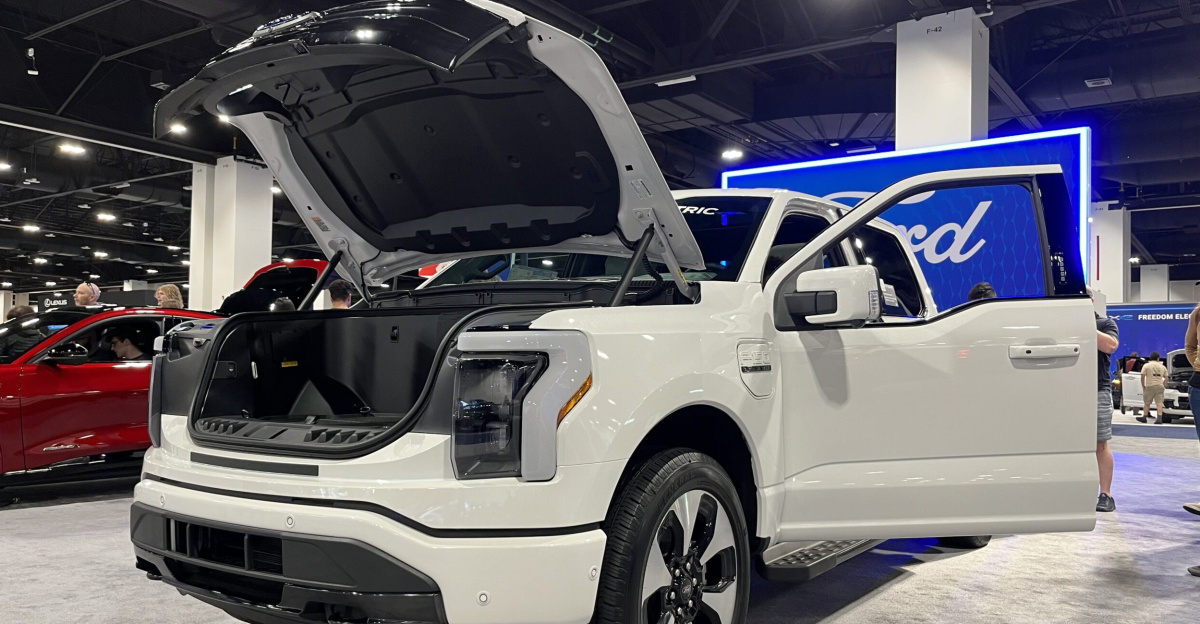
The F-150 Lightning electric production has been indefinitely paused—the first major halt since the truck’s market launch. This represents a catastrophic setback for Ford’s electric vehicle strategy. Simultaneously, gas-powered F-150 output has been significantly disrupted at both the Dearborn and Kansas City assembly plants.
Ford responded with tactical urgency, adding a third shift at its Dearborn Truck Plant and increasing line speed at its Kentucky facility. The strategy aims to offset approximately $1 billion of the $2 billion loss through aggressive production increases in 2026. However, Ford’s entire recovery strategy depends critically on Novelis successfully restarting operations by the end of December 2025. If that deadline slips into Q1 2026 or later, Ford’s offset plan collapses and losses expand significantly.
Customers and Dealers Face Indefinite Delays
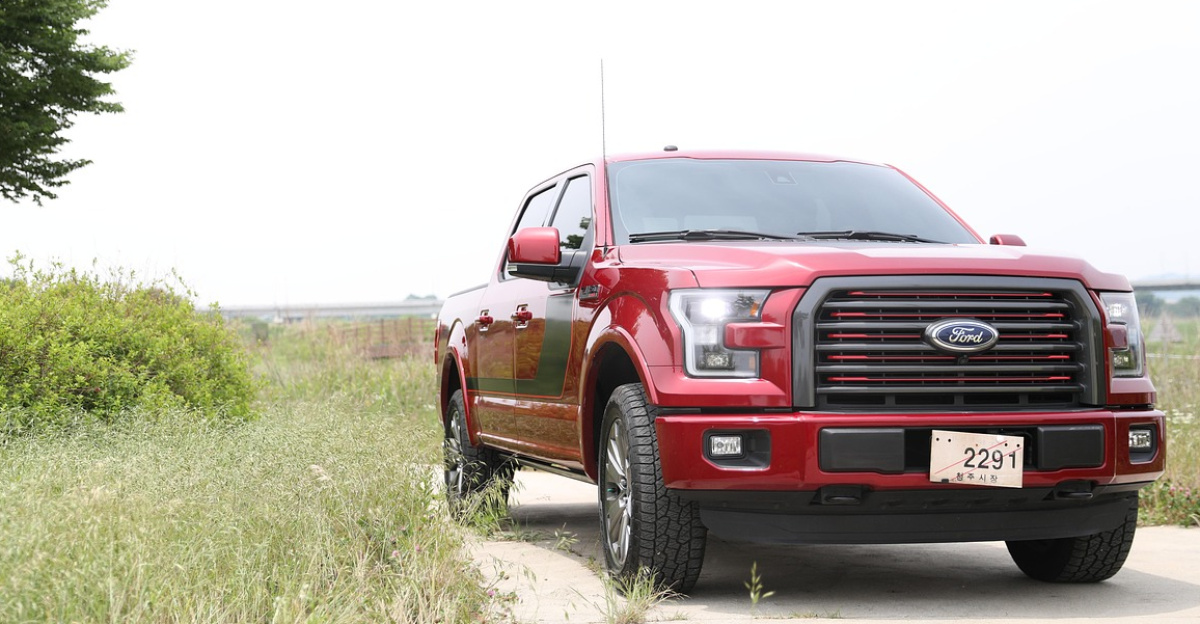
Thousands of pre-order customers now face indefinite delivery delays for new F-150s. F-150 Lightning deposit holders—many having committed $70,000 or more to secure their electric trucks—find their orders frozen with no certainty about when production will resume.
Dealers are warning incoming customers to expect 3 to 5% price increases throughout 2026 due to constrained supply. Ford’s stock dropped 4 percent immediately after the third fire announcement. Analysts are downgrading Ford’s profit forecasts through Q2 2026, reflecting concerns about the company’s ability to recover lost production and market position.
Workers Face Cascading Furloughs and Economic Uncertainty
Ford workers at F-150 assembly plants in Dearborn, Kansas City, and other locations face potential furloughs or significantly reduced hours as production halts cascade through the organization. Novelis Oswego workers confront an even more acute crisis—repeated emergency evacuations, acute safety risks, and the psychological trauma of recurring industrial disasters.
These workers are often the primary earners in their families, supporting mortgages, car payments, children’s education, and household expenses. The uncertainty extends indefinitely; workers cannot plan for income stability or employment continuity.
Competitors Seize Market Opportunity
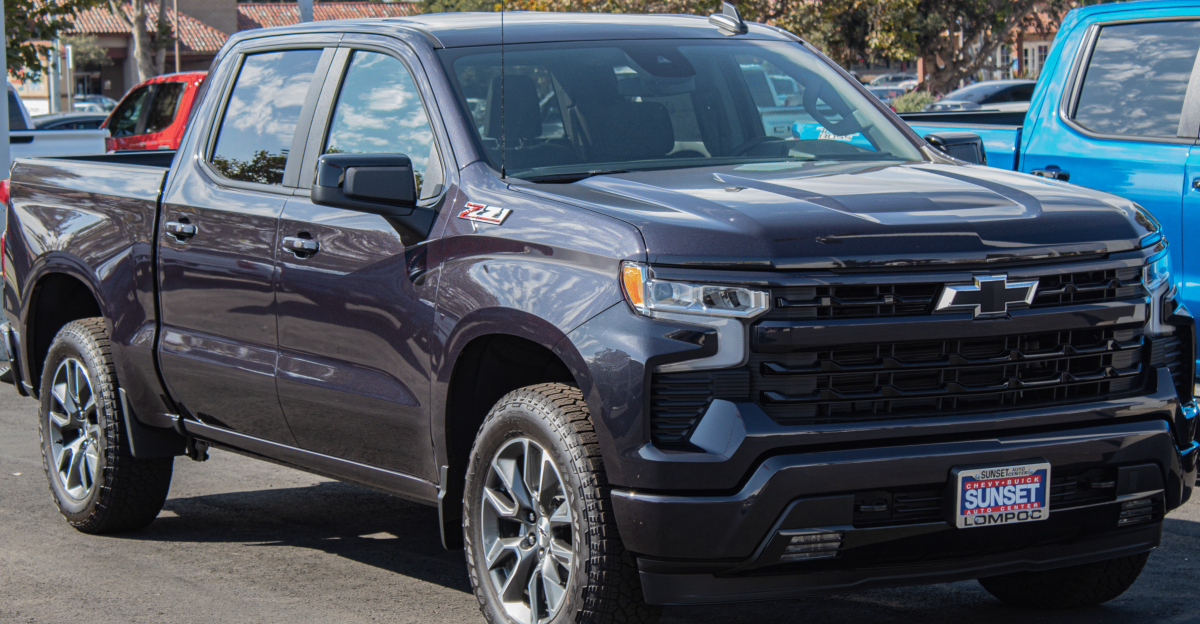
Chevrolet Silverado and Ram 1500 are seeing increased dealer interest from frustrated F-150 buyers who cannot obtain their preferred trucks. Rival automakers are strategically accelerating model updates and promotional campaigns to capture Ford’s displaced customers during this critical market window. Some competitors invested in production capacity at multiple locations specifically to avoid the single-supplier trap that has ensnared Ford.
Industry analysts predict a 5 to 10 percent market share shift favoring competitors through 2026 from this disruption window. This competitive reshuffling could have lasting implications for market share and profitability across the truck segment beyond the immediate crisis period.
A National Supply Chain Crisis
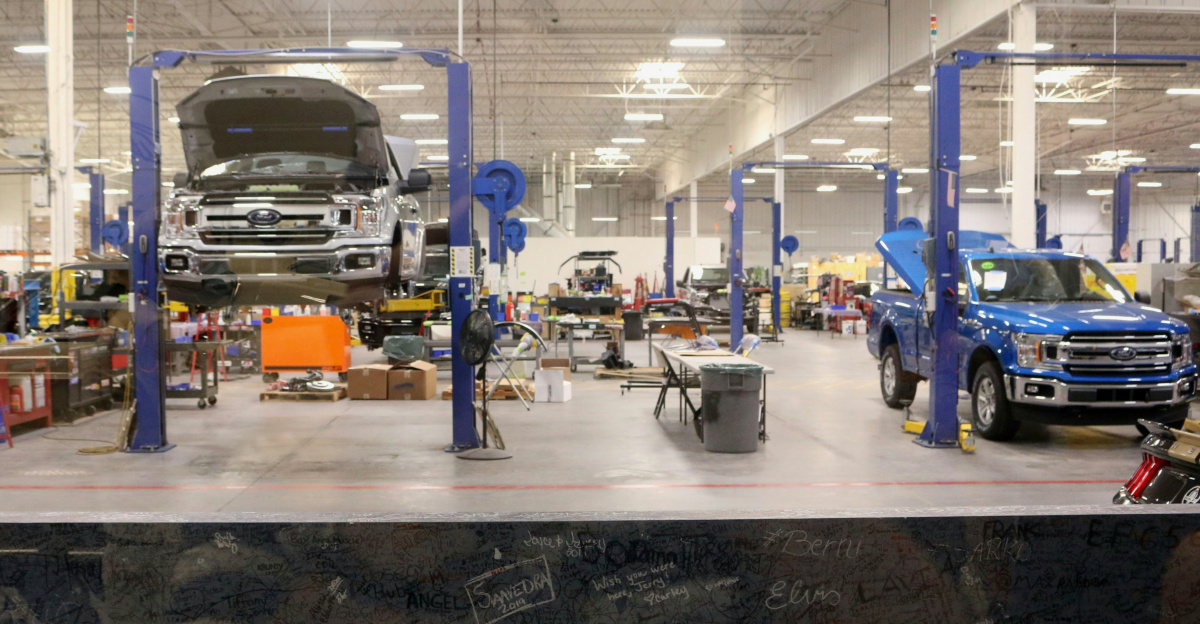
Ford CEO Jim Farley issued a stark warning: “We’re in deep trouble as a country.” This statement from one of America’s largest automakers’ leaders has captured policymakers’ attention and elevated the crisis from a corporate issue to a national concern.
Elected officials and regulators are now examining industrial safety protocols and supply chain resilience vulnerabilities with new urgency. Calls are mounting for stricter fire prevention standards at critical supplier facilities nationwide. Discussion is underway regarding strategic reserves and geographic sourcing diversification for national security purposes.
The crisis has forced the industry and government to confront uncomfortable truths: modern supply chains have become dangerously fragile, and single-supplier concentrations represent critical vulnerabilities to national economic and security interests. When a single aluminum plant in upstate New York can bring down the world’s most profitable truck, the fragility of American manufacturing infrastructure becomes impossible to ignore.