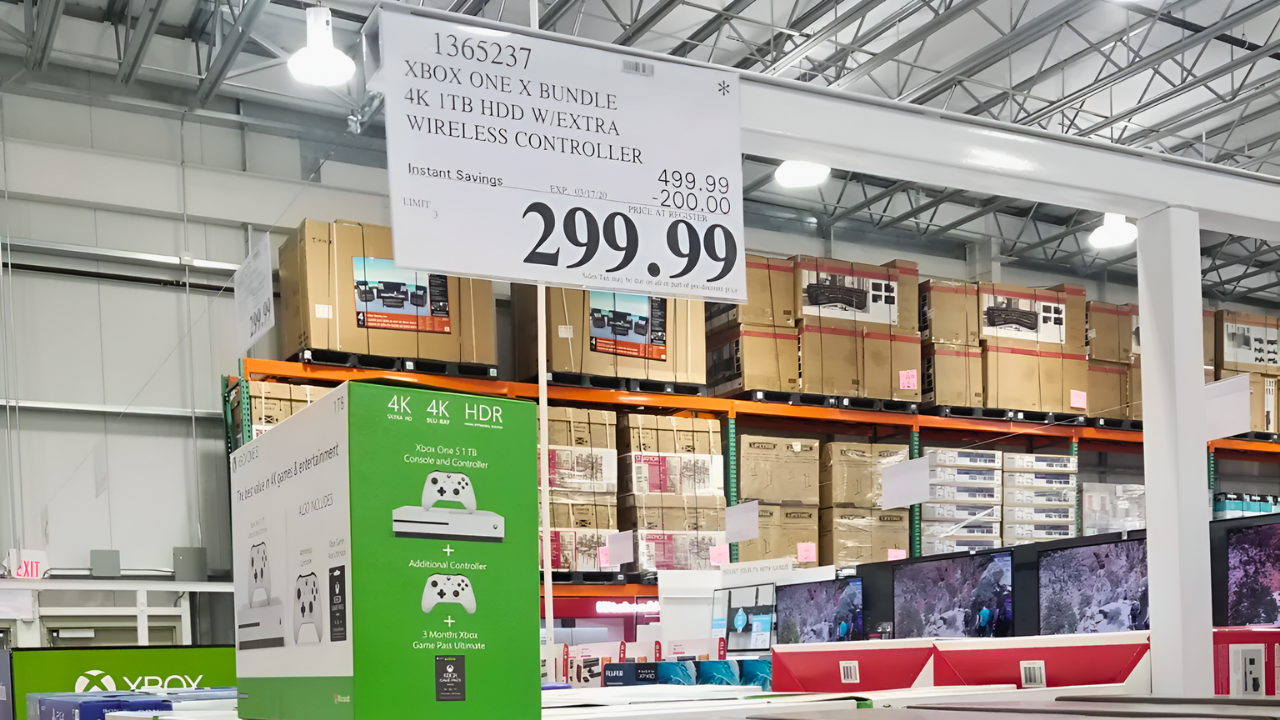
Xbox vanished from Costco’s digital shelves without warning. Shoppers searching for Series X or Series S consoles encountered only empty results—no hardware, no controllers, no Game Pass cards. The retailer’s entire Xbox section disappeared overnight in late September 2025, leaving over 136 million North American members without access to console purchases through one of the continent’s largest warehouse clubs.
The removal wasn’t random. It followed Microsoft’s unprecedented decision to raise U.S. console prices for the first time in Xbox history.
The Price Escalation
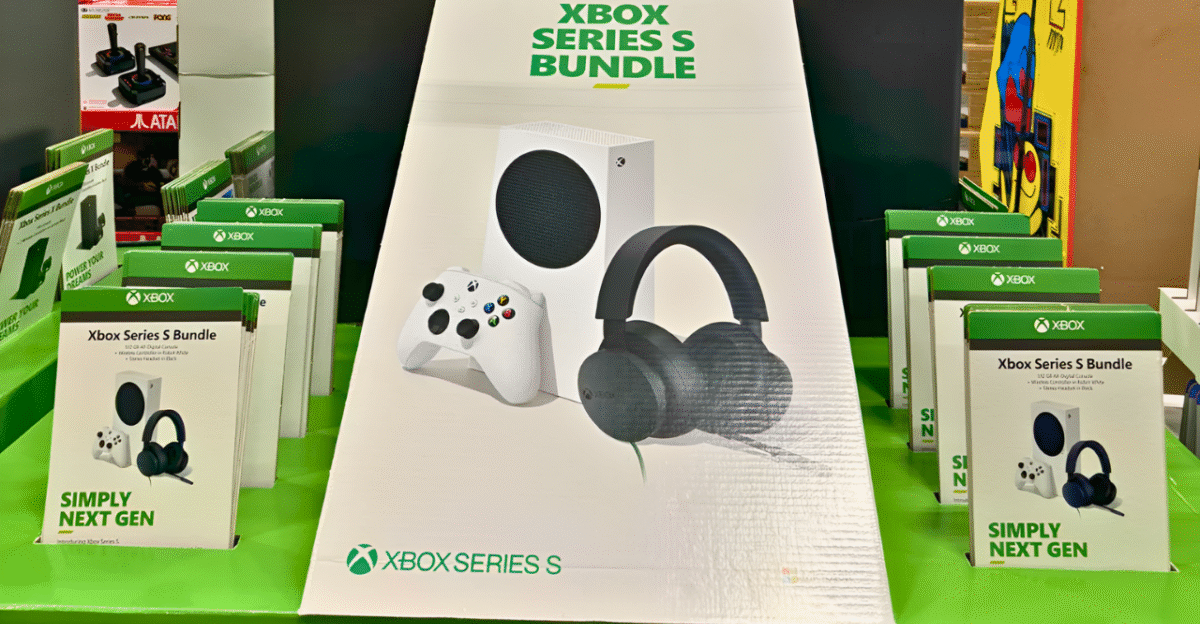
Microsoft increased Xbox Series X pricing from $499.99 to $649.99 and Series S from $299.99 to $399.99 through two separate hikes in May and October 2025. The premium 2TB Galaxy Black Special Edition now commands $799.99, representing a $200 increase since April. These adjustments reversed decades of gaming industry precedent, where console prices typically declined throughout a generation’s lifecycle rather than climbing 30% five years post-launch.
Shortly after the October price announcement, Costco confirmed its decision to discontinue Xbox console sales entirely. A company representative characterized the move as a business decision, stating no plans exist to restock Microsoft’s gaming hardware. The retailer continues offering PlayStation and Nintendo products, suggesting the issue lies specifically with Xbox’s market position.
Retail Exodus Accelerates
Costco’s withdrawal signals a wider pattern. EB Games locations in Canada stopped restocking Xbox consoles, selling only remaining inventory online. Australian and New Zealand Costco sites removed Xbox imagery, while some physical stores relocated Xbox products away from prominent displays. Reports from U.S. shoppers indicate Target and Walmart are reducing Xbox shelf space, allocating more room to PlayStation and Nintendo products.
Roughly 600 U.S. Costco warehouses represent an estimated $240-360 million in annual channel value for Microsoft. Beyond direct sales, the visibility loss compounds the problem. Costco’s high foot traffic means millions of potential buyers who might have impulsively added a console to their cart now default to competing platforms they actually see on shelves.
Financial Reality Check
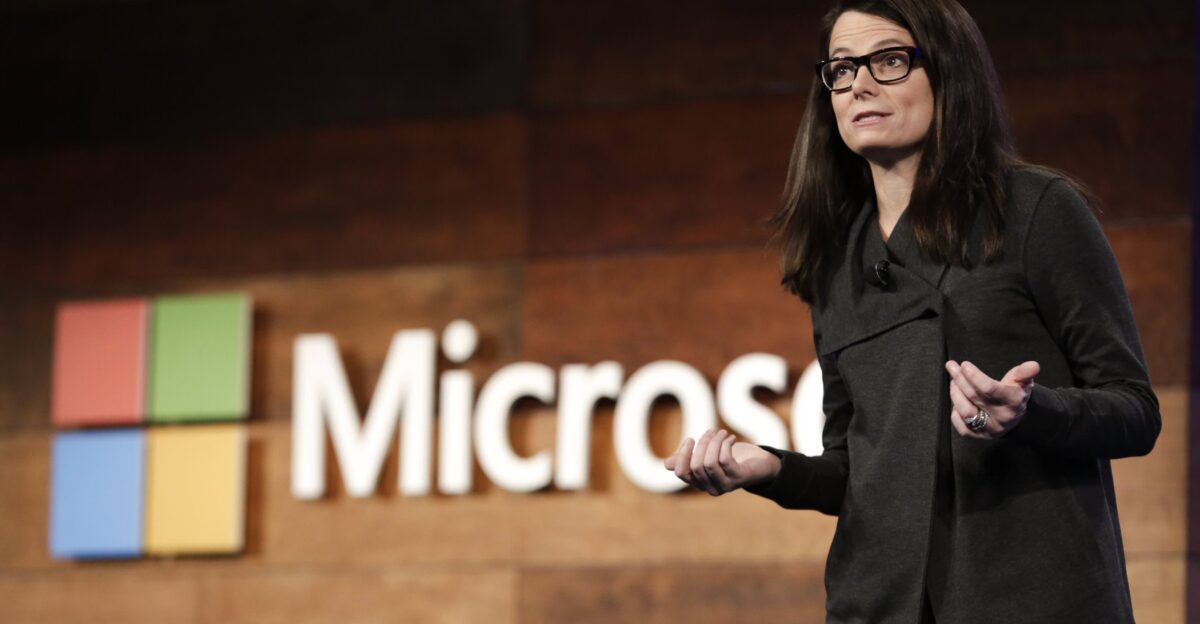
Microsoft’s fiscal Q1 2026 earnings painted a stark picture. Xbox hardware revenue declined 29% year-over-year, following a 22% drop the previous quarter. CFO Amy Hood warned investors to expect continued decreases in Q2. Even Xbox content and services revenue—the business segment meant to offset hardware weakness—grew only 1%, well below the expansion needed to compensate for plummeting console sales.
The pricing paradox becomes clear: Microsoft raised prices to maintain profit margins while unit sales collapsed, but higher prices further dampened consumer demand. Xbox Series X now costs $100 more than PlayStation 5’s standard edition while offering a smaller game library and weaker market momentum. The Series S at $399.99 sits just $50 below PS5 Digital Edition, eliminating its former value proposition.
Global availability deteriorated further. European markets saw estimated 2024 Xbox sales near 290,000 units—a collapse from earlier generation performance. Analysts suggest Microsoft is deliberately scaling back production to avoid inventory surplus, but reduced supply creates a self-reinforcing feedback loop where diminishing shelf presence erodes consumer awareness and interest.
The Strategic Pivot
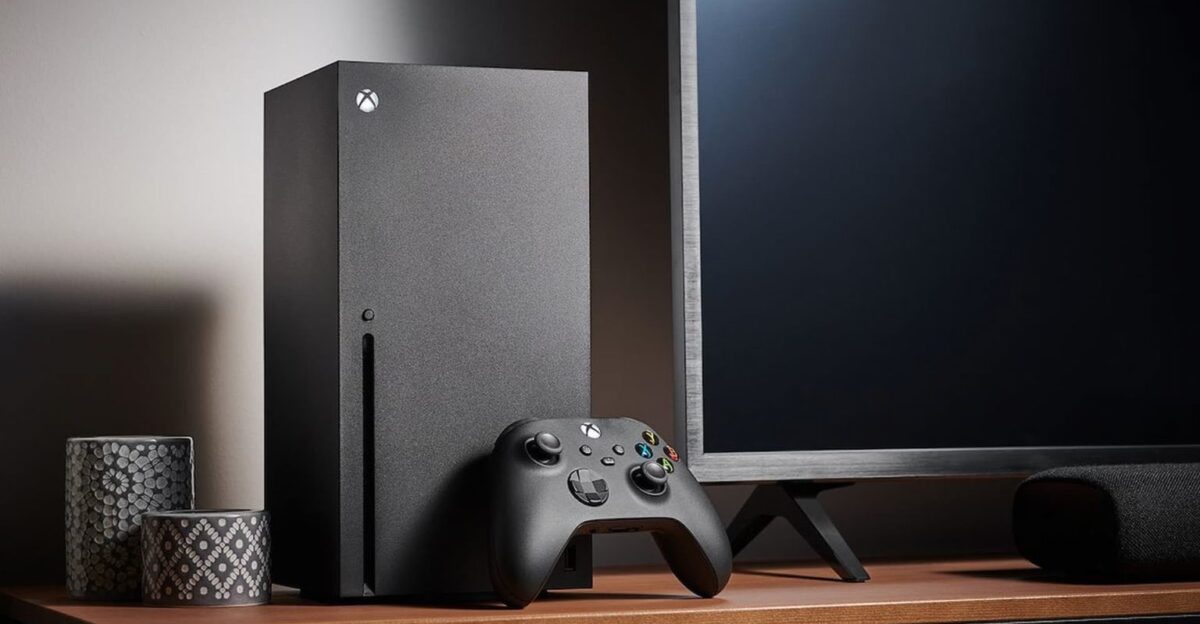
Microsoft’s broader strategy suggests console hardware may be transitional. The company promoted Windows-powered handhelds like ROG Ally under its “This is an Xbox” campaign while releasing first-party titles on PlayStation and Nintendo platforms. Take-Two Interactive’s CEO publicly stated gaming is moving toward PC and open systems rather than closed consoles—a shift Microsoft appears to embrace.
Game Pass subscriber growth stalled around 35-40 million users with only 1% revenue increase despite price hikes to $30 monthly for Ultimate tier. Without expanding hardware install base, subscriber acquisition plateaus. PlayStation 5 surpassed 80 million lifetime units compared to Xbox’s estimated 27-30 million, creating a developer priority gap that reinforces platform disparities.
For consumers weighing late-2025 purchases, the calculus favors PlayStation’s broader catalog, stronger retail presence, lower entry price, and more certain long-term hardware commitment. Unless deep ecosystem loyalty or Game Pass value justifies the investment, Xbox no longer represents the compelling choice it once was.
Costco’s quiet delisting reflects something larger than one retailer’s inventory decision. It captures Xbox’s converging challenges: collapsing hardware revenue, rising prices, shrinking retail presence, flat service growth, and an industry gravitating toward PC and open platforms. With no timeline for return and no reversal signaled, Xbox remains available—but in America’s warehouse aisles and beyond, it’s already fading from view.
Sources:
Microsoft FY26 Q1 Investor Relations Earnings Release; Official Xbox Hardware Pricing Announcement (September 2025)
Costco Wholesale Corporate Representative Statements (September 2025); Retail Channel Inventory Reporting (EB Games, Target, Walmart)
Sony Group Corporation Q2 FY2025 Consolidated Financial Statements; Nintendo Co., Ltd. Quarterly Financial Highlights
Take-Two Interactive CEO Industry Outlook Interview (November 2025); Circana (formerly NPD) U.S. Video Game Industry Market Analysis