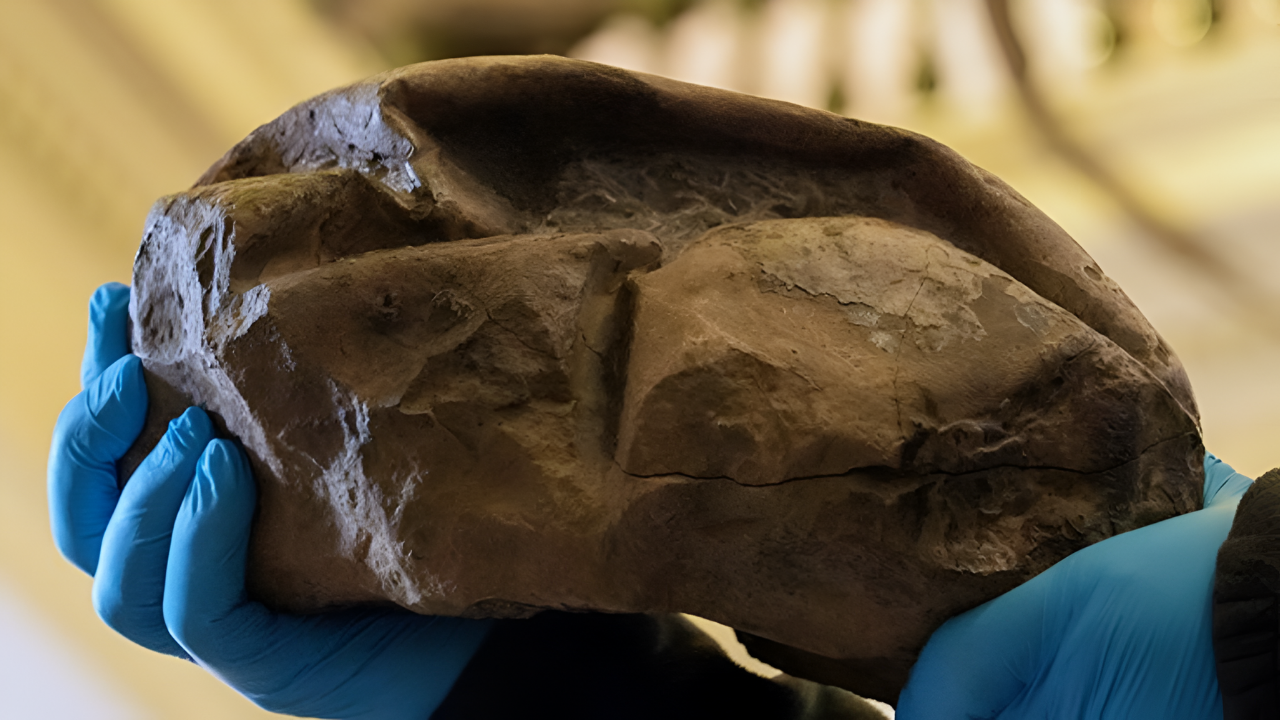
For nine years, a massive fossil had been collecting dust on a shelf at Chile’s National Museum of Natural History.
Chilean researchers found it in 2011 on Antarctica’s frozen landscape. The deflated football-shaped object baffled everyone. It looked nothing like bone or tooth. Scientists struggled to identify it.
No one knew what they’d discovered. The specimen remained a mystery until 2018, when Julia Clarke, from the University of Texas at Austin, arrived to examine the collection.
The Frozen Time Capsule
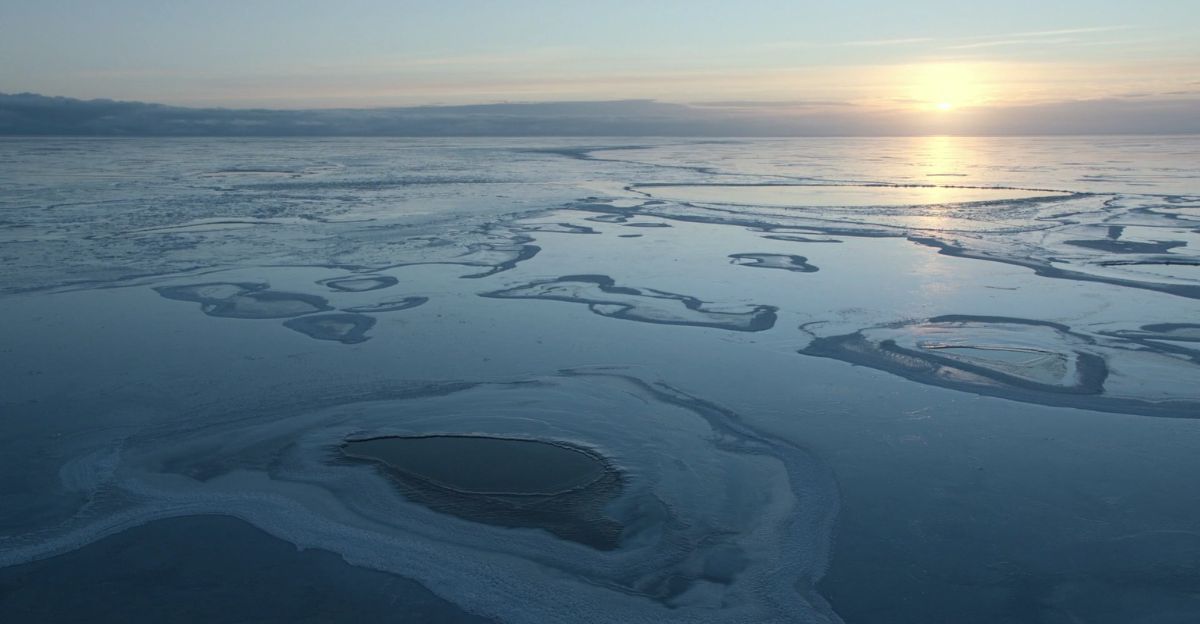
The fossil came from Seymour Island’s Lopez de Bertodano Formation, a Cretaceous deposit off Antarctica’s coast.
Scientists dated it to 68 million years ago—just before the extinction of the dinosaurs. That event wiped out 75% of all life. Antarctica back then wasn’t frozen.
It had forests and warm weather. Life thrived there. Yet researchers had never found anything like this “stone football” in the sediment before.
A Scientific “Thing”
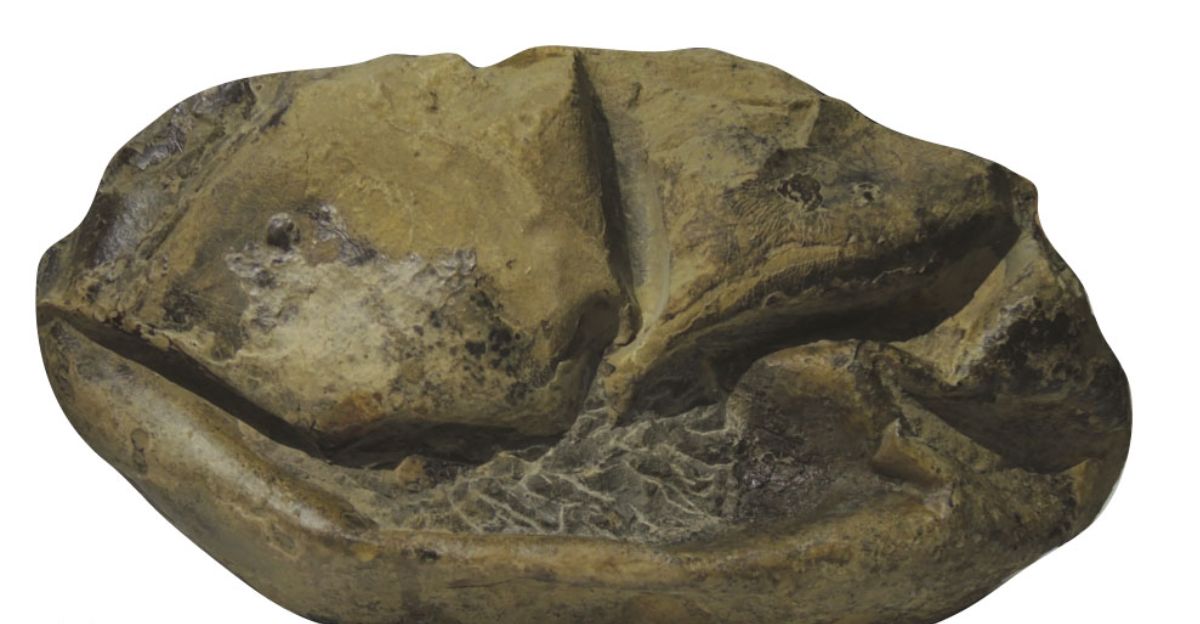
The strange object measured 11 by 8 inches. Scientists nicknamed it “The Thing”—after John Carpenter’s 1982 horror film set in Antarctica.
The fossil seemed as bizarre as an alien invader. Geologists and paleontologists examined it for years. They couldn’t identify it.
Was it a geological oddity? A stomach lining? Something else? The mystery lasted until 2018, when Clarke began her examination.
The Breakthrough Identification
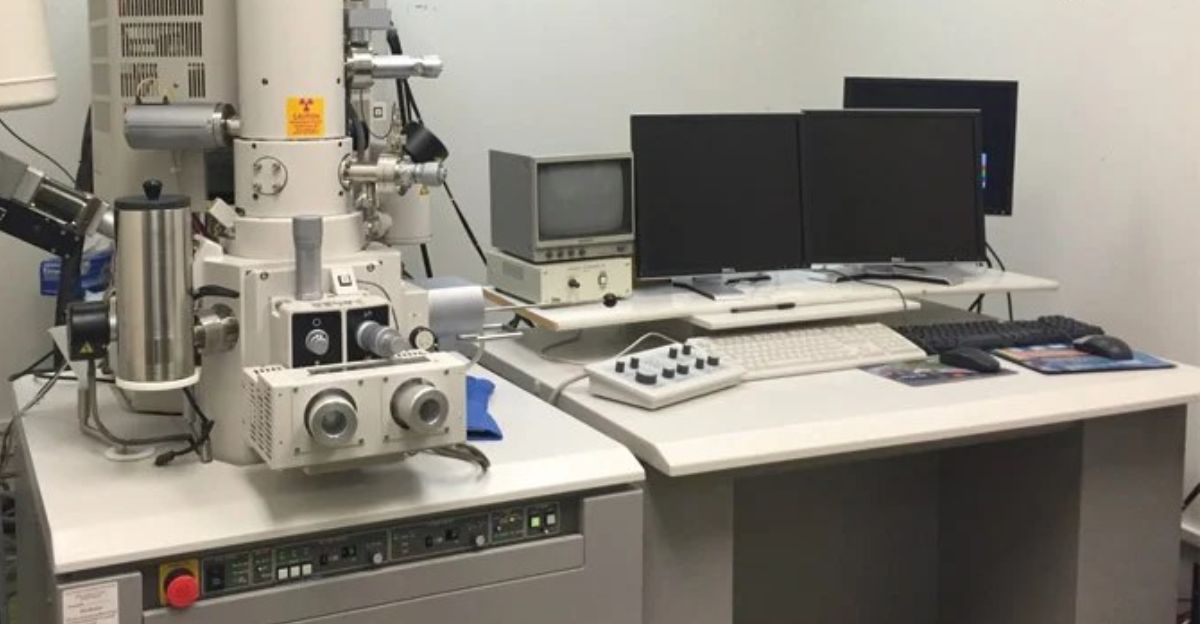
Clarke used electron microscopy to study the object’s structure. She discovered a thin, soft membrane—not a hard shell.
It resembled modern lizard and snake eggs, but on a massive scale. The “deflated” look wasn’t damaged. Soft-shelled eggs naturally collapse after hatching or fossilization.
In June 2020, Clarke’s team published their findings in Nature. They confirmed the truth: a fossilized egg, preserved for 70 million years.
The Giant Egg Emerges
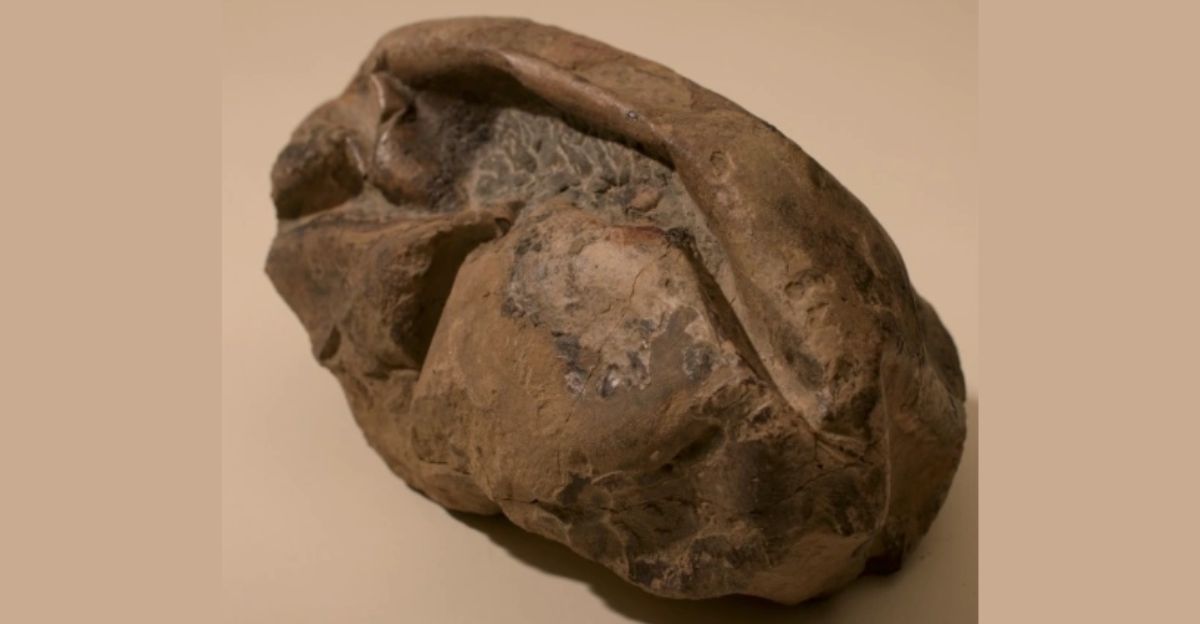
Scientists named the specimen Antarcticoolithus bradyi. It ranks as the first fossil egg ever found in Antarctica and the largest soft-shelled egg known to science.
Madagascar’s extinct elephant birds laid bigger, hard-shelled eggs. But Antarcticoolithus dominates the soft-shell category. No living reptile laid eggs this enormous.
Soft shells rarely fossilize—they lack the hard calcified layer. This egg’s survival feels miraculous. Over a century of Antarctic exploration has finally found one.
Hunting the Parent
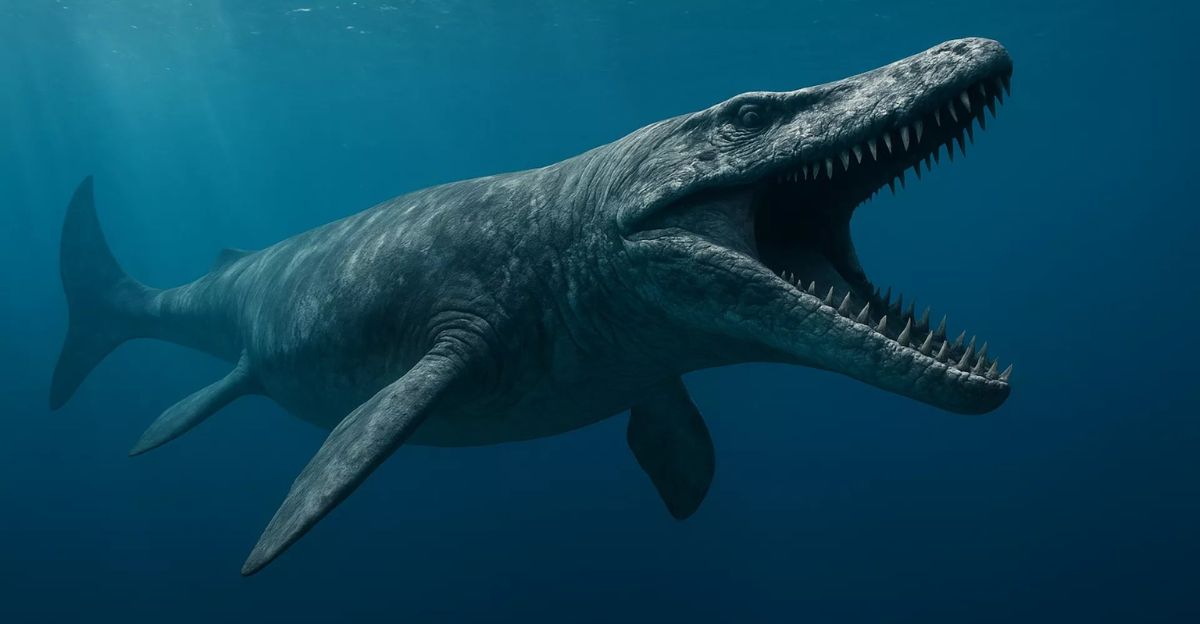
The egg’s size narrowed the suspects to Cretaceous giants. Researchers compared the egg’s dimensions to 259 living reptile species.
They calculated that the mother reached at least 23 feet long, not counting the tail. This ruled out local birds and most regional dinosaurs. One creature fit perfectly: a mosasaur.
These massive marine reptiles weren’t technically dinosaurs. They were squamates, related to monitor lizards. They dominated ancient seas.
The Mosasaur Connection
A mosasaur probably laid “The Thing.” Evidence sits close by: just 660 feet away, scientists found Kaikaifilu hervei—a mosasaur skeleton 33 feet long.
For decades, scientists believed mosasaurs gave live birth in the open ocean, like whales. They had no egg evidence.
This discovery changes that. Some marine apex predators appear to have laid soft eggs in shallow, protected waters. This finding rewrites the reproductive history of ocean monsters.
Shattering Reproductive Dogma
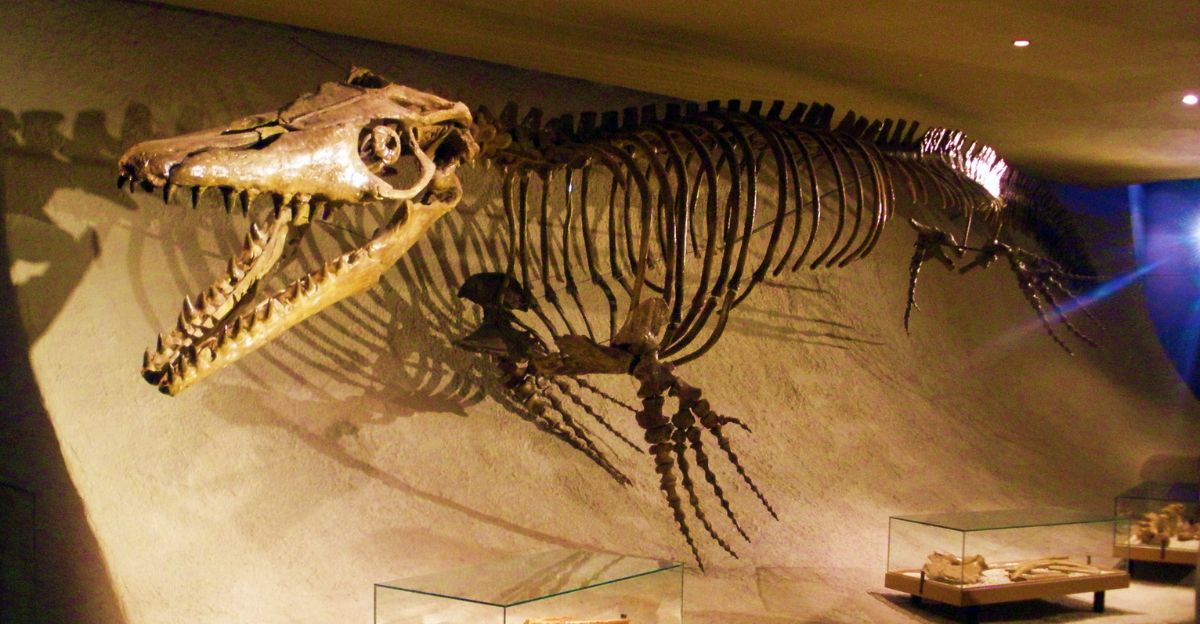
The discovery challenges 200 years of scientific thinking about marine reptiles. When scientists first discovered mosasaur fossils in the 1700s, they noticed the absence of calcified eggs.
So they assumed all mosasaurs gave live birth. Antarcticoolithus bradyi reveals a more complex truth. Some marine reptiles employed the sea turtle strategy, returning to shore or using protected coves to lay their eggs.
This forces paleontologists to reconsider how these carnivores used land and coastlines.
The Dinosaur Convergence
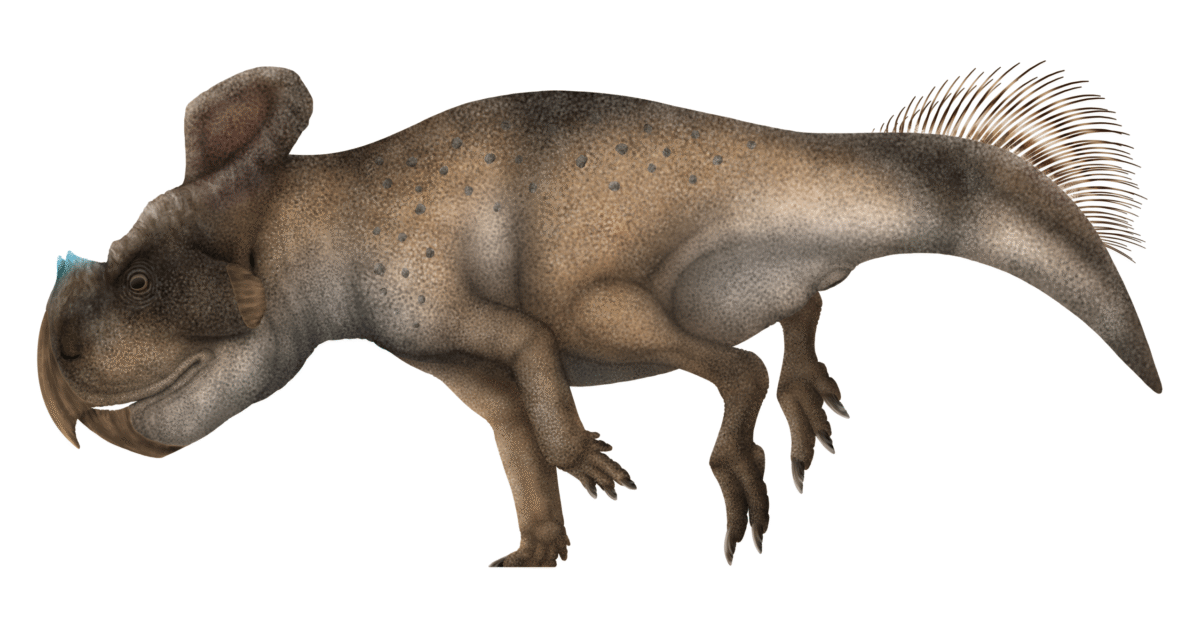
The Antarctic egg wasn’t alone. In June 2020, the American Museum of Natural History released a separate study by Nature.
Researchers have discovered that early dinosaurs, such as Protoceratops and Mussaurus, also laid soft-shelled eggs. Both studies contradicted the same assumption: that hard shells were the ancestral default.
Headlines blurred the line between mosasaurs and dinosaurs. But the real impact united them: ancient reproduction was softer than science believed.
The Evolution of the Shell
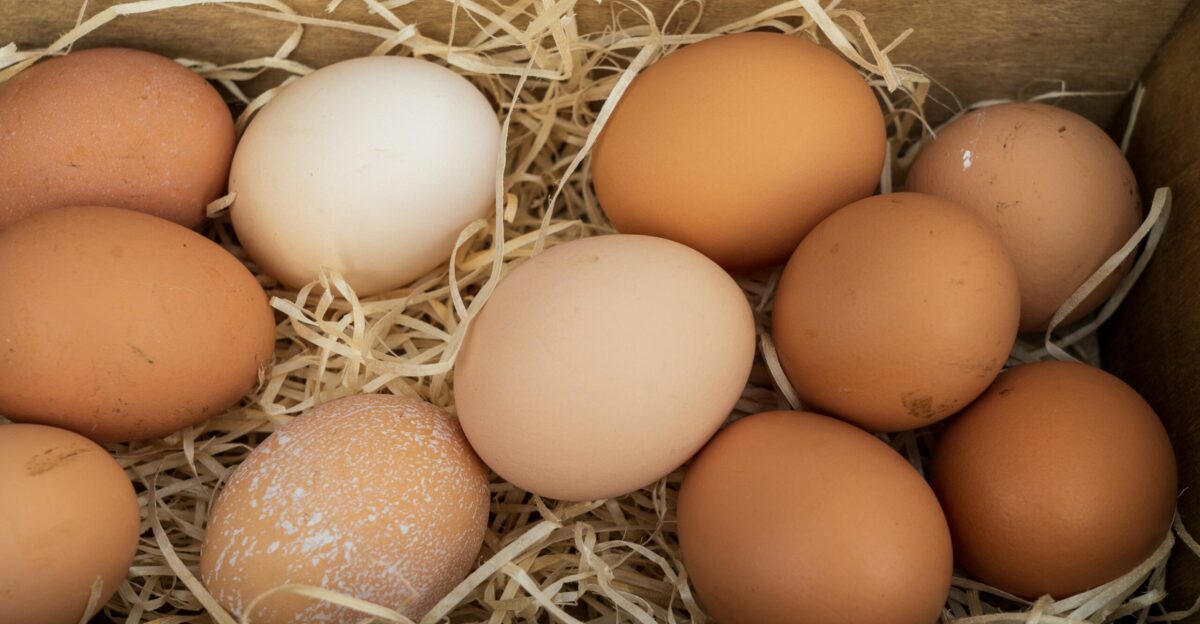
Hard-shelled eggs—like chicken eggs or T. rex eggs—evolved separately across different lineages. They weren’t the original design.
Early mosasaurs and dinosaurs laid eggs that were soft. Soft shells offered advantages, including better gas exchange and improved moisture absorption. But they lacked protection.
Predators hunted them easily. Environmental decay destroyed them fast. Antarcticoolithus remains so rare because millions rotted away undetected. This massive fossil gap misled scientists for generations about prehistoric reproduction.
An Ancient Nursery?
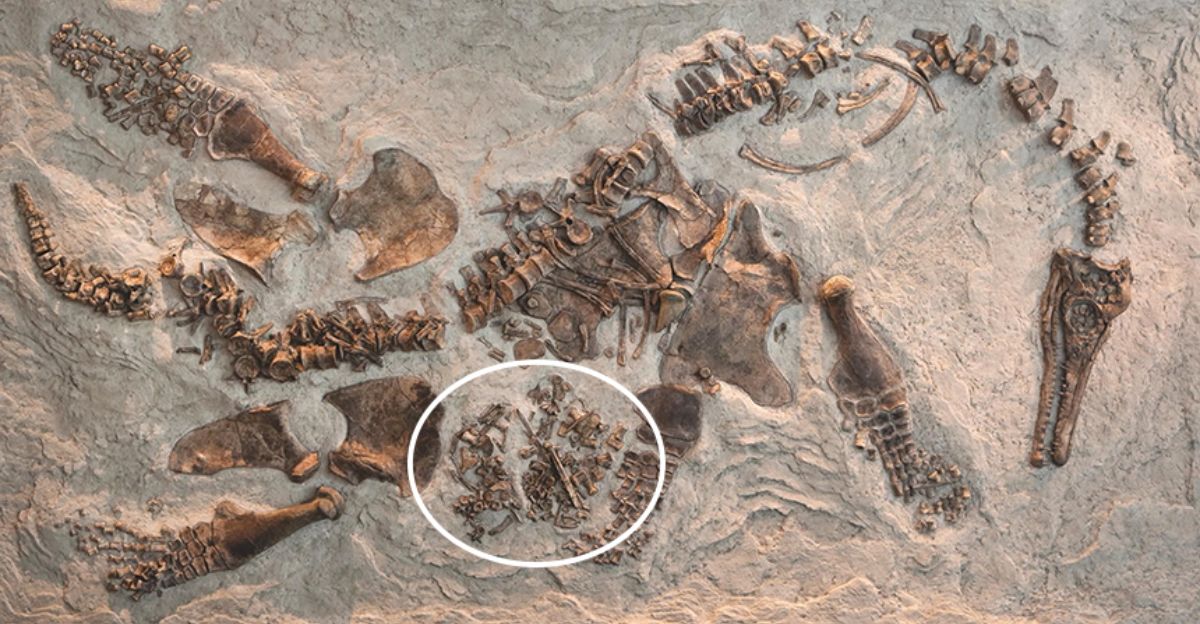
Seymour Island tells a story. Alongside the giant egg, paleontologists found tiny bones from baby plesiosaurs and mosasaurs in the same rock layers.
This concentration suggests the area served as a protected nursery or rookery. Giant marine reptiles probably gathered there to reproduce and raise young away from the dangerous deep ocean.
This contradicts the image of solitary mosasaurs hunting in the depths. They apparently showed complex social behavior.
The Debate on Hatching
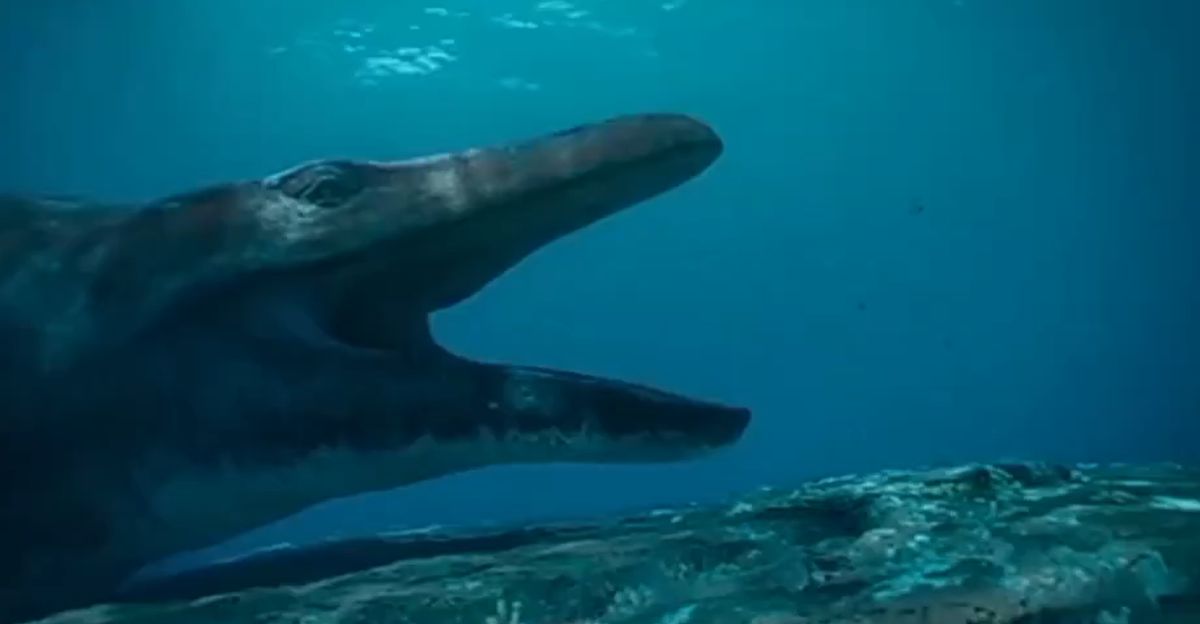
Did the mosasaur lay this egg on land or underwater? That’s the unsolved puzzle. Mosasaurs had heavy bodies and paddle-like limbs.
Dragging themselves onto a beach would exhaust them. Maybe they laid eggs on land anyway. Or maybe the thin shell allowed underwater hatching—a process called “ovoviviparity,” where eggs hatch immediately after laying.
The egg’s delicate structure supports this theory. It solves the problem of a 30-foot sea monster crawling on sand.
The Soft Tissue Miracle
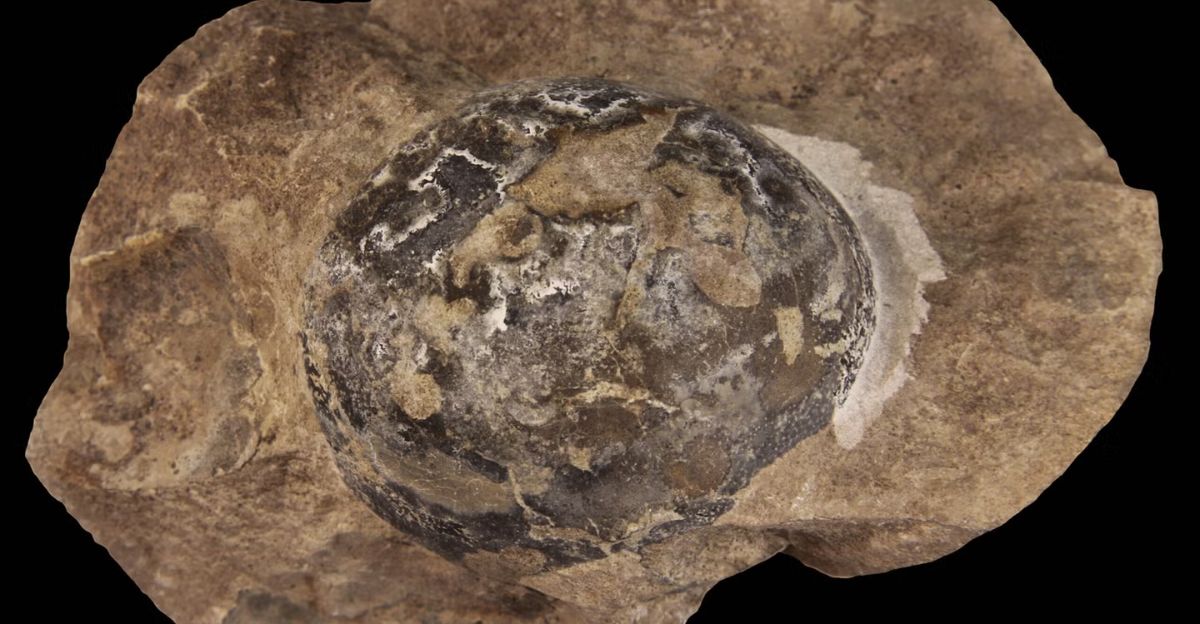
“The Thing” defied the odds of fossilization. Soft tissue decays fast through bacterial and scavenger action.
For this egg to survive, something buried it rapidly in calm, low-energy conditions—probably a shallow bay’s muddy bottom. The sediment inside contains tiny marine organisms, proving the egg broke open in seawater.
Rapid burial trapped the membrane away from oxygen and predators. Minerals replaced the soft tissue, turning leather into stone.
Correcting the “Dinosaur” Headline
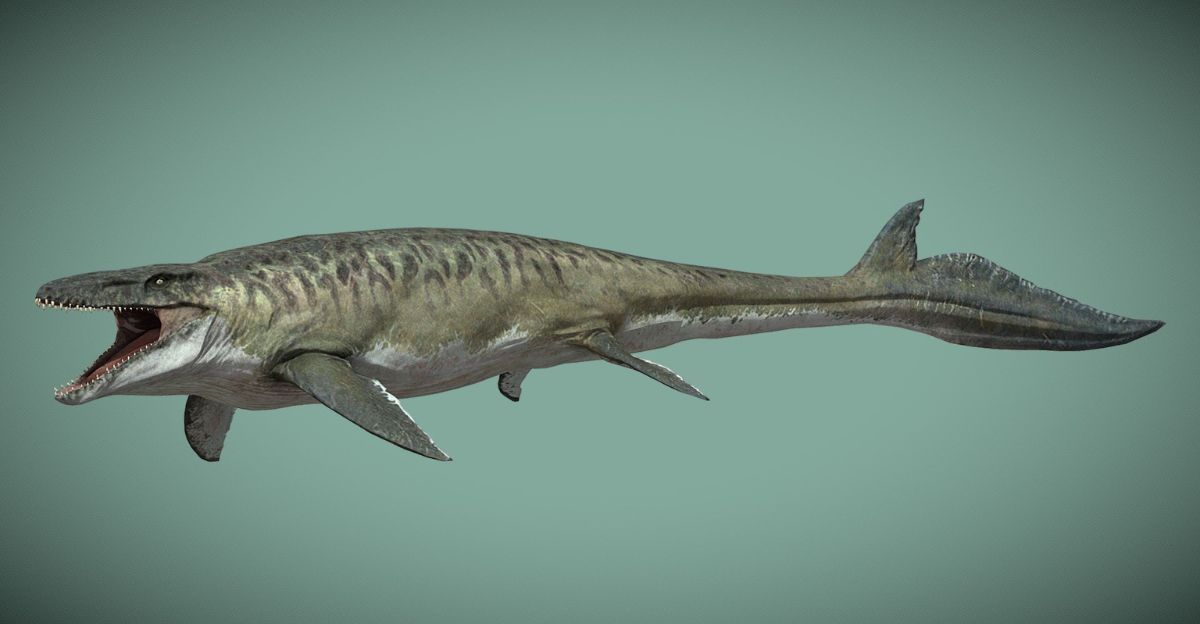
Mainstream outlets referred to this as a “dinosaur discovery.” But science demands accuracy.
Mosasaurs are squamates—lizards divergent from the archosaur lineage that produced dinosaurs, crocodiles, and birds. Yet the confusion reveals truth: Mesozoic science connects everything.
Insights into Mosasaur reproduction force paleontologists to question assumptions about all giant reptiles.
The “rewrite” holds because it shatters the “hard shell bias” that blinded researchers studying both dinosaurs and marine reptiles.
The Future of Antarctic Fossils
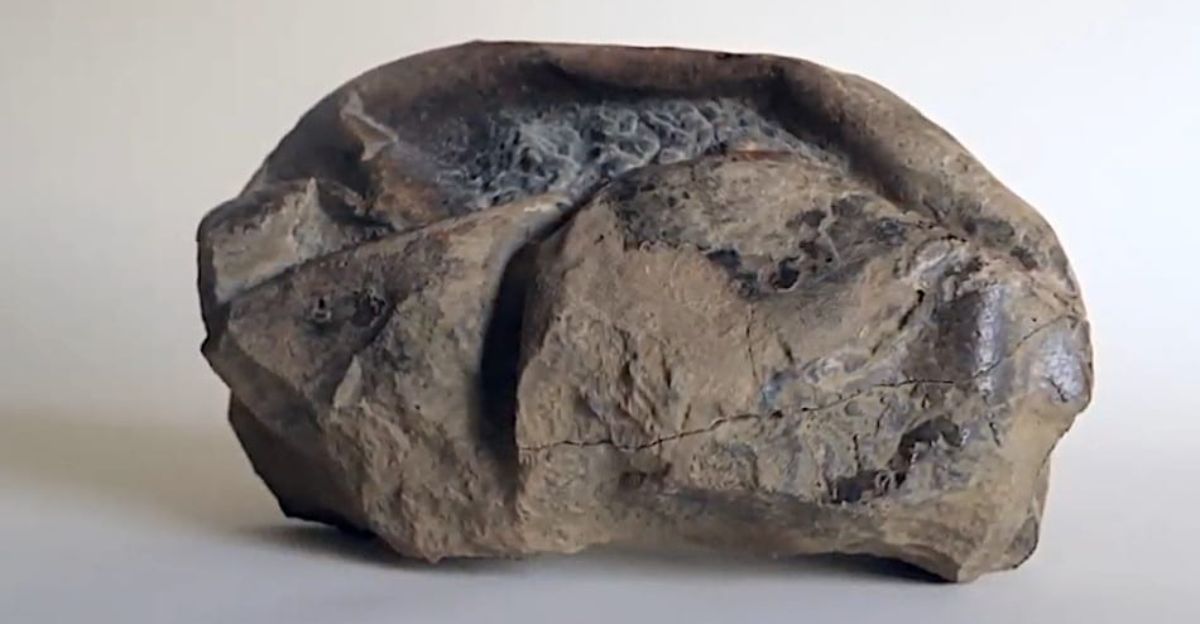
The Antarcticoolithus discovery sparked a “gold rush” for soft-tissue fossils in Antarctica. Climate change melts ice, exposing new Cretaceous rocks.
Scientists now re-examine discarded “weird rocks” from past expeditions. Were researchers missing soft eggs all along? The 2011 success proves Antarctica holds delicate biological records.
These could map a greenhouse Earth’s ecosystem. But paleontologists face a race: scientists must reach fossils before erosion and weather destroy them forever.
The Molecular Eye
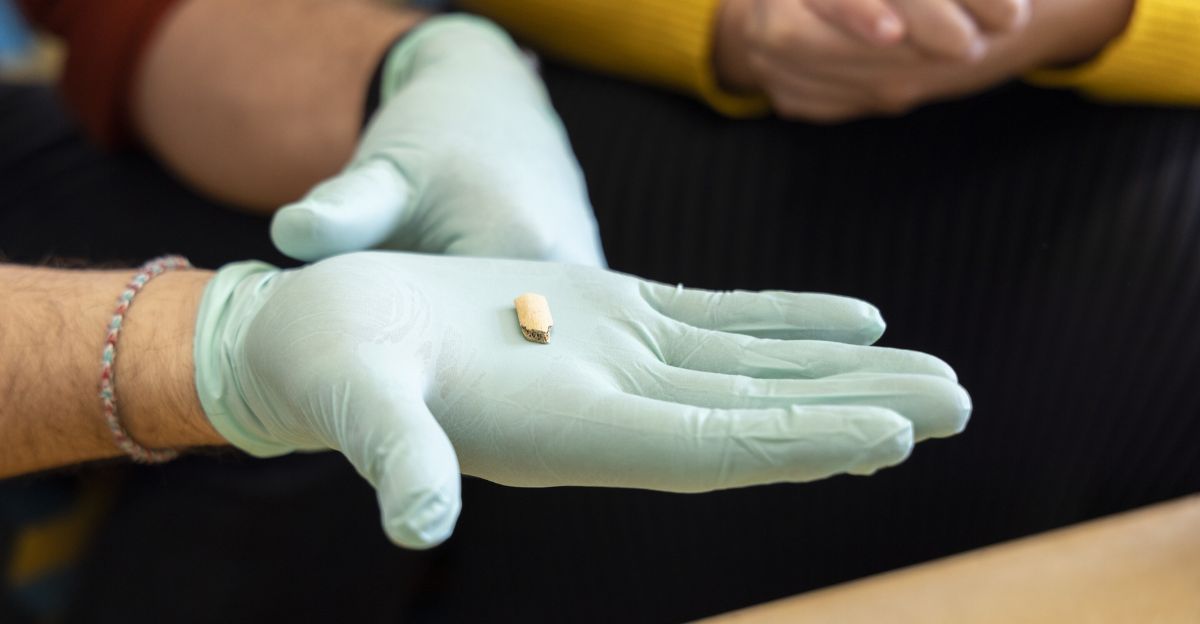
Since 2020, Raman spectroscopy and advanced chemical imaging have become standard for analyzing mystery fossils. Scientists no longer rely only on shape.
They scan for chemical signatures of biopolymers in egg membranes. The Antarcticoolithus study validated this technological shift.
Museums worldwide now apply this “molecular archaeology” method. Researchers find chemical ghosts of soft tissue.
These reveal data that bones alone never could. A new fossil era has begun.
Modern Conservation
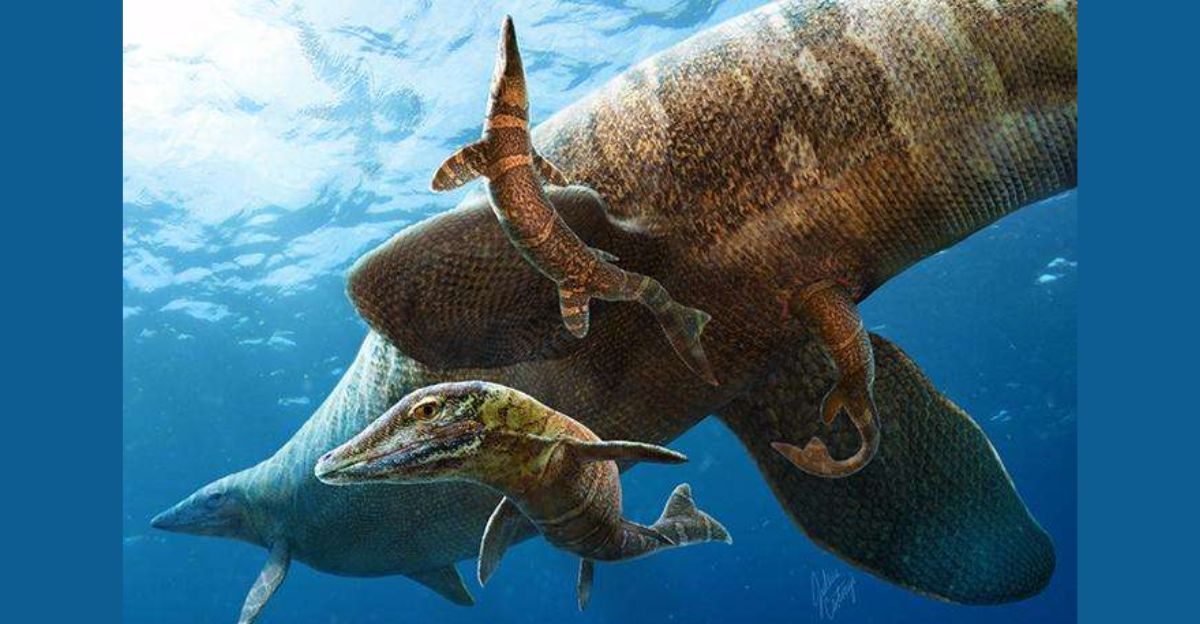
Ancient mosasaur reproduction offers unexpected lessons for modern conservation. Mosasaurs needed specific shallow-water nurseries.
Today’s sharks and sea turtles face the same challenge: coastal development threatens their breeding grounds. By modeling how prehistoric nurseries functioned and supported massive populations, biologists gain perspective.
They understand why protecting specific geographic chokepoints matters for the survival of apex marine predators.
Ancient knowledge informs modern ocean protection. The prehistoric past guides our fragile future.
Viral Misconceptions

On social media, the Antarctic egg story attracts wild claims. Some posts say scientists are “cloning dinosaurs.”
Others claim the egg held a viable embryo. These viral distortions confuse Antarcticoolithus with Jurassic Park fiction.
Reality differs: the egg hatched long ago. It contained sediment, not a baby mosasaur. Paleontologists and educational creators actively combat false narratives.
They use viral interest as a teaching hook: we found the “wrapper,” not the “candy,”—and that itself amazes.
The Coelacanth Precedent
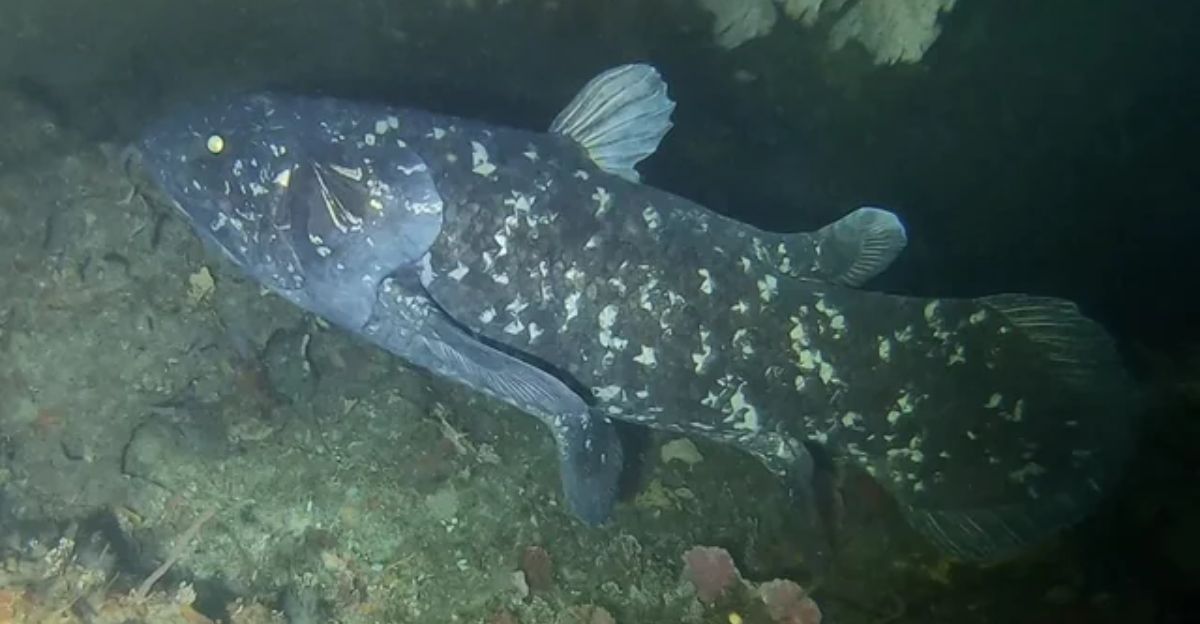
The mosasaur egg discovery echoes the 1938 Coelacanth shock. That living fish proved “extinct” lineages could survive.
“The Thing” proves “impossible” fossils endure. Both events warn against scientific dogma. For centuries, the absence of soft eggs meant mosasaurs didn’t lay them.
Antarcticoolithus joins the Coelacanth as a permanent reminder: the fossil record fragments. Our assumptions hold only until the next discovery rewrites everything.
The Bottom Line
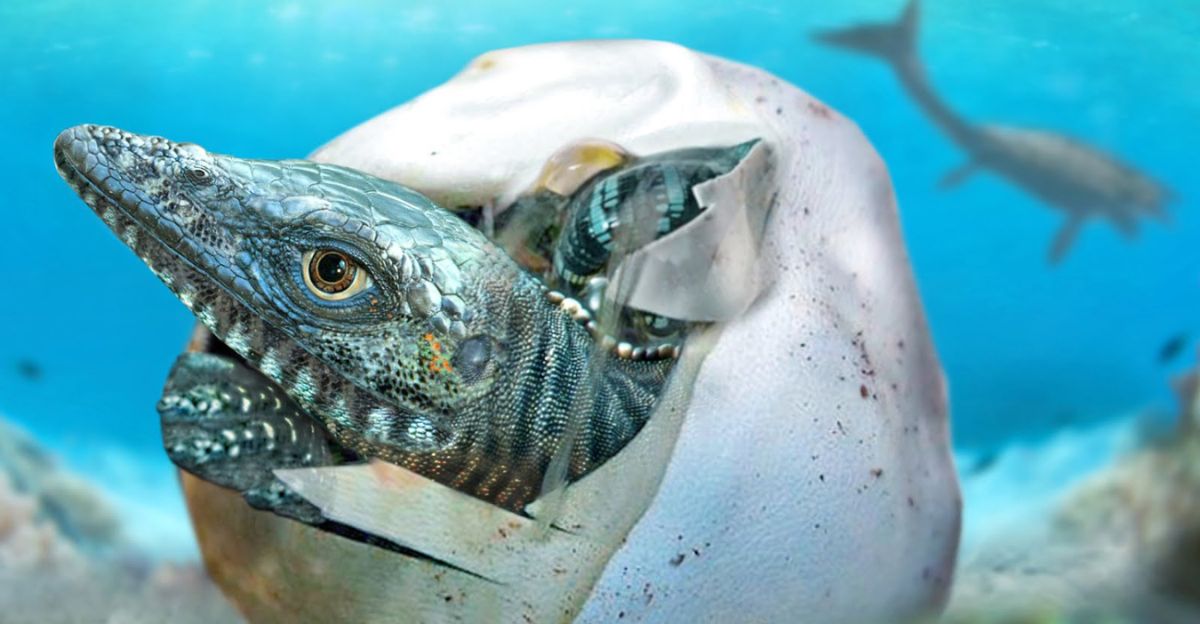
“The Thing” transcends record-breaking statistics. It corrects our understanding of Cretaceous seas.
This proves 30-foot marine monsters laid football-sized soft eggs in shallow Antarctic nurseries. It challenges the egg-layer versus live-bearer divide.
Alongside concurrent dinosaur research, it ended paleontology’s “hard shell bias.”
This 68-million-year-old deflated football reminds us that the Earth still hides giants in its frozen corners, waiting for the right eyes to spot them.
Source:
University of Texas at Austin, 17 Jun 2020
Nature, Summary Analysis 2020
History of Science Journal, 2022
Snopes, Verified 2024
Frontiers in Marine Science, 2023
Journal of Analytical Atomic Spectrometry, 2024