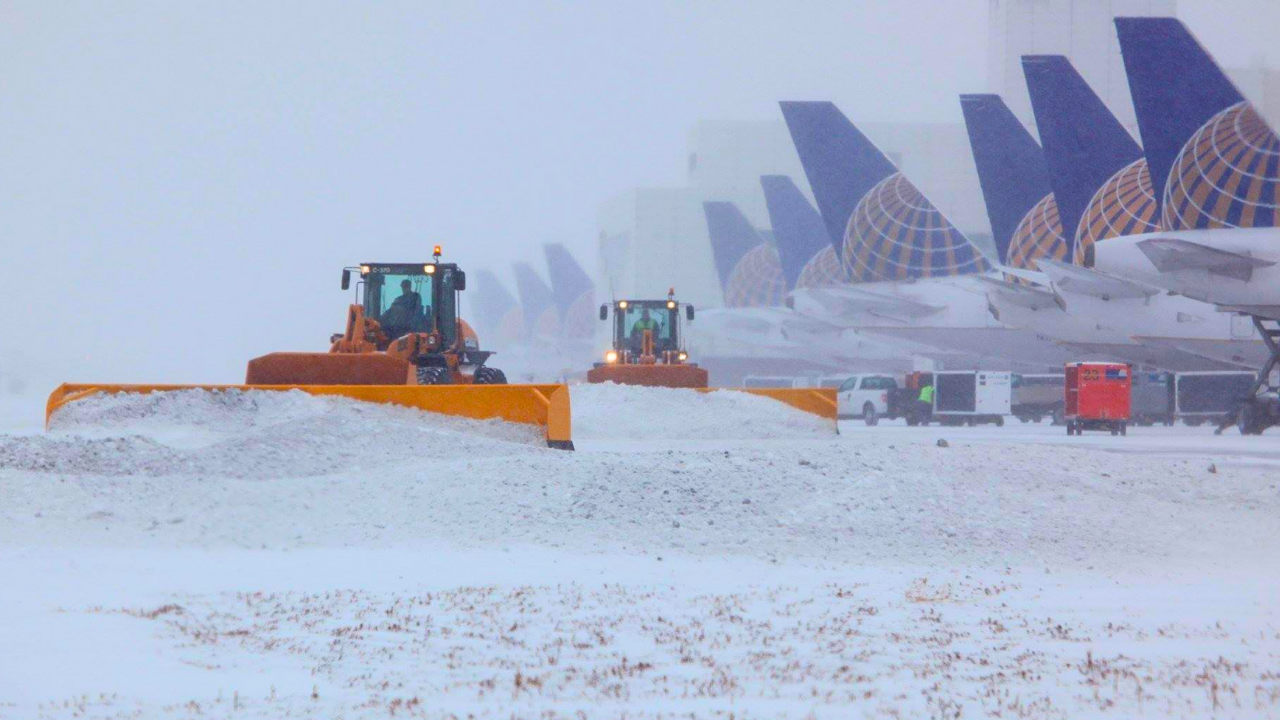
Snow swirled across runways like smoke as boarding screens flickered to red: Cancelled. Travelers at Chicago O’Hare slept on coats or leaned against walls, phones dead, vouchers in hand. Jet bridges iced over. Announcements echoed through terminals packed shoulder-to-shoulder. Outside, plows crawled blindly through white streaks as visibility fell to a few yards.
Forecasts warned the storm was strengthening, not fading. It was November 29, 2025—the busiest travel weekend of the year—and no one knew how long they’d be stuck. Everyone was waiting for answers that never came fast enough.
Busiest Travel Day Brought to a Halt
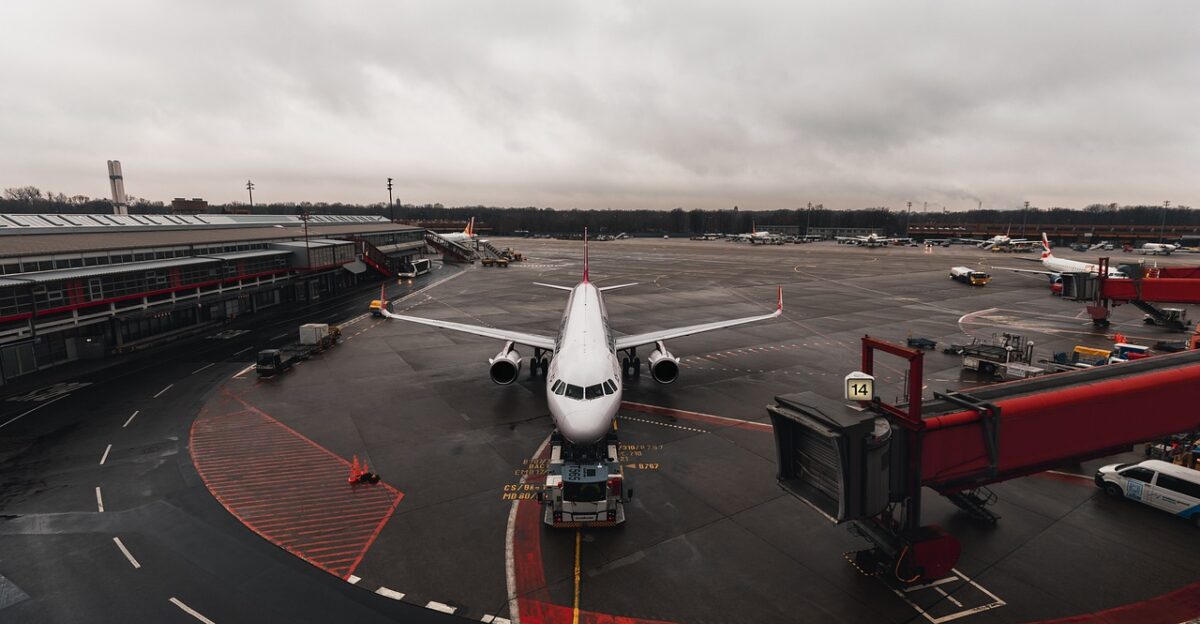
The Friday after Thanksgiving is America’s most crowded travel day—2025 proved how fragile it remains. Winter Storm Bellamy hit just as millions returned home from the holiday, grounding flights and freezing highways across the Midwest.
More than 1,400 flights were cancelled on Saturday alone, one of the largest single-day disruptions since 2023. Despite modern forecasting and de-icing improvements, the system buckled instantly once snow began to stack.
A Storm Born in the Pacific
Bellamy formed quietly over the Pacific Northwest before sliding into the Rockies on November 28. Forecasts expected snow, but models missed how dramatically the system would strengthen when it merged with a deep polar jet streak.
Within 24 hours, a routine November storm became a blizzard stretching across nine states. Jet-driven convection intensified snowfall rates, and the Great Lakes corridor braced for whiteout winds and rapid accumulation.
Warnings Blanket the Midwest
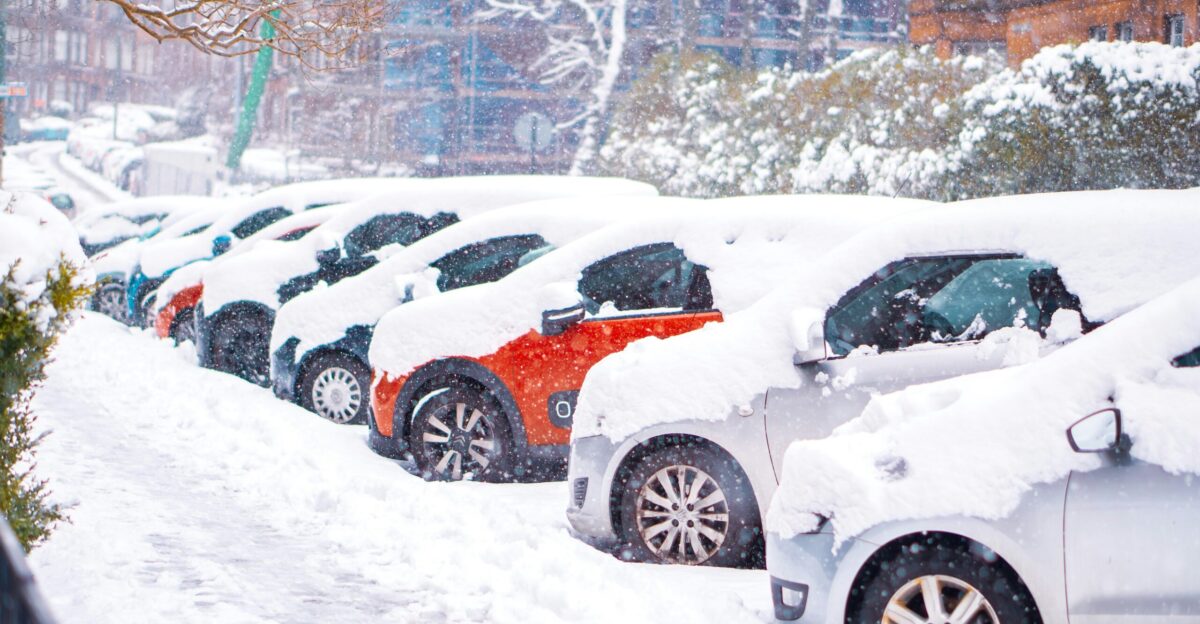
By November 29, heavy snow buried six core states—Iowa, Illinois, Wisconsin, Indiana, Michigan, and Minnesota—while lighter advisories stretched to South Dakota, Nebraska, and Ohio. Between 25 and 54 million people fell under alerts.
Forecasters warned of 35-mph gusts, plummeting temperatures, and visibility shrinking to only a few car lengths. Millions preparing to travel home after Thanksgiving suddenly faced hazardous roads and unpredictable flight schedules.
Record Snow, Runway Shutdowns
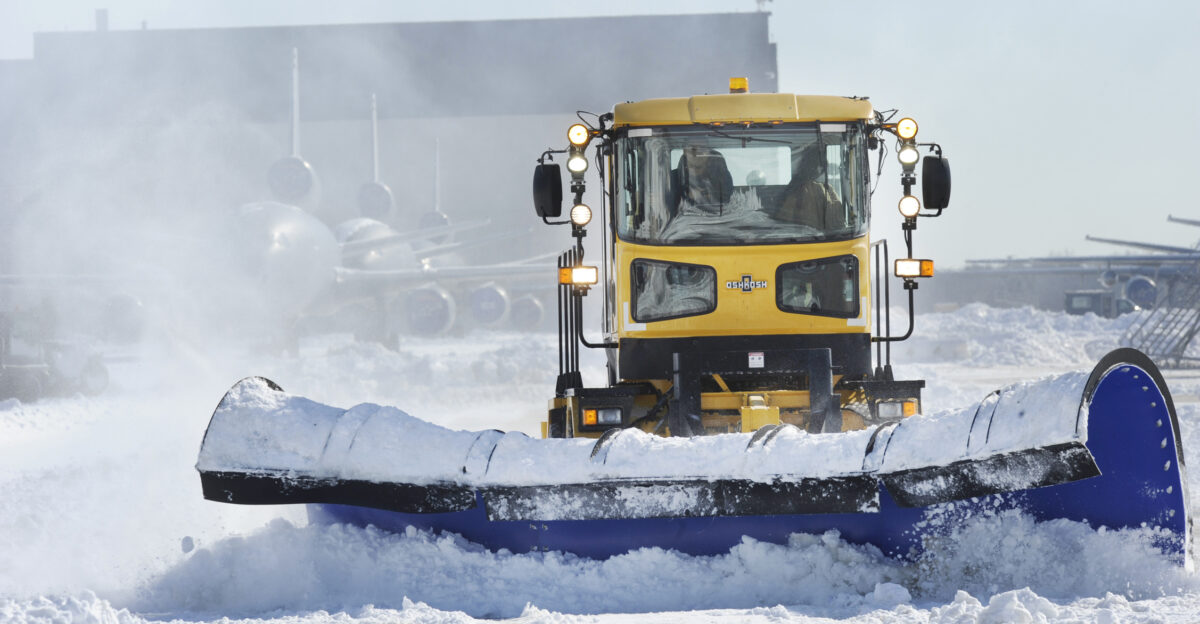
Chicago O’Hare recorded 8.4 inches of snow—its highest November total on record—alongside more than 930 flight cancellations and 750 delays. Average waits hit five hours. Snow fell faster than plows or de-icing trucks could respond.
The ripple spread across the country. By Sunday morning, over 14,000 flights had been delayed nationwide, stranding families and scattering aircraft far from scheduled destinations.
Airports at Capacity, No Seats Left
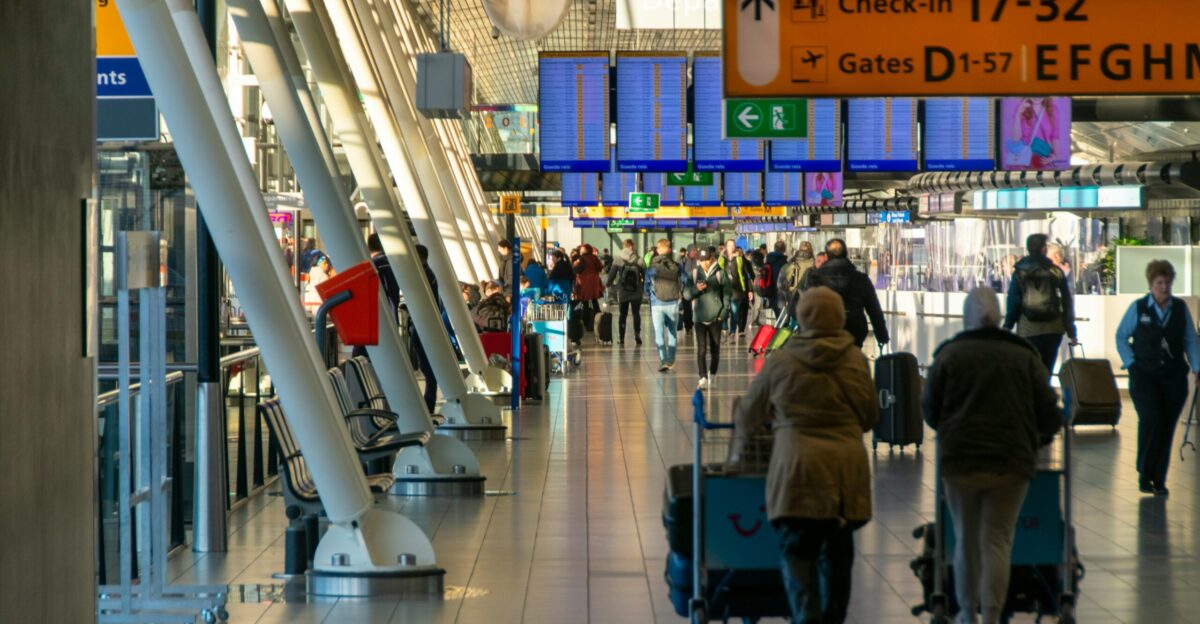
O’Hare wasn’t alone. Chicago Midway reported 187 cancellations, while Detroit, Indianapolis, and Minneapolis reached triple-digit totals. Seating disappeared first, then hotel rooms, then rental cars.
Runways iced over repeatedly, forcing FAA-directed ground stops. Even unaffected states struggled when inbound aircraft never arrived, fracturing the national flight network one missed rotation at a time.
Stranded Travelers and Highway Chaos
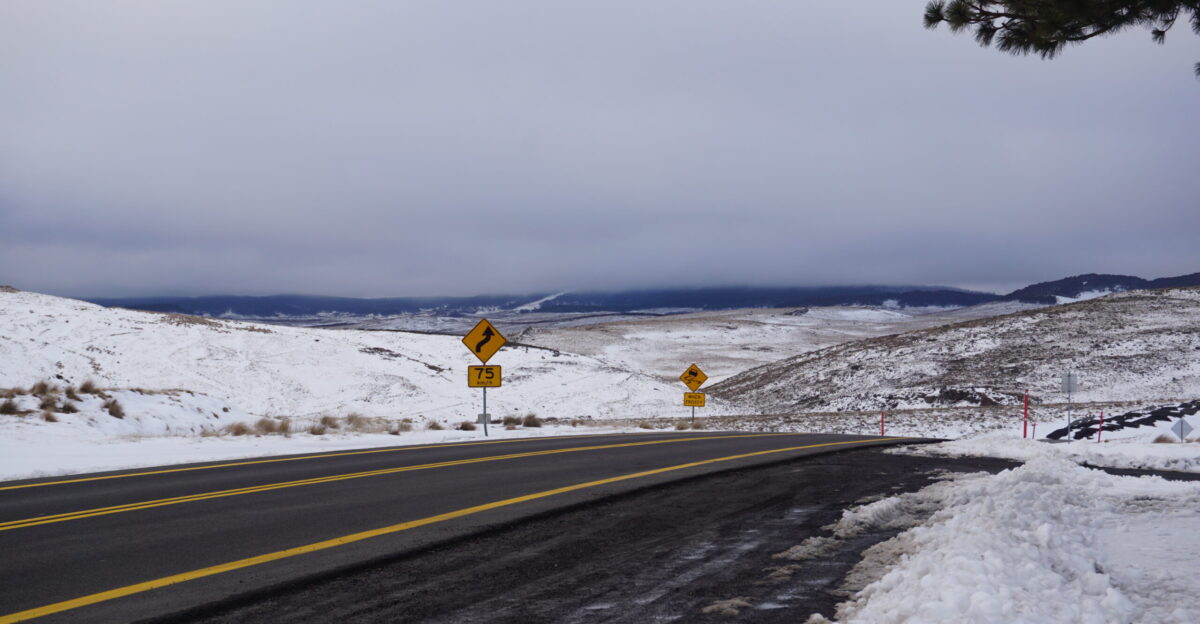
Thousands waited overnight inside terminals, many rebooking days later or canceling altogether. On Indiana’s I-70, a 45-vehicle pileup shut down both directions—whiteout conditions leaving drivers with nowhere to go.
Colorado saw two more crashes involving over 50 vehicles combined the following day. Miraculously, no major injuries were reported, but the psychological impact was undeniable—holiday travel became survival travel.
Crisis Mode for Airlines
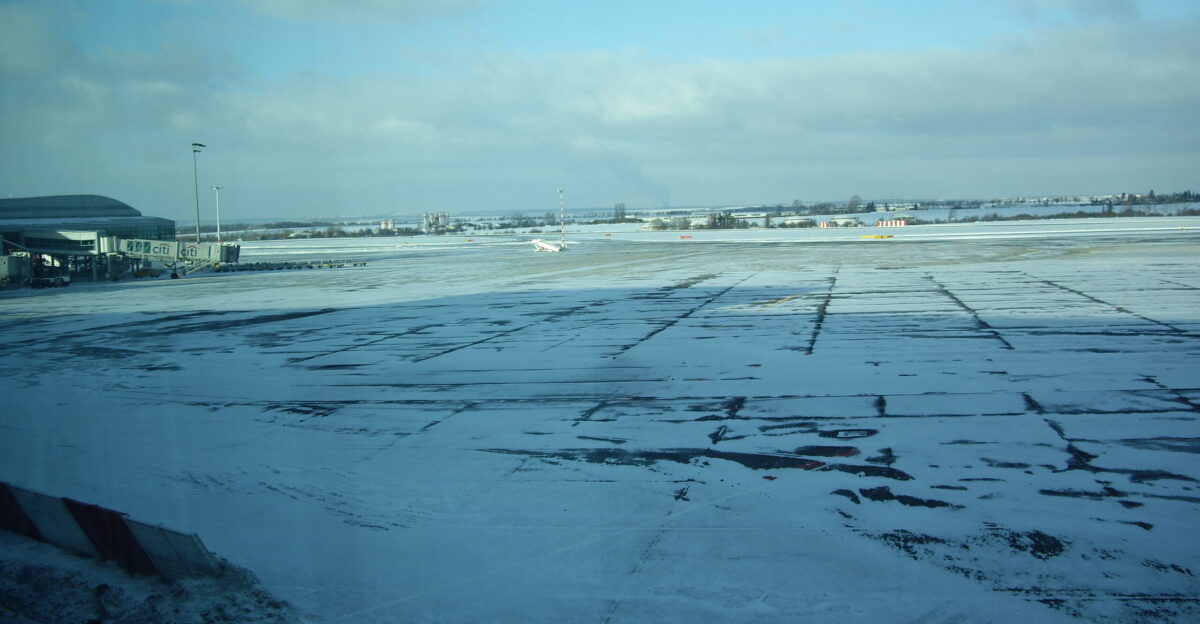
Major carriers triggered emergency protocols: waiving fees, rerouting crews, and canceling future flights to stabilize operations. Delta, United, American, and Southwest coordinated directly with the FAA to unclog the system.
Initial operational costs skyrocketed as airlines scrambled to stabilize the network. Analysts later calculated that millions of passengers felt direct or downstream effects once cancellations, missed connections, and schedule collapses were combined.
Ripple Effect Across the Country
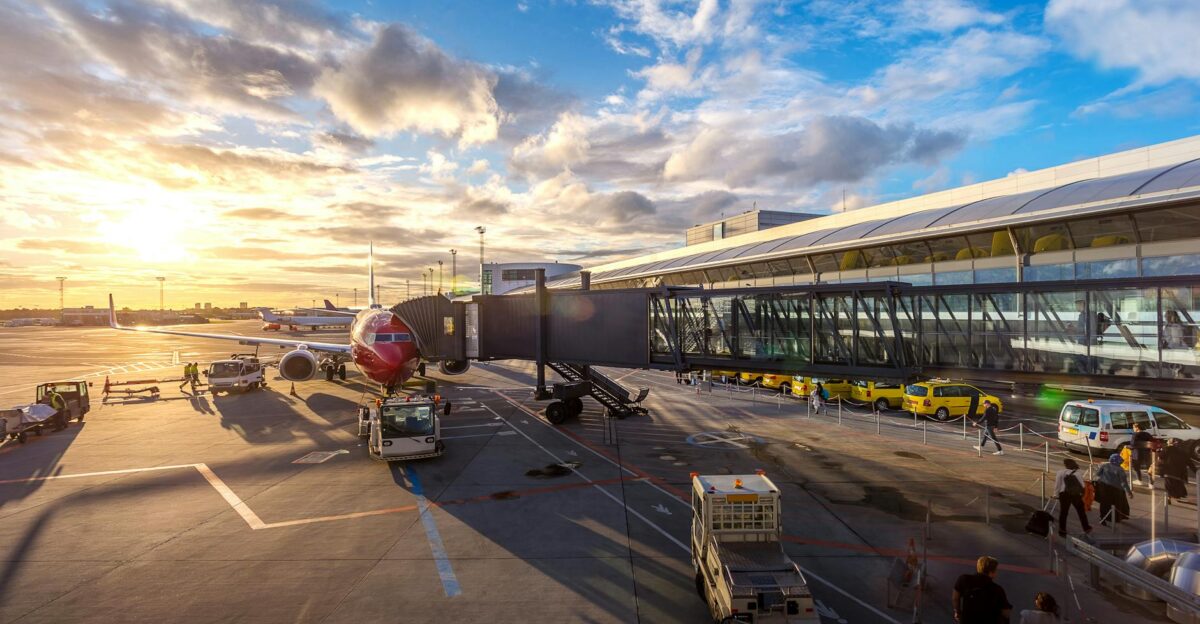
Thanksgiving week typically pushes more than 55 million Americans through airports, highways, and bus terminals. With crews and aircraft displaced, international flights broke down as well.
Passengers shifted future holiday bookings toward spring—a behavioral ripple with economic weight. The storm had passed, but its impact continued through delayed returns to work, school, and military service.
Millions “Stranded”
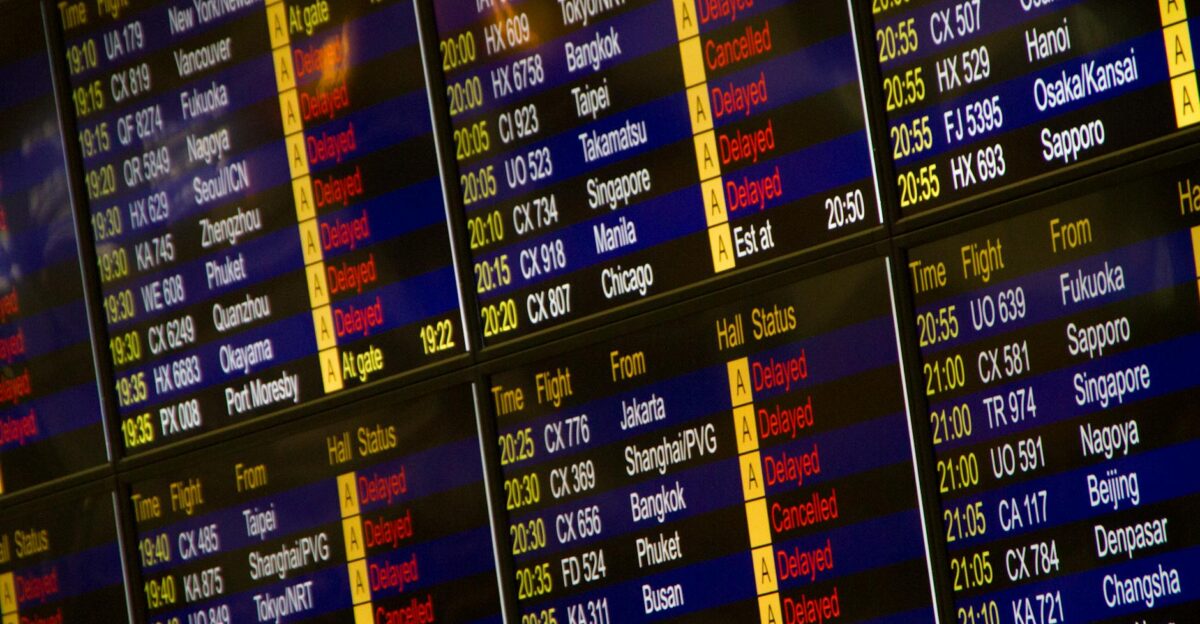
Between 25–54 million people fell under storm alerts across the region—and with highways closed and flights grounded. Airport gridlock, runway shutdowns, highway closures, and flight cancellations rippled through families, workers, and holiday travelers.
Most Americans under warning were ultimately prevented from boarding planes, accessing roads, or reaching destinations—stranded by infrastructure collapse, not just direct flight cancellation. Bellamy’s true scale wasn’t hype—it was systemic: millions trapped in airports, highways frozen, and recovery delayed through Monday and Tuesday.
Aviation Infrastructure Under Pressure
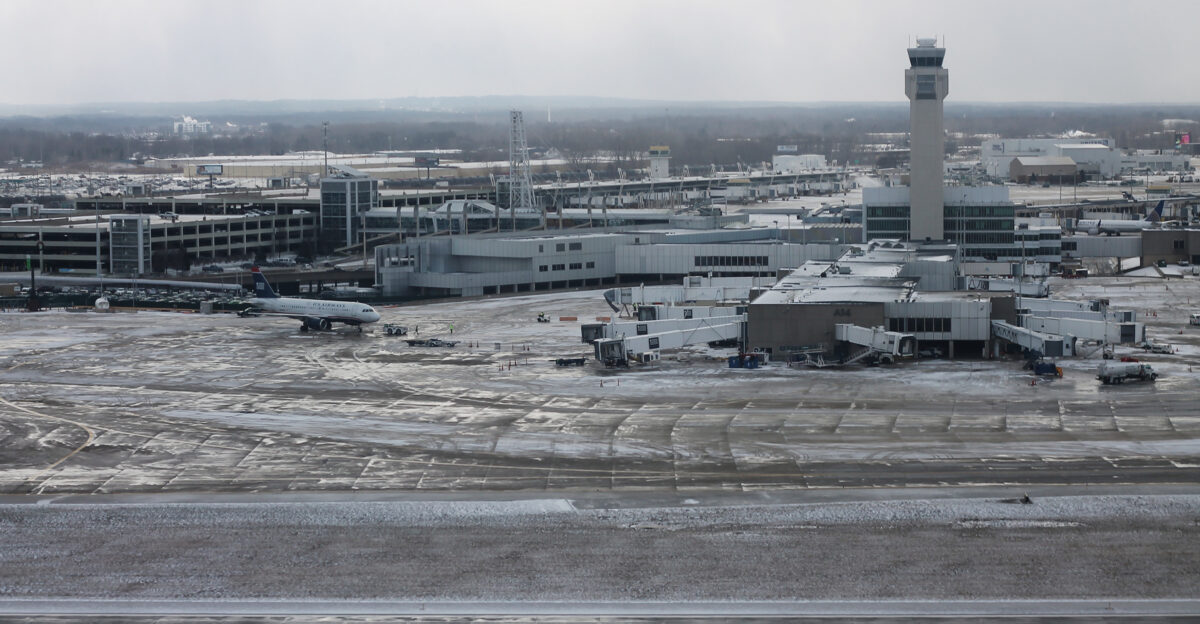
Legacy hubs—Chicago, Minneapolis, Detroit—faced equipment limits when snow outpaced de-icing capacity. Regional carriers argued aging runways bottlenecked response speed. Airlines cited climate-driven volatility outpacing infrastructure upgrades.
The FAA maintained that safety trumped throughput, yet the event intensified calls for modernization. A system designed around historical weather may not withstand the winters ahead.
Federal Scrutiny and Policy Fallout
Lawmakers questioned whether more aggressive pre-cancellations or aircraft repositioning could have softened Bellamy’s blow. Operational reviews were ordered, and congressional committees requested formal reports.
Officials warned that these disruptions could become more frequent without investment in equipment, staffing, and rapid-response forecasting. Bellamy became a case study in aviation resilience—or lack thereof.
Digging Out and Rebooking
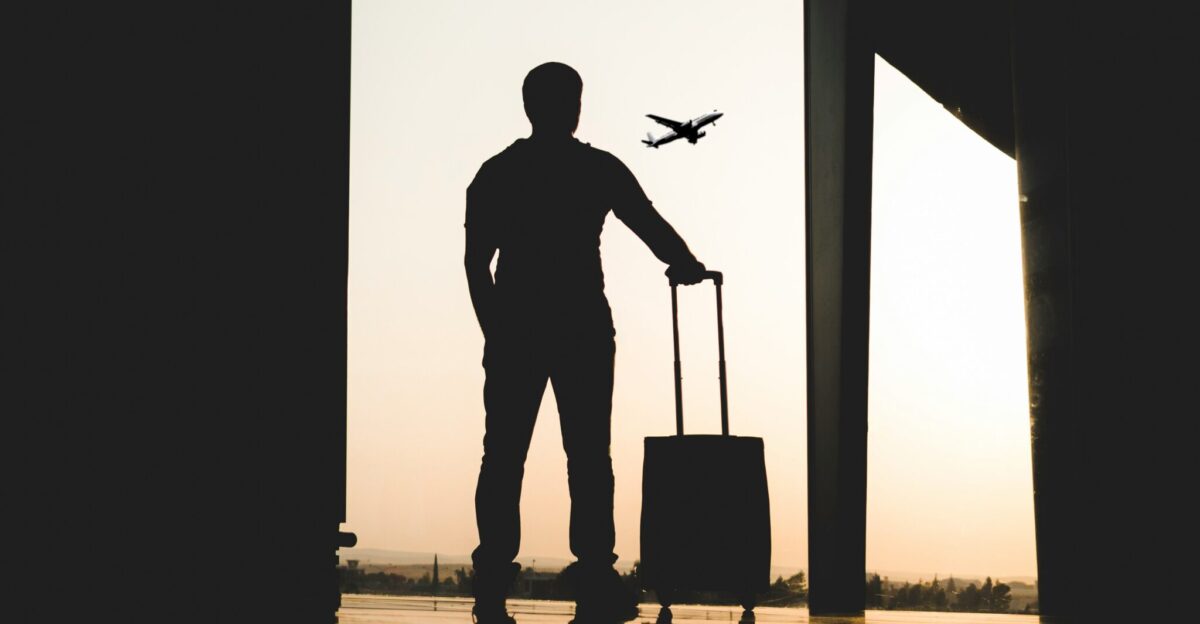
By Sunday, snow removal improved and visibility returned. Recovery flights launched, but passenger backlogs pushed departures into Monday and Tuesday. Many had already slept on tile floors for two nights.
Some accepted refunds rather than wait another 36–72 hours for an outbound seat. Others missed work, school, or connecting travel entirely. Recovery was slow, uneven, and costly.
Experts Warn What Comes Next
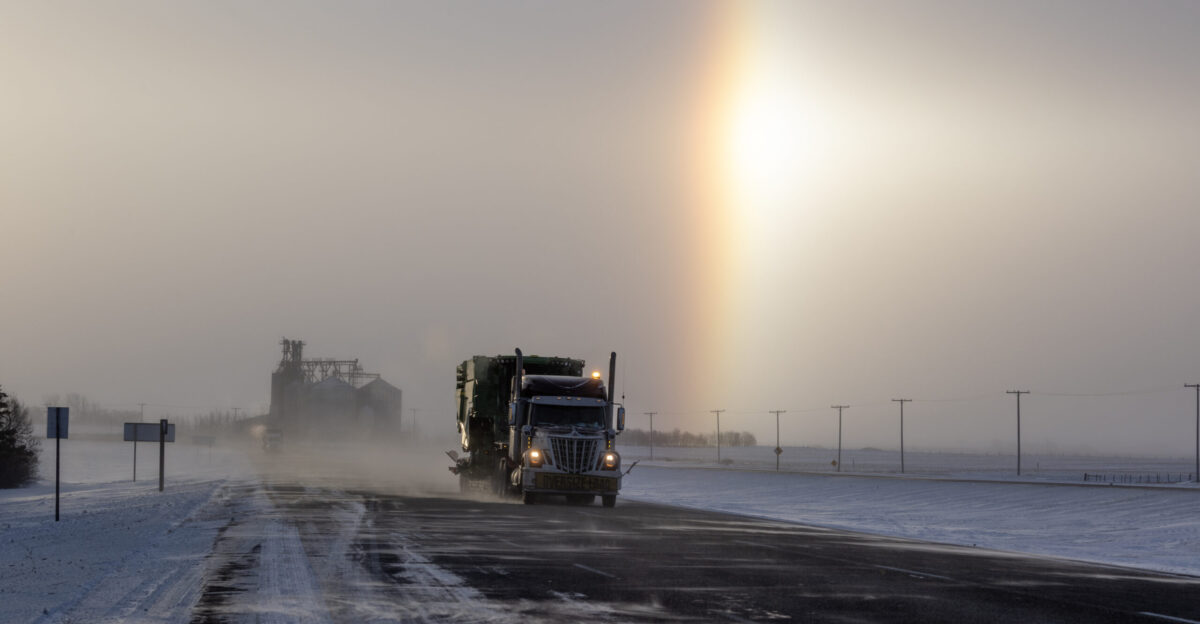
Meteorologists expect more frequent early-season intensification events as jet stream patterns fluctuate. Bellamy surprised forecasters even with modern models. Aviation analysts called for climate-resilient infrastructure—larger de-icing fleets, heated runways, expanded rail networks.
If similar storms hit multiple hubs simultaneously, experts fear the system may seize again. The U.S. escaped catastrophic failure—but just barely.
A System Exposed
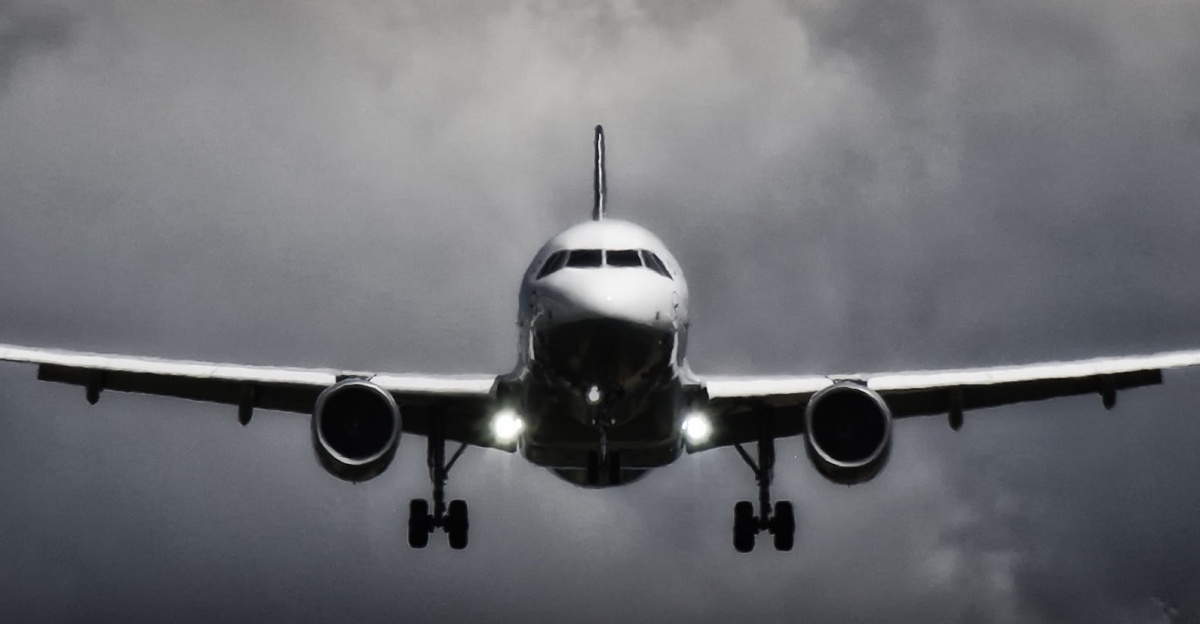
By midweek, departure screens finally cleared and families filtered home. Yet a larger question lingered: What happens when the next storm comes—and it will.
Bellamy revealed a reality many ignored: one weekend of snow nearly froze America’s transportation backbone. Without infrastructure upgrades, contingency planning, and climate-aware strategy, future collapses may not be as recoverable.
Sources:
CBS Chicago News — “Saturday was snowiest November day on record in Chicago: 8.4 inches at O’Hare”
Adept Travel — “Winter Storm Bellamy, Chan Disrupt Chicago And U.S. Flights”
Las Vegas Sun / Associated Press — “Post-Thanksgiving travelers in Chicago see flights canceled and delayed after winter storm”
National Public Radio (NPR) — “A major U.S. winter storm disrupts post-Thanksgiving travel”
Newsweek — “Thousands of Flights Delayed, Hundreds Canceled as Winter Storm Lashes US”Severe-Weather.eu — “Winter Storm Bellamy impact: A foot of snow forecast to…”