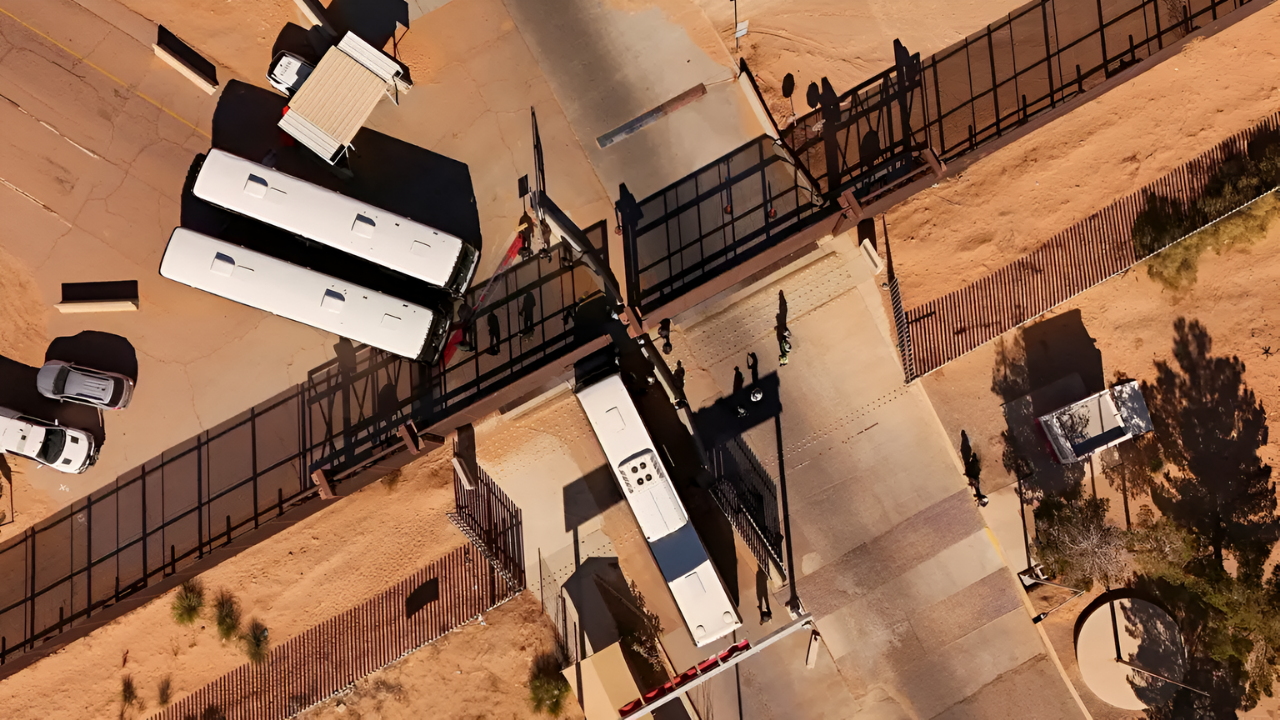
Since September 2, 2025, the U.S. military began carrying out Operation Southern Spear, a campaign explicitly framed as targeting “narco-terrorists” rather than traditional drug traffickers. Shifting from Coast Guard law-enforcement interdiction to armed drone and gunship strikes, the operation has resulted in approximately 83 reported deaths across 21 strikes on 22 vessels as of November 15, 2025.
Defense Secretary Pete Hegseth unveiled the campaign publicly on November 13, 2025, after 20 strikes had already occurred. According to the Wall Street Journal, this marked “the US military’s first publicly acknowledged airstrike in Central or South America since the US invasion of Panama in 1989”. Critics ask—does this prevent drugs, or does it end lives without addressing trafficking networks?
Military Hardware and a High Price Tag
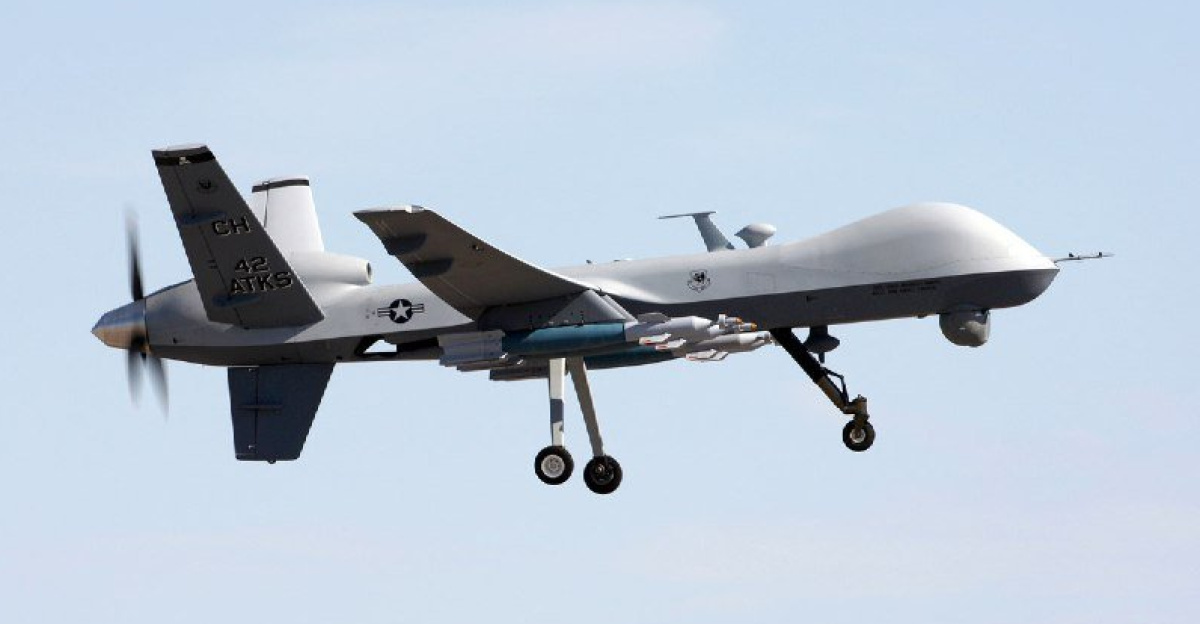
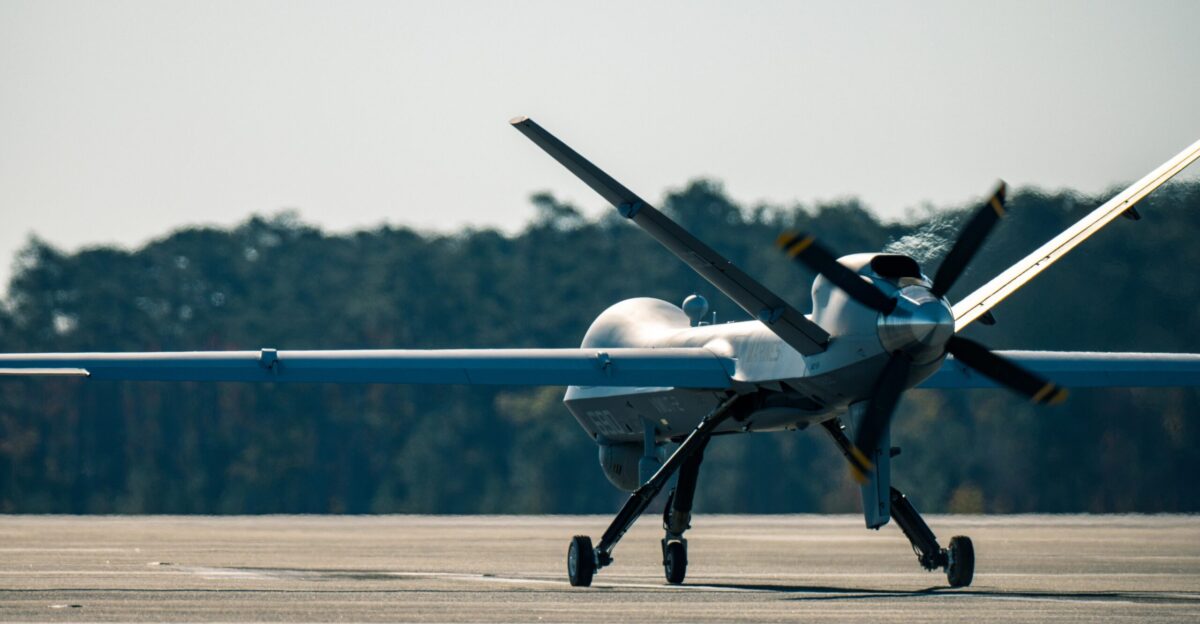
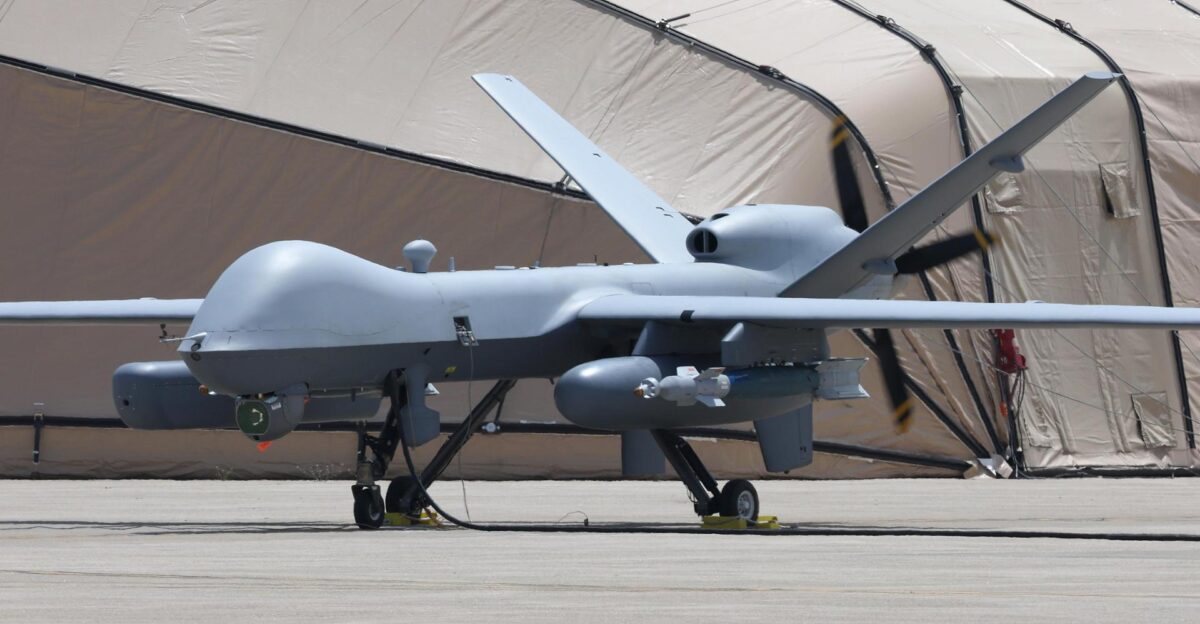
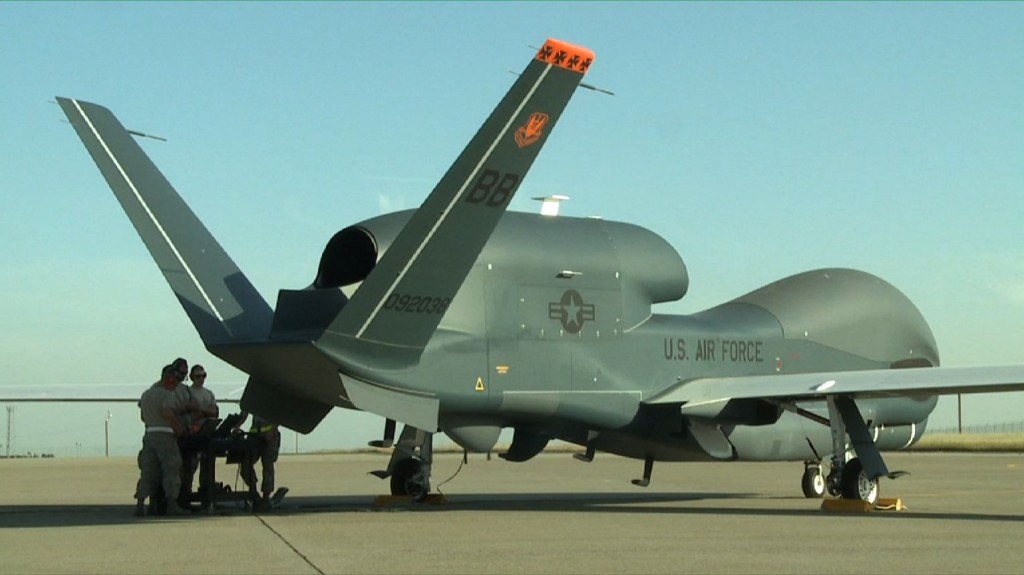
Operation Southern Spear deploys MQ-9 Reaper drones armed with AGM-114 Hellfire missiles, AC-130J gunships equipped with 105mm howitzers, and manned fighter aircraft operating from Puerto Rico’s Roosevelt Roads naval base (reopened specifically for this campaign) and El Salvador’s Comalapa airbase.
Hellfire missiles cost between $70,000-$213,143 per unit depending on variant; MQ-9 operational costs run $3,500-$4,762 per flight hour; AC-130J operations cost approximately $45,986 per hour. Conservative estimates place total campaign costs at $21-30 million through November 2025, including 21 strikes averaging 6-7 flight hours each plus munitions and coordination infrastructure. Exact Pentagon budget figures remain classified, and the administration has not provided comprehensive cost disclosures to Congress.
From Drones to Deadly Strikes
The first strike occurred September 1-2, 2025, off Trinidad and Tobago, killing 11 people—the highest single-operation casualty count. Trump announced the strike on September 2 via Truth Social, describing the vessel as “loaded” with “a lot of drugs” bound for the United States and stating it was operated by Tren de Aragua. Venezuelan sources (El Pitazo and El Nacional) reported the boat was struck on September 1.
According to CNN reporting citing sources familiar with the situation, a second strike followed on the same day after military officials observed survivors in the water. The Washington Post, citing two sources with direct operation knowledge, reported that Defense Secretary Hegseth allegedly gave a verbal order to “kill everybody,” though Pentagon spokesman Sean Parnell denied this as “completely false”. Subsequent strikes maintained high lethality: September 15 killed 3, October 3 killed 4, and patterns of 2-14 deaths per strike continued.
The Shift in Legal Basis — From Cartels to Combatants
Operation Southern Spear relies on Foreign Terrorist Organization (FTO) designations reframing drug-trafficking organizations as military targets rather than criminal suspects. In February 2025, the State Department designated six Mexican cartels as FTOs, including Sinaloa and Jalisco Nueva Generación. On November 24, 2025, the administration designated Venezuela’s Cartel de los Soles as an FTO, with Secretary of State Marco Rubio claiming it is “headed by Nicolás Maduro and other high-ranking individuals” within Venezuela’s government.
Trump formally notified Congress on October 1, 2025, that the U.S. was in a “non-international armed conflict” with “unlawful combatants” regarding drug cartels, specifically referencing the September 15 strike. FTO classification converts the legal paradigm from law enforcement—requiring probable cause, arrests, and trials—to armed conflict, where designated individuals can be killed without judicial process under Law of Armed Conflict standards.
Lack of Public Evidence — Drugs, Cargo, or Convictions
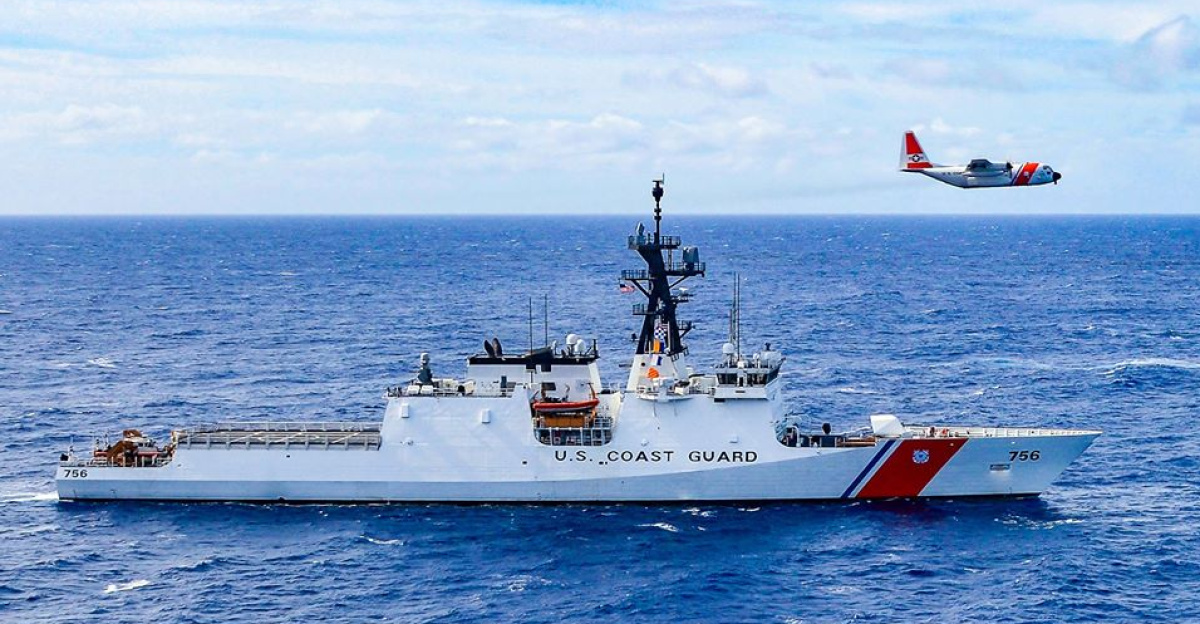
Across 21-22 strikes destroying 22 vessels, the Pentagon has publicized zero seized cocaine, zero recovered cargo, and no official crew identifications confirming cartel membership. This absence stands in stark contrast to the U.S. Coast Guard’s interdiction record: in Fiscal Year 2025, the Coast Guard seized approximately 510,000 pounds (225+ metric tons) of cocaine—the largest amount in service history. The only reported seizure from Operation Southern Spear occurred September 19 when joint operations with the Dominican Republic recovered 1,000 kilograms (2,200 pounds) of cocaine from a struck vessel located approximately 80 nautical miles south of Beata Island.
The Dominican Directorate stated: “This is the first time in history that the United States and the Dominican Republic carry out a joint operation against narco terrorism in the Caribbean”. According to congressional briefings, administration officials admitted they “do not always know the identities of those aboard a vessel prior to launching an attack”. Meanwhile, families in affected Venezuelan communities have identified deceased relatives through local media, though Pentagon has not confirmed these identifications.
International Outcry and Human-Rights Concerns

The campaign has triggered unprecedented international legal scrutiny. On October 31, 2025, UN High Commissioner for Human Rights Volker Türk declared the strikes violate international human rights law and demanded cessation. Türk stated through his office spokeswoman Ravina Shamdasani that “airstrikes by the United States of America on boats in the Caribbean and in the Pacific violate international human rights law” and that “intentional use of lethal force is only permissible as a last resort against individuals who pose an imminent threat to life”.
Shamdasani emphasized the strikes occur “outside the context” of armed conflict, contradicting Trump’s “armed conflict” declaration. A group of UN human rights experts stated on October 21, 2025, that lethal force without proper legal basis constitutes “extrajudicial executions”. The UK, according to CNN reporting, ceased intelligence sharing regarding suspected drug vessels specifically because it believes U.S. strikes violate international law, though UK officials declined to confirm this publicly.
Impact on Coastal Communities — Fear Among Fisherfolk

In Caribbean and Pacific coastal regions, fishermen report avoiding traditional fishing grounds, fearing they might be mistaken for traffickers. According to The Guardian reporting on November 6, 2025, “governments and families of those killed in the US strikes on alleged drug boats have said many of the dead were civilians—primarily fishers”. In San Juan de Unare, Venezuela—the coastal village from which the September 1 boat allegedly originated—fishing crews now request government escorts or avoid deep-sea trips entirely.
The New York Times reported that associated Press journalist Regina Garcia Cano interviewed dozens of individuals after visiting Sucre state immediately after the first strike; she found that “the dead men had indeed been running drugs but were not narco-terrorists…or leaders of a cartel or gang” and “included a fisherman, a motorcycle taxi driver, laborers and two low-level career criminals”.
Political Overtones — Drug War or Regime Pressure?
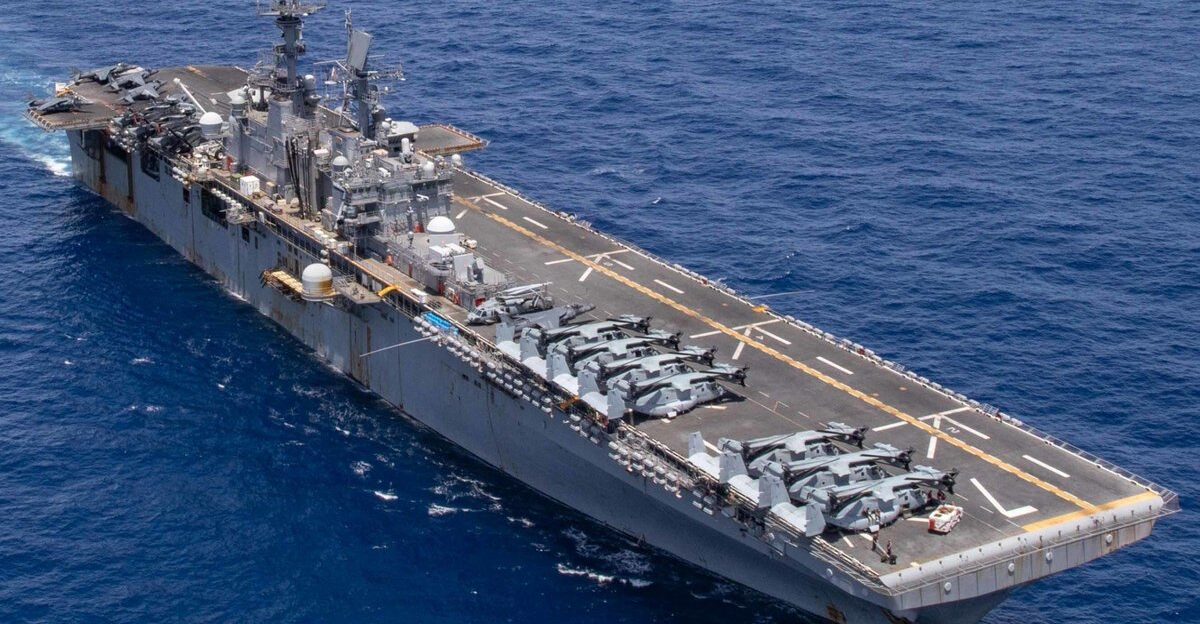
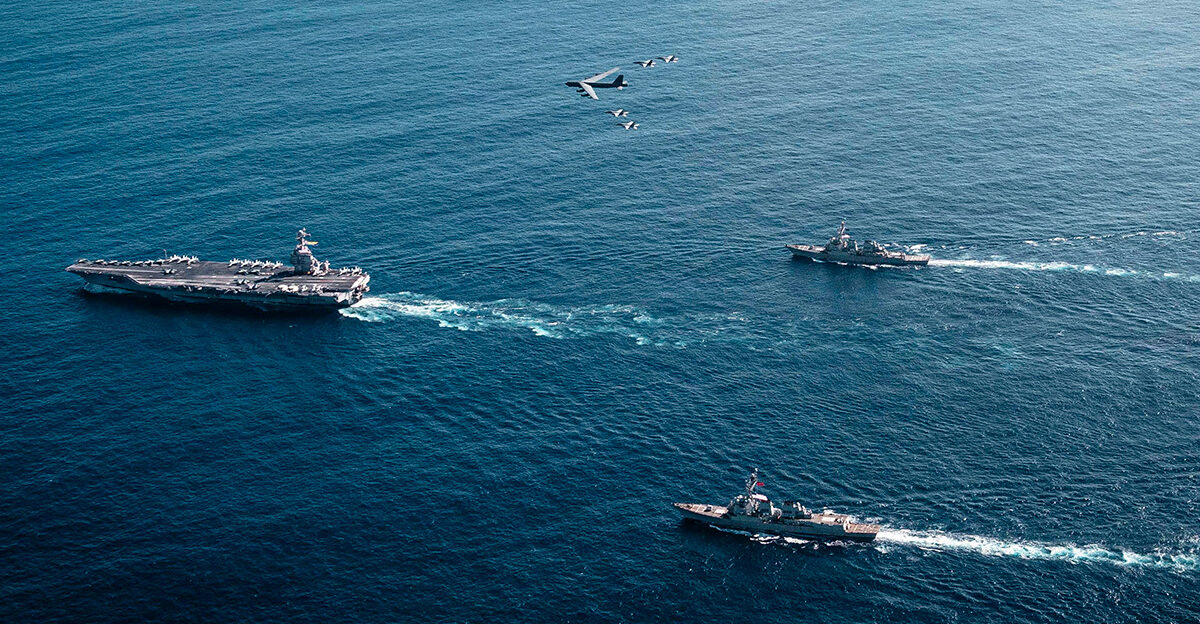
Multiple analysts note that Operation Southern Spear’s timing coincides with unprecedented military escalation against Venezuela, including deployment of the USS Gerald R. Ford aircraft carrier strike group, the USS Iwo Jima Amphibious Ready Group (carrying 4,500 sailors and Marines), three guided-missile destroyers, an attack submarine, and F-35 fighter jets.
The Justice Department doubled an existing $50 million reward for information leading to Nicolás Maduro’s arrest to $50 million total on August 7, 2025, based on 2020 Justice Department charges. Trump told CBS News he authorized CIA covert operations in Venezuela and stated he was “looking into” land strikes. The Wall Street Journal reported on October 30, 2025, that US officials identified “targets that sit at the nexus of the drug gangs and the Maduro regime,” including facilities such as ports and airstrips allegedly used for drug trafficking.
Congressional Oversight and War Powers Concerns
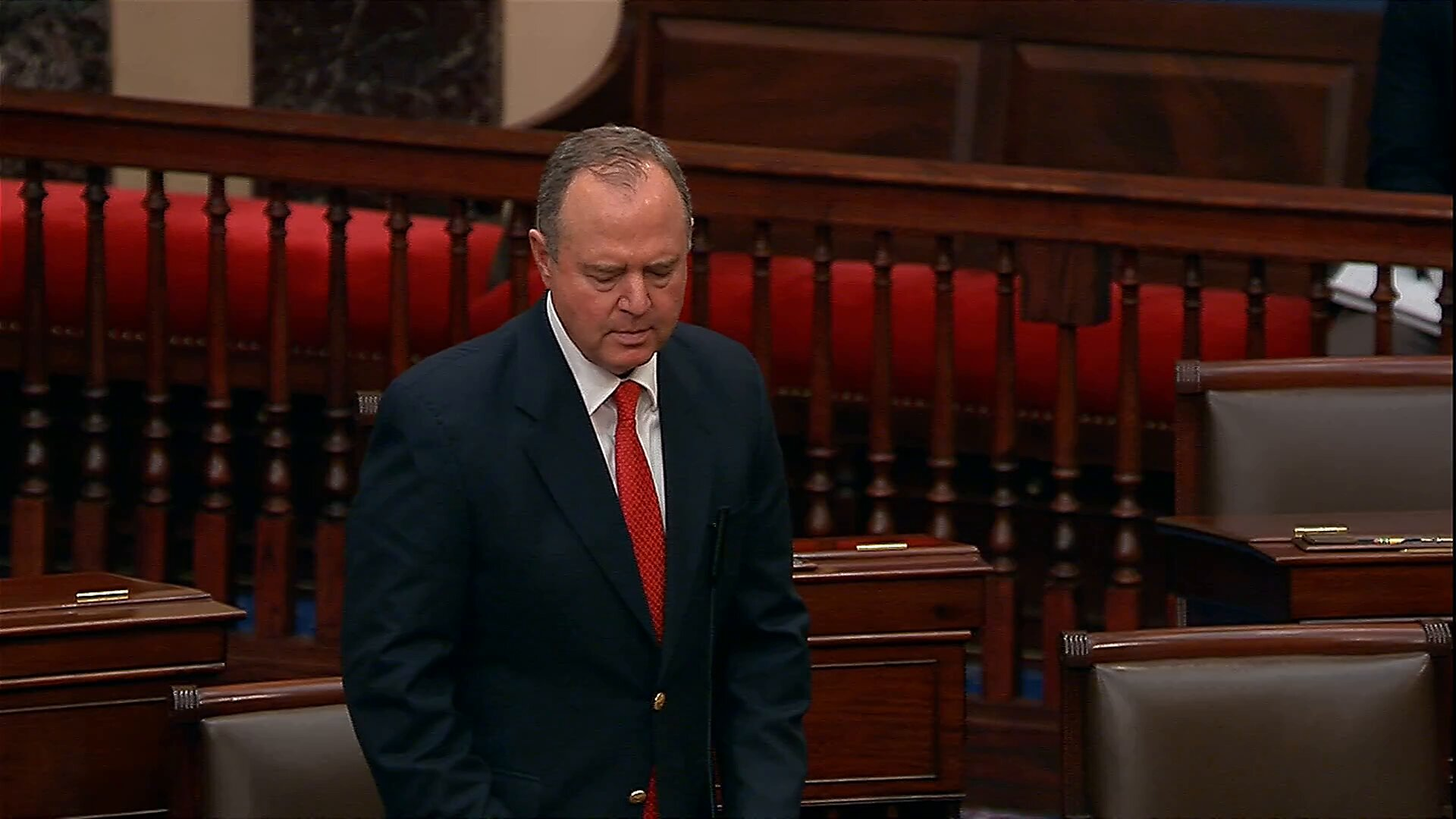
Despite constitutional requirements that Congress authorize sustained military operations, the Senate rejected two War Powers Resolutions limiting Trump’s authority to continue strikes. On October 8, 2025, Senators Adam Schiff and Tim Kaine’s resolution failed 51-48. On November 6, 2025, a second resolution failed 51-49, with only Republicans Rand Paul and Lisa Murkowski joining Democrats.
The Justice Department argued in November 2025 that 60-day War Powers Resolution limits don’t apply because unmanned drones don’t endanger U.S. forces—a novel interpretation legal scholars call constitutionally questionable. Senator Tim Kaine reviewed classified legal authorization documents and stated publicly that “even the administration may recognize no legal rationale exists absent congressional authorization”.
Strike Patterns — High Fatality, Low Transparency
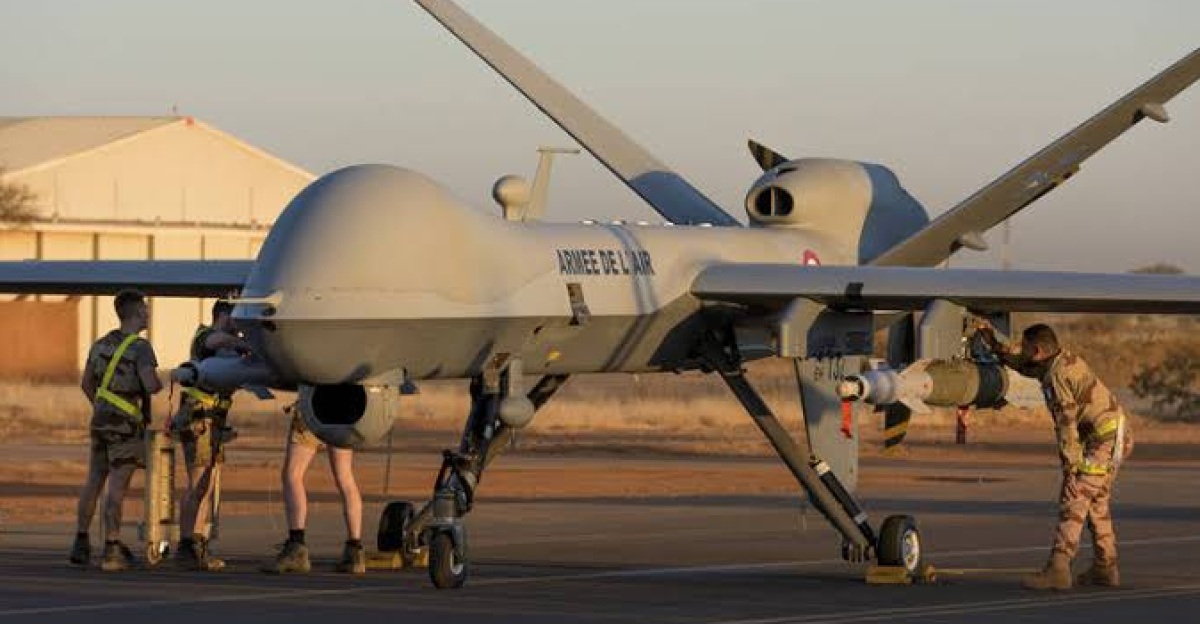
Reported outcomes reveal extraordinary lethality: the September 2 strike killed all 11 aboard; subsequent operations show consistent patterns of 2-14 deaths per strike. With 83 total killed across 21 strikes on 22 vessels, the average fatality count reaches approximately 3.95 deaths per strike. The fatality rate—with 83 dead and only 2 survivors rescued (October 16 incident)—indicates approximately 97.6% lethality among all personnel encountered.
Only one operation resulted in survivor capture; in that case, the two survivors were repatriated to Colombia and Ecuador—one was hospitalized with a skull fracture, and both were ultimately released without charges despite initial statements they would be prosecuted. Without on-site verification pre-strike, how can claims of cartel affiliation be verified?
What Gets Lost in Explosion — Evidence, Testimonies, Intelligence
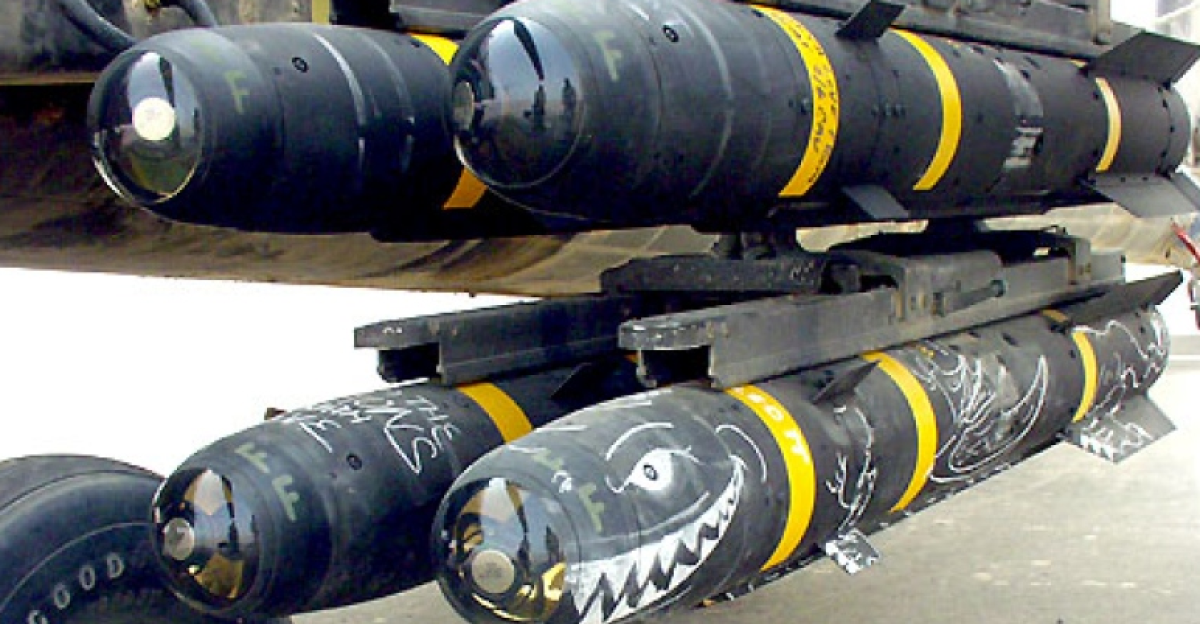
When a speedboat is destroyed by Hellfire missile, all potential evidence vaporizes—cell phones containing cartel contacts, GPS units with route data, financial records linking money-laundering networks, and human witnesses who could testify against kingpins. Traditional Coast Guard interdictions yield exactly this intelligence: the 510,000 pounds of cocaine seized in FY2025 came with dozens of arrests enabling prosecutions that map cartel hierarchies, freeze assets, and enable network surveillance.
The Pentagon’s 21 strikes produce zero prosecutable evidence, zero asset seizures that have been publicized, and zero intelligence debriefings—suggesting the campaign eliminates individuals without disrupting organizational systems those individuals serve. A former ICC chief prosecutor, Luis Moreno Ocampo, told the BBC that the strikes would be considered under international law as “crimes against humanity,” noting “it’s clearly systematic, because President Trump says they have planned and they organised this”.
Addressing the Real Threat — Or Missing the Mark?
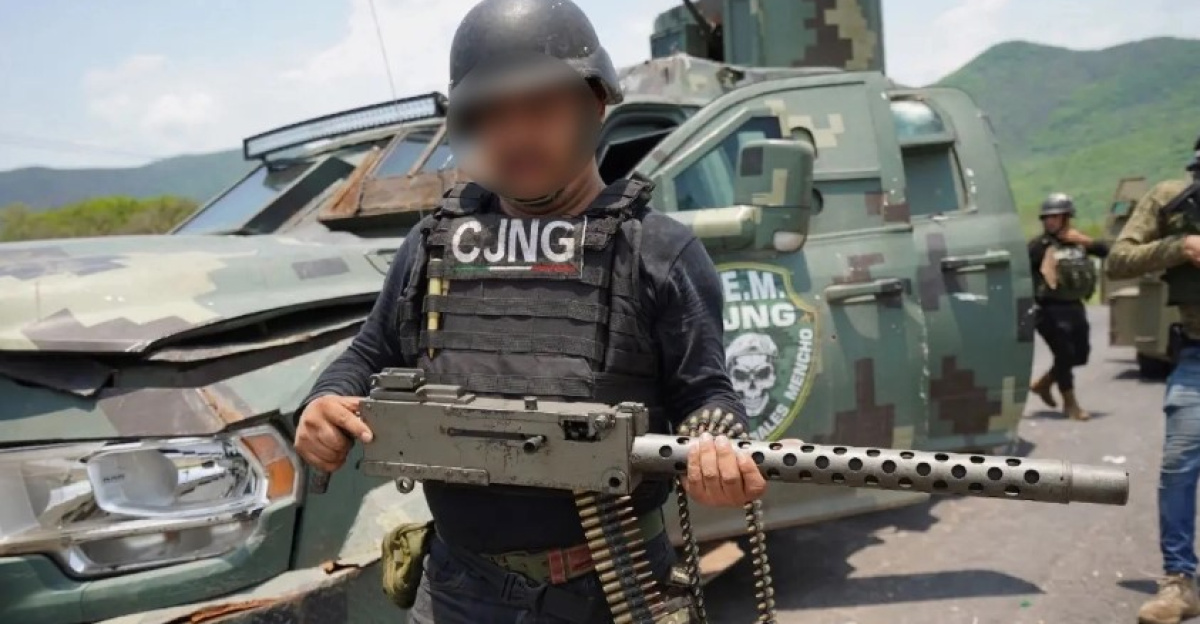
U.S. fentanyl deaths—approximately 73,000 in 2024 according to CDC data, representing roughly 69% of all overdose deaths (which declined 25% from 2023)—originate overwhelmingly from Mexican cartels (Sinaloa, CJNG) trafficking through the 2,000-mile U.S.-Mexico land border, not Caribbean sea routes. Operation Southern Spear targets Caribbean and Eastern Pacific vessels allegedly linked to Venezuelan and Colombian organizations.
According to Wikipedia analysis, “UN analysis of global drug trafficking contradicts the broader Trump administration claims around narco-trafficking through Venezuela, as it shows that the majority of drugs trafficked to the United States are not produced in Venezuela or smuggled through the Caribbean”. Experts note this geographic mismatch: the campaign addresses lower-priority trafficking routes while Mexico—America’s top illegal narcotics supplier—operates entirely different land-based supply chains. Meanwhile, Coast Guard interdiction in the Eastern Pacific where Mexican cartels do operate maritime routes seized record quantities.
Rules of Engagement and the “Double-Tap” Strike

Reports document that in the September 2 strike, after the initial Hellfire missile ignited the boat, two survivors clung to burning wreckage. CNN reported that sources alleged Defense Secretary Hegseth gave a verbal order for all aboard to be killed, though CNN also stated “it’s not clear if he knew there were survivors prior to the second strike”.
The Washington Post reported two sources with direct operation knowledge alleged survivors were later struck in the water; Pentagon spokesman Sean Parnell rejected this as “completely false”. Under Geneva Conventions, wounded combatants must be collected and cared for by either side in conflict. Sarah Harrison, former Pentagon legal adviser, told CNN: “They’re killing civilians in the first place, and then if you assume they’re combatants, it’s also unlawful—the law of armed conflict says somebody is ‘hors de combat’ and no longer able to fight, they have to be treated humanely”.
Human Cost — Families Demand Answers
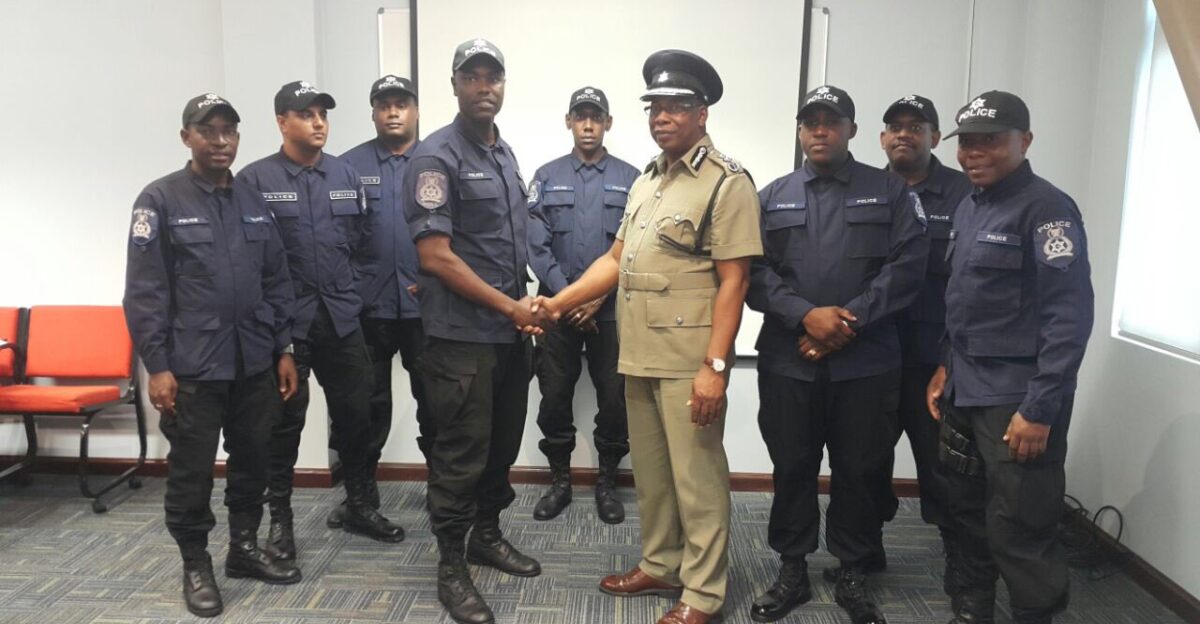
Trinidad and Tobago police confirmed in October 2025 they were investigating whether two citizens died in a U.S. strike, with families demanding evidence their relatives were “narco-terrorists”. In San Juan de Unare, Venezuela, the Associated Press’ Regina Garcia Cano visited immediately after the September 2 strike and found that names, families, and addresses of nine deceased were documented by local communities. Wikipedia reports “eight persons from San Juan de Unare and three from a nearby town, Güiria” died in that strike.
The New York Times reported that “Venezuelan security officials descended on San Juan de Unare, cut off the electricity and made clear that public pronouncements about the attacks were not welcome”. Bodies of two suspected casualties washed ashore on Trinidad and Tobago shores, showing signs of explosion.
One Strike, One Success — But Why Just One?
The September 19 Dominican operation proves seizures are operationally possible under proper coordination. Joint Dominican-U.S. forces struck a vessel located approximately 80 nautical miles south of Beata Island, and the Dominican Navy salvaged 377 packages of cocaine totaling 1,000 kilograms (2,200 pounds)—the only publicized seizure across the entire campaign.
The Dominican National Directorate for Drug Control stated: “This is the first time in history that the United States and the Dominican Republic carry out a joint operation against narco terrorism in the Caribbean”. This singular exception demonstrates that vessel destruction and evidence collection are not mutually exclusive when coordination occurs. The fact that 20 other strikes yielded zero publicized seizures despite similar coordination opportunities with multiple nations suggests the campaign prioritizes speed and lethality over evidence collection, cargo documentation, and prosecution potential.
Cost vs. Impact — What Has Changed?
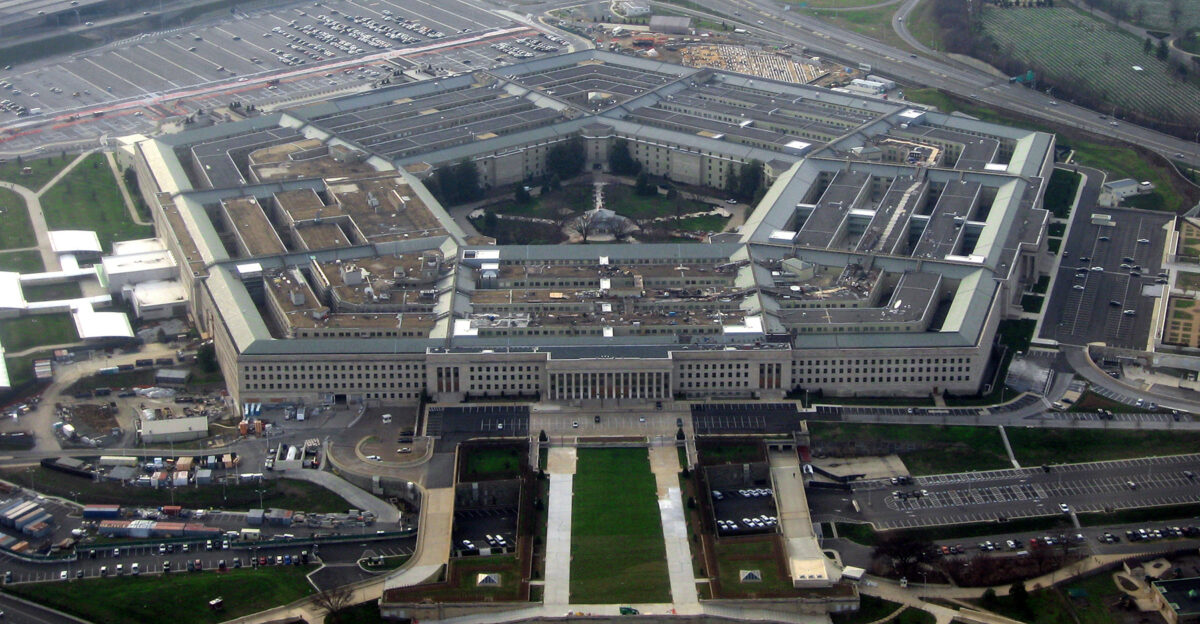
The financial and human cost is substantial: approximately $21-30 million spent, 83 lives taken, infrastructure deployed, and two aircraft carriers plus supporting naval forces positioned in region. Yet measurable strategic impact remains absent from public record: no cartel financial disruptions (no asset seizures publicized), no leadership decapitations (no arrests), no network mapping (no interrogations), and no supply chain interruptions verified by independent analysis.
The Pentagon cannot publicly identify a single cartel operation disrupted, a single trafficking route abandoned, or a single pricing spike in U.S. drug markets attributable to Operation Southern Spear—suggesting the campaign kills individuals without degrading organizational systems. Sean Parnell, Pentagon spokesperson, stated that “Department of Defense intelligence consistently…confirm[ed] that the individuals involved in these drug operations were narco-terrorists,” but provided no publicly verifiable evidence supporting these assessments. As a result, the operation may satisfy political optics without achieving strategic drug-interdiction objectives measurable by law enforcement standards.
Diplomatic Fallout — Allies Push Back
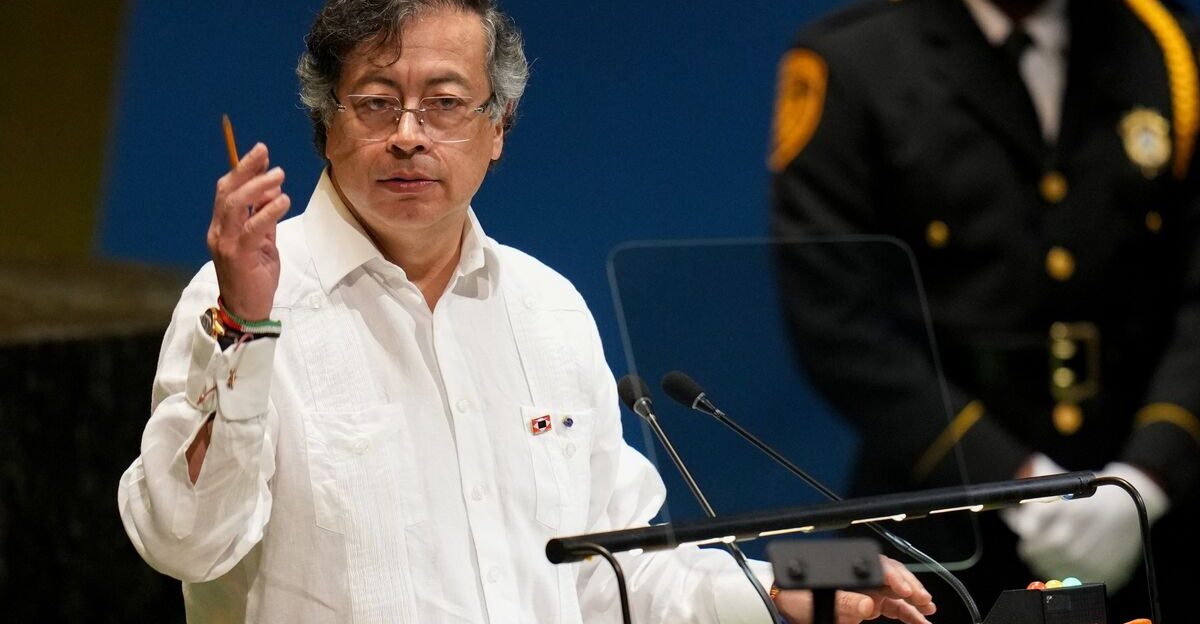
For the first time in recent years, Latin American allies across ideological spectrums have expressed concern about U.S. military operations. Colombia’s President Petro—normally a U.S. partner—denounced strikes as “extrajudicial executions” and stated that attacking boat occupants rather than capturing them “amounted to murder”.
On November 11, Petro announced he would suspend sharing intelligence with the U.S. while strikes on vessels continued; however, Colombian Ministers of Defense and Interior stated on November 13 that Colombia would continue cooperating. The White House demanded Petro “publicly retract his unfounded and disgraceful statement” while Trump accused him of fostering drug production. Mexican President Claudia Sheinbaum stated in October: “We do not agree with these attacks, with the way they are being carried out”.
Dangerous Precedent — Exportable Kill-On-Sight Tactics?
By redefining narcotics trafficking as terrorism and converting crime into military conflict, the campaign lowers the threshold for deadly force globally—potentially enabling similar “target-first, question-later” operations elsewhere. The framework requires no declaration of war, no Authorization for Use of Military Force (AUMF), no battlefield geography (strikes occur thousands of miles from U.S. territory), and no War Powers Resolution compliance.
Legal scholars compare the campaign to early 2000s CIA drone strikes in Pakistan later deemed extrajudicial killings, but Operation Southern Spear occurs with even less transparency and closer to home. Law professor Gabor Rona argued in Lawfare that while the strikes were unlawful, they reflected “predictable overreach that followed the precedents established during the George W. Bush, Barack Obama and Joe Biden administrations”.
The Fallacy of Destruction — Boats Aren’t the Problem, Cartels Are
Destroying 22 vessels doesn’t dismantle vast, adaptive trafficking networks. Cartels operate like corporations: when losing assets and personnel, they adjust routes, recruit replacements, and pass costs to consumers through pricing adjustments. Wikipedia notes that “the 22 destroyed boats represent a fraction of thousands of drug transit vessels operating in Caribbean and Pacific waters annually”.
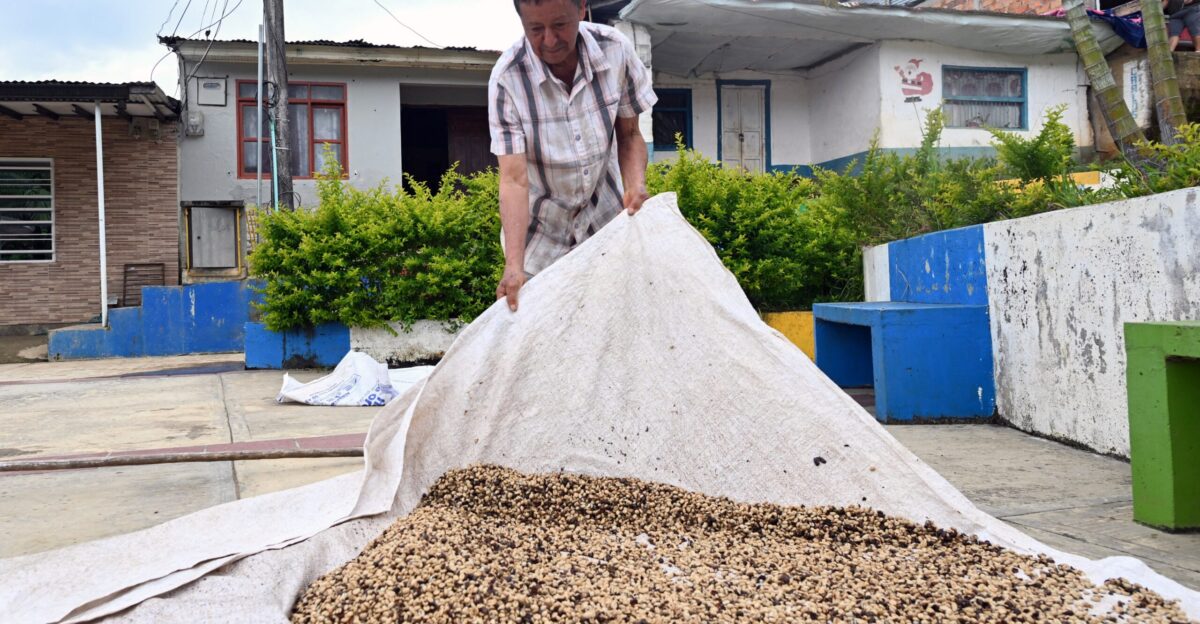
Colombian coca production reached 1,800 metric tons in 2022 and continues rising, while impoverished coastal communities provide replacements earning $5,000 per drug-run versus $50 weekly from fishing. Without dismantling organizational structures, freezing assets, prosecuting leaders, or mapping networks—outcomes Operation Southern Spear hasn’t publicly demonstrated—cartels rebuild within weeks.
Rule of Law or Remote Execution
Operation Southern Spear forces a moral and strategic question: should a democracy rely on remote killings based on unverified intelligence, or return to law-enforcement methods rooted in evidence, due process, and transparency? If the mission fails to produce convictions, seizures, or verifiable supply-chain disruption, its 83 human casualties and diplomatic costs may outweigh claimed victories.
The UN High Commissioner stated clearly: “None of the individuals on the targeted boats appeared to pose an imminent threat to the lives of others or otherwise justified the use of lethal armed force against them under international law”. Americans confronting approximately 73,000 annual fentanyl deaths deserve evidence that their government’s Caribbean killing campaign actually disrupts cartels responsible—evidence Operation Southern Spear has not publicly provided because sunken boats don’t testify in court, don’t reveal cartel hierarchies, and don’t prevent tomorrow’s departure.
Sources:
Wikipedia – 2025 United States military strikes on alleged drug traffickers
CNN – US military carried out second strike killing survivors on a suspected drug boat
The Conversation – We’ve tracked the US military build-up in the Caribbean
CNN – Here’s what the US military is using to strike alleged drug boats:
US Coast Guard – Coast Guard sets historic record with amount of cocaine seized in FY25:
Military.com – Major Drug Busts: US Coast Guard Seizes Record Amount
Maritime Executive – US Coast Guard Reports Best Year Ever for Cocaine Interdiction
The Defense Post – Ultimate Guide on AGM-114 Hellfire Missiles