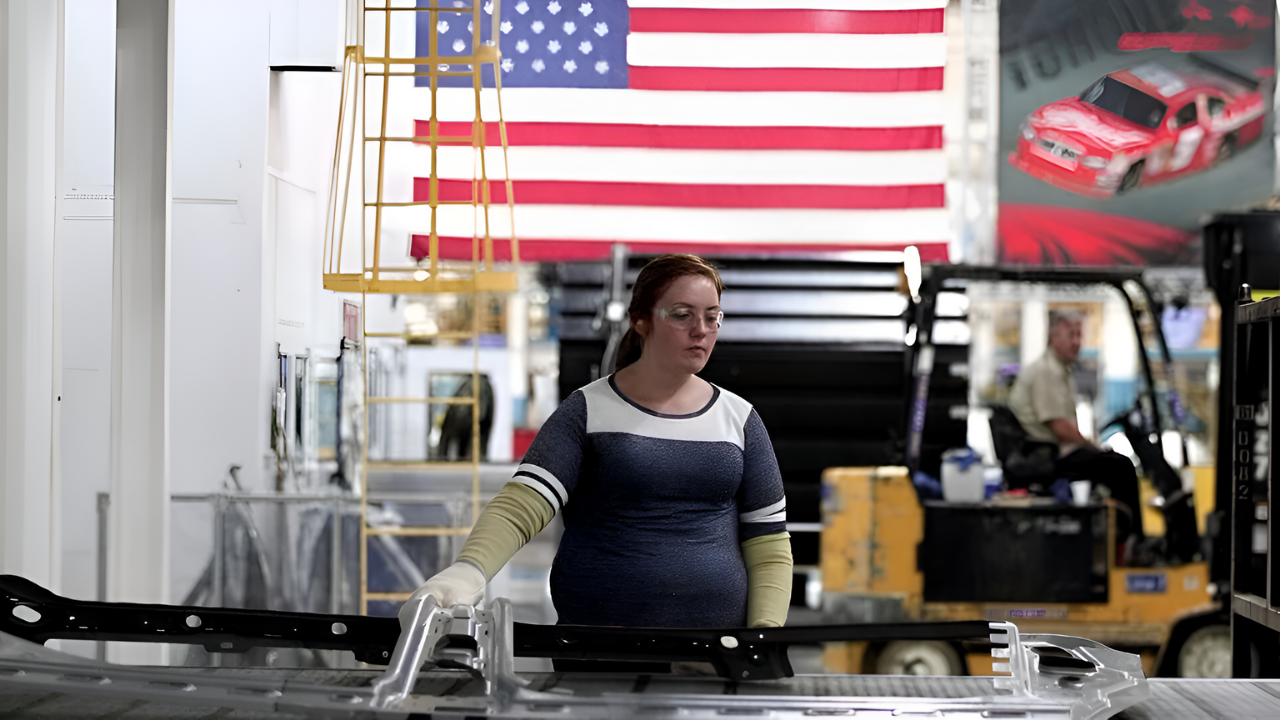
The morning of November 6, 2025, brought unexpected devastation to hundreds of North Texas families. The U.S. Veterans Affairs department terminated a contract with DLH Solutions, triggering immediate layoffs for 298 workers with just 17 days’ notice. Within weeks, two additional major employers announced significant workforce reductions, creating a convergence of job losses that has left the state grappling with questions about employment stability, automation’s role in workforce displacement, and the adequacy of worker protections in an era of rapid corporate restructuring.
The Cascade of Layoffs Across Multiple Sectors

Three separate announcements within a compressed timeframe have disrupted nearly 500 Texas households. DLH Solutions’ contract termination eliminated 298 positions almost overnight. United Supermarkets, the 109-year-old grocery chain founded in 1916, announced restructuring that will cut 126 roles from its headquarters workforce—roughly one-quarter of its corporate staff. Dometic Corporation followed by announcing the closure of its Grand Prairie manufacturing facility, eliminating 54 jobs by spring 2026.
The timing and scale of these reductions have amplified anxiety across the state. Manufacturing, contract logistics, and retail sectors have all been affected, creating a broader environment of instability that extends beyond these three headline announcements. Additional employers across Texas have recently announced reductions, raising questions about whether this represents an isolated shock or the beginning of a longer cycle extending into 2026.
The Human Reality Behind Corporate Decisions

The impact extends far beyond corporate statements and financial filings. DLH workers received minimal notice—well below typical transition periods—leaving limited time to plan for unemployment. United employees face a slow-moving, months-long exit process through mid-2026, creating prolonged stress for their families. Dometic staff confront a firm closure deadline by March 2026.
For many households, the consequences are immediate and severe. Paychecks, insurance coverage, and holiday budgets—fundamental pillars of stability—are now uncertain. Some employees had served these companies for years or decades, making the sudden disruption particularly jarring. Parents worry about mortgages. Younger workers race to rewrite resumes. Older staff fear age discrimination in competitive job markets.
Automation and Restructuring Reshape the Workforce

United Supermarkets’ cuts represent more than routine restructuring—they reflect a national shift in retail operations. Headquarters and back-office jobs continue to shrink as inventory, payroll, and supply-chain tasks migrate to automated systems. While modernization improves operational efficiency across United’s 99 stores and 39 convenience locations, it also eliminates mid-level careers once considered stable pathways to middle-class security.
The DLH contract termination raises uncomfortable questions about the stability of government-dependent businesses. The company cited “unforeseeable business circumstances” in its notification, but the sudden nature of the decision left workers without clarity about why the contract shifted, who will assume the work, or whether a new contractor might rehire displaced staff.
Ripple Effects Through Connected Industries
Job loss rarely stops at the first domino. When nearly 500 workers lose income, restaurants, hotels, and entertainment venues feel the impact next. Families facing job insecurity spend less on dining out, gifts, and travel—especially entering the holiday season. Local hospitality groups across Dallas, Fort Worth, and Lubbock are already preparing for softer demand, anticipating that the shock will ripple outward through the first quarter of 2026.
Dometic’s Grand Prairie shutdown affects more than the 54 direct employees. The facility produces components used in outdoor equipment, marine products, and RV systems. Vendors, logistics firms, electronics suppliers, and metal fabricators connected to the plant now face uncertain order volumes. Even short-term factory closures can destabilize regional manufacturing cycles.
Looking Ahead: Uncertainty and Adaptation
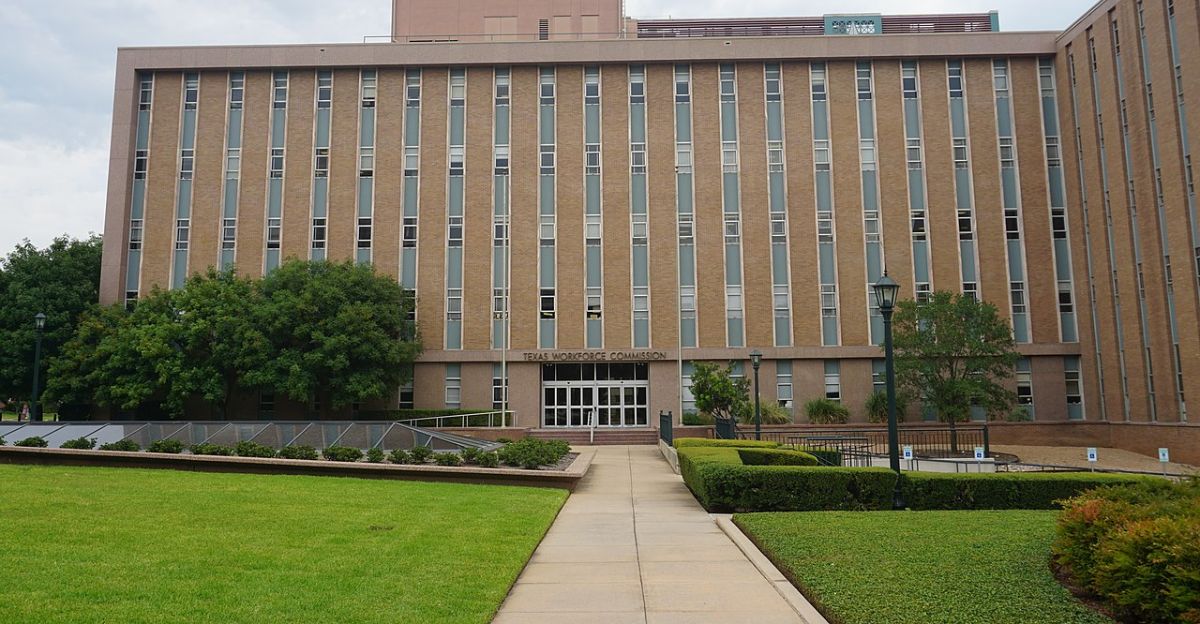
Texas Workforce programs now guide displaced workers toward unemployment benefits and retraining opportunities. However, the situation highlights a systemic gap: when companies claim unforeseen circumstances, they can legally bypass 60-day notice protections. Worker advocates argue that notice requirements must evolve to match the new speed of contract shifts, automation rollouts, and restructuring cycles.
Where one sector contracts, another expands. Resume writers, recruiting firms, and online skill-training platforms are experiencing record demand. Workforce development centers are staffing up. Even tech-certification programs are seeing enrollment surges as laid-off workers retrain. Job transition infrastructure booms whenever layoffs rise—an economy in pain becomes a marketplace for career reinvention.
Forecasts for 2026 remain divided. If government procurement stabilizes and corporate restructuring eases, Texas could enter recovery. But automation investment continues to scale, and contract-based industries remain exposed to sudden policy shifts. The next six months will determine whether this wave represents the peak or the start of something larger. Workers, economists, and community leaders are watching closely, knowing each announcement can shift the trajectory of thousands of families.
Sources:
Texas Workforce Commission 2025 WARN Act listings; DLH Solutions letter to Texas Workforce Commission (November 2025 layoff notice and “unforeseeable business circumstances” explanation)
MySanAntonio business report “Mass layoffs hit hundreds of workers across Texas” (November 2025); Yahoo News article “Mass layoff wave hits nearly 1300 Texans in manufacturing and logistics”
Supermarket News report “United Supermarkets cuts 126 jobs at Texas HQ”; The United Family corporate site and history materials (United Supermarkets founding in 1916; store and convenience location counts)