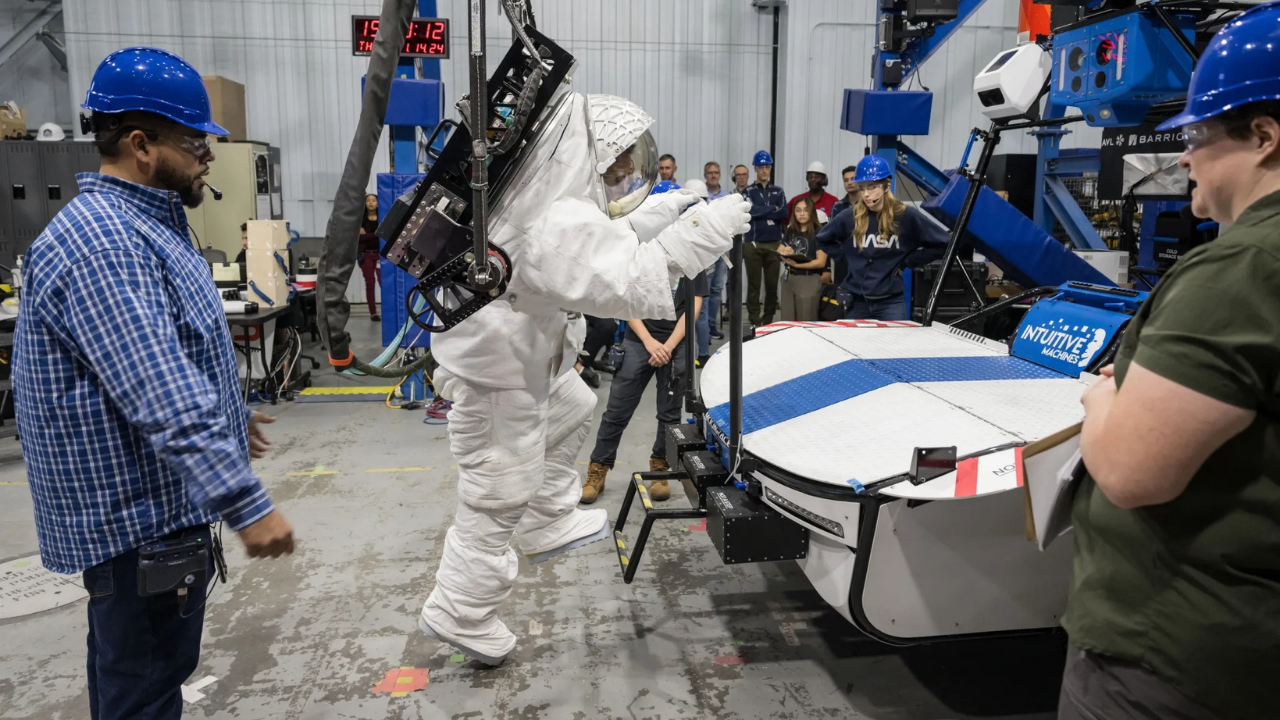
NASA is launching a major new effort to build the next generation of “Moon cars” that will carry astronauts across the lunar surface. Three commercial teams are competing to design and operate these rovers, turning the program into one of the most exciting new races in space exploration. These vehicles will need to handle brutal temperatures, deep shadows, and rough ground while keeping astronauts safe and productive.
As NASA puts it, Artemis is about the first woman and first person of color on the Moon, and rovers are key to making that promise real. One NASA leader has said that every new step on the Moon pushes the frontier of human presence farther into the solar system, and these rovers are the wheels that will get us there.
Why NASA Is Spending $4.6 Billion

NASA’s Lunar Terrain Vehicle Services contract is worth up to about $4.6 billion, and that money is spread over many years and missions. Instead of buying a single rover, NASA is paying companies to deliver mobility services, similar to hiring a long‑term transport provider on Earth.
The agency used a similar approach for cargo and crew flights to the International Space Station, where companies like SpaceX and Boeing provide transportation that NASA then purchases as needed.
From Apollo Buggy To A Commercial Fleet
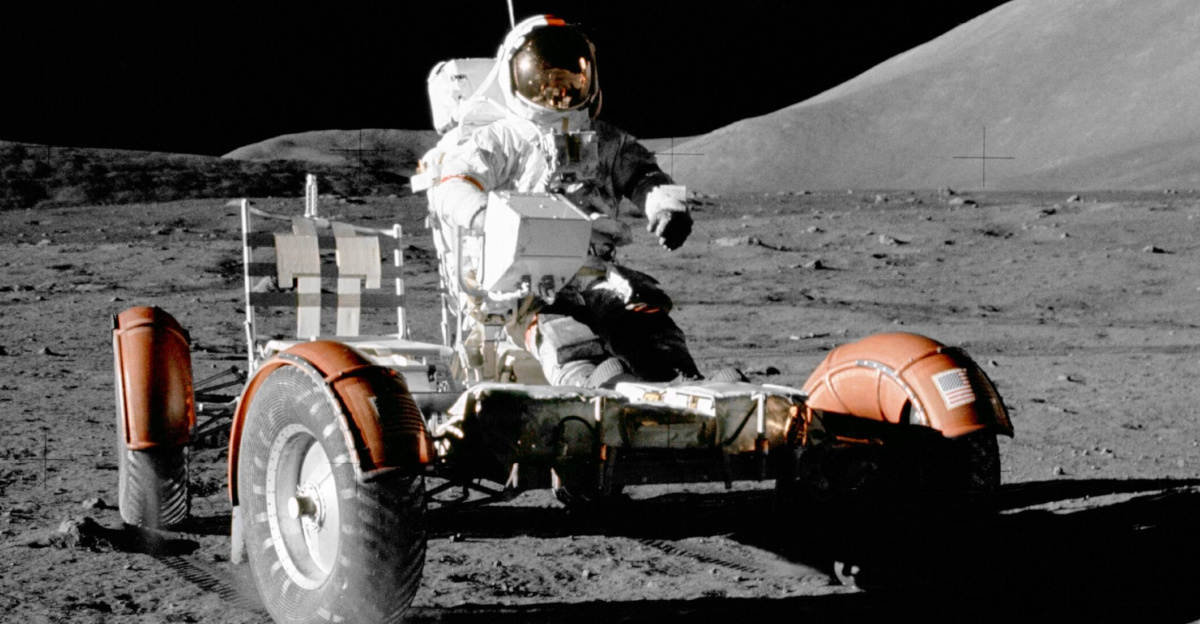
During Apollo, astronauts used small, foldable buggies that were designed and owned entirely by NASA for a few short missions. Those rovers worked well but were limited in range and lifetime; they were never meant to operate for years or support many different crews.
Artemis changes the playbook by using commercial rovers that are expected to run for up to a decade around the Moon’s south pole. These new vehicles will support multiple landings and long campaigns, not just a few days of driving.
Meet The Three Competing Teams
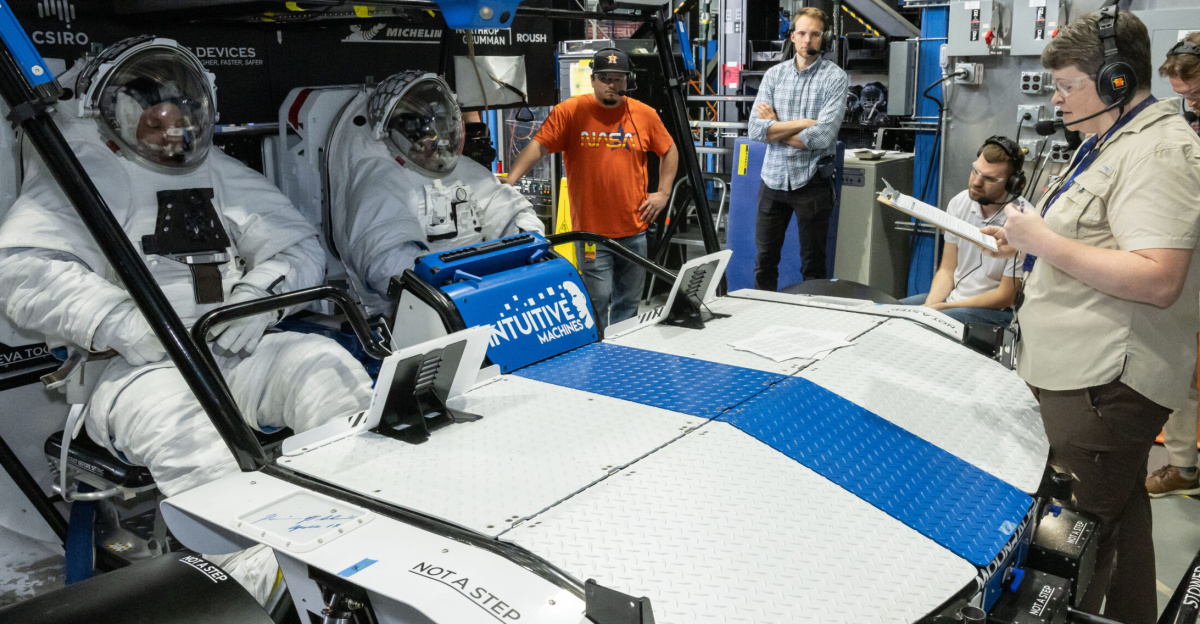
NASA has narrowed the field to three U.S. teams that will vie to provide rover services under the Lunar Terrain Vehicle program. Two are public: Lunar Outpost, which is developing the Eagle rover, and Intuitive Machines, which leads the Moon RACER concept.
A third provider is participating but has not yet been widely spotlighted, keeping some suspense in the competition. Each team must prove it can handle the full life cycle: designing the rover, getting it launched, landing it safely, and then operating it reliably on the Moon.
Eagle And Moon RACER
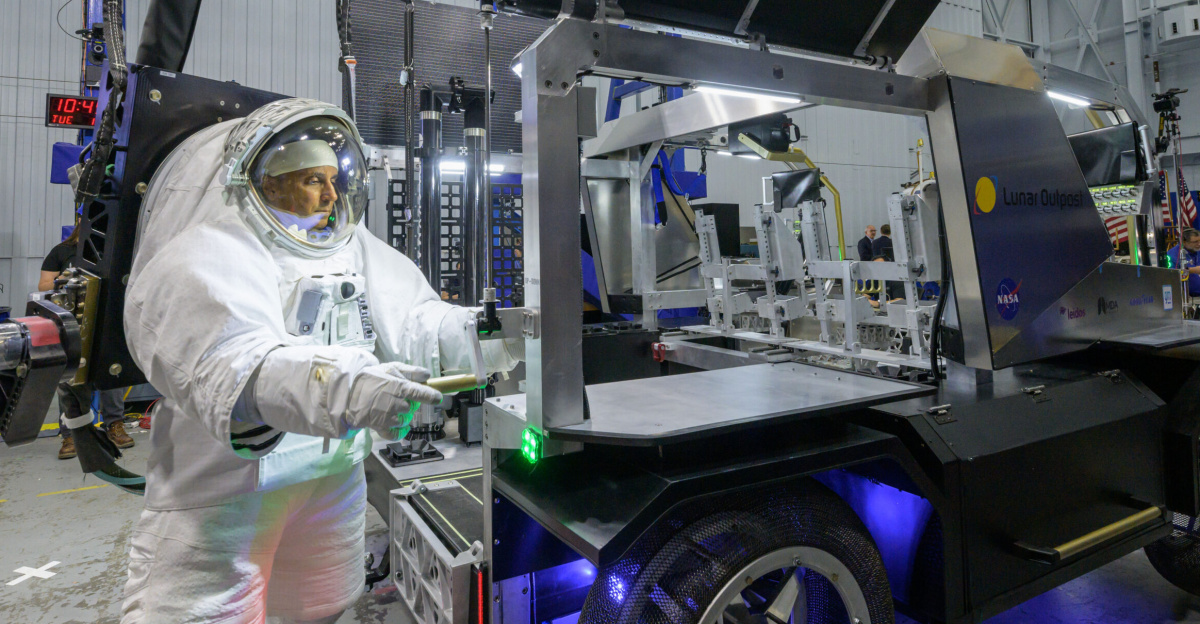
Lunar Outpost’s Eagle rover is pitched as a flexible workhorse that can carry astronauts, haul cargo, and support science. The company is working with well‑known partners such as General Motors and tire maker Goodyear, tapping their experience in off‑road vehicles and materials.
Intuitive Machines’ Moon RACER, whose name stands for Reusable Autonomous Crewed Exploration Rover, is roughly the size of a pickup truck. It is designed to carry two astronauts plus about 400 kilograms of cargo while towing a trailer with roughly 800 kilograms more, giving it serious hauling capability.
Building Full‑Size Prototypes In Just Four Months
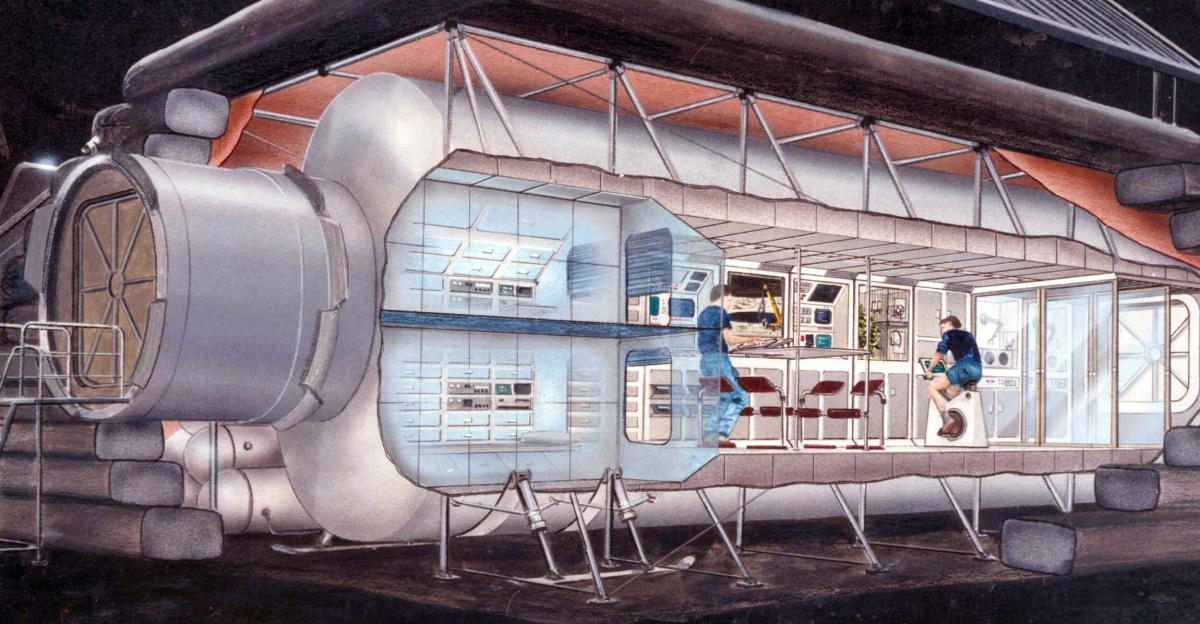
Under the new contract, NASA told each team to deliver a full‑scale mockup of its rover only a few months after selection, which is an unusually fast schedule. Agency officials have called this pace remarkable, because earlier lunar vehicle programs took much longer to reach the same level of hardware maturity.
The goal is to force rapid iteration so engineers and astronauts can test the design early and fix problems before committing to a final flight vehicle. This sprint helps keep Artemis schedules on track for later this decade.
The Moon’s Wild 300°F Temperature Swings
At the lunar south pole, temperatures can swing by roughly 300°F between areas in bright sunlight and regions in deep, permanent shadow. Rovers must survive these violent hot‑cold cycles repeatedly without on‑site mechanics or replacement parts.
Engineers also need to design systems that can sleep safely during long lunar nights and then wake up ready for work. One Artemis planner has said that the Moon is the best teacher of how unforgiving space can be, and the rovers must respect that lesson.
Tough Terrain
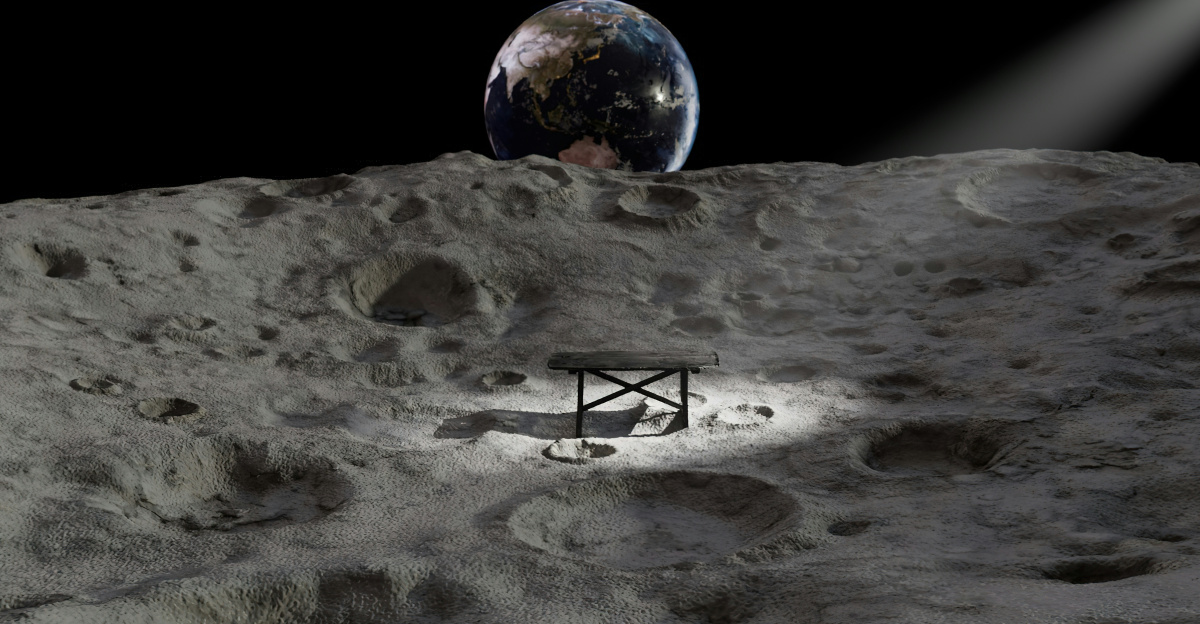
The south polar region is covered with craters, rock fields, and slopes that can be steeper than many off‑road trails on Earth. On top of that, lunar dust is sharp, sticky, and pervasive, making traction and mechanical reliability difficult over time. Mission concepts suggest each rover outing could cover 10–20 kilometers, letting crews reach science targets far beyond walking distance from a lander or base.
To do this safely, the vehicles need strong suspensions, robust wheels, and smart control systems that help drivers avoid hazards and maintain grip in low gravity.
How Many Astronauts Can Each Rover Carry?
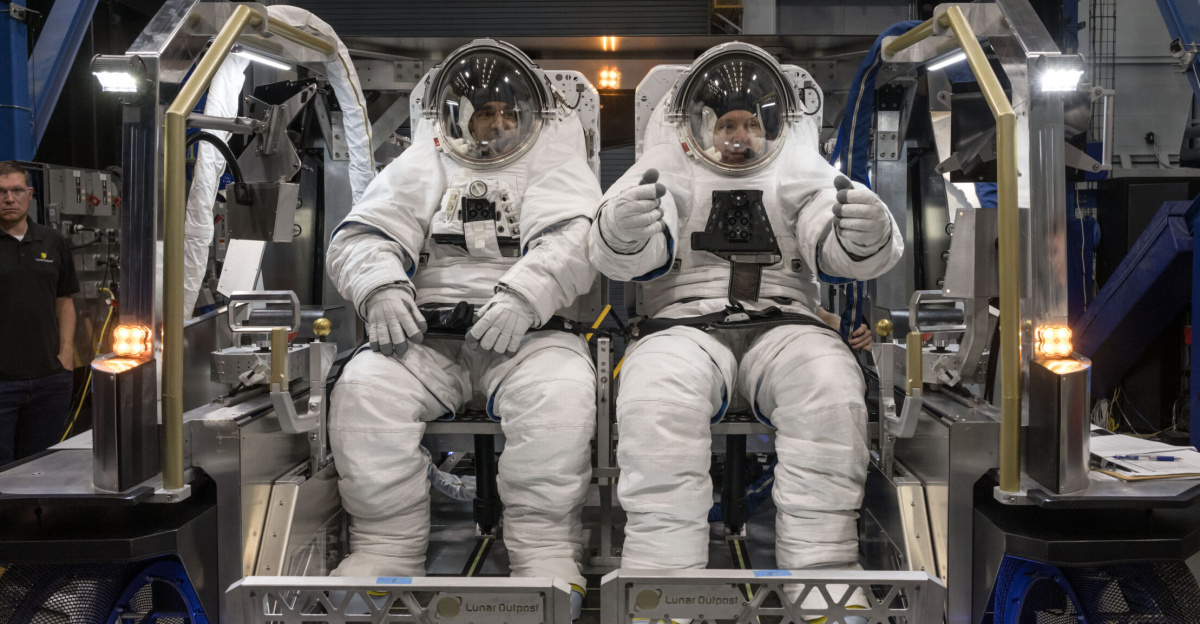
Both Eagle and Moon RACER are being designed around a two‑person crew seated in open or semi‑enclosed cabins. This matches typical Artemis surface mission plans, where astronauts are expected to work in pairs during exploration, construction, and maintenance tasks. The rovers also feature external racks for tools, instruments, and small experiments so that every trip can mix science and logistics.
Engineers are testing different seating layouts, restraints, and visibility options to make sure crews can drive comfortably in bulky pressure suits. NASA often emphasizes that crew time is our most precious resource, so making the ride efficient and safe is a top design priority.
How Much Cargo These Rovers Can Haul
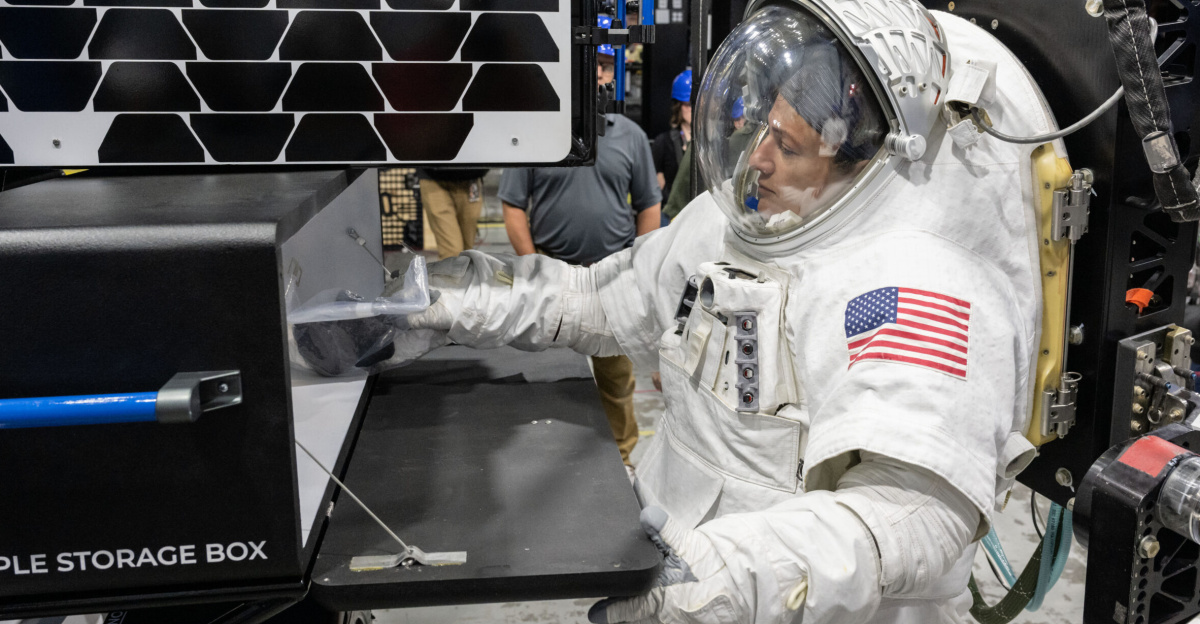
Moon RACER is specified to carry about 400 kilograms of cargo on its main deck and tow roughly 800 kilograms more on a trailer, making it a powerful lunar hauler. This capacity allows it to move instruments, power systems, and construction materials to build out a future lunar base over time.
Lunar Outpost’s Eagle is advertised as reconfigurable, able to switch between crew transport and cargo‑heavy modes depending on mission needs. That could include carrying science payloads one day and infrastructure components or resupply pallets the next.
Testing Rovers At Johnson Space Center
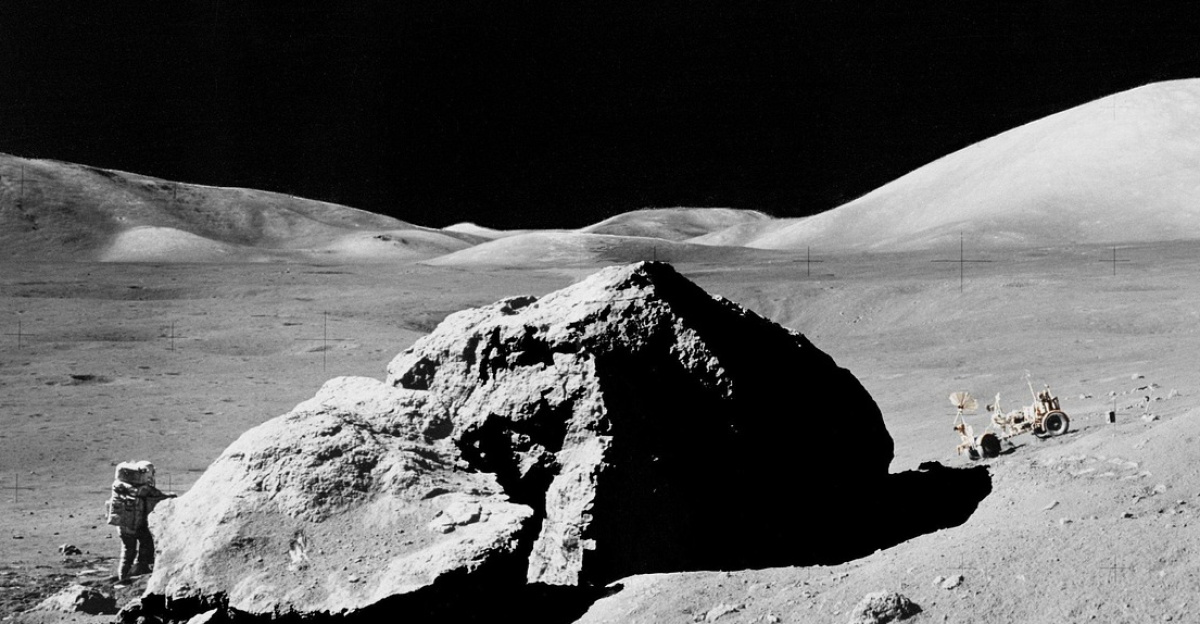
Full‑scale mockups from all three rover teams are now at NASA’s Johnson Space Center in Houston for intensive human‑factors and operations testing. Astronauts and engineers use facilities like the “rock yard,” which mimics lunar regolith, slopes, and obstacles, to see how each design behaves in challenging conditions.
This kind of testing catches subtle issues, like a handhold placed too low or a seat that causes fatigue, that would be difficult to find on paper. NASA has long stressed that you can’t design in isolation from the people who will fly, and these campaigns embody that philosophy.
Astronauts Helping Shape The Ride
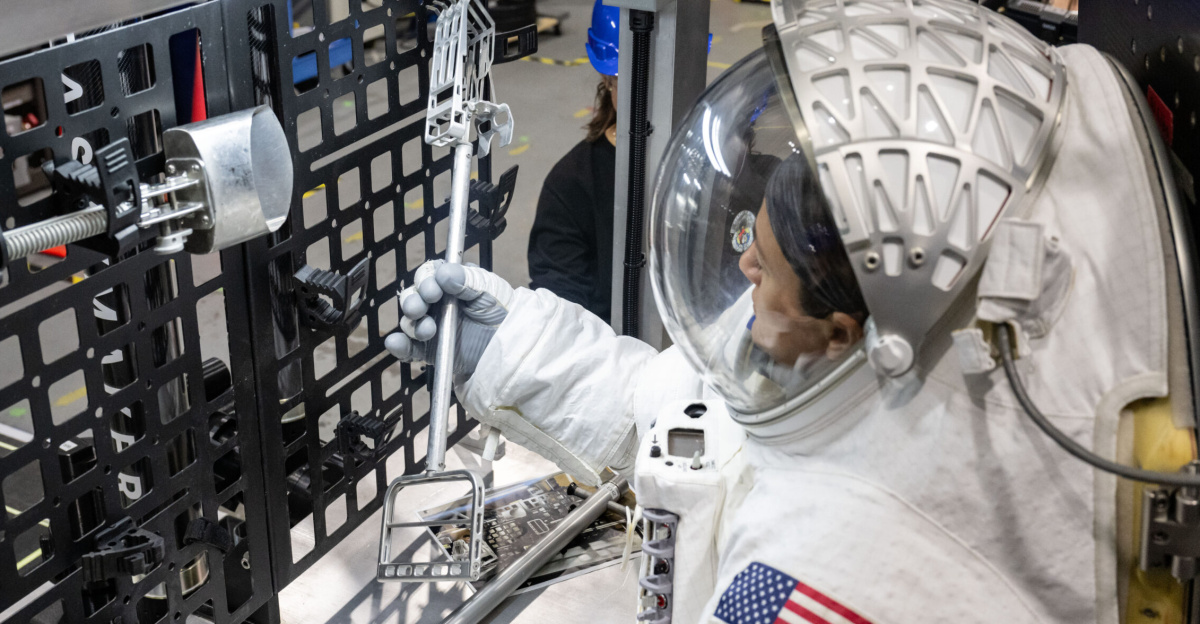
Experienced test pilots and astronauts such as Raja Chari, Randy Bresnik, and Jessica Watkins, along with engineers like Dave Coan, are directly involved in shaping the rovers. They bring flight test discipline and hands‑on operational experience, offering detailed feedback about how the vehicles behave and feel.
Their comments influence everything from seat ergonomics and restraint systems to where tools are mounted and how easily samples can be loaded.
A Key Early Milestone For NASA
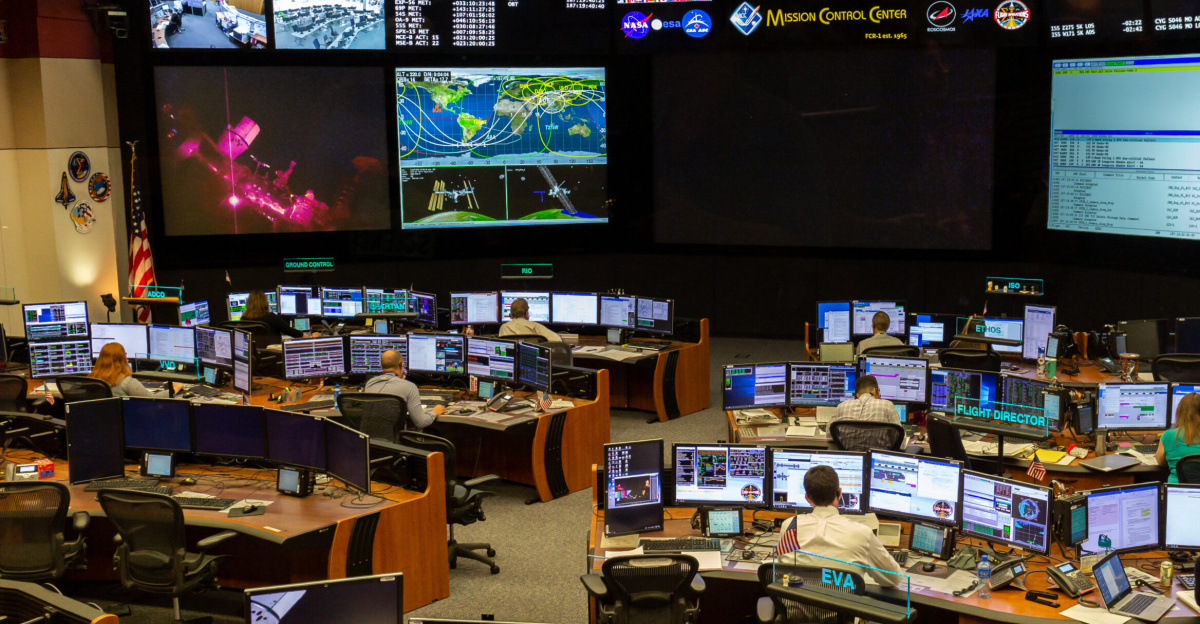
Lunar Terrain Vehicle project leaders, including manager Steve Munday, have highlighted the delivery of full‑size mockups within four months as the first major milestone of the rover program. Having hardware from all three providers at Johnson Space Center allows NASA to compare designs side by side and discover what works best.
The agency sees this early test period as a way to reduce risk before choosing which rover will actually fly on Artemis missions. Lessons learned from these mockups will guide requirements, safety standards, and even how future task orders are structured under the service contract.
Self‑Driving Tech On The Moon
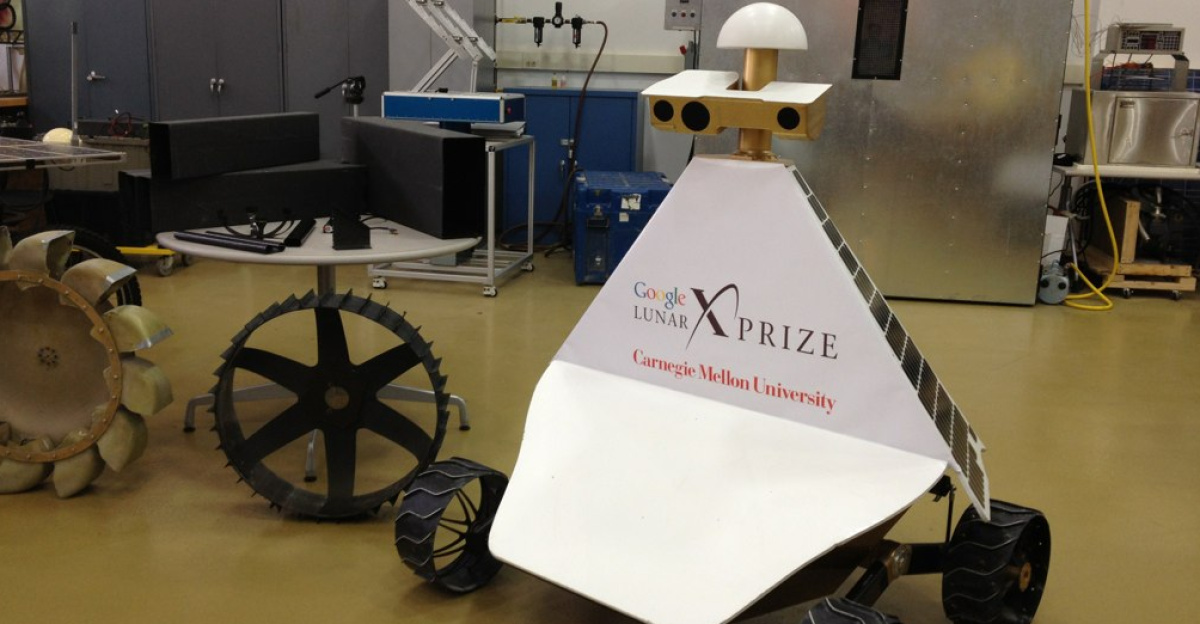
The new rovers must support both human drivers and advanced autonomous modes, similar in spirit to self‑driving cars but tailored to lunar hazards. Systems like scanning LiDAR, hazard detection cameras, and smart navigation software help the vehicle spot rocks, slopes, and craters before they become a problem.
These trials show that the rover can plan routes, avoid obstacles, and operate between crewed missions. As one space robotics expert has noted, autonomy lets machines work the night shift on other worlds, continuing science and logistics even when astronauts are not nearby.
How NASA Will “Buy” Rover Services
Under the service model, NASA will issue task orders for specific Artemis missions, much like placing orders with a trusted transport provider or airline. These orders might cover crewed excursions, uncrewed cargo deliveries, or autonomous science campaigns that run between landings.
Instead of funding a new rover body for every mission, NASA pays for time and capability on vehicles that can last for years. This approach can lower costs and encourage companies to improve their designs over time to stay competitive.
Using The Moon As A Practice Field For Mars
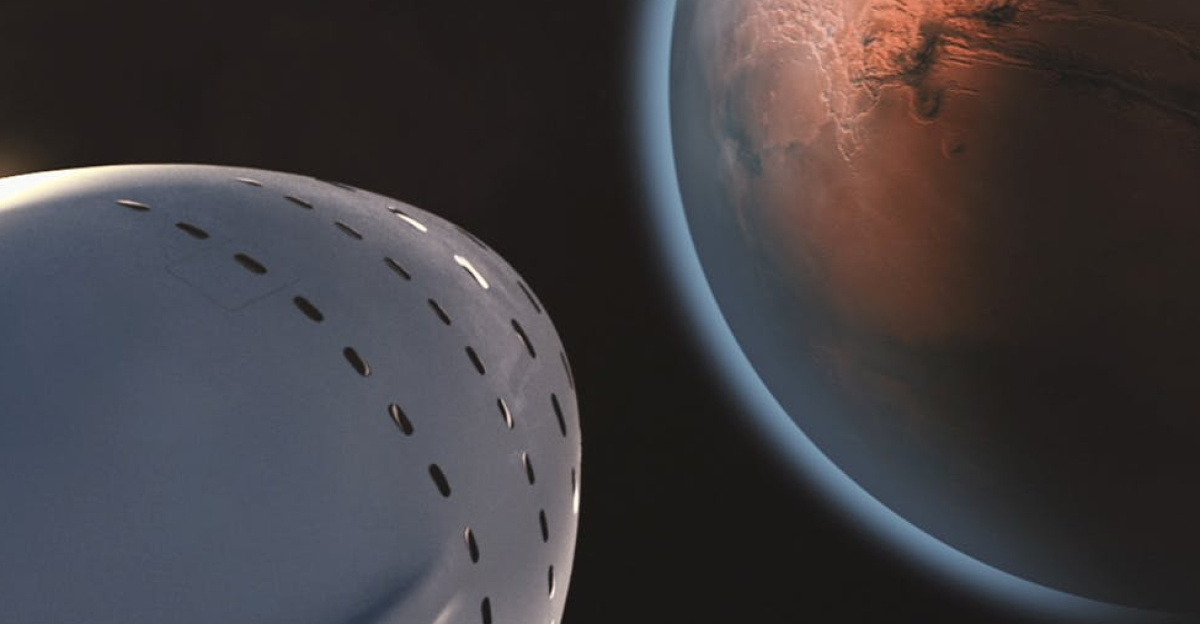
NASA openly describes Artemis as a stepping‑stone to human missions to Mars, and the Lunar Terrain Vehicles are part of that path. On Mars, crews will need robust, long‑range vehicles to explore wide areas, haul gear, and help build permanent infrastructure.
Operating rovers at the Moon’s south pole teaches engineers and astronauts how to handle dust, partial gravity, long distances, and complex power systems. Many of the technologies tested on these LTVs can feed directly into future Mars rover designs.
Why Rover Reliability Is A Matter Of Life And Death
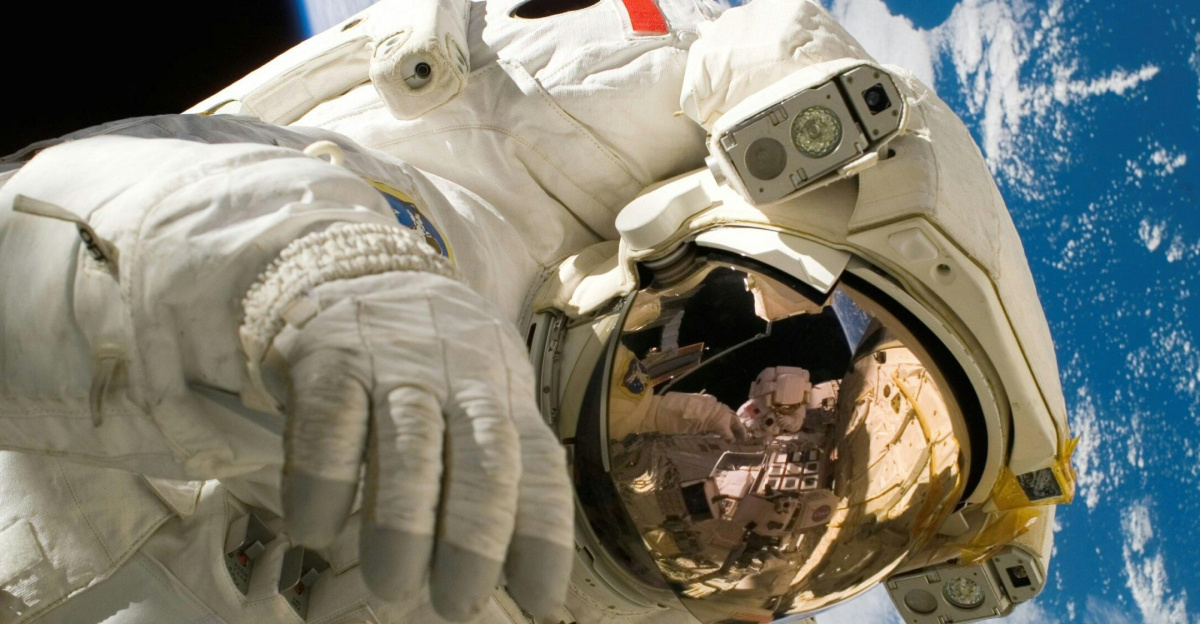
During long drives at the lunar south pole, astronauts could find themselves many kilometers away from their lander or habitat, with limited oxygen and power reserves. A major rover failure in that situation could quickly become life‑threatening, making reliability a non‑negotiable requirement. Designers are building in redundancy for power, thermal management, and drive systems so that no single failure can easily strand a crew.
Rovers must also provide robust communication links and clear procedures for emergency return, whether by driving back slowly or switching to backup systems.
Private Companies Take A Bigger Role
The LTV program continues a major shift in human spaceflight where private companies design, own, and often operate hardware used by government astronauts. Just as commercial partners now provide crew and cargo ships to the International Space Station, they will soon offer rover services on the Moon.
This means that, for the first time, vehicles driven on another world may carry corporate branding and be supported by commercial ground teams. NASA’s strategy is to focus on setting high‑level goals and safety standards while letting industry innovate on how to meet those goals.
A Growing Lunar Transportation Network
The rover services contract is structured to keep mobility available through at least the late 2030s, supporting many Artemis missions and partners. Over that period, a winning provider’s vehicle could evolve from a single prototype into a small fleet operating around the lunar south pole.
These rovers might create regular routes between landing sites, habitats, power stations, and science zones, forming a true transportation network. This network would make it easier to share resources, move international payloads, and enable commercial activities such as mining or construction.
Eagle vs. Moon RACER
Eagle and Moon RACER are both two‑seat Artemis Lunar Terrain Vehicles, but they emphasize slightly different strengths and operating concepts. Eagle, developed by Lunar Outpost with partners like General Motors and Goodyear, is framed as a highly versatile space truck and mobile lab, with a spacious cockpit, advanced suspension, Goodyear‑developed lunar tires, and flatbed‑style cargo space that can be reconfigured for crew transport, science payloads, or heavy hauling over rough terrain.
Moon RACER, led by Intuitive Machines with major automotive and aerospace partners, is also pickup‑truck‑sized but leans harder into autonomy and towing, designed to carry two suited astronauts plus about 400 kg of cargo while pulling a trailer of roughly 800 kg, and featuring hazard‑avoidance sensors, self‑driving modes, and a robotic arm to enable significant uncrewed operations between landings.
Sources:
NASA – “NASA Selects Companies to Advance Moon Mobility for Artemis Missions”
NASA – “NASA Prepares for Lunar Terrain Vehicle Testing”
Space.com – “NASA picks 3 companies to design lunar rover for Artemis”
Spaceflight Now – “NASA unveils three teams to compete for crewed lunar rover demonstration mission”
SpacePolicyOnline – “NASA Picks Three Companies for Lunar Terrain Vehicle Feasibility Studies”