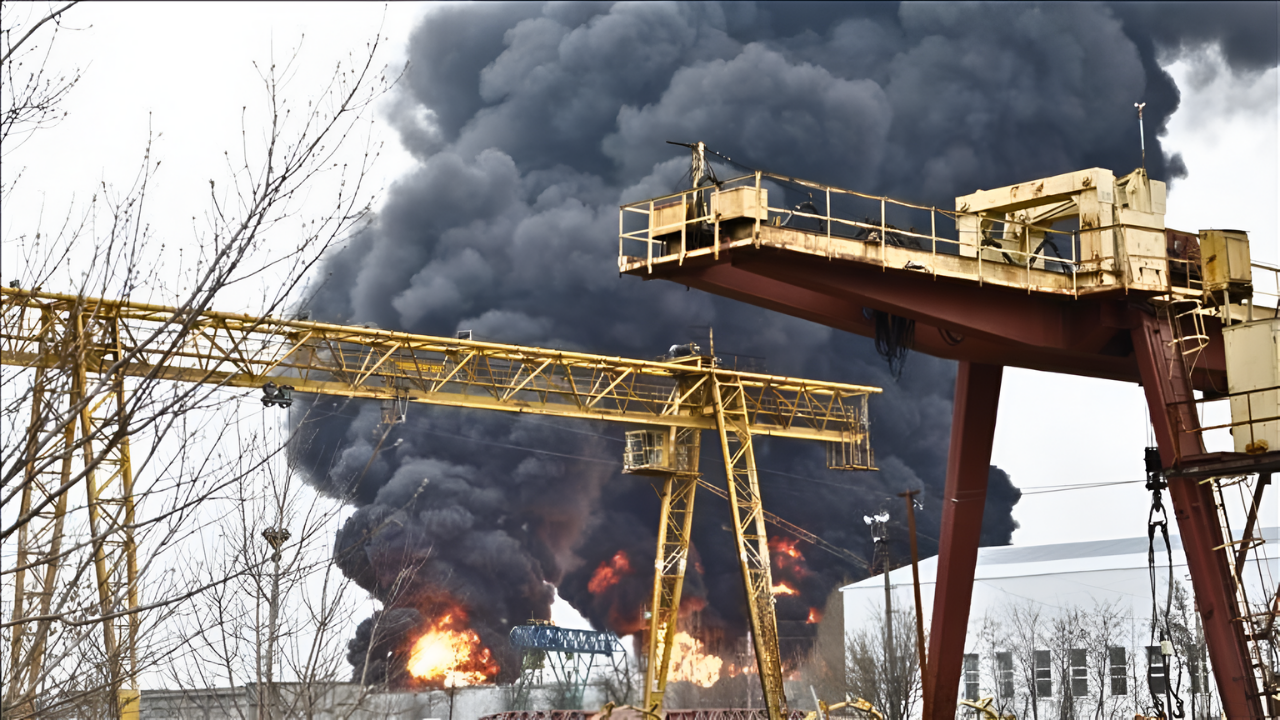
Ukraine’s November drone strike on Russia’s Ryazan refinery marks a critical turning point in the conflict, demonstrating how modern warfare has expanded far beyond traditional frontline combat. Located roughly 200 kilometers southeast of Moscow, the facility represents one of Russia’s major fuel production hubs. Ukrainian forces deployed long-range drones to trigger explosions and ignite a significant fire, while Russian officials claimed air defenses intercepted 25 drones and that falling debris caused the blaze. The competing narratives underscore a deeper reality: energy infrastructure has become one of the war’s central battlegrounds, with consequences extending from Moscow’s military capacity to global oil markets and the livelihoods of ordinary workers across multiple nations.
Systematic Pressure on Russian Fuel Production
Ukraine has shifted toward a sustained campaign targeting Russian oil refineries, ports, and storage facilities rather than isolated symbolic strikes. Analysts report dozens of successful hits on major complexes including Tuapse, Volgograd, and Saratov since mid-2025. This pattern reflects a deliberate strategy to erode Moscow’s financial and military capacity by degrading the fuel supply that powers both civilian transport and military operations.
The cumulative effect has been measurable. Russian refinery throughput has declined to approximately 5.0–5.1 million barrels per day, down from 5.3–5.4 million barrels per day earlier in the year—a reduction of roughly 300,000–400,000 barrels daily. While Russia has deployed spare capacity to cushion the impact, the tightening has produced localized shortages and rising prices for gasoline and diesel inside the country, particularly during concentrated attack periods.
Air Defense Dilemmas and Technological Gaps
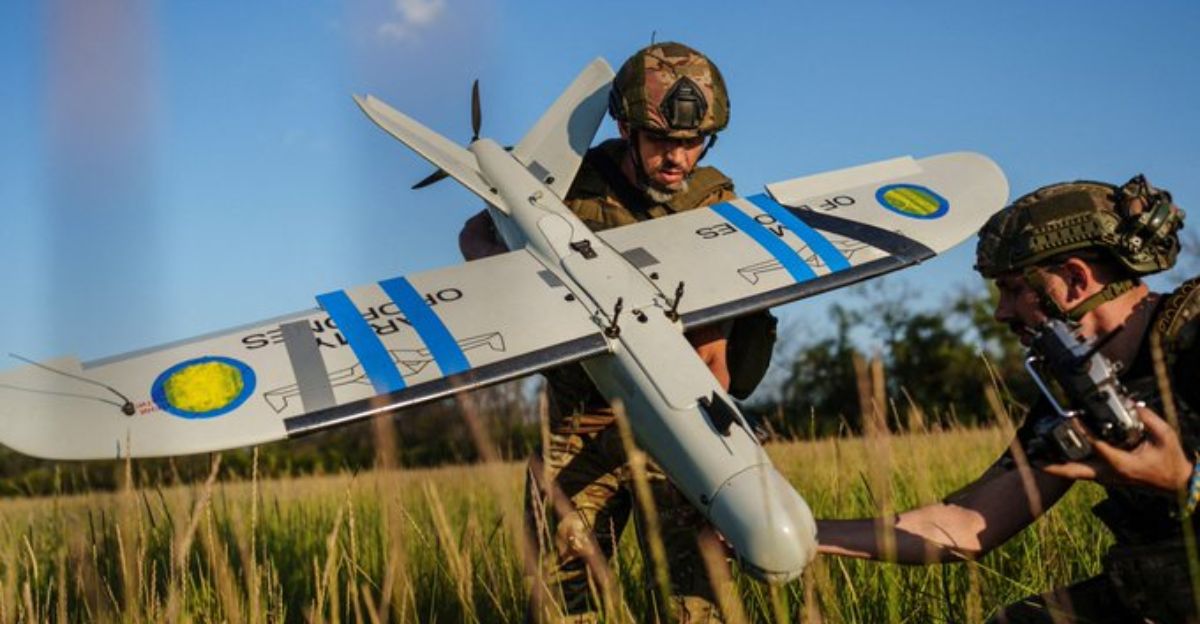
Ukraine’s expanding fleet of long-range drones has exposed vulnerabilities in Russia’s air defense network, even in zones relatively close to the capital. Repeated successful strikes raise questions about the effectiveness of the protective ring Moscow has constructed around key political and industrial centers. Each time Russia repositions air defense systems to shield refineries and export terminals, fewer systems remain available to protect frontline troops and logistics hubs in Ukraine—a trade-off that Ukrainian planners deliberately exploit.
This dynamic creates a strategic bind for Moscow: prioritize economic resilience or tactical protection, with no straightforward path to fully secure both. The technological arms race is accelerating, with Russian air-defense and electronic-warfare firms under pressure to adapt quickly while Ukrainian drone manufacturers report rising orders and plans to scale production of new strike systems.
Ripples Through Global Markets and Allied Nations
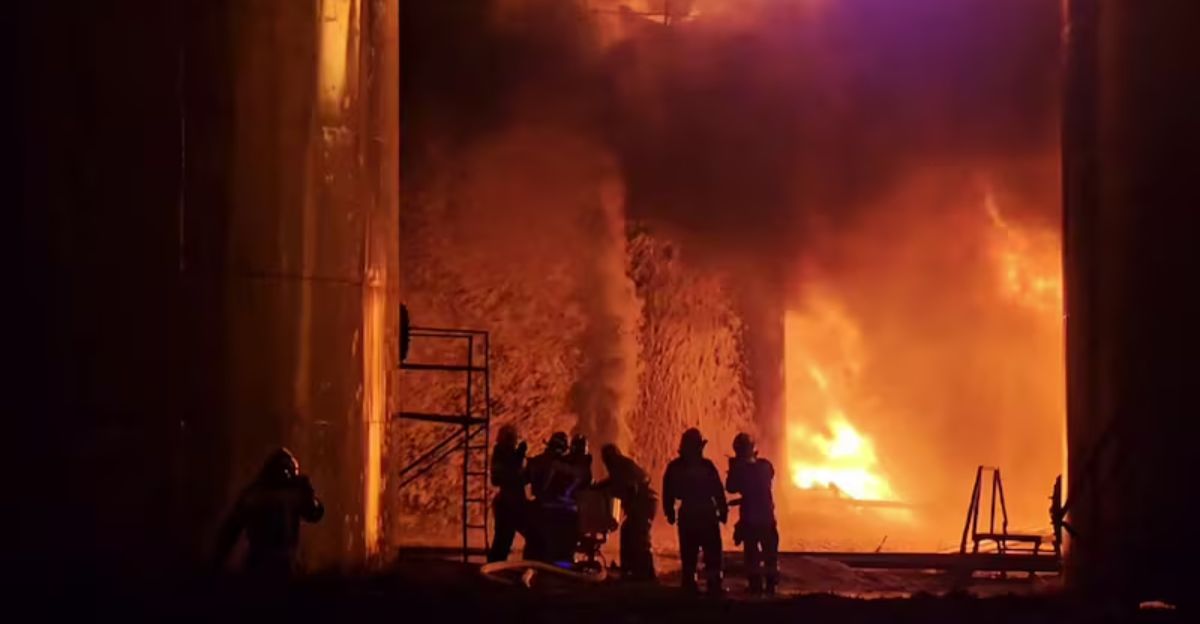
Markets now treat Ukrainian drone operations as a key factor in short-term oil price movements. Strikes against the Sheskharis oil terminal in Novorossiysk and the Tuapse refinery temporarily disrupted flows on the Caspian Pipeline Consortium route and pushed global prices higher. Traders increasingly price in the risk of repeated stoppages at Russia’s coastal export hubs, adding volatility to crude and refined product futures.
The conflict has also ensnared Serbia, where the United States has imposed sanctions on the oil company NIS—45 percent owned by Russia’s Gazprom Neft. Washington has given Belgrade until February 13 to secure a complete change of Russian shareholders before sanctions are reconsidered. NIS operates Serbia’s main Pancevo refinery and supplies most domestic fuel, making the outcome critical for the country’s energy security heading into winter. With NIS generating billions of euros in annual revenue and employing more than ten thousand people, disruptions could substantially impact state finances, local employment, and neighboring markets dependent on Serbian fuel.
The Human Cost and Broader Consequences
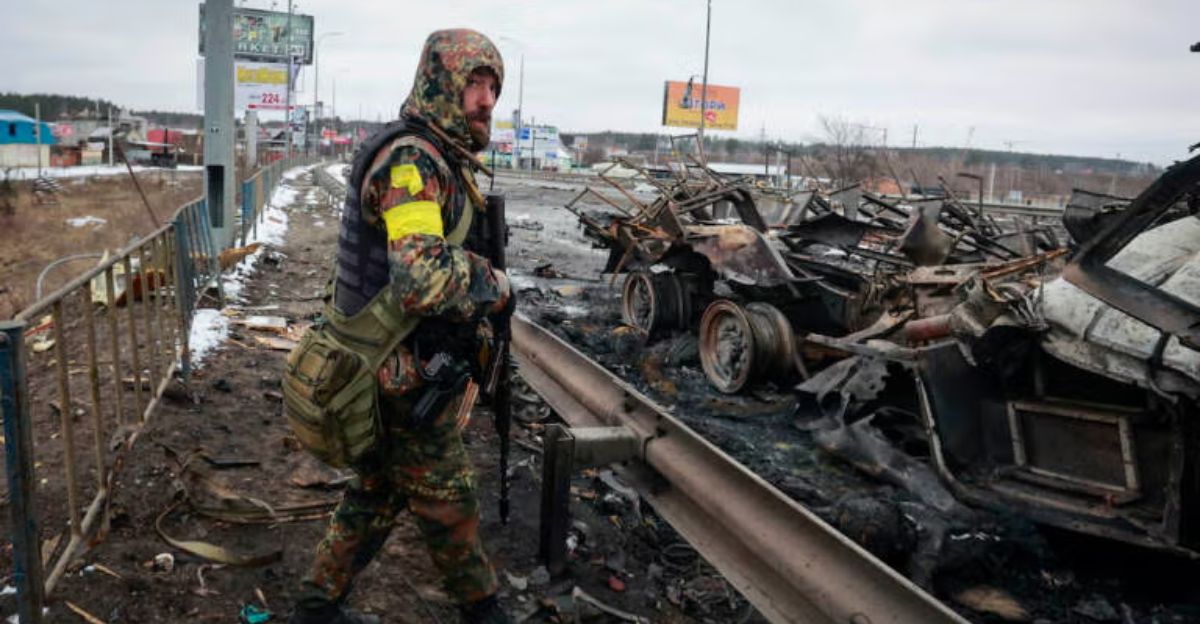
While Ukraine targets Russian energy assets, Russian forces continue to bombard Ukrainian cities and regions. On a single Saturday in November, Russian strikes killed four civilians in southern Ukraine, including three in the Kherson region and one in Zaporizhzhia. Simultaneously, Russia has sharply intensified attacks on Ukraine’s railway system, with strikes tripling since July. Deputy Prime Minister Oleksii Kuleba has warned that the pattern shows deliberate targeting of trains and train drivers, turning civilian rail workers into front-line casualties.
Refinery workers at Ryazan and other targeted plants face layoffs, reduced hours, and safety concerns as facilities shut down for repairs. Thousands across Russia’s refining regions depend on these complexes for their livelihoods, and repeated shutdowns have prompted some to relocate or seek more stable employment.
Broader Economic and Political Fallout

Reduced refinery output and logistical bottlenecks have fed inflationary pressures within Russia’s economy, with higher fuel and transport costs filtering through to food prices and consumer goods. International monitors note that Russian oil and fuel export revenues in August dropped to some of their lowest levels since the full-scale invasion began, limiting the Kremlin’s fiscal flexibility.
Ukraine itself has been shaken by a major corruption scandal within state energy companies, with authorities alleging roughly $100 million was embezzled from entities including Energoatom and Naftogaz. President Volodymyr Zelenskyy demanded ministerial resignations and rapid management overhauls, underscoring the political imperative to demonstrate accountability even during wartime.
Strategic Implications for Future Conflicts
The Ryazan strike demonstrates that modern warfare routinely targets energy infrastructure far behind traditional front lines, with consequences rippling through economies, alliances, and domestic politics. Ukraine’s ability to sustain this campaign depends on drone production, intelligence, and international support, while Russia’s response hinges on repair capacity, air defenses, and its tolerance for economic pain. As similar tactics spread globally, governments are likely to harden refineries, power plants, and transport corridors, fundamentally reshaping doctrines for both energy security and the laws governing warfare.
Sources:
The Moscow Times – “Ukrainian Drones Strike Rosneft Refinery in Ryazan Region,” September 5, 2025
Kyiv Independent – “Oil refinery in Russia’s Ryazan Oblast hit in drone attack,” November 20, 2025
YouTube (Beyond Military) – “Ukrainian Drones STRIKE Russian Oil Refinery,” October 14, 2025
Carnegie Endowment – “Have Ukrainian Drones Really Knocked Out 38% of Russia’s Oil Refineries?,” October 2025