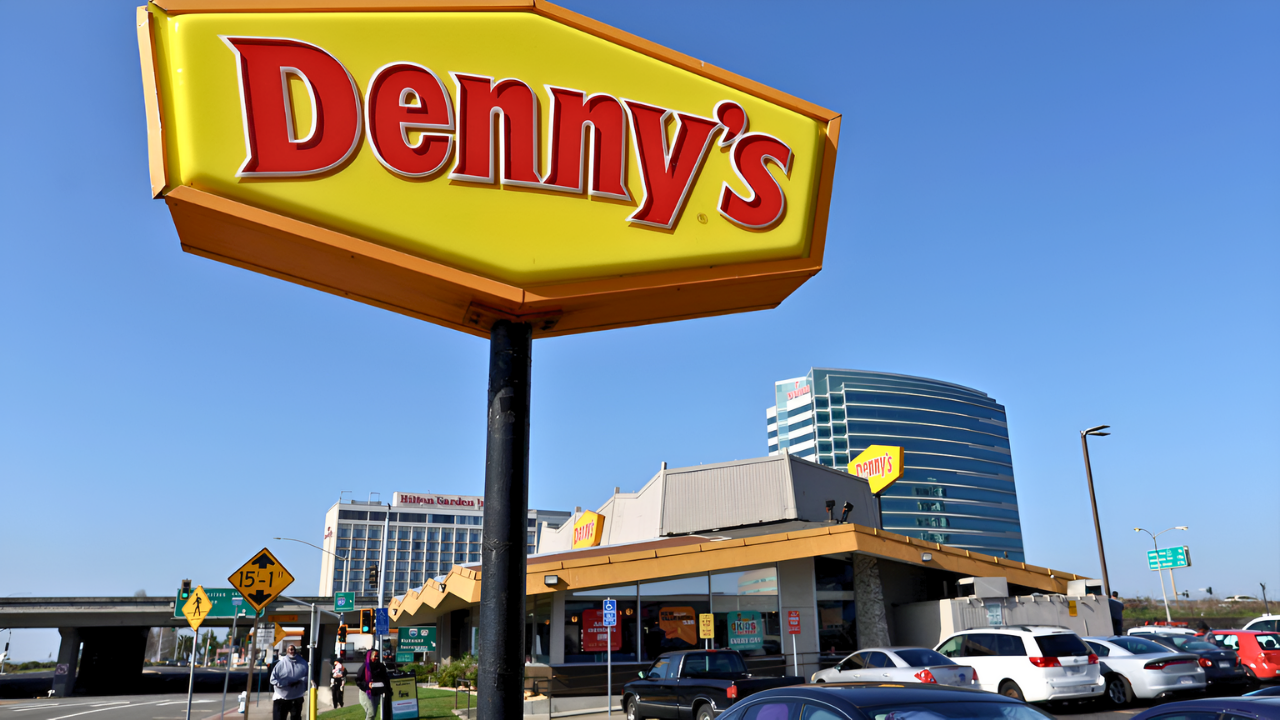
On November 3, 2025, Denny’s Corporation announced it would transition from a publicly traded company to a privately held one in a $620 million all-cash acquisition.
A consortium led by TriArtisan Capital Advisors, alongside Treville Capital Group and Yadav Enterprises, agreed to purchase all outstanding shares at $6.25 per share. The deal represented a 52.1% premium over the prior closing price and a 36.8% premium over the 90-day average, marking a watershed moment for the iconic diner chain.
From Public Markets to Private Control

The transaction received unanimous approval from Denny’s board of directors after a competitive bidding process involving more than 40 potential suitors.
While shareholders welcomed the immediate premium, the move signaled that Denny’s public-market strategy had reached its limits. For employees, franchisees, and communities, however, the buyout quickly became synonymous with accelerating closures and operational contraction rather than long-term reinvestment or stabilization.
A Chain Already in Long-Term Decline
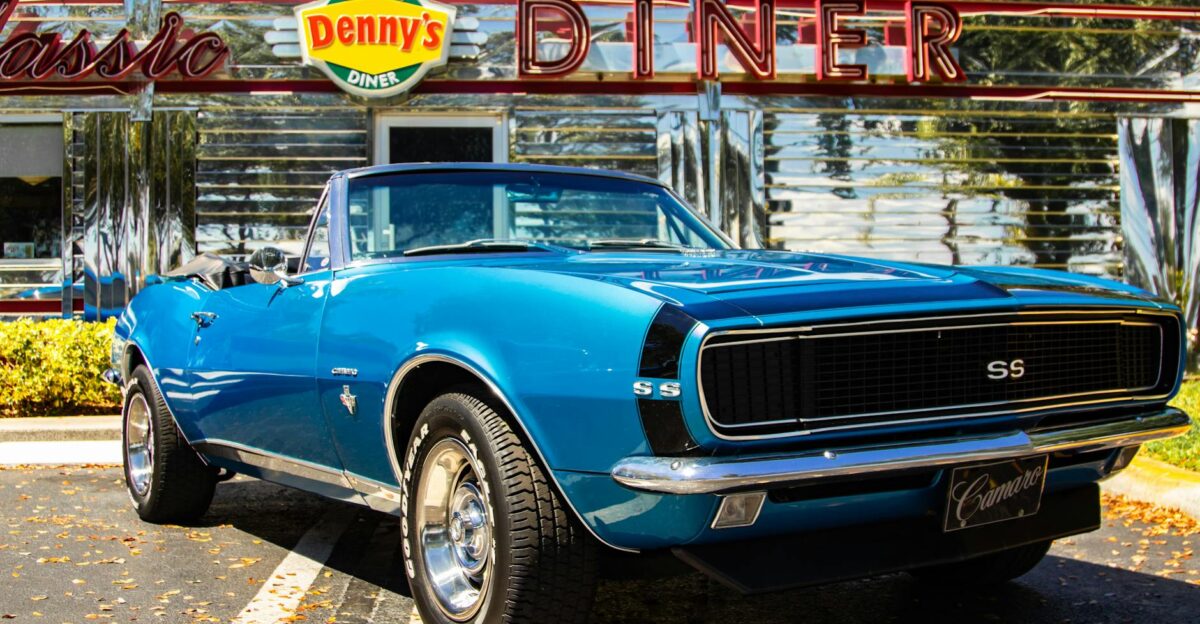
At its peak in 2017, Denny’s operated 1,735 locations. By mid-2025, that footprint had reached approximately 1,558 locations. Same-store sales declined roughly 2.9% in the third quarter of 2025, and the company’s stock had fallen about 50% year-to-date before the buyout.
These trends reflected years of weakening traffic, squeezed margins, and growing competitive pressure across casual dining.
Industry-Wide Pressure on Casual Dining
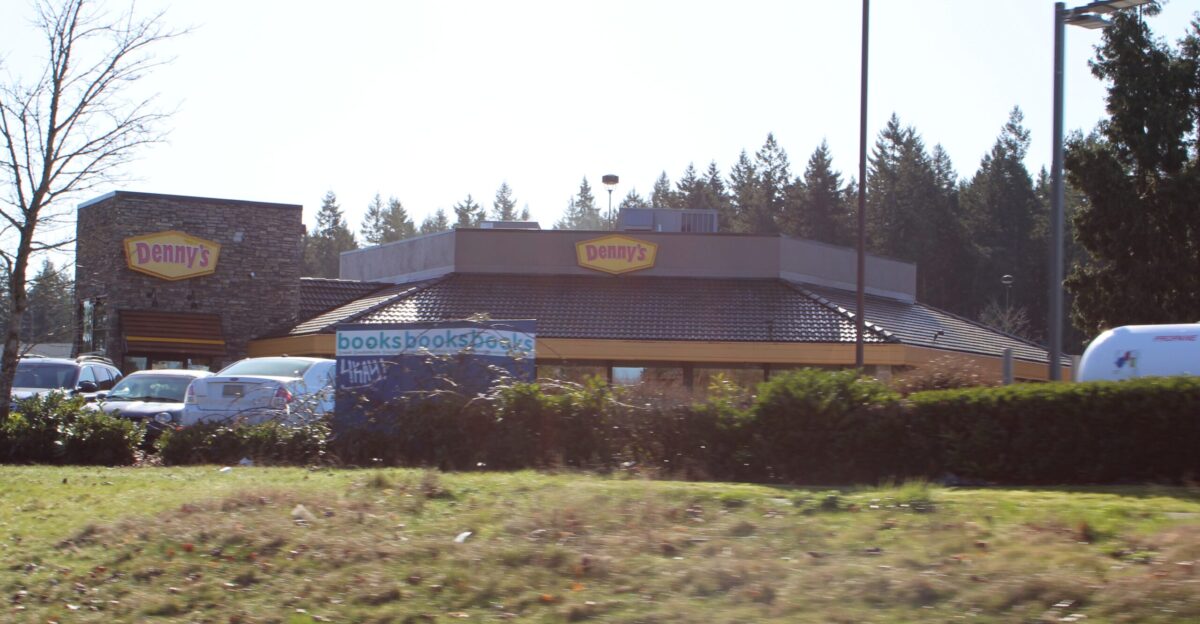
Denny’s struggles mirror a broader industry downturn. From January to August 2024, casual-dining traffic fell about 5%, far exceeding the roughly 0.5% decline experienced by fast-food chains. Inflation pushed menu prices higher just as consumers became more cost-conscious.
At the same time, fast-casual brands offering perceived health, speed, and customization steadily captured market share once dominated by traditional full-service restaurants.
Structural Shifts in Consumer Behavior

Delivery platforms, ghost kitchens, and app-based ordering reshaped how Americans consume restaurant food. Denny’s large, dine-in-focused layouts proved inefficient for high-volume takeout. Generational shifts away from prolonged sit-down meals further weakened traffic.
The traditional 24-hour diner model also lost relevance as ride-sharing reduced late-night driving and logistics automation reshaped long-haul trucking patterns that once fueled overnight demand.
The Acquisition Consortium Explained

The buyer group reflects modern private-equity strategy in distressed dining. TriArtisan Capital Advisors leads the deal and already controls chains such as TGI Friday’s, P.F. Chang’s, and Hooters.
Treville Capital Group, led by Michael Ovitz, contributes financial expertise. Yadav Enterprises, one of Denny’s largest franchisees operating approximately 550 restaurants, joins as both operator and owner—creating an unusual structure that blends corporate control with franchise-level interests.
The Red Lobster Precedent
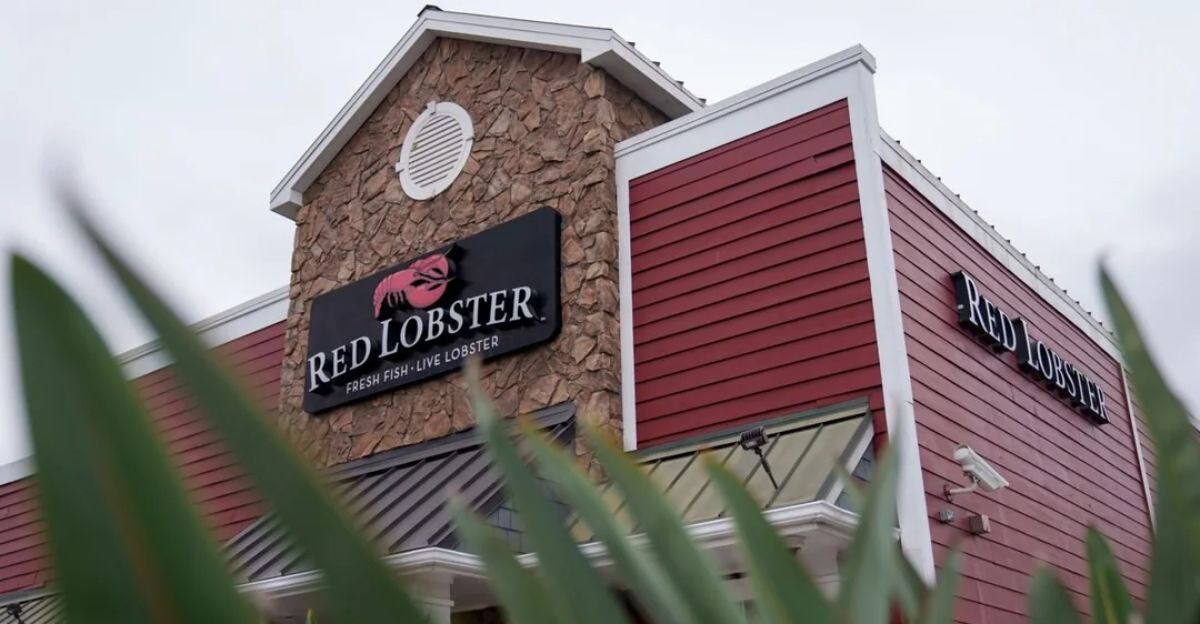
The consortium’s structure echoes the path that preceded Red Lobster’s May 2024 bankruptcy. After its 2014 private-equity takeover, Red Lobster sold its real estate, took on heavy lease obligations, and struggled under rising fixed costs. Annual rent eventually consumed about 10% of revenue.
That history fuels concerns that Denny’s could face similar pressure if real-estate monetization and leverage become central to the new owners’ strategy.
The Closure Plan Takes Shape
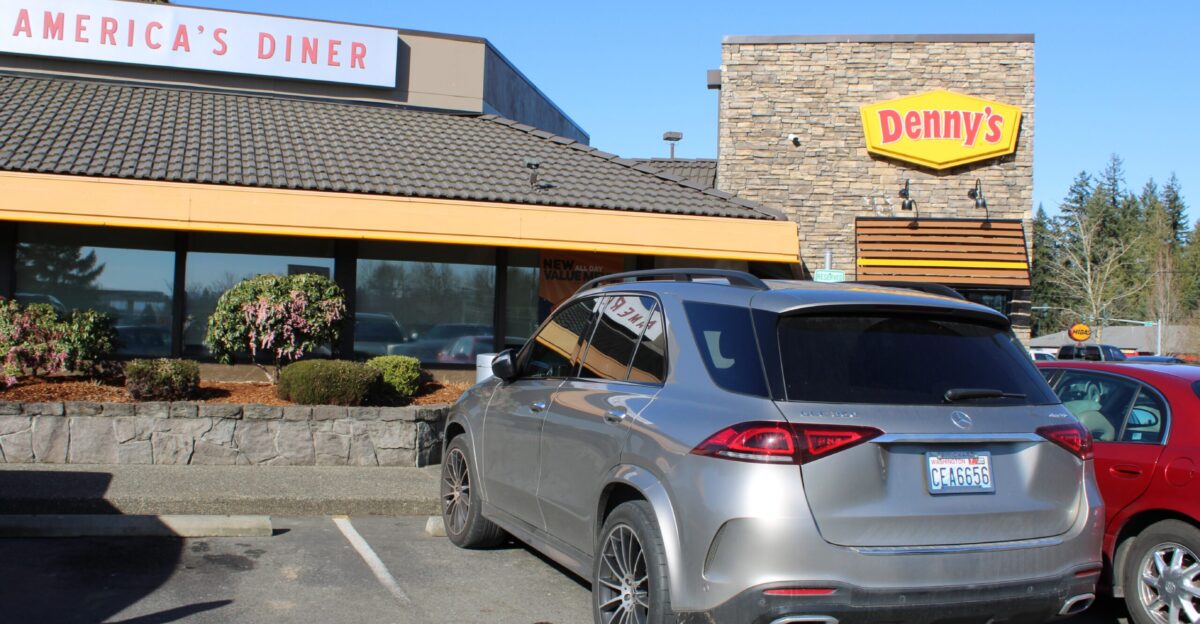
Denny’s announced in October 2024 that it planned to shutter 150 underperforming locations by the end of 2025.
The company closed 88 restaurants in 2024 and projected an additional 70 to 90 closures during 2025. By late 2025, early closures began appearing immediately after the buyout announcement, signaling that the new ownership intended to move quickly on long-planned contraction efforts.
Job Losses and Workforce Impact
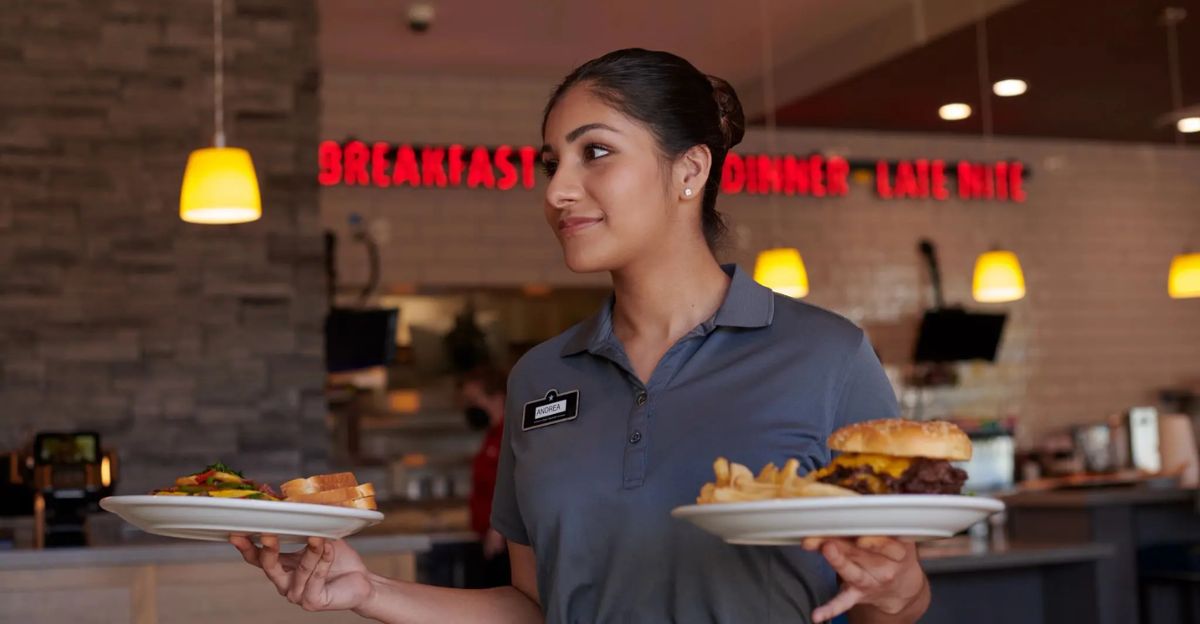
With roughly 15 to 25 employees per location, the closure of 150 restaurants implies an estimated 2,250 to 3,750 direct job losses.
When combined with indirect job losses in food distribution, property services, and local supply chains, total employment disruption is substantially higher. For many communities, especially smaller towns, a local Denny’s serves as a key entry-level employer and economic anchor.
System-Wide Revenue Consequences

Average annual revenue per Denny’s unit is estimated between $1.9 million and $2.2 million. Closing 150 locations therefore removes roughly $285 million to $330 million in annual system-wide sales.
Those losses reduce franchise royalty streams, supplier volumes, and corporate licensing income. The contraction also weakens the remaining network by shrinking brand presence and regional advertising efficiency.
The Rise of an American Institution
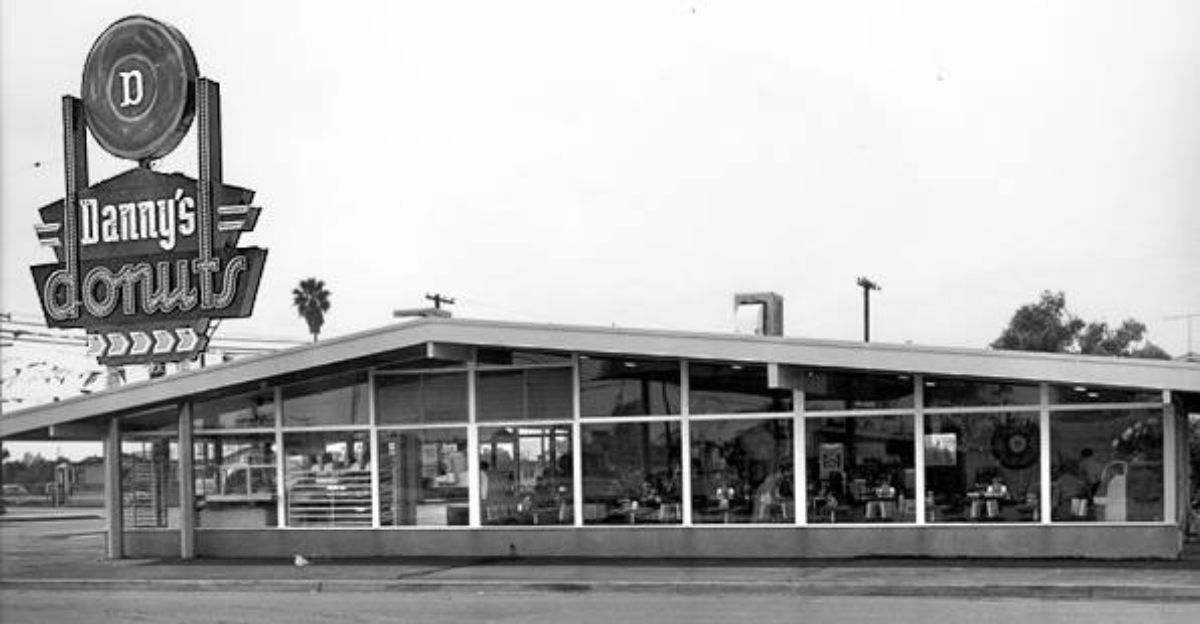
Denny’s was founded in 1953 when Harold Butler and Richard Jezak opened Danny’s Donuts in Lakewood, California, with the business formally opening in July 1954.
It became a national symbol of affordable, round-the-clock dining by the 1980s and 1990s. Its 24-hour accessibility, standardized menu, and roadside convenience made it a cultural fixture for travelers, shift workers, and families. For decades, Denny’s represented a uniquely democratic form of American dining.
Cultural and Economic Erosion
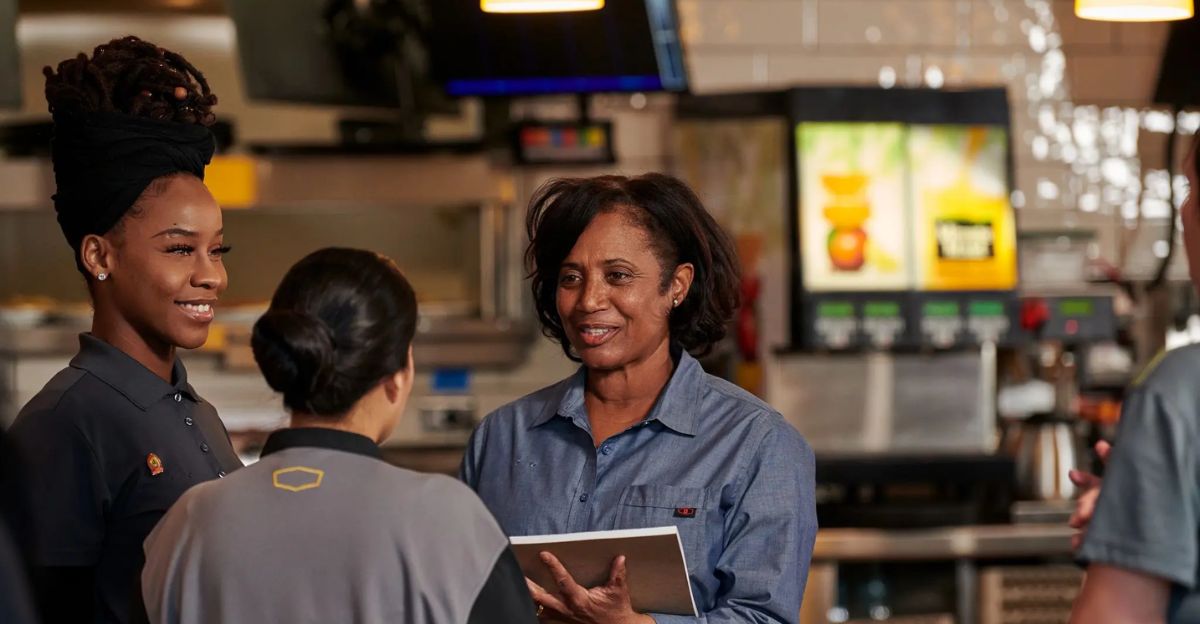
Rising labor costs, higher commodity prices, and changing eating habits steadily eroded Denny’s operating model after 2000. The 2008 financial crisis sharply reduced discretionary spending.
The COVID-19 pandemic further damaged dine-in traffic, leading to roughly 100 additional closures that were never fully offset. By 2025, Denny’s global footprint had contracted significantly from its historical peak.
Menu Contraction and Brand Perception
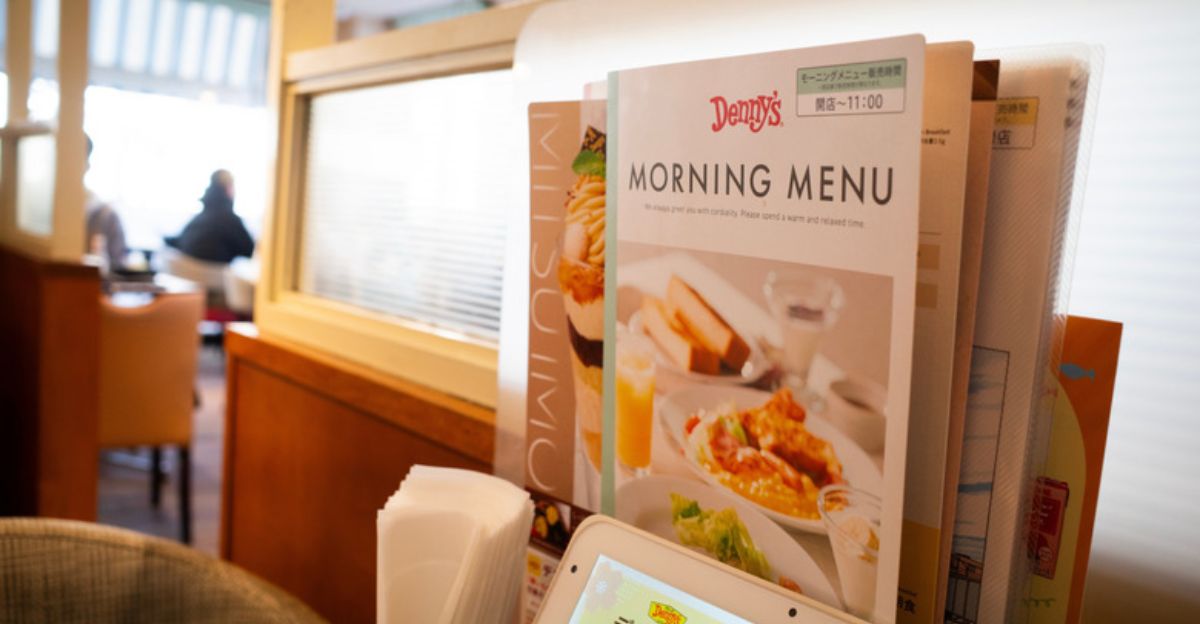
In late 2024, Denny’s reduced its menu from 97 items to 46 as part of a cost-containment effort. Management acknowledged that growing numbers of adults were ordering from the children’s menu to save money.
While financially pragmatic, this move reinforced perceptions of economic stress among customers. At the same time, dated interiors and inconsistent renovations weakened brand appeal among younger diners.
The Real-Estate Burden
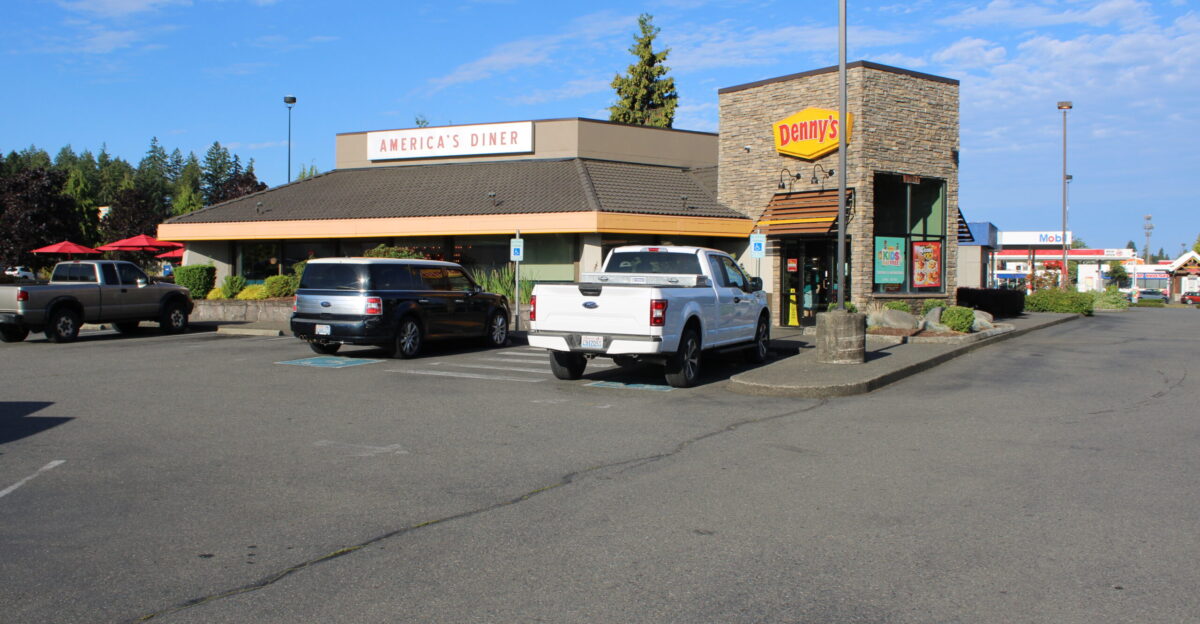
Many Denny’s restaurants operate in buildings constructed decades ago, requiring costly upgrades for HVAC systems, accessibility compliance, and kitchen modernization.
In some cases, required upgrades exceeded $150,000 per unit. As commercial rents increased after the pandemic, weaker locations faced both capital-expenditure pressure and higher lease costs, pushing already thin unit-level profitability into unsustainable territory.
Private Equity and Restaurant Consolidation
Denny’s buyout fits into a broader private-equity consolidation wave. In recent years, firms have acquired major restaurant brands such as Subway and Dave’s Hot Chicken while also controlling distressed casual-dining names.
While buyers argue that scale creates efficiencies, the historical record shows mixed results. Several private-equity-owned dining chains have experienced prolonged contraction, restructuring, or bankruptcy after acquisition.
The Yadav Enterprises Conflict Question
Yadav Enterprises operates approximately 550 franchised restaurants nationwide, including hundreds of Denny’s units. Its simultaneous role as major franchisee and ownership partner creates structural tension.
Corporate decisions on closures, royalties, supply contracts, and technology fees now directly affect Yadav’s competitive position relative to independent franchisees. This arrangement raises concerns about long-term system-wide franchise equity and internal competition.
Disproportionate Impact on Small Towns
Denny’s locations in rural and small-town markets often serve as major employers and the only 24-hour dining option. When these units close, communities lose payroll, tax contributions, and social meeting spaces.
These closures affect truck drivers, shift workers, and elderly residents most acutely—groups less well served by fast-casual chains or delivery platforms concentrated in urban areas.
The Fading 24-Hour Diner Model
The original 24-hour diner relied on long-haul trucking traffic and late-night automobile travel. Ride-sharing, driver-fatigue regulations, and changing work schedules have reduced both. Digital entertainment and on-demand food delivery now substitute for late-night dining.
The operational costs of staffing restaurants overnight increasingly outweigh the revenue such hours generate, making the classic 24-hour model economically fragile.
Leverage and Debt Risk Ahead
A central uncertainty is how much new debt will be layered onto Denny’s after the acquisition. Private-equity transactions typically rely heavily on leverage. If significant real-estate assets are sold via sale-leaseback arrangements, rent obligations could rise sharply.
Higher debt service and fixed operating costs would pressure cash flow, potentially accelerating further closures and franchisee strain.
An Inevitable Restructuring with Lasting Consequences
Denny’s restructuring reflects two decades of shifting consumer behavior, rising costs, and demographic change rather than a short-term downturn.
The private-equity buyout offers shareholders an exit, but it concentrates the social cost of contraction on workers, franchisees, and communities. The closure wave marks not only a business retrenchment but also the steady disappearance of a once-ubiquitous American dining institution.
Sources:
- Reuters. (2025, November 3). Restaurant chain Denny’s to be taken private in $620 million deal.
- Fortune. (2025, November 4). Denny’s agrees take-private deal worth $620 million after reaching out to more than 40 potential buyers.
- NBC News. (2025, February 25). Red Lobster, TGI Fridays bankruptcies: How private equity crushed restaurant chains.
- CBS News. (2025, November 3).
- National Restaurant Association. (2025). Restaurant employment statistics.
- Ballou, B. (2024). The Pillage of America: Private Equity’s Extractive Business Model. (Cited in CNBC and NBC News coverage of restaurant PE failures.)
- Restaurant Dive. (2024, October 21).
- Mashed. (2024, October 16).
- LiveNOW from FOX. (2025, February 13).
- Black Box Intelligence. (2025, Q1).
- Fortune Europe. (2025, April 16).
- Alibaba. (2025, November 18).