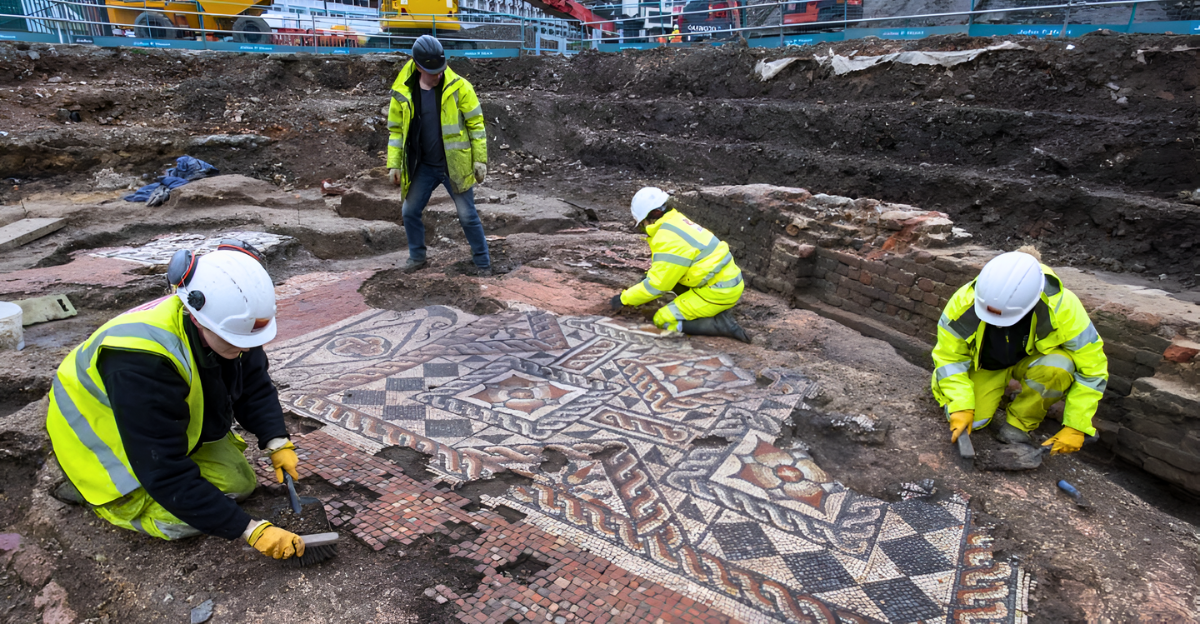
Highway A47 is one of England’s deadliest roads, but it hides an archaeological gold mine beneath its infrastructure. Construction crews stumbled upon treasures from the medieval era that totaled 31 kilograms.
Popular Mechanics reports the discoveries included ancient artifacts, including spearheads, pottery, and bone flutes from vanished settlements. Overall, the £300 million road became Norfolk’s biggest archaeological breakthrough in decades.
Deadly Statistics
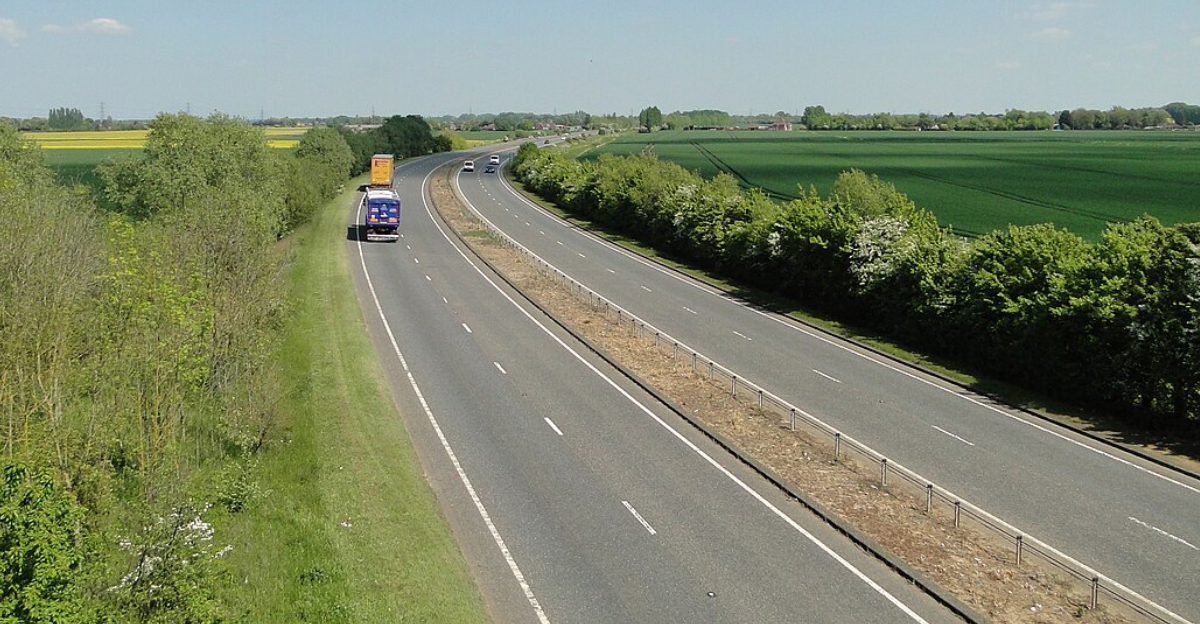
The highway boasts one of the highest accident rates for major roads due to the sheer amount of traffic and changes in road layout. The A47 has plenty of bottlenecks and single-lane sections that more than 25,000 commuters take daily.
National Highways data shows this stretch causes severe congestion, contributing to 341 projected accidents over 60 years. Government analysis identified 64 potential deaths that dualling could prevent.
Norfolk’s Heritage
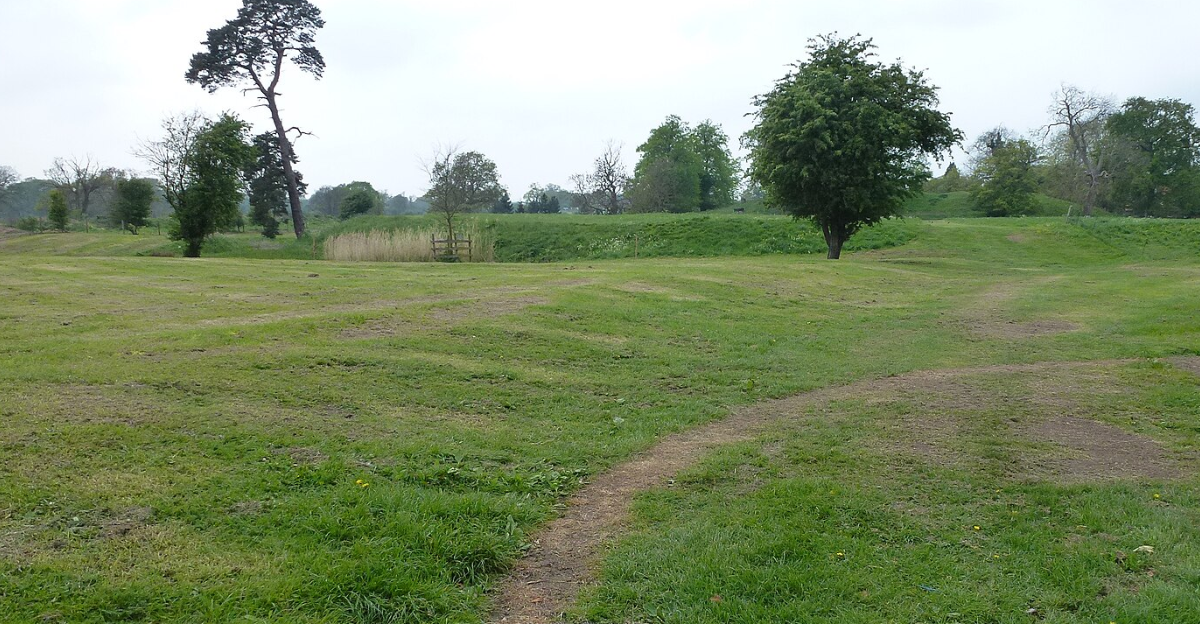
Norfolk has seen many archaeological discoveries, with over 27,000 recorded sites from multiple civilizations, including the Celts, Romans, Vikings, and Saxons.
Historic England records indicate medieval Norfolk ranked as England’s most densely populated region during the 14th century. This prosperity created the thriving settlements now emerging beneath modern roads.
Construction Pressures
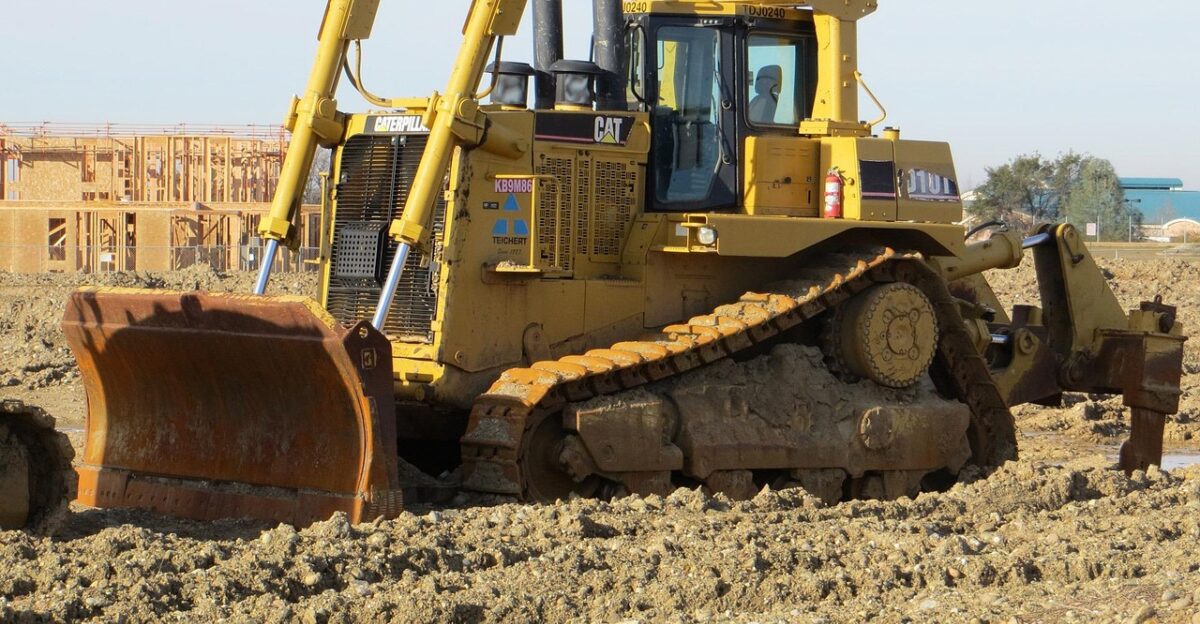
National Highways faced considerable pressure to upgrade the infrastructure of the A47 after numerous court delays. Environmental campaigners challenged the £300 million project through judicial reviews for 20 months.
Construction Wave reported that the Government’s Road Investment Strategy identified East England as requiring urgent investment. Galliford Try finally broke ground in October 2024, racing against spring 2027 deadlines.
Village Revealed
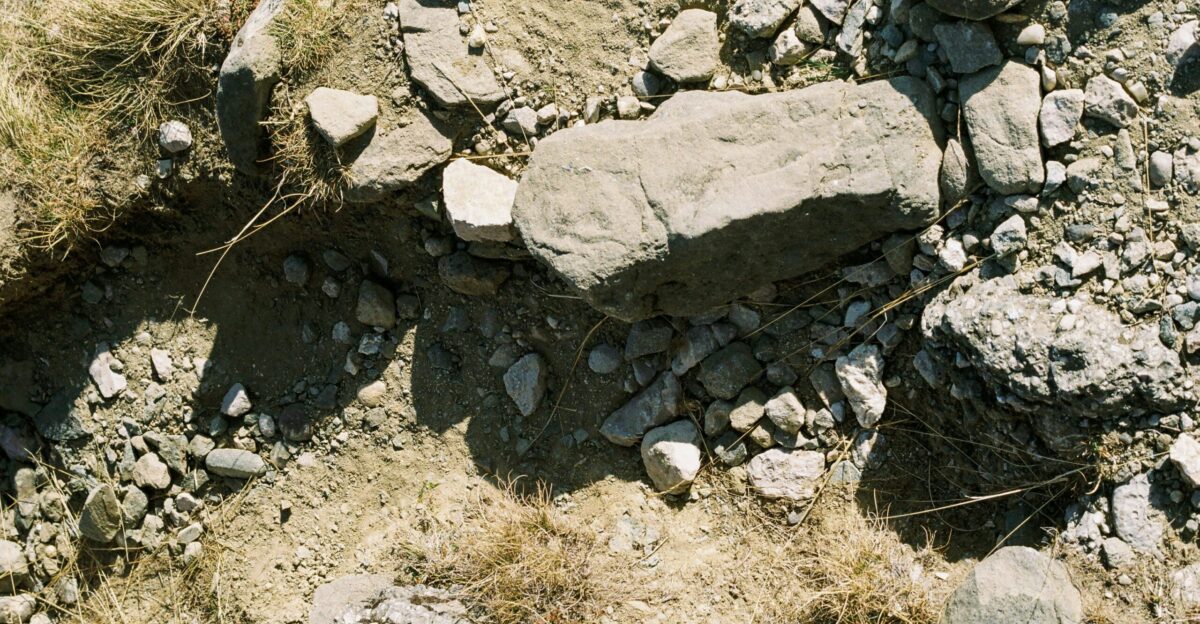
Headland Archaeology found remains of deserted medieval settlements during the A47 construction. Artifacts totalling 31 kilograms were found between North Tuddenham and Easton.
Popular Mechanics documented finds including hunting spearheads, decorative buckles, and a haunting bone flute. The discoveries were displayed at the Royal Norfolk Show on June 25-26, 2024.
Regional Impact

Construction teams found artifacts spanning multiple eras, from Roman pottery to Saxon metalwork and prehistoric remains.
BBC coverage reveals that Norfolk’s flat terrain preserved these layered histories beneath agricultural fields. The A47 corridor demonstrates how ancient trade routes connected communities across centuries.
Norfolk’s Rich History

Headland Archaeology’s project manager Kate Bane described the prosperity these villages once enjoyed. Research published in Popular Mechanics shows medieval Norfolk experienced significant population growth alongside advancing farming technology and sophisticated crafts.
The bone flute suggests cultural activities beyond survival—music and celebration in village squares. These weren’t primitive settlements but thriving hamlets with specialized artisans creating decorative metalwork.
Industry Response

National Highways’ A47 project leader Chris Griffin emphasized the dual mission of road safety and heritage preservation. “Our works are primarily about improving safety on the roads,” Griffin told Popular Mechanics.
Griffin explained to the publication that the project also presents “a great opportunity, through the archaeology, to find out more about the wonderfully rich cultural heritage in Norfolk. “
Archaeological Context
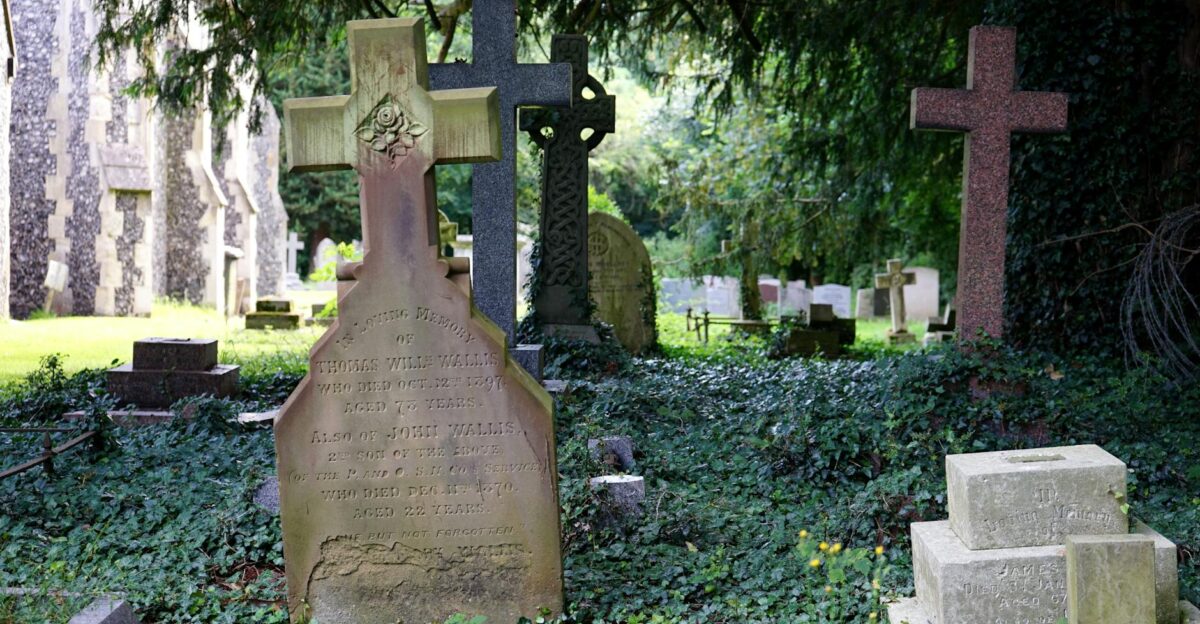
Medieval archaeology across Britain reveals similar settlement patterns from prosperous 13th-14th century villages. Norfolk’s discoveries align with national trends showing population growth and agricultural expansion before climate shifts.
Historic England’s National Mapping Programme indicates that excavations along major transport corridors increasingly uncover forgotten communities. These findings reshape the understanding of medieval England’s rural complexity and trading networks.
Climate Catastrophe

The Medieval Warm Period triggered Norfolk’s agricultural revolution but brought devastating climate change. Kate Bane explained to Popular Mechanics how the period “coincided with a climate change event called the ‘medieval warm period.'”
Bane’s research revealed that the climate shift meant that “it started to get warmer and wetter, and those crops started to fail, which exposed the population to famine and disease.”
Community Exodus

Village abandonment followed a predictable pattern during the 14th-century crisis. As crops failed and famine spread, rural populations fled seeking survival in towns and cities.
“Then came the Black Death, which wiped out 60% of the population,” Kate Bane told Popular Mechanics. The villages “disappeared as people fled to urban settlements, leaving them behind.”
Government Investment

National Highways committed £300 million to the A47 improvement programme after identifying Norfolk as an investment priority. The scheme includes multiple sections of dualling and junction upgrades across the county.
Julie Crawford, Galliford Try’s Operations Director, welcomed the construction commencement. “We are delighted to be able to begin the works in earnest on this much-needed scheme,” she stated in October 2024.
Recovery Planning

Medieval communities attempted agricultural adaptation during climate stress by diversifying crops and changing farming techniques. Archaeological evidence suggests some villages reorganized around different economic activities, such as metalworking and pottery production.
Medieval studies demonstrate that demographic pressure overwhelmed adaptive capacity when the Black Death struck. Modern parallels emerge as climate change threatens agricultural systems worldwide again.
Expert Analysis

Archaeologists remain cautious about Norfolk’s medieval discoveries, emphasizing the need for detailed analysis before drawing broader conclusions. Dating techniques will confirm the precise chronology of abandonment events and environmental conditions.
Headland Archaeology protocols require environmental sampling from excavated deposits to reveal crop types and dietary evidence. Publication in peer-reviewed journals awaits completion of post-excavation analysis.
Future Implications

Climate change may again force population movements from rural areas to cities, echoing medieval Norfolk’s experience. The A47 project demonstrates how infrastructure development can illuminate historical patterns relevant to contemporary challenges.
Climate researchers suggest archaeological findings increasingly inform adaptation planning by revealing how past societies succeeded or failed during environmental stress. These lessons gain urgency as global temperatures rise.
Policy Connections
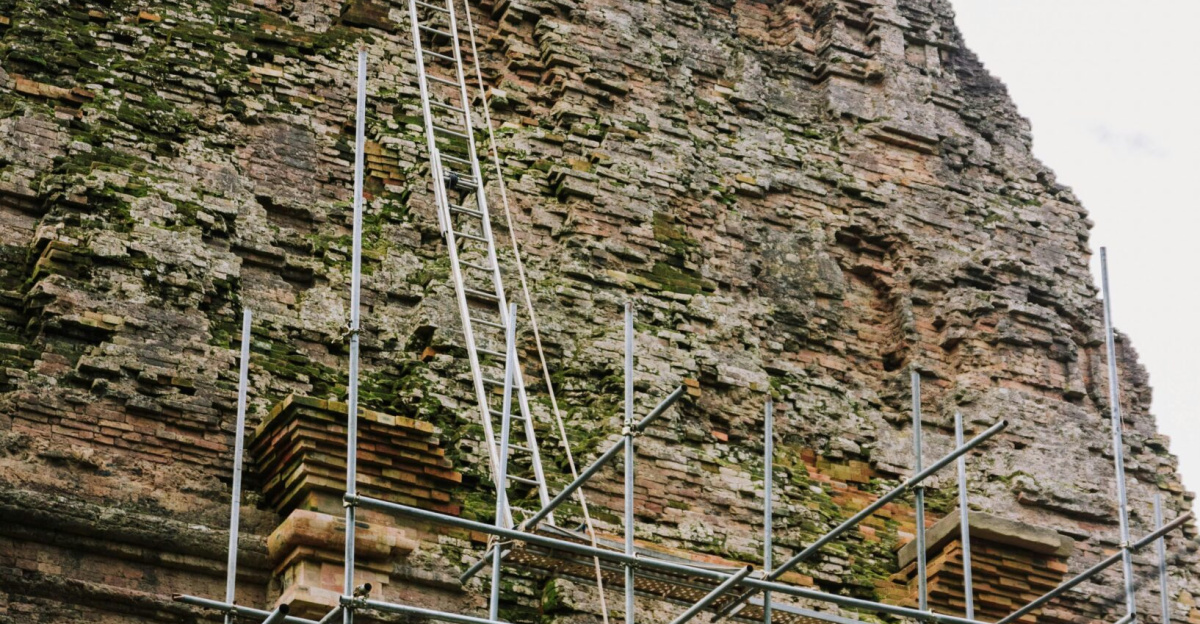
Government infrastructure investment intersects with heritage preservation, creating research opportunities through legal requirements. The Planning Inspectorate requires archaeological assessment before major construction projects under Development Consent Order protocols.
National Highways policy mandates heritage obligations, ensuring professional excavation standards during roadworks. Parliamentary discussions increasingly reference historical climate impacts when debating modern adaptation strategies.
International Parallels
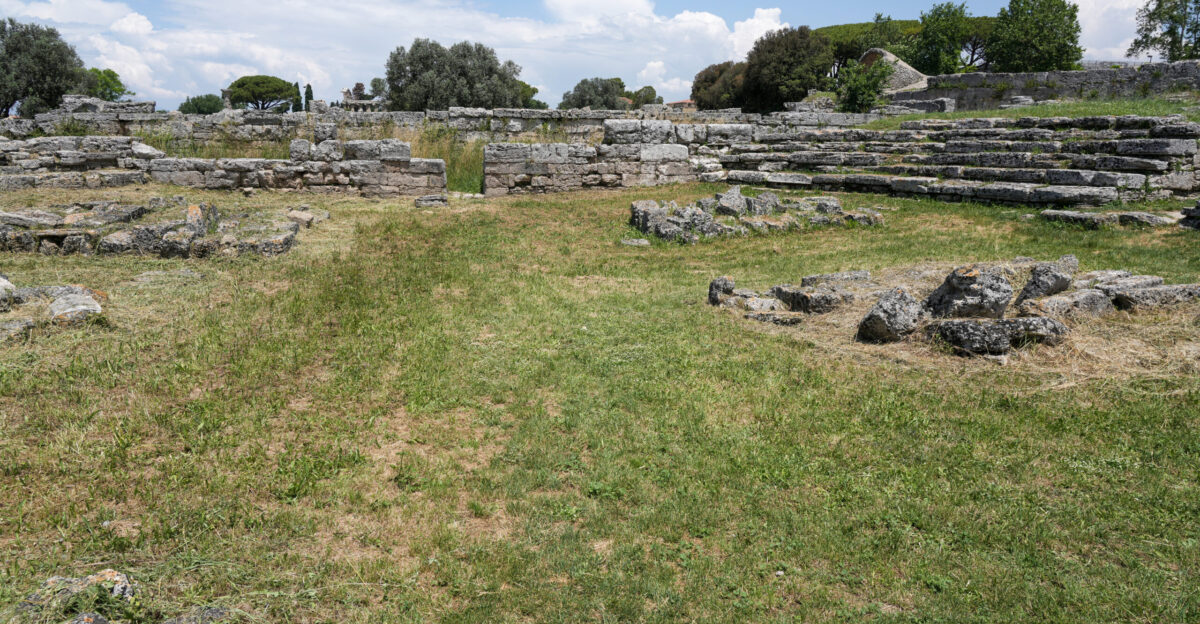
Medieval climate impacts affected communities across northern Europe, not just Norfolk villages. French archaeological sites show similar abandonment patterns during the 14th-century crisis following harvest failures and plague outbreaks.
European archaeological studies document that German and Scandinavian excavations reveal comparable population movements from marginal lands to urban centers. These international parallels suggest global climate systems drove synchronized societal changes.
Legal Framework

Archaeological discoveries during construction trigger legal obligations under heritage protection legislation. The Treasure Act requires reporting significant finds to local authorities for proper documentation and preservation.
Environmental law stipulates that National Highways must follow strict artifact handling and site documentation protocols. Heritage groups can legally challenge major infrastructure projects, as occurred with the A47 scheme’s 20-month delay.
Cultural Resonance

Medieval village discoveries resonate with contemporary anxieties about community resilience and climate vulnerability. The bone flute symbolizes cultural continuity despite material hardship—music persisting even as settlements failed around them.
Cultural heritage studies indicate modern rural communities face similar pressures from economic change and environmental challenges. Heritage tourism potential emerges as discoveries gain public attention through museum displays.
Historical Mirror
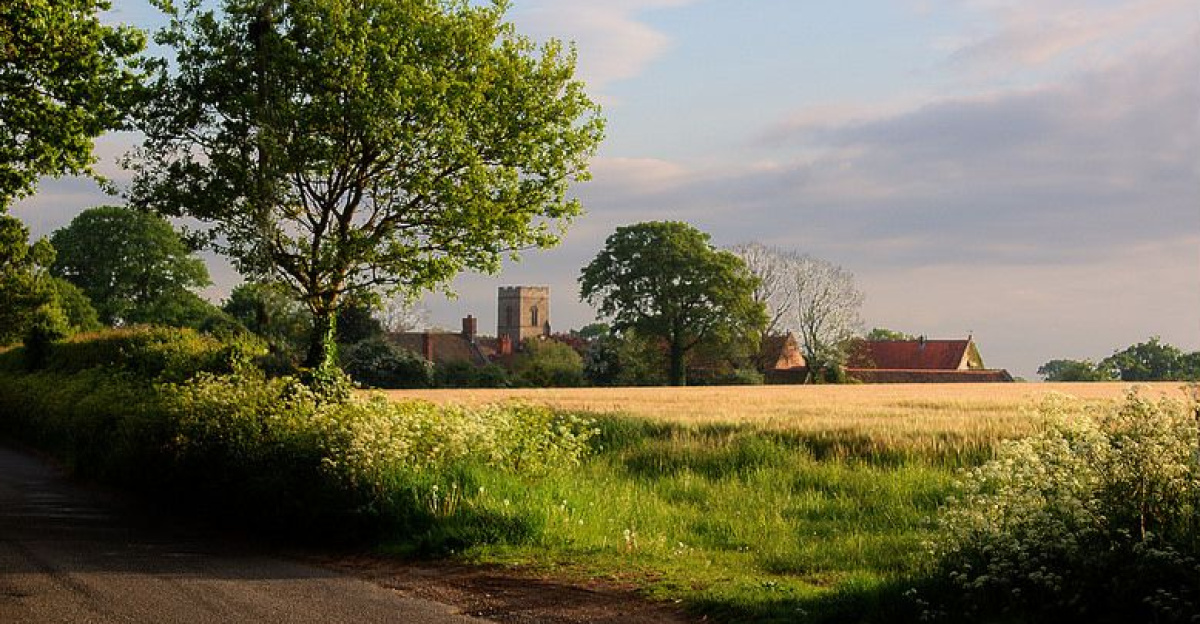
Norfolk’s buried villages reflect broader patterns of societal transformation during environmental stress periods. The A47 discovery reveals how climate change, disease, and demographic pressure intersected to permanently reshape medieval England’s landscape.
Historical synthesis suggests archaeological evidence points to resilient communities that adapted through diversification and cooperation, while isolated settlements faced extinction. Perhaps medieval Norfolk’s lesson lies in understanding which communities survived and why.