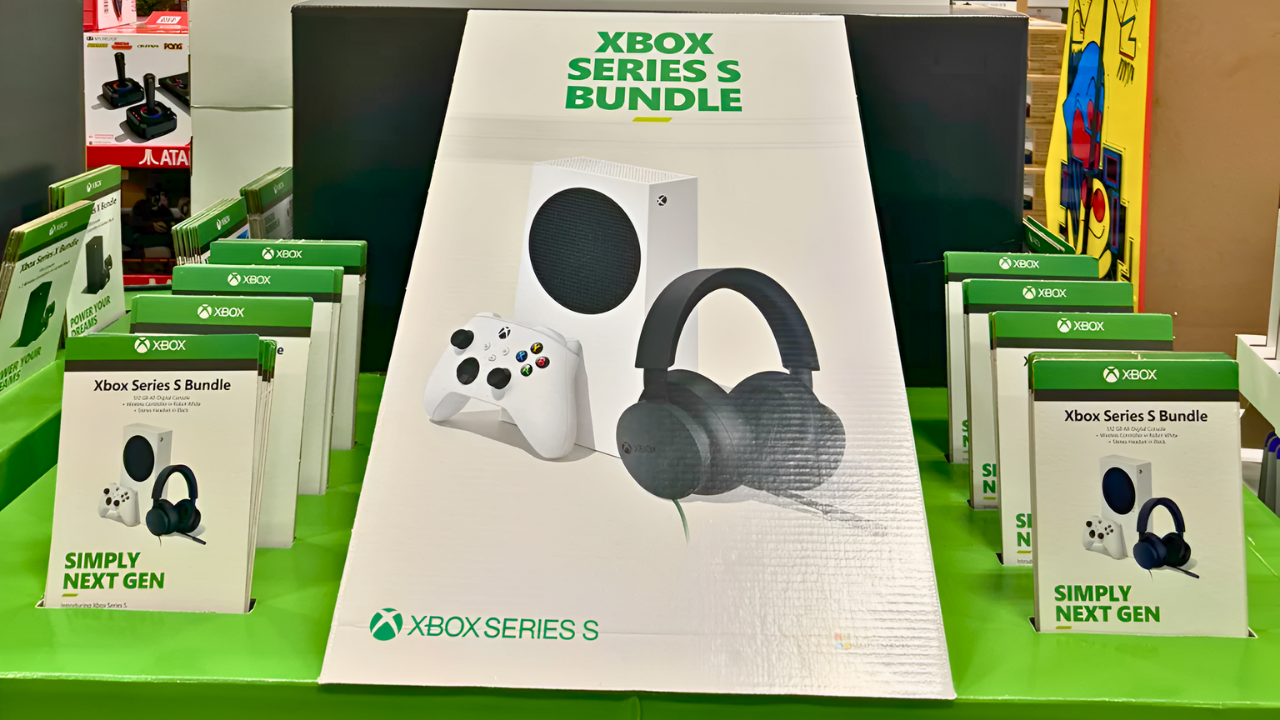
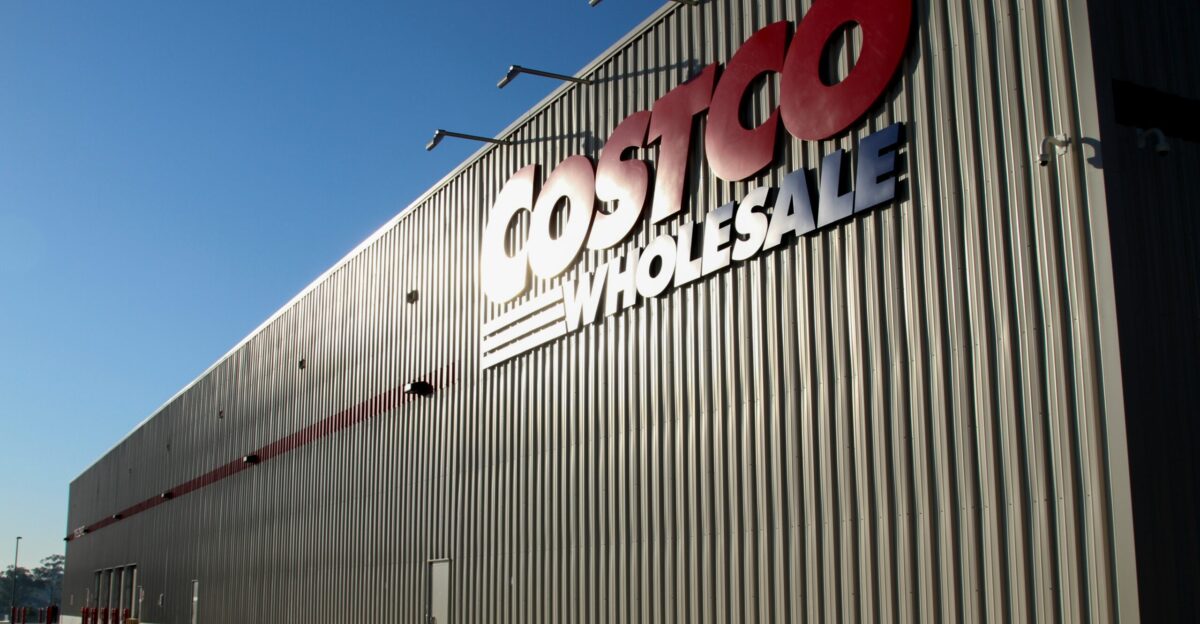
Shoppers opened Costco’s website expecting to see Xbox consoles next to PlayStation and Nintendo—but the shelf was gone. No green-boxed hardware, no controllers, not even a single Game Pass card. Search bars returned only one cold line: “We’re sorry. We were not able to find a match.” A major console had vanished overnight without announcement, press release, or warning—just empty space where Xbox once lived.
But the bigger question was why Costco walked away.
The Breakup Trigger: Price Hikes
The removal closely followed something unprecedented in Xbox history: Microsoft raised console prices. In six months, Series X climbed from $499.99 to $649.99, and the Series S from $299.99 to $399.99. The 2TB Galaxy Edition surged to $799.99.
These were the first-ever U.S. price increases for Xbox hardware, reversing decades of console-generation pricing trends. A Costco representative described the delisting as “a business decision,” confirming no plans to carry Xbox consoles going forward.
The Consumer Shockwave
This change hit not just Microsoft—it hit people. Over 136 million Costco members across North America suddenly lost access to bulk-discount Xbox purchases and the retailer’s famously friendly return policy. Families budgeting for holidays now face $200–300 higher costs at competing retailers.
The convenience of tossing a console into a cart alongside cereal and detergent is gone. Costco rarely delists active-generation hardware, signaling something deeper: even one of America’s most all-inclusive retailers didn’t see Xbox value aligning with its brand promise.
Hardware Revenue Is Sliding
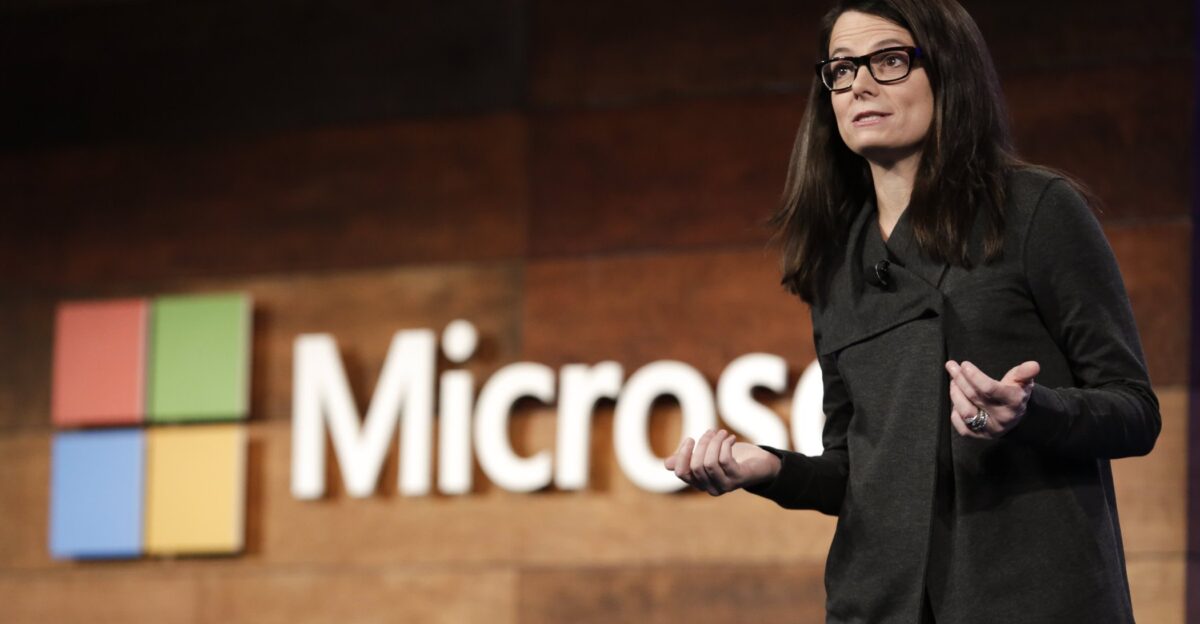
Microsoft’s earnings painted the same picture. In fiscal Q1 2026, Xbox hardware revenue fell 29% year-over-year, following a 22% decline the quarter before. CFO Amy Hood warned investors to expect further year-over-year drops in Q2.
Even Xbox content and services revenue—the metric meant to offset hardware—was up just 1%, with limited expansion ahead. Unit sales fell while prices rose, creating a margin-over-volume squeeze that risks speeding up hardware decline instead of slowing it.
The Retail Ripple Begins
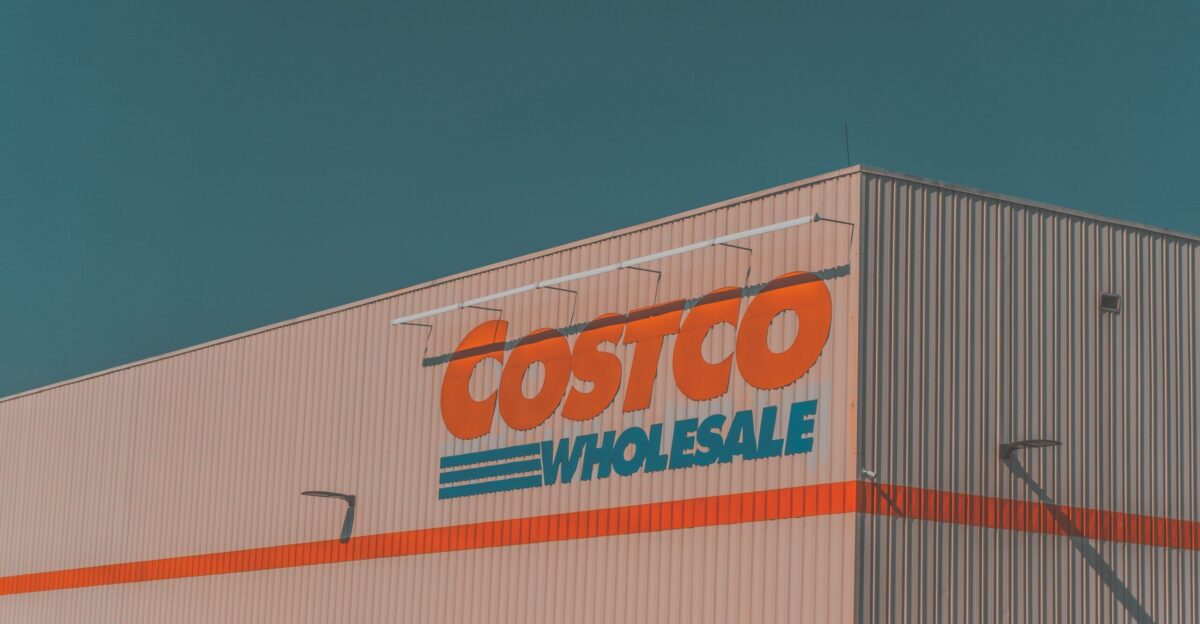
Costco wasn’t first—and it wasn’t alone. EB Games in Canada stopped restocking Xbox hardware. Australia and New Zealand sites removed Xbox imagery, and some stores moved Xbox products off floor displays entirely.
U.S. shoppers report shrinking inventory at Target and Walmart. Microsoft states both remain partners, but store behavior shows caution: retailers commit space to products that move. PlayStation and Nintendo do. Xbox increasingly doesn’t.
A $300 Million Hole Opens
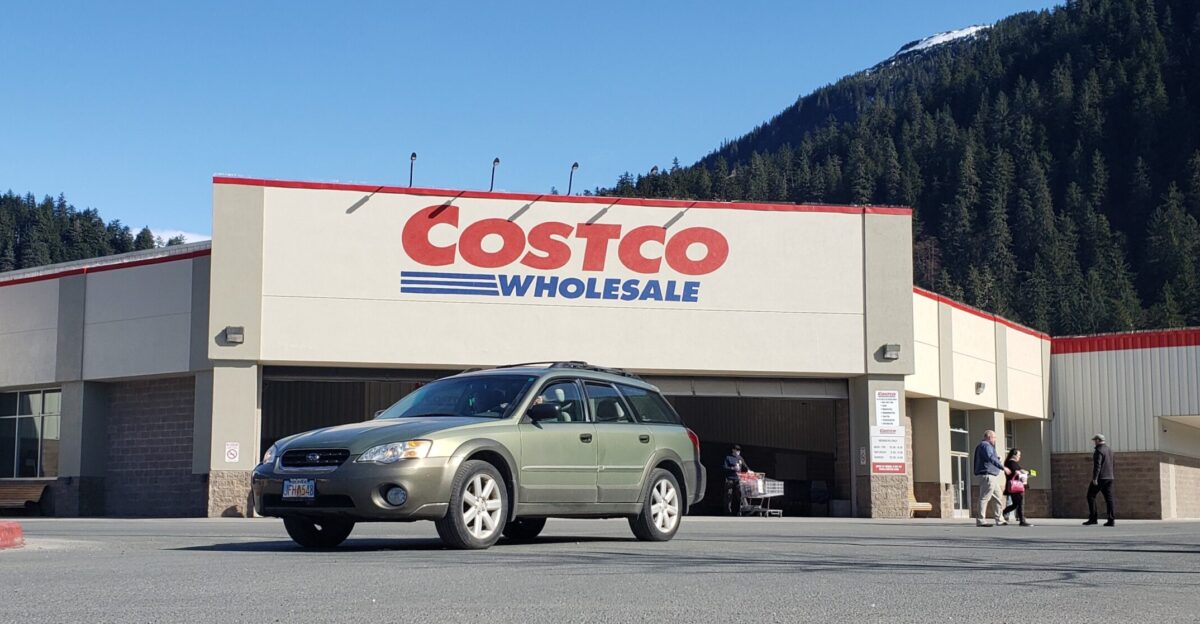
With around 600 U.S. Costco warehouses pulling Xbox, Microsoft faces an estimated $240–360 million loss in annual channel value—potentially 15–25% of warehouse-club gaming hardware sales. More importantly, it loses eyeballs.
Costco foot traffic means exposure: electronics buyers often decide instinctively in-store. Remove shelf presence, and casual consumers default to what they can see—today, that’s PlayStation and Nintendo stacked floor-to-ceiling. Losing visibility can hurt as much as losing sales.
Shelf Space Shrinks Everywhere

Walmart, Target, and Best Buy show the same trend: fewer Xboxes, more PlayStations. Shoppers often report Xbox taking a quarter-aisle where PlayStation stretches into multiple aisles. With PS5 surpassing 80 million lifetime units compared to Xbox’s estimated 27–30 million, retailers respond to the demand reality.
Slow-turn inventory consumes space that fast-turn stock could use better. Unless Microsoft turns hardware momentum around, shelf dominance becomes self-reinforcing—and irreversible.
The Pricing Trap
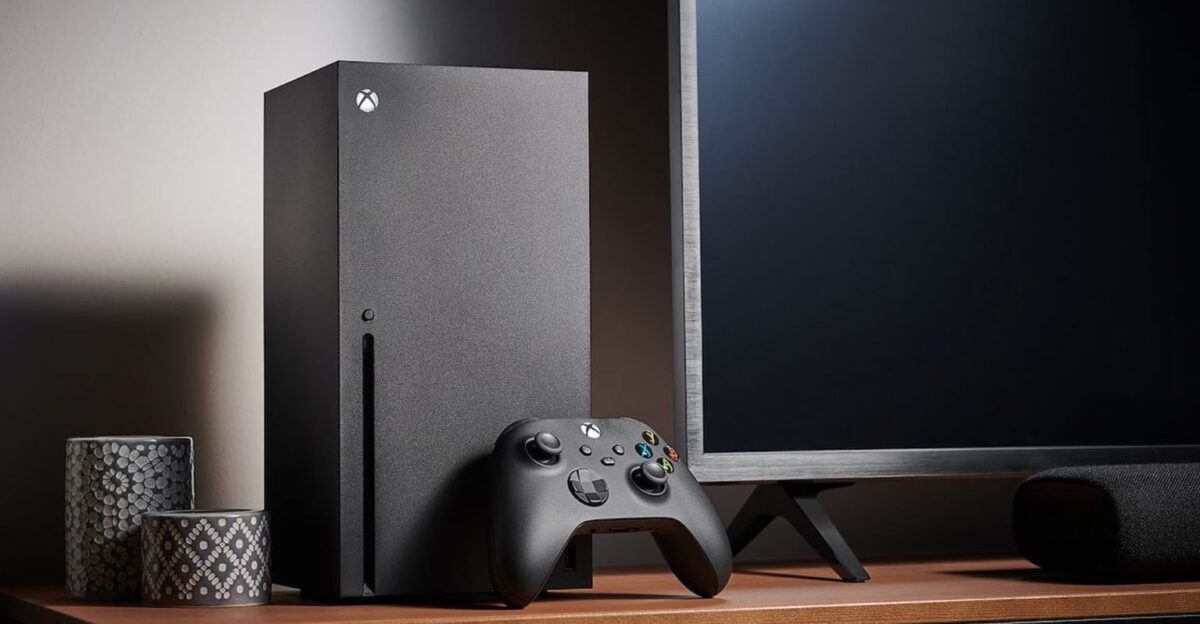
Microsoft is in a paradox. It must raise prices to maintain margins while hardware revenue falls—but price hikes reduce demand further. Xbox One prices dropped nearly 50% within three years of launch.
Series X pricing, instead, rose 30% five years into its life cycle. Gamers now compare: Xbox Series X at $649.99 versus PS5, which offers a lower entry cost and larger library. A premium price on a less-popular platform is a tough sell.
Scarcity Turns Global
Outside the U.S., availability is even worse. In Brazil, Series X reaches approximately $950 via grey markets while PS5 sells for significantly less. In Europe and India, shelves sit empty for months at a time.
Estimated 2024 Xbox EU sales neared 290,000 units, a collapse relative to early-generation performance. Analysts say Microsoft is scaling back production to avoid inventory surplus. But shrinking supply also shrinks visibility and interest—a feedback loop no console wants.
Competitors Surge Instead
Costco didn’t leave gaming—only Xbox. PS5 bundles received heavy holiday placement and rotating discounts. Nintendo Switch units remain available and prominently displayed. In November 2024 alone, PS5 reportedly sold 4 million units—four years post-launch, still strong.
The message is simple: buyers aren’t resisting consoles—they’re resisting this console. Retailers go where momentum goes, and today, momentum belongs to Sony and Nintendo.
Industry Shift: PC Takes the Wheel

The industry itself is changing. Take-Two CEO Strauss Zelnick said publicly that gaming is “moving toward PC” and “open systems rather than closed.” PC hardware revenue is projected to grow dramatically through 2025.
Microsoft’s strategy reflects that shift—they promoted Windows-powered handhelds like the ROG Ally under “This is an Xbox.” If Xbox evolves from hardware to cloud and PC access layers, retailers may eventually see consoles as obsolete inventory.
Game Pass Alone Can’t Save It
Game Pass—once Xbox’s ace—shows signs of strain. Revenue growth sits at 1%, and subscriber estimates hover around 35–40 million. Microsoft raised Game Pass Ultimate pricing to $30/month, risking subscriber fatigue.
Without console growth, subscriber pools stagnate. If fewer new players enter the ecosystem, Game Pass loses acceleration potential. A service-first model requires constant user expansion—something a shrinking retail footprint directly threatens.
Developers Take Notice
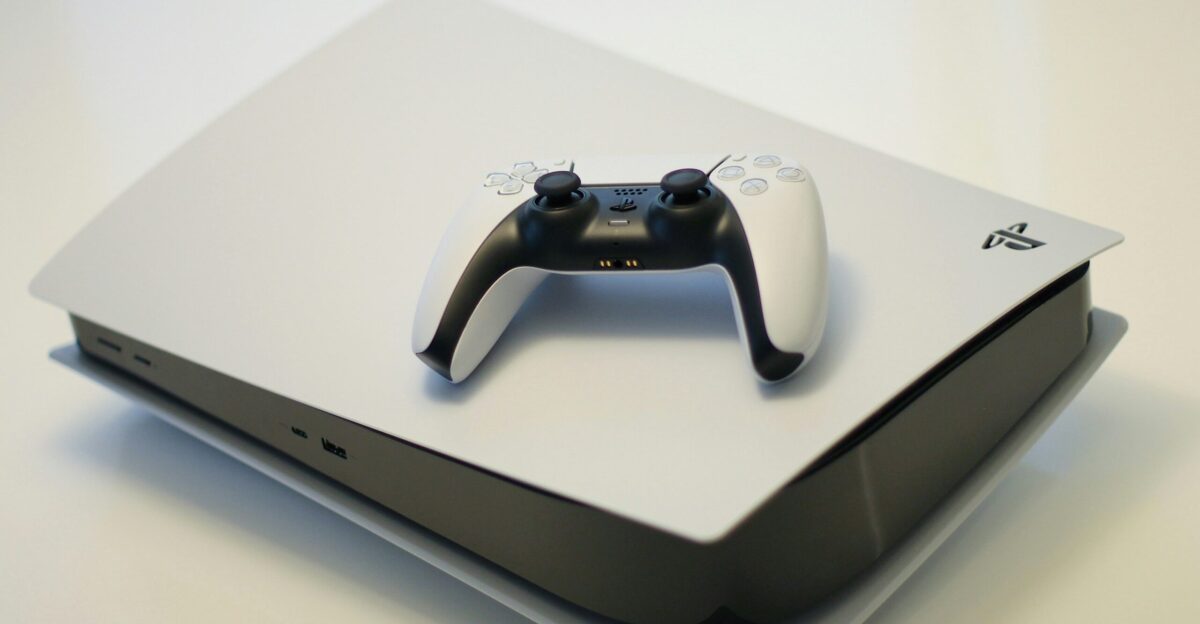
Studios go where players are. With less than half of PlayStation’s install base, Xbox becomes the least-priority platform for multi-platform optimization.
Developers speak openly about redirecting resources. Microsoft reinforced this perception by sending first-party titles to PlayStation and Nintendo. If the Xbox business model depends on cross-platform sales—not console units—then retailers dropping hardware becomes less an anomaly and more an outcome.
The 2025 Buying Recommendation
Gamers weighing purchases in late 2025 face sobering math. Xbox Series X is $649.99 with a shrinking retail presence, smaller library availability, and an uncertain long-term hardware strategy. PlayStation 5 offers a broader catalog and stronger market confidence at a lower entry price.
The Series S at $399.99 now competes against PlayStation 5 Digital at $449.99—a narrow price difference for a wide performance gap. Unless buyers are deeply invested in Game Pass or ecosystem loyalty, Xbox hardware no longer sits as the value choice.
From Costco Staple to Cautionary Tale
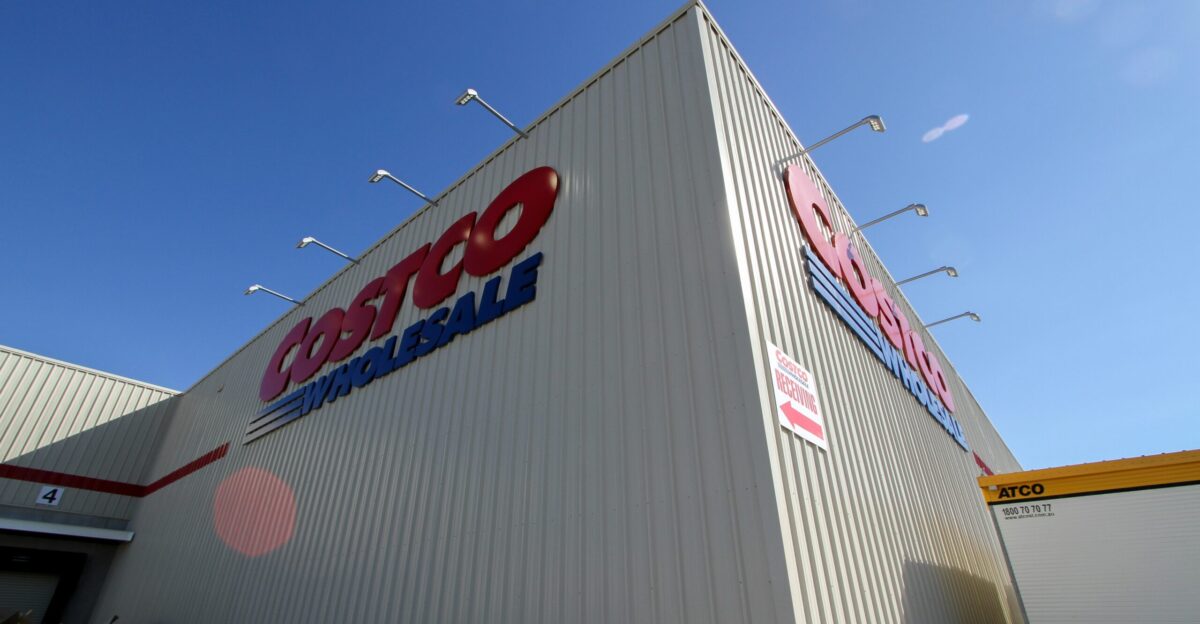
A quiet delisting at Costco now reflects something bigger. Xbox faces declining hardware revenue, rising prices, shrinking shelf space, flat-to-minimal service growth, and a gaming market pulling toward PC and open ecosystems. Costco’s exit alone represents an estimated annual channel value loss of up to $360 million and cuts access for over 136 million members. No timeline exists for a return. No statement signals a reversal.
Xbox isn’t gone—but in the warehouse aisles of America and beyond, it’s already fading.
Sources:
Microsoft FY26 Q1 Investor Relations Earnings Release; Official Xbox Hardware Pricing Announcement (September 2025)
Costco Wholesale Corporate Representative Statements (September 2025); Retail Channel Inventory Reporting (EB Games, Target, Walmart)
Sony Group Corporation Q2 FY2025 Consolidated Financial Statements; Nintendo Co., Ltd. Quarterly Financial Highlights
Take-Two Interactive CEO Industry Outlook Interview (November 2025); Circana (formerly NPD) U.S. Video Game Industry Market Analysis