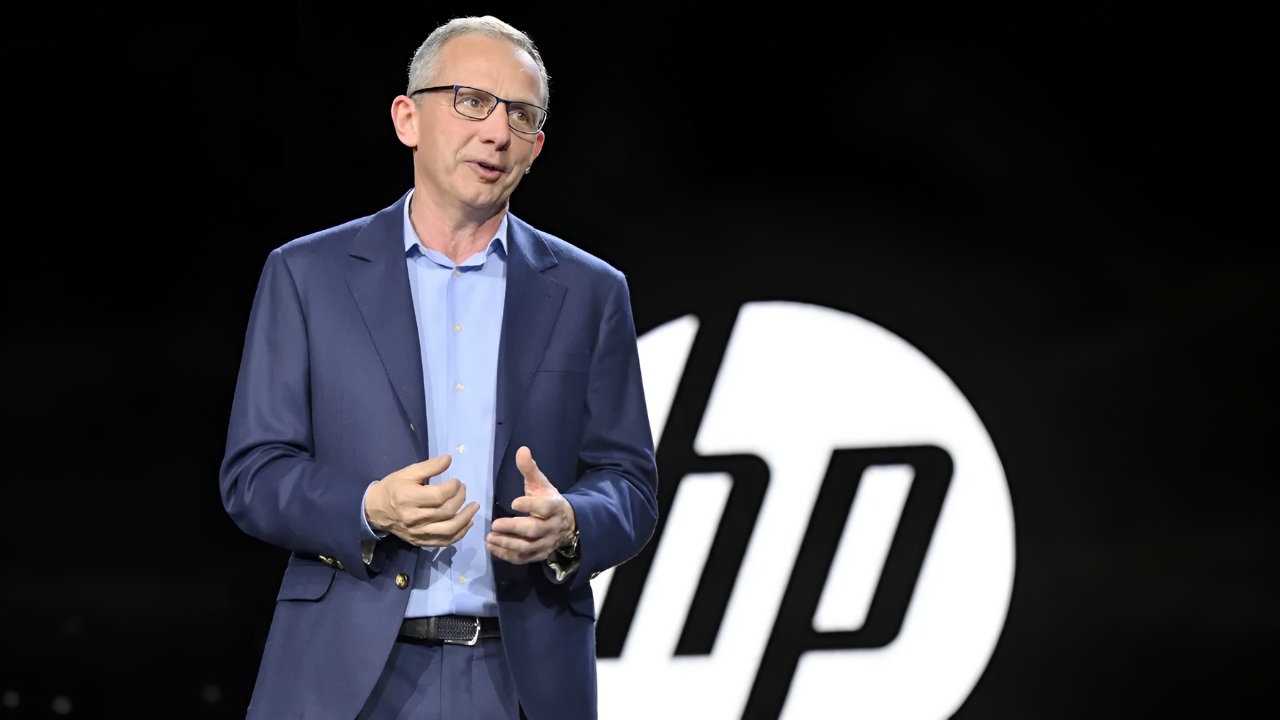
HP’s announcement came after the closing bell: 4,000–6,000 jobs gone by 2028, roughly 10% of its global workforce, in exchange for $1 billion in cost savings.
On November 25, 2025, the Palo Alto PC and printer giant confirmed a new restructuring plan under CEO Enrique Lores, even as Q4 revenue rose to $14.64 billion and shares slid 5% in extended trading. But this wave of cuts is just the opening move in a much bigger AI-era reset still to come.
Why HP Is Cutting Despite Revenue Growth

The layoffs arrive at a moment of contradiction. HP reported Q4 FY2025 revenue of $14.64B, up 4% year-over-year, yet warned of weaker profit outlook ahead. Rising memory chip costs, U.S. trade-related regulations, and an aggressive shift toward AI-driven automation accelerated restructuring urgency.
HP says AI will perform tasks “more efficiently and rapidly,” reducing the need for human labor. The company aims for survival through efficiency—leaner operations, higher margins, and a reshaped payroll.
A Second Major Restructuring in Three Years
This reduction mirrors HP’s 2022 restructuring, where the company planned to cut 4,000–6,000 jobs over three years, and follows additional 1,000–2,000 layoffs in February 2025. The new plan extends into 2028, effectively placing workers under multiyear uncertainty.
With an estimated 60,000 global employees, the top-end scenario suggests removing 6,000 people—one in every ten positions. The layoffs span global offices, forming part of an industry-wide trend of workforce contraction under AI-first roadmaps.
Wall Street Reacts: Shares Drop Immediately
Investors responded sharply. HP stock fell ~5% in extended trading after the announcement—not because jobs were cut, but because profit projections lagged analyst forecasts.
Fiscal 2026 EPS guidance came in at $2.90–$3.20, below the $3.33 consensus, while Q1 guidance (73–81 cents) also trailed expectations. Even with revenue growth, margin pressure from memory prices and slower earnings momentum left analysts cautious, reflecting confidence concerns rather than operational disbelief.
Cost-Cutting Means Consumers Likely Pay More

HP says rising DRAM and NAND pricing could force laptop price increases and lower default specifications. The company holds sufficient component inventory to buffer increases through early 2026; however, beginning mid-2026, analysts expect higher retail prices and reduced memory configurations.
HP intends to utilize AI-enabled workflows to reduce design overhead while passing on unavoidable cost increases to buyers. As downturn stress intensifies, cost control becomes a matter of survival—not just a strategy.
Memory Inflation Pressures the Entire PC Market
Analysts warn this cost spike won’t stay contained. With AI data centers driving component consumption, memory prices climbed sharply industry-wide. JPMorgan analyst Samik Chatterjee forecasts a 6.6% increase in PC shipments in 2025, followed by a 2.2% drop in 2026, with potential earnings pressure mounting.
HP and Dell stand most exposed, given their large DRAM footprints and thinner margins relative to premium silicon suppliers. Industry economics are shifting—and not in favor of hardware producers.
Inventory Shock: Builders and Retailers Brace

Retailers report rising component quotes and inventory tightening. Boutique builders warn of uncertain pricing into 2026, with supply allocation prioritizing data center demand.
Several PC vendors pre-signaled increases tied to memory inflation, while component sellers adjusted pricing models to reduce exposure to volatility. In short: PC buyers may face leaner configurations, smaller discounts, and elevated costs moving into 2026—regardless of manufacturer.
Semiconductor Supply Strain Ripples Upstream
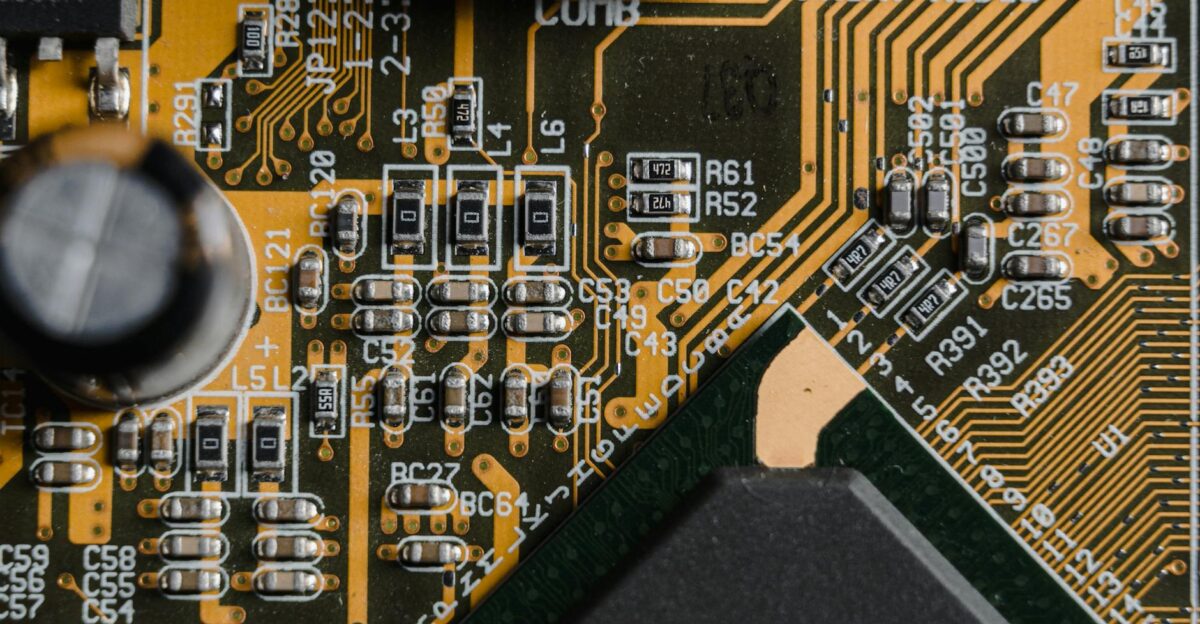
The supply-demand mismatch gives memory suppliers leverage. DRAM and NAND producers, benefiting from AI’s acceleration, allocate resources toward hyperscale accounts over consumer lines. Analysts expect elevated contract pricing through 2026 as capacity remains constrained.
New wafer production timelines are slow to scale, meaning PC and smartphone OEMs may compete months longer for the same silicon. AI growth strengthens suppliers—even as hardware buyers absorb the shock.
AI Replaces Work Rather Than Expanding It

HP’s restructuring highlights what economists describe as the emerging white-collar automation zone. HP openly states AI will replace functions currently requiring human involvement in engineering and customer support.
These aren’t factory positions, but professional roles. Even as AI PC shipments reached 30% of HP output in Q4, job reductions expand. The paradox is clear: AI-driven products grow while human labor tied to them shrinks.
Bay Area Impact Extends Far Beyond Tech Workers

Economists warn of multiplier effects in tech-dense regions. If ~6,000 HP roles gradually disappear, local service-sector losses could compound that figure dramatically through reduced spending. Restaurants, logistics, retail, housing, and childcare—each depend on white-collar income streams.
Combined with prior reductions at Meta, Google, Amazon, and others, HP’s restructuring contributes to a multi-year economic adjustment in Northern California’s once-high-velocity labor market.
Another Chapter in the 2025 Tech Layoff Wave
HP joins major tech firms moving toward AI-centric business models. Over 118,000 tech layoffs occurred in 2025, signaling that restructuring is not a response to a downturn, but rather a modernization strategy. Automation funding replaces headcount preservation.
The industry message is unmistakable: efficiency is capital, and productivity should scale with compute, not payroll. HP’s plan mirrors a pattern—spend on AI, reduce on labor, adjust margins to survive high input volatility.
AI PC Adoption Rises Even as Human Staffing Falls
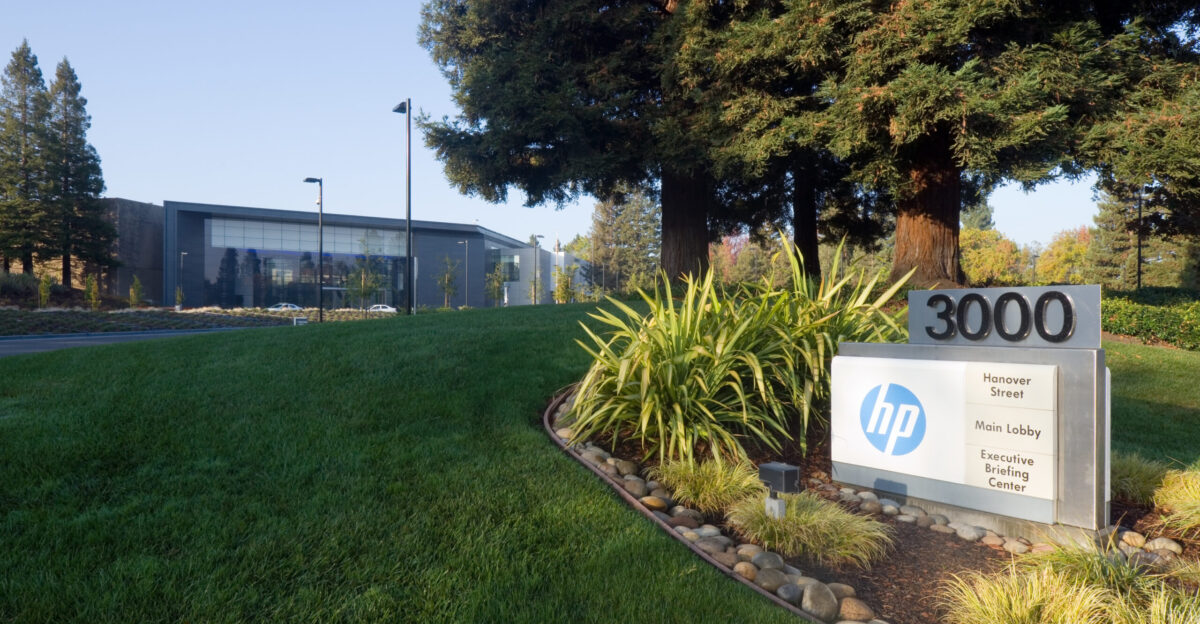
HP’s AI-enabled PCs reached more than 30% of shipments in Q4, the largest single-quarter share recorded. Analysts expect AI PCs to exceed 50% of HP’s market share by 2026, with long-term projections nearing full adoption.
Yet HP’s workforce shrinks proportionally. Growth accelerates product capacity—but reduces labor redundancy. AI improves design cycles, troubleshooting, customer support, and testing, meaning fewer human roles remain unique.
Beyond Laptops: Memory Costs Hit All Electronics
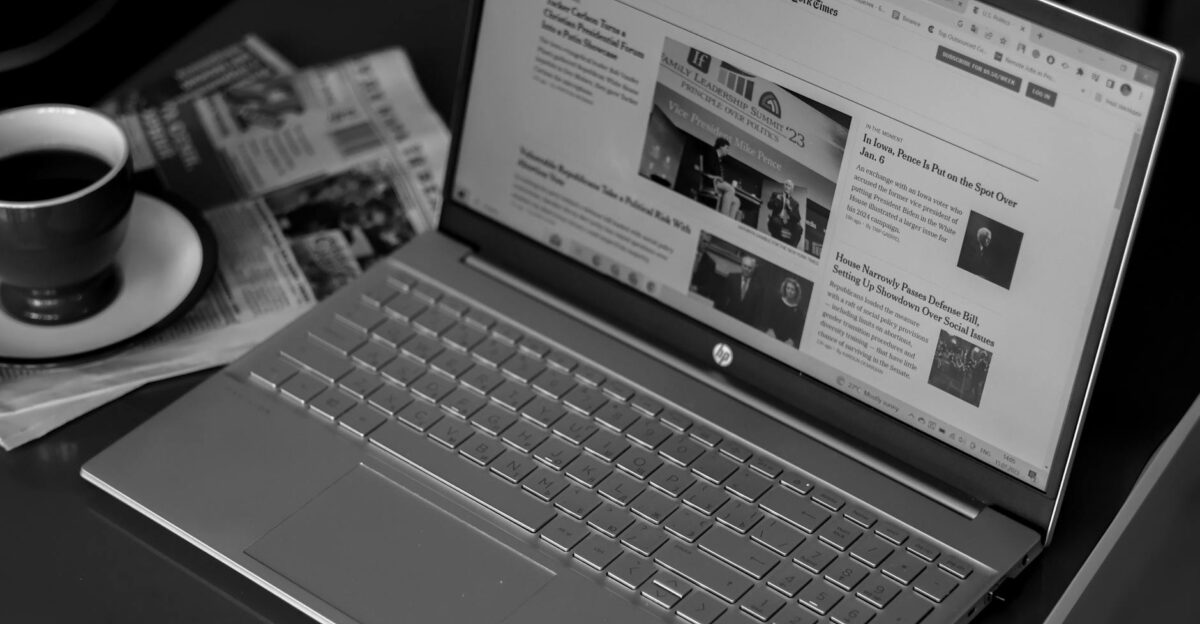
Rising DRAM and NAND input costs extend into smartphones, tablets, TVs, game consoles, and GPUs. Industry forecasts warn of potential production delays for high-memory devices as component priority shifts toward AI servers. PC inflation is just first-visible impact.
As capacity compresses, broader consumer electronics face similar price escalations—and lower-tier specifications may become an unexpected new normal.
Printing Weakens, Exposing HP to Cost Stress
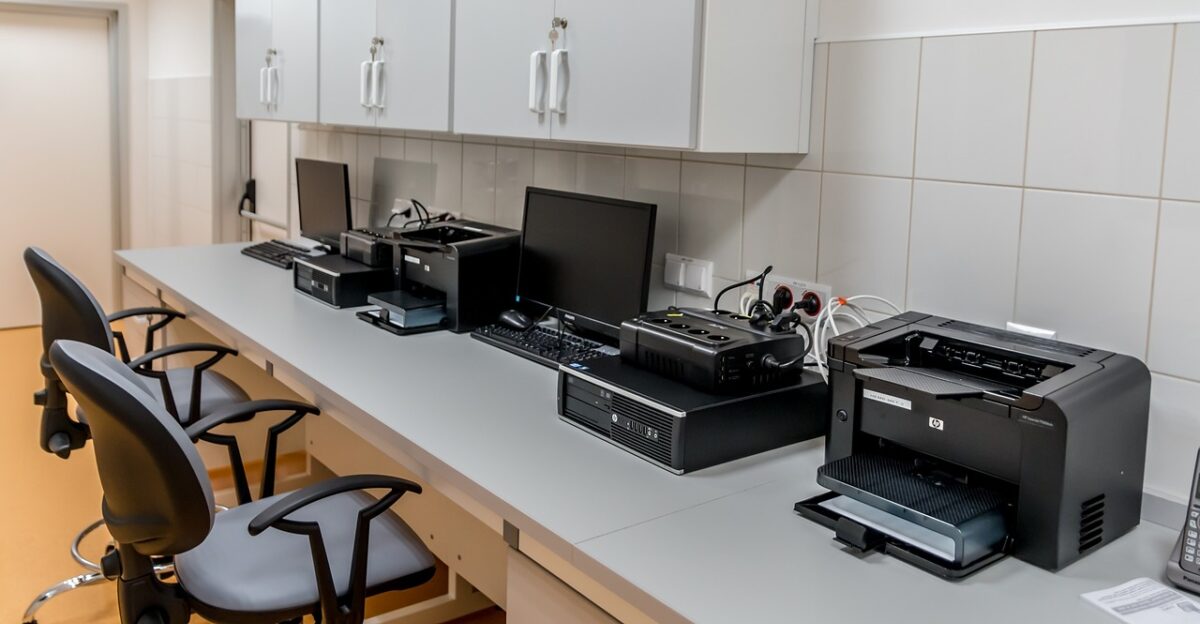
HP’s once-dominant printing division continues to soften, with Q4 FY2025 printing revenue declining 4%. Lower demand for ink and paper and increased use of third-party refills weaken high-margin revenue streams.
With core printing profitability shrinking, HP relies heavily on PCs—where margins are compressed by component inflation. The $1B savings target becomes less expansion strategy, more stability lifeline.
Economists Debate Workforce Displacement Timelines

AI workforce projection models vary widely. Analysts warn white-collar risk is high because cognitive tasks automate faster than physical labor.
Some forecast major disruption by 2045, with up to 50% of roles automatable. Others believe re-skilling could offset displacement if training accelerates. The concern is pacing: if jobs are eliminated faster than new roles form, labor markets contract, consumer demand slows, and growth loops break.
Who Benefits When Hardware Margins Shrink?
The winners sit upstream. Samsung, Micron, SK Hynix and hyperscale cloud providers capture most value as AI servers consume unprecedented memory.
Meanwhile, PC manufacturers absorb cost pressure with limited pricing flexibility. AI growth strengthens semiconductors far more than retail hardware. HP’s restructuring shows not profit pursuit—but survival negotiation within a supply chain where margin gravity flows upward, not outward.
Analysts Model 2026 Earnings Risk
Financial models estimate industry earnings may face pressure from sustained memory costs. Rising memory costs create margin pressure on PC manufacturers, and inflation already exceeds typical thresholds.
Analysts expect HP’s margins, operating costs, and EPS to absorb continuing pressure through at least mid-2026. Layoffs reduce cost structure, but not component market volatility—meaning fiscal improvement may lag restructuring by quarters.
Consumer Playbook for 2026 Buying Decisions
Analysts suggest consumers purchasing PCs before mid-2026 may avoid higher prices. As inventory clears and inflation cycles through supply chains, budgets tighten.
Buyers are encouraged to evaluate refurbished or business-class models and watch for lower-spec defaults replacing higher ones at similar prices. Corporate refresh cycles may shift earlier, seeking hardware ahead of projected fulfillment friction.
Is Memory Just the First Pressure Point?
Memory disruption reveals how quickly AI supply chains reprice global hardware. If battery inputs, rare metals, lithography equipment, or fabrication capacity hit a similar crunch, the ripple could widen beyond PCs into vehicles, infrastructure, and grid demand.
The challenge is timing: if automation outpaces employment replacement, spending power falls even as AI efficiency rises. Growth then becomes self-constraining.
The New Tech Reality

HP’s layoffs reflect a deeper paradox: AI expansion improves productivity while reducing payroll—the same payroll that buys the products being made. Revenue grew, AI PCs surged, yet earnings guidance dragged shares down.
The restructuring is long-term, the pressure structural, and the implications are economy-wide. HP is only one case in a broader transition where efficiency supersedes headcount. The question ahead is whether gains at firm level scale sustainably across society—or fracture it.
Sources:
HP Inc. Press Release, November 25, 2025
Reuters, November 25, 2025
Yahoo Finance/Detailed HP Reporting, November 25-26, 2025
Financial Analyst Reports and Market Data Archives