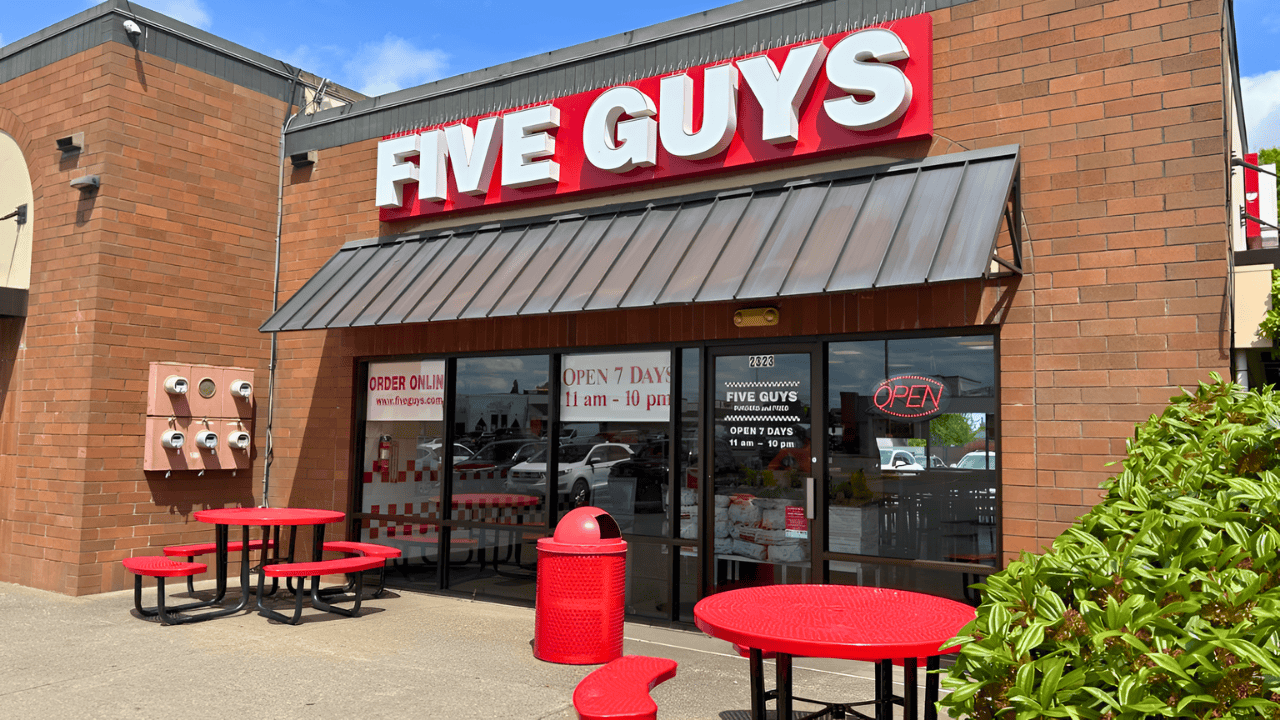
Customers stood outside a darkened Five Guys in Folsom, the lights off, chairs stacked, a notice taped to the glass confirming the restaurant had closed for good. Inside, the counters were clean, fry baskets empty, the space already stripped of its familiar sizzle and oil-and-peanut aroma. The closure left 16 workers without jobs, ending eight years of service almost overnight. And it wasn’t the only one — four more Five Guys restaurants shut down in six months.
What happened behind those locked doors?
Why Premium Burgers Are Suddenly Losing
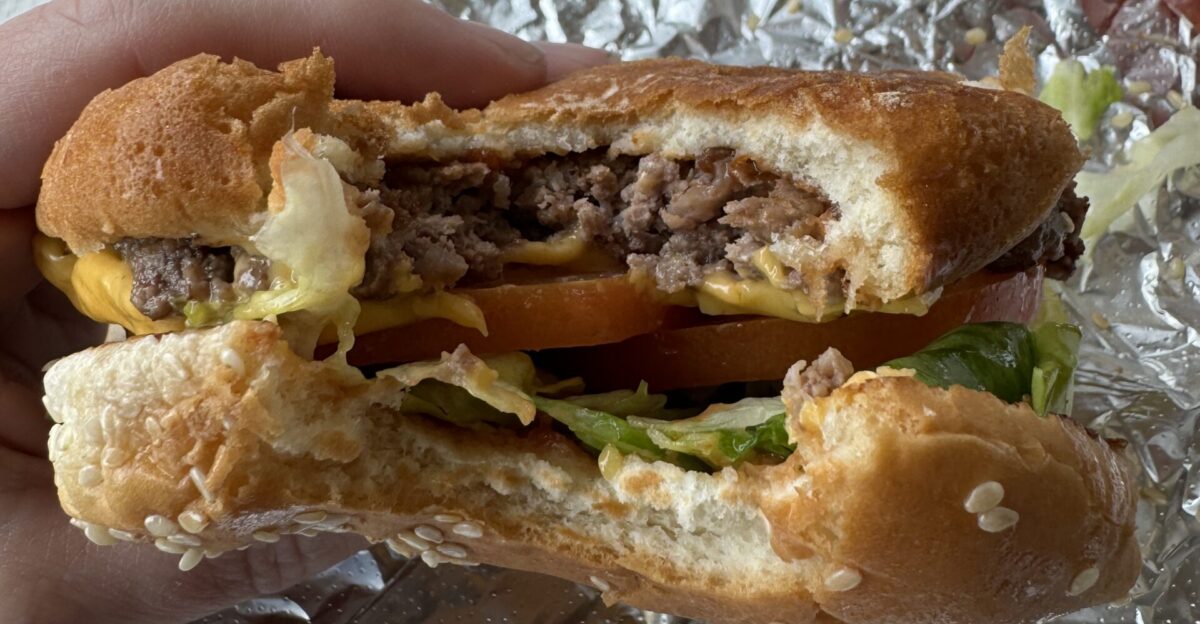
Franchisees cite the same triple shock hitting other fast-casual chains: rising input costs, lower foot traffic, and increased competition from cheaper alternatives. Food-away-from-home inflation reached 3.9% in August 2025, outpacing grocery inflation at 2.7%.
When a Five Guys meal hovers around $15–$20 while McDonald’s offers full meals under $8, value-seeking customers trade down. Even Montana Burgers Inc.—operating nine stores across MT, ID, and WA—couldn’t sustain the Yakima unit after eight years.
Consumer Behavior Turns Against Premium Pricing
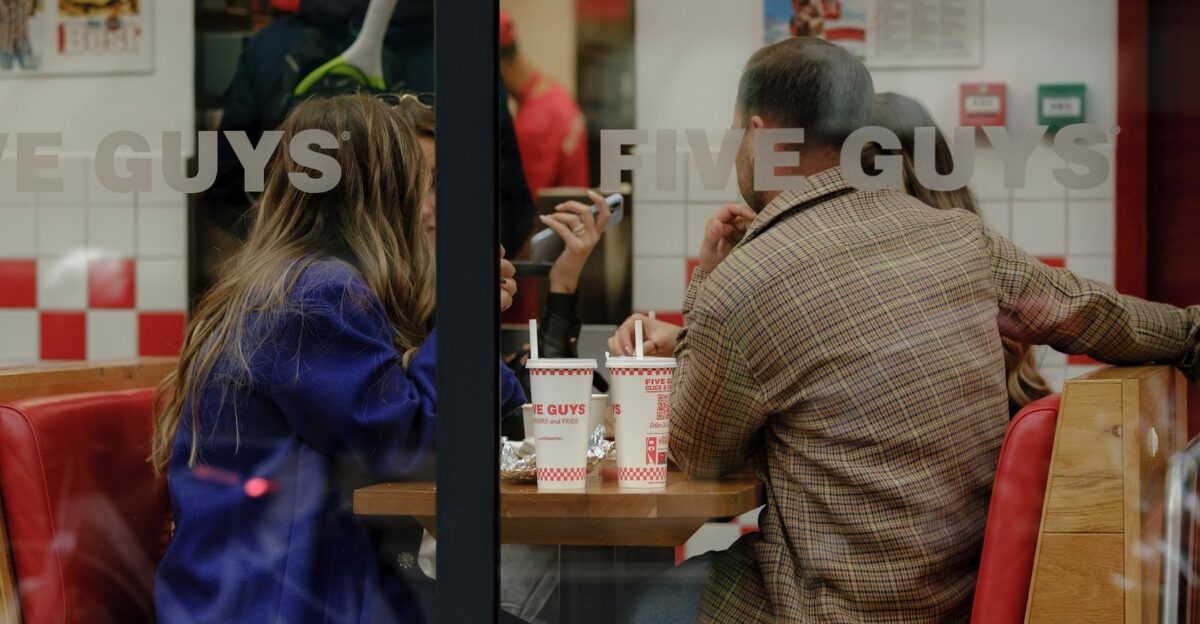
Diners once accepted the price of fresh-never-frozen beef and customizable toppings. But when groceries cost less than dining out, the middle of the market collapses. A Five Guys meal averaging $20 per person contrasts sharply with preparing burgers at home for a fraction of the price.
Restaurant inflation at 3.9% versus grocery inflation at 2.7% widens the value perception gap. As households tighten budgets, fast-casual becomes a luxury rather than a default dining choice.
Wendy’s, Hardee’s, Carl’s Jr — The Larger Pattern
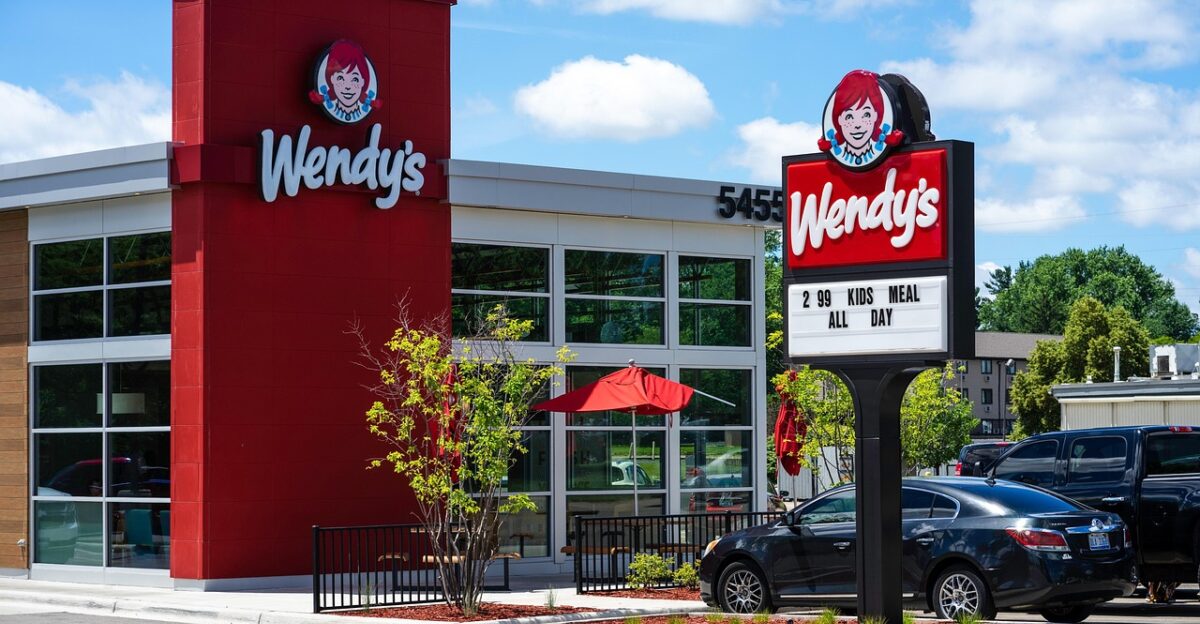
This isn’t isolated—Wendy’s plans to close ~300 stores by year-end, the largest contraction in its modern history, threatening 4,500–7,500 jobs. CKE Restaurants is cutting too: a 36-year Carl’s Jr in Redding shut down, Loveland, Colorado lost its 40-year location, and six Hardee’s units vanished across Minnesota.
These shutdowns mirror Five Guys’ strain, signaling a market consolidating under inflation, labor pressure, and consumer downgrading rather than expanding.
Job Losses Mount — And This Is Only The Start
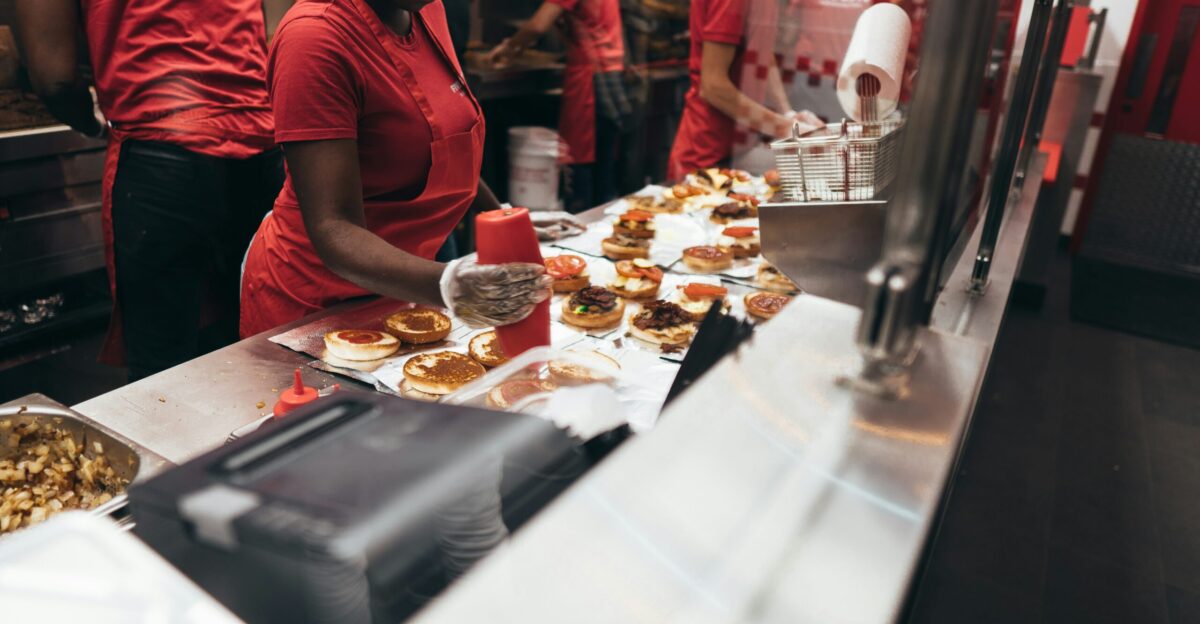
Five Guys’ five closures alone represent an estimated 75–125 jobs lost, assuming 15–25 employees per location. Folsom’s 16 layoffs were confirmed publicly. But the real damage sits with Wendy’s 200–350 planned closures—3,000 to 5,250 more jobs evaporating.
Add Hardee’s and Carl’s Jr losses, plus non-retail layoffs from Starbucks in September, and thousands of food-service workers are being displaced as consumer spending patterns shift faster than operators can adjust.
Franchise Model Weakens Instead of Protecting
Closures came from franchisees—not corporate headquarters—revealing the pressure at the store level. Operators carry royalties near 6% of gross sales plus initial build-out costs exceeding $300k–$640k.
When labor, utilities, and ingredients spike, franchisors still collect royalties even if stores break even or lose money. Once closures begin, shrinking footprint lowers brand visibility, reducing traffic and eroding unit economics even further. A model once built for scale now exposes systemic fragility.
The ‘Premium Burger’ Myth Cracks
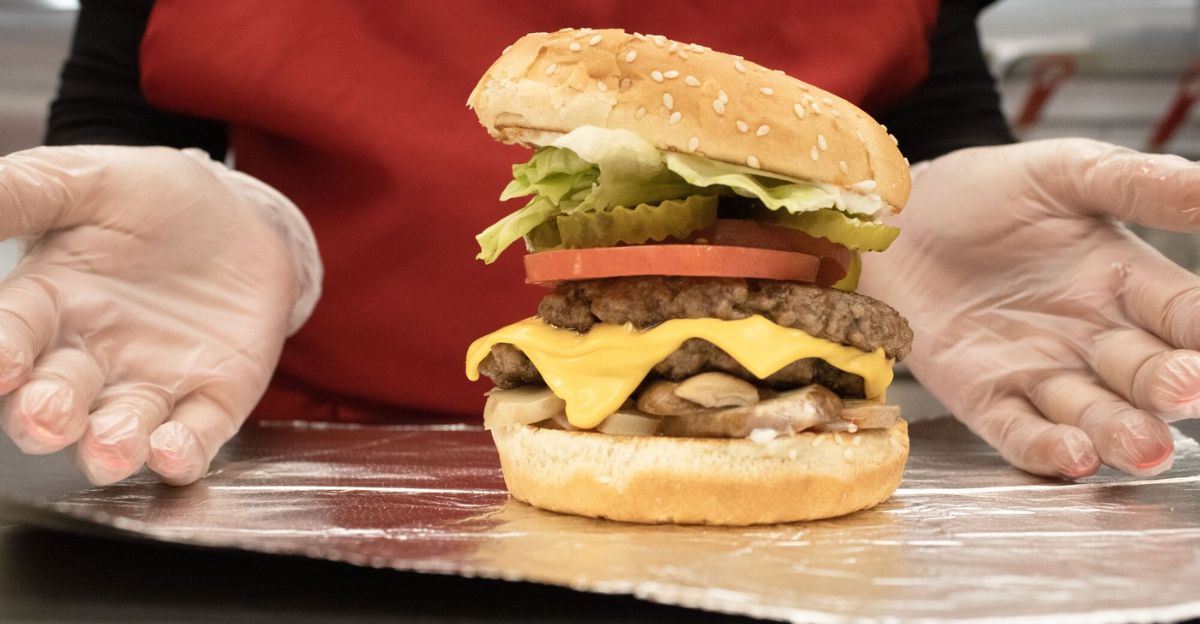
Five Guys long represented the “$15 burger that still sells,” immune to discount wars. Inflation changed that. When $5 Quarter Pounders are available at McDonald’s, many consumers no longer justify paying double or triple the price. Premium fast-casual only works when disposable income flows freely.
In 2025, it doesn’t. Instead of protecting revenue, high pricing accelerated decline as traffic fell sharply. The concept that premium differentiation insulated brands from recession has officially been disproven.
Beef Prices Hit 1950s Lows in Supply — 2025 Costs Spike

U.S. cattle inventory sits at the smallest total since 1951, driving beef costs up. Fed cattle prices averaged $215/cwt in 2025, while Choice boxed beef hit $342/cwt. Five Guys’ commitment to fresh meat amplified input cost exposure compared to competitors using frozen patties or blended protein.
When beef inflation outpaces consumer willingness to pay more, the unit economics break. A brand known for quality becomes punished for the very standard that built its reputation.
Labor Costs Squeeze Operators Harder Than Meat
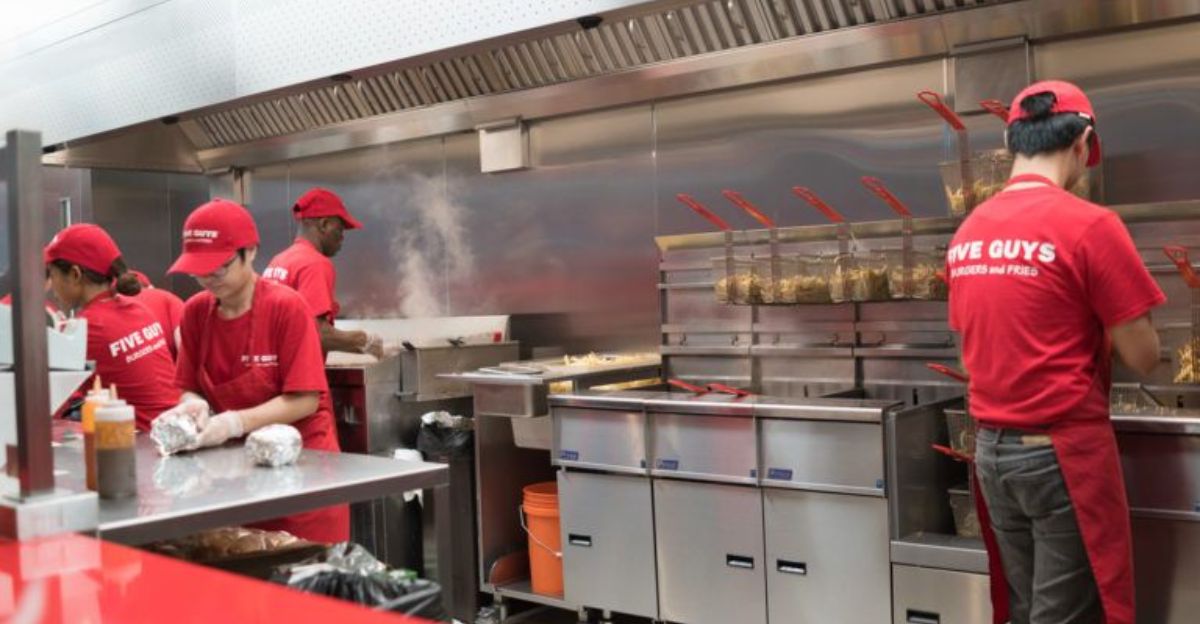
Minimum wage increases in over 20 states pushed base pay toward $15–$17 hourly in 2025. Premium custom-prepped meals require higher staffing ratios than quick-service chains, leaving Five Guys unable to automate or streamline cheaply.
Folsom’s 16 layoffs weren’t a strategy—they were survival. Reduce labor, reduce quality, or shut down. Franchisees increasingly choose the third.
Vacancies Spread — Landlords Absorb the Shock
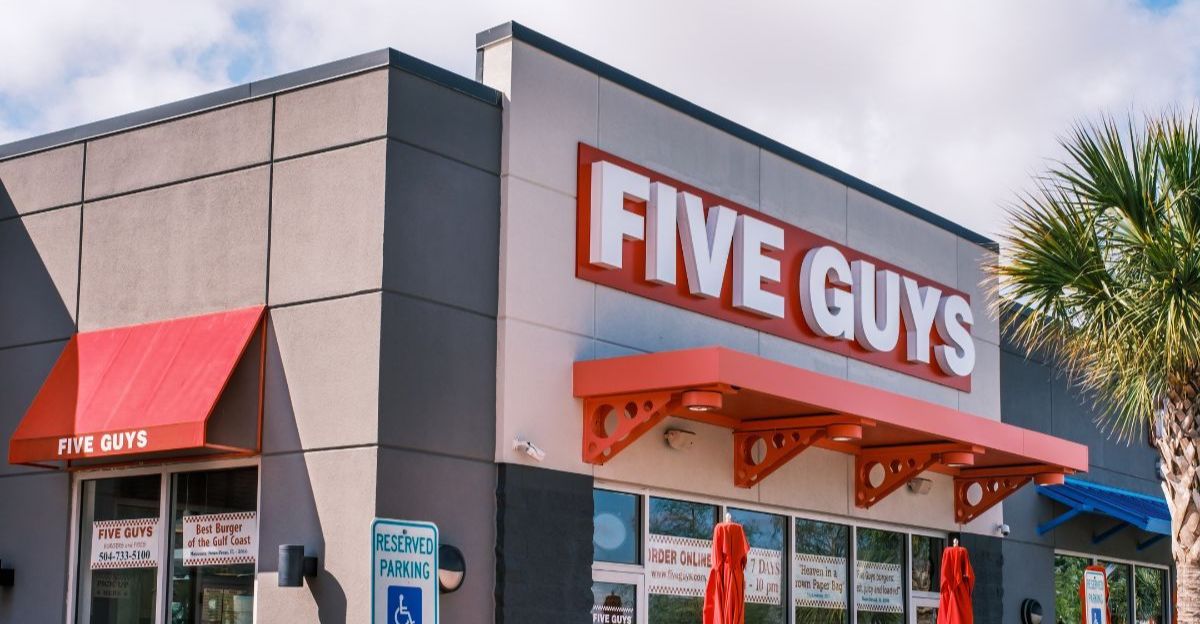
Each closure leaves behind a space built specifically for restaurant service—hood vents, grease traps, walk-ins—not easily repurposed. California alone accounts for three of the Five Guys shutdowns, oversaturating the commercial real estate market with turnkey restaurant vacancies.
Landlords now face longer empty periods, lower lease rates, and growing tenant improvement demands. What began as one brand’s pullback becomes a property-market ripple with months or years of aftershocks.
Supplier Losses Trigger a Secondary Crash
Food distributors, packaging firms, and uniform suppliers lose business immediately. Five Guys’ closures alone represent $7.5–$12.5 million in lost annual sales—translating into $2.6–$4.4 million stripped from supplier revenue streams.
Scaling up to Wendy’s 300 closures means hundreds of millions removed from the ecosystem. Distributors respond by tightening credit terms, which pressures already-struggling restaurants into default faster. It’s a feedback loop: closures reduce supplier volume, and supplier strain accelerates further closures.
Kitchen Equipment Demand Falls Off a Cliff
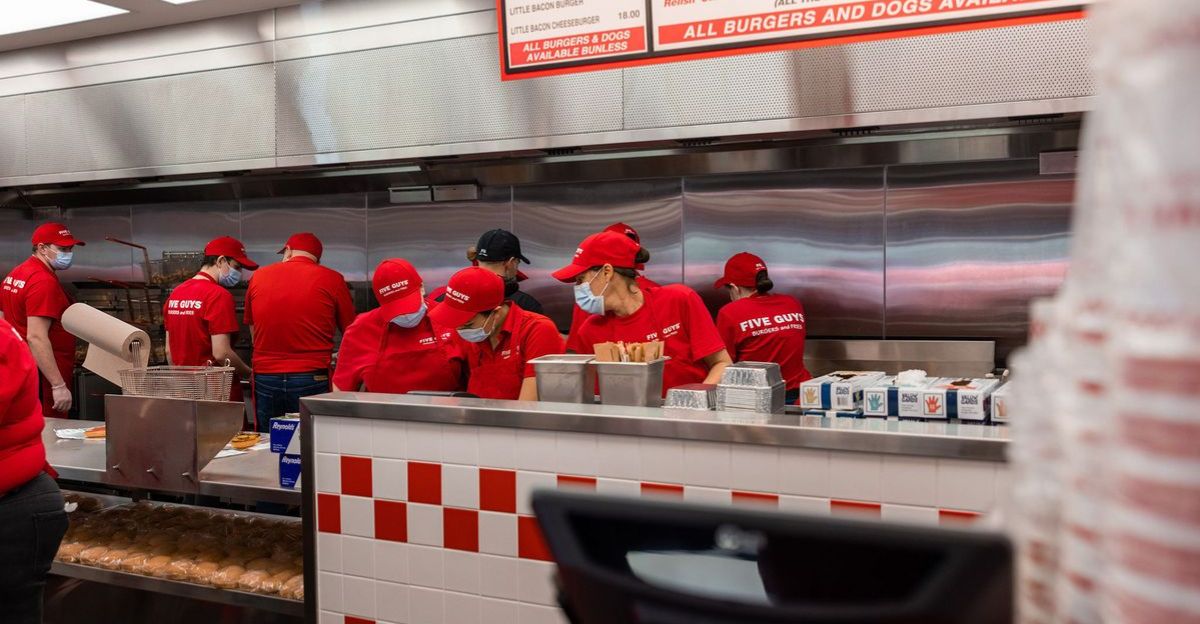
When expansion freezes nationwide, equipment orders collapse. The fast-casual boom that fueled fryer, range, POS, and vent-hood spending has reversed. With franchisees closing instead of opening, manufacturers face shrinking demand and unused factory capacity.
Financing firms pull back on restaurant lending as credit risk rises, limiting new entrants and remodels. The industry relies on growth to stay healthy—but unit expansion is no longer the trajectory.
Global Franchise Partners Start Rethinking America
Five Guys’ strong international footprint once relied on U.S. performance as proof of concept. But closures in the brand’s home market introduce doubt—particularly to franchisees preparing to open units abroad.
Watching Montana Burgers Inc. exit Yakima despite nine operational units raises questions worldwide: If Five Guys isn’t profitable in America, can it be profitable anywhere?
Consumer Dining Habits Shift For Good
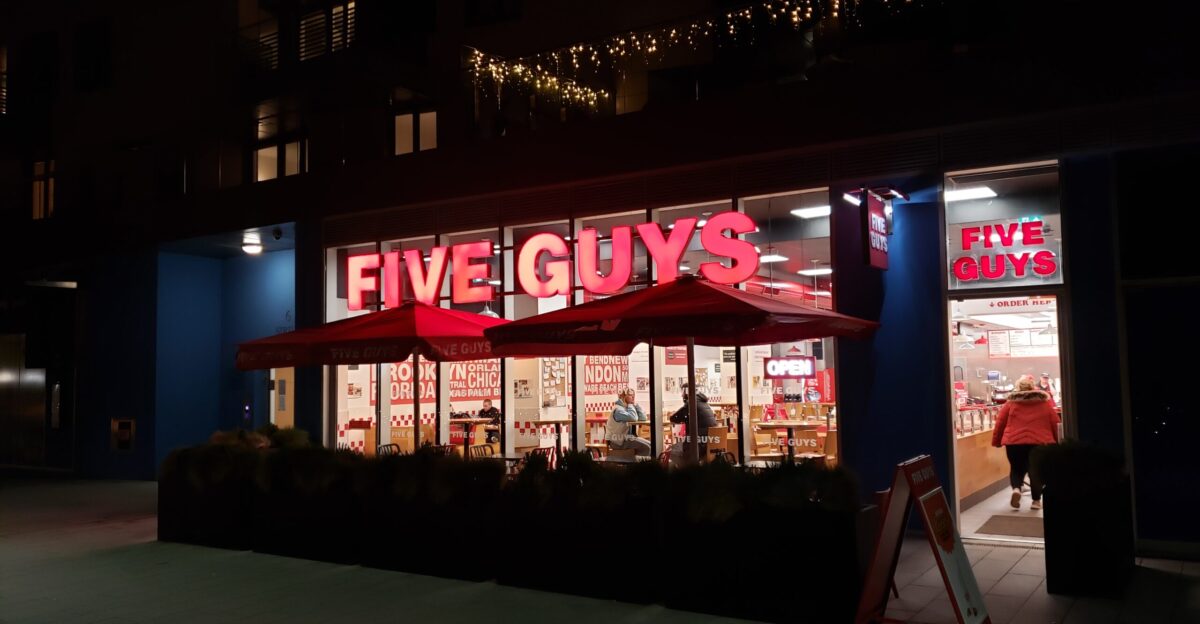
Restaurant dining is no longer seen as an accessible indulgence—it’s becoming an occasional treat. With better home appliances, meal kits, and social-driven cooking trends, Americans can replicate restaurant-quality meals cheaply.
Fast-casual sits in a shrinking middle: too expensive for everyday spending, not premium enough for luxury dining. When a Five Guys meal costs $20, and home prep runs $6–$8, price sensitivity wins. Once behavior shifts, it rarely reverses.
The Five Guys Collapse Is Only the First Shockwave
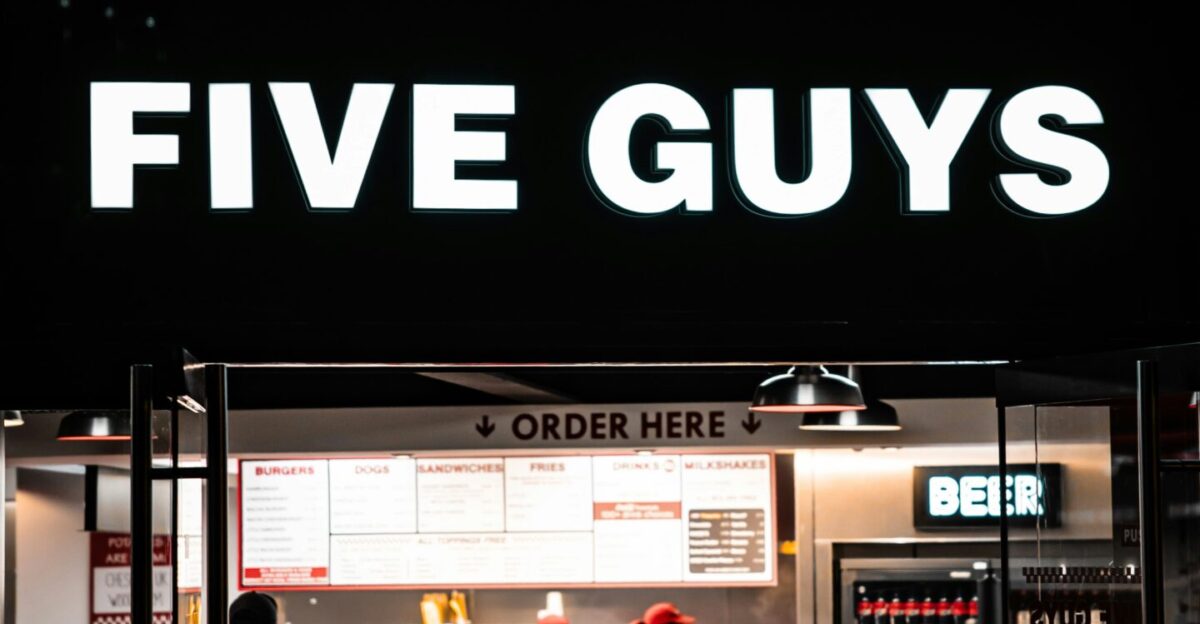
Five Five Guys closures equal ~$10 million lost revenue and 75–125 displaced workers. But the deeper truth is what they represent: a sectorwide reset of cost structure, pricing power, real estate viability, and consumer demand.
Wendy’s hundreds of shutdowns, Hardee’s and Carl’s Jr retrenchment, supplier contraction, and franchise-model strain form a single narrative. This isn’t just about burgers. It’s about the future of eating in America—and who survives the next twelve months.
Sources:
USDA Economic Research Service Food Price Outlook (September 2025); USDA ERS Livestock, Dairy, and Poultry Outlook (August 2025)
Bureau of Labor Statistics Consumer Price Index News Release (August 2025); BLS CPI Summary Report (September 2025)
The Wendy’s Company Q3 2025 Investor Earnings Call Transcript; Wendy’s Investor Relations Quarterly Results
Yahoo Finance/TheStreet “Popular Burger Chain Abruptly Shuts Down Locations” (November 26, 2025); National Five Guys Closure Reporting Archive