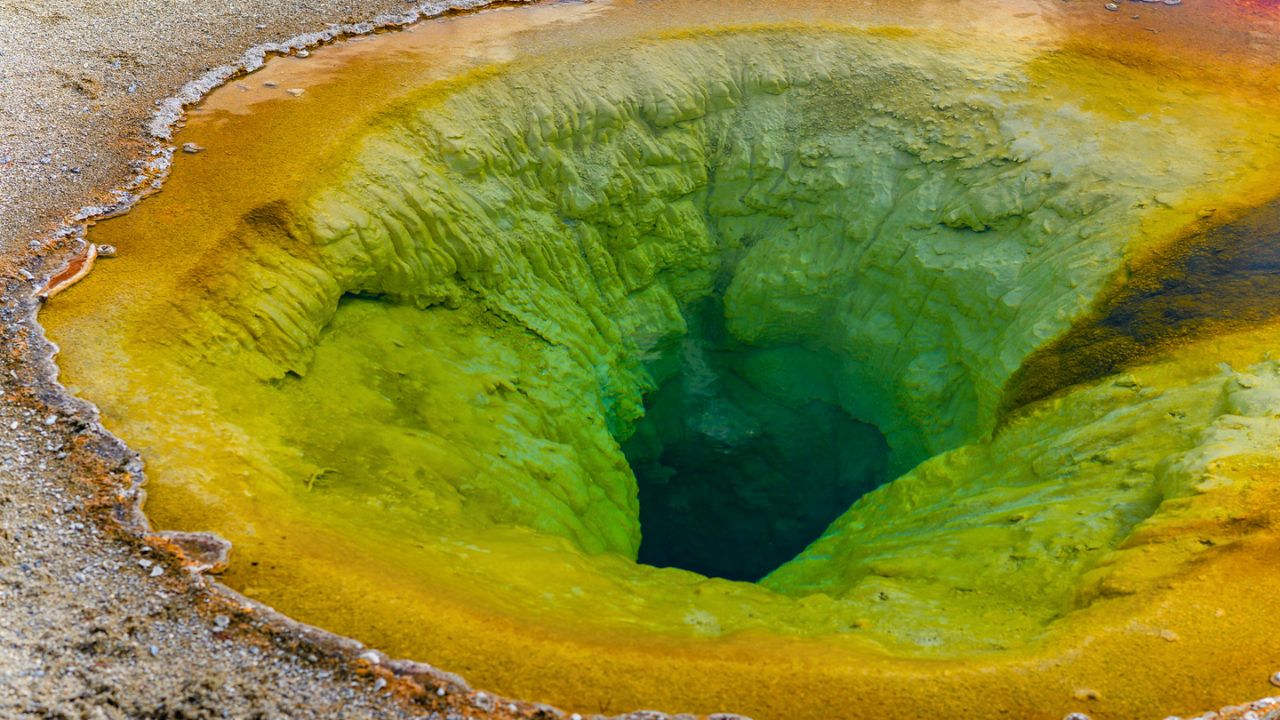
In 2021, a swarm of more than 2,000 small earthquakes, peaking around magnitude 3.6, shook the Yellowstone Plateau Volcanic Field beneath the western edge of Yellowstone Lake. Scientists sampled fluids from a nearly 100‑meter‑deep borehole five times that year and watched the subsurface world change in real time.
After the swarm, hydrogen, sulfide, and dissolved organic carbon in the aquifer spiked to some of the highest concentrations ever recorded at Yellowstone, providing potent fuel for chemolithoautotrophic microbes that do not depend on sunlight. Microbial cells in the water column increased and community composition shifted, proving that this hidden ecosystem is not static but tightly coupled to seismic energy.
Yellowstone’s Hidden Biosphere
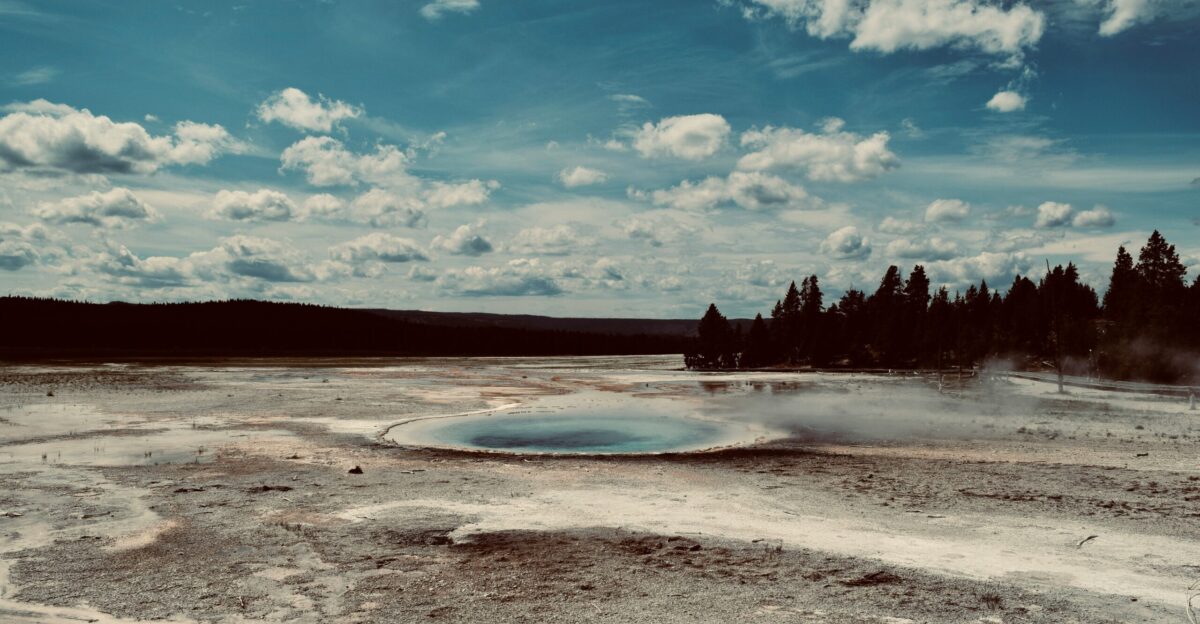
Up to roughly 30% of Earth’s biomass may live underground, much of it in bedrock aquifers like those beneath Yellowstone. These communities survive in permanent darkness by extracting energy from reactions between water and minerals, often at depths of tens to hundreds of meters. Before this study, scientists largely assumed such continental bedrock ecosystems were geologically buffered and slow‑changing, responding over centuries rather than months.
Yellowstone’s borehole—reaching about 100 meters, or ~300 feet—offered a narrow but revealing window into this deep biosphere. The 2021 swarm turned that window into a live feed, documenting how subtle tectonic motions instantaneously reshape the “menu” of chemical energy available to hidden life.
The 2021 Earthquake Swarm
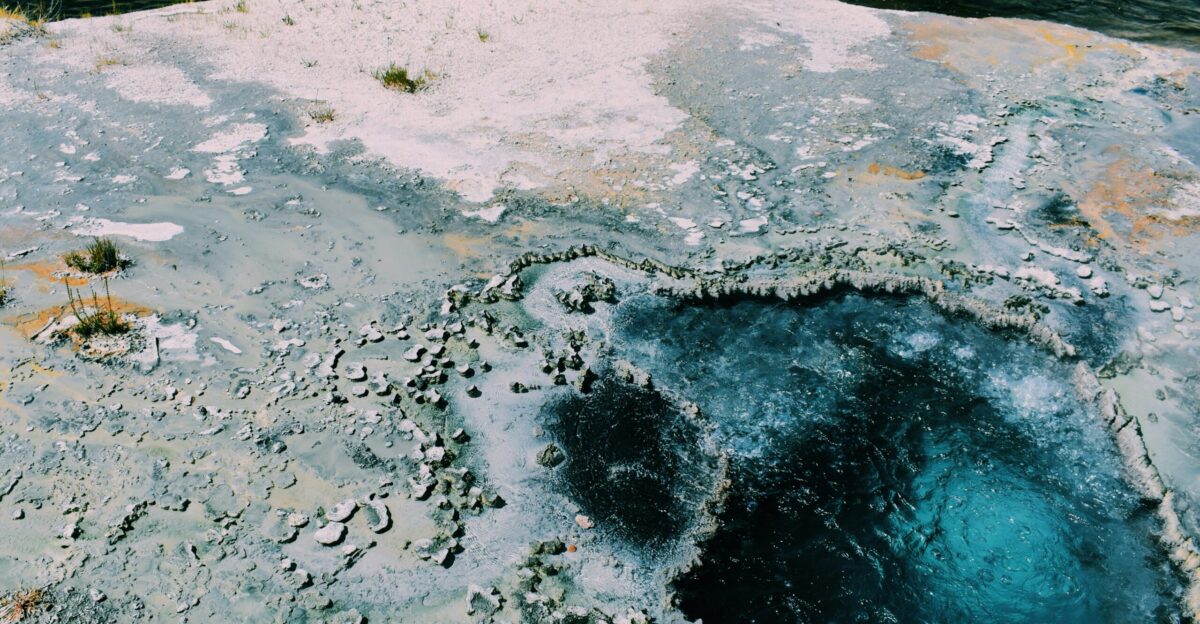
Between May and November 2021, Yellowstone recorded more than 2,000 small quakes under and near Yellowstone Lake, many clustering in classic earthquake swarms with no single dominant mainshock. Elsewhere in the caldera, advanced machine‑learning analyses reveal that over 86,000 earthquakes occurred from 2008–2022, with more than half organized as swarms—confirming that this pulsed shaking is normal behavior for the system.
The 2021 sequence was modest geologically, but ideal scientifically: strong enough to fracture rock and redirect fluids, weak enough to avoid disruptive surface damage. It acted as a natural experiment, injecting kinetic energy into a known aquifer while instruments and sampling campaigns were already in place to capture the outcome.
Sampling 300 Feet Down
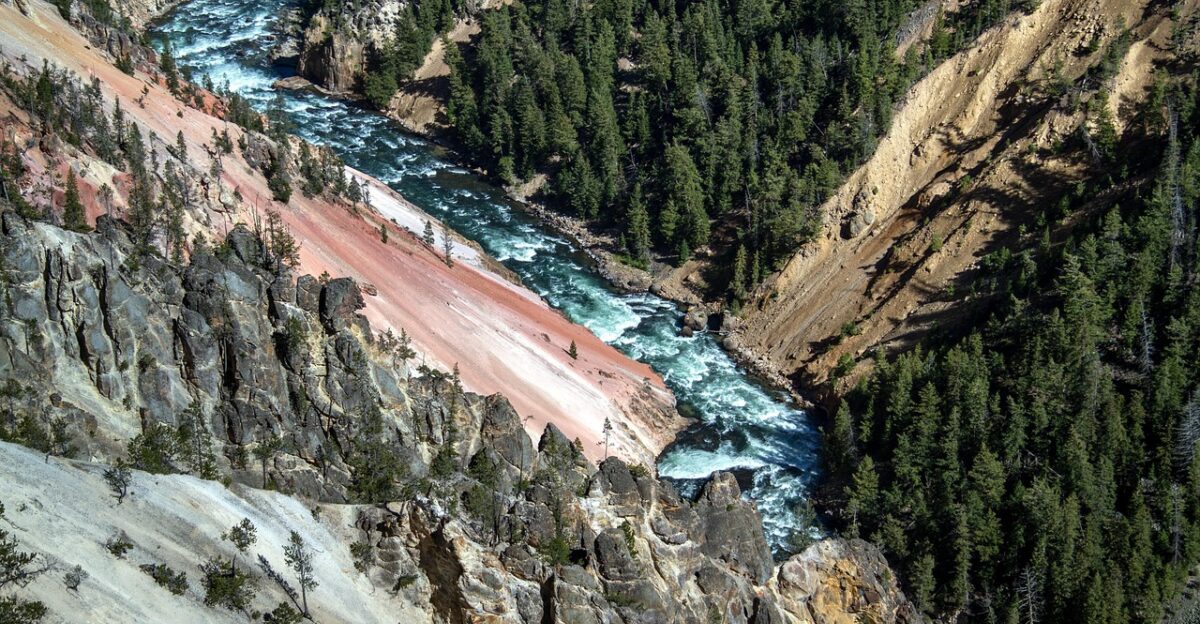
Researchers collected water from a cased borehole that penetrates nearly 100 meters into bedrock along Yellowstone Lake’s western shore, placing the intake roughly 300 feet below the surface. They sampled five times over the course of 2021, bracketing the peak of the earthquake swarm and its aftermath, then analyzed the fluids for dissolved gases, organic carbon, major ions, and microbial cells and DNA.
This repeated sampling is critical: a single snapshot would have missed the post‑swarm surge in hydrogen, sulfide, and dissolved organic carbon and the rise in planktonic cell counts that followed. Instead, the time series documents a clear before–during–after pattern, converting what could have been a static description into a dynamic movie of subsurface ecosystem response.
Chemistry: Turning Quakes into Food
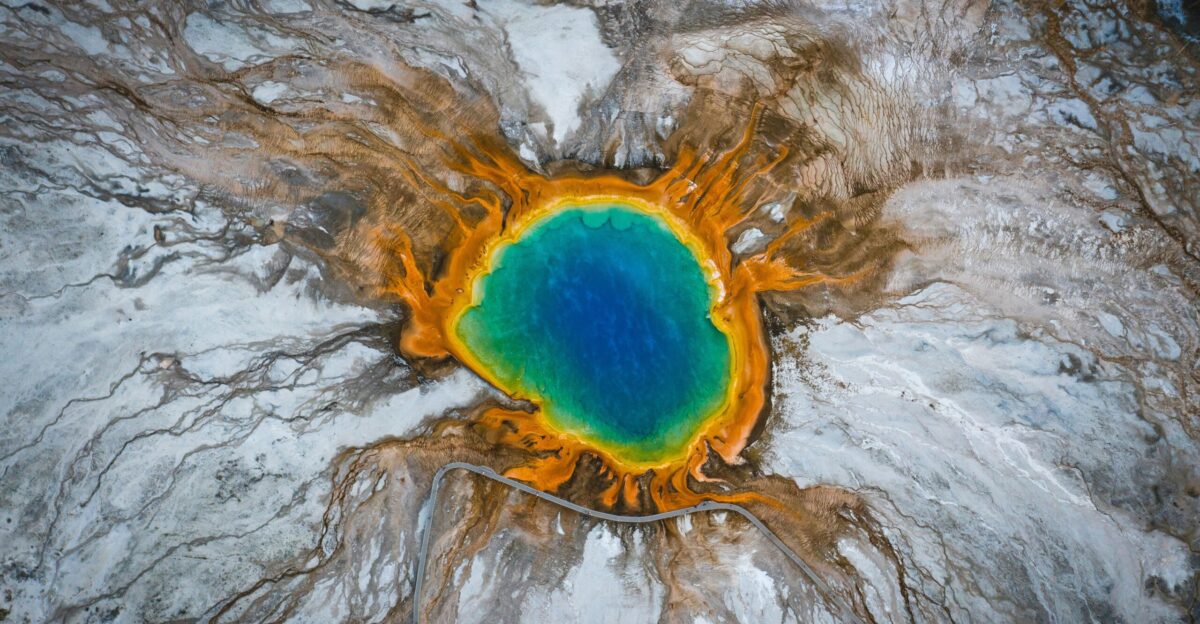
The core geochemical result is blunt: after the 2021 swarm, concentrations of hydrogen, sulfide, and dissolved organic carbon in the 100‑meter‑deep aquifer jumped sharply. Lab experiments grinding local rhyolite reproduced similar releases of hydrogen and organic carbon, strongly supporting the idea that seismic fracturing of rock liberates trapped substrates and exposes fresh mineral surfaces that react with water.
Hydrogen and reduced sulfur compounds are prime electron donors for chemosynthetic microbes, which can fix carbon dioxide into biomass using these energy sources instead of sunlight. The quake swarm thus acted like a sudden refueling of the subsurface, swapping in a richer chemical menu that favored certain metabolic guilds over others.
Biology: Microbial Bloom and Turnover
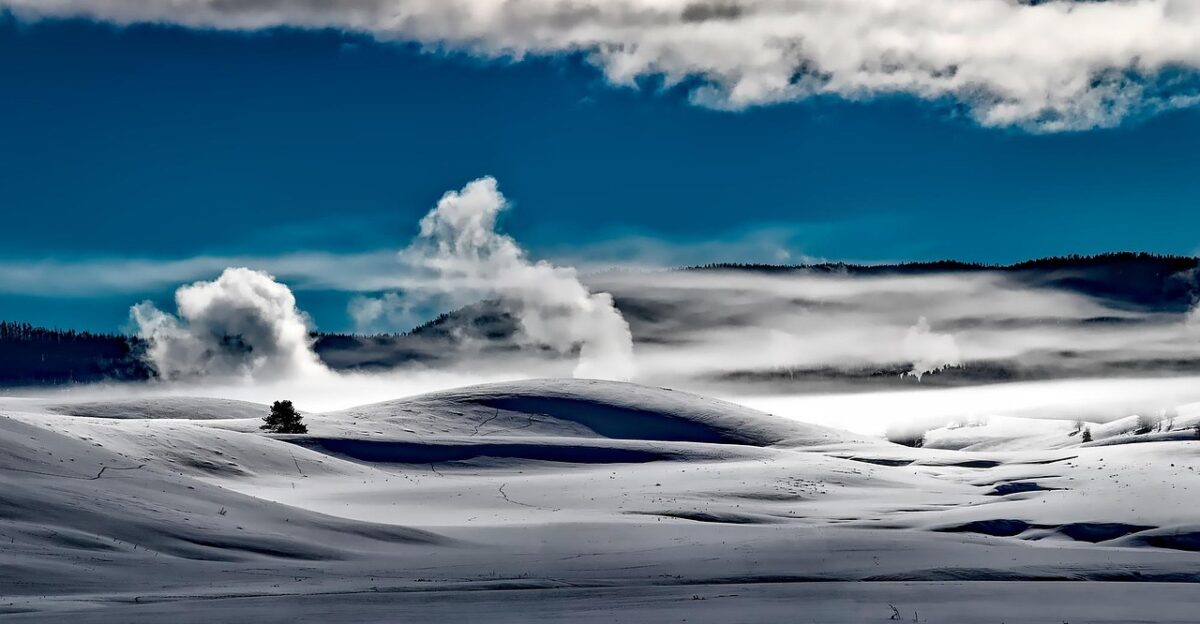
Biologically, the borehole water showed a marked increase in planktonic cell concentrations following the chemical shift, indicating more microbes suspended in the water column post‑earthquakes. Sequencing and community analyses revealed that taxa capable of oxidizing inorganic substrates, such as certain hydrogen‑ and sulfur‑oxidizing lineages, temporarily became more dominant as the new energy sources surged.
Over subsequent months, as geochemistry relaxed toward pre‑swarm conditions, community composition drifted again, undercutting the assumption that bedrock aquifer microbes form a static, slow‑moving “deep time” assemblage. Instead, Yellowstone’s deep microbes behave more like a responsive, opportunistic biosphere that tracks seismic feeding pulses in near real time.
Why This “Uncovers” Hidden Life
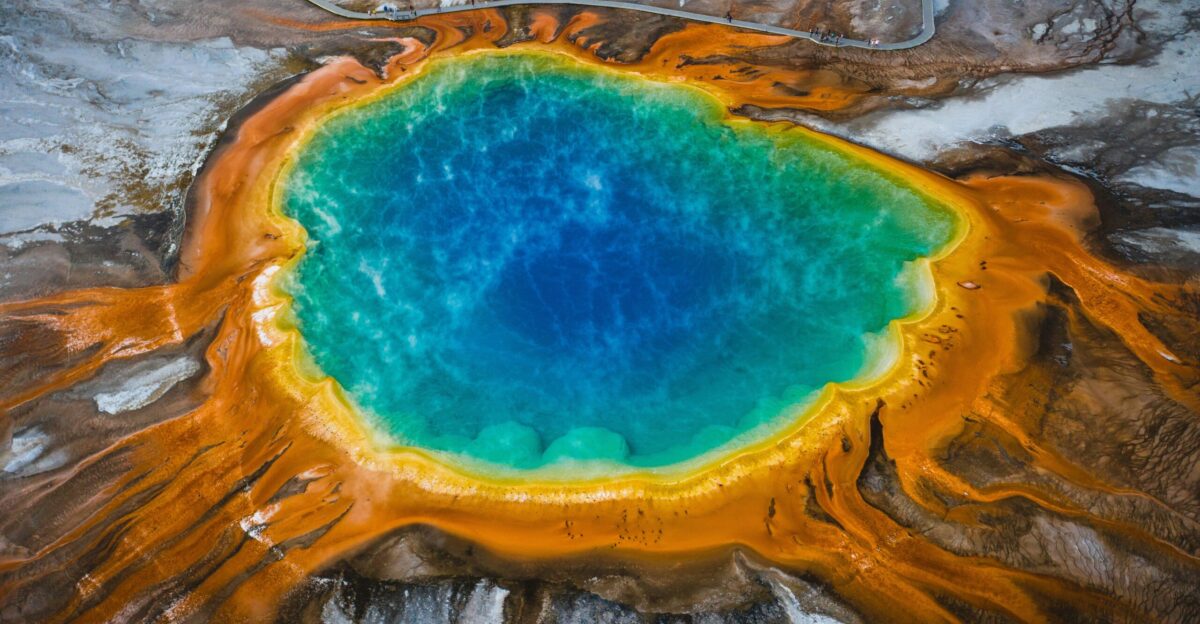
The life in question was not newly created in 2021, but until this study, its sensitivity to small earthquakes at ~300 feet depth was invisible to science. Most seismic catalogs historically ignored large numbers of tiny quakes, and most subsurface microbiology treated aquifers as geochemically steady, so the linkage between swarms and biological surges remained hidden.
By pairing a well‑instrumented borehole with a documented swarm and time‑resolved sampling, researchers effectively uncovered a previously unknown behavior: deep microbial communities flipping into high‑activity modes when the crust shakes. In strategic terms, the study reveals not just hidden organisms, but a hidden process—an earthquake‑powered biogeochemical engine operating hundreds of feet below one of Earth’s most famous national parks.
Challenging the Stability Dogma
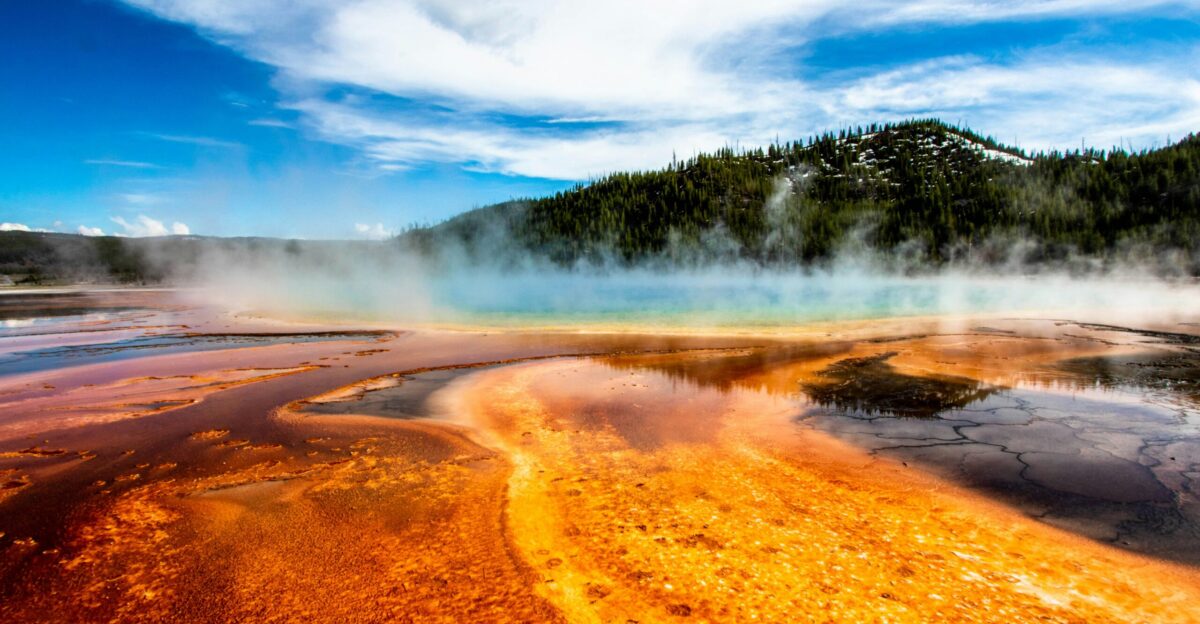
For decades, continental bedrock aquifers were treated as the epitome of stability: cold, dark, cut off from surface weather and seasonality, driven by millennial‑scale groundwater flow and long‑term mineral dissolution. Models of the deep biosphere often assumed low cell turnover, slow metabolism, and negligible short‑term ecological dynamics.
Yellowstone’s borehole data blow a hole in that narrative, showing that even modest seismic swarms can rapidly reshuffle both geochemistry and microbial community structure at ~100‑meter depth. This reclassifies at least part of the deep biosphere from “background infrastructure” to “active participant” in Earth’s short‑term tectonic and hydrologic cycles, forcing revisions in carbon budgets and habitability models.
From One Borehole to a Global Pattern
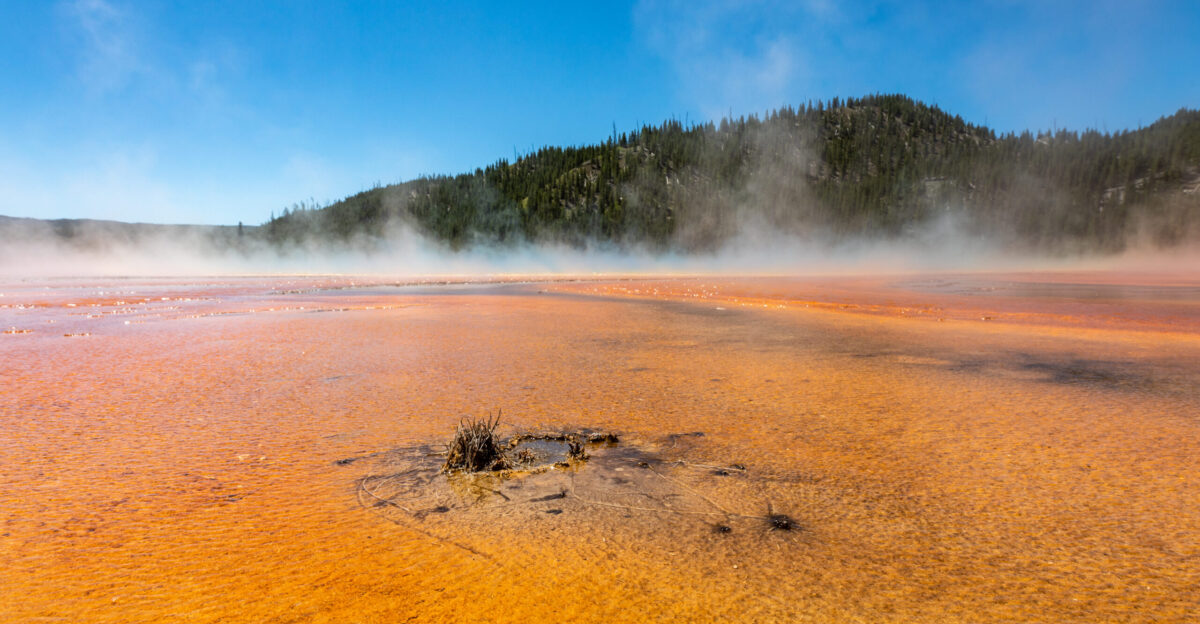
Although the PNAS Nexus study focuses on a single borehole, Yellowstone’s volcanic field spans about 2.2 million acres and hosts thousands of geothermal features riding the same fractured crust and fluid pathways. AI‑enhanced seismic catalogs show that more than 86,000 earthquakes rattled the broader caldera from 2008–2022, with swarms common, implying that quake‑driven chemical pulses are recurring, not rare.
Around the world, dozens of active volcanic and geothermal regions—such as Iceland, New Zealand, Japan, and Indonesia—combine similar ingredients: fractured hot rock, circulating fluids, and frequent small quakes. The Yellowstone findings therefore likely represent one instance of a widespread but previously unrecognized mechanism feeding deep microbial life in tectonically active crust.
Quantifying the Seismic–Biological Link
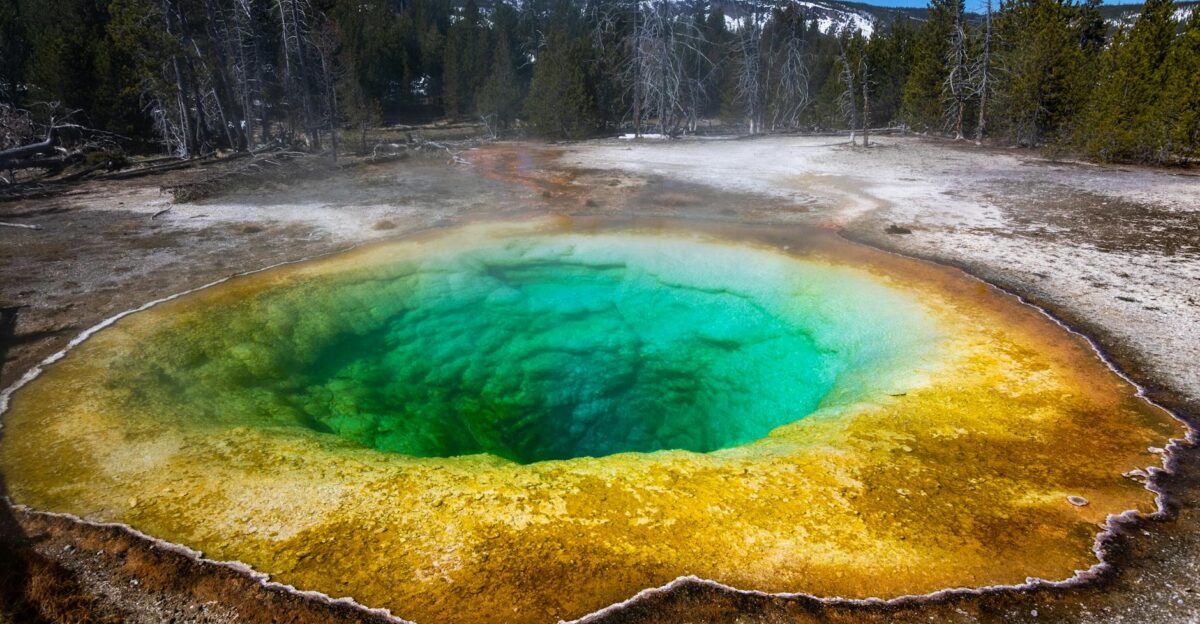
On the seismic side, the 2021 swarm involved over 2,000 events up to magnitude 3.6, well below damaging thresholds but sufficient to concentrate strain and reactivate local fractures. On the biological side, post‑swarm samples contained some of the highest hydrogen and dissolved organic carbon levels measured in Yellowstone deep fluids, coincident with measurable increases in cell counts and clear shifts in community composition.
Independent machine‑learning work demonstrates that Yellowstone’s broader system experiences tens of thousands of quakes over 15 years, with more than half in swarm configurations, providing repeated opportunities for similar subsurface pulses. These numbers firmly anchor the argument: small, frequent earthquakes are not noise but a quantifiable driver of microbial habitat dynamics hundreds of feet below ground.
Rock Fracturing and Fluid Pathways
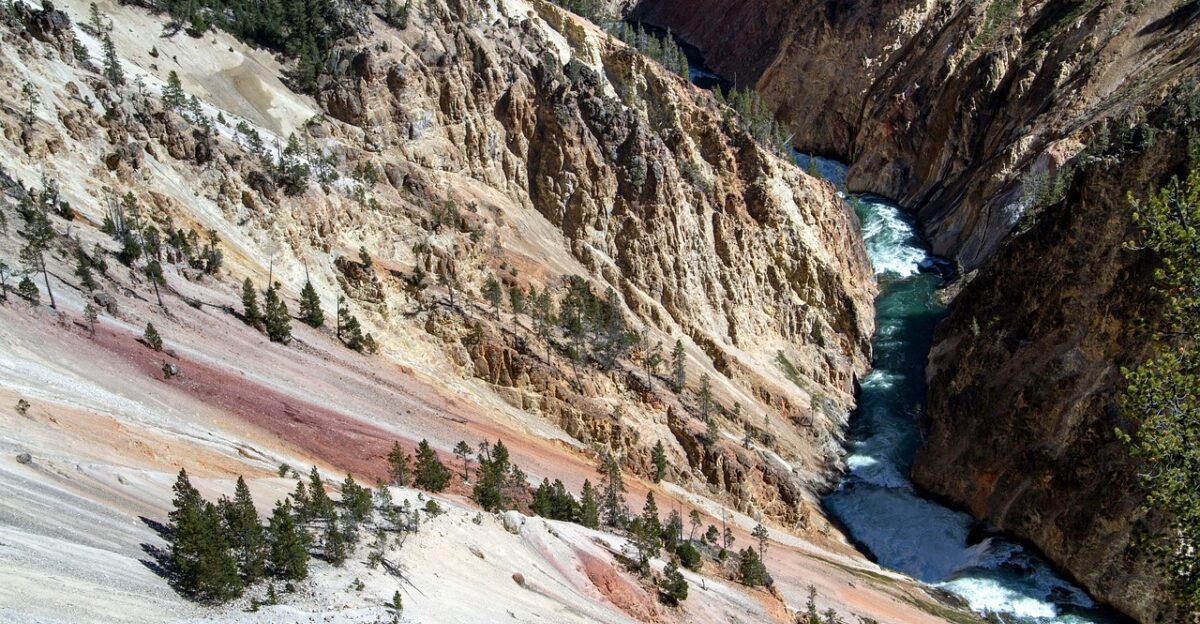
Mechanistically, the study reinforces a detailed physical picture of how quakes mobilize hidden life. Seismic waves and fault slip fracture rhyolitic bedrock, open or widen microcracks, and modify fault permeability, which in turn changes fluid flow paths and pressures.
This disturbance releases previously trapped fluids and unweathered mineral surfaces whose reactions with infiltrating water generate pulses of hydrogen, reduced sulfur species, and organic compounds. As fluids re‑route, they can transport both energy substrates and microbial cells into new niches, explaining simultaneous shifts in chemistry, cell abundance, and community structure observed at ~100‑meter depth. None of this requires speculation; it is consistent with fracture mechanics, hydrogeology, and measured geochemical profiles.
Astrobiology: Mars and Beyond
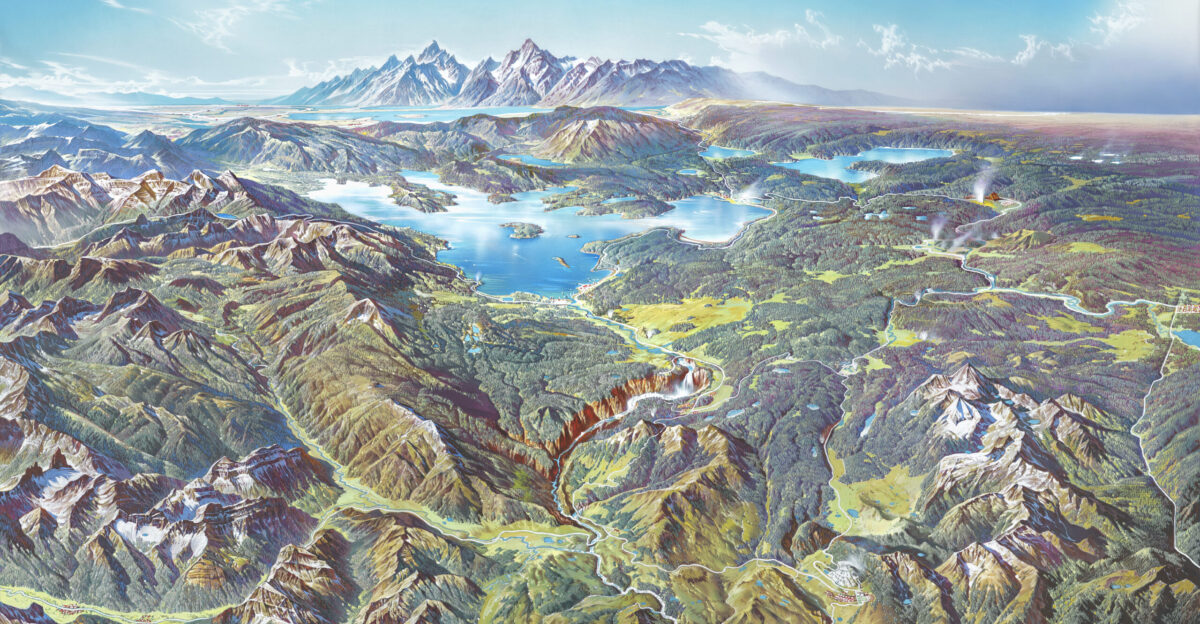
The Yellowstone findings echo long‑standing astrobiological hypotheses that subsurface environments on rocky planets may be more habitable than harsh surfaces. Mars, for example, exhibits ongoing seismicity documented by the InSight mission, along with evidence for past or present subsurface ice and brines.
If Martian quakes similarly fracture crust and refresh geochemical gradients in water‑bearing zones, they could create transient energy injections for chemosynthetic microbes analogous to those observed 300 feet beneath Yellowstone. The study therefore supplies concrete, Earth‑based evidence that small tectonic events can sustain deep microbial ecosystems, sharpening target criteria for future life‑detection missions focused on faulted, water‑rich regions rather than sunlit terrains alone.
Planetary Habitability and the Deep Carbon Cycle
Beyond exobiology, the work intersects with efforts to quantify Earth’s deep carbon cycle and the role of subsurface life in global budgets. If up to a third of Earth’s biomass resides in the crust and portions of that biomass undergo repeated seismic reactivation, then quake‑driven chemistry might periodically accelerate organic carbon turnover and gas fluxes from depth.
While the Yellowstone study does not yet close a global mass balance, it demonstrates a credible pathway by which tectonics can influence microbial productivity and possibly methane or other gas emissions from fractured aquifers. Integrating such dynamic feedbacks into climate and biogeochemical models will require more boreholes, more swarms, and similarly resolved time‑series datasets.
Technological and Monitoring Implications
Technically, this research showcases the power of coupling dense seismic monitoring, machine‑learning–enhanced quake catalogs, and targeted geochemical–microbial sampling at depth. Similar integrated observatories in other volcanic and geothermal fields could reveal how industrial activities—such as geothermal energy extraction, carbon sequestration, or hydraulic fracturing—perturb deep ecosystems.
In Yellowstone specifically, improved understanding of swarm behavior and subsurface responses can inform hazard communication, dispelling sensational claims about imminent supereruptions while highlighting the park as a natural laboratory for earthquake‑powered life. The methods are exportable, the measurements reproducible, and the core interpretive framework – that kinetic energy cascades into chemical gradients and then into biology – is testable elsewhere.
Conclusion
Accurately framed, “Yellowstone Earthquake Swarm Uncovers Hidden Lifeforms 300 Feet Below Surface” describes a real discovery: not of brand‑new organisms, but of a previously invisible mode of life in which small earthquakes periodically re‑energize a deep microbial ecosystem.
At roughly 100 meters depth beneath Yellowstone Lake, researchers watched a 2021 swarm fracture rock, reroute fluids, spike key chemical energy sources, and trigger a measurable bloom and reshuffling of chemosynthetic microbes. This is the first documented case where modest crustal shaking has been tied so clearly to rapid ecological change in a continental bedrock aquifer, with implications that radiate from Yellowstone’s 2.2 million acres to tectonically active regions on Earth and potentially to subsurface habitats on Mars. The headline stands—if the story it leads is told with scientific precision.