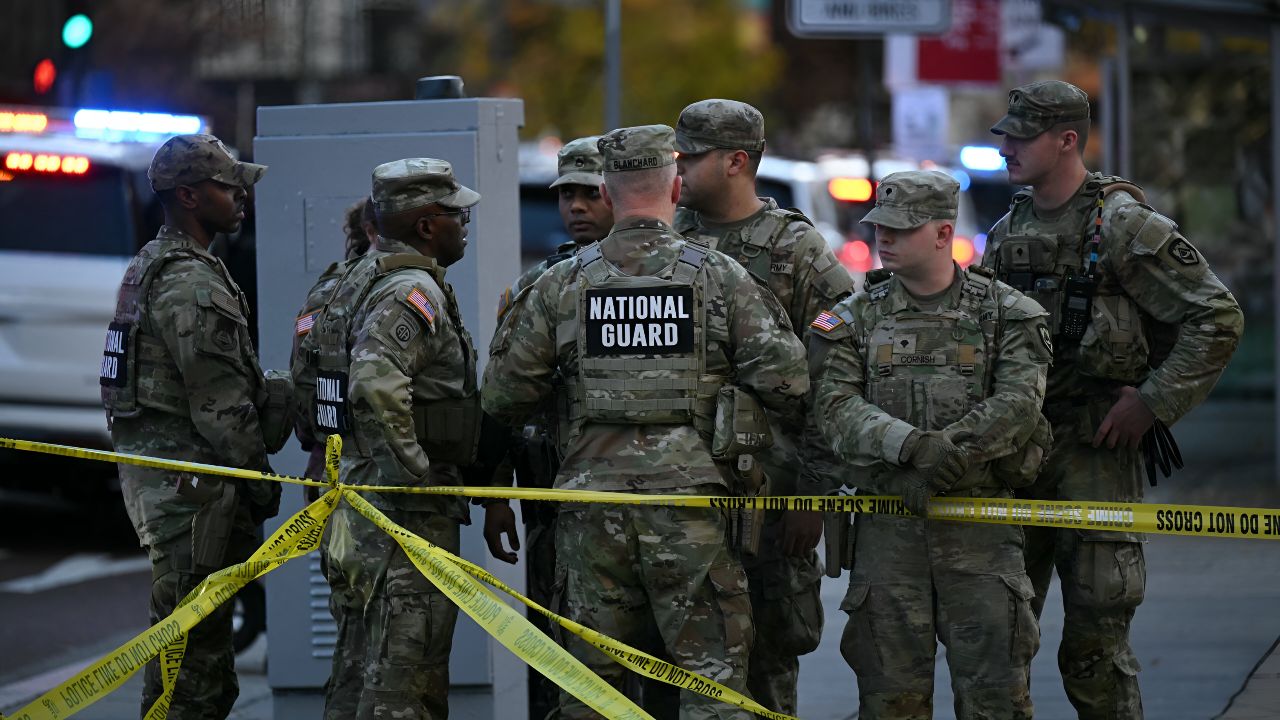
On the day before Thanksgiving, a shooting near the White House shattered the lives of two young soldiers and forced America to confront difficult questions about who it brings into the country and what it owes them. A 29-year-old Afghan national who once fought alongside American forces drove nearly 3,000 miles to Washington, D.C., with a revolver. In less than a minute, he killed one soldier and left another fighting for his life, triggering a national security response and a sweeping policy reversal that would affect tens of thousands of people.
The Moment Everything Changed
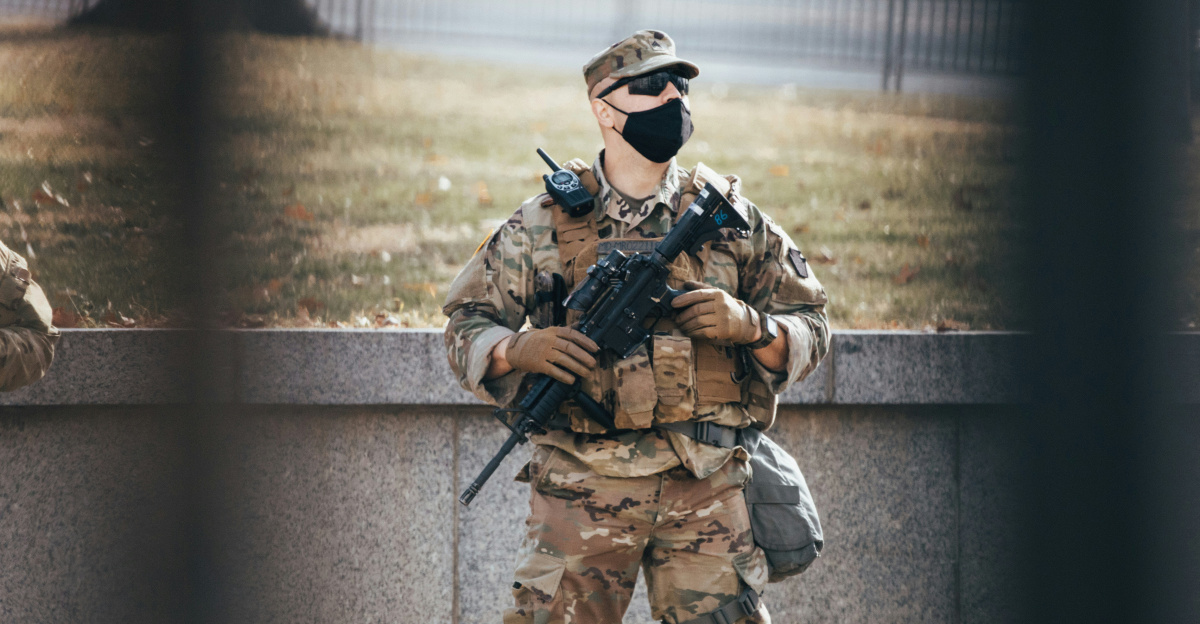
On Wednesday, November 26, Army Specialist Sarah Beckstrom, 20, from Summersville, West Virginia, volunteered for her shift so other soldiers could spend Thanksgiving with their families. She stood guard near Farragut West Metro station, two blocks from the White House, alongside Staff Sergeant Andrew Wolfe, 24, from Martinsburg, West Virginia. According to the Metropolitan Police, the gunman approached from around a corner, raised his arm with a firearm, and discharged it at the two National Guard members without warning. Neither soldier had time to react. Both were trained, armed, and wore body armor. It didn’t matter.
Sarah died by Thursday. Her father, Gary Beckstrom, posted three words that would haunt the nation: “My baby girl has passed to glory.” Andrew survived the initial attack but remained in critical condition, fighting brain swelling and requiring machines to support his breathing. His mother, Melody, described the first 24 to 48 hours as the most critical of his life.
The Unlikely Hero With A Pocket Knife
What stopped the shooter wasn’t training or firepower. An unarmed major heard gunfire and ran toward it. When the suspect paused to reload, the major attacked, stabbing him repeatedly in the head and torso. Another guardsman shot the attacker. The intervention prevented further casualties and revealed something fundamental about military culture—that improvisation and aggression, born from instinct and courage, can stop violence in its tracks.
From Ally to Suspect
Rahmanullah Lakanwal’s story defies easy reconciliation. During Afghanistan’s war, he didn’t fight against Americans—he fought with them. He was part of a CIA-backed paramilitary unit called “Zero Unit” working alongside U.S. Special Forces. According to CIA Director John Ratcliffe, he was embedded with American intelligence. He was supposed to be one of the good guys.
When Afghanistan fell to the Taliban in 2021, the U.S. launched Operation Allies Welcome to evacuate Afghans who’d worked with American forces. Lakanwal was exactly who the program was designed to save. On September 8, 2021, he received humanitarian parole and entered the United States. Approximately 76,000 Afghans came through the program. He was one of them, approved to stay.
By all appearances, his new life unfolded normally. He moved to Bellingham, Washington, started a family with a wife and children, and worked as a delivery driver. He applied for asylum in 2024 and was approved by Trump’s administration in April 2025. He had papers, a home, employment, and safety. Then something fractured inside him.
The Collapse
Law enforcement sources report that Lakanwal struggled with paranoia and mental health issues stemming from his wartime service. Investigators believed he’d become convinced the government would deport him—that despite his asylum approval, he’d be sent back to Afghanistan. The psychological pressure of that belief, combined with his trauma, fractured something fundamental in his mind.
Then there was his friend, a fellow Afghan commander who also sought refuge in America. That man was denied asylum. In 2024, he died. According to those who knew Lakanwal, he was deeply troubled by the loss and devastated by the rejection his friend suffered. Investigators examined whether this death triggered something more profound, whether it fed into paranoia or rage that eventually exploded into violence.
Nobody knows precisely when Lakanwal decided to drive across the country. U.S. Attorney Jeanine Pirro confirmed he left Bellingham and drove nearly 3,000 miles—roughly 40 hours behind the wheel—with a revolver and what investigators believed was a specific target in mind: the National Guard members stationed near the White House. But the why remained locked in his silence. He wasn’t cooperating with authorities.
Swift Response, Sweeping Consequences
President Trump was at Mar-a-Lago when he learned two National Guard soldiers had been shot near the White House. By that evening, his language was unmeasured. “This heinous assault was an act of evil and an act of hatred and an act of terror,” he declared. “It was a crime against our entire nation; it was a crime against humanity.”
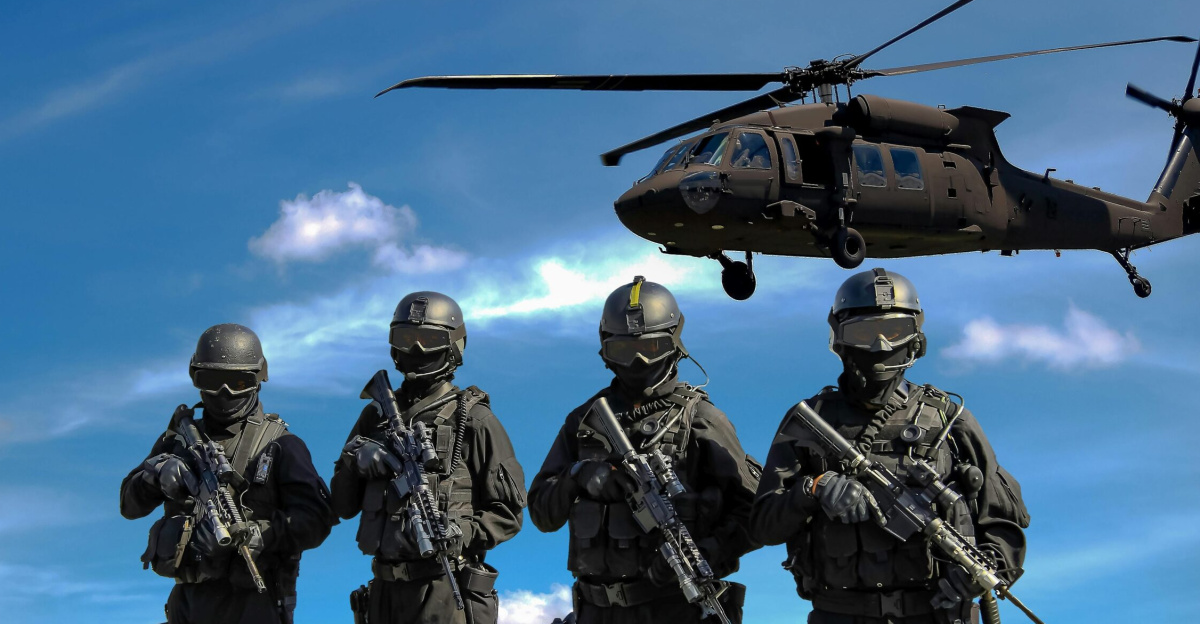
Within hours, Defense Secretary Pete Hegseth ordered 500 additional National Guard troops to Washington, D.C., bringing the total to roughly 2,700 under Operation DC Safe and Beautiful. Crime was down 40 percent under the program. Carjackings were down 52 percent. Now the theory was tested again, with even more uniforms, more checkpoints, and a more visible presence of force.
When the shooting happened, West Virginia National Guard members had a choice. They could request reassignment. They could ask to go home. Governor Patrick Morrisey later told CBS News that not a single soldier requested to leave their post. “I haven’t heard of anyone step back,” he said. “They wanted to stay.”
But Sarah’s death and Andrew’s fight for his life didn’t stay confined to their families. One man’s crime became national policy almost immediately. Trump’s administration announced it would “re-examine every single alien who has entered our country from Afghanistan under Biden”—tens of thousands of people. U.S. Citizenship and Immigration Services suspended all new Afghan applications. The Department of Homeland Security began reviewing approved cases from the Biden years.
Attorney General Pam Bondi made clear there would be no mercy in Lakanwal’s prosecution. The federal government would pursue the death penalty. Charges were upgraded to first-degree murder.
The Questions That Remain
Sarah Beckstrom believed in the mission. Friends told reporters she’d actually grown to love her assignment in Washington, even though she’d dreaded it at first. She understood the work mattered. Andrew Wolfe was the same kind of person. Neighbors described him as someone who would give anything to help. That selflessness can’t be taught.
Their story had become something more than a crime report. It was a mirror reflecting how this nation treats loyalty. What do we owe people like Sarah, who volunteered to stand alert on a holiday’s eve so others could be home? What do we owe the 76,000 Afghans brought here under programs designed to protect them? These are the questions that lingered after the ambulances left, the funerals were planned, and the White House lockdown was lifted. America doesn’t yet have the words to answer them. But the nation must try.
Sources
AP / Reuters national desk coverage of DC National Guard shooting and official statements (November 26–29, 2025)
FBI, Department of Justice, and D.C. Metropolitan Police briefings and releases on the Beckstrom/Wolfe ambush and suspect charges (Nov 2025)
NBC News / CBS News / CNN on-scene reporting and interviews with officials, Guard representatives, and victims’ families (Nov 2025)
White House and Defense Department press conferences on National Guard deployment, policy response, and Operation Allies Welcome (Nov 2025)