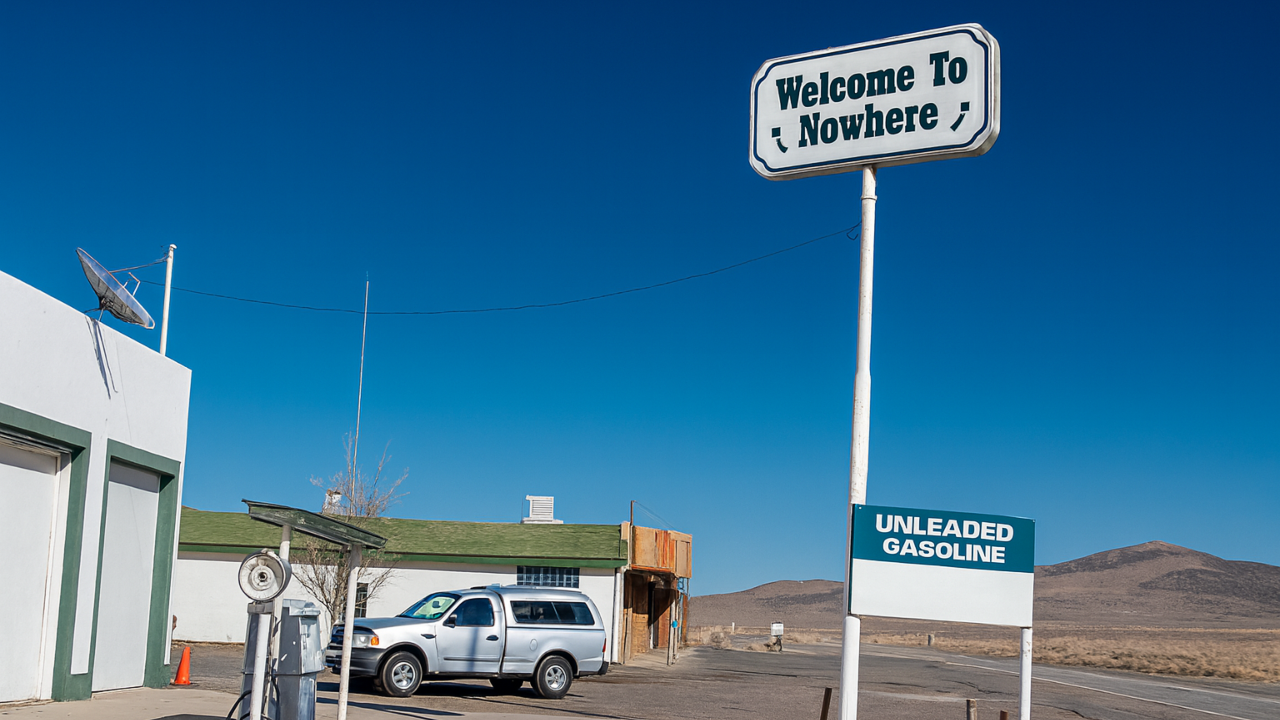
For many years, factory towns in parts of the United States offered a simple deal: if people worked hard in local plants, they could expect steady jobs, good pay, and a sense of security for their families. Between the 1970s and the early 2000s, that deal fell apart as factories closed and hundreds of thousands of manufacturing jobs disappeared.
Fifteen towns became especially clear examples of this change, where the loss of one major employer led to deep and lasting economic trouble that still affects them today.
How Factory Closures Hurt Towns
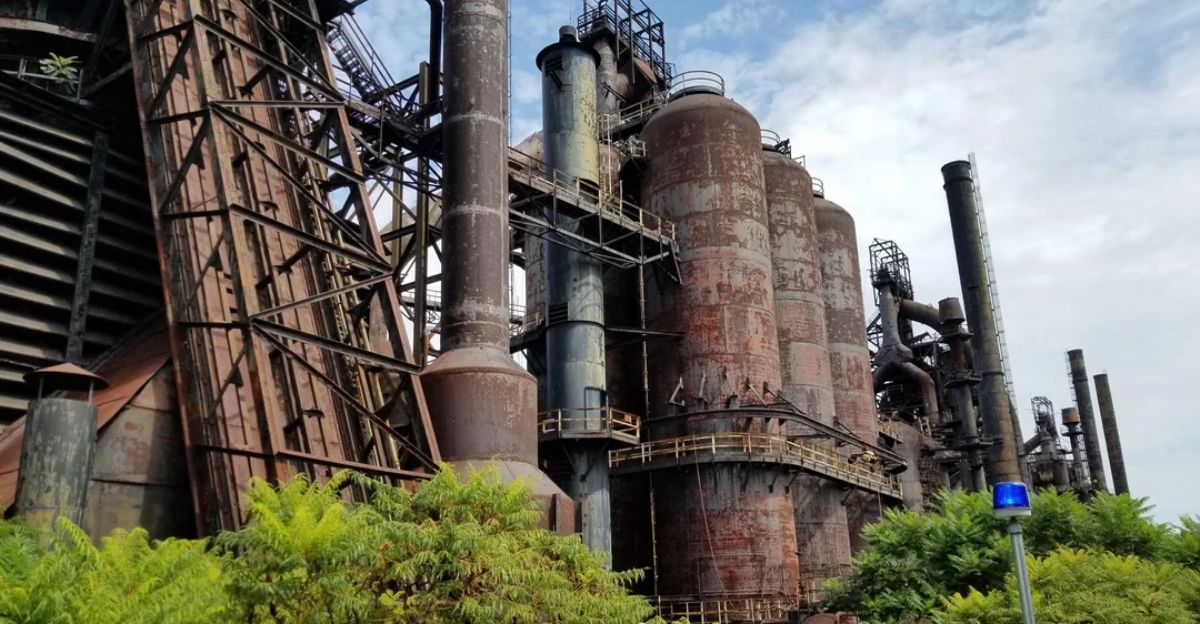
When a big factory shuts down, the impact goes far beyond the building where the machines stop running. Thousands of people can lose their paychecks at nearly the same time, which quickly harms local shops, restaurants, and service businesses that depend on those workers as customers. Housing prices often fall as people move away, city tax income drops, and local governments have less money to fund schools, police, and road repairs.
Businesses that supplied parts or services to the main factory frequently close or shrink as well, since their main buyer is gone. Banks may become more cautious about lending money in these areas, and younger residents often leave to look for better jobs elsewhere. Over time, this can leave behind an older population, empty buildings in the downtown area, and a city government trying to rebuild with a much smaller tax base, a process that can take decades.
The Human Cost Behind the Numbers

The story of deindustrialization is not just about statistics; it is also about the lives of workers and families. When factories close, many workers must retrain for jobs that often pay less and offer fewer benefits than the stable manufacturing roles they once had. Some people lose pensions or health coverage they expected to rely on in retirement, which can quickly erase a sense of financial safety that earlier generations enjoyed.
These shocks can raise stress levels in communities and are linked with higher rates of family strain and substance abuse. Students who do well in school may leave for college and choose not to return, reducing the number of young adults helping rebuild the local economy. As property values fall and homes become harder to sell, neighborhoods can decline, and the loss of the shared identity that came from factory work can leave people feeling disconnected and without a clear purpose.
Why So Many Factories Shut Down
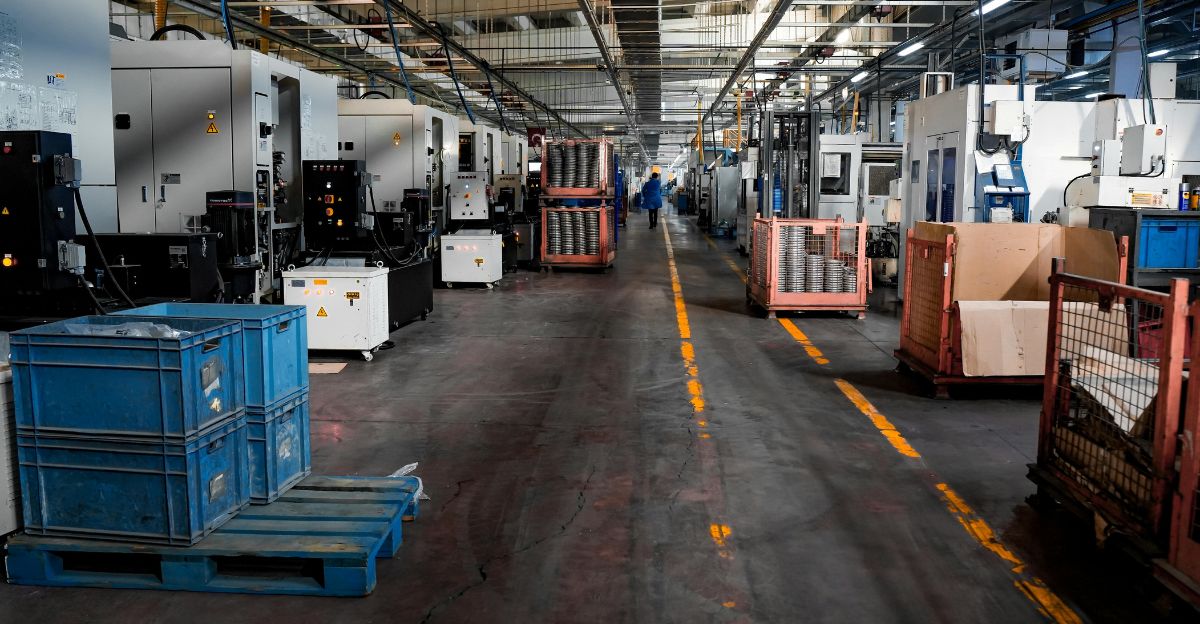
These closures did not happen by accident; they were driven by several major economic forces. Trade policies and global competition encouraged companies to move production to countries where wages and other costs were lower, especially in industries such as steel, autos, and textiles. Automation also reduced the need for many routine factory jobs by allowing machines and technology to handle tasks that people used to perform.
At the same time, mergers, bankruptcies, and corporate restructuring pushed companies to cut jobs or close plants to save money. Economic downturns made these pressures worse, especially in regions that depended heavily on a single company or industry. Towns like Youngstown, Ohio, which lost thousands of jobs on Black Monday in 1977 when a major steel mill closed, and Detroit, Michigan, which later faced municipal bankruptcy after long-term industrial decline, became well-known symbols of these changes.
In many other places, such as Flint, Michigan; Gary, Indiana; and several smaller cities in the Midwest and South, long-term job losses in auto, steel, and textile plants led to large population declines and severe drops in local income. In some of these communities, tens of thousands of manufacturing jobs vanished over several decades, reshaping entire regions and cementing the image of the Rust Belt.
Efforts to Recover and Build New Futures

Many of these factory towns have tried to recover by attracting new kinds of businesses and redefining their local economies. Some have focused on sectors like health care, education, tourism, technology, or entertainment, including casinos and cultural centers, to replace at least part of the lost manufacturing base. In a few places, downtown areas have seen new investment, and unemployment rates have improved compared with the worst years after the closures.
Sources
Federal Reserve Bank of Chicago – Gary Profile community study
Federal Reserve Bank of Chicago – Detroit’s Bankruptcy: The Uncharted Waters of Chapter 9
City of Flint – Case Study: City of Flint, Michigan (municipal fiscal and economic conditions)
BBC News – Detroit becomes largest US city to file for bankruptcy (July 2013)
Reuters – Stellantis to temporarily lay off US workers as tariffs bite (April 2025 auto industry report)