
Summer 1983 presented a starkly different childhood landscape. Children returned home to empty houses, made their own snacks, and roamed neighborhoods until sunset with minimal adult oversight. These “latchkey” kids embodied a parenting philosophy that modern families often view with alarm—yet this generation became resourceful, independent adults. Understanding what boomer parents knew then, and what changed everything, requires suspending contemporary judgment and examining the historical context.
The Philosophy Behind Independence Through Necessity
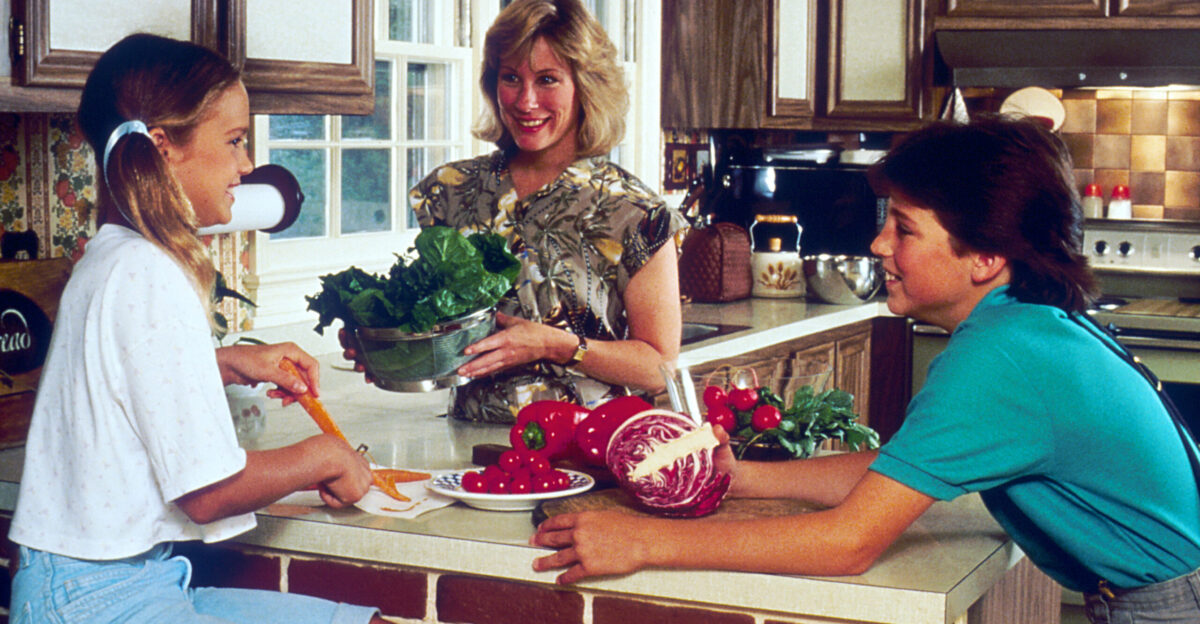
Boomer parents operated from a deliberate belief system: independence emerged through necessity and consequence, not instruction or emotional scaffolding. Psychologist Diana Baumrind’s 1960s research outlined an “authoritarian” approach where parents set clear rules with minimal explanation or warmth. This wasn’t considered cruelty—it was efficient parenting. Kids learned to scramble eggs independently, complete homework without hovering supervision, and make decisions about where to roam. The cultural logic held that obedience came first; emotional development followed naturally.
This philosophy produced tangible results. Generation X became comfortable with autonomy, resourceful problem-solvers who thrived without constant guidance. Free play built creativity. Consequences taught accountability. These weren’t accidental benefits but reflected an intentional parenting strategy about childhood development.
Safety Standards That Didn’t Yet Exist
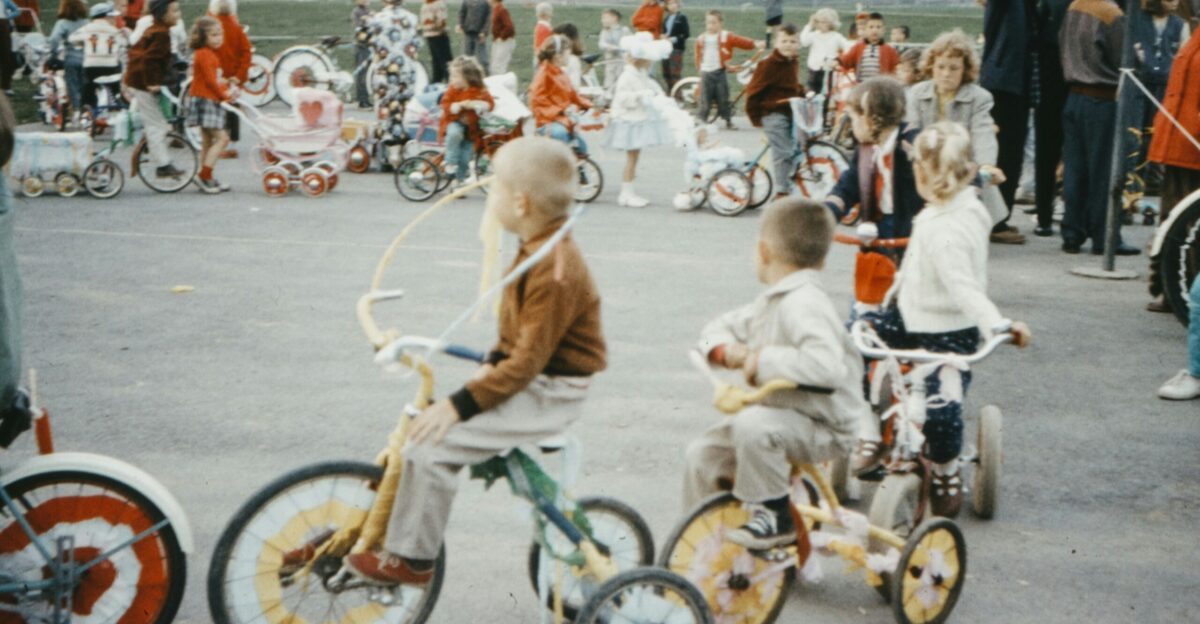
The casual approach to physical safety would horrify modern parents. Children piled into pickup truck beds, rode bicycles without helmets, and sat on parents’ laps while driving. Car seats didn’t exist as standard equipment. The American Academy of Pediatrics launched formal safety initiatives in the late 1980s; mandatory car seat laws arrived even later. Smoking was everywhere—cars, kitchens, bedrooms—with no understanding of secondhand smoke risks or the connection between maternal smoking and sudden infant death syndrome.
These weren’t deliberate oversights. Parents simply lacked access to research that would later establish real health harms and prevention strategies. The knowledge gap was genuine, not negligent.
Discipline and Emotional Processing

Photo by seeetz on Unsplash
“Spare the rod, spoil the child” lived throughout the 1980s culture. Spanking, belts, and wooden spoons weren’t controversial—they were routine household discipline. Parents believed fear was an efficient teacher; quick compliance mattered most. Reading children’s diaries, eavesdropping on phone calls, and surprise backpack searches represented “responsible parenting” rather than privacy breaches. Boundaries between parent and child were far more porous.
Emotional processing looked different, too. Boomer households didn’t discuss feelings through family conversations. Children internalized stress and confusion without parental reflection. Crying was briefly indulged or shut down with “you’re fine” or “rub some dirt on it.” This emotional stoicism wasn’t considered coldness—it was preparation for adult life.
What Research Later Revealed
Between 1983 and 2025, a significant accumulation of scientific evidence has fundamentally shifted our understanding of parenting. Elizabeth Gershoff’s 2002 meta-analysis examined 88 studies on corporal punishment and found only one positive outcome: immediate obedience. The rest revealed troubling patterns—increased aggression, higher delinquency, reduced moral development. Attachment theory demonstrated that emotional connection strengthened rather than weakened children’s resilience. Authoritative parenting (combining clear boundaries with emotional warmth) consistently outperformed authoritarian approaches across cultures.
This wasn’t judgment of boomer parents—it was knowledge they didn’t possess when raising children.
Modern Parenting’s Different Trade-Offs

Today’s parents claim moral high ground on safety and emotional awareness. Yet new problems emerged. Childhood anxiety and depression climbed. Over-scheduling eliminated free play and boredom-driven creativity. Constant digital monitoring created trust issues. The shift from boomer parenting wasn’t a simple progression, but rather a series of trade-offs: modern parents gained safety and emotional attunement, while losing space for independence and the opportunity to learn from natural consequences.
Synthesizing Both Approaches
Balanced contemporary parenting borrows thoughtfully from both eras: clear safety standards and emotional attunement recommended by research, combined with space for kids to climb trees, scrape knees, and figure things out with minimal hovering. The goal isn’t to return to 1983 or remain stuck in 2025. Future parenting likely involves less surveillance but more intentional connection, safety equipment without constant hovering, and independence training paired with emotional support. The best approach draws on the intuition of boomer parents about consequence-based learning, while embracing modern knowledge about child development, safety, and the surprising power of combining both structure and autonomy.
Sources
American Academy of Pediatrics (AAP). “First Ride… A Safe Ride” program and car seat safety guidelines evolution, 1980s–2002.
Elizabeth Gershoff. Meta-analysis of 88 studies on corporal punishment effects. Journal of Child Psychology and Psychiatry, 2002.
Diana Baumrind. Parenting styles research framework: Authoritarian vs. Authoritative approaches. University of California Berkeley developmental psychology, 1960s–1990s.
Flaura K. Winston, M.D., Ph.D., FAAP. Real-world crash studies on child passenger safety and premature graduation from car seats.
John Bowlby & Mary Ainsworth. Attachment theory research on parent-child bonds and stress regulation in child development.
American Academy of Pediatrics & CDC. Secondhand smoke exposure health effects: respiratory infections, asthma, SIDS risk, smoking uptake likelihood research, 1980s–2010s.