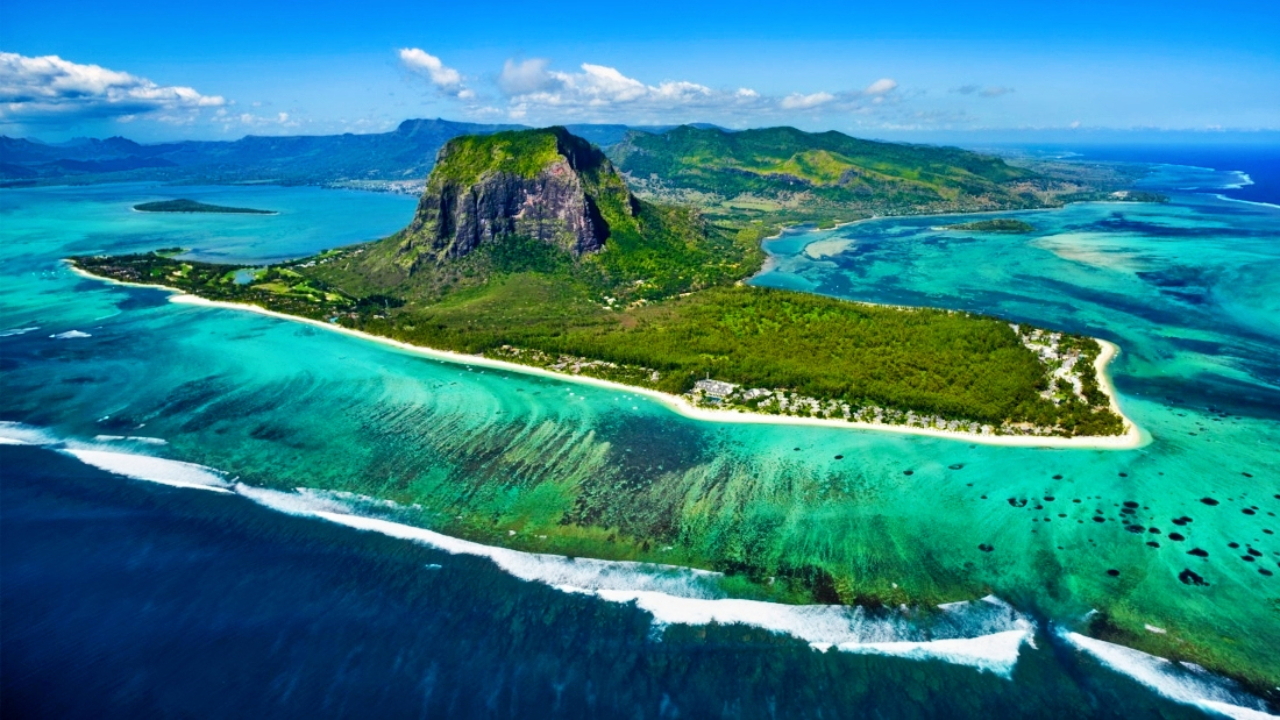
Beneath nearly two million square miles of Pacific Ocean lies a landmass larger than Greenland—one that remained hidden from formal scientific recognition until 2017. Zealandia, now classified as Earth’s eighth continent, represents a fundamental shift in how geologists understand planetary geography. The revelation has triggered a cascade of implications spanning resource management, maritime boundaries, and environmental stewardship across the Pacific region.
A Century of Geological Mystery

The story of Zealandia’s discovery spans centuries of incremental scientific progress. In 1642, explorer Abel Tasman sailed unknowingly above the submerged continental shelf. More than two centuries later, in 1895, geologist Sir James Hector first proposed that New Zealand might represent the visible peak of a sunken continent. The scientific establishment, lacking conclusive evidence, dismissed the hypothesis as speculation.
The mystery persisted through the twentieth century until technological advances transformed oceanic research. Satellite mapping, deep-sea drilling expeditions, and fossil analysis gradually assembled the puzzle. The International Ocean Discovery Program proved instrumental, conducting drilling missions that extracted sediment cores confirming the continent’s existence beneath the waves.
The 2017 Confirmation
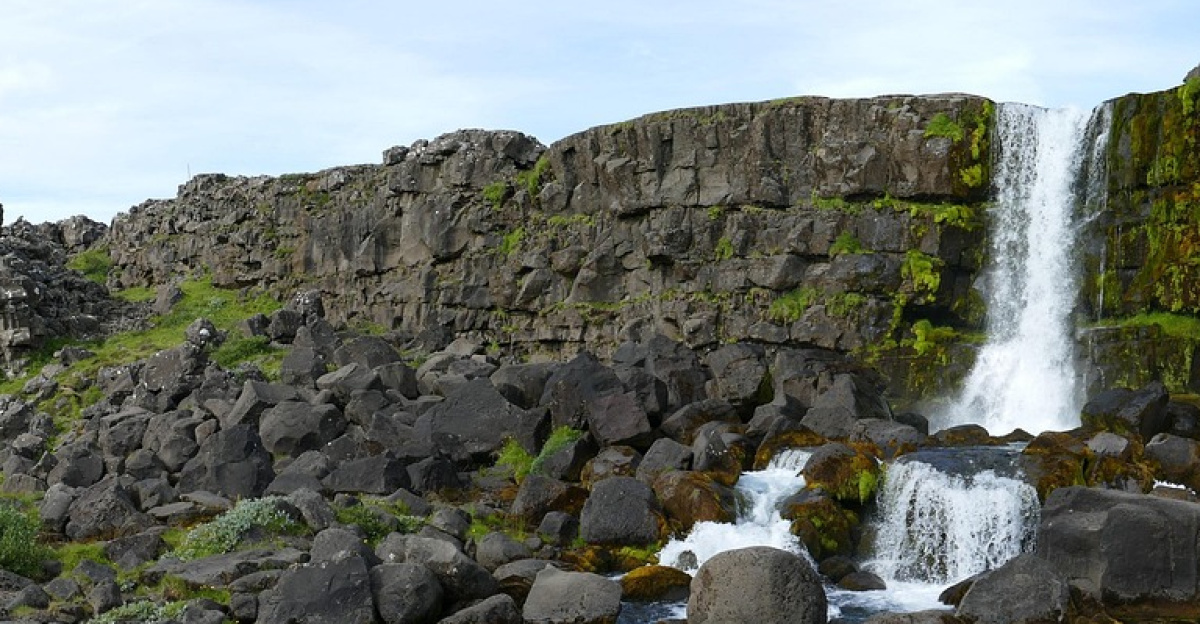
In 2017, GNS Science, New Zealand’s Crown Research Institute, published a landmark peer-reviewed study in GSA Today that provided definitive proof. The research confirmed that Zealandia spans nearly 2 million square miles, with 94 percent of its area submerged underwater. Only its highest peaks—New Zealand, New Caledonia, and the Chatham Islands—break the ocean surface. This finding ended 375 years of scientific debate and established Zealandia as a coherent continental structure rather than fragmented geological anomalies.
Fossil Records and Ancient Ecosystems

Paleontological evidence strengthens Zealandia’s continental classification. Fossils discovered across the region, including pollen grains and sauropod remains, indicate that Zealandia once existed above sea level as a fertile landmass. These ancient remains provide vital clues about the region’s evolutionary history and suggest thriving ecosystems existed millions of years before the continent submerged. The fossil record demonstrates that Zealandia was not merely a geological curiosity but a once-thriving terrestrial environment.
Geopolitical and Economic Implications
Zealandia’s formal recognition carries profound consequences for Pacific governance and resource management. The continent’s seabed potentially harbors vast mineral resources and untapped energy reserves. New Zealand has begun reevaluating its resource claims and marine boundaries through frameworks established by the UN Commission on the Limits of the Continental Shelf. Strategic maritime policies are now under development to balance sustainable resource exploration with conservation priorities.
The acknowledgment of a new continent beneath the Pacific will likely trigger renegotiation of maritime boundaries and resource rights throughout the region. Countries surrounding Zealandia and marine research organizations are intensifying efforts to explore and potentially claim access to its submerged resources. This competition reflects both scientific interest and economic opportunity.
Environmental Considerations and Future Research
The rising interest in Zealandia’s resources has prompted environmental concerns. Though submerged, the continent’s ecosystem may harbor delicate marine environments requiring protection. Environmentalists are advocating for responsible exploration that balances resource extraction with conservation of fragile underwater ecosystems.
Ongoing research will continue to unlock Zealandia’s secrets. Geologists and marine researchers are planning additional drilling and mapping missions to reveal more about the continent’s geological history, resource potential, and role in Earth’s evolving structure. These efforts represent the beginning of a new frontier in geological science.
Zealandia’s recognition signals a broader shift in scientific understanding. The discovery challenges traditional perceptions of continental boundaries and demonstrates that significant portions of Earth remain unexplored. As textbooks and scientific literature are updated to include the eighth continent, a new generation of researchers is inspired to reconsider the planet’s hidden geological treasures and the possibilities that lie beneath the ocean’s surface.