
The United States is experiencing a historic wave of internal migration in 2025, with millions of residents reassessing where they want to build their futures. Rising housing costs, tax burdens, natural disasters, and employment prospects are compelling families and professionals to leave established communities for states offering greater affordability, opportunity, and quality of life.
This demographic shift is significantly altering local economies, real estate markets, and political dynamics across the country.
The High-Cost Exodus

California and New York lead the nation in outbound migration, driven by nearly identical pressures. California residents face a combination of soaring property values, frequent and severe wildfires, and insurance premiums that have become prohibitive for many middle-class households and retirees. Heavy taxation and regulatory burdens compound these challenges, prompting families to seek alternatives in Texas, Arizona, and Nevada.
New York’s situation closely mirrors this pattern. Manhattan’s steep taxes, extremely high housing costs, and overall expense of living have contributed to a sustained exodus toward the Hudson Valley, Florida, and the Carolinas. Recent Census and migration data confirm that New York continues to post among the highest outbound migration rates in 2025, with both young professionals and retirees choosing to relocate.
Massachusetts presents a similar case: living expenses run roughly 50% above the national average, and harsh winters add to the strain, pushing young families and established professionals toward warmer, more affordable regions. Housing analyses consistently rank Massachusetts among the top states for outbound moves.
Environmental and Insurance Pressures
Florida’s rapid growth has slowed as environmental and insurance costs mount. Home insurance premiums have risen sharply, in some areas effectively tripling due to recurring hurricanes and flooding, forcing long-term residents to reconsider whether the state remains viable despite its no-state-income-tax policy. For many, the financial and physical risks tied to climate-related events now outweigh traditional incentives for relocation.
Alaska faces similar pressures, intensified by its extreme conditions. It ranks among the states with high outbound migration, with brutal winters, elevated living costs, and limited employment opportunities pushing residents toward milder climates and stronger regional economies. Recent population data document a continued decline as Alaskans look for more hospitable alternatives.
Tax Structures and Regional Decline

New Jersey’s status as the state with the nation’s highest property tax rate in 2025 has accelerated migration to neighboring Pennsylvania and Delaware. Young professionals searching for attainable homeownership and retirees trying to stretch fixed incomes are increasingly leaving suburban communities, particularly in Central Jersey, in search of financial relief. Illinois continues to lose residents, especially from Chicago and surrounding suburbs, as high property taxes, concerns about crime, and stagnant job markets prompt families to relocate to states such as Indiana and Tennessee. A recent moving study ranks Illinois among the top states for outbound moves, reflecting ongoing population pressure.
Connecticut’s scenic appeal and quality of life are offset by a costly tax structure and limited employment growth. Younger residents often pursue career opportunities in Texas and the Carolinas, while many retirees gravitate toward states without income taxes. As a result, the state’s population has declined or remained flat over much of the past decade.
Technology Hubs and Housing Affordability

Seattle’s once‑magnetic tech sector now struggles more to retain workers as housing costs have surged since 2020. Families and professionals are increasingly relocating to nearby states such as Idaho and Oregon, where housing remains comparatively accessible. Long commutes, congestion, and the broader cost of urban living have intensified this outflow, reinforcing findings from major housing and migration analyses.
Emerging Patterns in Stable States and Cold Climates
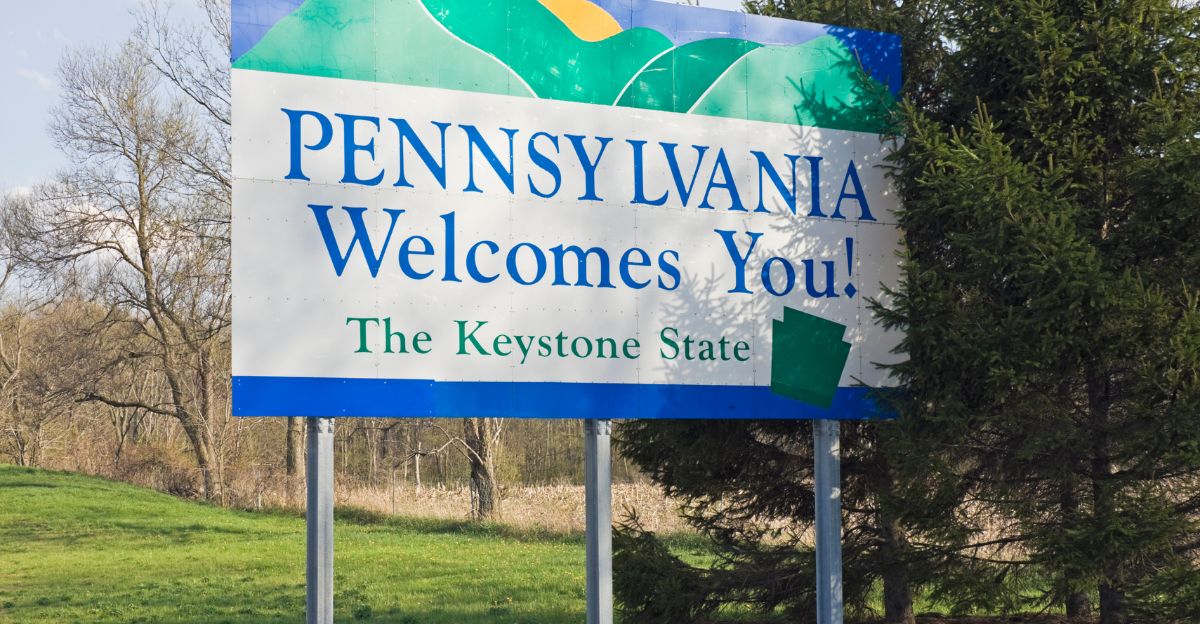
Pennsylvania’s overall population remains relatively stable, but Philadelphia has seen quiet yet steady outbound migration as income growth fails to keep up with rising living expenses. Retirees often move south for lower costs and milder weather, while younger workers leave in search of stronger wage growth, even as many suburban and rural areas of the state continue modest expansion. Virginia shows a mixed picture: Northern Virginia faces rising home prices and employment uncertainty tied to federal contracting, while southern and coastal regions remain attractive due to better affordability and emerging industries.
Maryland maintains broad demographic balance, with inbound and outbound flows roughly offsetting each other, helped by stable government and healthcare employment despite high housing costs in several metros. Wisconsin’s modest outward migration reflects both harsh winters and slower economic diversification. Young professionals are increasingly drawn to warmer, faster‑growing states like Texas and North Carolina, and rural areas often struggle most to retain residents as traditional industries change.
Minnesota faces similar demographic headwinds: an aging population and shrinking job diversity in key sectors encourage younger adults to seek opportunities in Texas and Florida, where rents are generally lower and career paths more varied, even as Minnesota’s strong quality of life and education system keep many residents in place. Kentucky also ranks high for outbound migration, with residents moving to states offering stronger economies and better wage growth; although housing there is relatively affordable, limited employment options and stagnant wages drive younger workers toward Ohio, Indiana, and Tennessee.
Implications and Forward Outlook
These migration patterns highlight fundamental shifts in American priorities. Residents increasingly emphasize affordability, employment stability, and quality of life over long‑standing attachments to particular communities or high‑status regions. States with lower tax burdens, diverse job markets, and relatively reasonable housing costs are capturing population growth, while high‑cost regions continue to face sustained demographic and fiscal pressure.
This ongoing redistribution is poised to reshape regional economies, alter political representation, and force policymakers in high‑outbound states to confront structural issues, such as housing supply, taxation, climate risk, and economic competitiveness, that are driving residents to seek better conditions elsewhere.