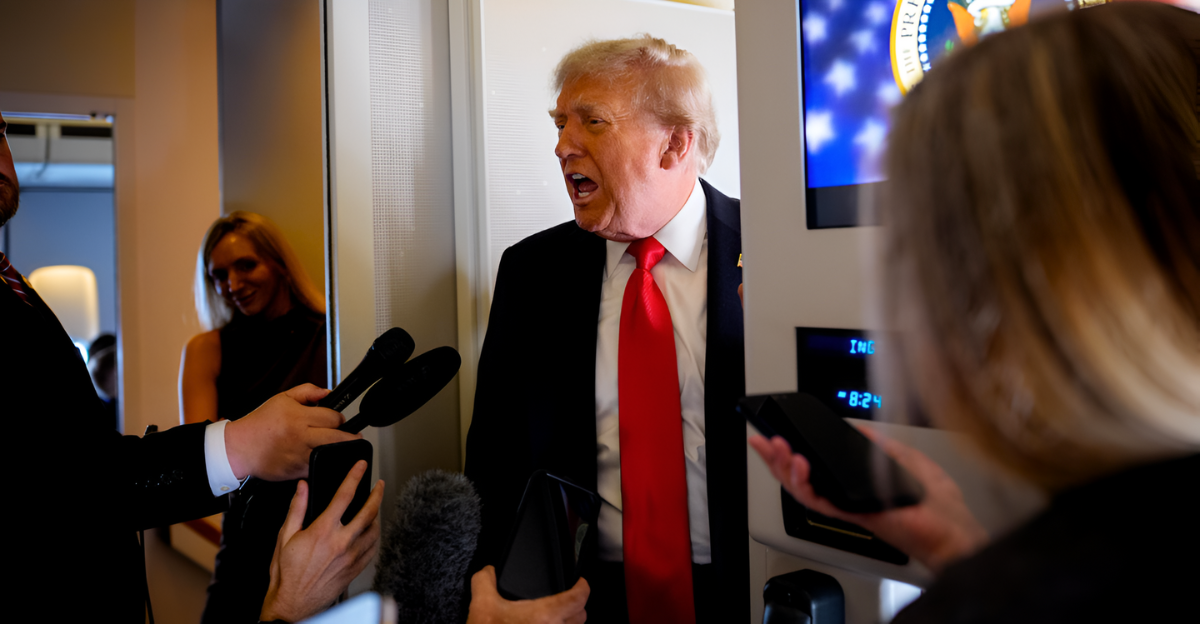
Public sentiment on Donald Trump’s handling of the U.S. economy has shifted notably over the past year. According to Pew Research, Trump’s economic approval is now at just 38%, his lowest since retaking office.
“Americans are expressing rising unease about the president’s economic choices,” said Jocelyn Kiley, Pew’s director of politics research. This signals new political vulnerability.
Mounting Doubts for 2025
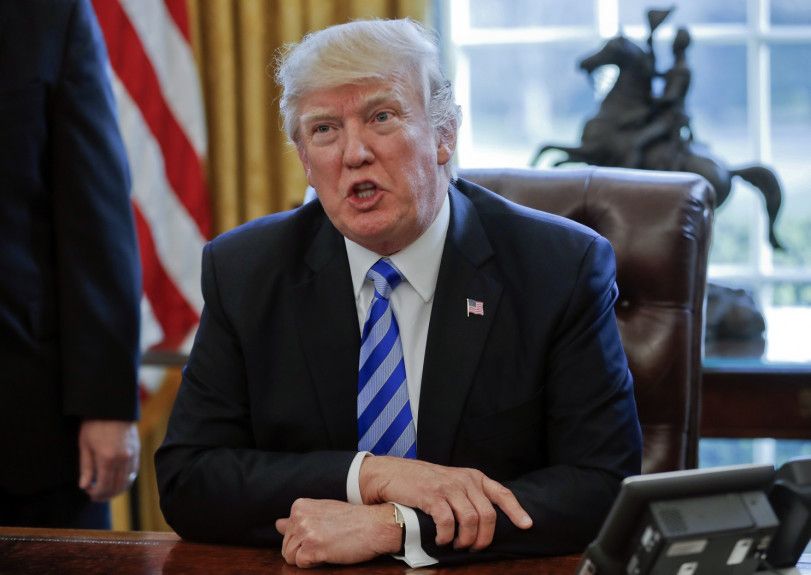
A succession of recent polls reveals mounting doubts about Trump’s direction on core economic issues. Reuters reports a 40% general approval rating, with a majority of voters—54%—now disapproving of his leadership.
“The sharp rise in negative ratings suggests a confidence crisis,” said political scientist Dr. Marcus Ray. Such trends could impact his prospects in the coming elections.
Historical Context

Trump once enjoyed comparatively high marks on economic stewardship, especially early in his presidency. Polls from his first term routinely showed an economic approval edge of 7 to 10 points.
However, major shifts in trade and tax policy have reversed much of that advantage, contributing to the current skepticism and discontent among the electorate.
Pressures Mount on Policy
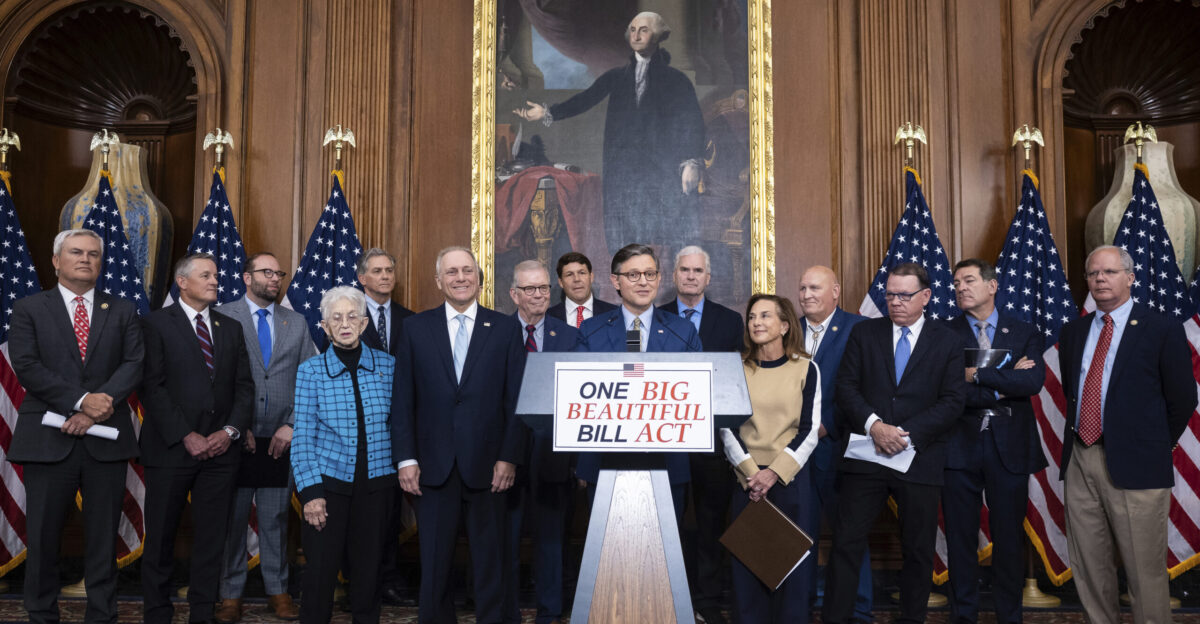
The president’s widely discussed “One Big Beautiful Bill” and expanded tariffs have faced strong headwinds from both voters and analysts. Gallup finds that 61% of Americans disapprove of these tariffs, with doubts crossing party lines.
“The surge in import costs and supply fears is a top concern,” said Dr. Emma Lane, economist. Political consensus for Trump’s economic model is waning quickly.
Clear Doubts
The main finding: as of mid-August 2025, just 39% of Americans approve of Trump’s economic management, while 53% disapprove, according to the latest Economist/YouGov poll.
This net approval—a negative -14 on economic management—is the lowest of his second term. Voters are expressing clear doubts about his ability to steer the economy.
Trouble in Key Regions
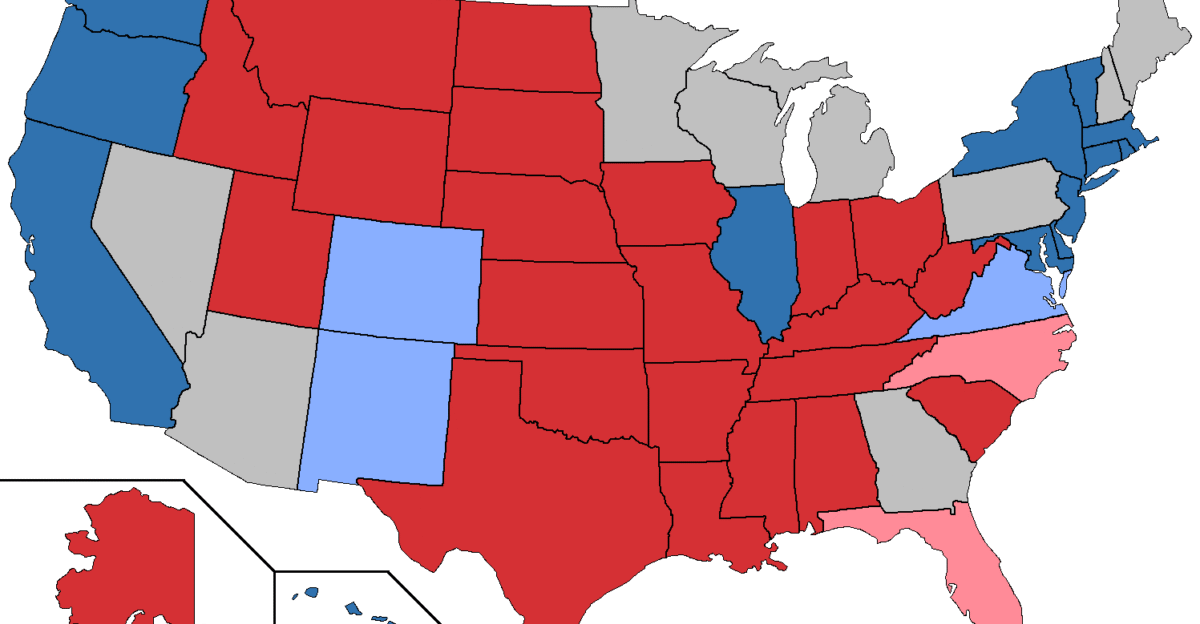
Midwestern swing states in particular show sharp drops in confidence. Small business owners are struggling with higher import costs due to tariffs, and regional manufacturing has been hit hard.
“We’re being squeezed by every new policy,” said Michigan toolmaker Terry Spence. Local economies are feeling the strain, adding to Trump’s headaches.
Voices from the Voters

“Optimism from 2020 has disappeared,” said Ohio steelworker Maria Flores, whose plant instituted cutbacks amid rising materials prices.
Multiple industry groups cite layoffs and wage freezes as primary voter grievances. Those affected say they once hoped for improvement but now report little relief from economic anxiety.
Opponents Sensing Opportunity
Democrats and independents are leveraging Trump’s economic vulnerabilities, with new ads highlighting net-negative poll numbers.
“His claim as a job creator is falling apart,” noted analyst Kendra Yost. Labor groups and business advocates alike are challenging the administration to deliver immediate results.
Historical Low Point
These polling trends mark a sharp break from historical precedent. The Pew survey found that 53% say Trump is making the federal government work worse, while only 27% say he is making it better.
The gap between expectation and perceived performance has rarely been wider for any incumbent in the past four decades.
Responsibility Shifts

A shifting narrative emerges: 55% of Americans now say Trump holds primary responsibility for the nation’s economic struggles, surpassing those who blame Congress or global factors.
“Presidents inevitably get the blame or the credit,” said Jay Campbell, public opinion specialist. This shift in public perception complicates Trump’s policy messaging.
Frustrations Boil Over
Owners of manufacturing businesses are voicing sharp frustration over unclear and shifting guidance from Washington.
Trade association president Alex Greene said, “Changing rules have made it almost impossible to plan ahead.” Economic uncertainty is reducing investment and hiring, especially in sectors strongly affected by tariffs.
Team Turbulence
Inside the White House, confidence is also shaken. Multiple high-profile advisers on economic matters have recently departed, sparking stories of internal friction.
“Strategic vision has been hard to define,” said a former adviser who spoke on background. The campaign’s adjustments are ongoing.
Campaign Response

In response, the Trump campaign has redoubled efforts to tout early job numbers and push back on negative headlines.
“We delivered for working families before, and we will again,” said campaign spokesperson Lauren Reed. New tax cut pledges and supply-chain reform are the core of this renewed pitch.
Skeptical Economists
Yet, academic and business experts warn that the public’s sense of economic instability is real and persistent. “People are feeling the squeeze from all sides,” said Dr. Emily Jahn, Columbia economist.
Lingering inflation and modest wage growth fuel ongoing public pessimism despite partisan explanations.
What’s Next for Trump?
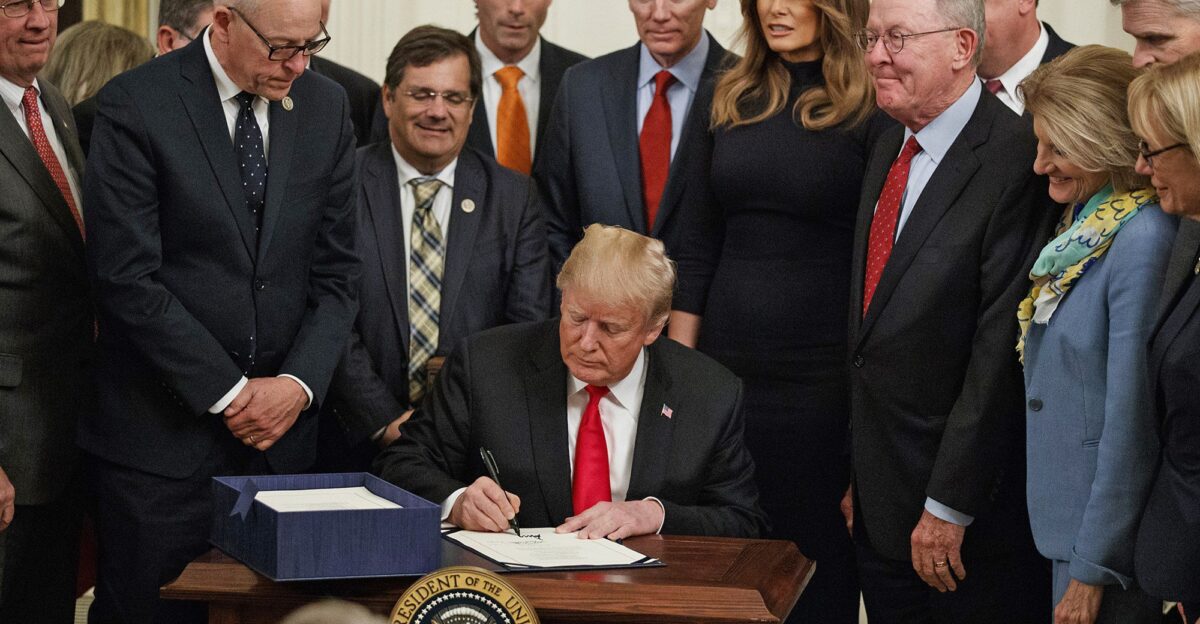
Looking ahead, the path to improvement is rocky. With little indication of an economic rebound, pollsters see scant evidence Trump can regain a durable advantage before the 2026 midterms. Many observers believe only a dramatic shift in macroeconomic trends could change voter sentiment.
Political Repercussions
Economic softness is weakening Trump’s overall pitch to swing voters. Democrats are emphasizing the polling gap in battlegrounds, while aides admit that “kitchen-table issues” now dominate campaign strategy. The next election cycle may hinge on whether new economic policies find support.
International Uncertainty
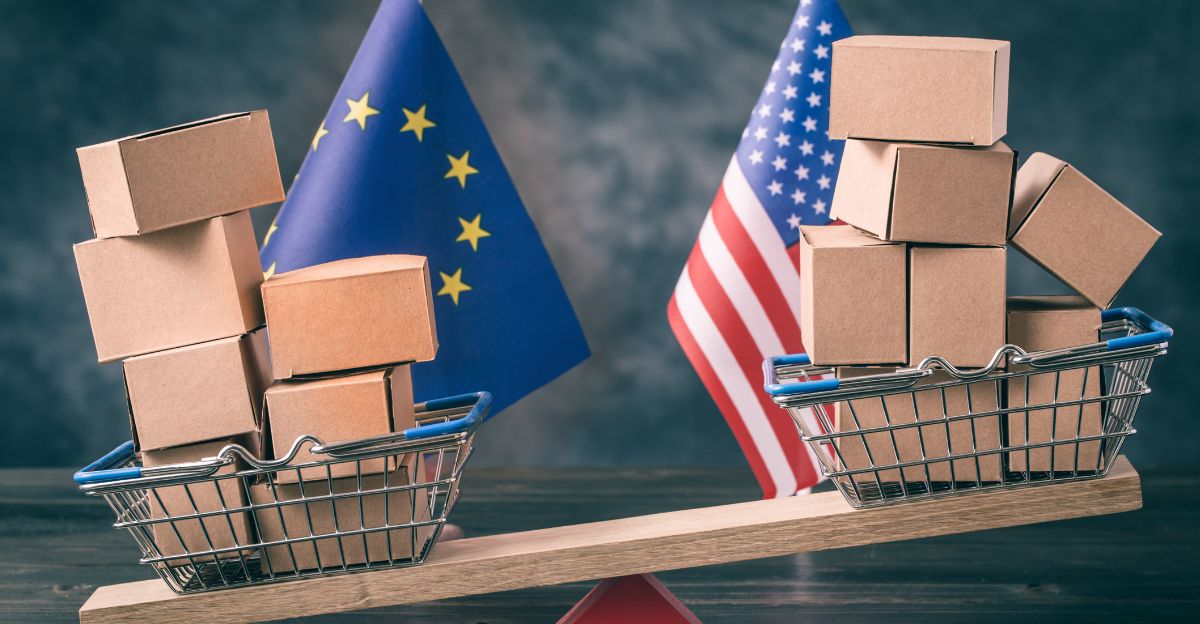
Abroad, world leaders are rethinking U.S. trade relations as tariff disputes continue. “American unpredictability on trade is destabilizing markets,” said European Union negotiator Pierre Verdier. Negative polling has been closely watched by analysts in Europe and Asia, raising the stakes globally.
Regulatory, Legal Response
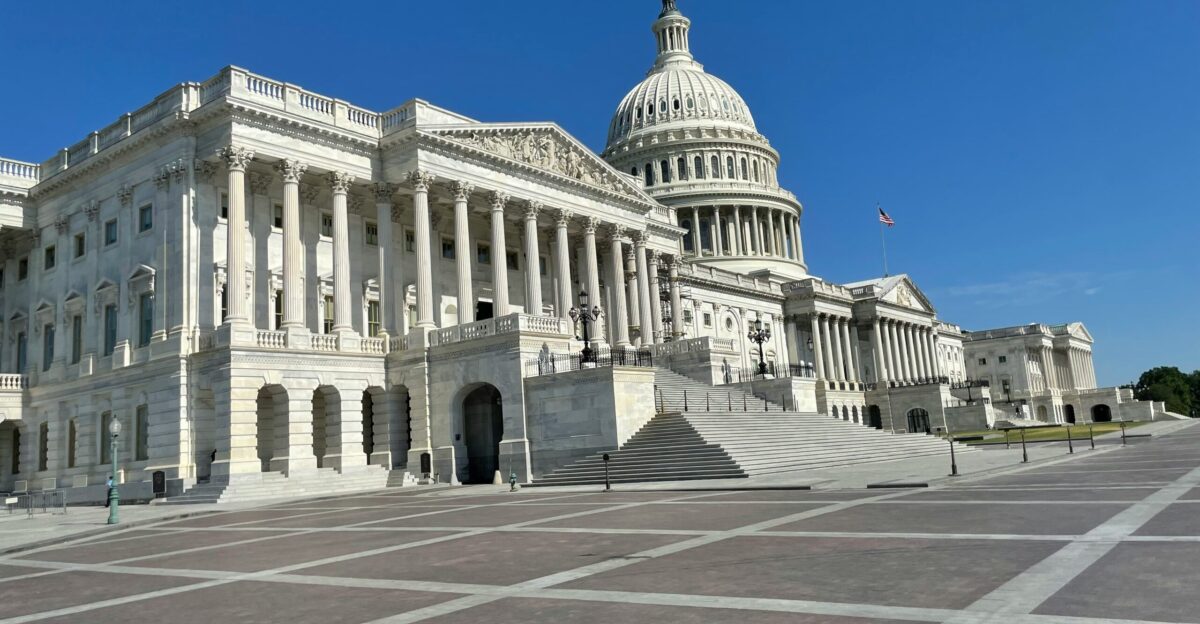
Trump’s controversial economic decisions have triggered several ongoing lawsuits and congressional hearings. Regulators are reviewing anti-trust and consumer protection issues, adding more complications.
“High-profile cases may dominate headlines right into the campaign,” noted political commentator Marsha Gill.
Generational Pessimism

Young voters are especially skeptical. Pew data shows Millennial and Gen Z approval of Trump’s economic policies is under 30%.
“Younger generations want new solutions for student debt and housing,” said youth advocate Sasha Carter. This generational divide could shape long-term political realignment.
Lessons Ahead
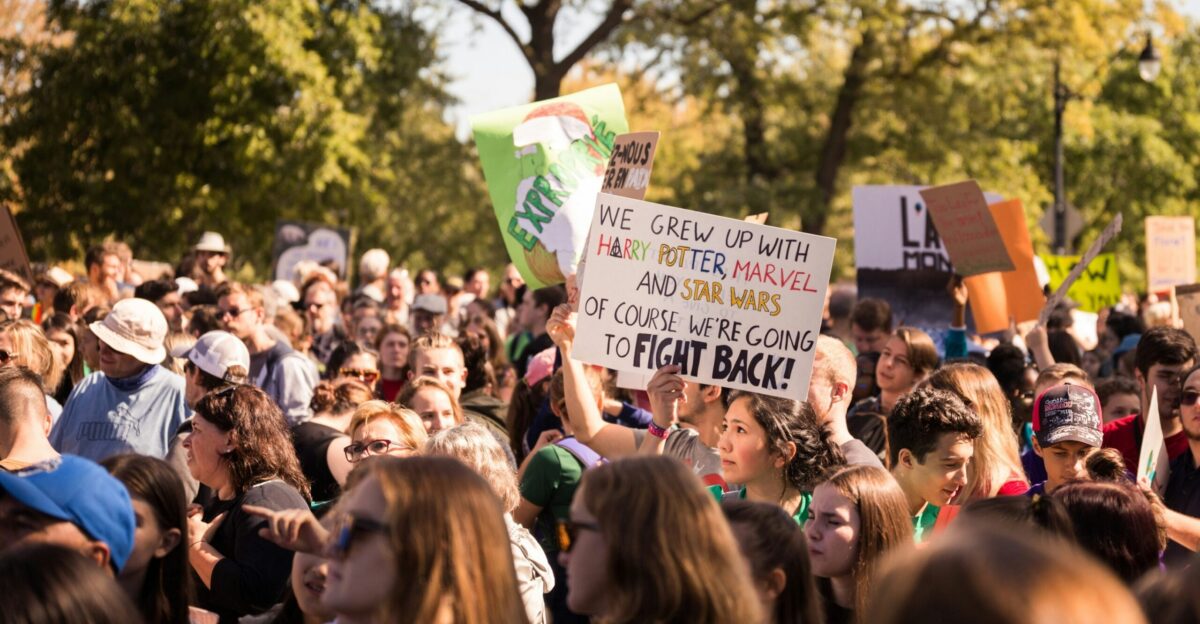
Ultimately, the current polling downturn highlights the centrality of economic issues in American politics. Experts agree that no candidate can take voter trust for granted. As election season intensifies, kitchen-table economics is likely to decide the national conversation.