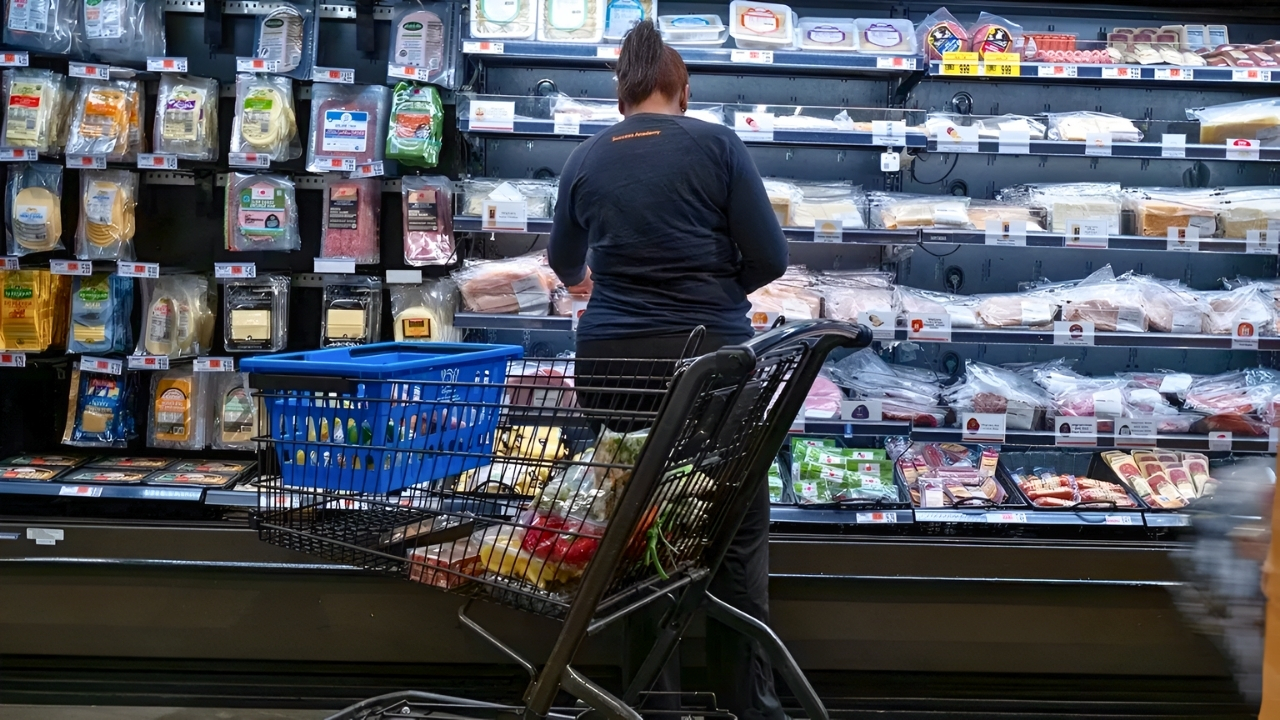
Two in five Americans have abandoned faith in President Trump’s economic pledges, according to November polling from Politico and Public First. But the truly destabilizing number emerges from his own electorate: one in five Trump voters who cast ballots for him just last year now blame him directly for their spiraling grocery bills.
The contrast cuts deep. During the 2024 campaign, Trump promised immediate relief—prices would plummet on day one. Nearly a year into his second term, that pledge has evaporated against the brutal mathematics of American household budgets. Sixty-five percent of Americans report that his policies are causing grocery prices to soar, while just eleven percent believe his claims that goods have become cheaper. For the first time in modern polling, groceries have displaced healthcare and housing as the single greatest financial anxiety for American families, with forty-five percent naming food affordability as their top household concern.
The disconnect between campaign rhetoric and checkout-aisle reality is crystallizing into something more dangerous: a fracturing coalition that no amount of messaging can repair.
Wholesale Costs Surge While Retailers Absorb Unsustainable Losses
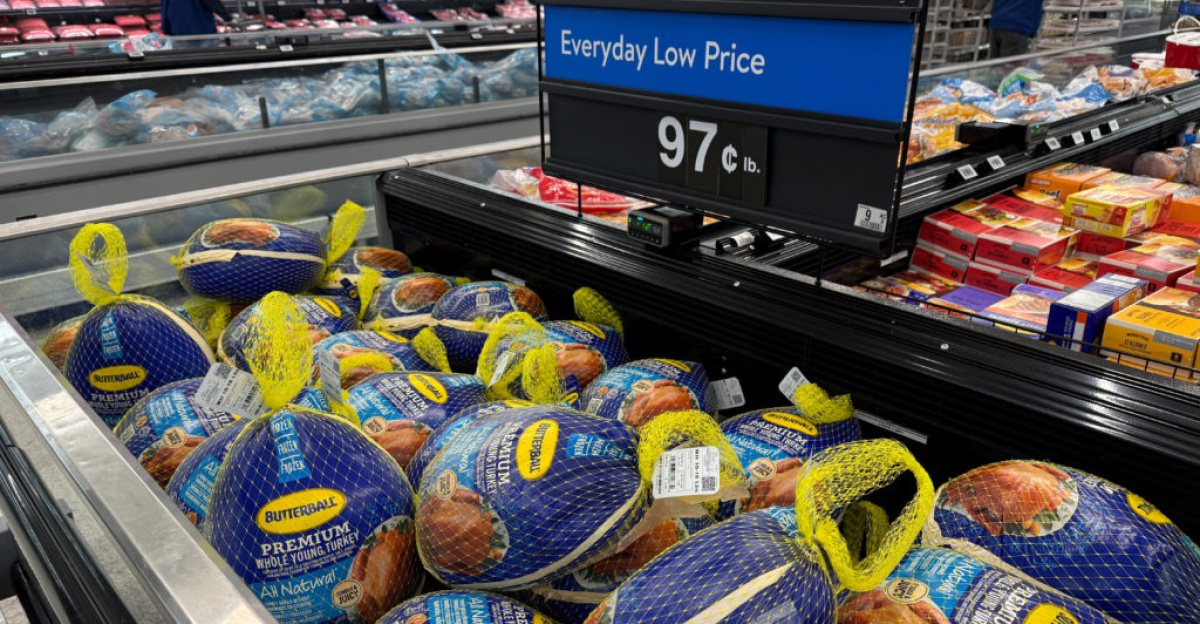
Wholesale costs have exploded across grocery categories, revealing the structural damage beneath retail promotions. Purdue University’s Center for Food Demand Analysis documented a seventy-five percent surge in wholesale turkey prices since October 2024, pushing average fifteen-pound birds to thirty-one dollars—a twenty-five percent spike from the prior year. Beef prices jumped fourteen percent year-over-year. Yet retailers like Walmart and Target maintain promotional pricing by absorbing massive losses temporarily. This shell game cannot last. According to the American Farm Bureau Federation, wholesale turkey prices are up seventy-five percent. In comparison, retail prices show a sixteen percent decline—a mathematically unsustainable gap that retailers bridge only through short-term sacrifice.
Trade policy has compounded food inflation through indirect channels. A twenty-five percent tariff on imported steel has inflated prices for canned goods, with some items such as canned cranberry sauce rising thirty-eight percent from prior-year levels. Coffee, tropical fruits, and other imports face additional tariff barriers. What was designed to boost American manufacturing has instead created unexpected consequences in the produce section and pantry shelves where ordinary families shop.
Trump’s Coalition Fractures as Core Supporters Break Ranks
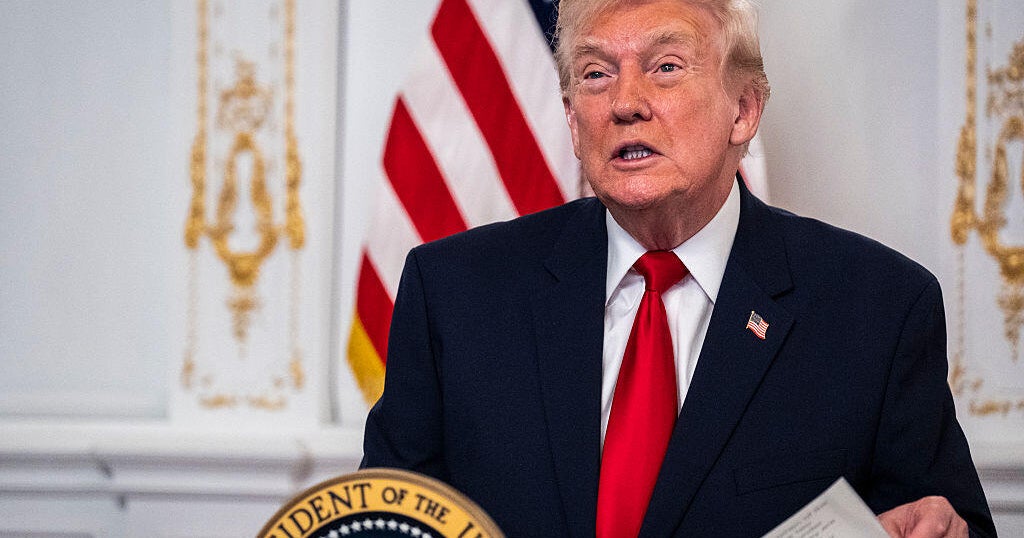
The political defection signals deeper trouble. Four in ten Republicans now express doubt about Trump’s affordability claims, and thirty-two percent say his policies made prices rise—revealing internal confusion within his core coalition about whether reality matches messaging. Rep. Marjorie Taylor Greene, long a loyal Trump defender, broke ranks during a November CNN appearance. “I go to the grocery store myself,” she told the network. “Grocery prices remain high. Energy prices are high. So, affordability is a problem.” Her public criticism, coming from one of Trump’s most devoted allies, underscores that even his strongest defenders cannot reconcile rising bills with administration talking points.
Demographic cracks run deeper than headline polling suggests. Hispanic voters who shifted toward Trump on economic promises are returning to Democratic ranks, with seventy percent saying his policies raise food prices. Younger Trump voters express greater skepticism about his affordability messaging. Working-class voters without college degrees—foundational to Trump’s base—now show record-high disapproval on economic performance.
Senior GOP Officials Sound Alarm on Political Liability
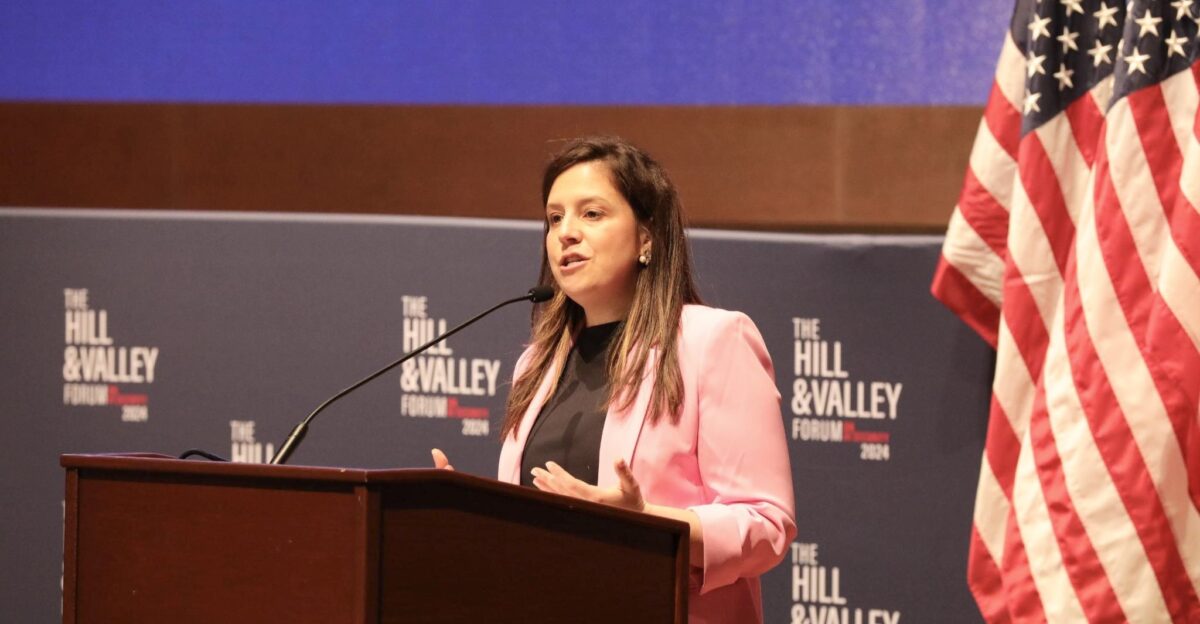
Senior Republicans acknowledge the peril. Rep. Elise Stefanik identified affordability as the unambiguous priority for her constituents. GOP strategist Doug Heye warned that Trump’s dismissal of affordability concerns does not assist Republican candidates. “Republicans need to relay to voters that they understand and are trying to fix it,” Heye stated—precisely the message Trump has not conveyed.
Economic Forecasts Point to Worsening Crisis and Electoral Consequences

Economists project worsening conditions ahead. Raymond Robertson, economics professor at Texas A&M University, warned Politico that indicators point to sharper price increases in the coming months. When retail discount windows eventually close, consumers will face the full wholesale price shock directly. Thanksgiving 2025 became a referendum on household finances, with families postponing expensive proteins and reducing quantities to manage credit card balances between paychecks.
Trump’s job approval has collapsed to thirty-eight percent, with affordability cited as the primary driver of disapproval. Democratic victories in Virginia, New Jersey, Georgia, and Pennsylvania were explicitly constructed around messages of affordability and economic opportunity. Historical precedent suggests midterm elections punish the party in power during financial hardship. If food prices climb as experts predict, Republicans could face significant losses in 2026.
The gap between a receipt in a shopper’s hand and a campaign promise repeated endlessly cannot be bridged by any messaging strategy.
Sources:
CBS News Poll, November 2025 – 65% of Americans say Trump policies cause grocery price increases; 40% of Republicans doubt his affordability claims
Politico and Public First Poll, November 2025 – 55% blame Trump; 20% of Trump voters blame him; grocery prices rank above health care and housing; Raymond Robertson warning on sharper increases
Purdue University Center for Food Demand Analysis and Sustainability – 75% wholesale turkey price increase since October 2024; $31 average 15-pound turkey (25% year-over-year); 14% beef increase
Rep. Marjorie Taylor Greene, CNN interview, November 2025 – Direct quote on grocery and energy prices
Reuters, Associated Press, Fox News polling – 38% job approval; demographic fractures; Elise Stefanik and Doug Heye commentary; Democratic midterm victories; Hispanic and working-class voter defection rates