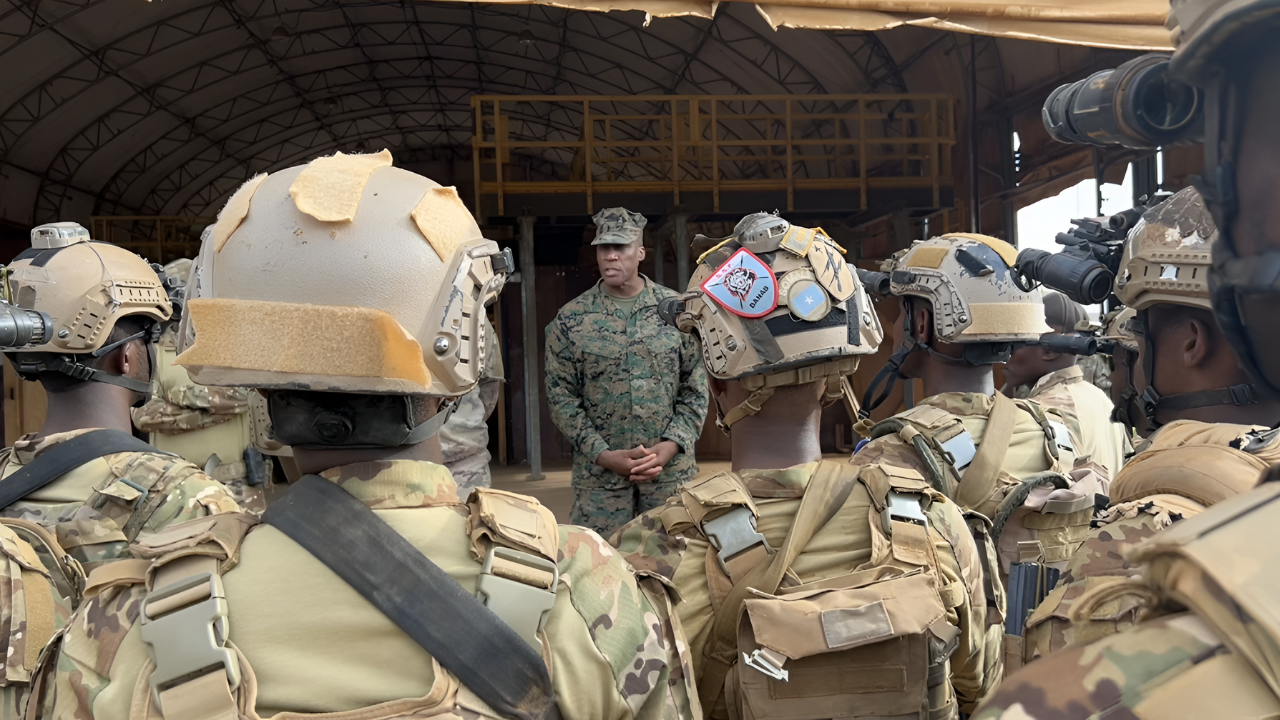
US special operations forces launched a high-stakes raid deep in Somalia’s Cal Miskaad mountains, targeting an ISIS base described as “external operations leader responsible for the deployment of jihadists into the United States and across Europe,” according to AFRICOM.
Over 100 U.S. operators joined 200 Puntland troops, neutralizing key militants while striking ISIS funding networks. But questions linger: why does this overseas operation get headlines, while domestic threats linked to the same group often operate in near silence? The story begins in Somalia but stretches across continents, raising concerns closer to home.
What’s Going On?
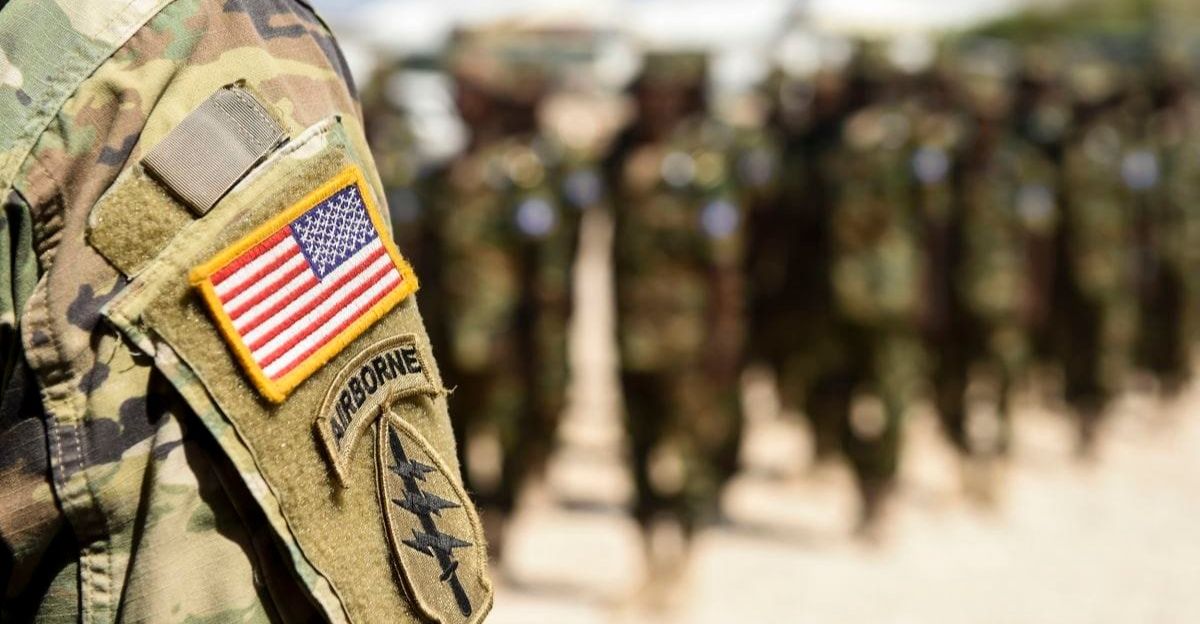
The raid killed senior ISIS-Somalia leaders, disrupted weapons caches, and destroyed gold-mining equipment funding terror operations. Analysts note ISIS-Somalia has grown to 1,600 fighters, 60 percent foreign. While this overseas strike is visible, questions linger about how U.S. agencies manage domestic recruitment and attacks linked to the Somali-based ISIS network.
Who Was Involved?
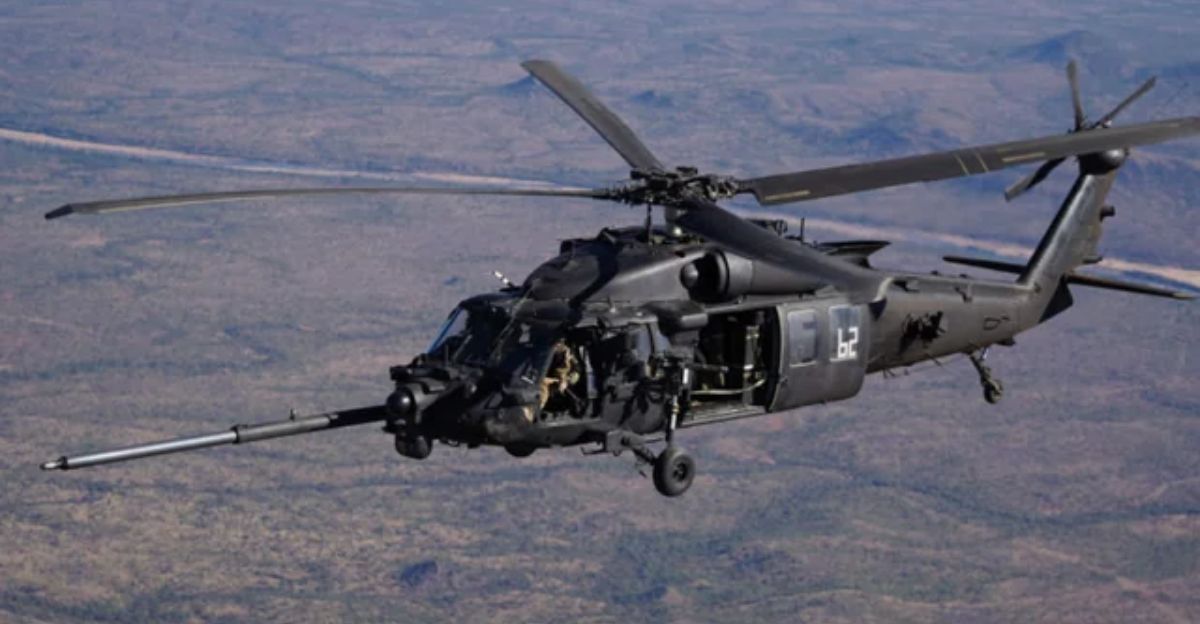
U.S. Special Operations forces led the raid with MH-60 Black Hawks and MQ-9 Reaper drones. Puntland Counter-Terrorism Forces contributed 200 troops in Operation Hilaac. The main target was Ahmed Maeleninine, an ISIS recruiter directing foreign fighters to the U.S. and Europe, highlighting the connection between Somalia-based ISIS cells and homeland threats.
The Somali Terror Threat
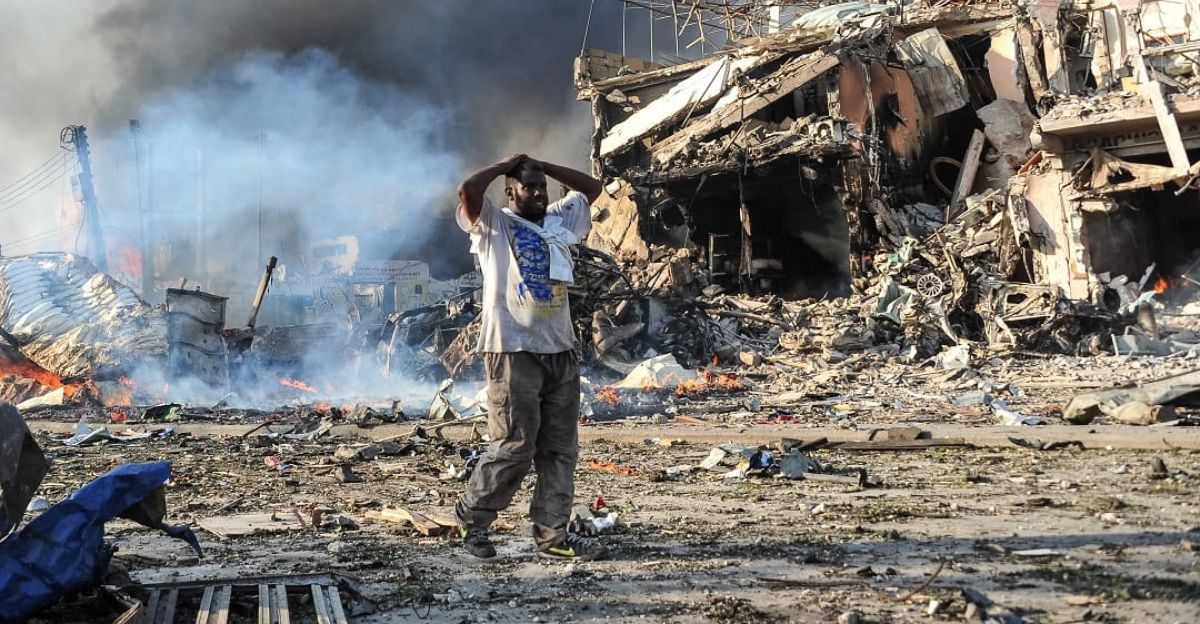
ISIS-Somalia hosts approximately 1,600 fighters from multiple countries, including Syria, Turkey, Ethiopia, and North Africa. Many trained in Cal Miskaad caves and gold-mining operations funded their missions. These foreign fighters enhance operational expertise and enable the group to export terror plots abroad, including potential attacks in the United States.
Recent U.S. Domestic Threat Cases
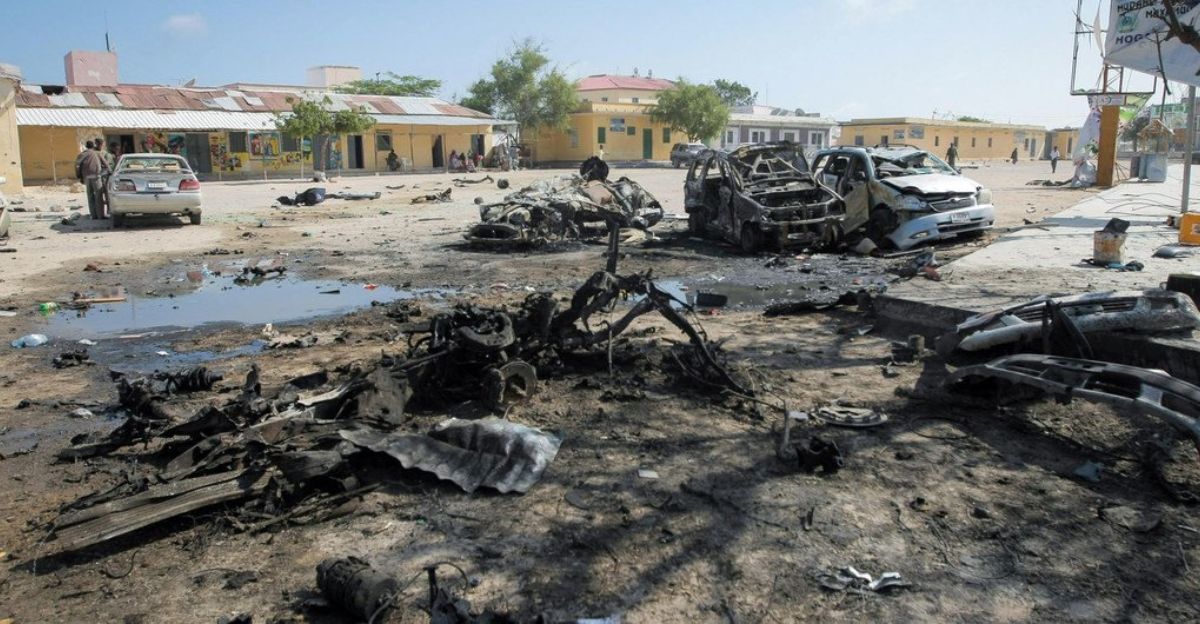
Several Americans tried to join ISIS-Somalia. Abdisatar Hassan from Minnesota attempted travel twice in 2025. Michael Teekaye Jr. from Maryland tried in 2024. Karrem Nasr and Harafa Abdi engaged in Somali-based operations previously. These cases show a domestic pipeline linking U.S. residents to overseas ISIS-Somalia operations.
Where Did the Raid Happen?
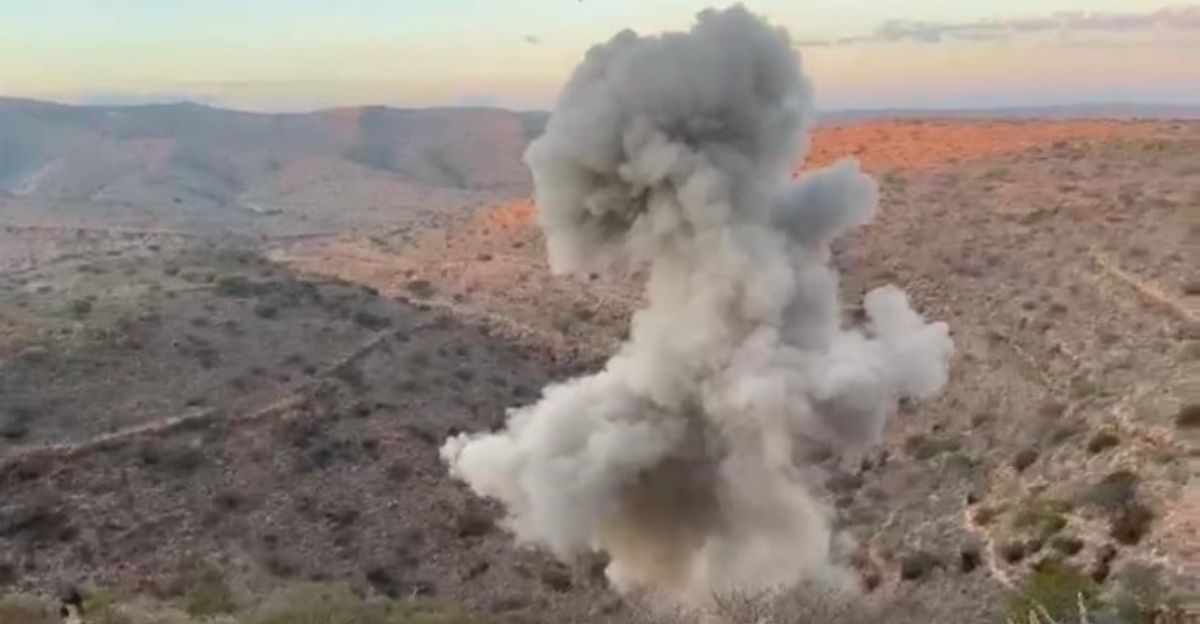
The operation took place in Baalade Valley, Bakuuje, and Mareero in the Cal Miskaad mountains of Puntland. This remote terrain offers fortified caves and strategic control, shielding ISIS-Somalia from Somali federal forces while facilitating foreign fighter integration and illicit gold-mining to fund operations.
When Did This Happen?
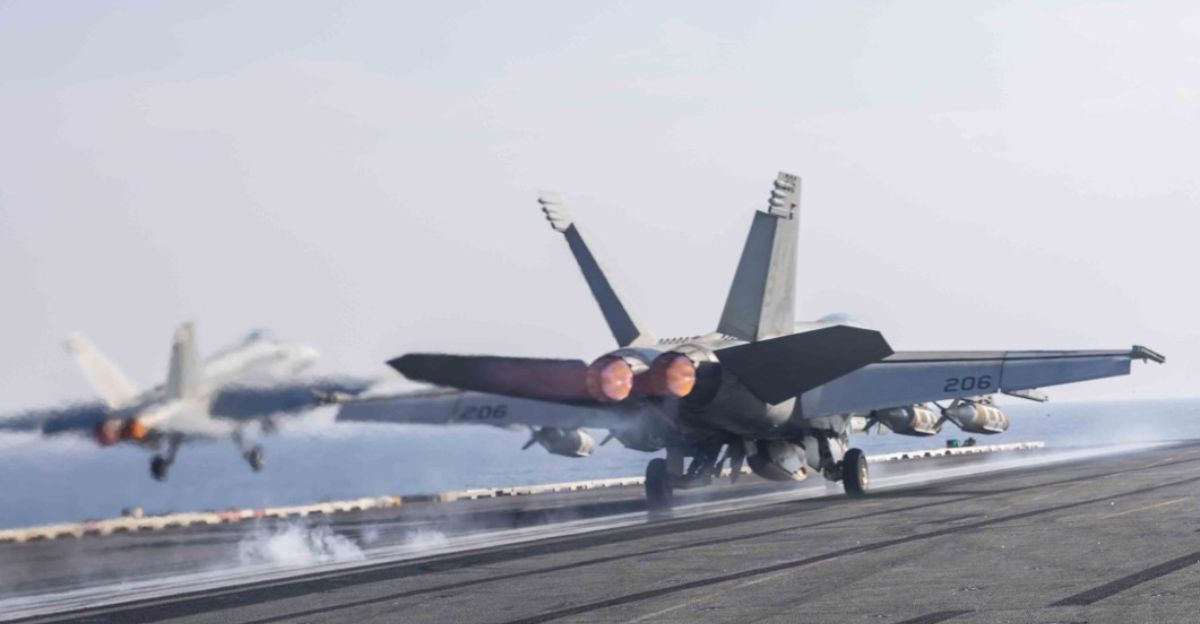
The main assault occurred pre-dawn on 25 November 2025. Preparatory U.S. airstrikes took place over several days. The raid marks the peak of 2025’s escalation strategy, with 38 U.S. strikes against ISIS-Somalia by June, compared with just one strike in 2024, demonstrating a rapid operational ramp-up.
How the Raid Was Carried Out
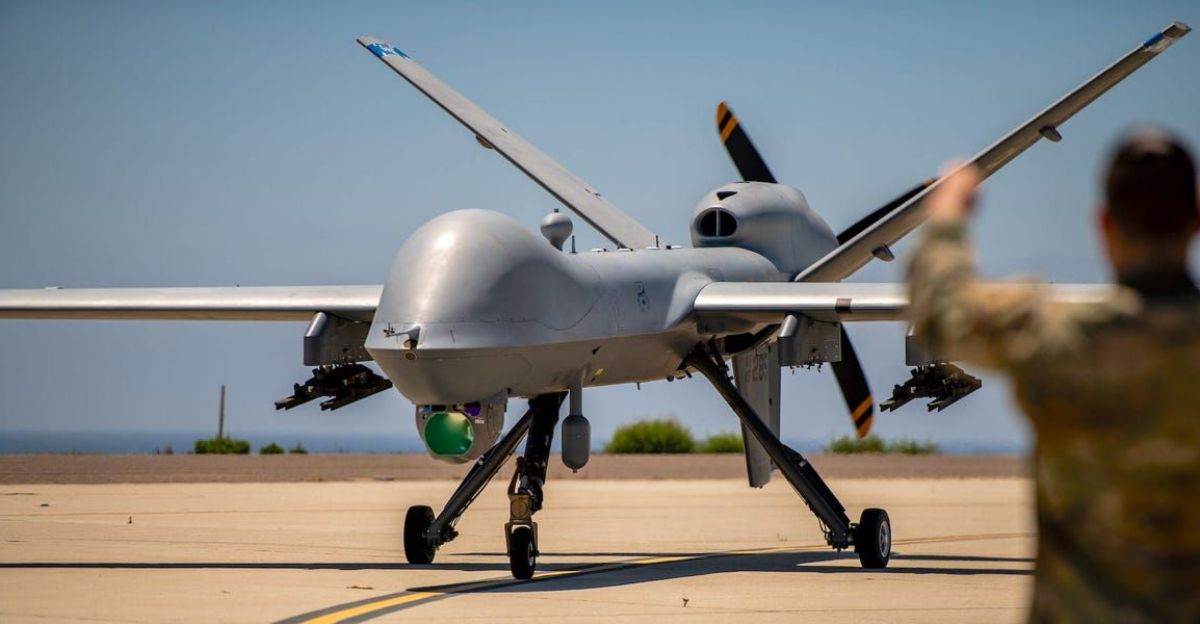
Operators entered via MH-60 helicopters under darkness, supported by MQ-9 Reaper drones for real-time surveillance. Preparatory airstrikes weakened enemy positions. Ground combat lasted 2-4 hours, clearing fortified caves. Weapons caches and gold-mining equipment were destroyed, achieving strategic disruption without U.S. casualties.
Raid Impact: Enemy Losses
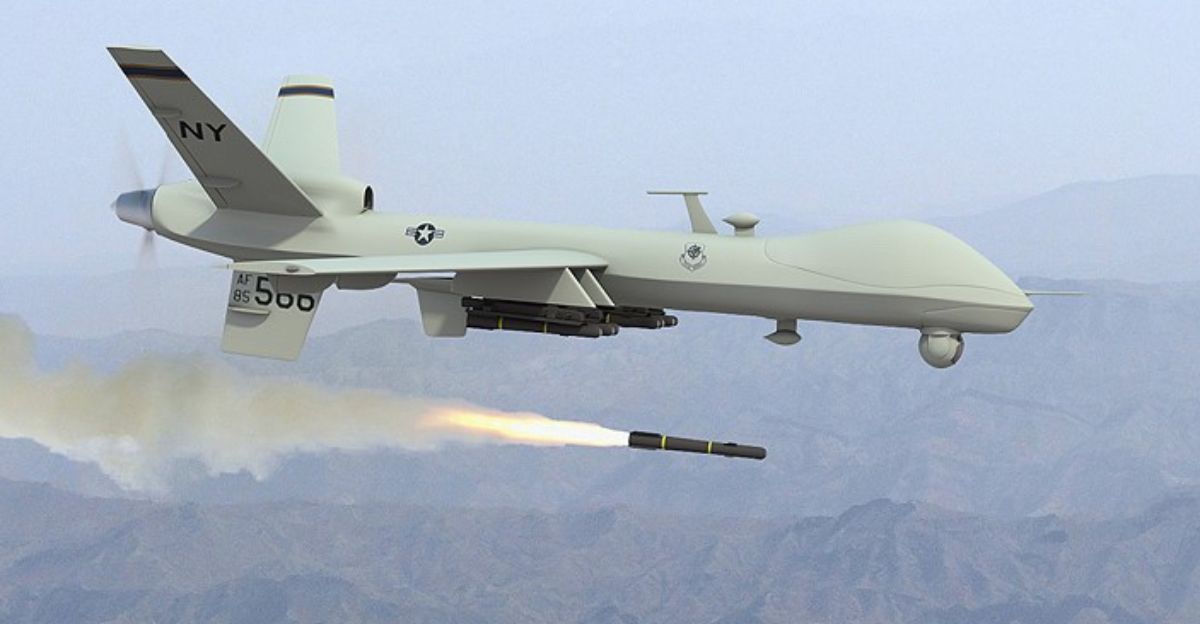
The raid killed 5-10 ISIS fighters, including senior leaders. Preparatory airstrikes eliminated several additional militants. Equipment destroyed included weapons and gold-mining gear, cutting an estimated $50K-$500K in annual funding per site. The coalition force of 300 troops successfully neutralized the threat without U.S. losses.
Why the Raid Was Needed

AFRICOM identified ISIS-Somalia as a direct threat to the U.S. homeland. Ahmed Maeleninine coordinated foreign fighters to the U.S. and Europe. The group doubled in size over one year. U.S. strategy targeted leadership, funding, and recruitment networks to disrupt both overseas and domestic threats.
Domestic Counterterrorism Operations

Contrary to claims of inaction, the FBI has 13,000+ counterterrorism personnel and $4.2 billion annual budget. Joint Terrorism Task Forces monitor Somali-American communities, arresting individuals before attacks occur. Arrests of Hassan, Teekaye, and Nasr demonstrate sustained domestic operations preventing violent plots.
Domestic Arrests and Monitoring
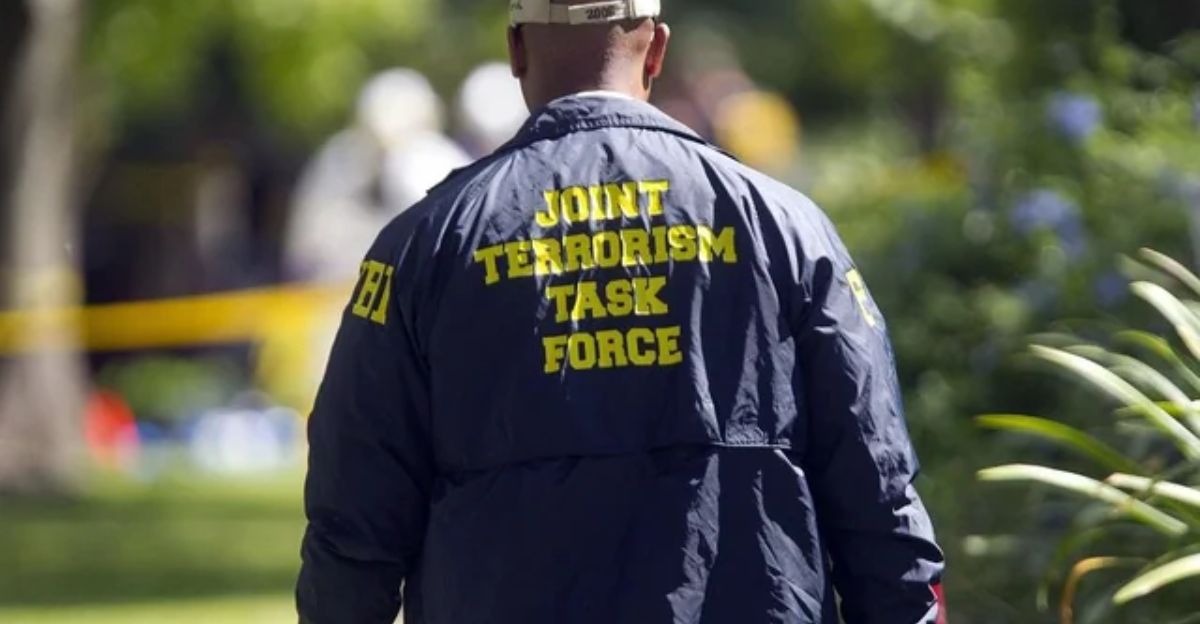
Hassan’s two 2025 travel attempts, Teekaye’s 2024 recruitment contact, and Nasr’s coordination in 2023 were closely monitored by FBI and JTTFs. Operations included undercover officers, surveillance, and social media monitoring. Each case required months of intelligence gathering before arrests were executed safely.
Domestic vs. Overseas Perception
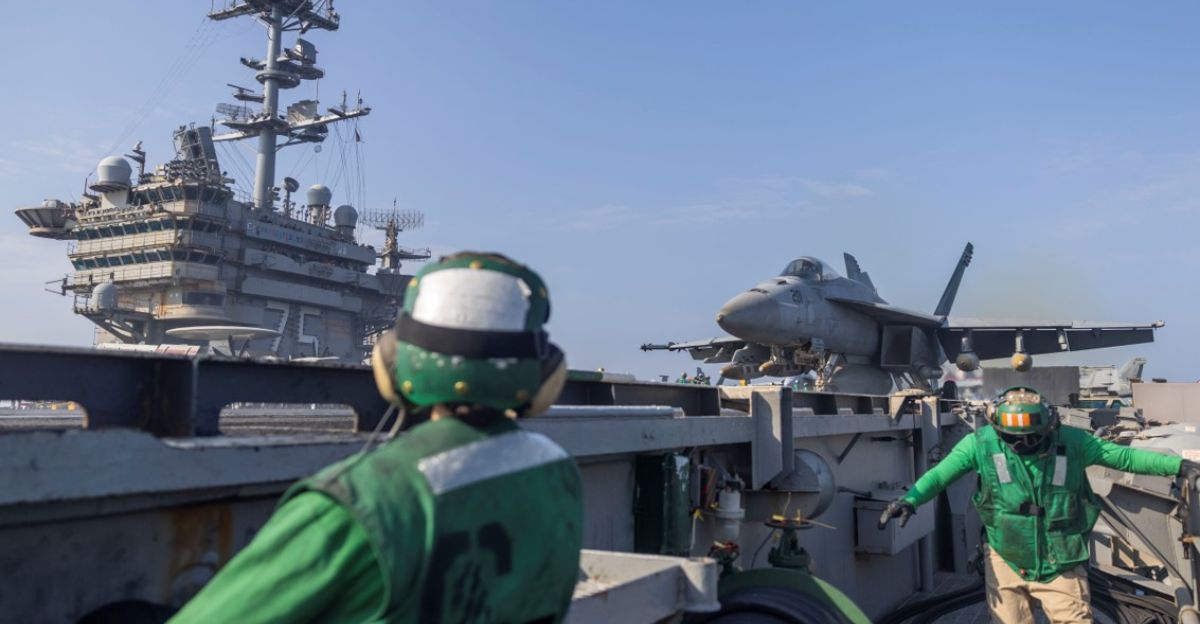
Overseas operations are visible: 100+ operators, drones, and helicopters. Domestic operations are largely invisible, despite a larger scale ($4.8-$5.4 billion annually). The disparity in public perception fuels the impression that U.S. agencies ignore domestic ISIS-Somalia threats, even though arrests and prevention occur quietly.
How U.S. Agencies Prevent Domestic Attacks
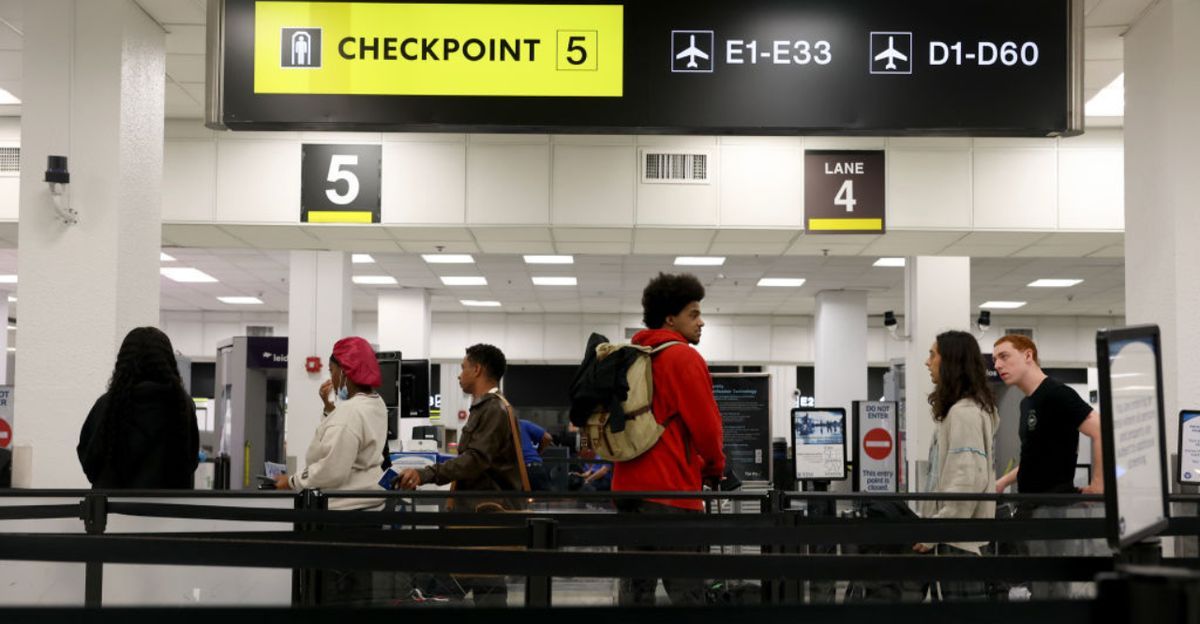
Monitoring includes online activity, travel plans, and recruitment networks. Undercover operatives pose as facilitators. FBI coordination with local and state law enforcement, plus international agencies, allows early intervention. Arrests prevent actual attacks, showing proactive disruption, though preventive community programs receive minimal funding.
Domestic Prevention Funding Gap

Minneapolis’ Community Vulnerability Initiative pilot receives $1 million, just 0.02% of overall counterterrorism spending. In contrast, operational budgets enable high-cost surveillance and prosecution. This budget imbalance explains the perception that domestic prevention lags compared to visible overseas raids.
Local Impact on Communities
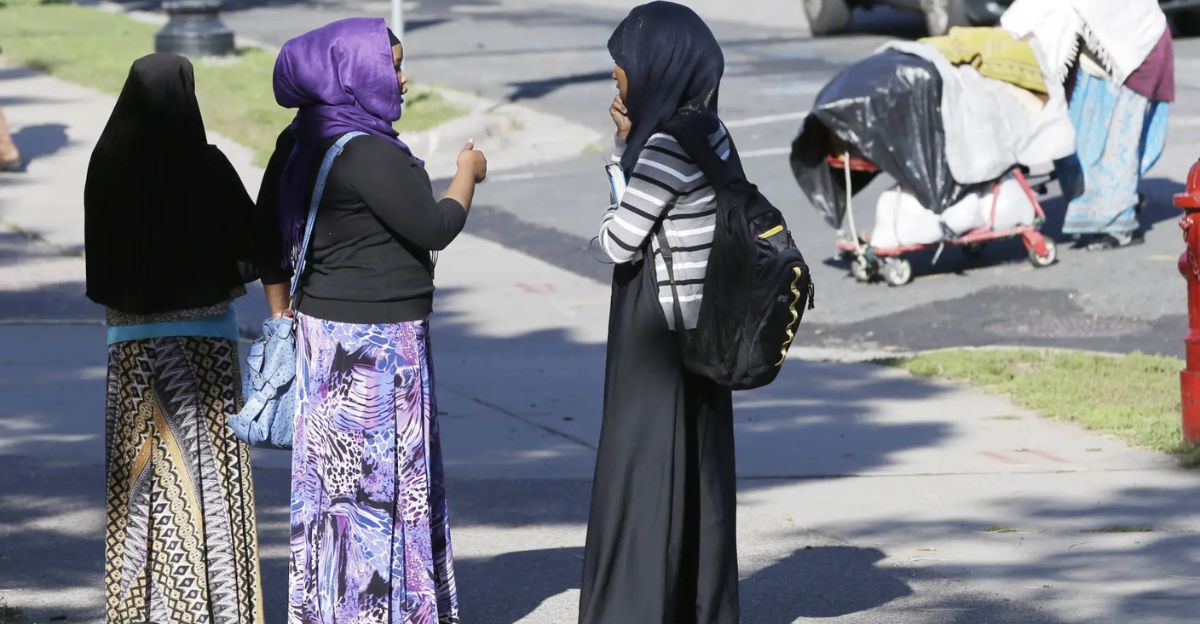
Somali-American communities face reputational risk, increased law enforcement presence, and scrutiny for small businesses and remittance services. Surveillance and arrests can disrupt employment, customer trust, and financial transfers, while reinforcing the need for careful community engagement alongside counterterrorism efforts.
Financial and Resource Implications
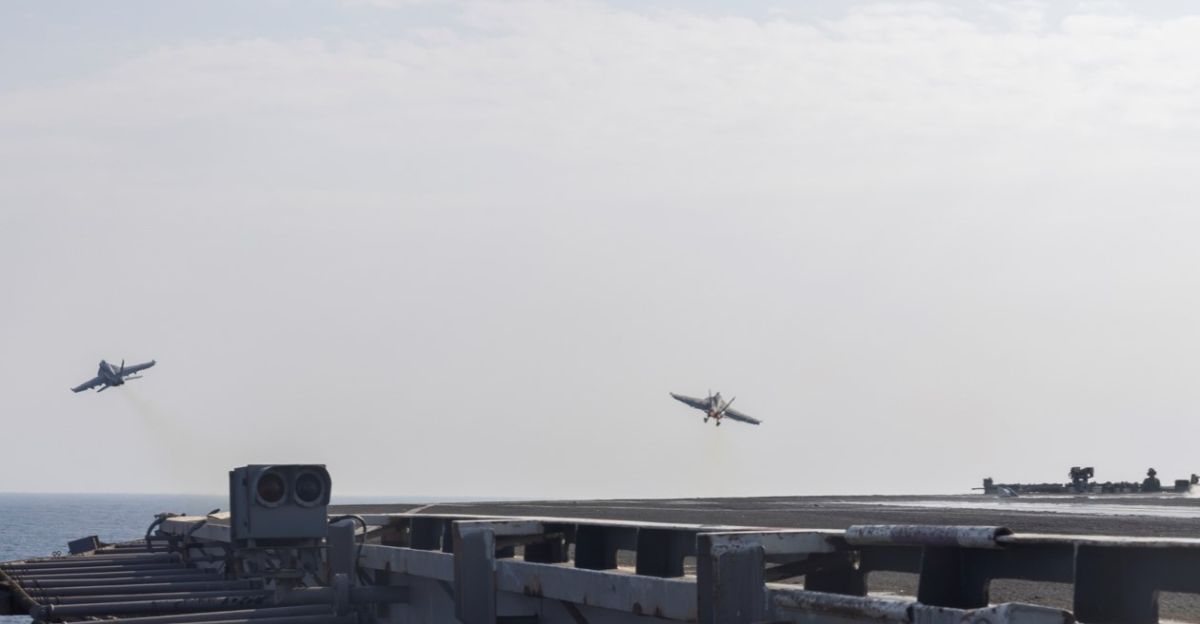
Somalia raid cost an estimated $1.2-$4 million, including helicopters, drones, ordnance, and personnel. Domestic arrests cost $850K-$1.1M per prevented plot. Defense contractors, intelligence analysts, and military supply chains benefit from escalated operations, highlighting economic as well as security consequences of counterterrorism efforts.
Regional and International Coordination
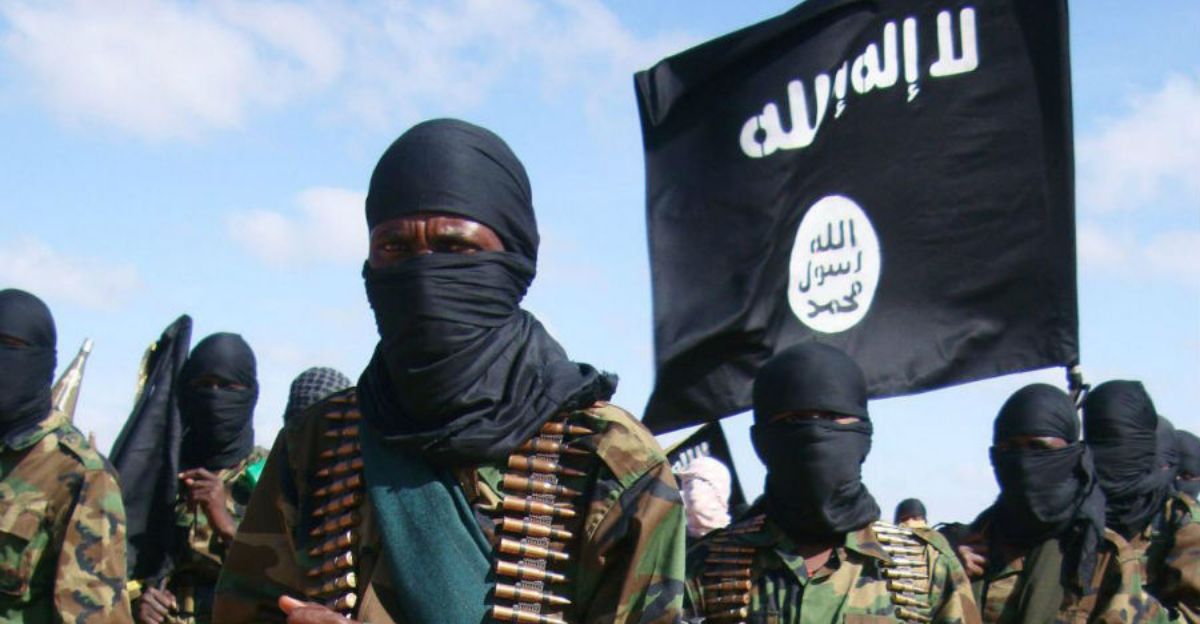
Operations required collaboration with Puntland forces and international partners. Treasury designations froze ISIS-Somalia financial facilitators in DRC, South Africa, and Uganda. Cross-border intelligence, extradition, and sanctions prevent funding flows while supporting broader U.S. and regional security objectives.
Strategic Takeaways

The Somalia raid achieved tangible results: leadership elimination, funding disruption, and territorial control. Domestic counterterrorism prevented plots quietly but effectively. The visible overseas strike contrasts with largely unseen domestic prevention, raising public questions about resource allocation and threat prioritization.
Balancing Visibility and Impact
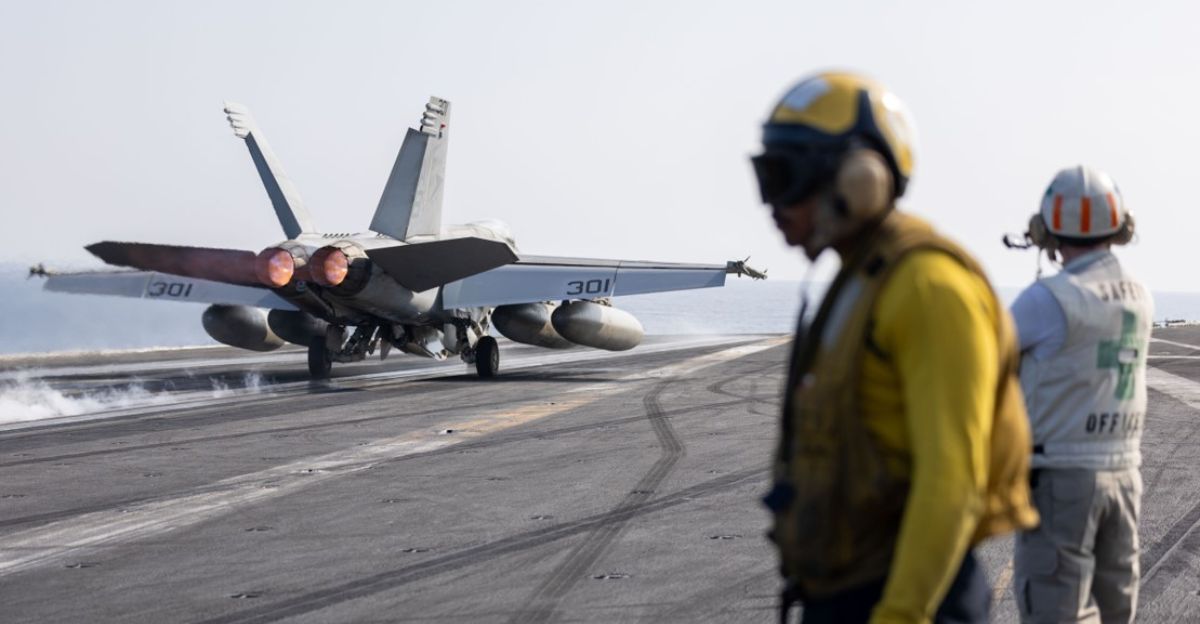
U.S. counterterrorism against ISIS-Somalia blends visible overseas action with extensive domestic prevention. Both achieve strategic disruption, though public perception favors dramatic raids. Understanding budget, personnel, and operational nuances reveals the U.S. maintains robust, multi-layered defenses against both foreign and domestic threats.
Sources
AFRICOM Press Releases February–November 2025
U.S. Department of Justice Criminal Complaints 2023–2025
ODNI Annual Threat Assessment March 2025
U.S. Department of Treasury OFAC Designations July 2025
West Point Center for Terrorism & Counterterrorism Analysis July 2025
FBI Congressional Budget Justification FY2025–2026
Garowe Online November 2025