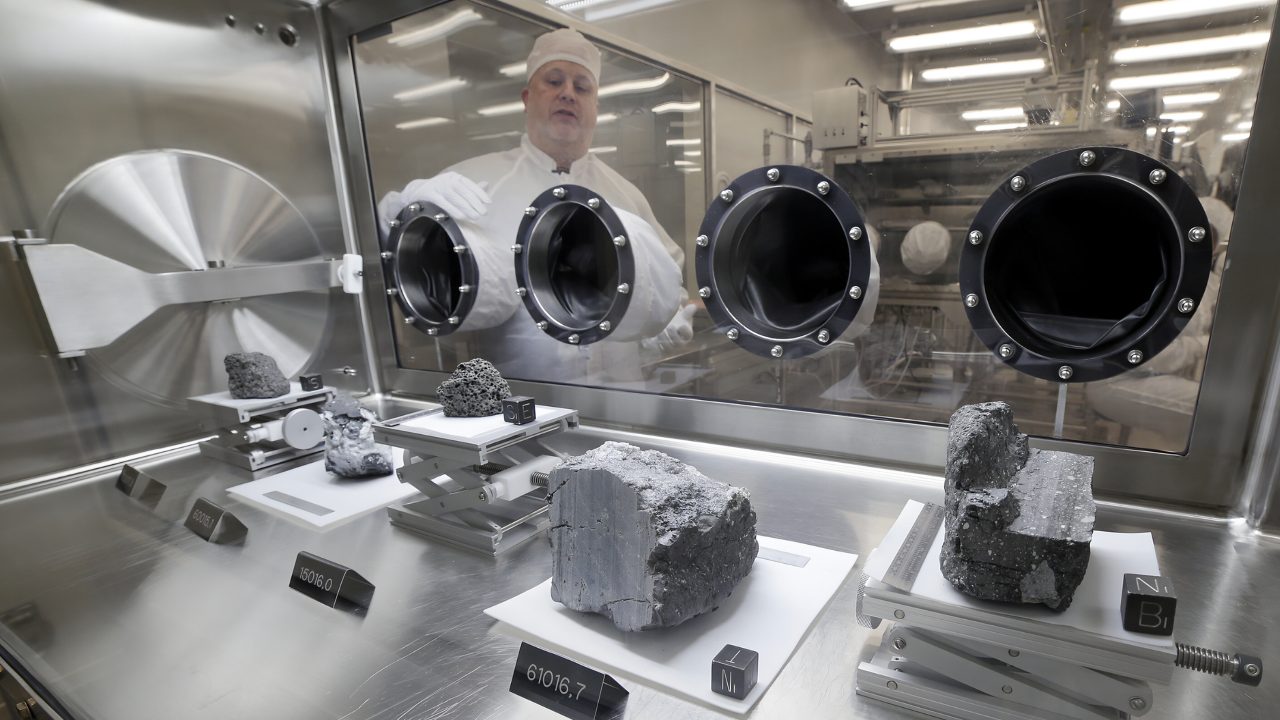
Scientists just cracked open a 50-year-old moon rock sealed since Apollo 17, and the sulfur inside shatters a fundamental assumption about how our Moon formed. The troilite grains contain sulfur-33 isotope signatures that contradict everything researchers expected to find.
“That’s what I expected to see when analyzing these samples, but instead we saw values that are very different from anything we find on Earth,” said James Dottin, leading the Brown University team. This single discovery forces planetary scientists to fundamentally reconsider whether Earth and the Moon truly share the same chemical fingerprint—a cornerstone belief that has guided lunar science for decades.
The Sealed Sample’s Journey
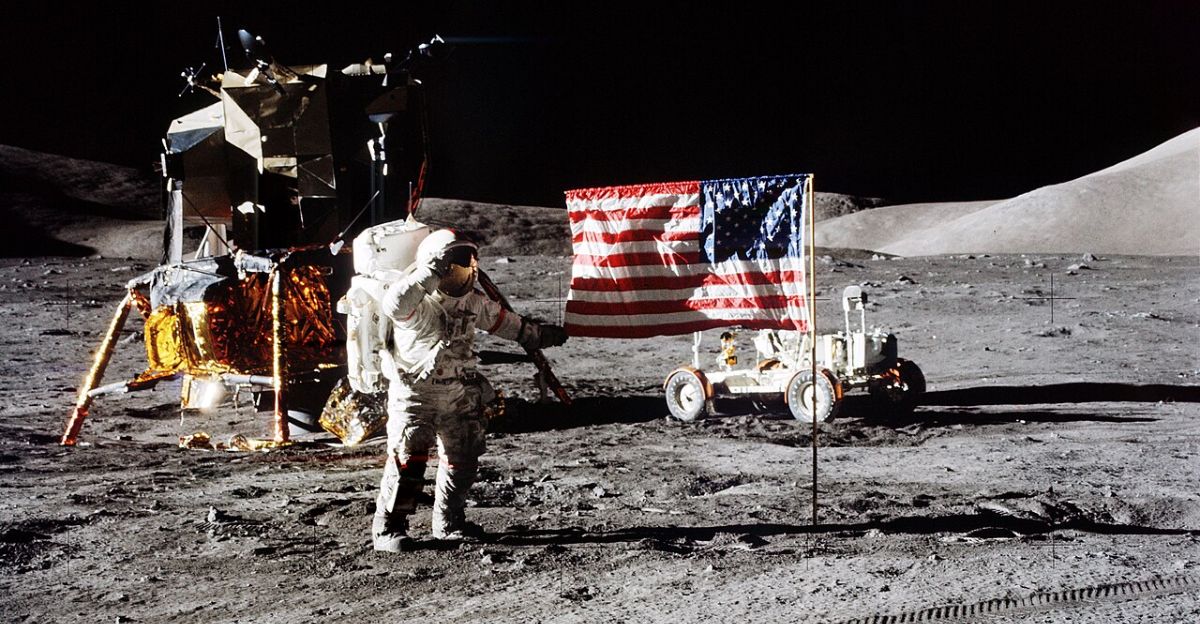
Apollo 17 astronauts Gene Cernan and Harrison Schmitt collected this sample on December 11, 1972, at Taurus-Littrow by inserting a hollow metal drive tube approximately 60 centimeters into the lunar regolith. NASA sealed the tube in a helium chamber on the lunar surface to preserve its pristine condition.
Upon return to Earth, the double drive tube 73001/2 entered permanent storage, untouched for over five decades. The Apollo Next Generation Sample Analysis program, established to reexamine preserved samples using modern technology, was finally authorized to open this specimen in 2022.
Understanding Isotopic Fingerprints
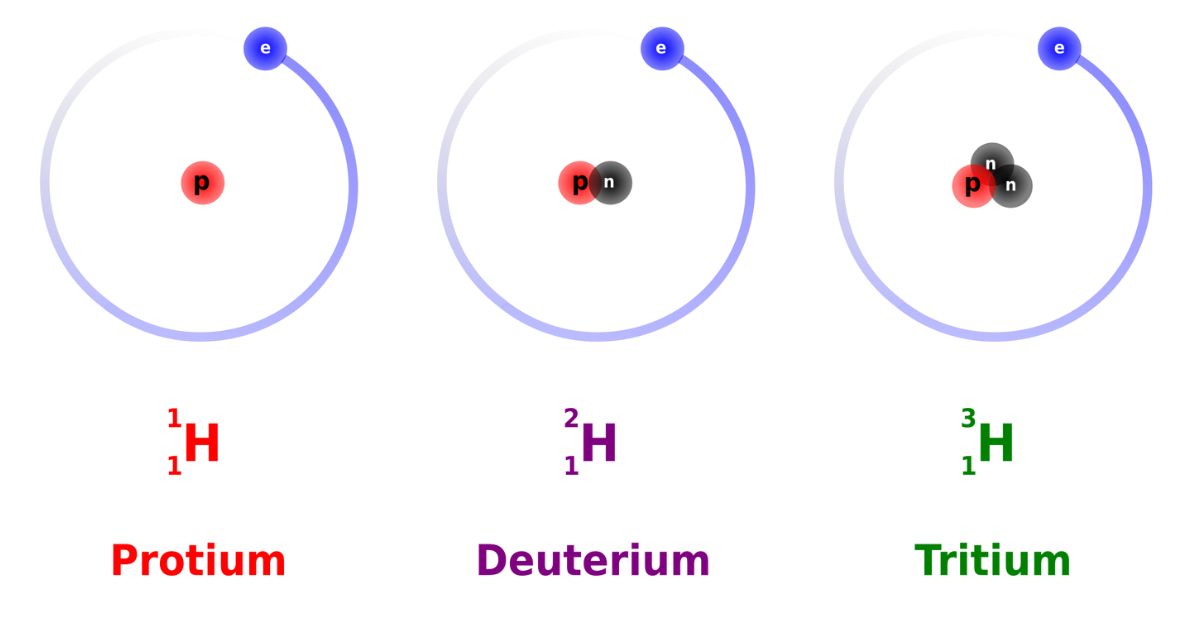
Isotopes are nature’s fingerprints—subtle variations in atomic weight that reveal where materials originated and how they formed. Sulfur possesses four stable isotopes: sulfur-32, sulfur-33, sulfur-34, and sulfur-36. Scientists measure isotope ratios to understand the processes of planetary assembly and ancient chemical environments.
The Apollo 17 troilite displayed Δ³³S values ranging from −2.8 to −0.1, with δ³⁴S values from −4.1 to +1.5. These measurements represent isotopic signatures that have never been detected in any lunar sample before.
The Giant Impact Hypothesis Foundation
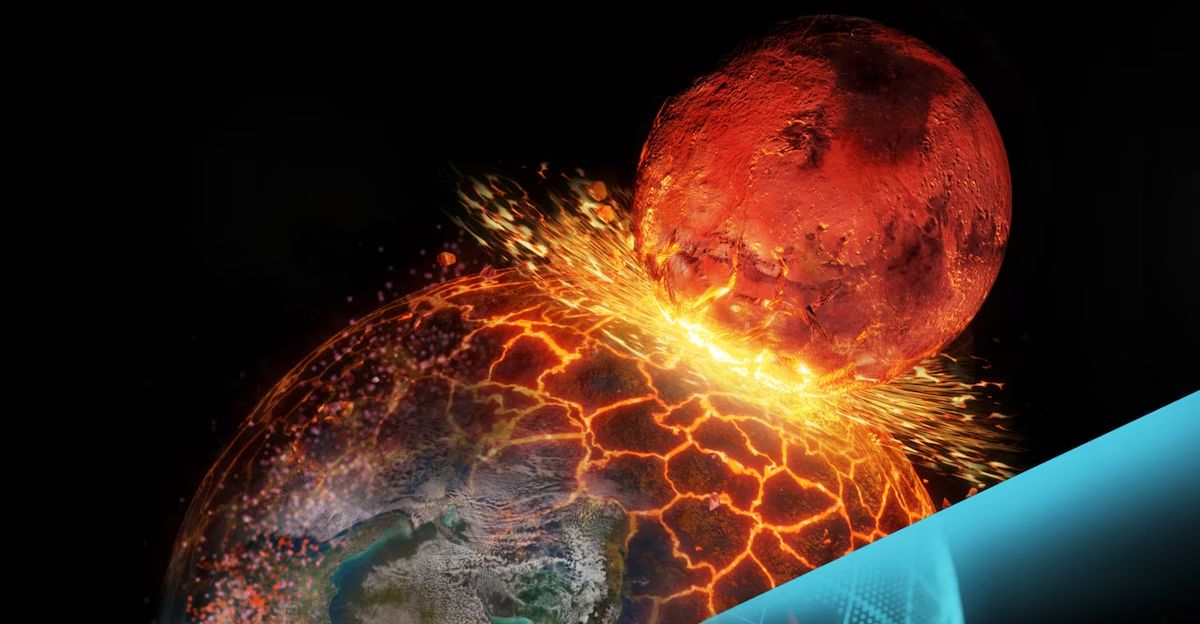
The Giant Impact Hypothesis has dominated planetary science since the 1970s, proposing that a Mars-sized protoplanet named Theia collided with proto-Earth approximately 4.5 billion years ago. This catastrophic collision melted both bodies; debris from the impact eventually coalesced to form the Moon.
The theory successfully explains why Earth and Moon share similar oxygen isotope ratios—they underwent mixing during formation. Researchers assumed sulfur isotopes would tell the same story of complete material integration.
The Moment of Realization
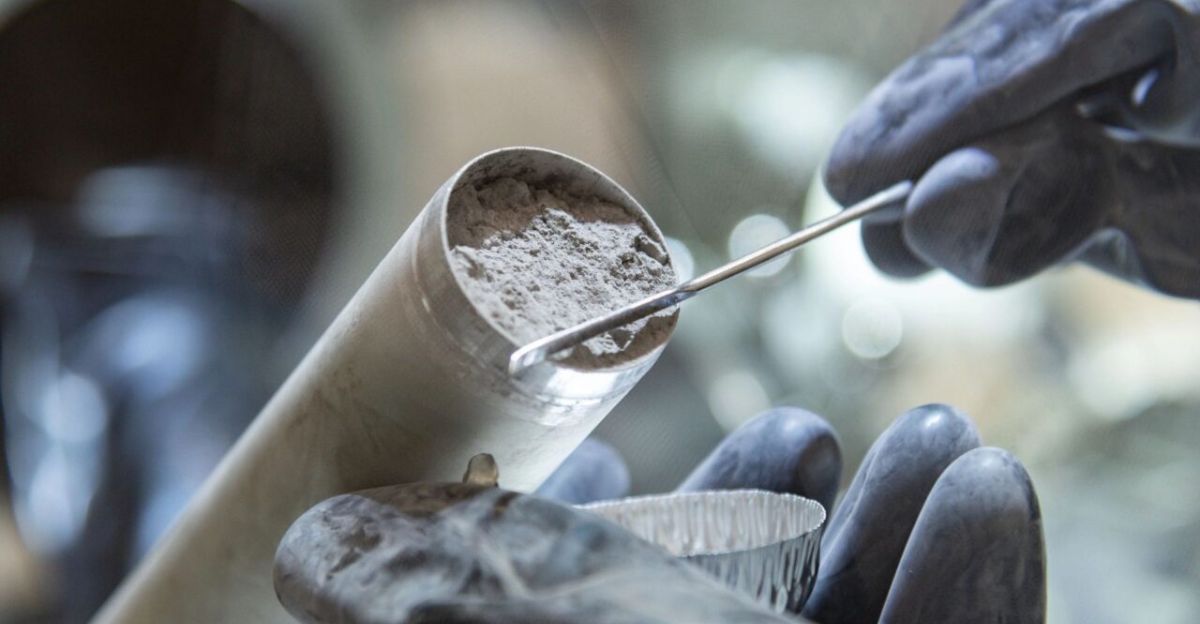
James Dottin, assistant professor of Earth, Environmental, and Planetary Sciences at Brown University, described his reaction when results contradicted all expectations. The research team utilized secondary ion mass spectrometry, a cutting-edge technology not available during the Apollo era, to measure sulfur isotope compositions with extraordinary precision.
Upon discovering the anomalous sulfur-33 depletion, Dottin’s team immediately reran measurements to verify accuracy.
Photochemical Alteration in Lunar Infancy
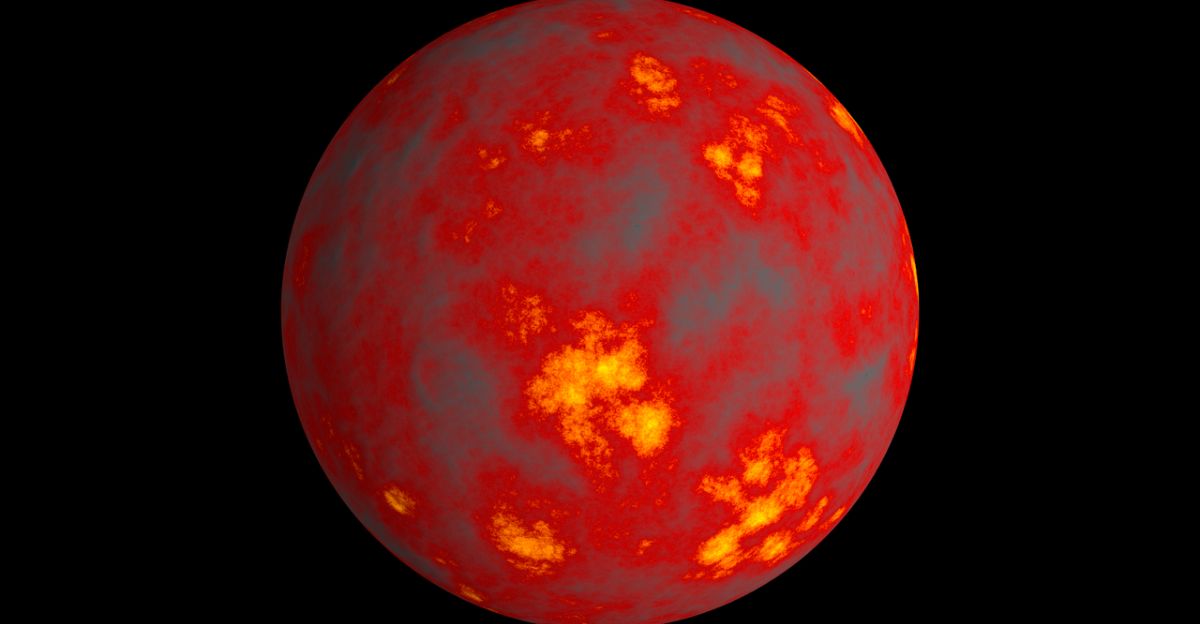
One compelling hypothesis suggests the exotic sulfur formed during the Moon’s violent infancy when a magma ocean covered the satellite’s entire surface. This global ocean, hundreds of kilometers deep, cooled and crystallized over potentially tens to hundreds of millions of years. During this period, sulfur likely evaporated from the molten surface into the Moon’s short-lived primordial atmosphere through volcanic outgassing.
Ultraviolet radiation from the unshielded Sun would have photochemically altered sulfur, creating the observed depletion pattern in sulfur-33 isotopes through mass-independent fractionation processes.
The Transport Mechanism Puzzle
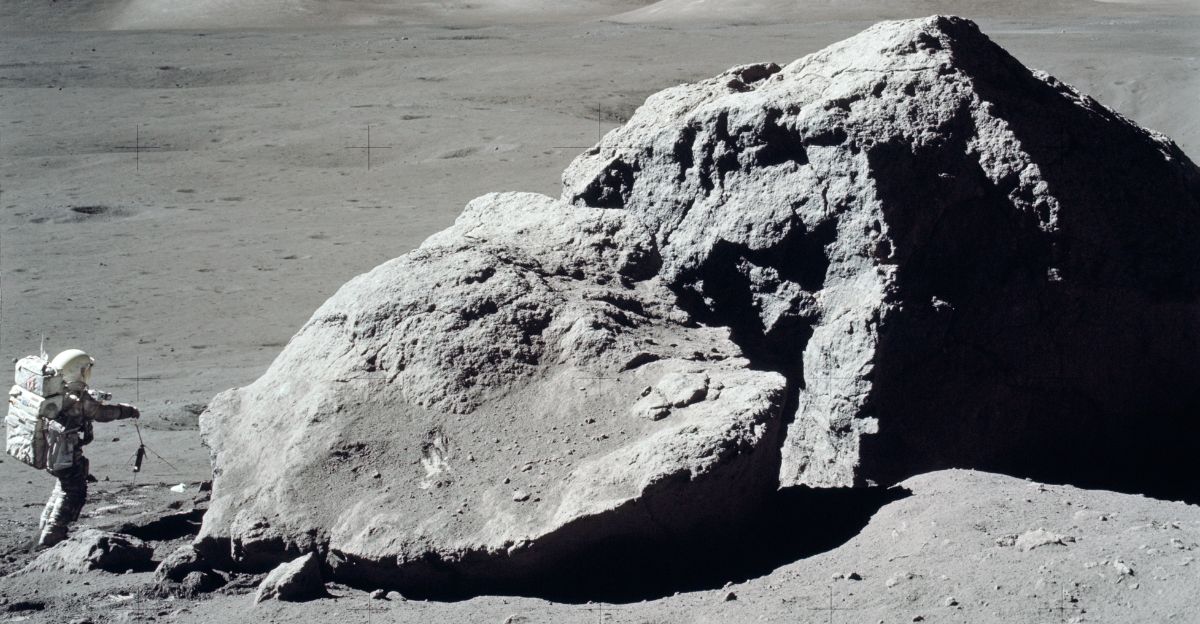
A critical puzzle emerges if photochemical alteration created the sulfur signature: how did surface-altered material reach the lunar mantle? On Earth, plate tectonics constantly recycles surface material into the planet’s interior through subduction zones and mantle convection. However, the Moon lacks plate tectonics and possesses no known mechanism for transporting surface material into the mantle.
Researchers must therefore posit an unknown exchange mechanism operated on the early Moon—potentially involving planetary-scale volcanic processes or crustal disruption.
The Theia Remnant Hypothesis
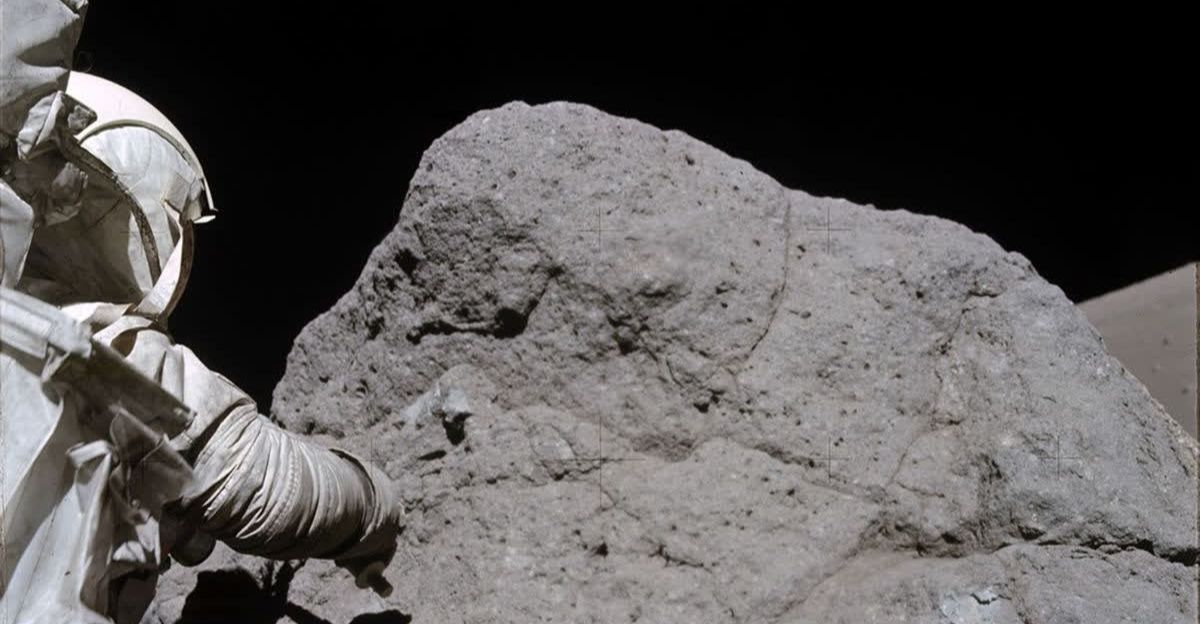
A second hypothesis proposes the exotic sulfur originated from Theia itself rather than the Moon or Earth. If the giant impact collision didn’t achieve complete material mixing—contradicting current model predictions—pockets of Theia’s composition could have survived relatively intact within the lunar mantle.
The distinctive sulfur signature might represent the first-ever direct chemical fingerprint of the impactor. This scenario challenges the assumption of complete homogenization during Moon formation, suggesting compositional reservoirs remained distinct throughout the early Solar System.
Reconstructing Theia’s Origins
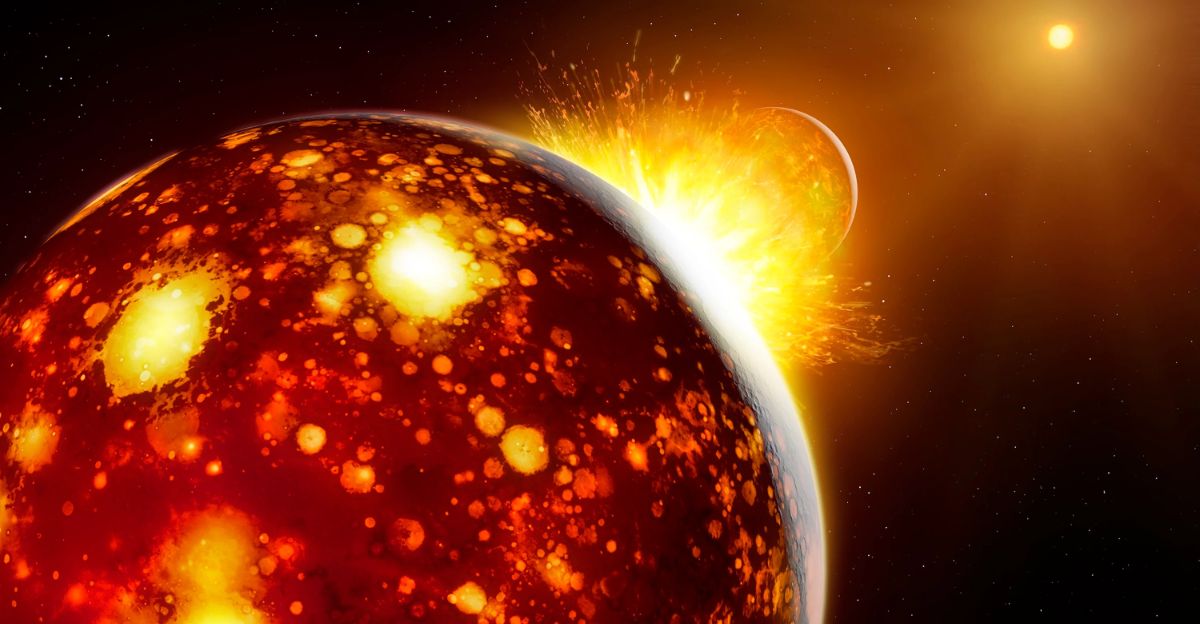
Recent research published in Science in November 2025 suggests Theia may have originated in the inner Solar System, possibly closer to the Sun than Earth currently orbits. If the exotic lunar sulfur represents Theia material, scientists could finally reconstruct the impactor’s chemical composition and formation environment.
This would revolutionize the understanding of planetary system assembly during the chaotic early Solar System.
Breaking the Oxygen Pattern
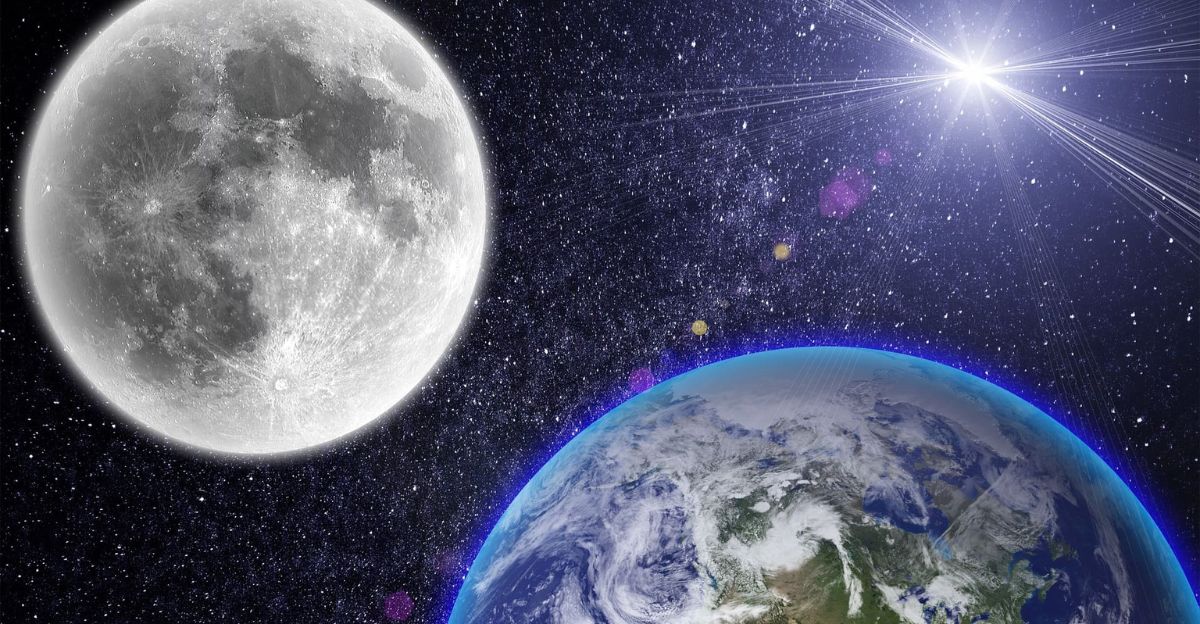
Previously, the remarkable similarity between Earth and Moon oxygen isotopes constituted the strongest evidence for the Giant Impact Hypothesis, indicating efficient mixing of materials during formation. However, the newly discovered sulfur anomaly indicates divergent isotopic signatures between the two bodies.
This divergence suggests that the Moon’s formation and early evolution involved more complex processes than simple coalescence of impact debris. Scientists now question whether oxygen isotope similarity masked bigger compositional differences in other elements.
Secondary Ion Mass Spectrometry’s Role
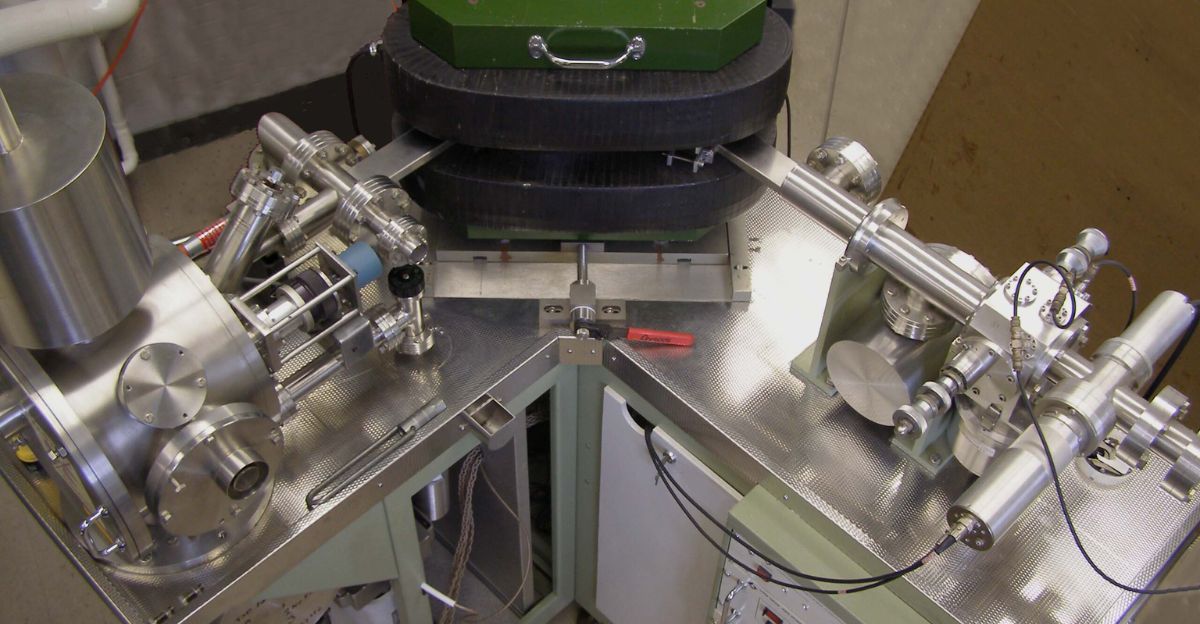
The breakthrough relied entirely on secondary ion mass spectrometry, a technology capable of measuring isotopic ratios at microscale resolution with unprecedented precision. This analytical capability simply didn’t exist when Apollo astronauts collected samples in 1972.
The Apollo program demonstrated remarkable foresight by preserving pristine samples sealed in vacuum containers, anticipating that future technological advances would enable revolutionary investigations. Scientists deliberately withheld certain samples from analysis, understanding that storage in controlled conditions would preserve geochemical information for generations.
The ANGSA Program’s Strategic Vision
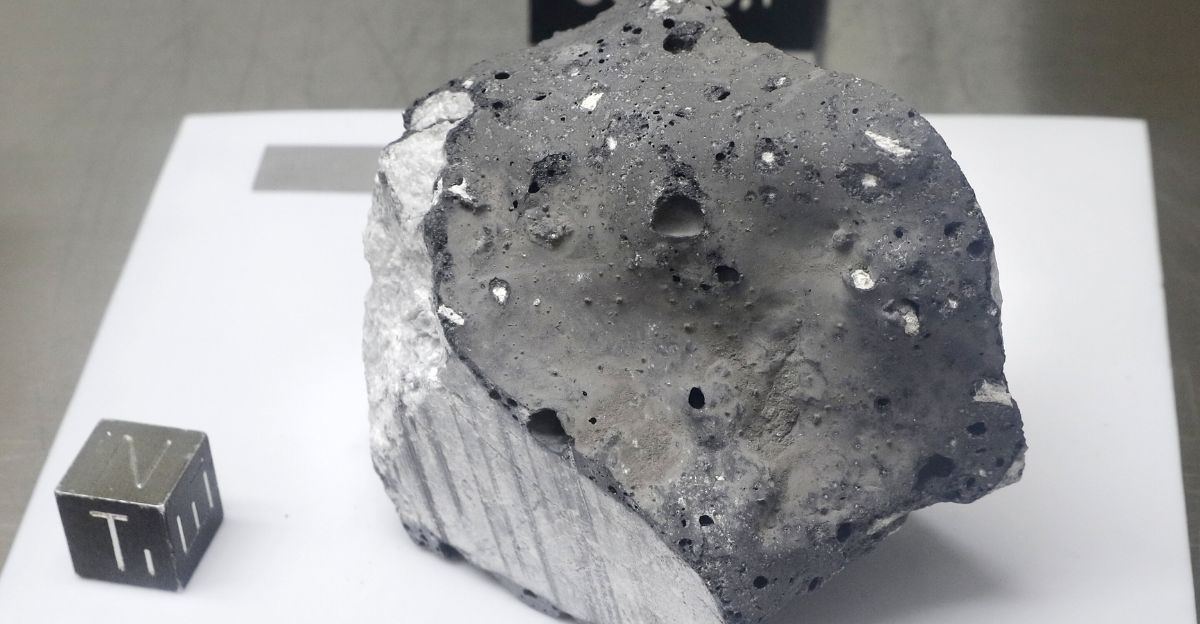
NASA’s Apollo Next Generation Sample Analysis program represents a deliberate strategy to maximize scientific return from historical Apollo missions using future technology. By preserving samples and waiting for technological advancements, ANGSA enables discoveries that were impossible during the Space Age itself.
The program established rigorous selection criteria, using a competitive application process to identify worthy research projects. Scientists can now measure isotopic ratios, analyze volatile compositions, and examine mineralogical details with extraordinary precision that was unavailable in the 1970s.
Implications for Planetary Formation Models
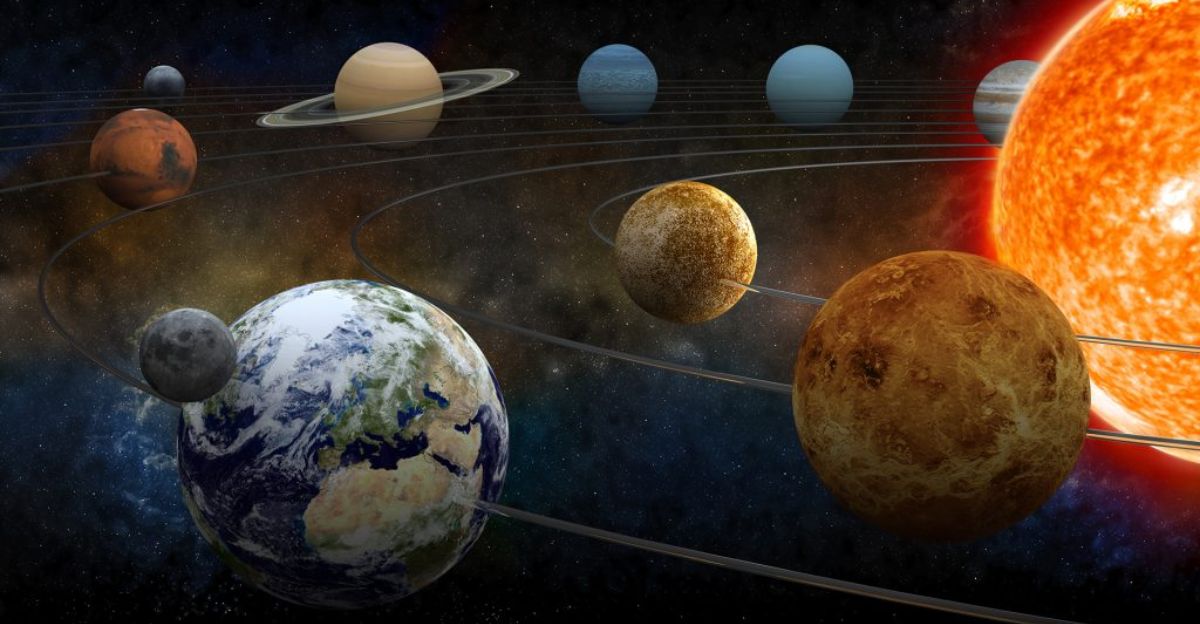
This discovery fundamentally challenges existing models of planetary formation and the origin of the Moon. If surface-mantle exchange occurred on the early Moon, scientists must revise thermal evolution models and geochemical cycling processes to account for previously unknown transport mechanisms.
Alternatively, if Theia material survived within the lunar mantle, impact models would require modification to explain the incomplete mixing that occurred during the giant impact event.
Investigating Additional Apollo Samples
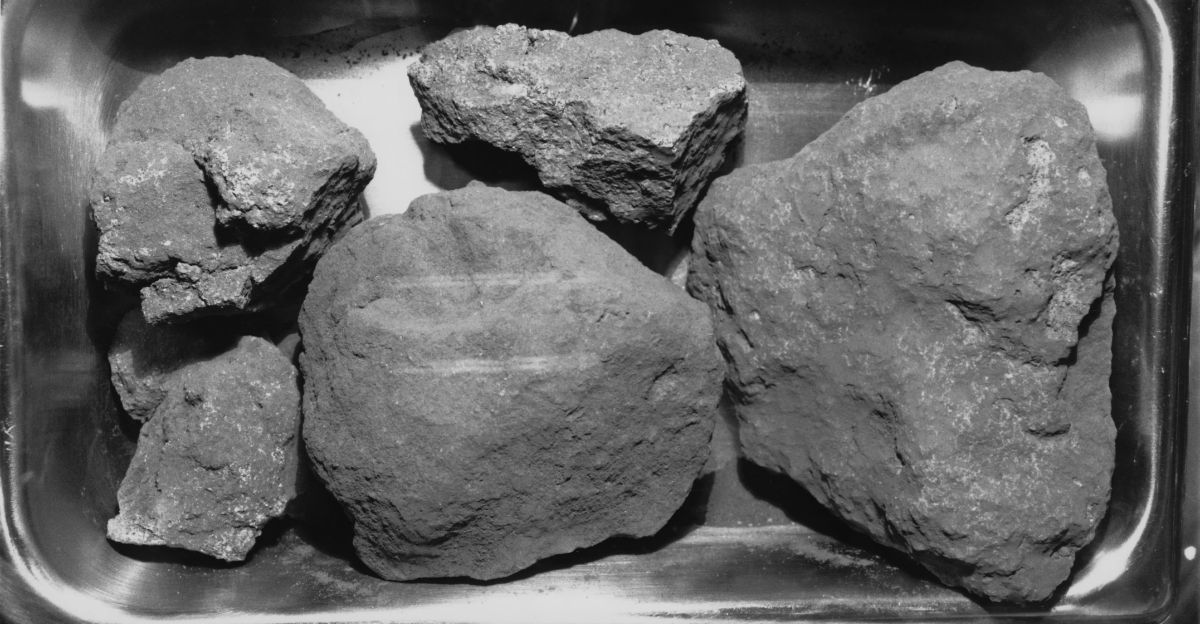
Resolving whether photochemical alteration or Theia-derived material best explains the sulfur signature requires examining additional extraterrestrial samples from diverse sources. Research teams worldwide are now analyzing their own Apollo sample collections for similar sulfur isotope anomalies, in search of systematic patterns.
Scientists must determine whether this exotic signature is localized to Taurus-Littrow or represents a global lunar phenomenon.
Atmospheric Fractionation Parallels
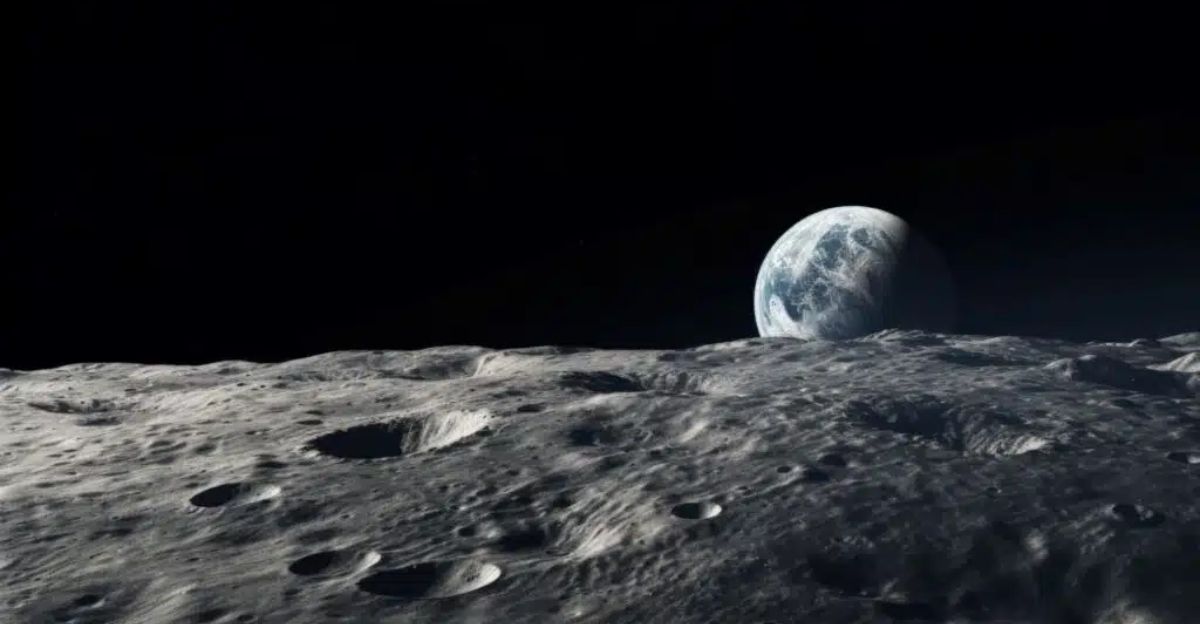
The photochemical fractionation mechanism proposed for the early Moon finds parallels in Earth’s atmospheric chemistry and ancient sulfur records. UV-induced sulfur isotope fractionation has been documented in terrestrial systems, creating distinctive isotopic patterns during photochemical reactions in thin atmospheres.
Early Earth and other early planets may have experienced similar processes when atmospheres were thin and unshielded from solar radiation.
Scientific Community Response
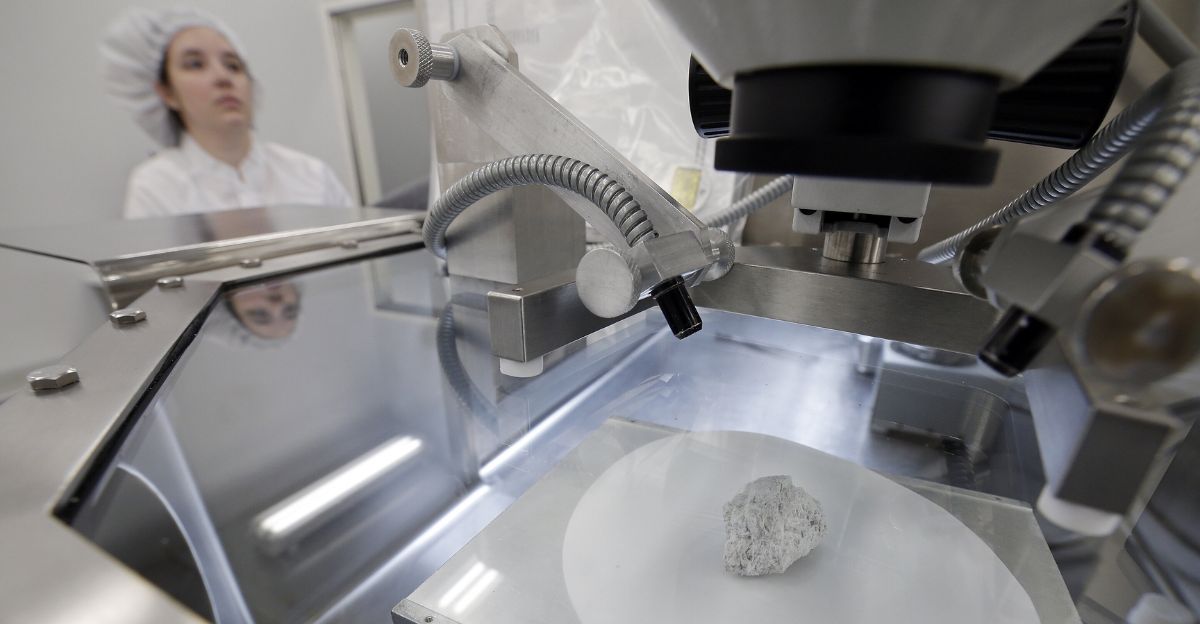
The Brown University findings have generated substantial scientific interest and sparked renewed investigation across the planetary science community. Research teams have launched new analyses of existing Apollo samples, searching for additional anomalous sulfur signatures. Theoretical modeling groups are developing new mechanisms to explain potential surface-mantle material exchange on the early Moon.
International collaboration has intensified as researchers recognize the importance of this discovery for understanding planetary formation.
Future Artemis Sample Collection
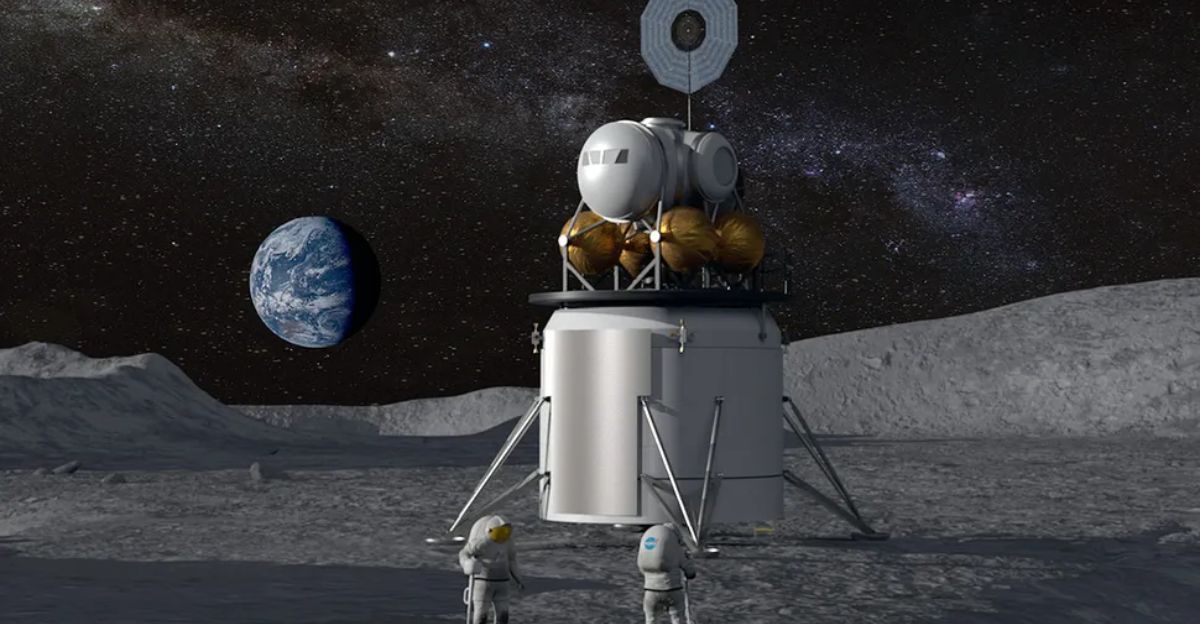
NASA’s Artemis program aims to establish a sustained lunar presence and collect samples from diverse, previously unexplored locations on the Moon. These future samples could help distinguish between photochemical and Theia-derived sulfur signatures through comparative analysis.
Fresh material from the lunar farside—geologically distinct from Apollo 17’s collection site—may reveal whether the exotic sulfur represents a localized phenomenon or global feature.
Apollo Program Preservation Foresight
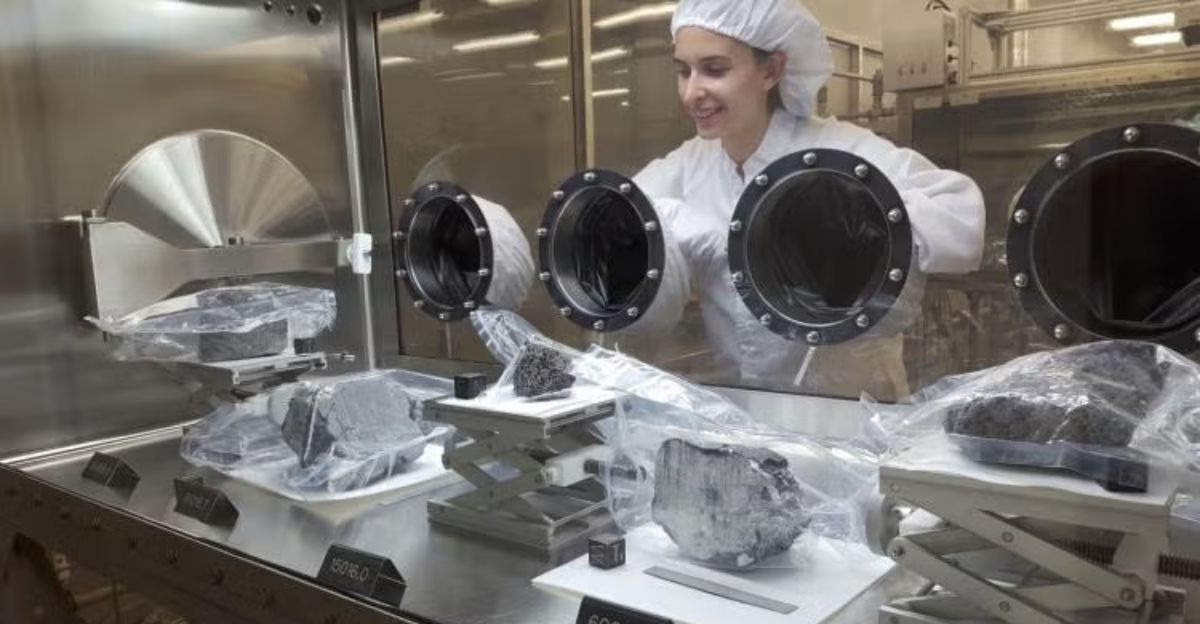
The Apollo program’s decision to preserve pristine samples specifically for future analysis demonstrated remarkable scientific vision during the 1970s space age. Mission planners understood that future generations would possess analytical capabilities completely unimagined during the Apollo era.
Samples were deliberately sealed in vacuum containers and stored under controlled conditions at NASA’s Johnson Space Center in Houston.
Broader Implications for Exoplanet Science
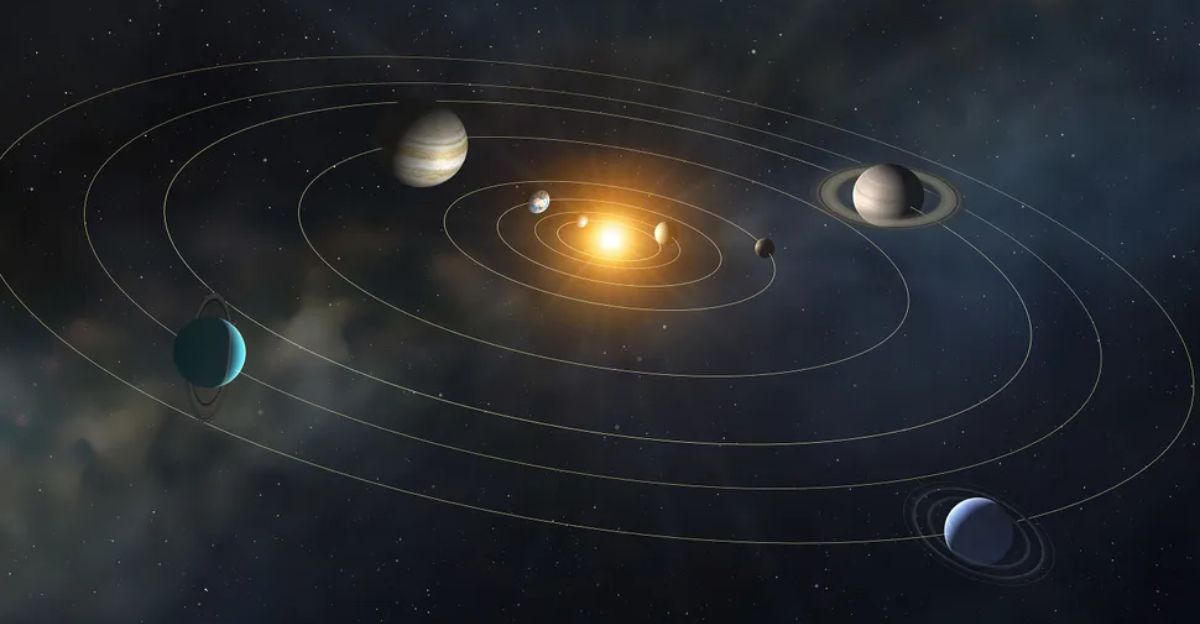
This discovery carries profound implications for understanding planetary formation throughout the universe, including around distant stars. If the Moon retained compositionally distinct reservoirs instead of achieving uniform isotopic equilibration during giant impact formation, then young planetary systems may develop far more complex internal structures than current models predict.
Planets may retain “fossil” signatures from their impactors much longer than existing theories suggest.
An Open Window to Solar System Genesis
The exotic sulfur signature represents a direct chemical link to the early Solar System’s violent formation period—a window into planetary genesis. These tiny troilite grains harbor approximately 4.5 billion years of history, offering pathways to understanding how worlds assemble during cosmic chaos.
As researchers continue analyzing remaining Apollo samples and prepare for Artemis missions, the Moon remains a treasure trove of scientific secrets.
Sources:
Brown University News Release on Apollo Sulfur Isotope Discovery (October 2025)
NASA Apollo 17 Mission Details and Historical Records
NASA Apollo Next Generation Sample Analysis (ANGSA) Program Documentation
Journal of Geophysical Research: Planets — Dottin et al. sulfur isotope analysis publication (2025)
Science Magazine — Theia origin research (November 2025)
Secondary Ion Mass Spectrometry Technical Literature and analytical standards
NASA Artemis Program Overview and lunar sample collection objectives