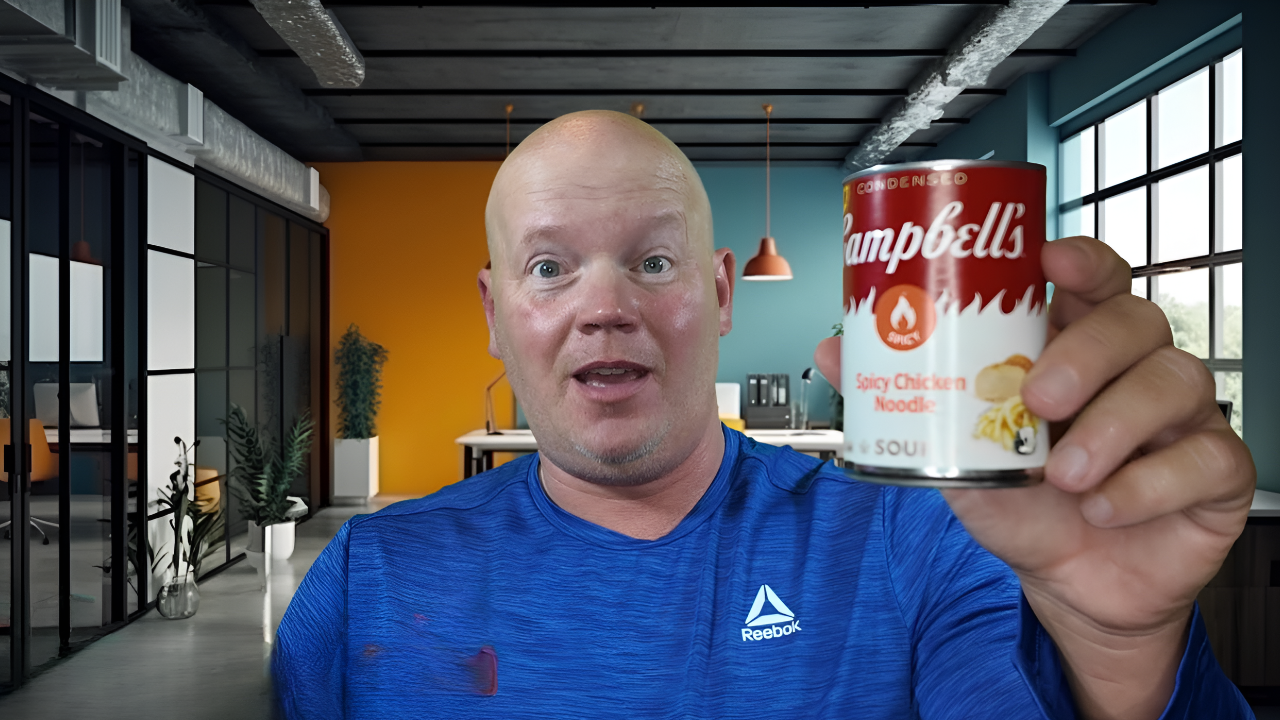
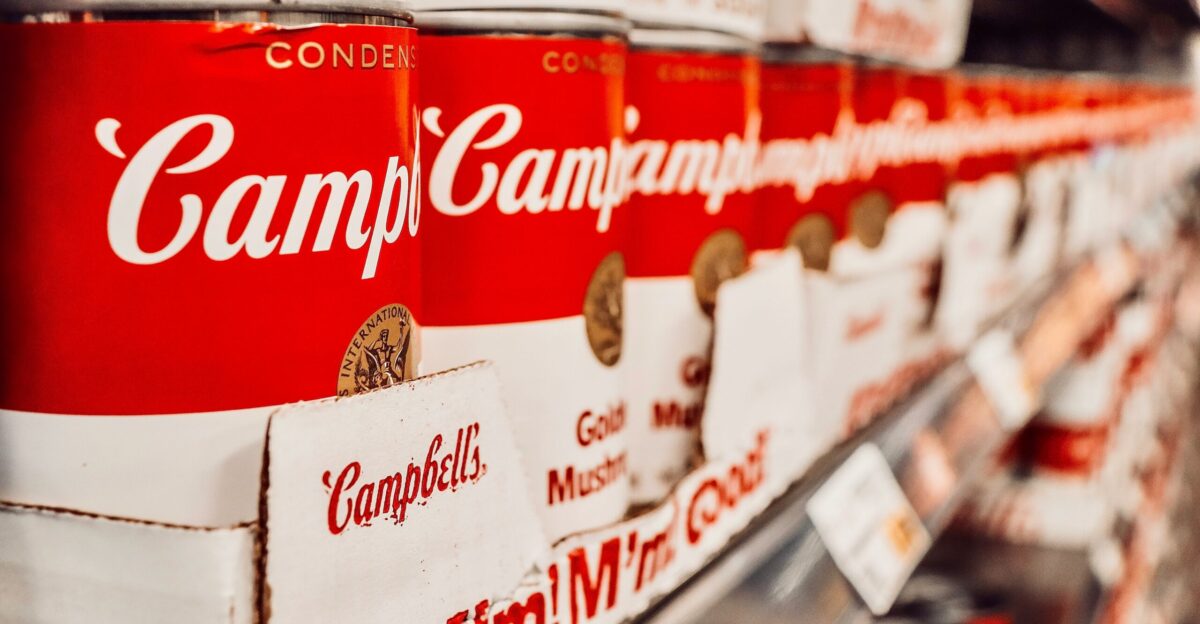
It began with a leaked audio clip that no one at Campbell’s had seen coming. In the recording, a senior executive allegedly described the company’s chicken as coming “from a 3D printer,” according to Business Insider.
The voice reportedly belonged to Martin Bally, the company’s Vice President of Information Security. Within hours, the clip was everywhere—and the fallout was beginning.
The Executive Behind the Scandal

Martin Bally wasn’t a household name before November 2025. He worked in IT security, far from the production floor or marketing department. Yet his alleged remarks about Campbell’s products thrust him into a national spotlight no corporate leader would envy.
Business Insider reported that Bally had been with the company in a senior capacity, making his purported comments all the more damaging to the brand’s credibility.
What the Recording Allegedly Captured

The audio didn’t stop at 3D-printed chicken. According to multiple reports, Bally also called Campbell’s soups “shit for poor people” and referred to the food as “bioengineered meat,” as Fortune and Business Insider documented.
The recording further allegedly included racist remarks directed at Indian coworkers, a detail that amplified public outrage and raised questions about workplace culture.
Campbell’s Moves Quickly to Respond
The company wasted no time distancing itself from Bally’s alleged statements. Campbell’s publicly denied every claim about its chicken, stating that its products do not contain 3D-printed, lab-grown, or bioengineered meat, according to Axios.
The company emphasized that its chicken comes from reputable U.S. suppliers and meets all USDA standards—a direct rebuttal to the viral allegations swirling online.
From Leave to Fired in Days

Campbell initially placed Bally on administrative leave while investigating the authenticity of the recording. But the leave didn’t last long. The Verge confirmed that Bally was terminated shortly after, as the company moved to contain the crisis.
The swift action signaled just how seriously leadership viewed the reputational threat and how quickly they wanted to move on.
Social Media Explodes With Outrage

The internet had a field day. Hashtags mocking the “3D chicken” trended across platforms as consumers questioned what was really in their soup. The viral nature of the recording meant millions heard the allegations before Campbell’s could fully respond.
For a 150-year-old brand built on trust and comfort food, the timing couldn’t have been worse heading into the holiday season.
Florida’s Attorney General Eyes an Investigation
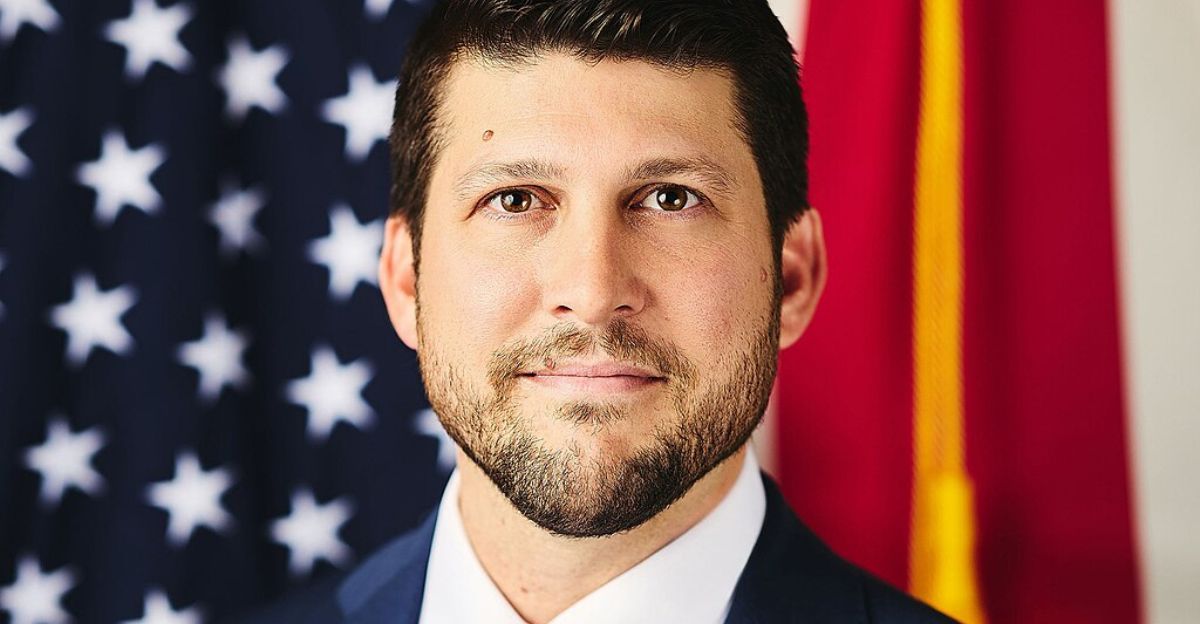
The regulatory consequences arrived more quickly than anyone had expected. Florida Attorney General James Uthmeier announced that he was considering an investigation into Campbell’s, citing state laws that ban the sale of lab-grown meat, according to Newsweek.
If the allegations proved true, the company could face being “shut down” in Florida entirely—a stunning prospect for a food industry giant.
Why Florida’s Laws Matter Here
Florida enacted strict legislation prohibiting the sale and cultivation of lab-grown and cultivated meat products. The state’s interest in investigating Campbell’s stems directly from Bally’s alleged claim about bioengineered ingredients, according to Business Insider.
Even though Campbell’s denies using such products, the mere allegation triggered regulatory scrutiny that could take months to resolve and cost millions in legal fees.
The Stock Price Takes a Hit
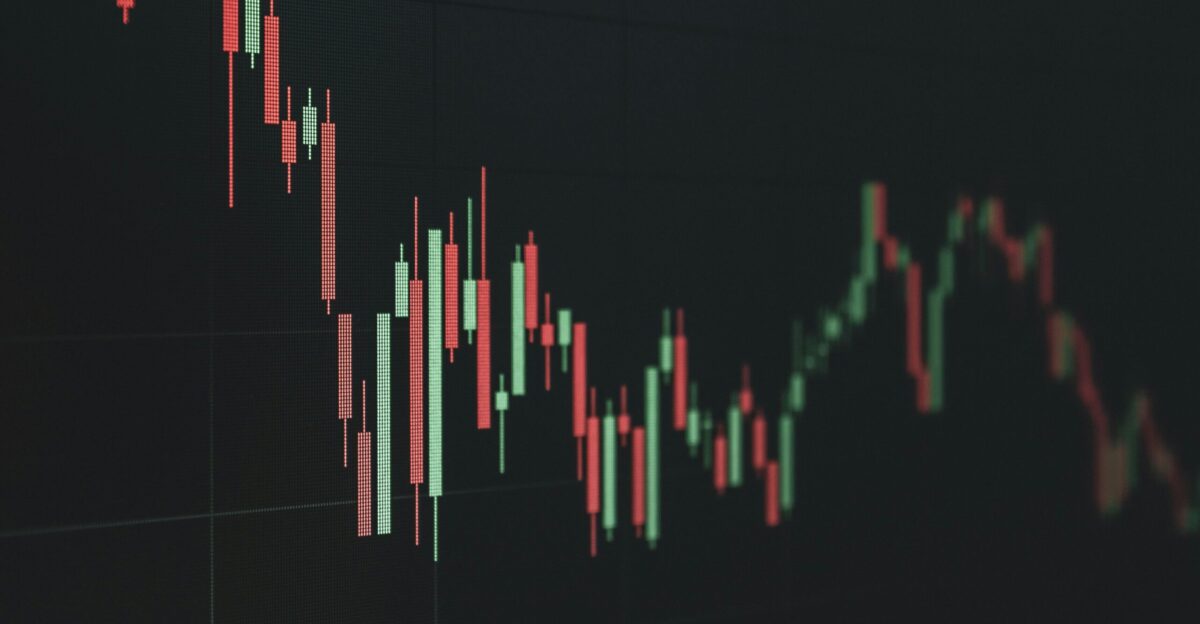
Investors didn’t wait for investigations to conclude. Campbell’s stock tumbled in the days following the leak, dropping from around $34 to approximately $30.61 per share, according to market tracking data.
The decline represented one of the steepest short-term drops the company had seen in years—pushing shares to levels not witnessed since the 2008 financial crisis, Finbold reported.
A Billion-Dollar Blow to Market Value
When a company with Campbell’s market capitalization loses several percentage points in days, the math gets ugly fast. With roughly 300 million shares outstanding, the decline from $34 to under $31 translated to approximately $1 billion in lost market value.
For shareholders, the scandal wasn’t just embarrassing—it was expensive, erasing months of gains in mere trading sessions.
Consumer Trust Becomes the Real Casualty

Beyond stock tickers, Campbell’s faced something harder to quantify: eroded consumer trust. For generations, families have reached for Campbell’s soup on cold winter days and when they’re sick.
The suggestion—even if false—that the chicken might be artificial struck at the heart of that relationship. Rebuilding confidence could take far longer than recovering the share price.
The Racist Remarks Add Another Layer

The alleged racist comments about Indian coworkers ensured this scandal couldn’t be reduced to a food-labeling dispute. Axios reported that Bally’s remarks raised serious concerns about workplace discrimination at Campbell’s.
Advocacy groups and employees alike called for accountability that extended beyond a single termination, demanding transparency about the company’s culture.
Campbell’s Doubles Down on Denials
In statements to multiple outlets, Campbell’s was emphatic: there are no 3D-printed chickens, no lab-grown meat, and no bioengineered ingredients in their products.
The company highlighted its longstanding relationships with American poultry suppliers and its adherence to federal food safety standards. Whether consumers believe those assurances remains the billion-dollar question.
Industry Watchers Sound Alarms

Food industry analysts told reporters that the scandal highlights how vulnerable legacy brands are to viral misinformation—even when the claims originate internally. A single disgruntled or careless executive can ignite a crisis that takes years to extinguish fully.
Campbell’s, they noted, will likely need sustained transparency efforts to recover fully from this episode.
The Lawsuit That Started It All

The recording reportedly emerged through litigation—a wrongful termination lawsuit filed by another former employee, according to Business Insider. That legal battle apparently produced the audio as evidence, which then leaked to the public.
The origins remind observers that corporate secrets have a way of surfacing, especially when lawyers and courtrooms are involved.
Hundreds of Jobs Potentially at Stake
If Florida proceeds with enforcement actions, the consequences could extend beyond stock prices. The Economic Times reported that hundreds of jobs could be at risk if Campbell’s faces operational restrictions in the state.
Workers at distribution centers and retail partners would feel the impact of any shutdown, adding human stakes to the corporate drama.
What Happens Next for Regulators
Florida’s potential investigation is just beginning. Attorney General Uthmeier told the media he takes food safety “very seriously” and will pursue the matter thoroughly, according to Newsweek.
Campbell’s will likely need to open its supply chain to scrutiny, providing documentation proving its chicken sources. The process could drag on for months, keeping the story alive.
Campbell’s Long Road to Recovery

Corporate crises of this magnitude don’t resolve overnight. Campbell’s faces a multi-front battle: reassuring consumers, satisfying regulators, stabilizing stock prices, and addressing concerns about workplace culture.
Each challenge feeds the others, creating a feedback loop that leadership must carefully navigate. The next quarterly earnings call will be closely watched for signs of lasting damage.
A Cautionary Tale for Corporate America
The Campbell’s scandal offers a stark lesson: in the age of smartphones and social media, no conversation is truly private. One executive’s alleged offhand remarks—captured secretly and leaked publicly—cost a company a billion dollars and triggered government investigations.
For boardrooms everywhere, the message is clear: assume someone is always listening.
The Story Isn’t Over Yet
As Thanksgiving approaches and families gather around tables, Campbell’s finds itself in an unwanted spotlight. The company insists its products are safe, wholesome, and honestly labeled. Regulators will determine whether that’s true. Consumers will vote with their wallets. And somewhere, Martin Bally is learning that some words, once spoken, can never be taken back.
Sources:
Business Insider— Original audio leak reporting and executive details
The Verge— Termination confirmation and timeline details
Florida Attorney General (James Uthmeier)— Official investigation announcement and lab-grown meat ban context
NASDAQ/Financial Markets Data— Stock price decline, market capitalization calculations
New York Times— Executive profile and corporate response statements
Axios— Campbell’s official denials and USDA compliance statements