
The global energy system stands at a historic inflection point. As winter approaches, energy analysts warn of potential widespread blackouts driven by the convergence of aging infrastructure, geopolitical tensions, and a critical mismatch between the expansion of renewable energy and grid modernization.
In October 2024, the International Energy Agency issued an unprecedented alert: global energy markets are far more fragile than many governments publicly acknowledge, with coal, oil, and gas all projected to hit peak demand by 2030—a scenario never before witnessed in modern energy history.
The Perfect Storm: Three Converging Crises

Three distinct pressures are pushing energy systems toward their breaking point. Geopolitical conflicts in the Middle East and Ukraine pose significant threats to supply chains and expose vulnerabilities in the global system.
Simultaneously, global electricity demand is accelerating at twice the pace of overall energy demand, adding approximately 900 terawatt-hours annually to global grids—equivalent to Japan’s total annual electricity consumption—with roughly two-thirds of this growth originating from China over the past decade.
The third crisis is structural: reliable coal and natural gas plants are retiring faster than stable replacements arrive. This creates a critical reliability gap that grid operators cannot yet fill. The U.S. energy infrastructure received a D+ rating from the American Society of Civil Engineers, indicating that it is a system that is fundamentally unprepared for surging demand.
Most troubling is the investment gap. For every dollar spent on renewable power generation, only sixty cents is invested in grids and storage infrastructure. This annual shortfall in grid modernization threatens to bottleneck the entire clean energy transition before it can deliver meaningful results.
Immediate Pressures on Households and Businesses
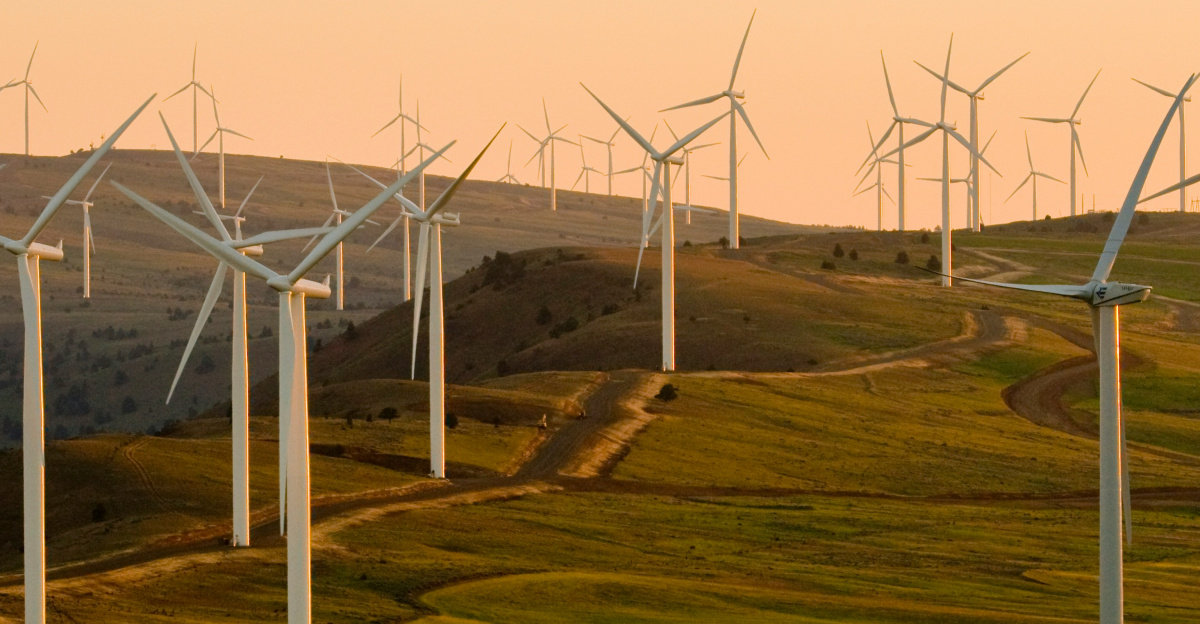
Consumers face immediate pressure from elevated energy prices and aging infrastructure. Households in vulnerable regions report significant increases in winter heating costs, with further hikes expected as grid modernization accelerates. The paradox is stark: while low-emissions sources are projected to exceed fifty percent of global electricity generation before 2030, the infrastructure to reliably distribute this power is falling dangerously behind.
Major technology companies and manufacturers are racing to secure long-term renewable energy contracts before infrastructure constraints become even tighter.
Amazon, Google, and Microsoft have collectively committed to purchasing renewable energy capacity, with corporate buyers in aggregate adding approximately 22 gigawatts of capacity in 2024 alone.
However, supply chain delays and permitting bottlenecks mean many contracts won’t deliver power for three to five years, forcing corporations to hedge with expensive short-term alternatives.
Maritime Chokepoints and Supply Chain Fragility

Five critical sea routes—the Strait of Hormuz, the Strait of Malacca, the Suez Canal, the Panama Canal, and the Bab el-Mandeb—carry the majority of global oil transit and significant quantities of liquefied natural gas daily.
In 2024, Houthi attacks and geopolitical tensions led to a substantial surge in oil traffic around the Cape of Good Hope, increasing from approximately 5.9 million barrels per day to 8.7 million barrels per day.
Insurance premiums and freight rates have skyrocketed, adding hidden costs to every imported energy product and further destabilizing supply chains that depend on stable, predictable routes.
Energy Poverty Widens in Developing Nations
In developing nations, energy costs consume a larger share of household income compared to wealthy countries. Agricultural workers in Asia and Africa report that fertilizer prices—dependent on natural gas—have increased significantly since 2021, resulting in reduced crop yields and a deepening of rural poverty.
Meanwhile, approximately 750 million people still lack reliable access to electricity, predominantly in sub-Saharan Africa, while over 2 billion lack access to clean cooking fuels. This gap widens as energy prices fluctuate and investment capital shifts toward wealthy markets pursuing electrification and data center expansion.
Policy Fragmentation and Inflation Risks

As of April 2025, the U.S. imposed ten percent universal tariffs and reciprocal tariffs on multiple trading partners, disrupting clean energy supply chains and increasing capital costs for long-term investments.
The European Union countered with its own trade measures, while China accelerated domestic solar and battery manufacturing to capture market share. These policy conflicts are fragmenting the global energy transition, creating winners and losers by geography rather than merit.
Energy price volatility is feeding broader inflation. The International Monetary Fund revised its 2025 global growth forecast downward to 2.8 percent in April 2025, citing energy uncertainty as a key factor. Higher energy costs ripple through transportation, manufacturing, and food production, driving up consumer prices across these sectors.
The Critical Window: 2025–2030
The next critical window is the second half of this decade, when fossil fuel demand peaks for the first time across all three fuels simultaneously, electricity becomes the dominant energy carrier, and energy surplus could emerge alongside system fragility.
Without urgent investment in grids, storage, and policy coherence, the world risks cascading blackouts, price shocks, and geopolitical conflict over energy resources. The decisions made in the next eighteen months will determine whether this energy transition succeeds or stalls.
Sources:
International Energy Agency World Energy Outlook 2024, October 2024
IEA Global Energy Review 2025
IEA Electricity 2024 Analysis and Forecast to 2026
American Society of Civil Engineers 2025 Report Card for America’s Infrastructure
International Monetary Fund World Economic Outlook April 2025
World Bank Tracking SDG 7 Energy Progress Report 2025
U.S. Energy Information Administration Red Sea Oil Flow Analysis 2024