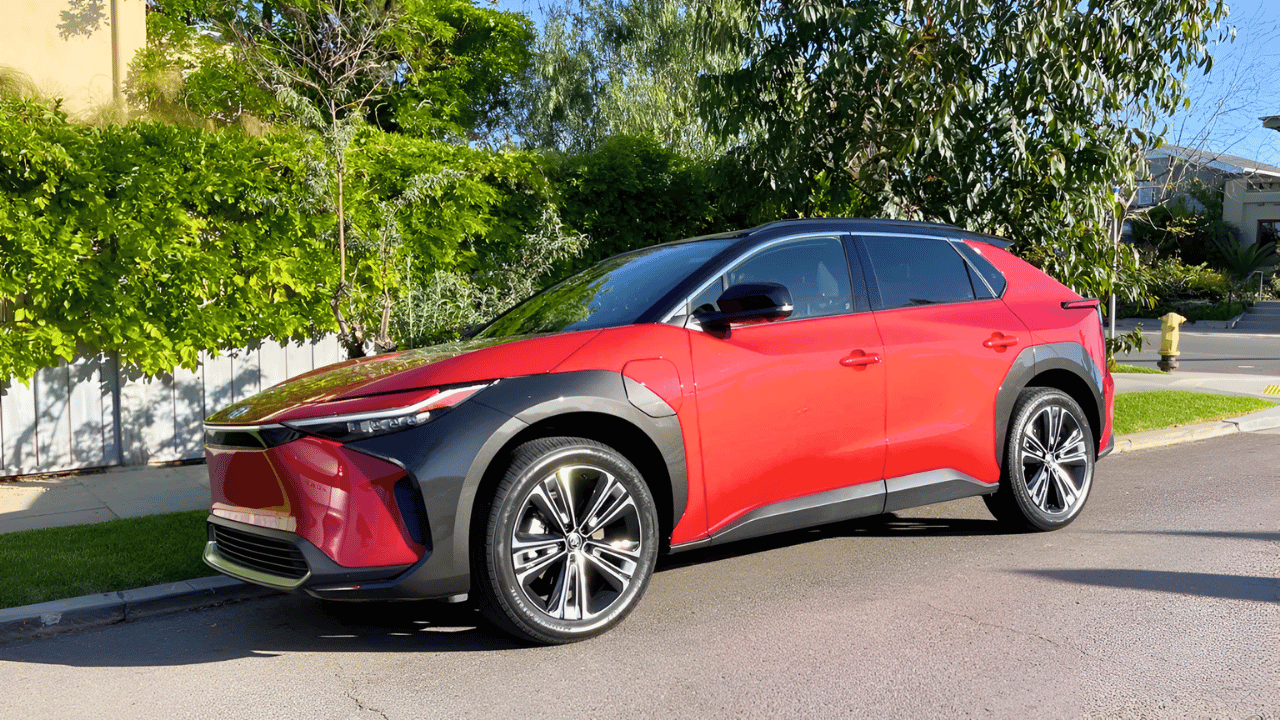
The electric vehicle market in the United States has reached a decisive inflection point. As of the third quarter of 2025, EVs now represent 10.5% of new car sales, a significant jump from 7.4% just three months earlier. Yet despite this momentum, a persistent misconception lingers: that going electric requires a six-figure budget. The reality tells a different story. Today, buyers can purchase a brand-new EV for under $30,000, fundamentally reshaping the economics of vehicle ownership and making the transition to cleaner transportation genuinely accessible.
The Financial Case for Going Electric
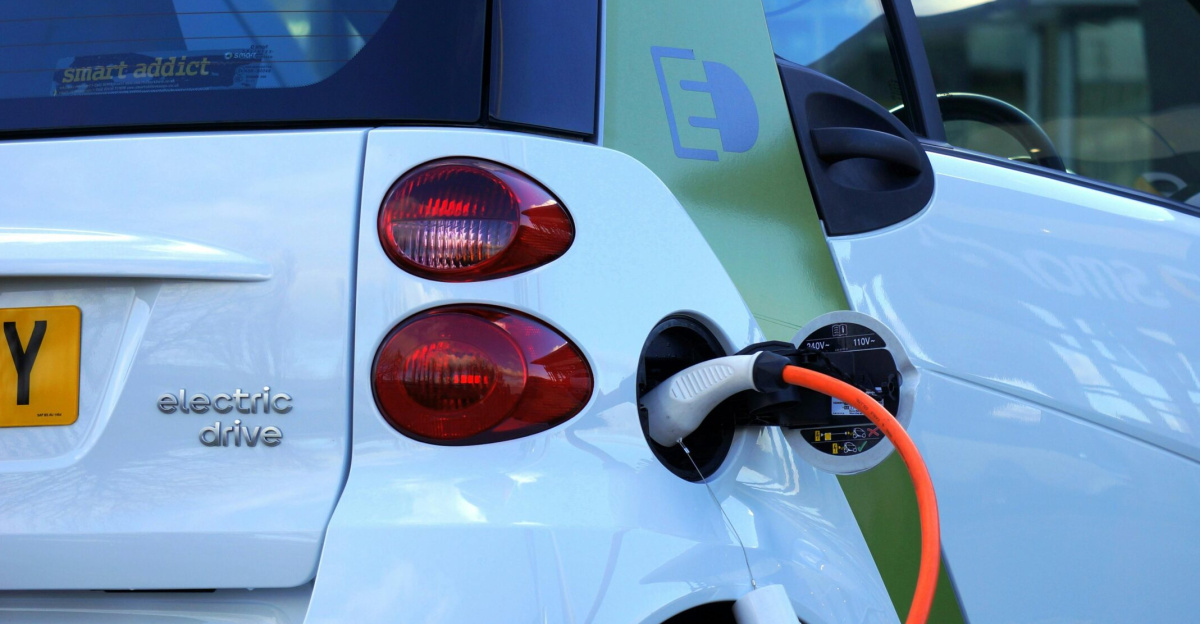
Operating an electric vehicle costs 60 to 70 percent less than maintaining a gasoline-powered car. Electricity is substantially cheaper than fuel, and the mechanical simplicity of EVs eliminates routine expenses like oil changes, spark plug replacements, and transmission fluid maintenance. Over a five-year ownership period, total costs—including purchase price, fuel, insurance, and maintenance—average $36,772 for an EV compared to $54,473 for an equivalent gas vehicle, a difference of $17,701.[1]
Beyond operational savings, environmental benefits are measurable. Electric vehicles produce zero tailpipe emissions, reducing a driver’s carbon footprint by approximately 80 percent. Modern EVs also deliver cutting-edge technology as standard equipment: smartphone integration, advanced infotainment systems, and driver assistance features that were once luxury add-ons. The instant torque of electric motors provides responsive acceleration, while quiet powertrains create serene cabin environments that gas engines cannot match.
Market Shifts After Federal Incentive Expiration

The federal EV tax credit, which offered up to $7,500 per vehicle, expired on September 30, 2025. While this removed a significant financial incentive, the market has adapted in unexpected ways. Automakers have responded by competing aggressively on base pricing, driving affordability through genuine cost reductions rather than relying on subsidies. Many states—including California, New York, and Colorado—continue offering EV rebates, providing buyers with additional savings opportunities.
Smart consumers can now access entry-level EVs at historically low prices without depending on expired federal programs. This shift has democratized EV ownership, moving it from a niche market into mainstream territory.
Infrastructure Expansion Reduces Range Anxiety
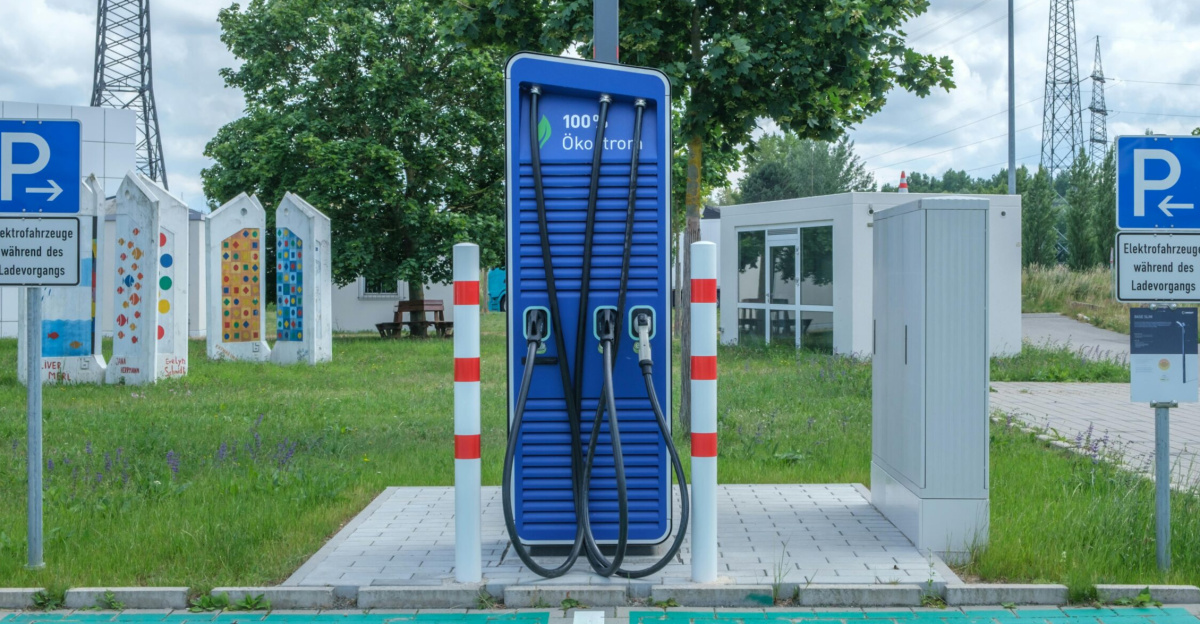
America’s EV charging network expanded dramatically throughout 2025. The third quarter alone saw 780 new public high-speed chargers open nationwide. Level 2 chargers now number in the hundreds of thousands, while DC fast chargers can replenish an EV battery to 80 percent capacity in 20 to 40 minutes. Tesla’s Supercharger network remains the industry leader, with Electrify America, EVgo, and ChargePoint expanding rapidly across regions.
Range anxiety, long cited as a barrier to EV adoption, is largely overblown for typical driving patterns. The average American commute spans roughly 30 miles daily. Even the most affordable EV on the market—the Nissan Leaf with 149 miles of range—can handle five days of commuting before requiring a charge. For long-distance travel, modern DC fast charging enables adding 200 or more miles in 30 to 40 minutes. Affordable EVs easily cover 95 percent of routine driving needs, making range anxiety more psychological than practical for most households.
The Current EV Landscape
Nearly 90 EV models are now available nationwide, with over 437,000 units sold in Q3 2025 alone. Tesla holds 41 percent of the market, followed by General Motors, Hyundai Group, Ford, Volkswagen, and Honda. This competitive landscape has driven innovation and affordability across price tiers.
Entry-level options now range from approximately $29,000 to $42,000. The Nissan Leaf remains America’s most affordable EV at $29,635, backed by over 12 billion electric miles driven globally. The Fiat 500e ($32,495) combines classic Italian design with modern efficiency, ideal for urban drivers. The Hyundai Kona Electric ($34,470) offers up to 261 miles of range in a practical compact SUV body. The Chevrolet Equinox EV ($33,600) stands out with 319 miles of range on its base model, making it one of the longest-range budget options available.
Mid-range choices include the Tesla Model 3 Standard ($38,380) with 321 miles of range, the Toyota bZ4X ($38,520) emphasizing reliability, and the Hyundai Ioniq 6 ($39,095), which was named Best Value EV by Cars.com for two consecutive years. Higher-priced entries like the Ford Mustang Mach-E ($39,990), Kia Niro EV ($41,045), and Nissan Ariya ($41,265) add performance, cargo capacity, or advanced technology features.
Making an Informed Purchase Decision
Selecting the right EV requires understanding key specifications. Battery size, measured in kilowatt-hours, directly affects range: 40 to 50 kWh suits daily commutes, while 60 to 90 kWh handles frequent long-distance travel. EPA-estimated range provides realistic predictions accounting for temperature effects. Horsepower influences acceleration, while torque delivers immediate responsiveness. Front-wheel drive maximizes efficiency; all-wheel drive improves traction at a minor range cost.
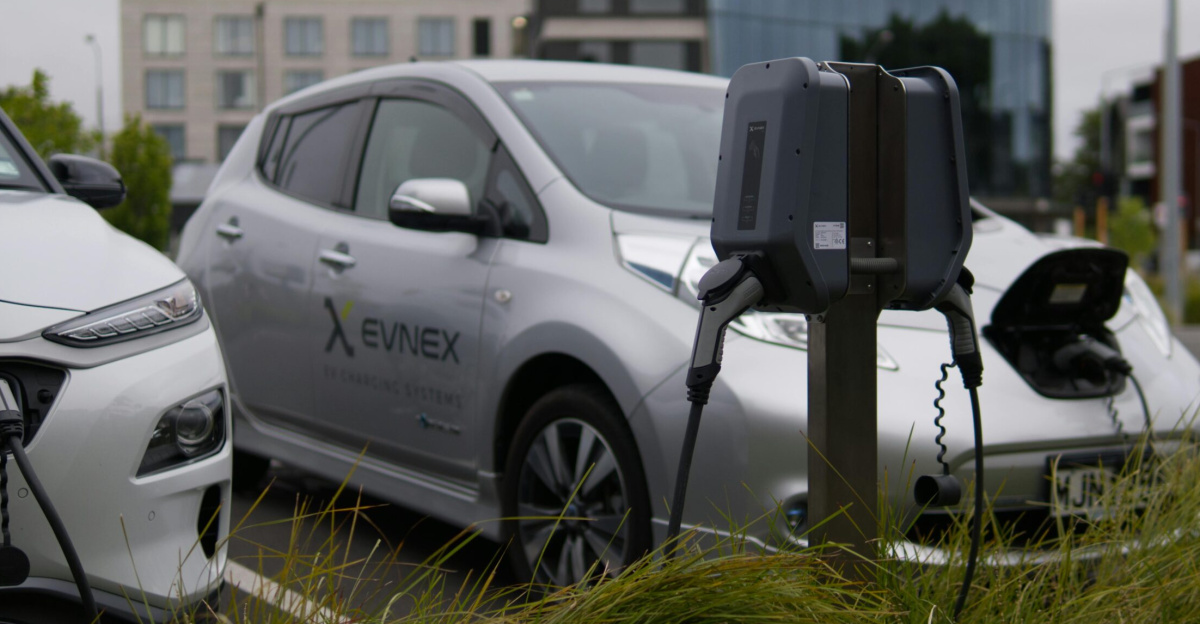
Buyers should test drive multiple vehicles to experience one-pedal driving, acceleration characteristics, and cabin quietness. Home charging feasibility deserves careful evaluation, with Level 2 installation costs ranging from $500 to $2,500. Comparing total ownership costs—including insurance, electricity, maintenance, and depreciation—provides a complete financial picture. Reviewing warranty coverage, typically 8 years or 100,000 miles for EV components, ensures long-term peace of mind.
With new EV prices now accessible to mainstream buyers and charging infrastructure expanding rapidly, the transition to electric transportation has shifted from aspirational to practical. The affordable EV market of 2025 demonstrates that cleaner, cost-efficient driving is no longer a luxury reserved for early adopters—it is becoming the default choice for American drivers seeking reliable, economical vehicles.
Sources
U.S. Environmental Protection Agency (EPA) – EV Range Testing Methodology
Internal Revenue Service (IRS) – Federal EV Tax Credit Expiration
Cox Automotive & Kelley Blue Book – Q3 2025 EV Sales Data