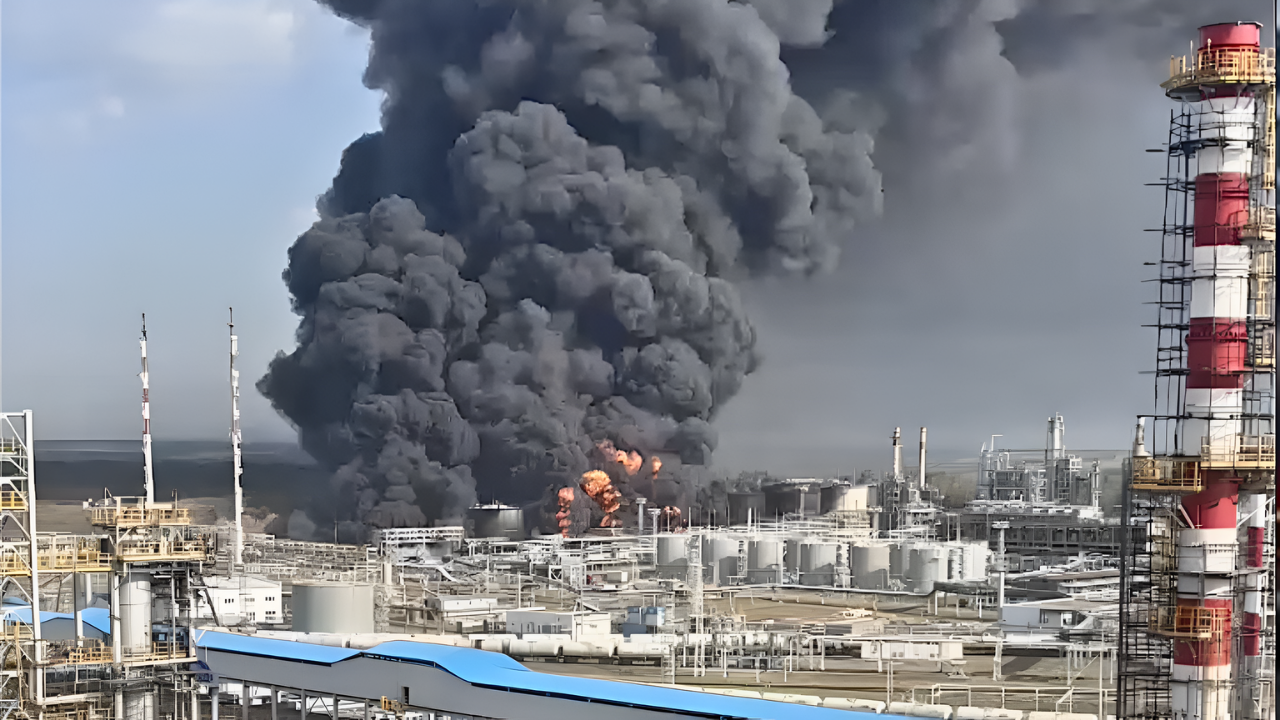
On November 15, 2025, a significant escalation in Ukraine’s energy warfare against Russia unfolded when Ukrainian forces launched a targeted drone attack on the Ryazan oil refinery. Located 470 kilometers from the frontline, this strike reflects the ongoing intensification of Ukraine’s military strategy aimed at crippling Russia’s oil supply lines, which are crucial for sustaining its military operations.
As Ukraine’s precision attacks increasingly focus on key energy infrastructure, analysts caution that these developments could significantly hinder Russian capabilities. The Ryazan refinery, recognized as one of Russia’s largest, became emblematic of this struggle for energy dominance amid the war.
The Accelerating Campaign

Ukraine’s aerial campaign has gained momentum, with President Volodymyr Zelenskyy asserting that recent strikes have decimated an estimated 22–27 percent of Russia’s fuel production capacity as of late October 2025. Notably, the Ryazan refinery is now among at least 17 major facilities targeted this year, marking a shift towards more aggressive tactics.
Each successful strike not only diminishes Russia’s fuel reserves but also impacts global oil supply chains. Military analysts emphasize that these strikes represent a deliberate strategy to inflict maximum damage on vulnerable infrastructure. “Each attack is designed to disrupt as efficiently as possible,” according to energy security assessments of the ongoing campaign.
Soviet-Era Vulnerabilities
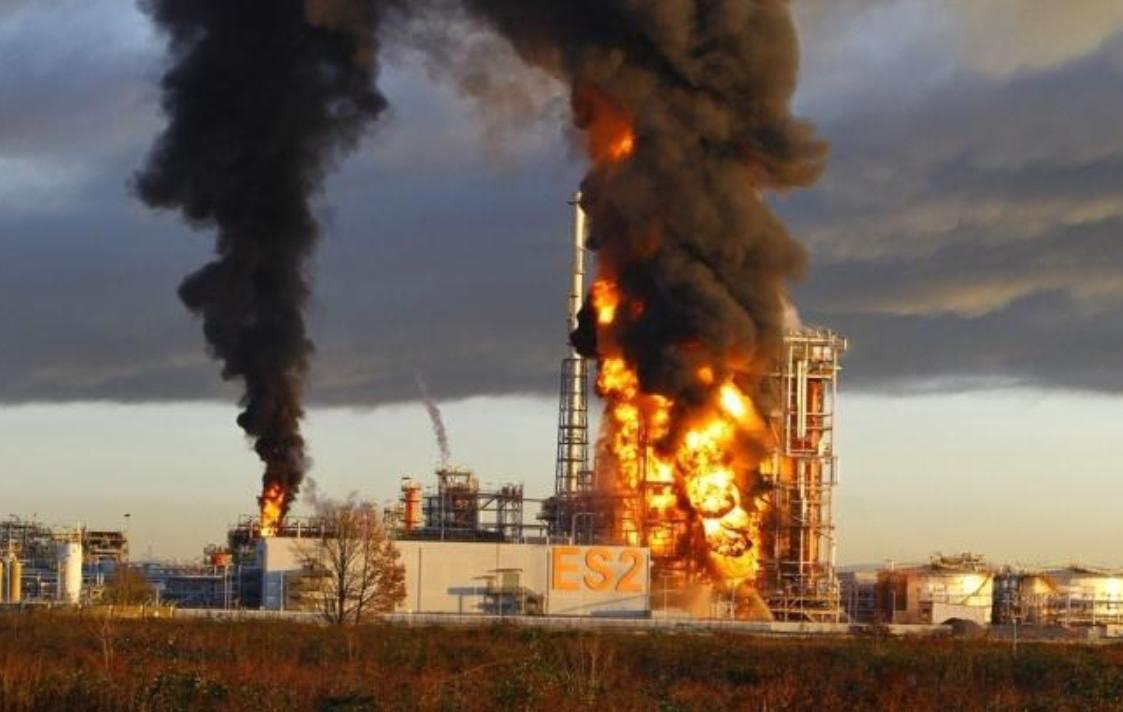
Russia’s oil refinery network, primarily constructed during the Soviet era, remains vulnerable to modern threats. The aging facilities rely on centralized crude distillation units (CDUs) that are expensive to replace and challenging to defend. These structures, once seen as strategically insulated from direct conflict, now find themselves within the operational range of Ukrainian UAVs.
Energy economists note that the infrastructure has not progressed to modern security standards, making it susceptible to drone warfare. The geography that once provided strategic distance has turned into a liability for Russia’s oil supply, with refineries positioned deep inside Russian territory now reachable by precision weapons.
The Perfect Storm Converges
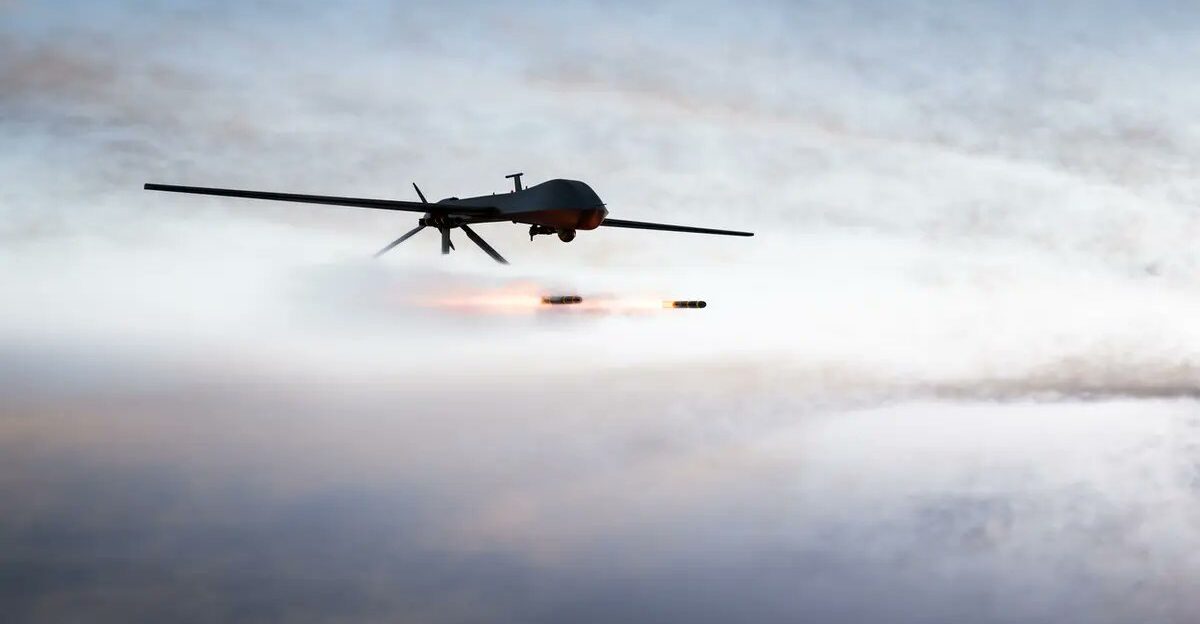
By mid-November 2025, urgent signs pointed to a mounting crisis in Russia’s energy supply. Continuous strikes left vital energy infrastructure damaged, while Russian air defense systems struggled to counter enhanced drone capabilities fielded by Ukraine. The combination of dwindling production and impending winter heightened pressure on sourcing heating fuels.
In a desperate response, Russia launched a large-scale assault against Kyiv on November 14, deploying 430 drones and 18 missiles. Regional security experts note that such escalation demonstrates mounting vulnerabilities, with both sides locked in a tit-for-tat cycle of retaliation that intensifies the energy crisis.
The Strike on Ryazan (The Central Nugget)
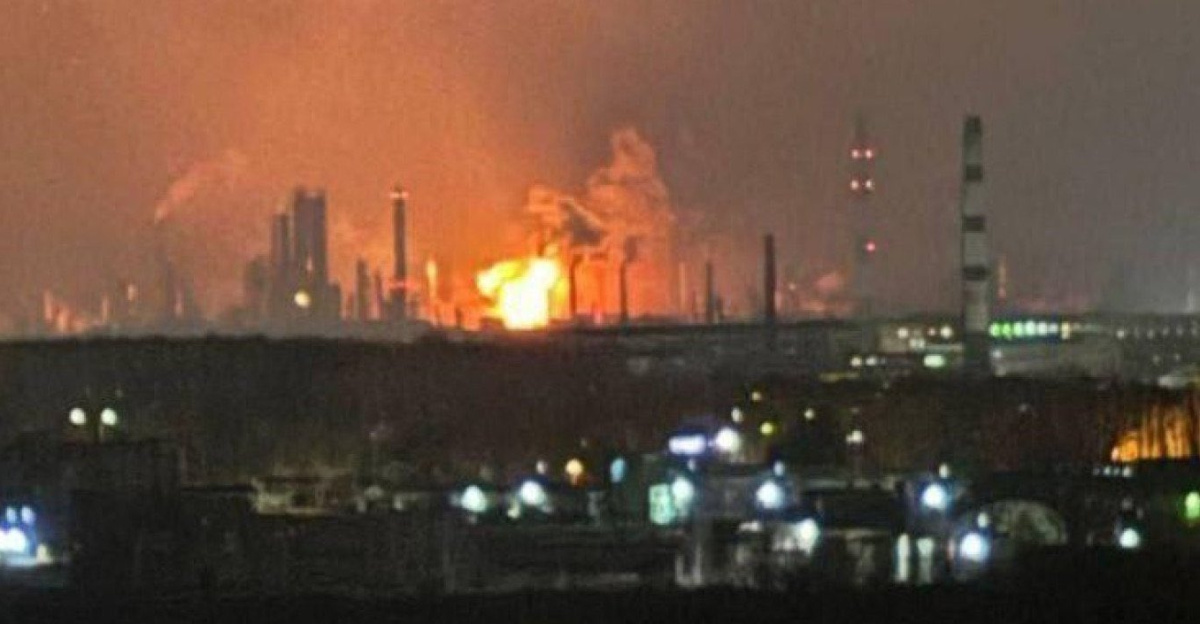
In the night hours of November 14–15, 2025, Ukraine’s Unmanned Systems Forces orchestrated a coordinated drone assault on the Ryazan oil refinery, located 120 miles southeast of Moscow and more than 470 kilometers from Ukraine’s border. Official confirmations from Ukraine’s General Staff indicated significant explosions and large-scale fires at the facility.
Russia’s Defense Ministry acknowledged intercepting 25 drones over Ryazan Oblast alone, inadvertently confirming the scope of the attack. This refinery, processing around 13.1 million metric tons of crude annually, sustained catastrophic damage, forcing an indefinite shutdown. The strike represents one of Ukraine’s deepest penetration attacks on Russian territory during the entire conflict.
Ryazan’s Strategic Role
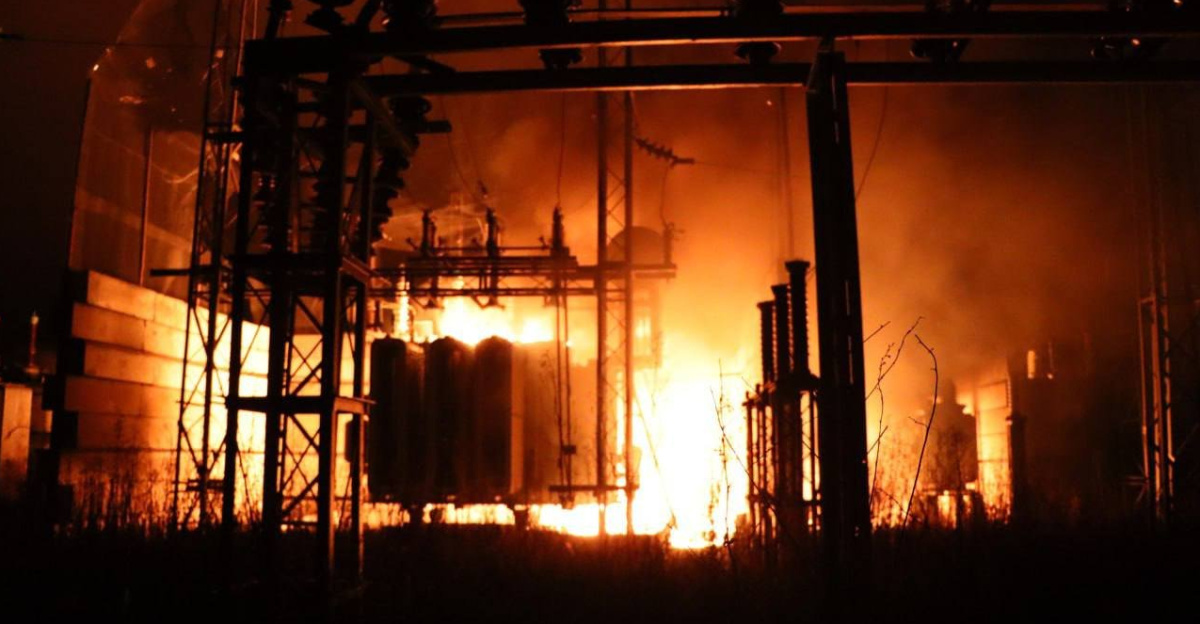
Ryazan plays a vital role in supplying fuels to Moscow and its surrounding oblasts. In 2024 alone, it produced 2.2 million metric tons of gasoline, 3.4 million metric tons of diesel, and 4.3 million metric tons of fuel oil. The facility’s primary crude distillation unit (CDU-1) holds critical strategic value, processing approximately 160,000 barrels of crude oil daily and accounting for nearly 48 percent of the plant’s total throughput.
This single unit represents enormous value to Russia’s military logistics and civilian heating systems. With its destruction, Russia faces cascading impacts across the Central and Volga Federal Districts, where Ryazan fuel supplies were essential to both military operations and regional civilian infrastructure.
Immediate Consequences of the Strike
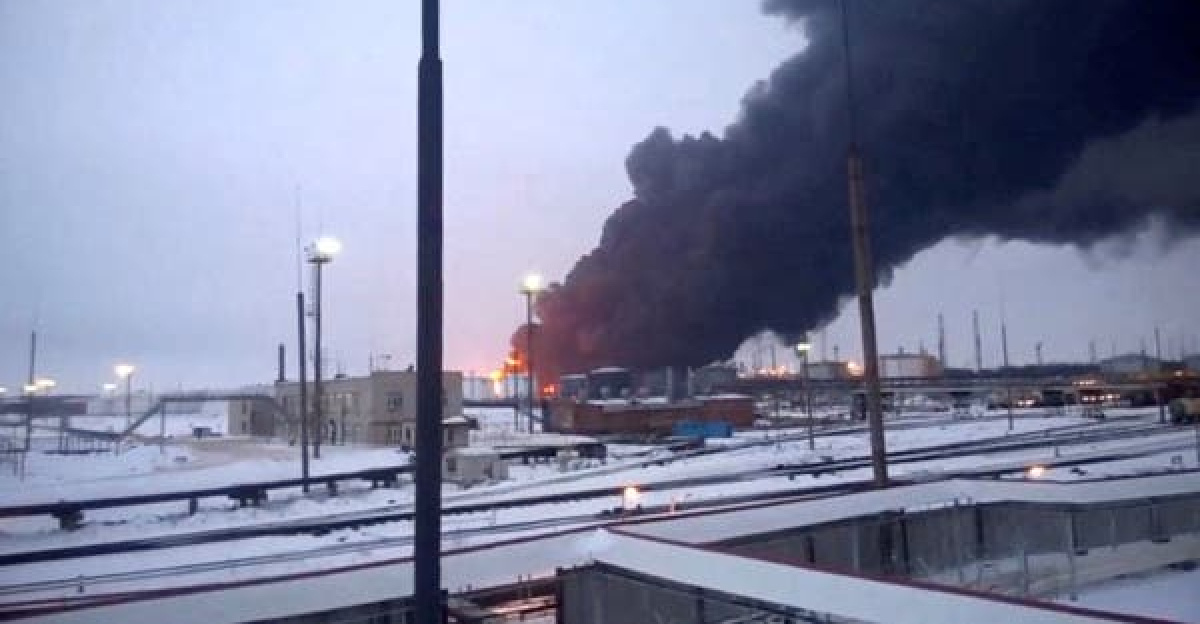
Following the attack on Ryazan, flames engulfed the central crude distillation unit, resulting in an immediate halt to all processing activities. Russian authorities eventually confirmed extensive damage inflicted by the drone barrage, though initial statements minimized the severity. Reports underscored that the facility’s operational capabilities would remain severely impaired for weeks.
Industry sources reported that the refinery was expected to stay completely offline until at least December 1, 2025, a minimum 16-day shutdown that would result in approximately $50–80 million in lost revenue for Rosneft. Such prolonged stoppages are rare and destructive, forcing cold starts of delicate equipment and testing structural integrity throughout the facility.
Secondary Targets and Dual Strike
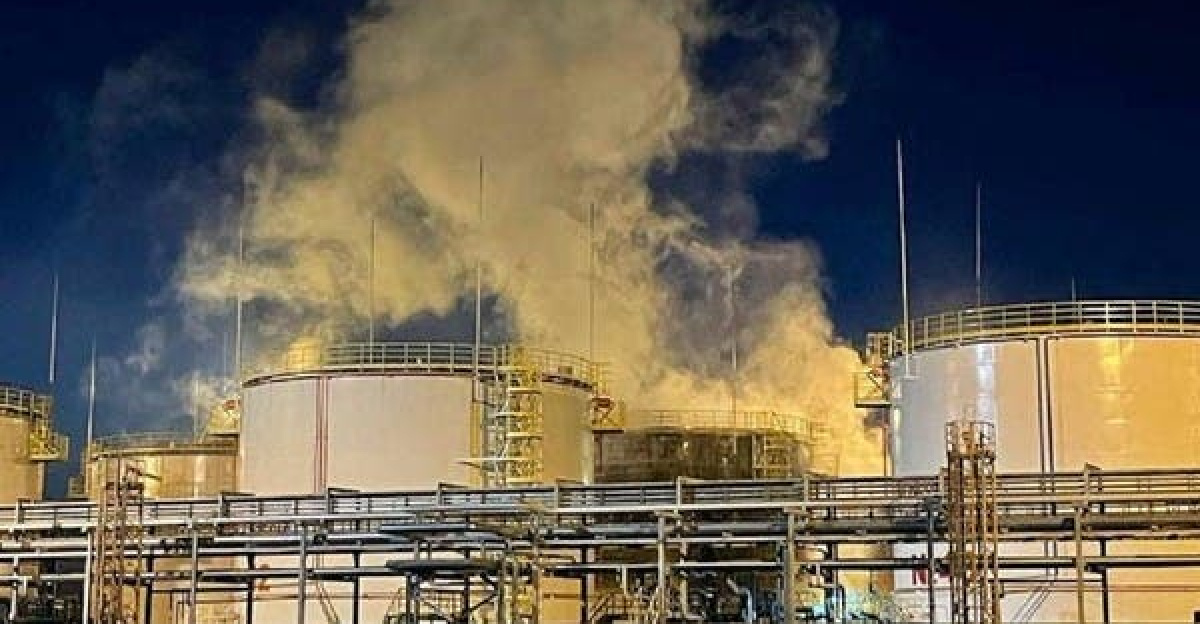
In the wake of the Ryazan strike, Ukraine’s campaign revealed unprecedented scope. On the same night of November 15–16, Ukrainian forces successfully executed strikes against the Novokuybyshevsk oil refinery in Samara Oblast, located approximately 900 miles from active combat zones in Donetsk. Novokuybyshevsk is Russia’s tenth-largest refinery, processing 8.8 million metric tons annually and producing specialized TS-1 jet fuel, which is critical to the Russian Aerospace Forces.
This marked the sixth Ukrainian attack on the same facility during the war, demonstrating both resolve and capability. The dual-target strike in a single night demonstrated Ukraine’s expanded ability to conduct simultaneous deep strikes at strategic targets hundreds of kilometers apart.
Russian Air Defense Under Pressure
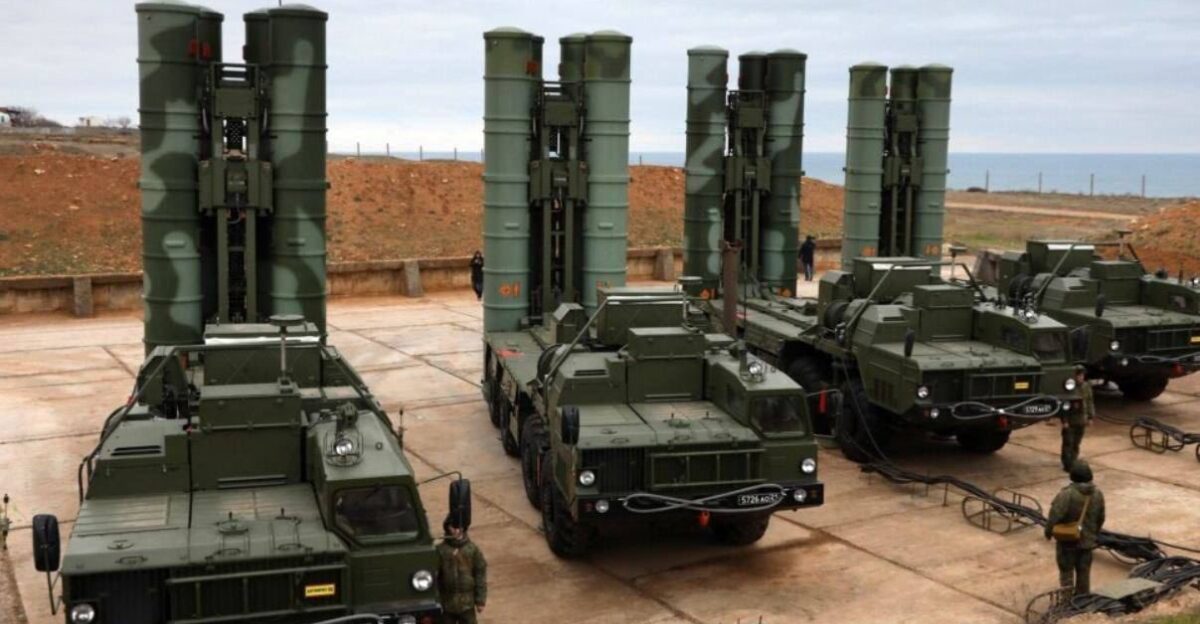
The escalating Ukrainian drone strikes have stretched Russia’s air defenses to their operational limits. Russian media reported the interception of 64 Ukrainian drones across 10 different regions during the November 14–15 attacks, with 25 specifically over Ryazan Oblast. However, the high incidence of successful strikes despite these interception claims raises critical questions about the effectiveness of these systems.
If 64 drones were truly intercepted across all regions, yet Ryazan and Novokuybyshevsk still caught fire, the contradiction exposes fundamental weaknesses in Russia’s air defense doctrine. Ukraine’s long-range drones travel at subsonic speeds, follow unpredictable flight paths, and employ sophisticated evasion tactics developed through months of combat testing.
The Pattern of Persistent Targeting
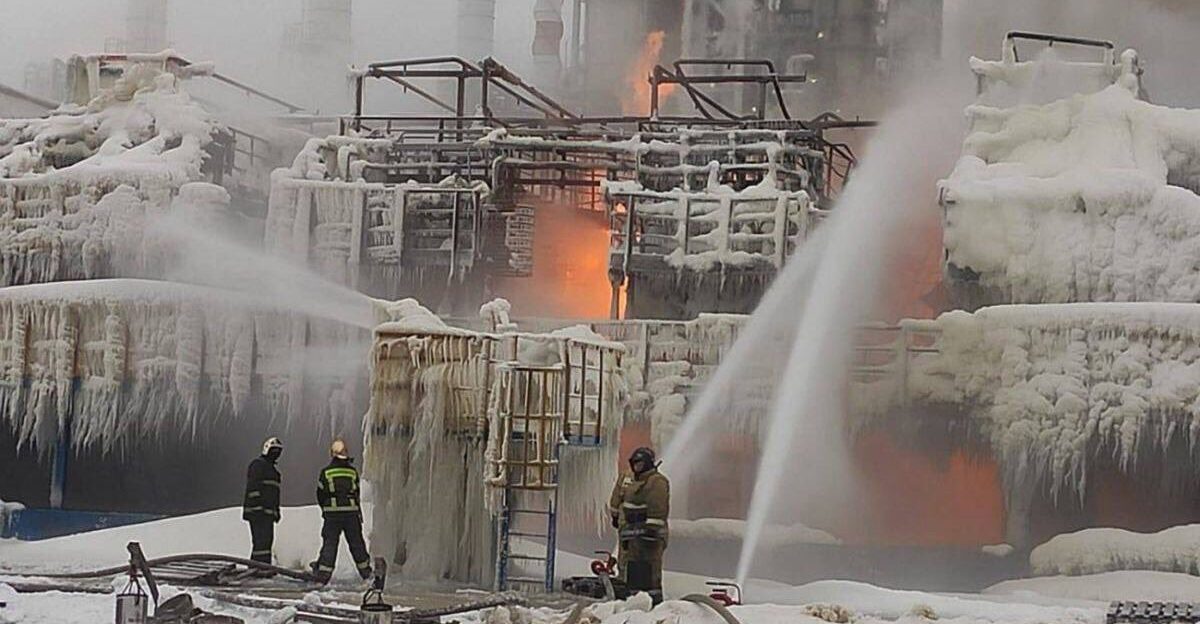
Ryazan was not struck for the first time on November 15. This was the facility’s eighth attack since January 2025, a recurring nightmare for Russia’s energy sector. In October 2025, Ukraine had already damaged the CDU-4 unit of Ryazan (with an 80,000 bpd capacity), forcing temporary shutdown and repair efforts. When the November strike landed on the main CDU-1, repairs were still incomplete.
This pattern reveals Ukraine’s deliberate strategic logic: repeatedly targeting the same objectives, preventing complete repair cycles, and forcing permanent degradation of capacity. A single refinery struck eight times in eleven months cannot return to full operational status. Russia faces a grim calculus where future strikes may render repair investments obsolete.
Economic Shock and Market Ripples
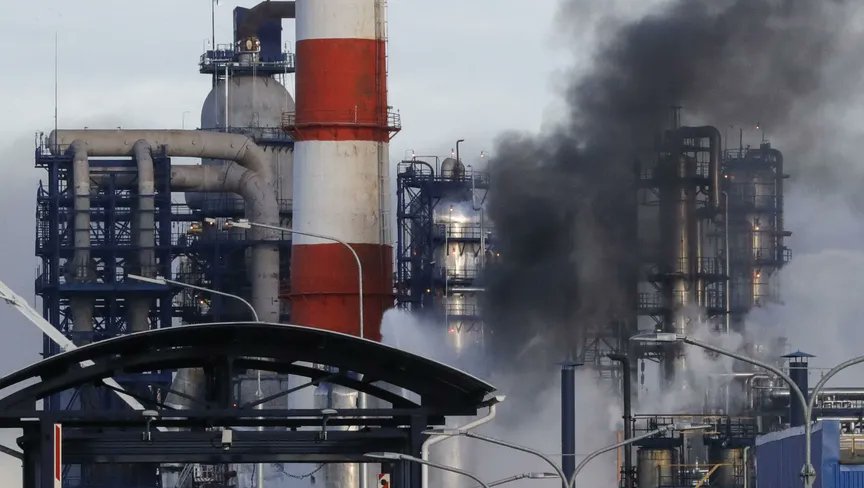
As the energy war intensifies, the repercussions of strikes on facilities like Ryazan extend beyond geopolitical confines into global oil markets. The reduction of Russia’s oil refining output leads to fluctuations in crude prices and fuel availability, influencing consumers worldwide. Industry analysts predict that sustained attacks on Russian refineries could create complex ripple effects in global supply chains.
The loss of 13.1 million metric tons of annual refining capacity at Ryazan alone represents a measurable impact on international energy pricing. Russia must now source additional refined products from unreliable partners at premium prices, while simultaneously rationing fuel for military operations and civilian heating during the winter months.
Civilian Impact and Human Cost

While the geopolitical landscape evolves, the human impact remains profound and multifaceted. Local communities around Ryazan are facing economic uncertainty as the region’s industrial base struggles to recover from the pandemic. Workers at the refinery and dependent supply chains confront job insecurity and livelihood threats.
Beyond employment, Russian civilians in the Moscow region and surrounding oblasts face potential heating fuel shortages as winter deepens. The effects of this conflict are not isolated to military calculations; they ripple outward into the daily lives of citizens caught in the crossfire of energy warfare. Understanding these human dimensions adds crucial context to the strategic calculations driving Ukraine’s energy campaign.
A Transformation in Warfare Tactics
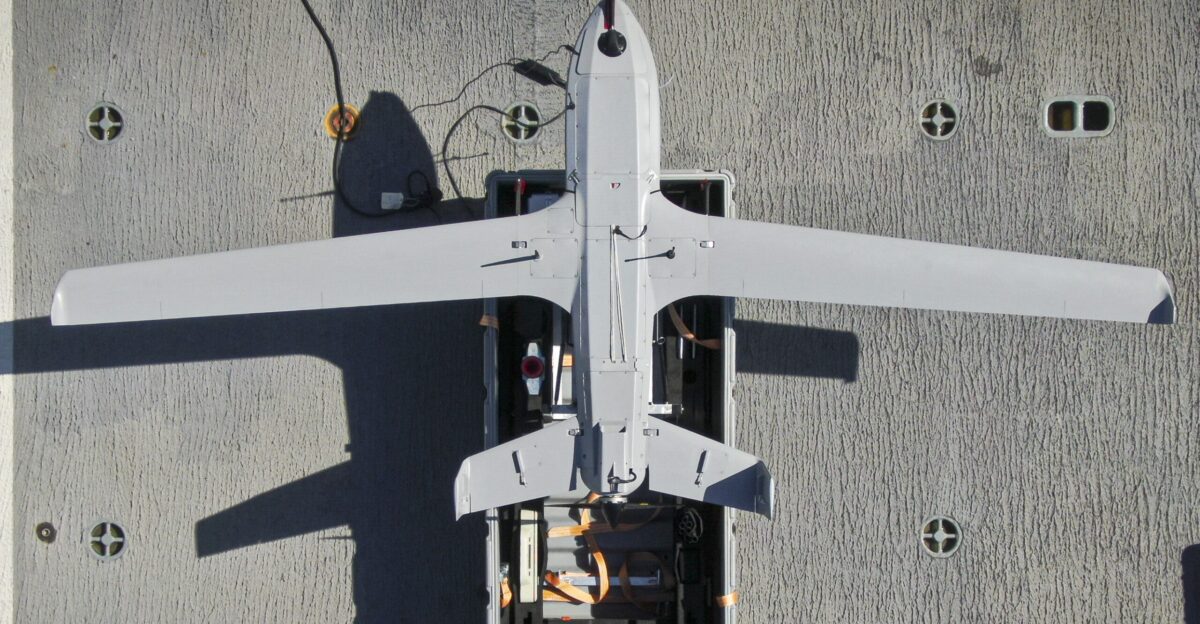
The ongoing conflict demonstrates a profound shift in the dynamics of modern warfare, showcasing how advanced technology fundamentally alters traditional concepts of defense and infrastructure vulnerability. Ukraine’s ability to leverage drone technology against Russia’s aging refineries represents a game-changing innovation that will likely inspire similar tactics in future conflicts globally.
This energy-focused campaign suggests that critical infrastructure once considered safely distant from combat zones is now a primary target. Military strategists worldwide are observing how precision drone strikes on energy infrastructure can degrade an opponent’s war-fighting capacity without direct battlefield engagement.
Uncertainty and the Winter Ahead

As November 2025 draws to a close, Russia faces compounding uncertainties. Can the nation sustain military operations on degraded fuel supplies? Can Ukraine maintain the pace of deep-strike missions without exhausting drone inventory or facing new countermeasures? Will winter weather grind operations to a halt, or have Ukrainian tactics evolved to overcome seasonal challenges? Russia’s options for fuel compensation, Iran, India, and alternative suppliers each carry geopolitical risks and cost premiums.
Meanwhile, civilian heating fuel shortages could create domestic pressure on the Kremlin. Experts remain skeptical about rapid Ryazan repairs, given Ukraine’s demonstrated ability to beat.
The Invisible War Within the War
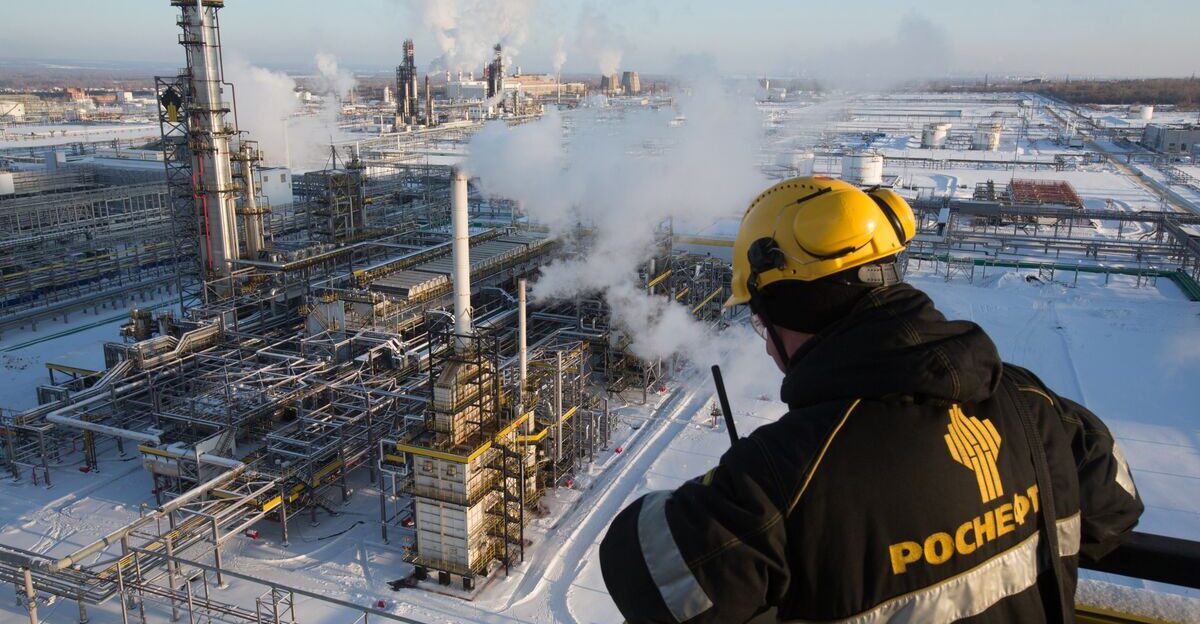
The events surrounding the Ryazan oil refinery illustrate a pivotal moment in the ongoing conflict between Ukraine and Russia. A war within the war is now being fought not on muddy battlefields but in flames at refineries, fuel depots, and power plants hundreds of kilometers from active combat zones. The winner of this energy struggle may ultimately be determined by who exhausts their fuel or ammunition first.
Ukraine has chosen to target Russia’s energy reserves and production capacity, betting that degradation of fuel supplies will constrain military operations more effectively than territorial gains alone. As global observers reflect on these developments, it is vital to recognize that the strategic pathways forged today will shape not only regional dynamics but potentially the future of warfare itself. The energy wars are far from over; they are merely entering a new and more dangerous phase.
Sources
Ukrainian Pravda – Repeat drone strike hits Ryazan oil refinery supplying fuel
Reuters – Russia’s fourth-largest oil refinery halts processing unit after drone attack
Kyiv Independent – Oil refinery in Russia’s Ryazan Oblast reportedly hit amid drone attack
Ukrainian General Staff – Official statements on November 15–20, 2025 drone strikes
Russian Defense Ministry – Air defense interception claims and regional damage assessments
Center for Strategic and International Studies (CSIS) – Energy Warfare and Air Defense Analysis