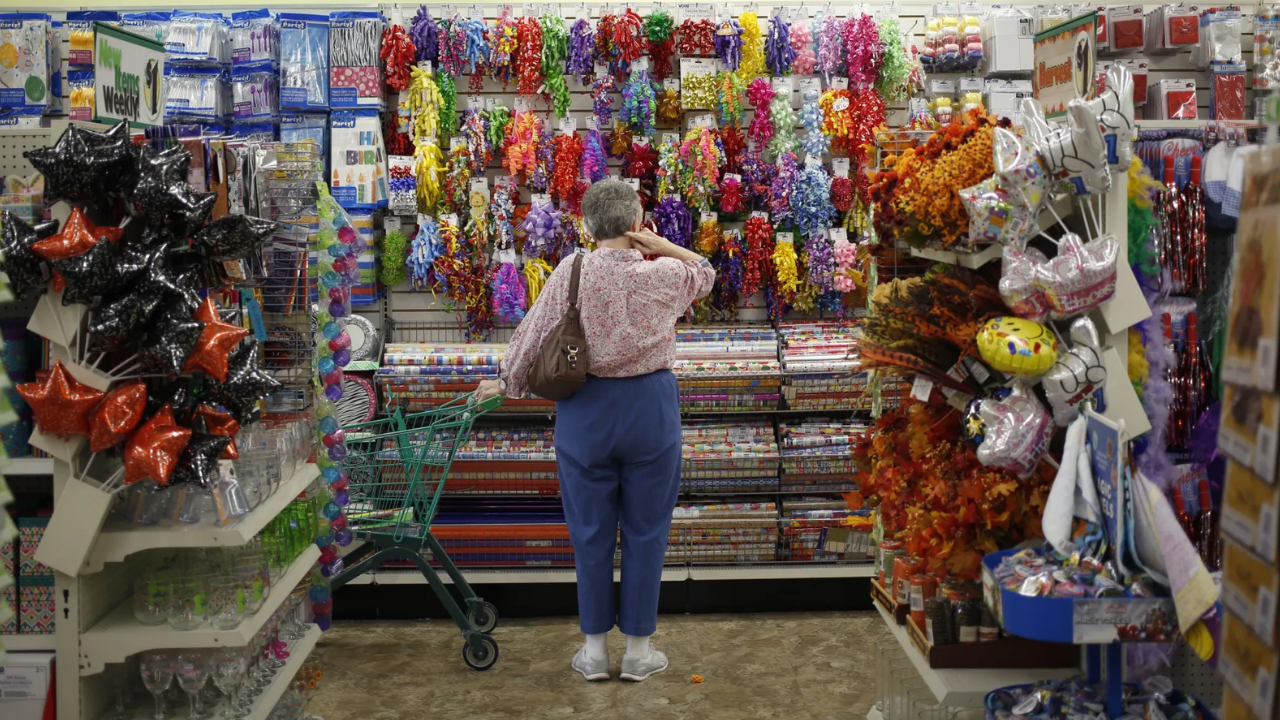
In neighborhoods where payday arrives late and bills arrive early, a plain storefront has long served as a lifeline—a place where families struggle to stretch their budgets, and communities gather. Throughout 2024, hundreds of these stores began closing their doors. The exodus left shoppers stranded and raised urgent questions about who orchestrated the shutdowns and why they happened so suddenly.
The Closure Wave Unfolds
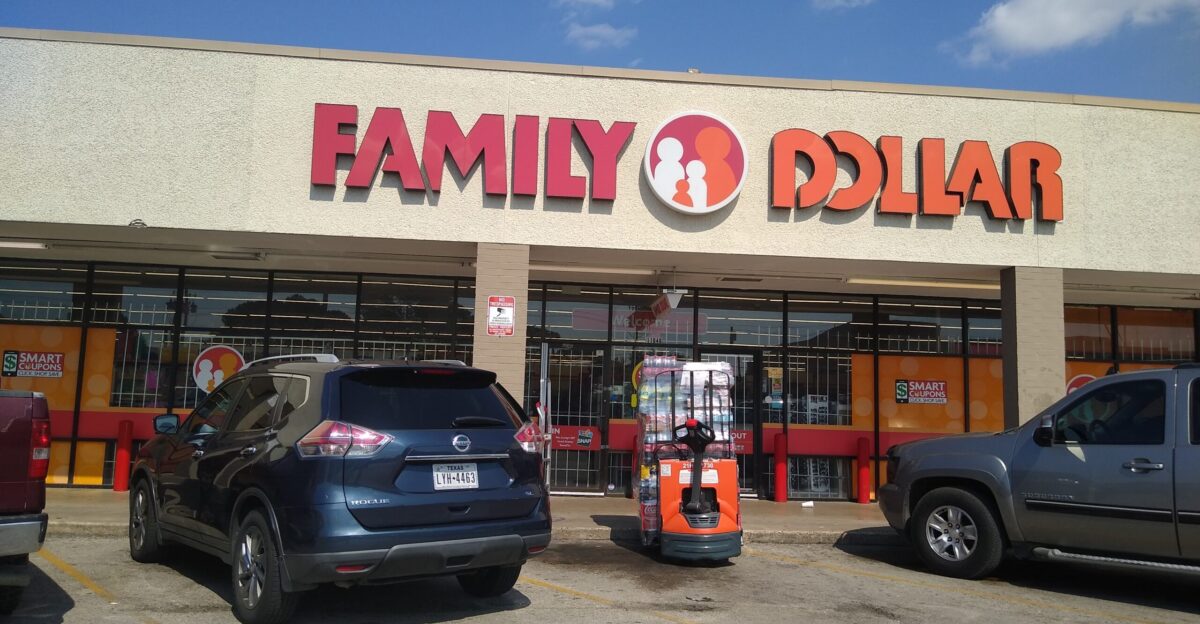
Final clearance signs appeared in windows. Padlocks secured glass doors. Confused customers arrived to find aisles dark and familiar faces gone. By February 1, 2025, the toll had reached approximately 695 Family Dollar stores across the United States—from working-class neighborhoods to rural crossroads in Georgia and Michigan. Each closure erased not just a place to shop, but a social anchor and employment hub in communities where other retailers rarely venture.
The Architect Behind The Shutdowns
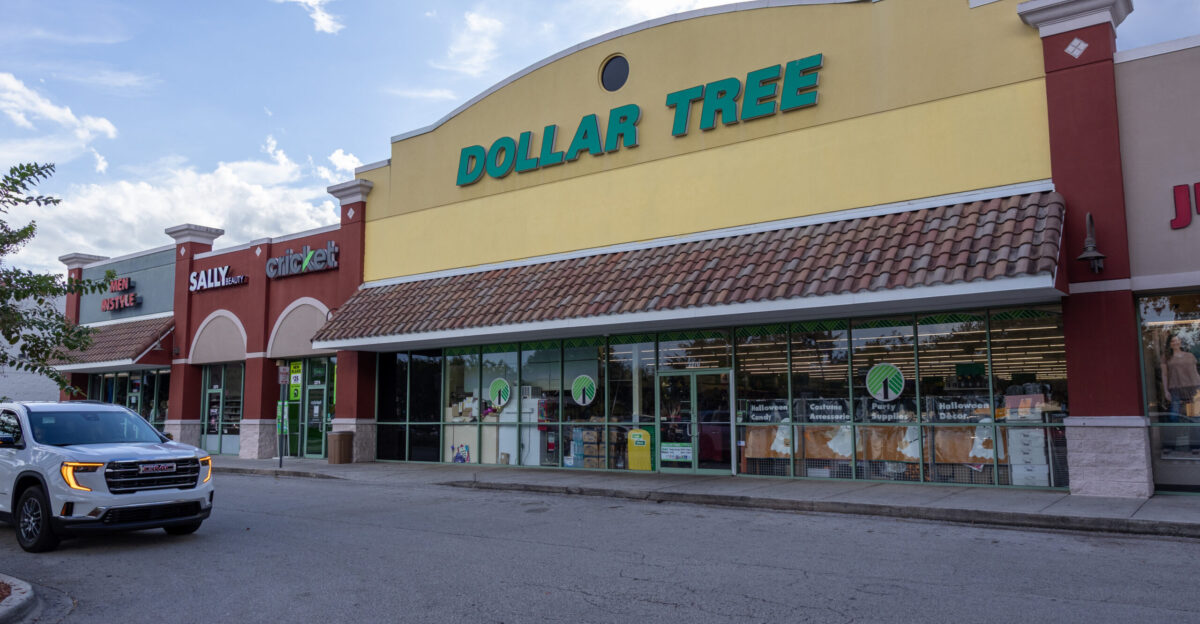
Dollar Tree, America’s discount retail giant, orchestrated this transformation. The company announced plans to close roughly 1,000 stores during earnings calls in late 2023, beginning with 600 Family Dollar locations during the first half of fiscal 2024 (February 4 – August 3, 2024). The closures accelerated as old leases expired, leaving approximately 695 confirmed shutdowns by early 2025.
The turning point came in March 2025, when Dollar Tree announced plans to sell Family Dollar—its struggling sibling brand acquired for $8.5 billion in 2015—to private equity firms Brigade Capital Management, Macellum Capital Management, and Arkhouse Management for approximately $1 billion. The sale was completed on July 5, 2025. CEO Mike Creedon framed the divestiture as a “major milestone” in the company’s transformation journey, signaling newfound strategic freedom and focus on the core Dollar Tree chain.
The Human Cost Of Corporate Restructuring
The impact on workers and families proved severe. With approximately 695 stores shuttered, families dependent on discount retailers faced longer trips to shop, higher prices, and mounting strain on already stretched budgets.
Hunger advocates have warned of the deepening of food deserts. Family Dollar stores had filled a critical gap, stocking basic groceries, household essentials, and personal care items in neighborhoods where supermarkets had already pulled out. Their absence left vulnerable populations with fewer affordable options and greater distances to travel for necessities. Academic research from UCLA’s Anderson School of Management has noted that the closures of dollar stores can exacerbate existing food access challenges in low-income communities.
A Transformed Dollar Tree Emerges
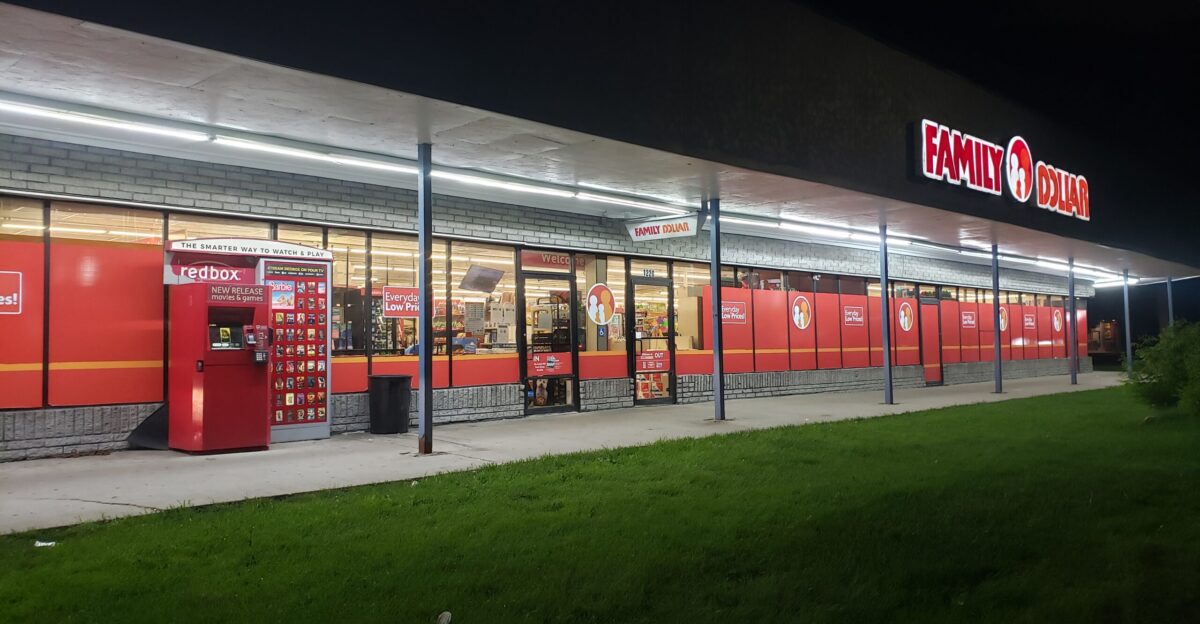
While Family Dollar crumbled, Dollar Tree itself thrived. In its second quarter of fiscal 2025 (ending August 2, 2025), the company reported strong results, with net sales reaching $4.6 billion, representing a 12.3 percent year-over-year increase. Same-store sales growth reached 6.5 percent, driven by a 3.0 percent increase in customer traffic and a 3.4 percent increase in average ticket.
The transformation extended beyond financial metrics. Dollar Tree remodeled approximately 2,900 stores nationwide by the end of fiscal 2024, abandoning the “everything’s a dollar” promise that built the chain. Shelves now displayed items priced at $1.50, $3, $5, and higher alongside classic dollar items. In the second quarter alone, the company converted 585 Dollar Tree locations to this multi-price format while opening 106 new stores.
A Shift In Customer Demographics
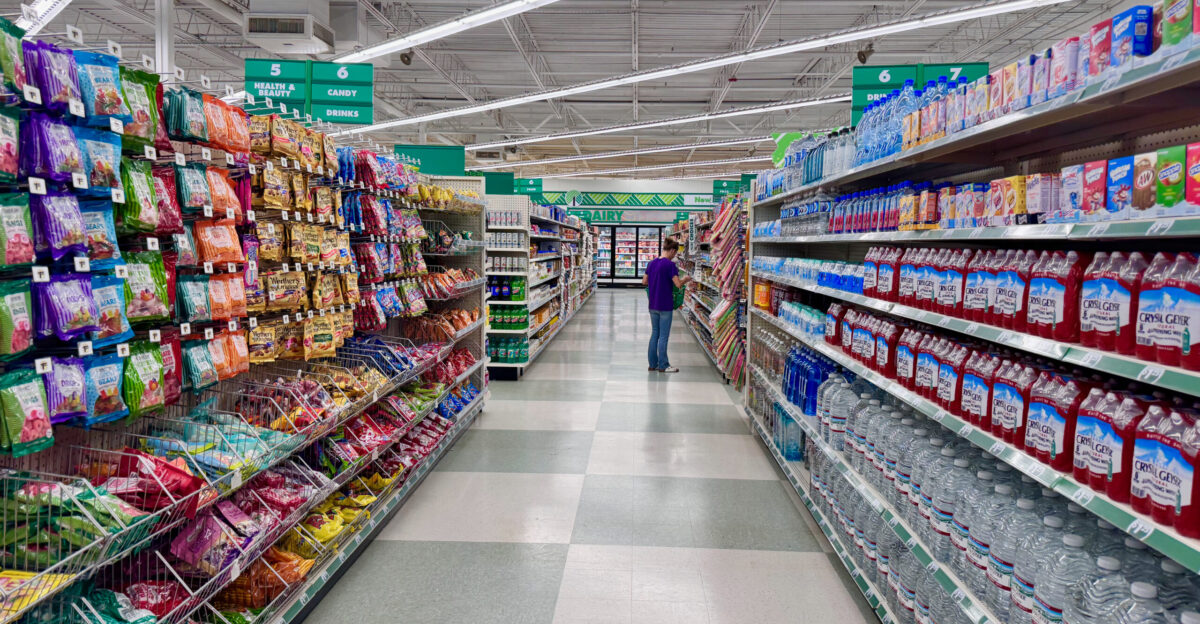
This strategic pivot attracted a new customer base. Middle- and higher-income Americans increasingly found value at remodeled Dollar Tree locations, while the lowest-income shoppers—the chain’s original constituency—faced higher barriers to affordability.
The shift proved profitable for shareholders. Dollar Tree projected full-year fiscal 2025 net sales of $19.3 to $19.5 billion and completed share buybacks exceeding $1 billion year-to-date, signaling management confidence in the company’s strategic direction.
Yet the gains masked a troubling reality. Wall Street celebrated the leaner, more profitable Dollar Tree, but Main Street faced a different calculus. Millions of shoppers now plotted longer drives, weighed higher prices, and mourned the loss of accessible retail anchors in their neighborhoods. The company’s decision to shed Family Dollar and remake itself exposed how fragile the bargain lifelines millions depend on truly are—and how swiftly they vanish when profits dictate otherwise.
More closures may be on the horizon as remaining Family Dollar leases are transferred to the new ownership structure. For communities left behind, survival shopping has become a harder journey.
Sources:
Dollar Tree, Inc. Q2 FY2025 Earnings Press Release — September 2, 2025
Dollar Tree, Inc. Family Dollar Divestiture Announcement — March 25, 2025
Dollar Tree, Inc. Form 10-Q SEC Filing — Q2 FY2025
Reuters and AP Financial News Archives — March–September 2025
National Retail Federation and Retail Dive Analysis — 2024–2025