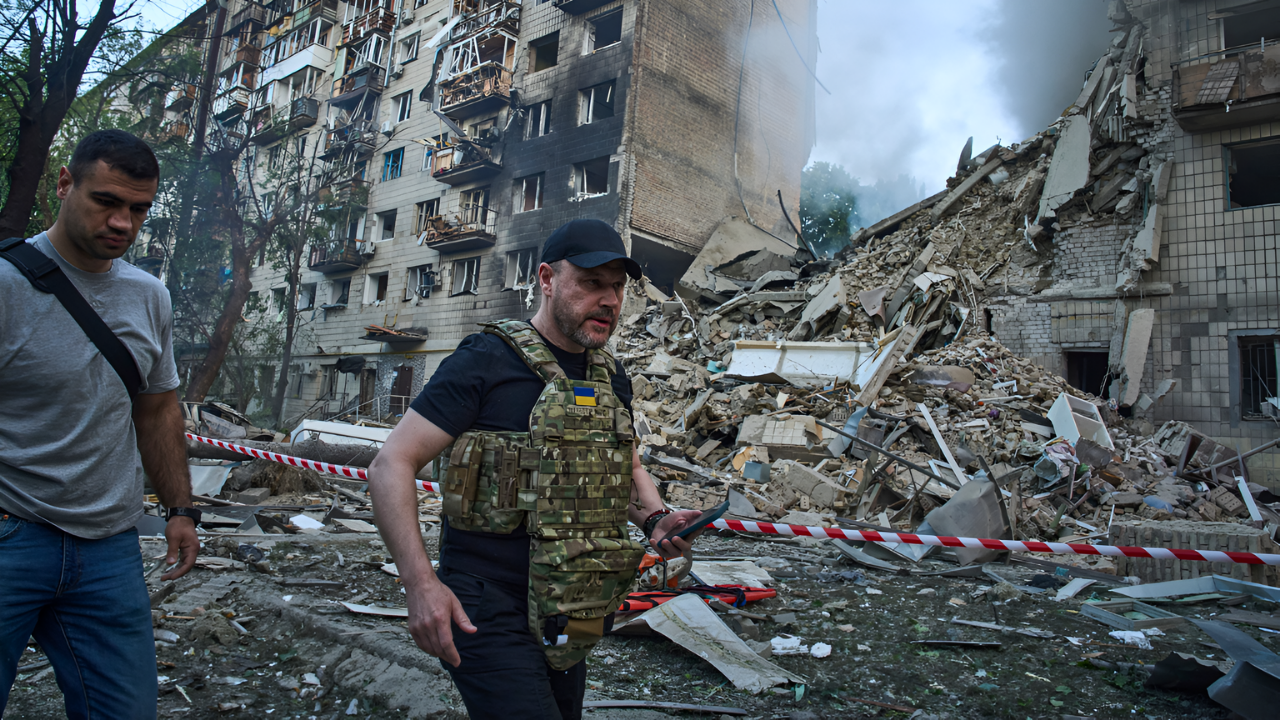
On the night of November 19, 2025, Russian forces unleashed a devastating barrage across western Ukraine that would become the deadliest single strike on the region since the full-scale invasion began. Over the course of nine hours, 476 drones and 48 missiles descended on cities far from active combat zones, killing 34 civilians and injuring 142 others.
The scale of the assault signaled a dangerous new phase of the conflict, demonstrating that Ukraine’s western regions—once considered relatively safe—now face direct and sustained threats from Russian aerial capabilities.
The Attack Unfolds
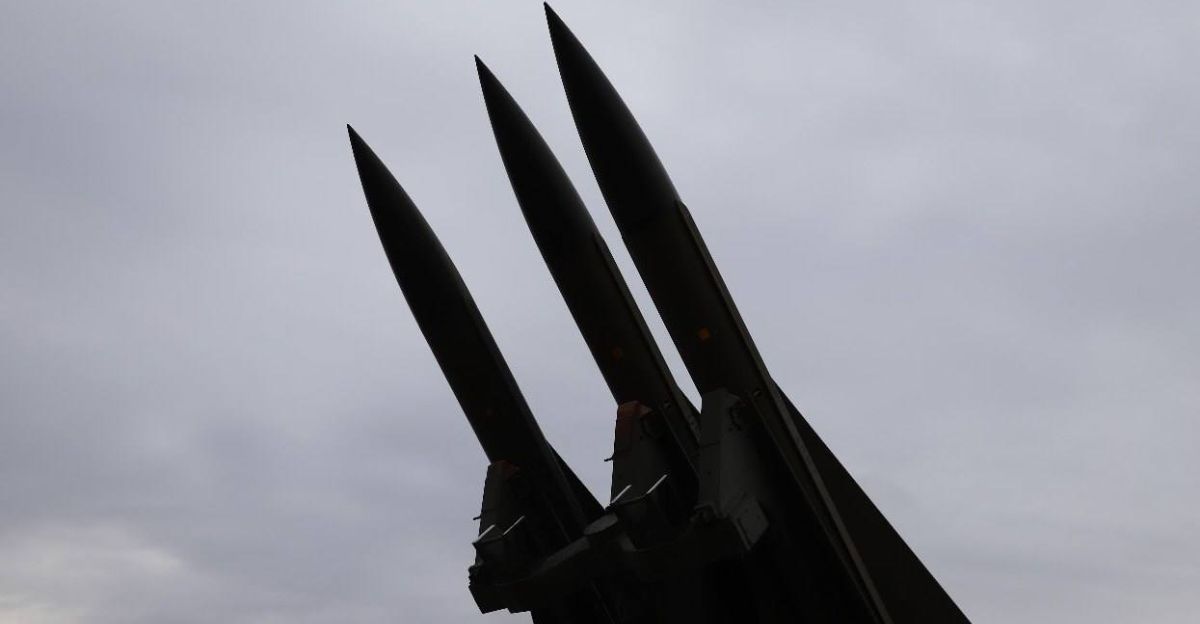
Russian forces launched their assault between 11 PM and 6 AM, targeting multiple western Ukrainian cities, including Ternopil, Lviv, and Khmelnytskyi. The weaponry consisted of 47 Kh-101 cruise missiles, one ballistic missile, and 476 explosive-laden drones, including Iranian-designed Geran-2 swarms. Launch points were strategic airbases in Vologda and Astrakhan, positioned to maximize pressure on Ukraine’s western regions.
Ukrainian air defenses intercepted most threats, downing 442 drones and 41 cruise missiles. However, breaches in Ternopil and Lviv revealed critical vulnerabilities in defending against large-scale drone barrages. The missiles and drones that penetrated defenses struck with devastating precision, targeting residential towers, postal infrastructure, and energy facilities.
Civilian Toll and Rescue Operations
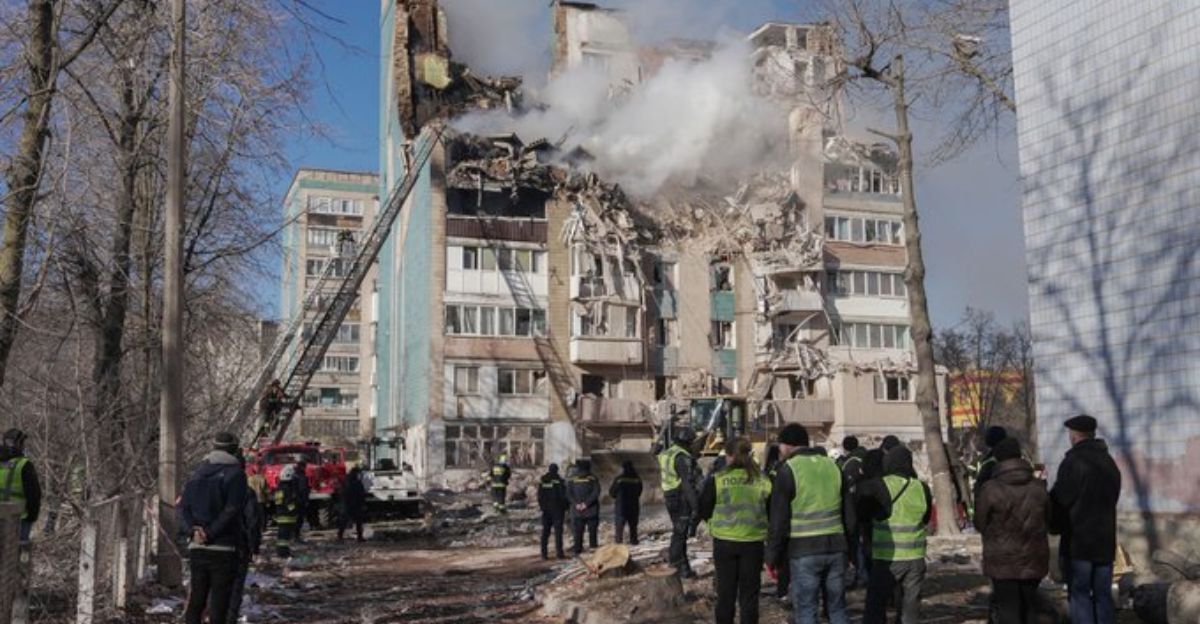
Ternopil bore the heaviest burden. Two high-rise residential towers were gutted by fire, killing 19 people instantly, with eight more succumbing to injuries in the following days. Across all affected cities, 34 civilians died, including six children. Among the 142 wounded, 21 were children, underscoring how deeply families were caught in the assault’s path.
Interior Minister Ihor Klymenko described walking through the burnt ruins: “I walked between the burnt walls—it was a terrible feeling. In each apartment, a whole life that Russia destroyed in an instant.” Emergency responders worked through freezing temperatures and toxic fumes, with rescue efforts extending for days. By November 23, missing persons located in Ternopil’s rubble had been accounted for, though the psychological and physical trauma remained.
Infrastructure and Economic Damage
The assault targeted critical civilian infrastructure with deliberate precision. A Lviv Ukrposhta postal depot was destroyed, with roughly 900 parcels lost and damages estimated to run into millions. Small retailers and e-commerce chains serving local and international customers faced severe disruptions to supply chains and operations.
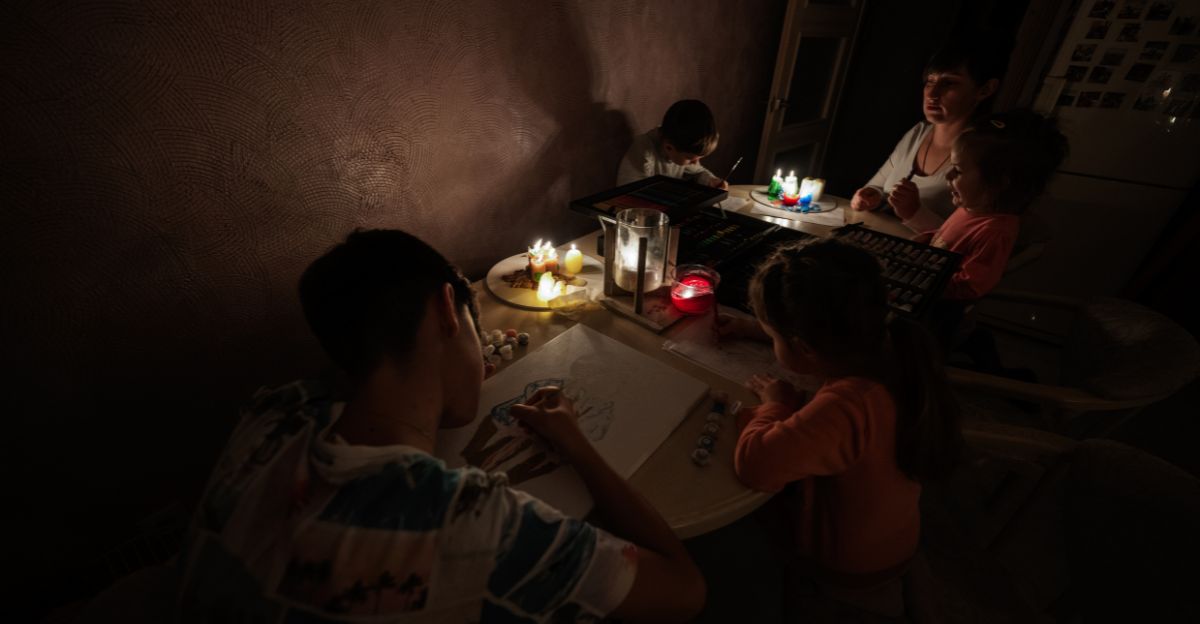
Energy infrastructure sustained repeated blows. DTEK utility crews faced their fifth thermal plant attack since October, with technicians risking shrapnel wounds and concussions to restore operations. One employee remained in serious condition. Rolling blackouts affected millions of people across 27 settlements in Khmelnytskyi and surrounding areas, plunging homes, hospitals, and businesses into hours-long power outages during subzero temperatures.
Residential damage in Ternopil’s two tower blocks is projected at around $50–150 million. Economic recovery is expected to take months, as disrupted supply chains and industrial operations struggle to resume normal function.
International Response and Escalation Concerns
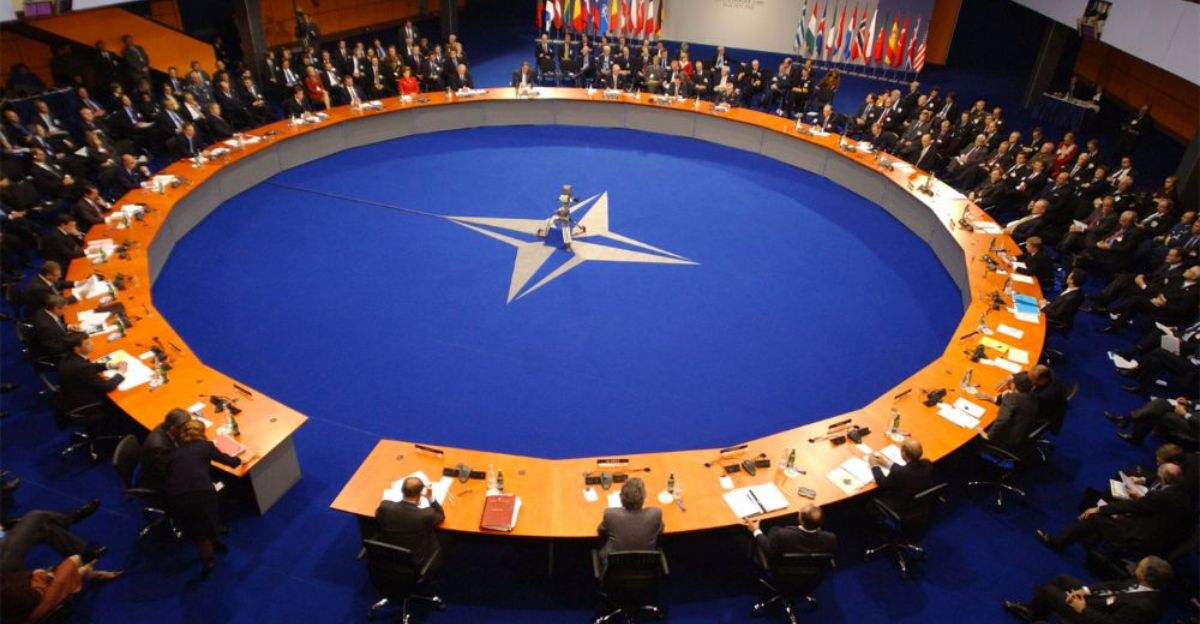
The attack triggered immediate military responses from NATO neighbors. Polish fighter jets were scrambled as drones breached Polish airspace, while Romania dispatched four military aircraft in response. Romania authorized interception procedures but did not fire, maintaining readiness to defend NATO territory. These actions revealed how strikes deep inside Ukrainian territory can ripple into international security concerns, keeping neighboring countries on heightened alert.
The distance of the attack from Russian positions—over 500 kilometers—demonstrated the expanding reach of Russian aerial capabilities and signaled a new stage of escalation in the conflict.
Strategic Implications
Russia’s targeting strategy combined punitive escalation with psychological pressure. By striking civilian areas and infrastructure during winter, Russian forces aimed to undermine morale and exploit energy vulnerabilities while saturating Ukrainian defenses with a multi-city, multi-weapon assault. The deliberate targeting of “safe” areas far from the frontline sought to demonstrate that no part of Ukraine remained beyond reach.
This attack marked a watershed moment in the 2025 war, exposing Ukraine’s vulnerability deep inside its territory and testing the limits of air defense systems. How Ukraine and its allies respond to this escalation may shape winter security dynamics across the broader region and influence the trajectory of the conflict in the months ahead.
Sources
Reuters, 23 Nov 2025 (Ternopil death toll update)
Al Jazeera, 20 Nov 2025 (Ternopil strike details, casualties, toxic air)
Al Jazeera, 19 Nov 2025 (overnight attacks, children wounded, regional damage)
ISW Russian Offensive Campaign Assessment, 19 Nov 2025 (drone/missile counts, NATO response, Klymenko quote)
ABC News, 11 Nov 2025 (Ukraine interception rate trends)