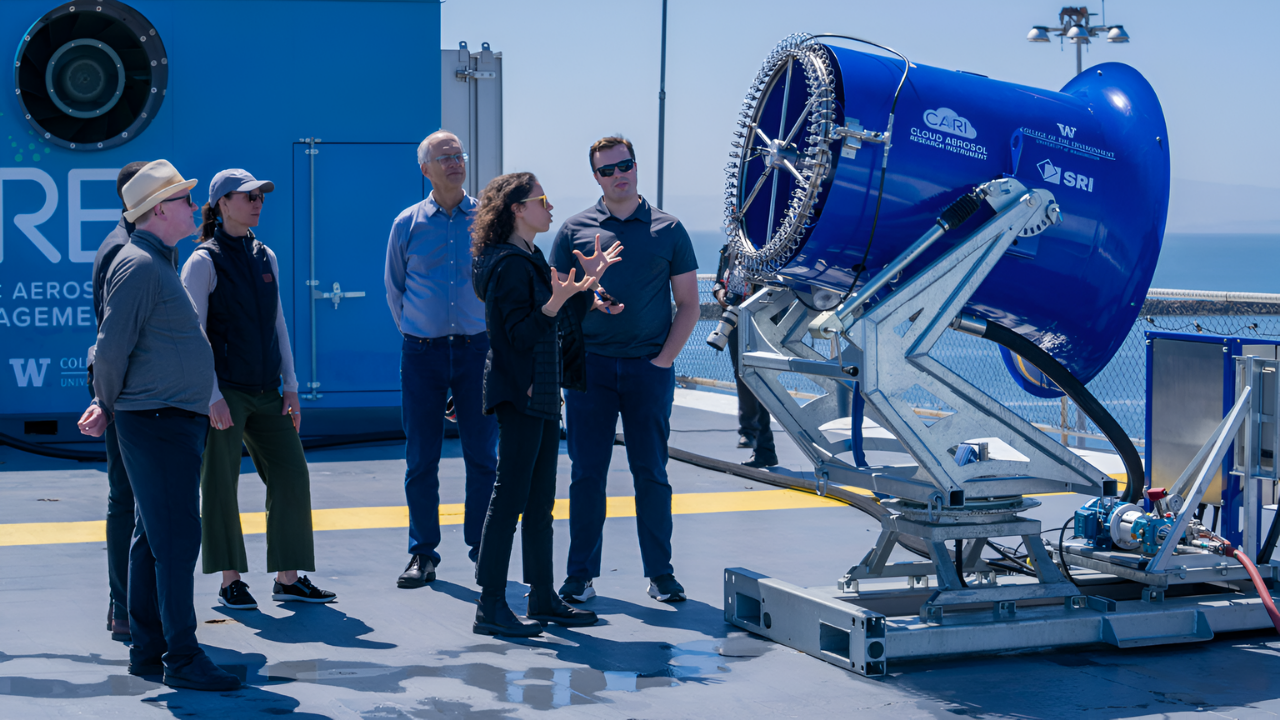
In an unprecedented attempt to influence the global climate, Stardust Solutions plans to deploy reflective particles into the stratosphere to cool the Earth. Founded during the pandemic by nuclear physicist Yanai Yedvab and physicist Amyad Spector, the U.S.-Israeli company has raised $75 million for this ambitious venture.
Stardust intends to operate approximately 100 aircraft at an altitude of 11 miles, releasing aerosols designed to reflect sunlight. “With no binding international laws governing such interventions, Stardust operates in a regulatory vacuum,” experts warn—a scenario that allows rapid experimentation but raises urgent questions about accountability and who controls the planet’s climate. Here’s what’s happening…
The Team and Backing Behind Stardust
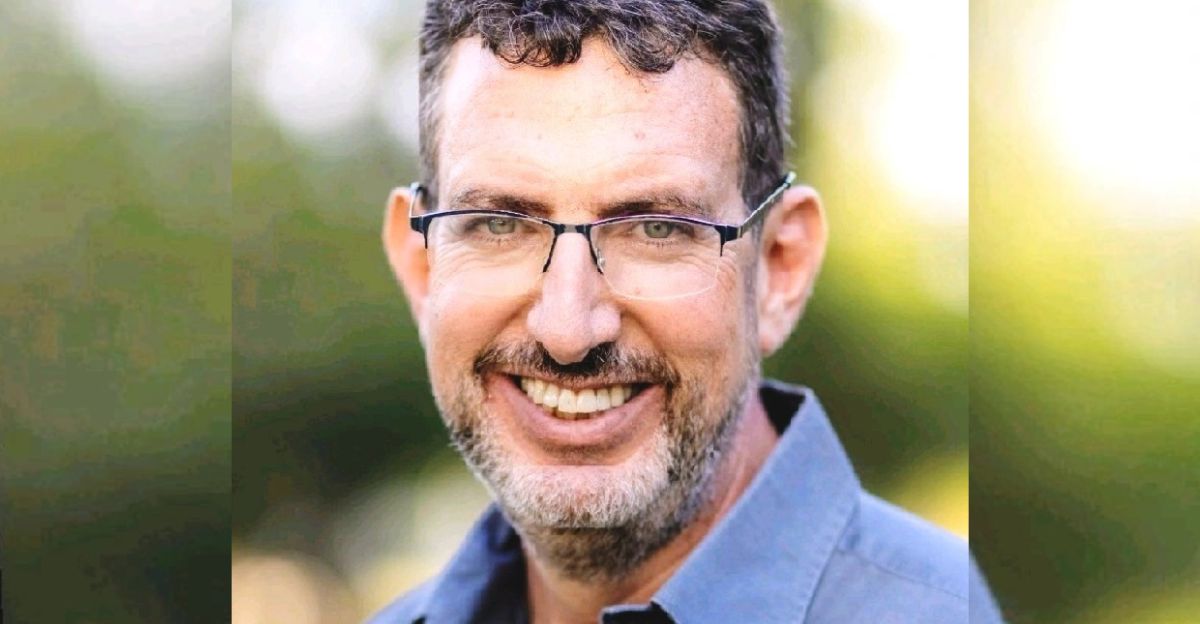
Stardust’s financial foundation is as ambitious as its mission. In October 2024, the company closed a $60 million funding round, the largest ever for a commercial solar geoengineering venture. Led by Lowercarbon Capital, co-founded by venture capitalist Chris Sacca, the round also included Future Positive Capital, Future Ventures, Starlight Ventures, and Exor N.V., the Italian holding company behind Ferrari and Juventus. This followed a $15 million seed round, bringing total funding to $75 million.
The company’s scientific advisory board adds high-profile expertise. János Pásztor, a former UN climate adviser, guides governance implications, while Ruth Signorell, an aerosol scientist from ETH Zurich, offers technical expertise. These appointments signal an effort to strike a balance between innovation and scientific oversight, although questions about transparency remain.
Scientific Resistance and Transparency Concerns
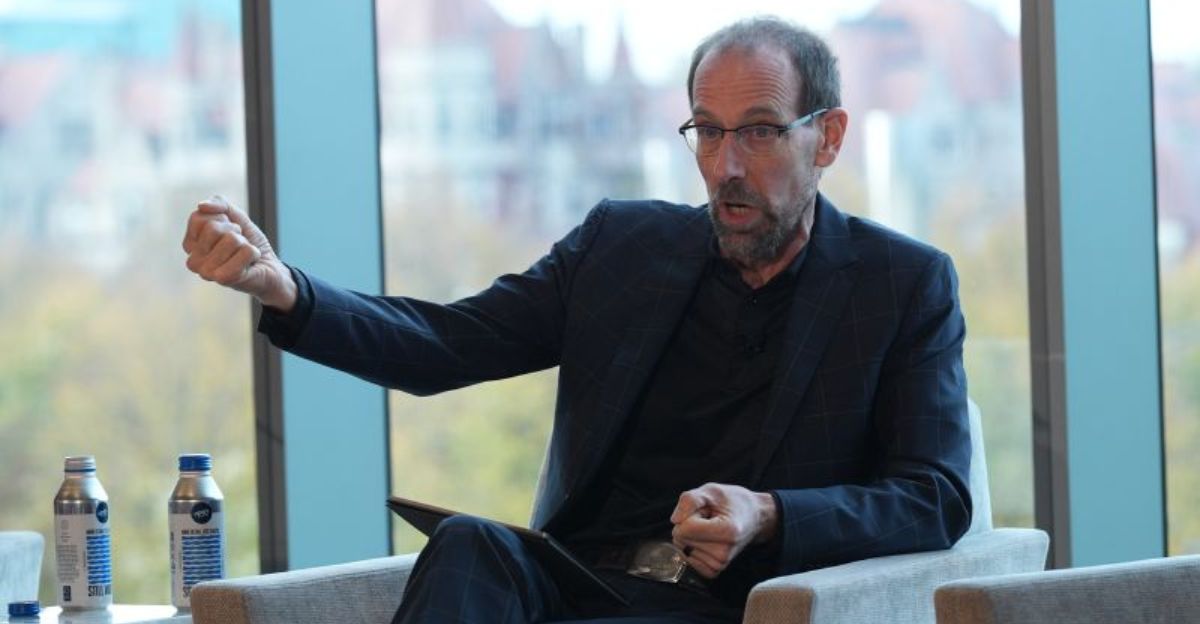
Despite substantial backing, Stardust faces significant skepticism from the scientific community. David Keith of the University of Chicago has openly opposed the commercialization of solar geoengineering. At the same time, Cornell researchers Daniele Visioni and Douglas MacMartin have criticized Stardust’s limited disclosure of technical methods. In 2022, nearly 600 academics signed a statement urging restraint in the use of solar geoengineering without robust international governance frameworks.
Geoengineering researcher Shuchi Talati warns of unintended climate consequences. The tension between venture-backed innovation and peer-reviewed research norms highlights a broader debate: should private companies be permitted to experiment with technologies that could alter global climate systems?
How Stratospheric Aerosol Injection Works
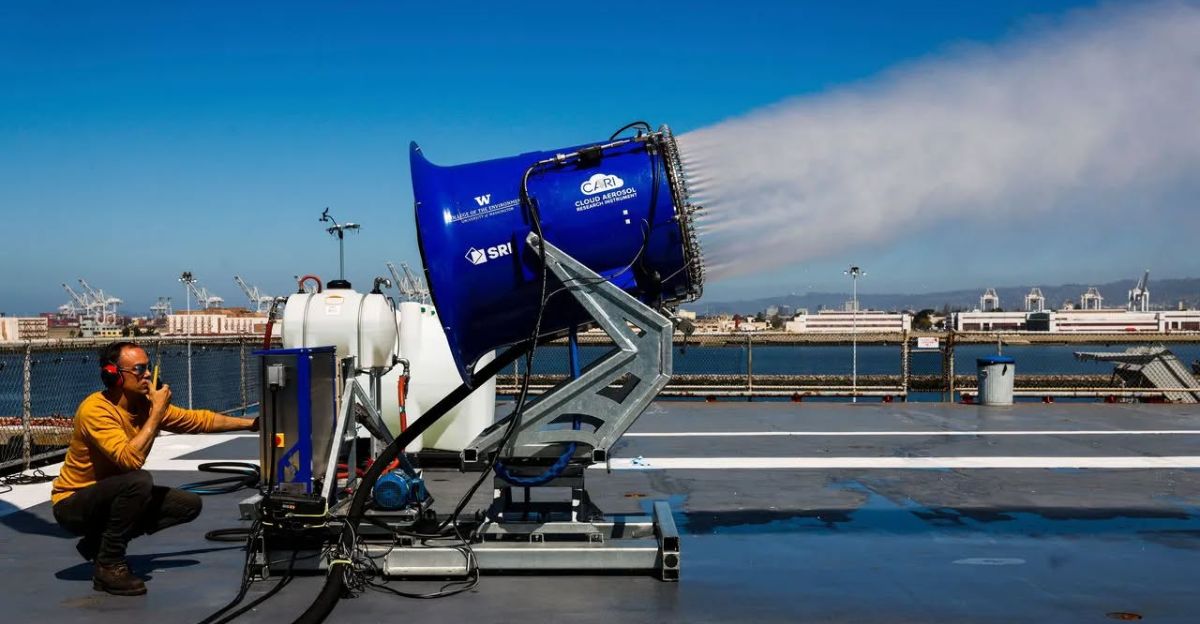
Stardust plans to release aerosols designed to linger in the stratosphere for roughly one year, requiring continuous deployment flights near the tropics, including Florida and southern Brazil. The particle formula remains proprietary, and independent verification of its environmental neutrality has not yet been conducted.
Operating the program requires around 100 aircraft flying at an 11-mile altitude, supported by ground infrastructure for production, fuel, maintenance, and monitoring. A full-scale global deployment would require substantial long-term investment. Stardust envisions generating revenue through a multi-vendor deployment model, though no government contracts have yet been secured.
Deployment Timeline and Ambitious Goals
According to October 2025 reporting, Stardust aims to begin stratospheric experiments in April next year, with temperature reduction demonstrations targeted for 2027. Large-scale government contracts are expected to arrive by 2030.
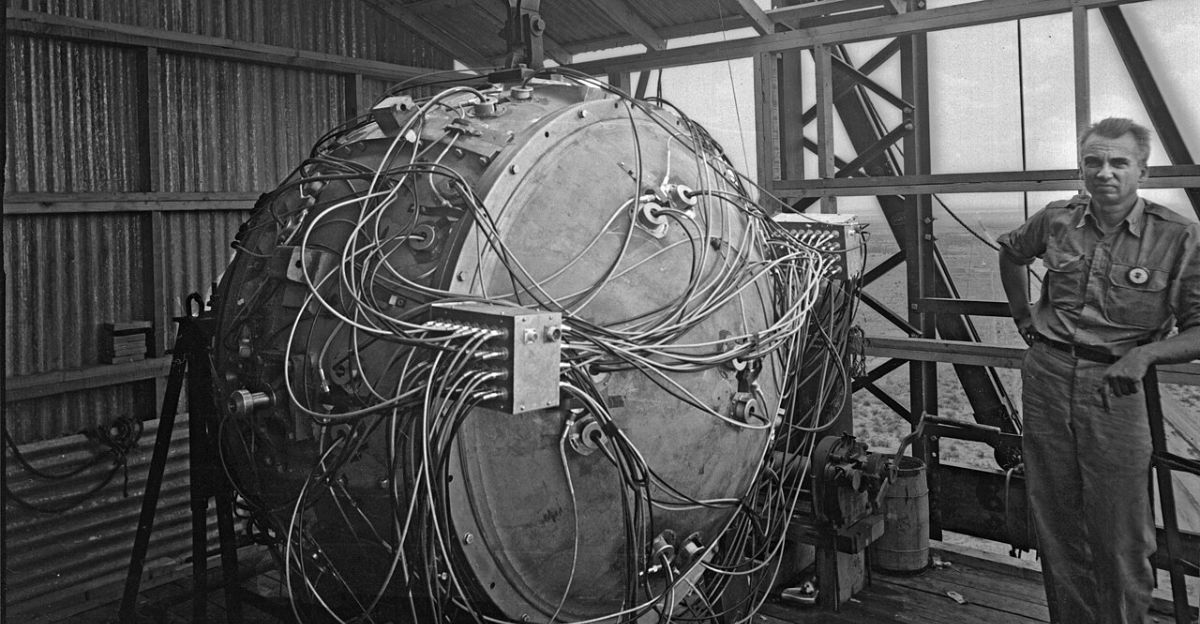
The company’s eight-year timeline for planetary-scale deployment is unusually fast compared with other historical projects—the Manhattan Project required three years, the International Space Station took 13, and the Paris Agreement has yet to meet emission targets nearly a decade after adoption.
This accelerated schedule underscores the pressure to move quickly, balancing scientific caution against the potential economic and environmental urgency of climate interventions.
Winners, Losers, and Historical Precedent
The potential benefits of solar geoengineering are unevenly distributed. Some heat-stressed regions may experience cooler temperatures, which could benefit agriculture. Still, modeling suggests increased drought in Sub-Saharan Africa, stronger North Atlantic hurricanes, Mediterranean winter droughts, and disrupted monsoons in South and East Asia, affecting roughly two billion people.
The 1783 Laki eruption in Iceland offers a stark cautionary tale. The volcanic event released approximately 120 million metric tons of sulfur, resulting in severe winters, droughts, and widespread mortality. Benjamin Franklin documented severe cold in Paris linked to volcanic aerosols—a connection confirmed by modern climate science. Stardust’s operations would occur at comparable scales, demonstrating that stratospheric interventions carry historically documented risks.
Regulatory Vacuum and Moral Dilemmas
No binding international laws govern private solar geoengineering in the U.S. or Israel. This gap allows Stardust to experiment rapidly but exposes society to unaccountable decisions affecting the global climate. Sudden halts could trigger rapid temperature spikes, creating long-term dependency across generations. Legal experts emphasize that no frameworks currently legitimize private companies making unilateral planetary-scale climate decisions.
Economic pressures add urgency. Climate disasters cost the U.S. $182.7 billion in 2024 alone, far exceeding the estimated costs of sustained geoengineering deployment. While solar geoengineering may seem like a lower-cost alternative, the combination of financial incentives, governance gaps, and experimental status creates unprecedented stakes, blending risk with opportunity.
Risks, Rewards, and the Future
Stardust Solutions represents the largest geoengineering experiment in history, combining venture-backed innovation with planetary-scale ambition. Its $75 million campaign to reflect sunlight has the potential to reduce global temperatures but carries documented risks that could affect billions worldwide. The regulatory void amplifies the ethical stakes, highlighting the tension between rapid technological advancement and the precautionary principles demanded by climate science.
As the world watches, the experiment underscores a broader lesson: the intersection of finance, technology, and environmental urgency demands careful oversight. Decisions made today could reverberate for generations, raising profound questions about who has the authority to shape Earth’s climate—and at what cost.
Sources:
Politico, October-November 2025, reporting on Stardust Solutions funding and operations
Heatmap News, October 202,5, reporting on Stardust Solutions $60 million funding round
Center for International Environmental Law (CIEL), October 2025 research on solar geoengineering experiments
NOAA/National Weather Service, climate disaster assessment data for 2024
Laki eruption and Benjamin Franklin volcanic aerosol documentation via USGS and historical climate science records
Cornell University profile documentation on Douglas MacMartin and geoengineering research
ETH Zurich Aerosols and Nanoscience group documentation on Ruth Signorell
University of Chicago Geophysical Sciences documentation on David Keith