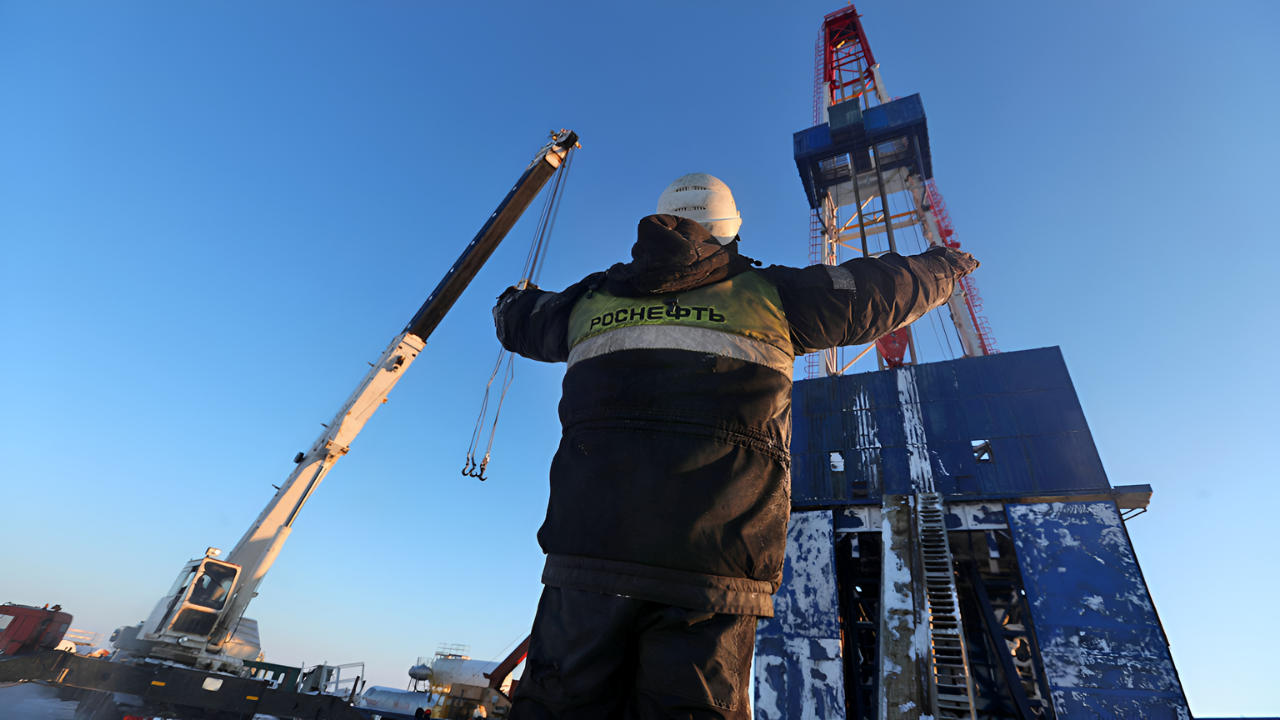
Beneath Antarctica’s vast ice sheets lies an estimated 511 billion barrels of oil and gas—a discovery that has transformed the frozen continent from a symbol of scientific cooperation into a flashpoint for competing national interests. Recent seismic surveys and geopolitical maneuvering have exposed fundamental tensions between the 1959 Antarctic Treaty’s conservation mandate and mounting pressures from nations seeking energy security and economic gain.
The Discovery and Its Scale
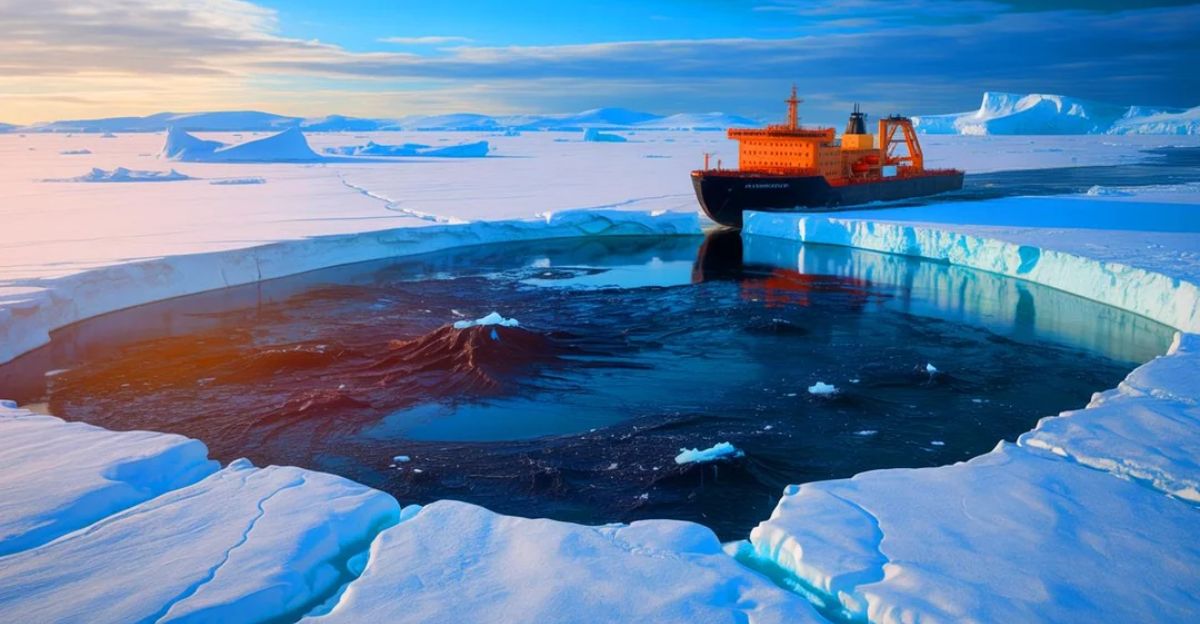
In February 2020, Russia’s state geological company Rosgeo announced findings of approximately 70 billion metric tons (around 511 billion barrels) of petroleum resources in Antarctica’s sedimentary basins. Located primarily in the Weddell Sea within the British Antarctic Territory, these reserves exceed Saudi Arabia’s proven oil deposits by nearly 90 percent. To contextualize the discovery: global oil consumption currently stands at roughly 103 million barrels daily, meaning Antarctic reserves could theoretically supply the world for approximately 14 years at present consumption rates.
The announcement immediately raised stakes for the seven nations with overlapping territorial claims in Antarctica: Argentina, Australia, Chile, France, New Zealand, Norway, and the United Kingdom. For economically vulnerable countries like Argentina and Chile, these reserves represent a potential pathway to energy independence and fiscal relief.
A Treaty Under Pressure
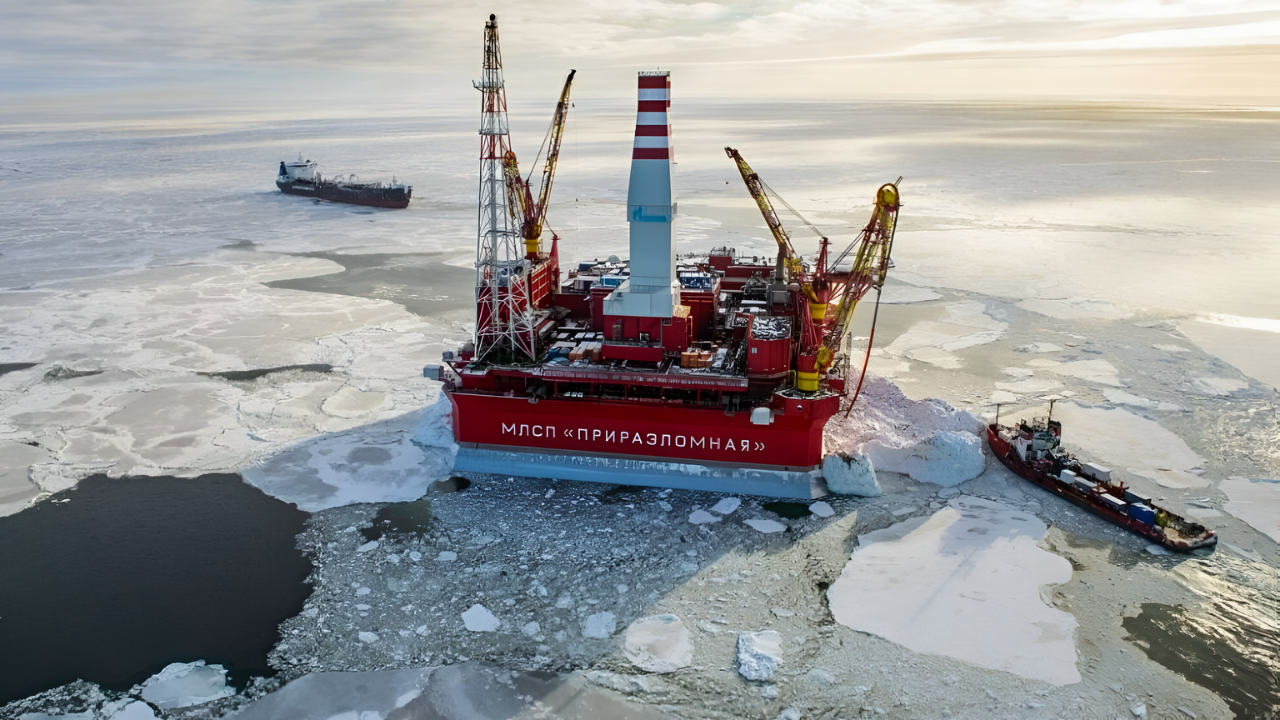
The Antarctic Treaty, first signed in 1959, established the continent as a zone dedicated exclusively to peaceful scientific research. The 1991 Madrid Protocol reinforced this commitment with an indefinite ban on mining activities. Despite lacking formal enforcement mechanisms and relying instead on voluntary compliance, the treaty has survived decades of geopolitical turbulence.
However, experts warn that resource extraction pressures could fundamentally test the framework’s integrity. The treaty’s weakness lies not in its principles but in its enforcement gaps. Nations can conduct seismic surveys under the guise of scientific research, blurring boundaries between legitimate exploration and covert resource prospecting. Klaus Dodds, a geography professor at Royal Holloway College, cautioned that Russian seismic activities may represent a potential precursor for future resource extraction.
Geopolitical Realignment

Strategic competition in Antarctica has intensified. In recent years, Russia and China have formed an unprecedented alliance to block proposals for expanding marine protected areas—a move that alarmed Western governments and conservation advocates. This alignment reflects broader geopolitical fractures, particularly Russia’s isolation following its actions in Ukraine, which has heightened its interest in alternative sources of economic and strategic leverage.
The convergence of energy security concerns and environmental commitments has created a governance crisis. Nations face competing pressures: domestic demands for energy independence, international climate commitments, and obligations under Antarctic treaties. This tension threatens the continent’s status as a global commons reserved for scientific discovery.
The Role of Scientific Inquiry
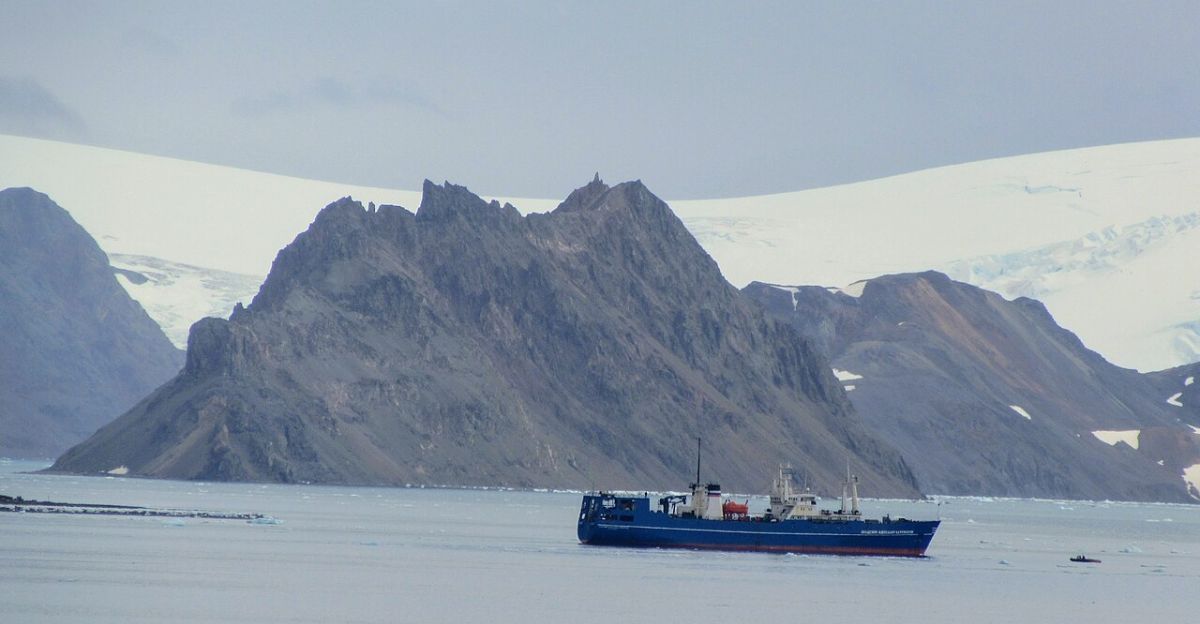
Russian seismic surveys aboard the research vessel Akademik Alexander Karpinsky have operated continuously since 2011, technically permitted under Antarctic Treaty provisions. Yet this activity exemplifies how scientific allowances can mask resource exploration. The distinction between legitimate research and covert prospecting has become increasingly difficult to discern.
Environmental organizations, including the Antarctic and Southern Ocean Coalition, have intensified advocacy for marine protected areas in the Weddell Sea. Their campaigns underscore a fundamental tension: whether Antarctica should remain a sanctuary for scientific exploration and ecological preservation or become subject to resource extraction pressures.
The Path Forward
As nations weigh immediate economic benefits against long-term environmental responsibilities, the Antarctic Treaty faces its most serious test. Enforcement mechanisms remain inadequate, and voluntary compliance cannot be guaranteed amid rising energy demands and geopolitical competition.
The decisions made regarding Antarctic resources will reverberate far beyond polar regions, influencing global energy policy and environmental stewardship for generations. Upholding the Antarctic Treaty requires unified commitment from signatory nations to prioritize conservation over extraction—a challenge that will define whether Antarctica remains a symbol of international cooperation or becomes another arena for resource competition.
Sources:
- Rosgeo Official Statement, February 2020; RosGeo Polar Marine Geosurvey Expedition (PMGE) Antarctic Shelf Geological Exploration Report
- Protocol on Environmental Protection to the Antarctic Treaty (Madrid Protocol), October 4, 1991; U.S. State Department Antarctic Treaty System Documentation
- British Antarctic Survey (BAS) Antarctic Treaty Consultative Meeting Policy Advisory Reports; UK Natural Environment Research Council (NERC) Polar Governance Analysis
- CCAMLR (Commission for the Conservation of Antarctic Marine Living Resources) Antarctic Treaty Consultative Meeting Records; Lowy Institute Analysis of Antarctic Geopolitical Governance Dynamics