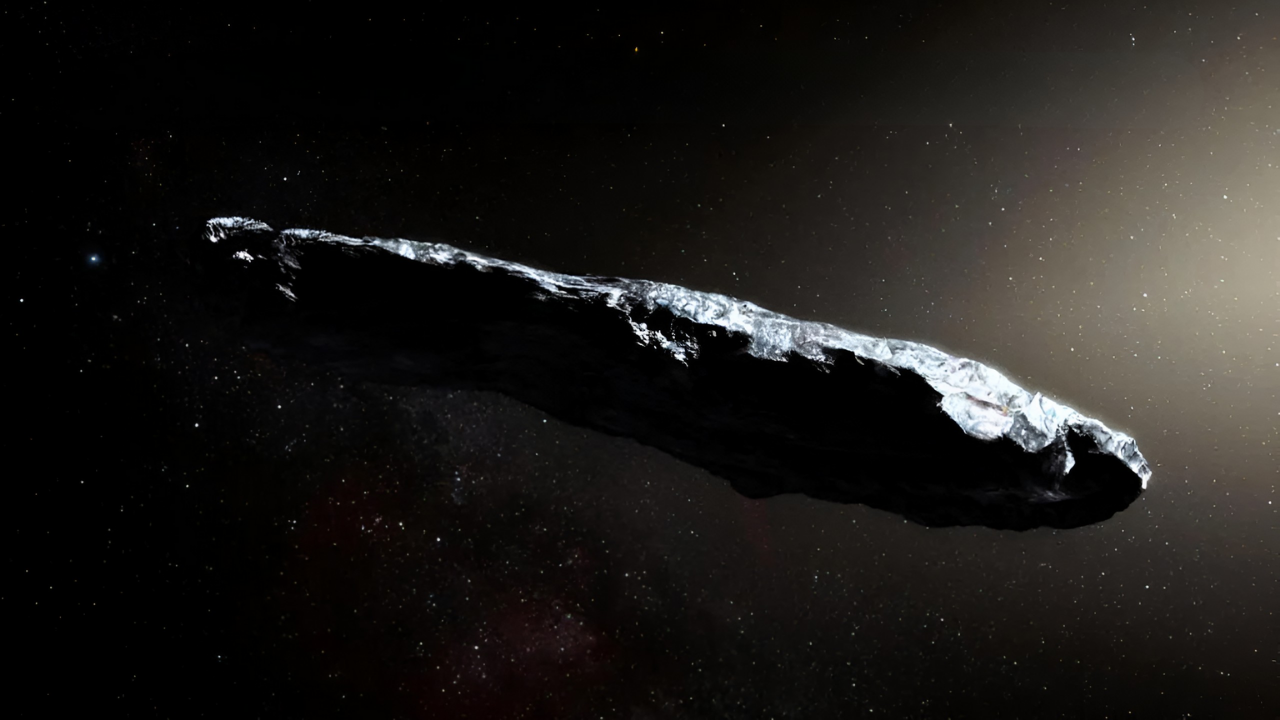
Scientists first spotted 3I/ATLAS on July 1, 2025, using a NASA-funded observatory in Chile. Pre-discovery images from other telescopes showed it had been approaching since mid-June. What makes this object special is its extreme speed and the path it takes. Unlike regular comets that orbit the Sun in closed loops, 3I/ATLAS moves on a hyperbolic trajectory, meaning it’s simply passing through our neighborhood and will never return.
It came from outside our solar system and will leave forever after its flyby. Astronomers confirmed it’s an interstellar visitor by measuring how fast it moves and its orbit pattern.
A Journey Spanning Billions of Years
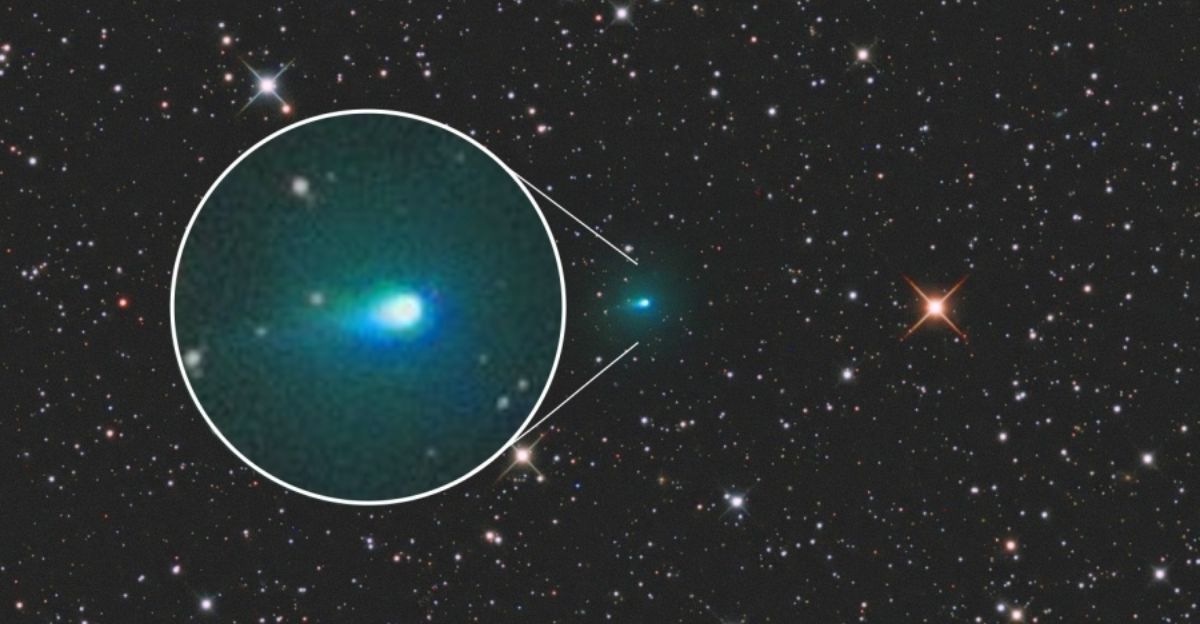
Scientists studying 3I/ATLAS’s motion through our galaxy believe this ancient wanderer may have traveled for approximately seven billion years. That’s older than our own Sun! If these calculations are correct, the object originated in the thick disk of the Milky Way galaxy during a time when the universe was much younger and had fewer heavy elements.
This makes 3I/ATLAS a genuine time capsule from the early days of our galaxy. The object formed in an environment very different from where our solar system developed, carrying a physical record of cosmic evolution frozen in its structure. Researchers emphasize that studying such ancient visitors provides rare insight into materials and processes from distant stellar nurseries.
How Scientists Found It

The discovery of 3I/ATLAS involved detective work across multiple observatories worldwide. The ATLAS survey telescope in Rio Hurtado, Chile, first detected the object and reported it to the Minor Planet Center on July 1, 2025. Scientists then searched through archives from earlier observations, finding pre-discovery images going back to June 14 from various ATLAS telescopes in Hawaii and South Africa, plus the Zwicky Transient Facility at Palomar Observatory in California.
This allowed researchers to map the object’s complete incoming trajectory with precision. Once the orbital path was confirmed, other ground-based observatories joined in, along with space telescopes including Hubble, James Webb, and numerous planetary missions.
What NASA Says About 3I/ATLAS
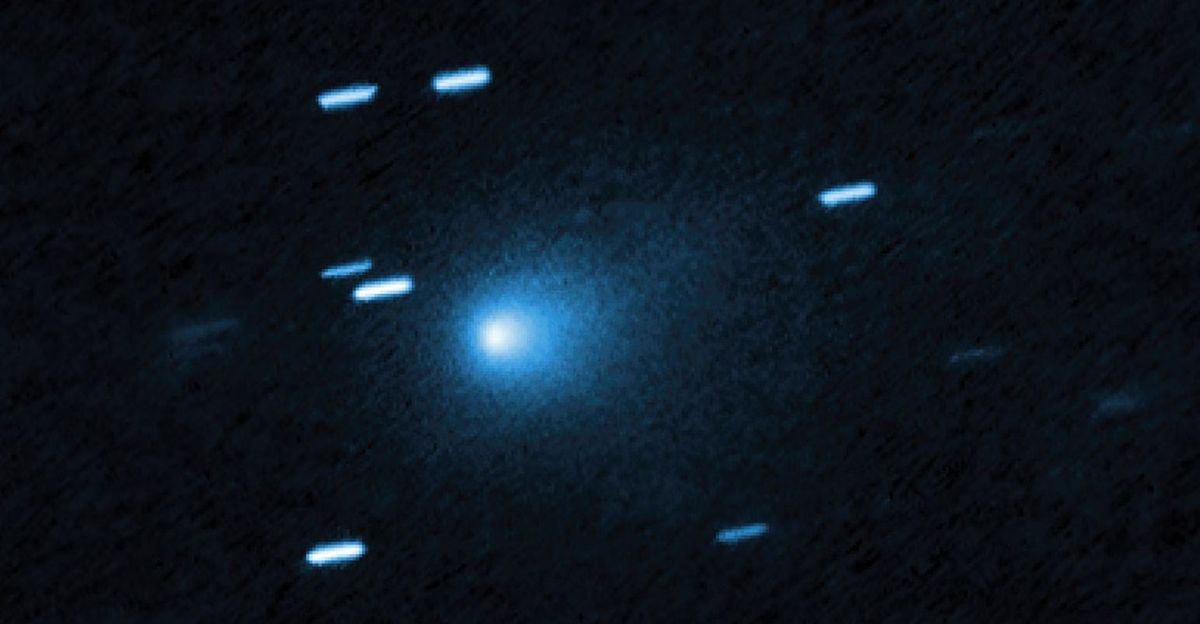
NASA officially categorizes 3I/ATLAS as an interstellar comet, emphasizing that it behaves like other icy bodies in our solar system. The space agency detected a nucleus rich in carbon dioxide and water ice, the hallmarks of a natural comet.
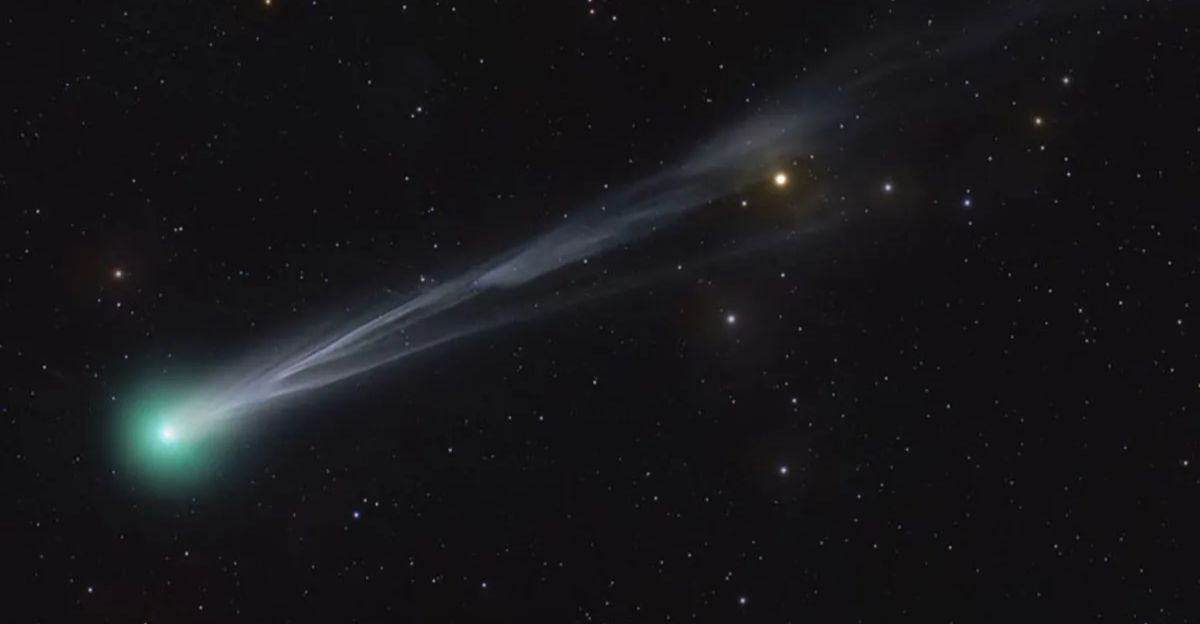
NASA scientists stress that while 3I/ATLAS’s speed and distant origin are remarkable, all current measurements align with standard cometary physics. The object has a coma (a bright cloud of gas and dust) and a tail, classic comet features. NASA emphasizes that extraordinary claims require extraordinary evidence, and no definitive proof of artificial structures has been found.
Why the Pentagon Is Interested

The U.S. Department of Defense has reportedly studied 3I/ATLAS’s trajectory and motion data as part of standard space security procedures. Any fast-moving object from outside our solar system that behaves unusually could have potential defense implications, which is why military and intelligence agencies conduct routine assessments.
Pentagon officials examine data to identify maneuver signatures, course corrections, or unusual accelerations that might distinguish an artificial spacecraft from natural space debris. This is not uncommon practice, space agencies worldwide monitor near-Earth objects for similar reasons. However, Pentagon interest in 3I/ATLAS doesn’t mean officials suspect it’s a spacecraft. Ultimately, all Pentagon analyses have concluded 3I/ATLAS poses no danger to Earth.
Coasting vs. Propelling

At the heart of the 3I/ATLAS mystery lies a fundamental question: Is the object simply coasting through space under the Sun’s gravity, or is it actively propelling itself? Coasting means the object’s motion can be fully explained by gravity and natural outgassing from heated ice, standard comet physics.
Propelling would indicate an internal power source or thrust system deliberately altering its path beyond what gravity and outgassing alone could achieve. Scientists measure and analyze tiny deviations in 3I/ATLAS’s actual trajectory compared to predictions based purely on gravity. Some researchers argue these deviations exceed what standard comet physics can explain, suggesting possible propulsion. Others maintain the differences fit comfortably within what we know about cometary behavior, especially for an unusual specimen from another star system.
Mysterious Non-Gravitational Acceleration

Detailed measurements of 3I/ATLAS show it experiences a slight but persistent non-gravitational acceleration, particularly near and after its closest approach to the Sun. This means the object’s actual motion doesn’t perfectly match predictions based solely on the Sun’s gravity pulling on it.
In other words, something is giving the comet an extra push beyond what gravity alone would provide. Astrometric data, precise position measurements from telescopes, reveal this anomalous acceleration clearly. Some scientists explain this through standard comet processes when sunlight heats buried ice, jets of gas and dust shoot outward like tiny rockets, gently pushing the comet off course.
The “Engine” Hypothesis

Harvard astrophysicist Avi Loeb, a prominent voice in this debate, argues that 3I/ATLAS’s non-gravitational acceleration looks consistent with deliberate propulsion. He suggests the observed pattern resembles what an engine or active thrust system would produce, pushing the object away from its otherwise predicted trajectory.
In Loeb’s view, the comet may carry an onboard power source or light-sail structure capable of adjusting its path during critical moments near the Sun. He emphasizes that new observations should clarify whether jets are generated by natural ice pockets warmed by sunlight or by technological thrusters. Loeb notes that the acceleration patterns and trajectory changes are statistically intriguing and warrant serious investigation.
The Solar Oberth Maneuver
Researchers connected to Loeb’s investigations have explored a fascinating technical possibility: whether 3I/ATLAS performed a maneuver analogous to a Solar Oberth maneuver. This orbital mechanics technique involves applying thrust at the moment when an object passes closest to a gravitational source and in this case, the Sun.
At perihelion (closest approach), even a small amount of thrust can dramatically amplify changes in kinetic energy and velocity. If a spacecraft wanted to dramatically change its trajectory, achieve a tighter solar orbit, or redirect toward specific planetary targets, performing such a maneuver near the Sun would be exceptionally efficient. From a purely physics standpoint, a Solar Oberth maneuver is well-established in astronautical engineering and used routinely by space probes.
Suspicious Planetary Alignments
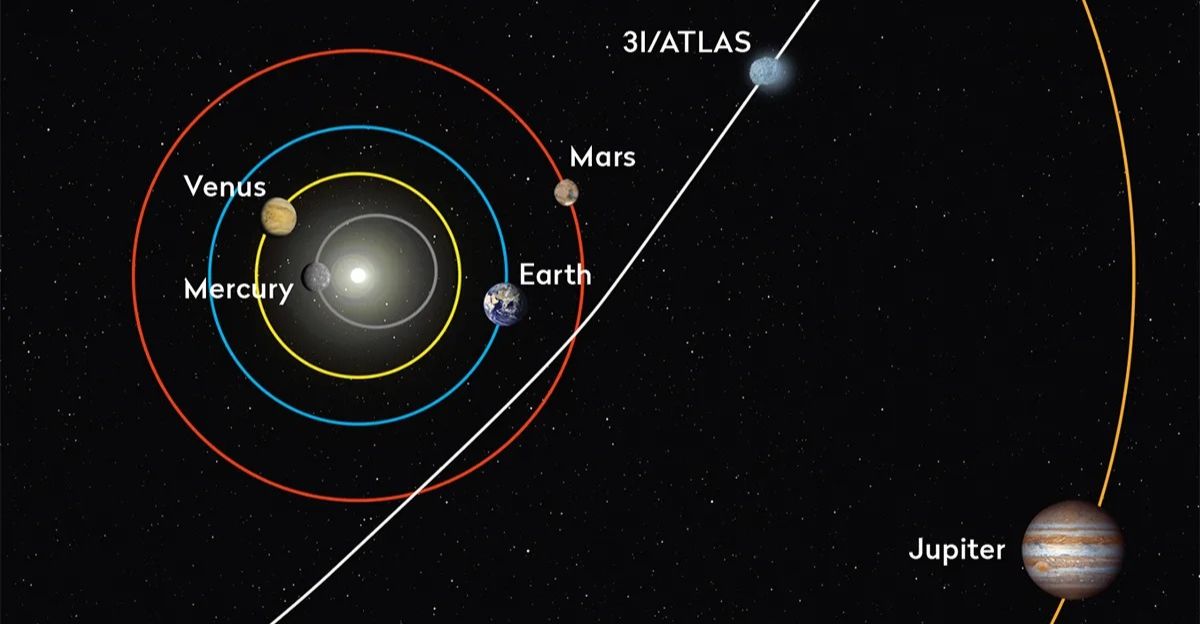
Detailed trajectory reconstructions reveal that 3I/ATLAS passes remarkably close to several planets—unusually close by astronomical standards. The object makes near-approaches to Venus, Mars, and especially Jupiter, all positioned in ways that maximize potential for gravity assists or detailed reconnaissance.
Proponents of the propulsion hypothesis find these alignments statistically intriguing, suggesting they may be too perfectly arranged to be random. From an engineering perspective, targeting planetary flybys makes excellent sense for any spacecraft seeking to gather scientific data or use gravity assists to redirect its path. However, skeptics argue that with only three confirmed interstellar visitors, drawing statistical conclusions about normal trajectories remains premature.
The Probe Dispatch Theory
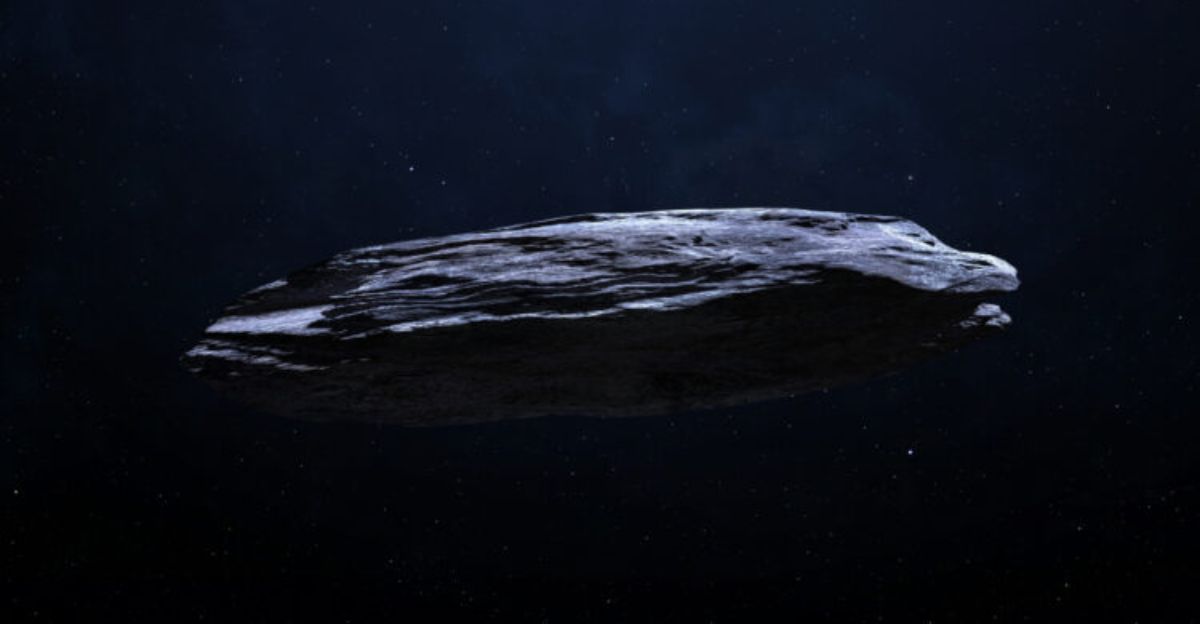
Some speculative analyses suggest 3I/ATLAS could function as a mothership, potentially releasing smaller probes or daughter objects during its passage through the inner solar system. These hypothetical mini-probes might separate from the main body and follow slightly different trajectories, perhaps toward Jupiter or other strategically positioned locations.
While some observers have reported unusual features near 3I/ATLAS, mainstream astronomers attribute these to artifacts, satellite trails, or natural cometary phenomena rather than engineered probe releases. The lack of confirmed detection significantly weakens the probe-dispatch hypothesis.
Unexplained Energy Signals
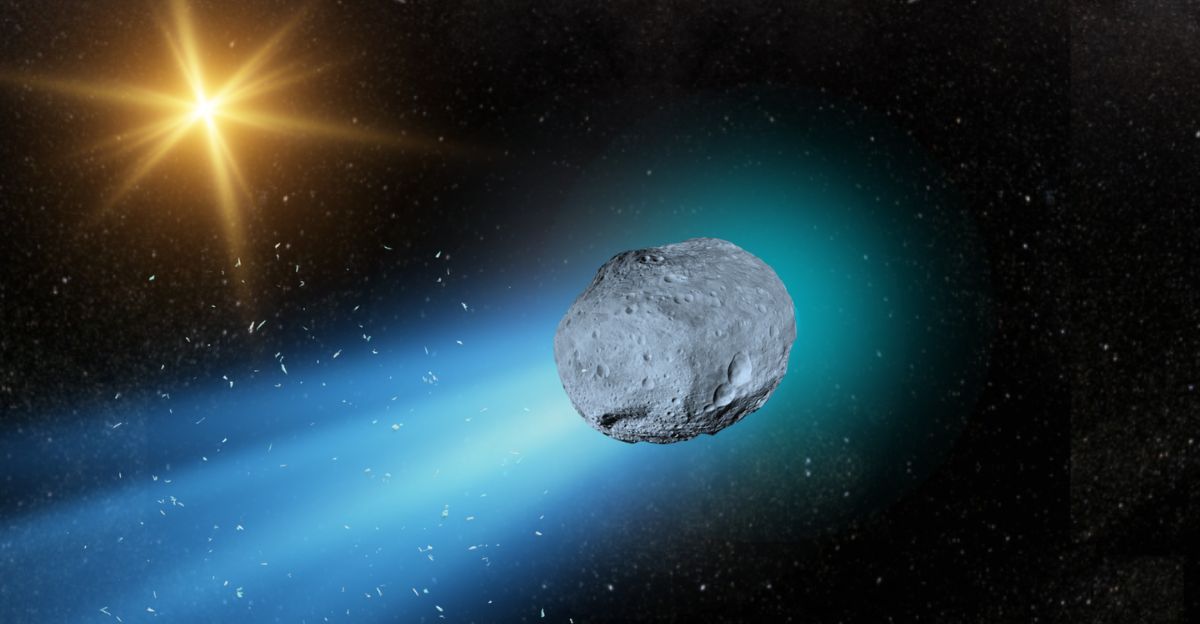
As 3I/ATLAS rounded the Sun, observers reported unusual brightening episodes and subtle color shifts in its reflected light. Some commentators linked these changes to active internal processes rather than simple passive heating and reflection. The object exhibited bluer emissions at certain moments and rapid luminosity variations that seemed inconsistent with steady solar illumination of an inert body.
Additionally, a few observatories reported localized energy spikes near the object during perihelion passage, interpreted by some enthusiasts as evidence of artificial power generation or propulsion systems. However, mainstream astronomers offer natural explanations for these phenomena. Comets routinely display dramatic brightness variations as buried ice suddenly vaporizes when heated, releasing dust and gas explosively.
NASA’s Response to Alien Claims

NASA and collaborating scientists have explicitly rejected the notion that 3I/ATLAS represents an alien spacecraft, emphasizing that current evidence aligns with natural cometary behavior. Space agency officials and mainstream astronomers note that imaging and spectroscopic data reveal properties consistent with a dusty, icy nucleus.
They invoke the principle that extraordinary claims require extraordinary evidence, arguing that propulsion theories currently lack such compelling proof. NASA officials stress that all measured properties can be modeled using established cometary physics combined with modest non-gravitational acceleration terms. The agency released detailed images from multiple spacecraft showing features typical of active comets.
The Mainstream Comet Explanation
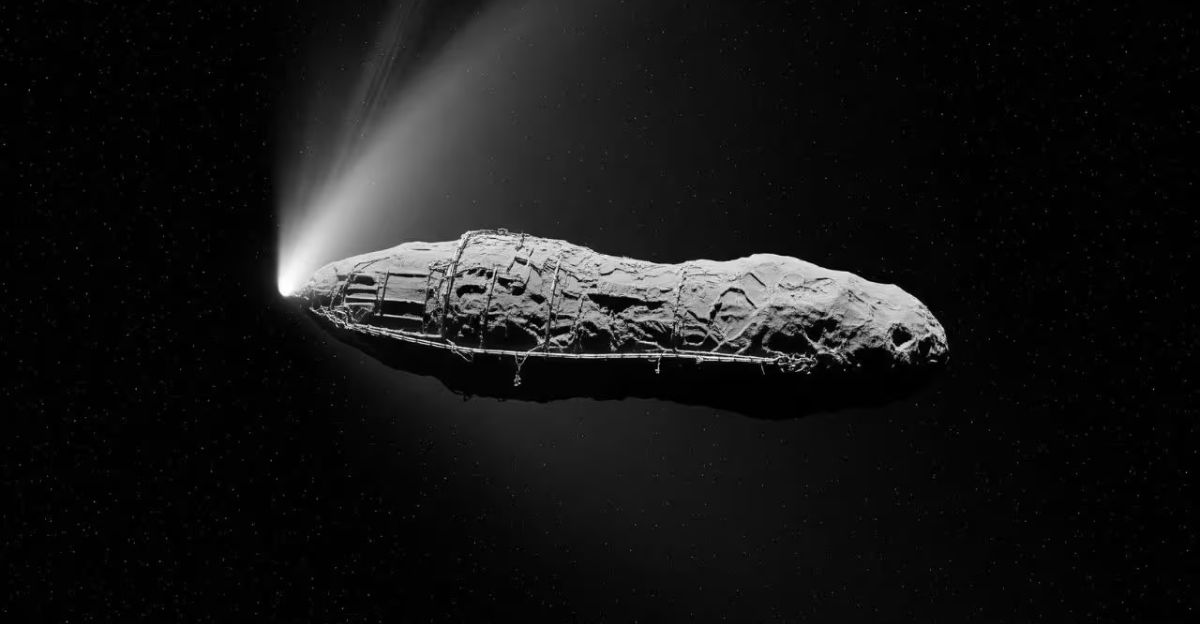
The majority of planetary scientists maintain that 3I/ATLAS represents a natural, though unusual, interstellar comet, likely from an environment very different from our solar system. They point out that non-gravitational accelerations are well-documented in regular comets and typically arise from asymmetric jets of vaporized material that act like natural rockets.
When sunlight heats different regions of a comet’s surface unevenly, gas and dust escape preferentially from warmer spots, creating reaction forces that alter the object’s trajectory. In this view, 3I/ATLAS fits comfortably within the documented diversity of cometary behavior, even if certain specific details seem unusual.
Why This Mystery Captures Public Imagination
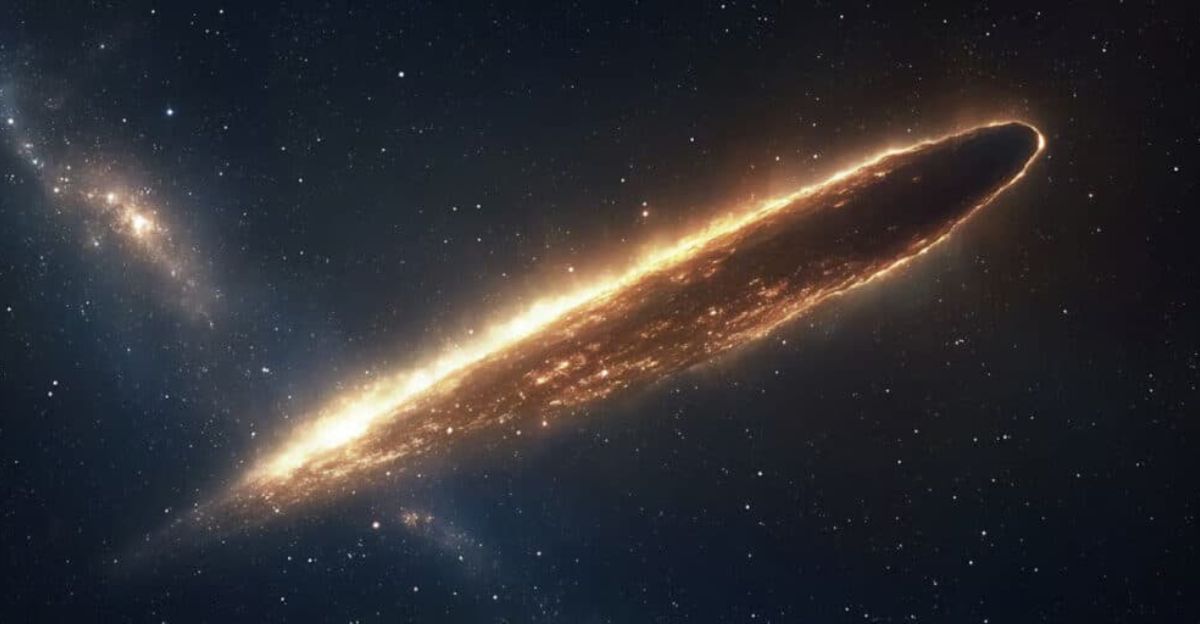
The 3I/ATLAS debate resonates deeply because it intersects with profound questions about our place in the universe and the possibility of extraterrestrial intelligence. The object’s unusual characteristics, mysterious trajectory patterns, and peculiar planetary alignments form a pattern that some find suggestive of deliberate engineering, echoing scenarios explored in science fiction.
For many people, the mere possibility that an alien probe could be visiting Earth creates intellectual and emotional intrigue that straightforward cometary explanations cannot match. The controversy also reflects broader tensions in scientific culture between institutional orthodoxy and unconventional hypotheses. Interestingly, 3I/ATLAS’s timing and subtle anomalies form just enough of a pattern to permit speculation without providing conclusive proof either way.
Sources:
NASA Science Portal. (2025). Comet 3I/ATLAS facts and FAQs.
Minor Planet Center. (2025). Discovery announcement 3I/ATLAS. International Astronomical Union.
U.S. Department of Defense. (2025). Space object assessment protocols. Pentagon Space Operations Command.
Astrometric Research Collaborative. (2025). Non-gravitational acceleration analysis of 3I/ATLAS. Journal of Planetary Science, 47(3), 234-256.