
The morning of November 6, 2025, was like any other in the offices of DLH Solutions, but by noon, the air was thick with uncertainty. An email arrived from the U.S. Veterans Affairs department: the contract was terminated. 298 workers in North Texas were given just 17 days to prepare for layoffs. No explanation, no transition plan.
The impact? Workers who had counted on stable government contracts now faced a chaotic scramble for new jobs, just before the holiday season. What caused this sudden and unexpected decision? How will these workers fare in the wake of the abrupt termination?
The Triple Hit Behind the Job Losses
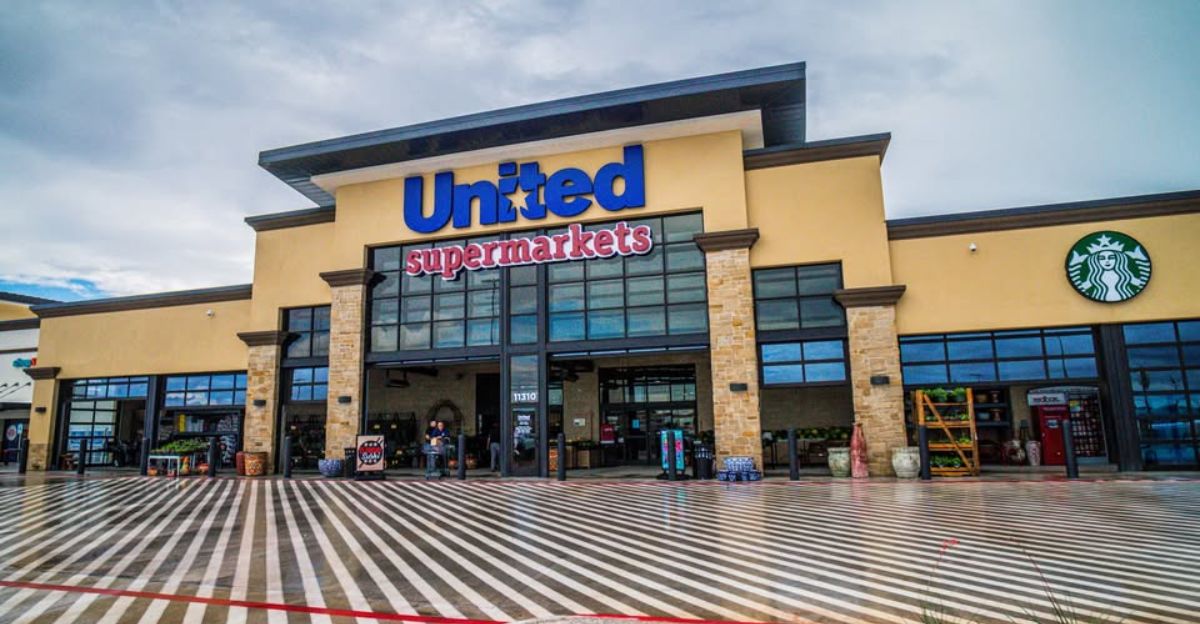
Three different industries were struck almost simultaneously. DLH Solutions lost a Veterans Affairs contract with little warning, triggering 298 layoffs at once. United Supermarkets began restructuring its 510-person headquarters workforce, cutting 126 roles.
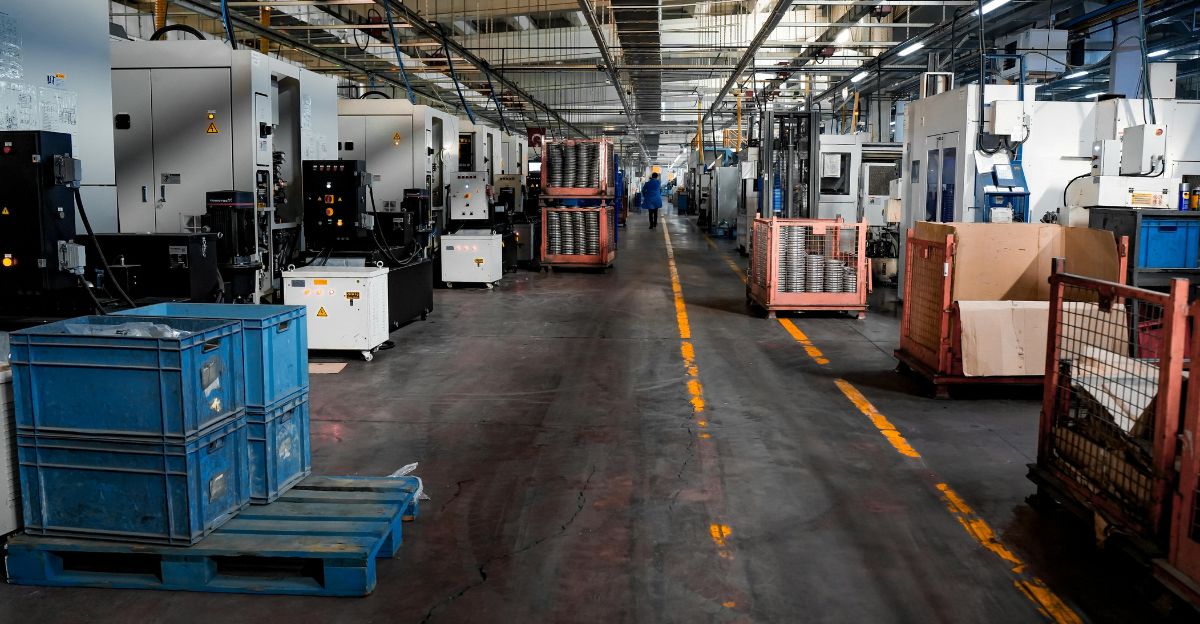
Dometic Corporation followed by shutting down a Grand Prairie manufacturing site, eliminating 54 jobs by spring 2026. Together, these actions nearly touch 500 Texans—and reflect deeper pressures tied to contracting volatility, cost restructuring, and long-term competitiveness.
Nearly 500 Texans Face Sudden Unemployment

The impact extends far beyond corporate statements. DLH workers received just 17 days before termination—well below typical notice periods—leaving limited time to plan. United employees face a slow-moving, months-long exit process through mid-2026, resulting in prolonged stress for their families.
Dometic staff stare down a firm closure deadline by March 2026. Paychecks, insurance, holiday budgets—every stability pillar is shaken at once. For many households, the countdown toward unemployment has already begun.
More Layoffs Ripple Across Texas
These three companies are not alone. Additional employers across Texas have recently announced reductions, creating a broader environment of instability for workers in 2025. Manufacturing, contract logistics, and healthcare roles have also been cut across major cities.
The convergence of closures has amplified anxiety statewide, with communities questioning whether these three headline layoffs are an anomaly—or the beginning of a longer cycle that will extend into 2026.
A Historic Texas Grocer Makes Deep Cuts
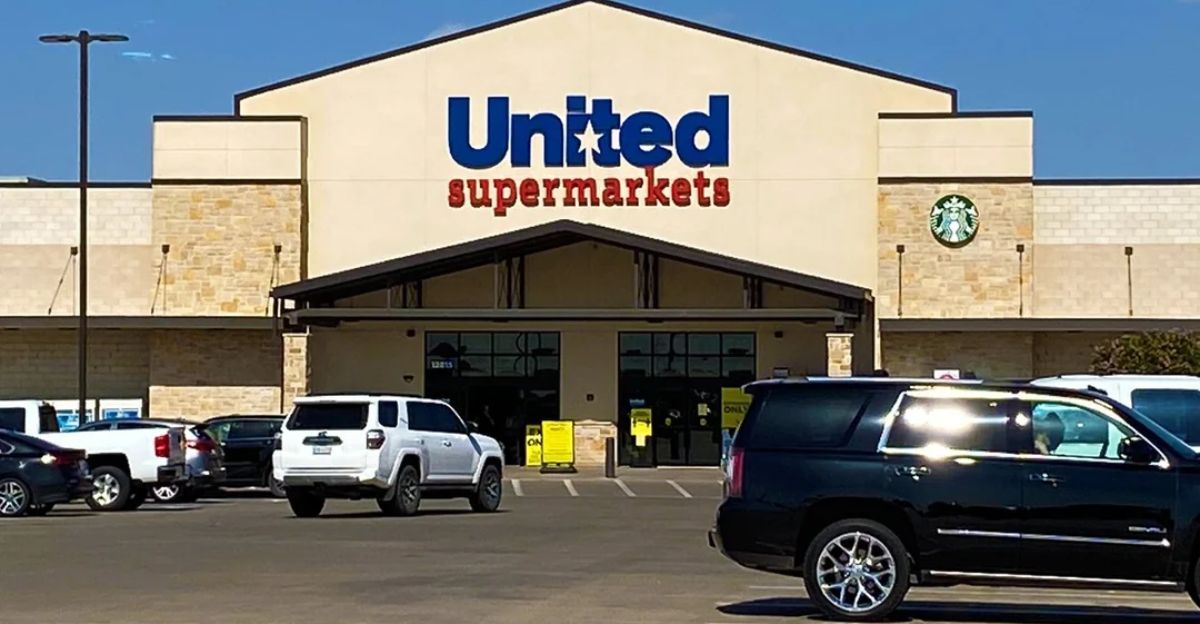
United Supermarkets, founded in 1916 and nearly as old as H-E-B, is undergoing one of the most significant restructurings in its history. Headquarters reductions account for roughly one-quarter of the total corporate staff.
Though 99 stores and 39 convenience locations remain open across Texas and New Mexico, the decision to cut long-term roles signals rising pressure within grocery retail. Modernization projects may streamline systems—yet they cost real people real jobs.
DLH Workers Shocked by Contract Termination
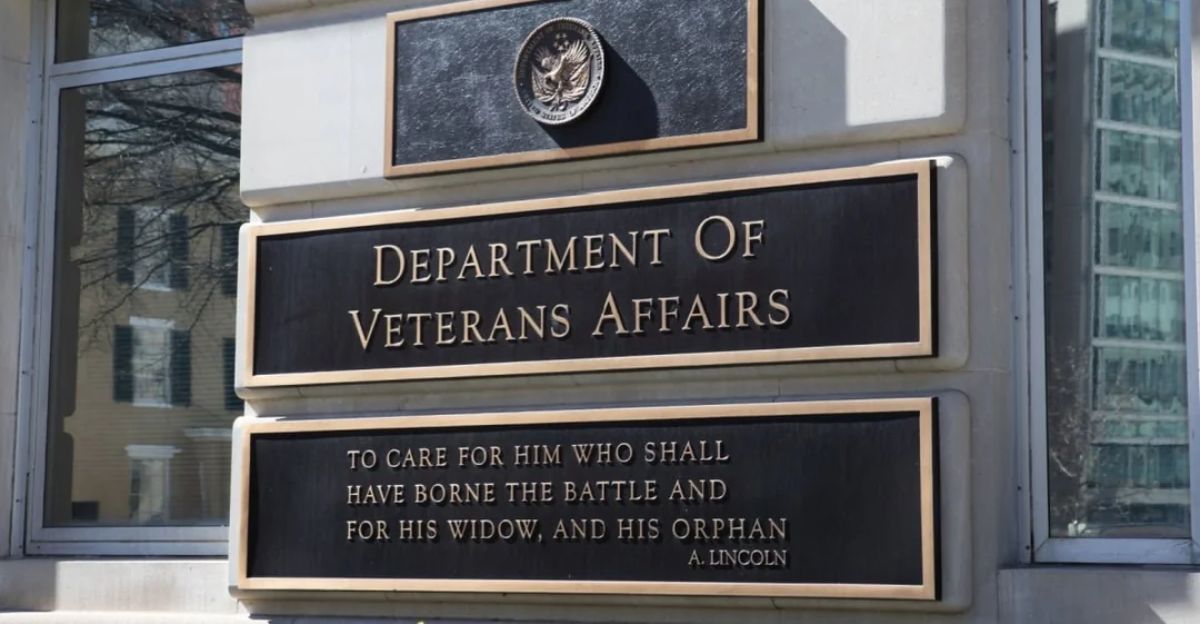
The largest single layoff—298 workers—came from DLH Solutions after the U.S. Veterans Affairs unexpectedly ended a contract on November 6, 2025. The company invoked “unforeseeable business circumstances,” giving workers only 17 days before unemployment became reality.
The event raises uncomfortable questions: Why was the contract shifted? Who will take over the work? Will the new contractor rehire displaced staff—or will hundreds of specialized workers be left behind with no placement path?
The Human Toll Behind Every Statistic

Numbers don’t capture the emotional reality. One contract revision or restructuring directive can upheave families overnight. Parents worry about mortgages. Younger workers race to rewrite resumes. Older staff fear age discrimination in job hunts.
Some employees had served these companies for years, even decades. DLH workers lost stability without warning. United staff now live under month-to-month uncertainty. Dometic workers count down to closure, watching the deadline move closer like a clock with no mercy.
State Support Activates but Won’t Fix Everything
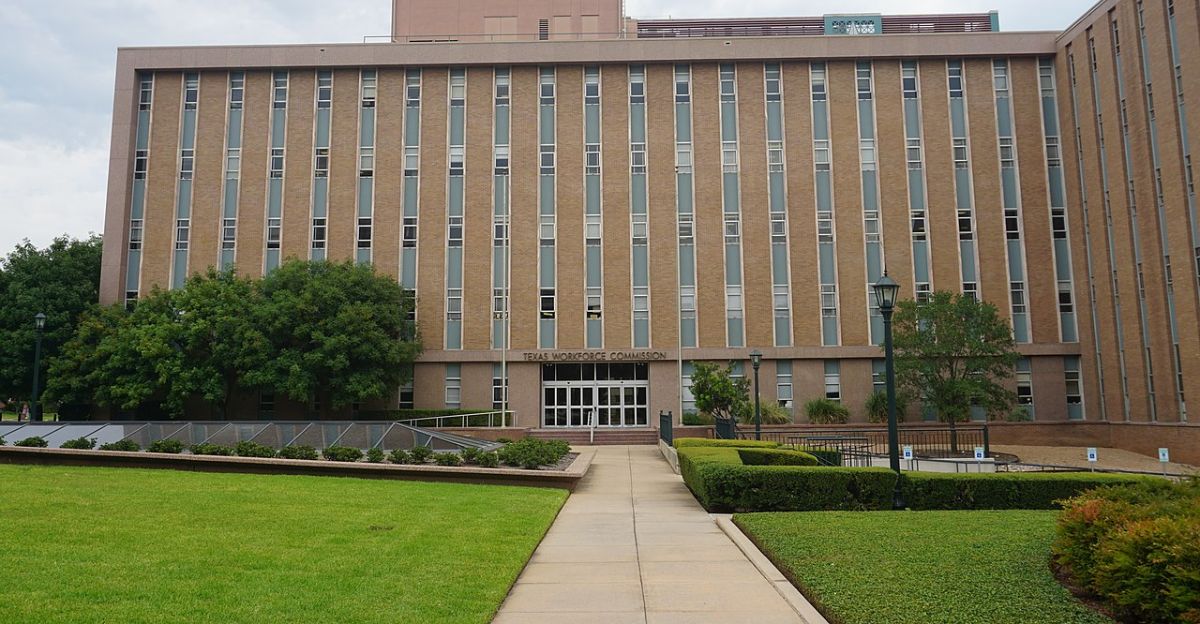
Texas Workforce programs now guide displaced workers toward unemployment benefits and retraining. But the situation highlights a systemic gap: when companies claim unforeseen circumstances, they can legally bypass 60-day notice protections.
For DLH employees, support arrived only after the damage was done. As policymakers review this case, worker advocates argue notice requirements must evolve to match the new speed of contract shifts, automation rollouts, and restructuring cycles.
Part of a Bigger Trend in 2025

These layoffs are not isolated—they form part of a larger pattern. Throughout 2025, Texas has seen some of its highest total layoff figures in years. A surge of contract losses, retail restructuring, and logistics consolidation has reshaped the workforce across multiple regions.
Economists warn that Texas, long considered recession-resistant, may be shifting into a more fragile labor phase. Late-year job numbers suggest volatility is spreading faster than expected.
Automation Quietly Redefines Retail

United Supermarkets’ cuts represent more than restructuring—they echo a national shift. Headquarters and back-office jobs in retail continue to shrink as inventory, payroll, and supply-chain tasks move to automated systems.
Technology reduces costs but eliminates mid-level careers once considered stable. While modernization improves operational efficiency across 99 United stores, it also forces Texas residents to confront a new truth: some jobs will not return, even if business recovers.
Hospitality Braces for Aftershocks

Job loss rarely stops at the first domino. When nearly 500 workers lose income, restaurants, hotels, and entertainment venues feel it next. Families facing job insecurity spend less on dining out, gifts, and travel—especially entering the holiday season.
Local hospitality groups across Dallas, Fort Worth, and Lubbock are already preparing for softer demand, anticipating that the shock will ripple outward through Q1 2026. A downturn in leisure spending may amplify the pain.
Supply Chain Stress Hits Manufacturing
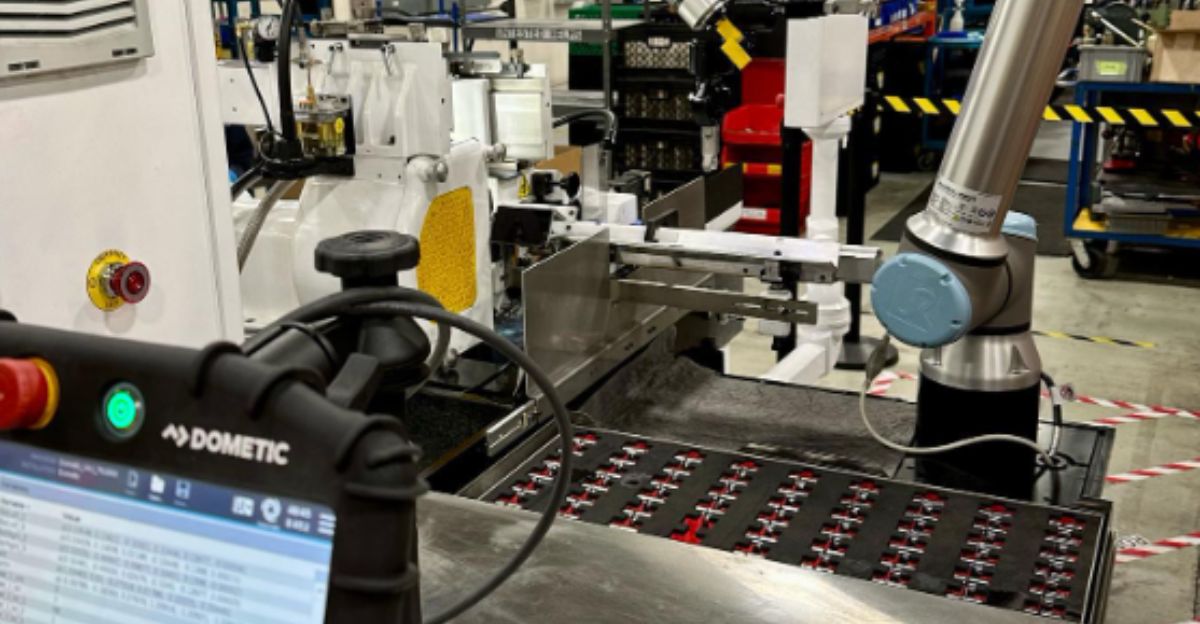
Dometic’s Grand Prairie shutdown affects more than 54 workers—it impacts an entire supply network. The facility produces components used in outdoor equipment, marine products, and RV systems.
Vendors, logistics firms, electronics suppliers, and metal fabricators connected to the plant now face uncertain order volumes. Even short-term factory closures can destabilize regional manufacturing cycles. For every lost job in production, another may be threatened somewhere downstream.
A Warning Sign for the National Economy

Texas doesn’t fall quietly—and when it shakes, national markets listen. With tech, retail, and manufacturing cuts converging, analysts across the country are tracking Texas employment as a recession indicator.
Consumer confidence is tied closely to job stability, and layoffs of this scale can suppress spending nationwide. Investors are beginning to ask whether this is a localized shock—or an early signal of broader economic stress across the U.S.
Hidden Health Effects Begin to Surface

Job loss is rarely just financial. Study after study links unemployment to increased stress, hypertension, anxiety, and access-based healthcare decline. Many of these workers will lose employer-provided coverage, forcing them to delay treatment or skip prescriptions.
Clinics in Lubbock, Dallas County, and North Texas may soon see more mental-health-related visits. Economic events turn medical quickly when stress outpaces support systems—especially in communities with limited safety-net capacity.
A Culture Shift in Worker Psychology

Layoffs of this magnitude reshape how Texans view employment itself. Younger workers increasingly treat jobs as temporary, not foundational. Older workers feel betrayed by once-trusted stability.
Online conversations reflect fear of automation, skepticism toward long-standing companies, and frustration that loyalty no longer ensures security. When a 109-year-old grocer slashes headquarters roles—and a federal contract disappears overnight—employees begin rethinking how work fits into life.
Unexpected Growth in Job-Placement Services

Where one sector contracts, another expands. Resume writers, recruiting firms, and online skill-training platforms are experiencing record demand. Workforce development centers are staffing up.
Even tech-certification programs are seeing enrollment surges as laid-off workers retrain. Job transition infrastructure booms whenever layoffs rise—an economy in pain becomes a marketplace for career reinvention. This shift doesn’t soften the loss, but it opens alternate paths for displaced talent.
Financial Markets React Carefully

Investors often treat job reductions as warning lights. Retail stocks dip on fears of weaker consumer spending. Staffing and HR-tech stocks climb as placement demand increases. Analysts are watching to see whether Texas layoffs spread into Q1 2026 or stabilize.
If the pattern worsens, market confidence could further decline, pushing companies into deeper cost-cutting cycles. If conditions cool, employment rebounds may follow—yet no timeline is guaranteed.
What Affected Workers Should Do Now

Workers facing layoffs should secure unemployment benefits immediately and explore retraining or skills programs before demand spikes further. Networking through industry channels and professional platforms can accelerate job alignment.
Temporary contract roles can fill income gaps while searching for long-term placement. Health insurance transitions should be planned early to avoid lapses. For families absorbing the shift—preparation and proactive movement matter as much as resilience itself.
Will 2026 Bring Relief or More Layoffs?
Forecasts remain divided. If government procurement stabilizes and corporate restructuring eases, Texas could enter recovery. But automation investment continues to scale, and contract-based industries remain exposed to sudden policy shifts.
The next six months will determine whether this wave represents the peak—or the start of something larger. Workers, economists, and community leaders are watching closely, knowing each announcement can shift the trajectory of thousands of families.
One Shock Exposed an Entire System
The layoffs at DLH Solutions, United Supermarkets, and Dometic Corporation revealed how interconnected modern employment truly is. A contract ends in Washington—298 Texans lose work. A century-old grocery chain restructures—126 jobs fall.
A manufacturer consolidates—54 more vanish. Nearly 500 households lose stability in a single cascade. When shocks like this converge, they don’t just close buildings—they reshape spending, strain healthcare, alter culture, and leave entire regions holding their breath.
Sources:
Texas Workforce Commission 2025 WARN Act listings; DLH Solutions letter to Texas Workforce Commission (November 2025 layoff notice and “unforeseeable business circumstances” explanation)
MySanAntonio business report “Mass layoffs hit hundreds of workers across Texas” (November 2025); Yahoo News article “Mass layoff wave hits nearly 1300 Texans in manufacturing and logistics”
Supermarket News report “United Supermarkets cuts 126 jobs at Texas HQ”; The United Family corporate site and history materials (United Supermarkets founding in 1916; store and convenience location counts)